

Foreign investments/ The region consolidates with manufacturing centers, we become a "real estate" economy
A recent World Bank analysis of the Western Balkans highli...


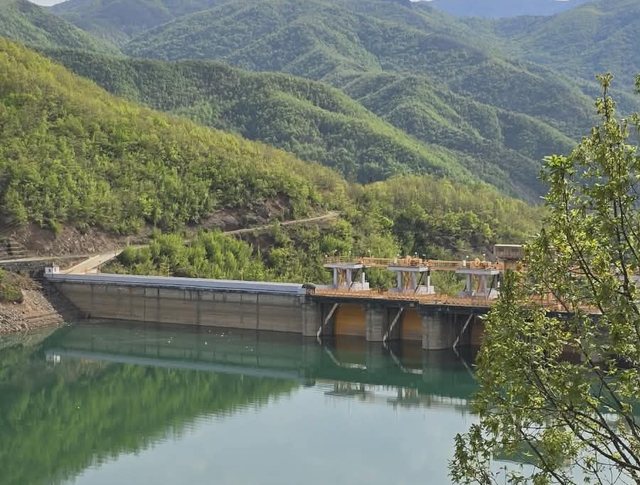
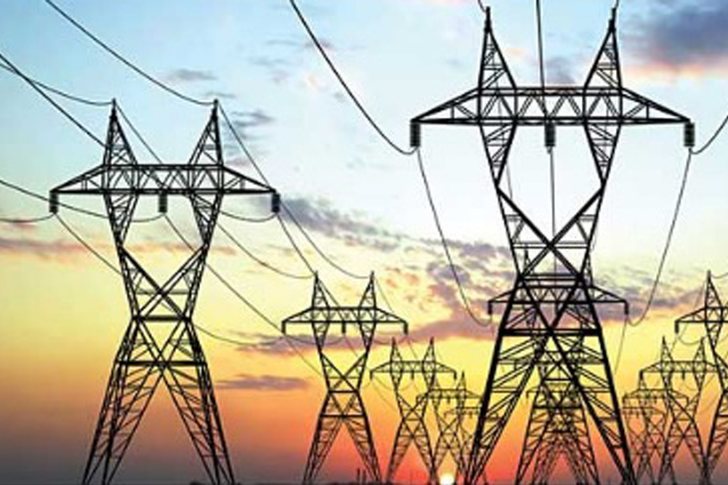
The first three months of the year marked a significant increase in energy, with production from hydropower plants being 70 percent higher in January-March 2026 compared to the same period a year earlier.
Data made public in the Energy Community report "Carbon Border Regulation Mechanism" show that Albania was advantaged compared to other countries in the region in its exports coming from renewable sources.
Specifically, according to the first quarterly report on the implementation of the Carbon Border Adjustment Mechanism (CBAM), Albania's hydropower production increased significantly, turning the country into a much more aggressive net exporter of energy to the region and the European Union market.
"Hydro production in Albania increased by 1.34 TWh (+70%) in the first quarter of 2026 compared to the same period in 2025, from 1.93 TWh to 3.27 TWh," the report states, while the increase was mainly concentrated in January and February, with +72% and +84% respectively, reflecting extremely favorable hydrological conditions.
This surplus, according to the report, immediately translated into higher exports. Albania increased planned exports to Greece by 4,100 MWh per day, to Kosovo by 3,700 MWh per day, and to Montenegro by 2,000 MWh per day.
The same document estimates that “these changes in trade flows represent a net movement of approximately 1.2 TWh of Albanian energy that left the country in the first quarter of 2026”, a volume that matches almost completely the additional increase in hydro production.
The economic impact is made even greater by the way the CBAM treats Albanian energy. Unlike Serbia, Bosnia or Montenegro, Albania has a zero emission factor, meaning that its exports to the European Union are not burdened with additional carbon costs.
“Electricity imported into the European Union from Albania was not financially affected by the CBAM,” the report states, adding that this “created a commercial incentive for importing Albanian electricity into EU markets.”
A situation like this turns Albania into a preferential energy corridor towards the European market, especially towards Greece and further towards Italy. The report notes that exports from Albania to Greece were emphasized, while Albanian energy, together with high Greek production, was redirected further towards Bulgaria and Italy.
The Energy Community warns that hydro-dominated systems like Albania “appear to be in a more structurally competitive position,” suggesting that CBAM is creating long-term winners and losers in the region. In contrast, countries with higher coal production face heavy tariffs.
Montenegro, for example, pays around 73.8 euros for every MWh exported to the European Union, while Albania pays zero. “The contrast between Albania and Montenegro shows how country-level emissions factors shape cross-border trade,” the report says, placing Albania on the winning side of Europe’s new energy transformation. /Monitor

A recent World Bank analysis of the Western Balkans highli...
This Thursday, one US dollar is bought for 81.2 lek and so...

Unlike January, which saw a record increase in savings in ...
Rich Albanians became even richer in 2025, while ordinary ...
Oil prices have risen sharply, approaching $120 per barrel...
The World Bank predicts that economic growth in Kosovo thi...
The country's public debt has marked a significant decline...
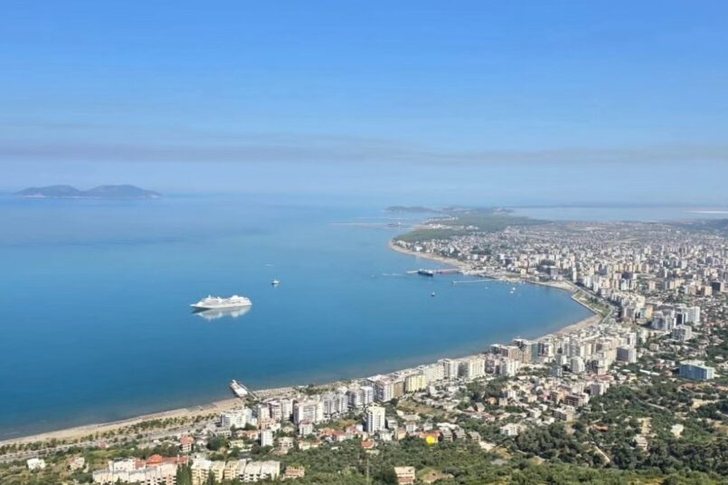
Tourism is Albania's golden opportunity, the fruits of whi...
Money laundering-related criminal offenses in Albania incr...
This Wednesday, one US dollar is bought for 81 lek and sol...
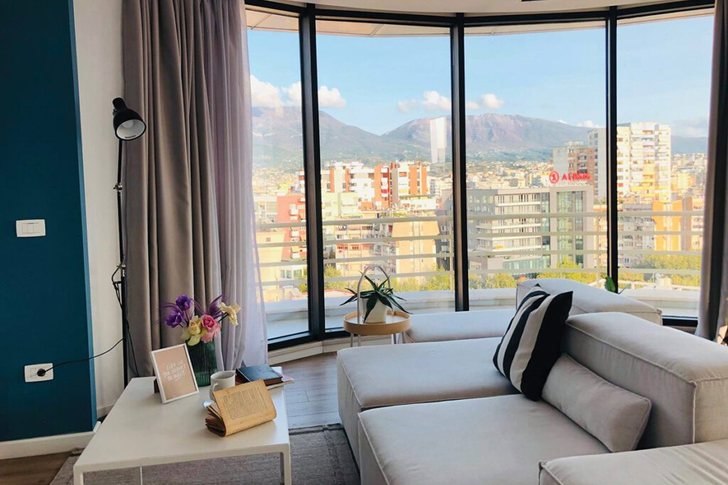
With average apartment prices in the capital exceeding 2,0...

The Tax Administration has reminded all natural persons, c...
After completing the process of submitting approximately 3...
The economies of the Western Balkans are entering a phase ...
The World Bank's latest Commodity Markets Outlook report p...
The Bank of Albania estimates that housing prices continue...
The topic of smart energy meters has once again come back ...
The World Bank Enterprise Survey for 2025 found a signific...
This Tuesday, one US dollar is bought for 80.9 lek and sol...
Budget revenues in relation to Gross Domestic Product reco...

The next case broadcast on the show "Stop", this Thursday,...
The case published this Thursday, June 4, on the show "Sto...

The protests of recent days related to the situation in Zv...
The case addressed this Wednesday, June 3, on the show "St...

The Special Board of Appeal (KPA) decided this Monday ...

The KPA vetting decided this Thursday to dismiss the p...

Suela Salavaçi, a prosecutor in the Prosecutor's Offic...

The Special Board of Appeal reinstated the prosecutor ...
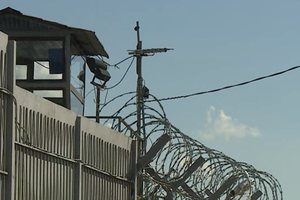
A convict was found dead today in the premises of the Pris...
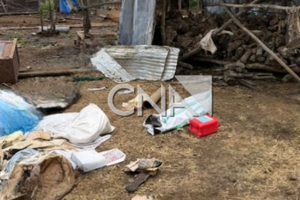
Several images provided by CNA show the area where this mo...

A quantity of explosive material exploded this morning at ...
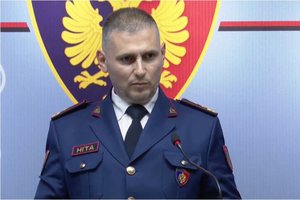
The Head of the State Police, Skënder Hita, expressed his ...

For many children and teenagers, the long summer holidays ...
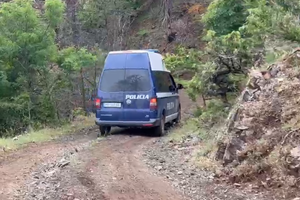
Witnesses in Lozhan, Maliqi, have shared details from the ...

Albania is facing an unprecedented demographic transition,...
On Thursday, our country will be affected by unstable weat...
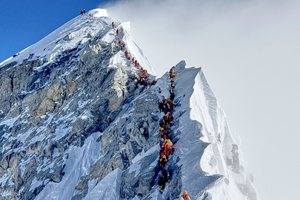
An extraordinary story of survival has been recorded in Ne...
The Peace Implementation Council in Bosnia and Herzegovina...
John Bolton, the former national security adviser to US Pr...
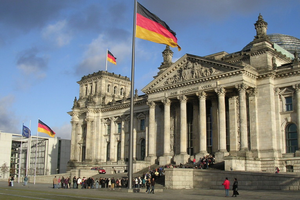
The number of millionaires worldwide rose by nearly 2 mill...

Korça is ready to open the summer season with one of the c...
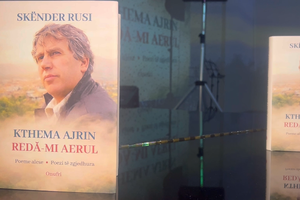
Two years after his passing, the renowned Korçë poet Skënd...
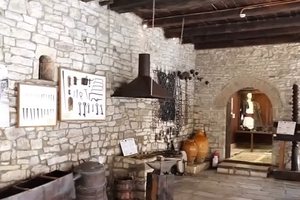
The Ethnographic Museum of Berat has opened its doors to v...
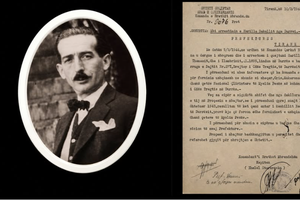
The story of Harilla Bakalli is one of the most chilling t...
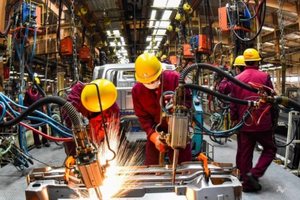
The government aims to transform the country's industrial ...
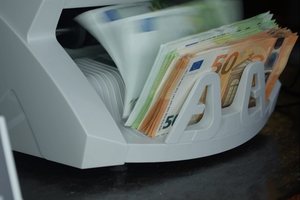
Kursi i këmbimit të euros me lekun ka rënë më tej këtë jav...
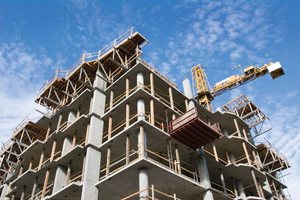
Profit margins in the construction sector have increased s...
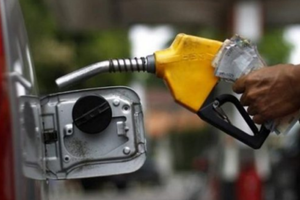
The Transparency Board, at its meeting today, decided to i...