

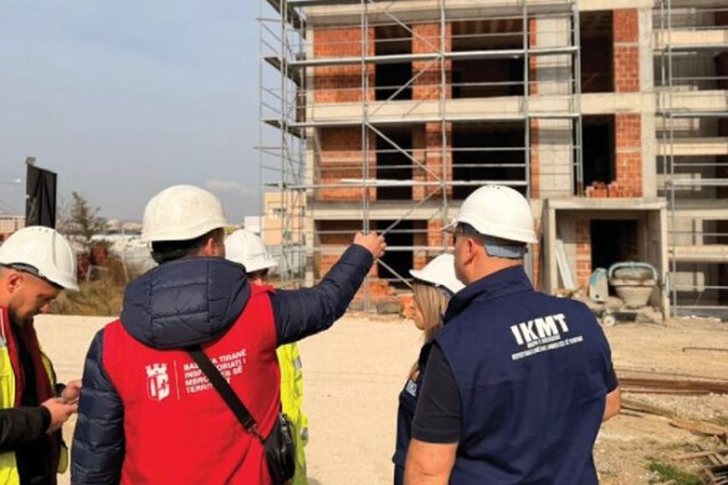
Before the EU, 20% of construction sites lack safety standards
20% of the construction sites out of the total of 338 insp...


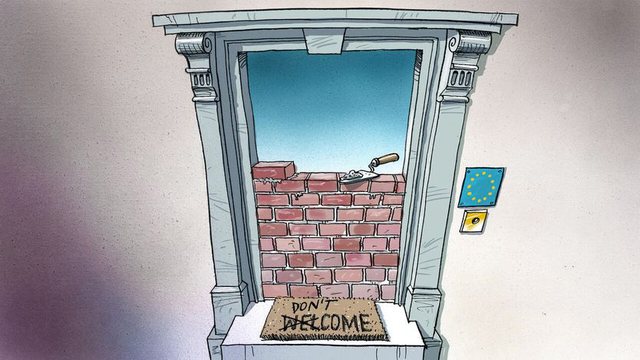
But that's only the easy half of its battle with migration, writes The Economist.
Given that the European Union often presents itself as a peace project, it sounds surprisingly belligerent when it comes to policymaking. It has trade and fiscal “bazookas” to hit crises, “silver bullets” for every problem, and “nuclear options” used as a last resort.
However, in the absence of an EU army, or even a European police force, the Brussels bureaucracy rarely has anything resembling a real weapon at its disposal. The one exception, and not coincidentally, is the European Border and Coast Guard Agency.
For more than a decade after its creation in 2005, Frontex agents had little more than whistles and warnings at their disposal, while helping national authorities keep migrants at bay.
Today, they also carry Glock 9mm pistols, FBI-style. In a union built to make war unthinkable, the first supranational weapon was deployed not for defense against armies, but to prevent the entry of unarmed people.
Whether because of these Glock pistols, or more likely as a result of a series of new measures adopted in recent years, illegal immigration to the EU has fallen significantly recently.
Illegal border crossings recorded by Frontex have halved in the past two years. Asylum applications in European Union countries have also fallen significantly.
Although migration flows can rise and fall at unpredictable rates, as happened with the arrival of around a million Syrians and Afghans in Europe in 2015 and 2016, several years after conflicts erupted in their countries, today an unusual sense of calm prevails at the EU's external borders.
On June 12, a "migration package" will come into force, initially conceived at the height of the crisis a decade ago, which will tighten border controls and is expected to further reduce irregular immigration.
Maybe, just maybe, it is possible that Europe has finally found a solution to the problem of new unwanted arrivals on its shores. But, unfortunately, there still remains the politically highly sensitive issue of immigrants already living in Europe and who are often poorly integrated into society.
It could be said that Europe has solved half of one half of its migration problem.
Megjithatë, për herë të parë pas shumë vitesh, në ministritë e Brendshme europiane mbizotëron një atmosferë që i ngjan optimizmit. Emigracioni i paligjshëm është ajo çështje që çdo udhëheqës i BE-së e di se mund t’i kushtojë postin nëse menaxhohet keq. Për këtë arsye, zyrtarët në Bruksel kanë hartuar mënyra konkrete për të frenuar mbërritjet e padëshiruara.
Masa më efektive ka qenë financimi i vendeve tranzit, si Tunizia dhe Egjipti, me kusht që ato të pengojnë emigrantët nga vende të tjera të vazhdojnë rrugën drejt Europës. Një marrëveshje e ngjashme me Turqinë ndihmoi në frenimin e krizës në vitin 2016 dhe që atëherë është zgjeruar.
BE-ja tashmë bashkëpunon më ngushtë edhe me vendet nga ku nisen emigrantët, edhe nëse kjo nënkupton dialog me regjime problematike, si talebanët në Afganistan.
Kushtet do të bëhen edhe më të ashpra për emigrantët e mundshëm. Duke filluar nga fundi i këtij muaji, kushdo që hyn në mënyrë të parregullt në BE dhe ka pak gjasa të përfitojë mbrojtje si refugjat, sepse vjen nga vende të konsideruara të sigurta, si Bangladeshi, do të vendoset në qendra ndalimi pranë kufirit, ndërsa shqyrtohet kërkesa e tij.
Ata që nuk kualifikohen për azil, aktualisht shumica dërrmuese e rasteve, dikur mund të prisnin të kalonin vite duke punuar në ekonominë informale të vendeve europiane ndërsa prisnin dëbimin. Kjo nuk do të ndodhë më.
Sipas një marrëveshjeje të arritur më 1 qershor, personat të cilëve u refuzohet azili mund të dërgohen në “qendra kthimi” në vende të largëta si Uganda ose Uzbekistani, ndërsa BE-ja organizon riatdhesimin e tyre. Shpresa është që emigrantët e mundshëm të heqin dorë nga udhëtimi që në fillim.
Europa meriton vlerësime për faktin se ka frenuar mbërritjet pa iu drejtuar metodave demonstrativisht brutale që përdoren nga zyrtarët e zbatimit të ligjeve të emigracionit në Amerikë.
Megjithëse gjuha ndaj emigracionit është bërë më e ashpër dhe shumë OJQ janë të tronditura nga një strategji që, sipas tyre, me të drejtë, ua transferon problemet e Europës regjimeve problematike, masat në tërësi janë relativisht të arsyeshme.
Megjithatë, mbeten shumë rreziqe. Schengen-i, sistemi i lëvizjes pa pasaportë, është pezulluar pjesërisht nga disa vende, përfshirë Francën dhe Gjermaninë, për shkak të frikës se emigrantët e paligjshëm mund të lëvizin lirisht nga një vend i BE-së në tjetrin.
Askush nuk e di se sa mirë do të funksiononte paketa aktuale në rast të një vale të re emigracioni. Qendrat e kthimit në Afrikë ose Azi, të cilat ende nuk janë ngritur, do të kenë kapacitete të kufizuara.
Përpjekjet për të “eksternalizuar” përpunimin e kërkesave për emigracion, si qendrat që Italia hapi në Shqipëri në vitin 2024 për shqyrtimin e kërkesave për azil jashtë territorit të saj, janë bllokuar në gjykatat e BE-së.
Jo tani për ata që kërkojnë strehë
Migracioni vazhdon të helmojë politikën europiane. Por sot kjo nuk ndodh kryesisht për shkak të mbërritjeve të reja në kufi.
On the contrary, hostility towards immigrants who arrived earlier, whether in 2015 or 1975, has helped right-wing populist parties climb to the top of the polls in Germany and France, as well as take power in Italy.
Political attacks on people of foreign origin, most of whom are legally settled in Europe or were born there and many of whom are citizens of European countries, have become commonplace across much of the political spectrum.
On May 30, several hundred people attended a “remigration summit” in Portugal, where representatives of the xenophobic Alternative for Germany party were also present. The idea that descendants of immigrants should be encouraged to leave the country is clearly racist, but it is no longer considered taboo.
Jordan Bardella, who leads the polls for the first round of next year's French presidential election, blamed immigrants "who are physically in France but their soul and heart are elsewhere" for a night of riots after a football match.
For such parties, the issue of migration is too politically powerful to leave behind, even if the number of new arrivals falls.
The integration part of the migration challenge cannot be solved with weapons or agreements. Perhaps, if irregular arrivals remain low for many years, some of the political tension could fade. And it should.
In the coming decades, Europe will need immigrants to compensate for its demographic decline. That doesn't mean opening its borders to anyone who chooses to move there. But it does mean that, one day, some immigrants will have to be welcomed with open arms, not with a Glock. /Monitor

20% of the construction sites out of the total of 338 insp...
Anëtari i Këshillit Kombëtar të PD-së, Ilir Alimehmeti ka ...
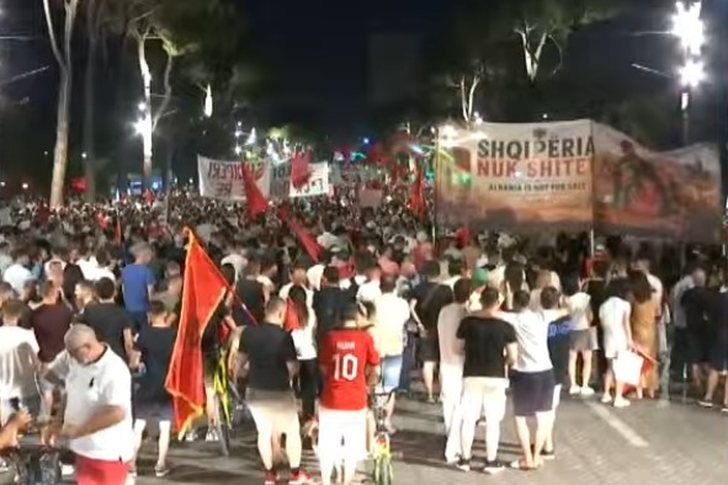
The protesters have left the Prime Minister's Office and h...
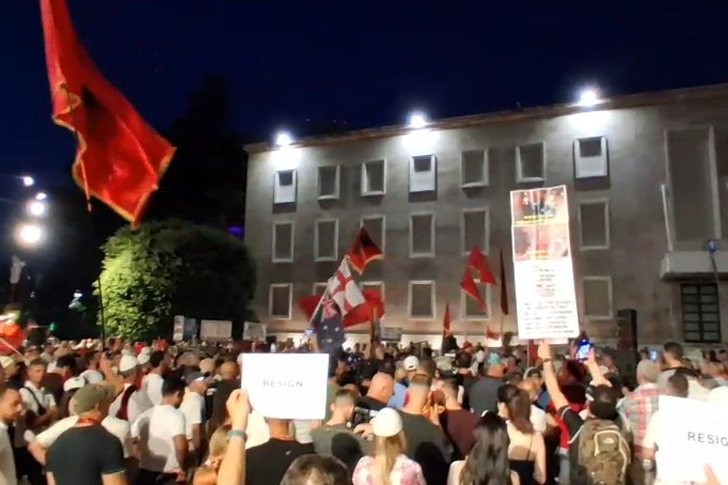
One of the protesters at the rally in front of the Prime M...
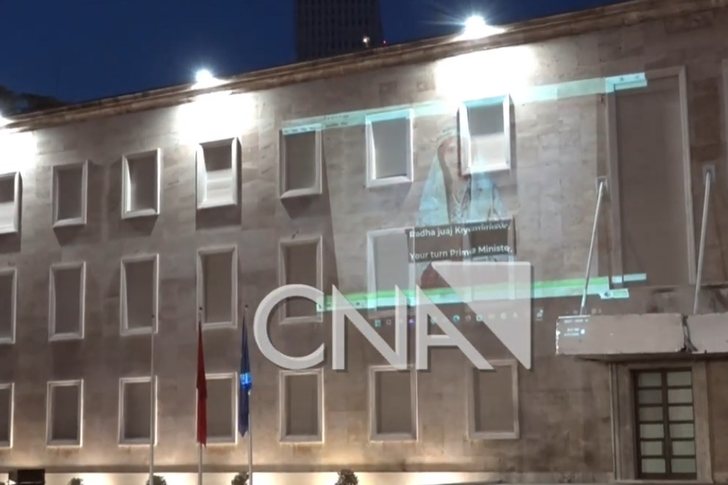
Protesters have displayed on the walls of the Prime Minist...
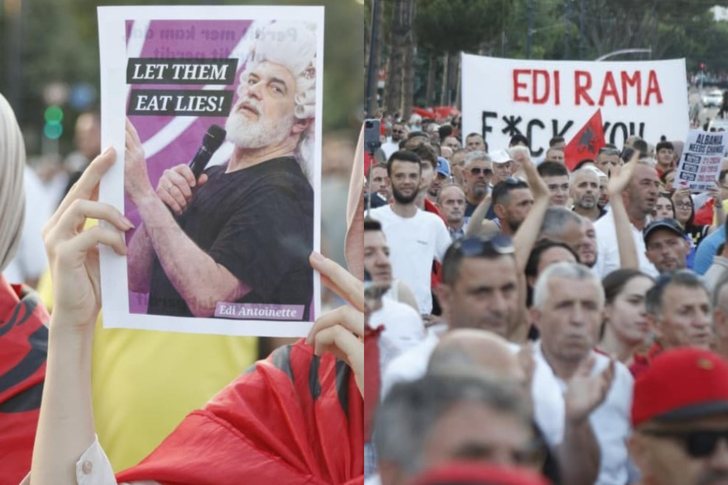
Citizens have been protesting on the "Martyrs of the Natio...
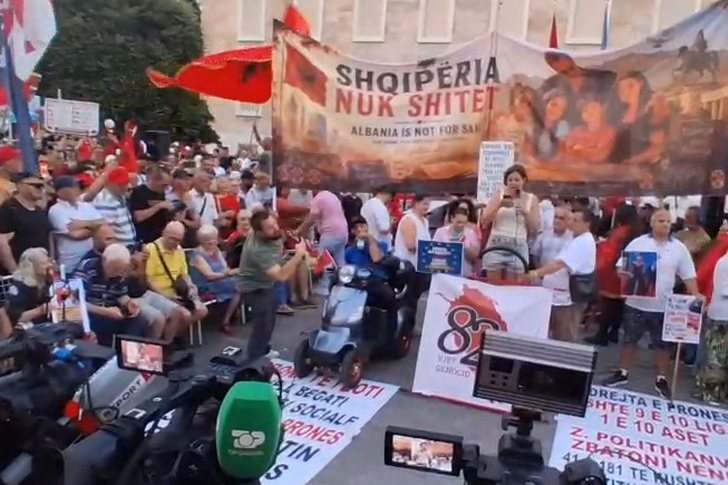
Italian MEP Ilaria Salis also participated in today's prot...
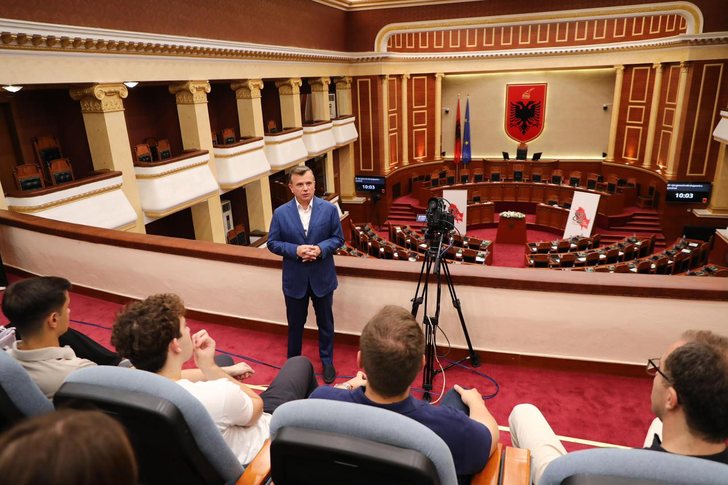
During a conversation with students from North Macedonia i...
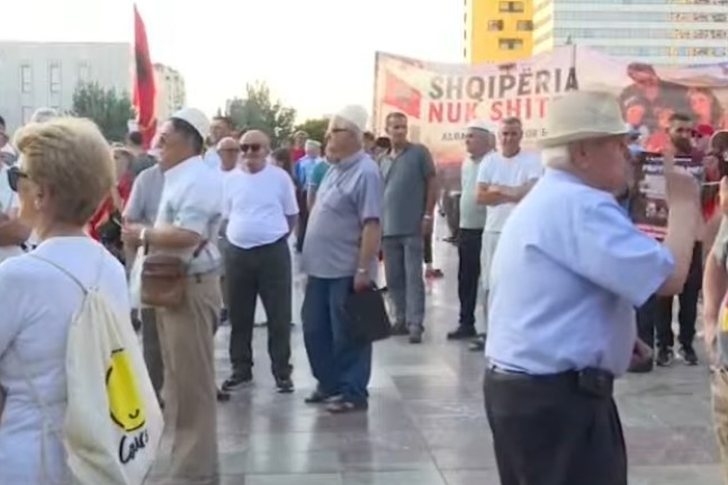
The 28th protest against the government has begun. As on o...
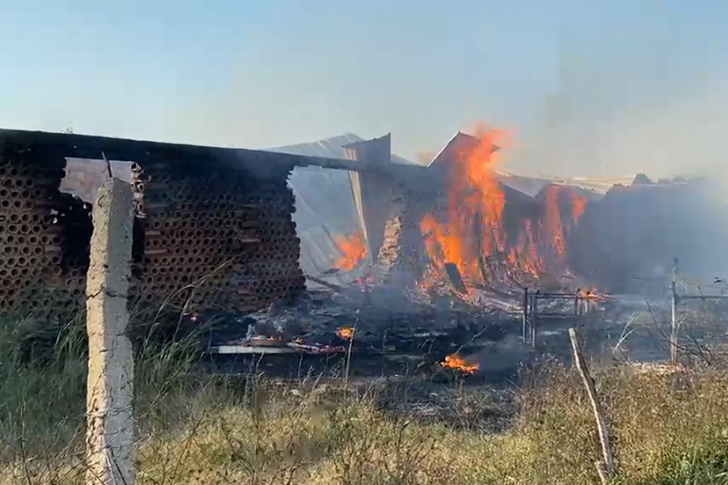
An agricultural warehouse was engulfed in fire today in Sa...
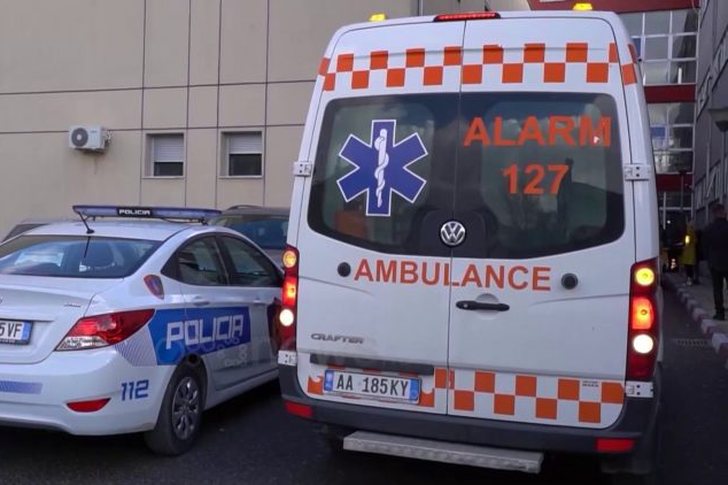
A serious incident is reported to have occurred today in P...
Former Deputy Chairman and former DP MP, Edmond Spaho, has...
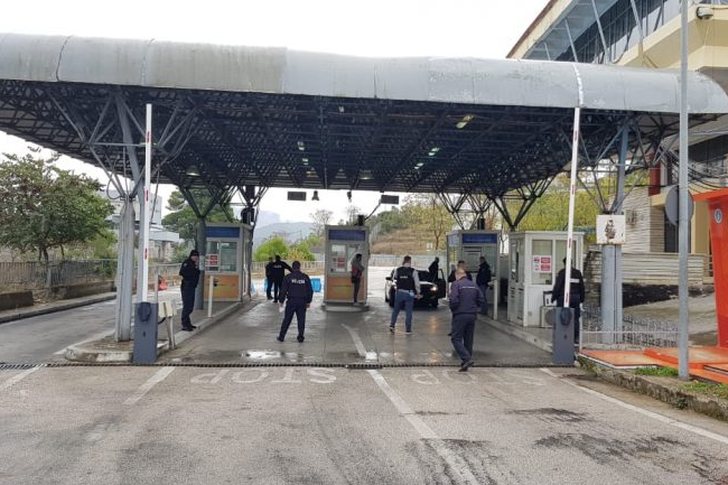
Albania and North Macedonia have reached an agreement that...
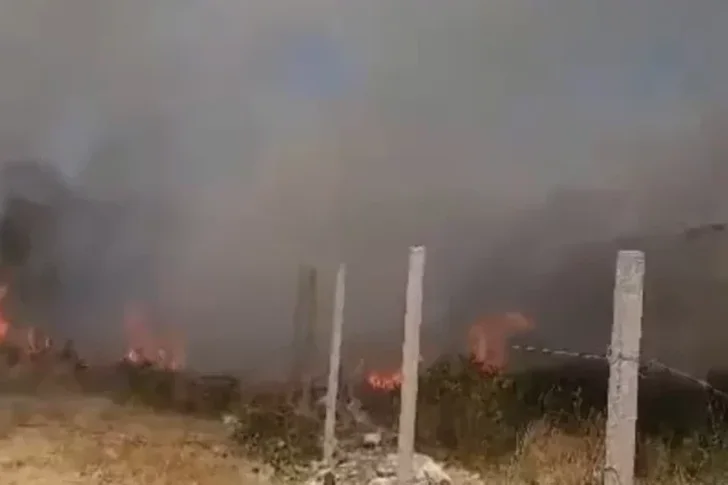
A fire was reported today in Vlora, near the former Aviati...

The former director of the Shkodra police, Gentian Berberi...
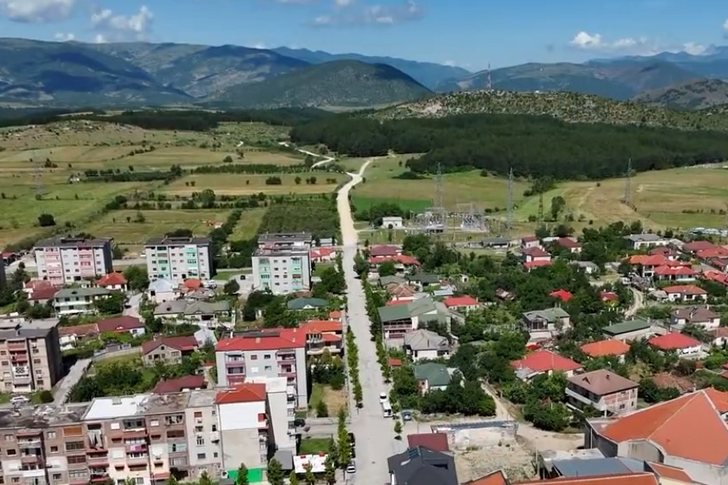
A journey to one of the areas with the greatest history, t...
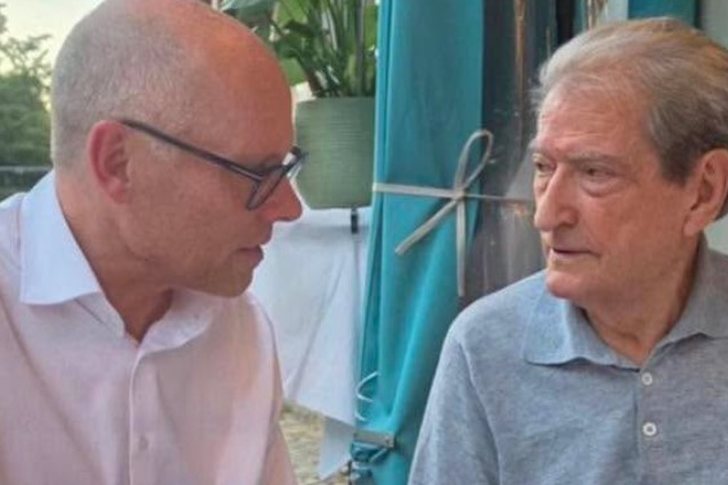
The Chairman of the Democratic Party, Sali Berisha, has pa...
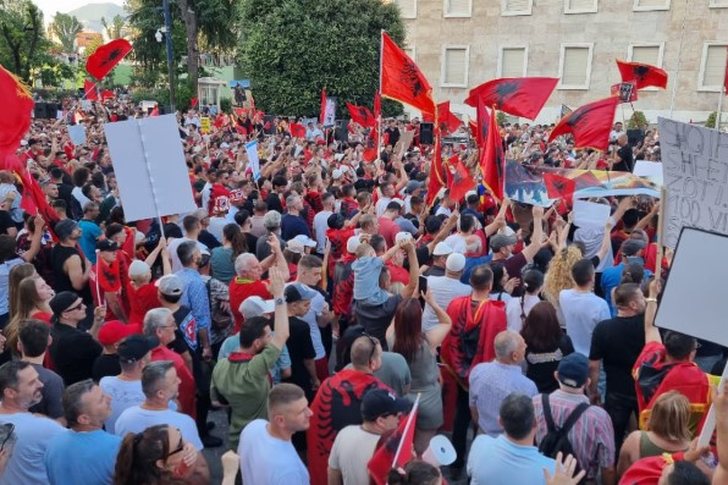
15 citizens are being prosecuted for organizing and partic...
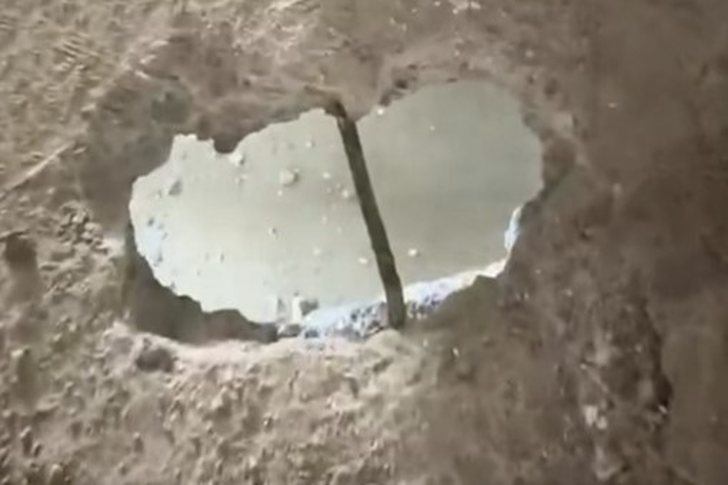
DP MP Saimir Korreshi has once again denounced the problem...

The leader of the Democratic Party, Sali Berisha, has reac...
After revealing the property portfolio in Tirana, Kavaja, ...
Four months ago, on March 11, CNA sent an official letter ...
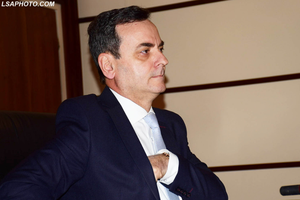
Sokol Sadushi, the president of the Supreme Court, is the ...
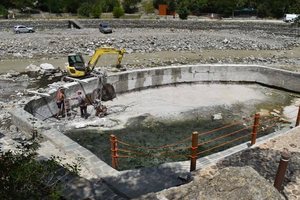
Journalist Elton Qyno has made a complaint regarding the w...

The Special Board of Appeal (KPA) decided this Monday ...

The KPA vetting decided this Thursday to dismiss the p...

Suela Salavaçi, a prosecutor in the Prosecutor's Offic...

The Special Board of Appeal reinstated the prosecutor ...

The former director of the Vlora Police, Sokol Mulosmani, ...
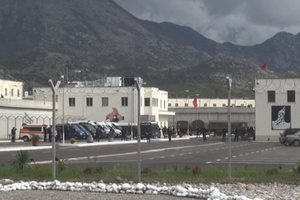
A detainee in Shkodra prison passed away in the early hour...

Two owners of a store in the former Customs area of Tira...
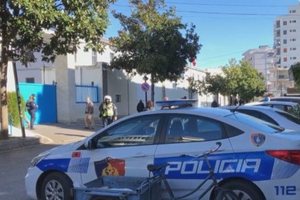
Two vehicles were engulfed in fire during the night hours ...

The Institute of Geosciences has today shared a forecast r...
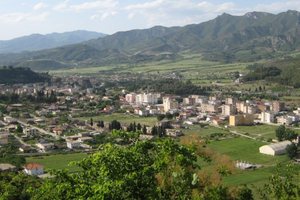
Villages are facing one of the most serious demographic cr...

On Sunday, our country will be affected by stable weather ...
Today our country will be affected by stable weather condi...
A 4.1 magnitude earthquake struck Algarve, Portugal's popu...
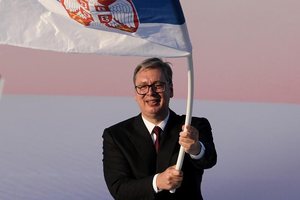
Tens of thousands of his supporters - some voluntarily, so...

A civilian plane has crashed in the town of Tomblaine, in ...
Moscow is building a new missile defense complex near a re...

During my research into the life and artistic photographic...

This year's edition of the Gjon Mili International Video A...

The promotion of the book by author Aleksandër Ikonomidhi ...
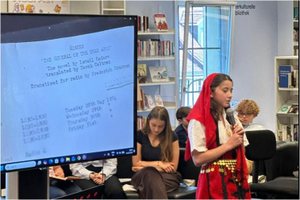
The Albanian Embassy in Switzerland has organized an eveni...

This Sunday, one US dollar is bought for 82 lek and sold f...
The fishing sector has recorded a worrying performance dur...

This Saturday, one US dollar is bought for 81.8 lek and so...

The insurance market is growing at a slower pace this year...