


Two documents/ Ajola Xoxa made Erion Veliaj a partner with Mirel Mërtiri and Klodian Zoto
The in-depth investigations that SPAK conducted into Ajola...

The in-depth investigations that SPAK conducted into Ajola...

CNA TV has acquired exclusive rights from renowned professor and scholar of history and geopolitics, Stephen Kotkin, to broadcast his academic lectures. This is one of the first cases in Albania where a media outlet broadcasts a university lecture of this level.
According to Kotkin, authoritarian regimes are both very powerful and very fragile. He emphasizes that they are powerful for a period and then become fragile. They are fragile all the time and suffer from structural problems that, even when they appear strong, make them vulnerable. For this reason, they can collapse at any moment or not collapse at all.
Kotkin's second proposition is that when authoritarian regimes collapse, they are usually replaced by other versions of authoritarianism, because the elements that shape the succeeding regime are usually the broken pieces of the previous regime.
The Paradox of Dictatorship: Absolute Power, Permanent Fragility
It's a pleasure to see you all here on this beautiful day. My name is Bill Wolforth, a professor in the Department of Government here at Dartmouth. There are plenty of seats up front; no one will ask you questions and there will be no pressure to come closer. If you need to leave early, we'll understand.
It is my great pleasure to welcome you to Dartmouth and to introduce today's speaker, Professor Stephen Kotkin, professor of history and international affairs at Princeton University, holder of many distinguished positions, and a scholar who is in many ways ideally positioned to speak on today's topic: the struggle to understand authoritarian regimes, which can seem on the brink of collapse but last forever, or they can seem as unshakable as the Rock of Gibraltar and then suddenly collapse.
What academic background and credentials does Professor Kotkin bring to this topic? If I were to describe them all in detail, it would take up too much of his speech time, so I will mention only a few points: he has comprehensively studied, in a groundbreaking monograph, the dynamics of Stalinism; he has studied the collapse of the Soviet regimes of Eastern Europe in 1989, an event that no one expected; he has written authoritatively about contemporary politics in less than fully democratic countries like Putin’s Russia, approaching it from different perspectives – bottom-up, top-down, from a global perspective, and from a deep historical and contemporary approach. Few scholars can manage this range of analysis as Kotkin has.
It is therefore my great pleasure to welcome him to Dartmouth and I look forward to his speech.
Prof. Stephen Kotkin: Thank you for the introduction and for the invitation. This is my first visit here. I have known Professor Wolforth for a long time; we have been colleagues for a long time and he is known among us as the one who “got away from us”, who “slipped through our hands”, and now you are his greatest beneficiaries — but I must say we miss him.
I'm going to give a very simple presentation, because it's 4:30 and you've probably been thinking about complex ideas all day. Now it's time to simplify things a little. I'm going to present two or three very simple propositions, illustrate them briefly, and then, if you're still here, we'll have a question-and-answer session.
My first proposition is that authoritarian regimes are both very powerful and very fragile; this is an inherent characteristic of them. They are not powerful for a period and then become fragile. They are fragile all the time and suffer from structural problems that, even when they appear strong, make them vulnerable. For this reason they can collapse at any moment… or not collapse at all. We will talk about this later.
The second proposition is that when authoritarian regimes collapse, they are usually replaced by other versions of authoritarianism, because the elements that shape the succeeding regime are usually the broken pieces of the previous regime. Often when I have made this argument, audiences have lost interest, but after recent events in Egypt, the public has become more open to this question: what replaces an authoritarian regime?
These are my two simple propositions. I believe in truth, and I will now briefly examine them, trying to illustrate them. The specific cases — China, Saudi Arabia, Iran, Russia, the United Arab Emirates, Singapore, and others — we can discuss later, according to your interest. I will now speak a little more generally to establish some patterns, rather than the specific details of each regime, but I am ready to discuss all the cases that you have in mind./ CNA
View this post on Instagram

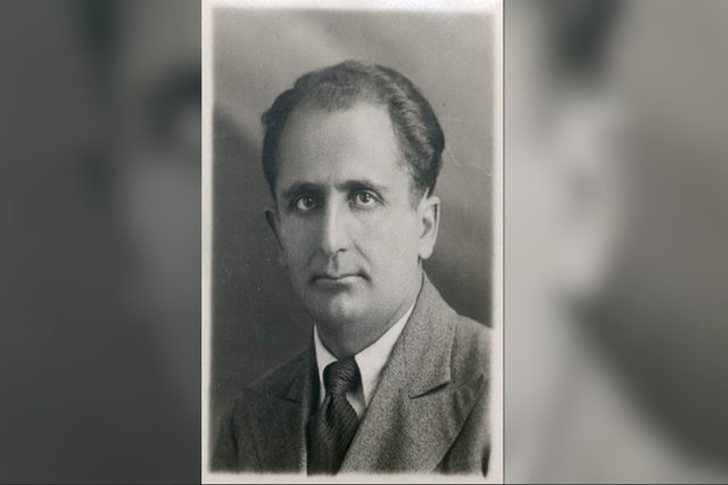
CNA brings another document that tells us historical facts...

The opposition is protesting in front of the Prime Ministe...

The Chairman of the Democratic Party leaves the blue headq...
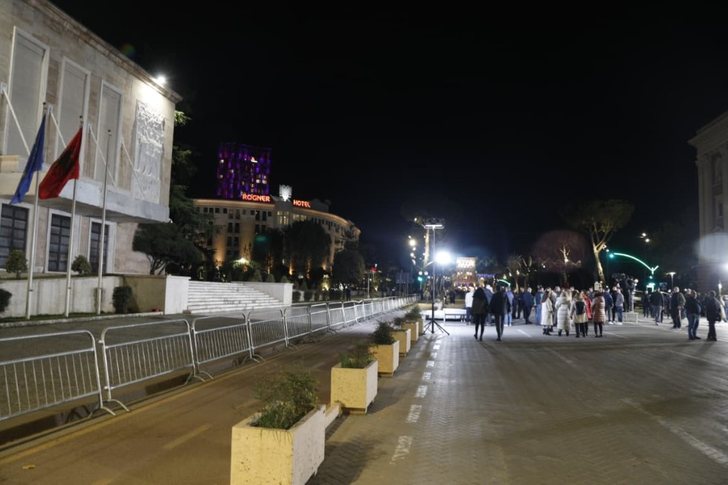
Protesters have begun gathering in front of the Prime Mini...
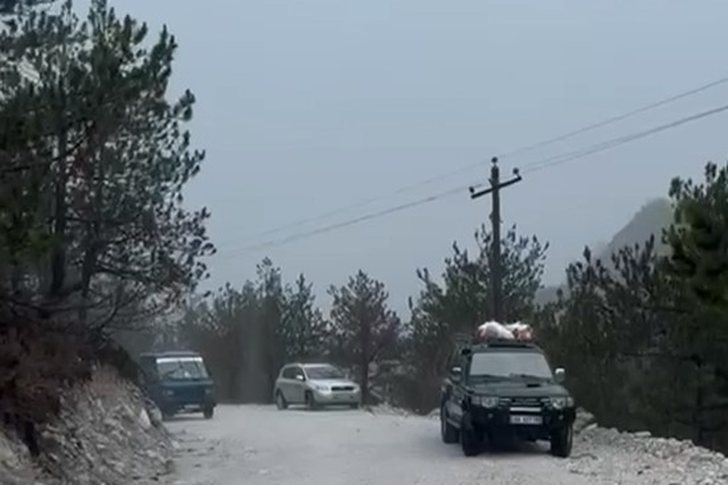
The intense rainfall that has affected the Theth area has ...
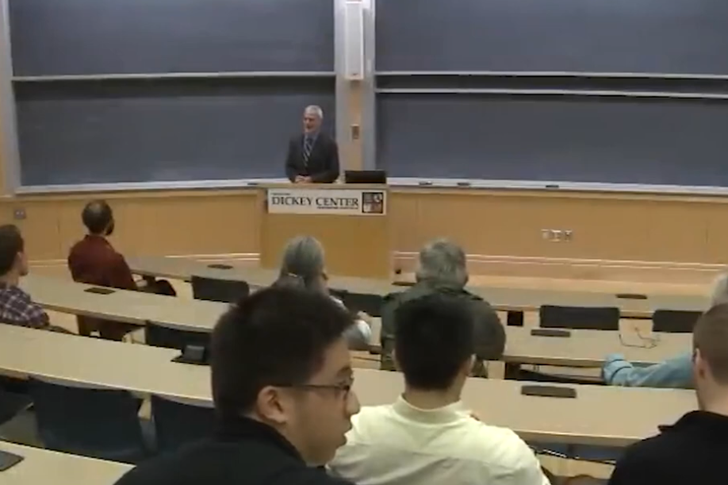
CNA TV has acquired exclusive rights from renowned profess...
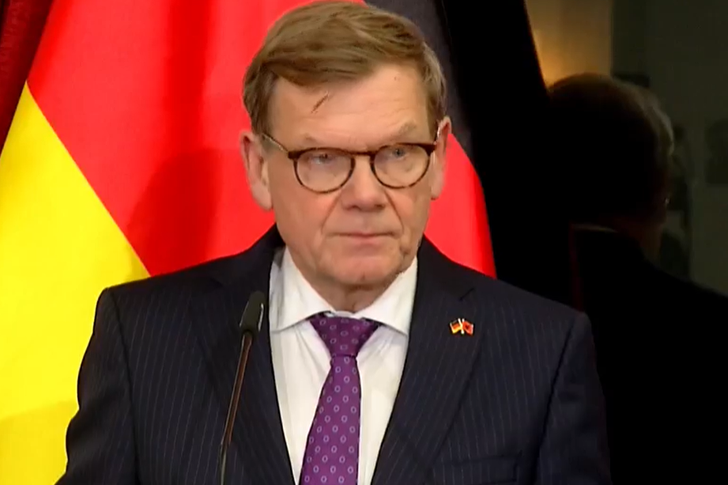
German Foreign Minister Johann Wadephul has arrived in Alb...

The US Embassy in Tirana has announced that, following the...

German Foreign Minister Johann Wadephul has arrived in Alb...

On November 17 and 18, Albania will be hit by heavy rainfa...
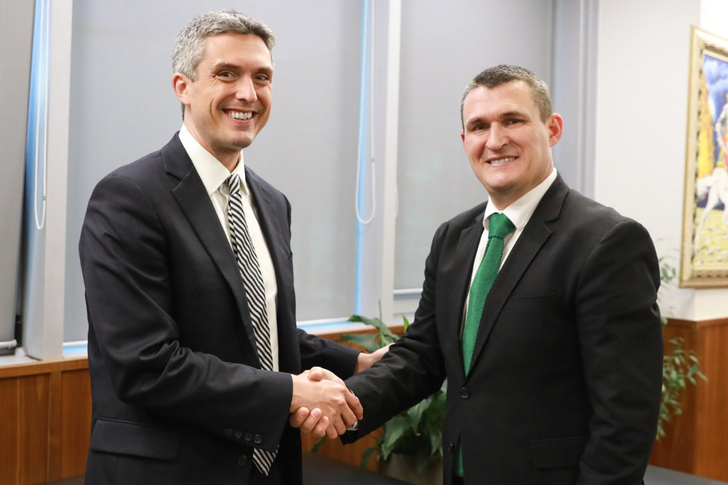
The US Embassy in Tirana has announced that after the end ...

The Tirana Prosecution Office has filed a complaint agains...
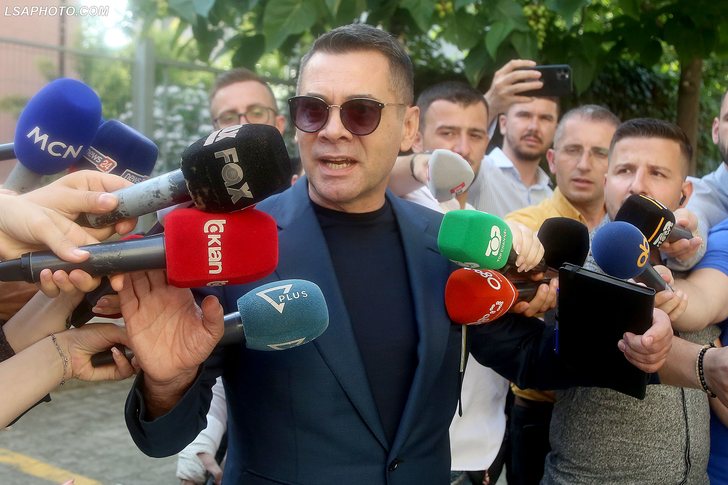
Former Deputy Prime Minister Arben Ahmetaj has reacted to ...
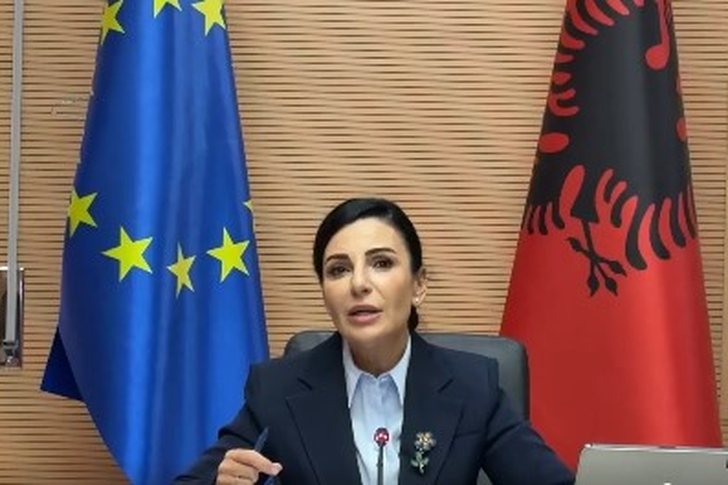
Deputy Prime Minister Belinda Balluku has held a coordinat...
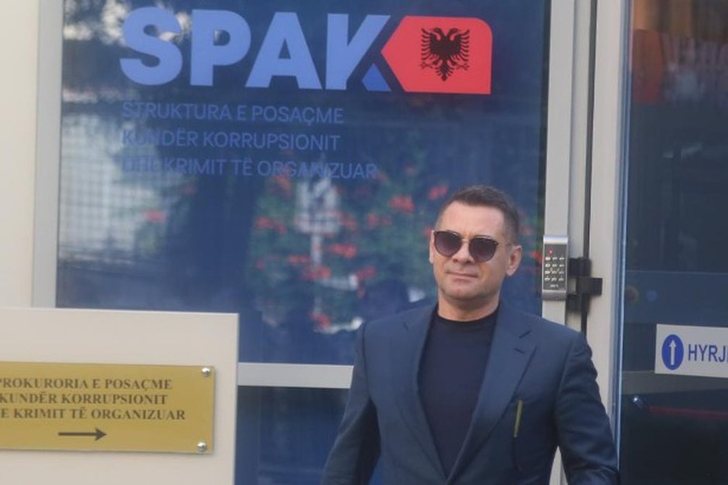
Today, a piece of news was produced, surprisingly fake new...
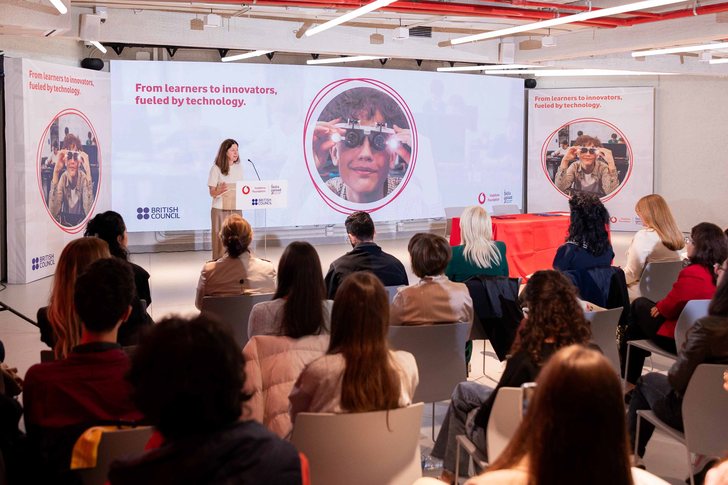
The Vodafone Foundation in Albania and the British Council...
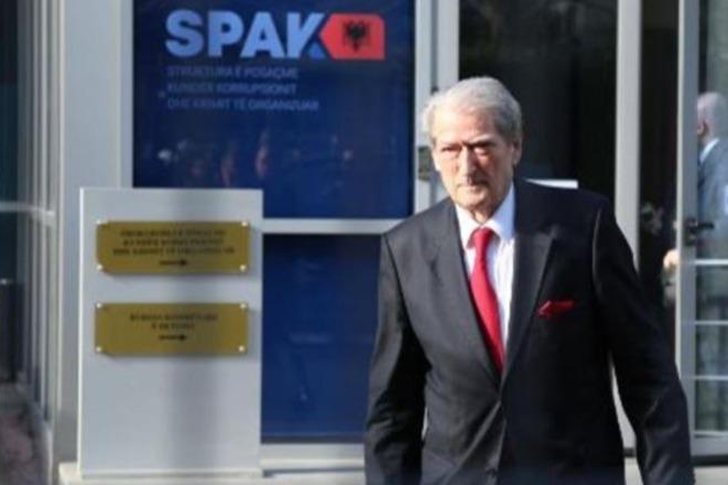
The Special Prosecution Office has set a date for the inte...
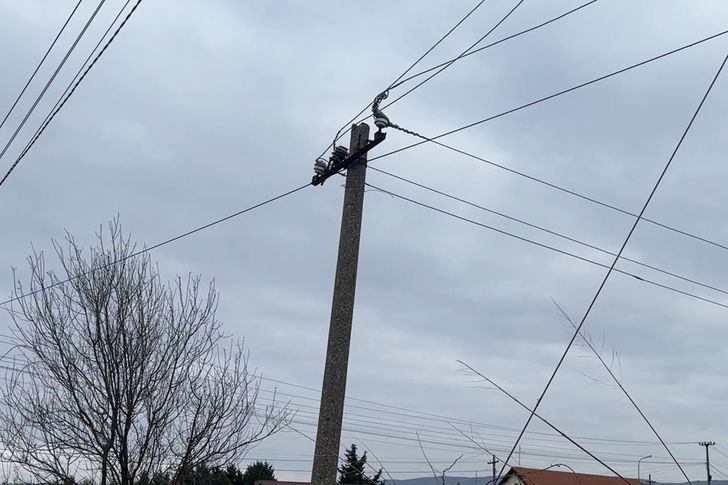
Bad weather with heavy rain and strong winds, starting at ...

Journalist Artan Hoxha spoke about the person arrested and...
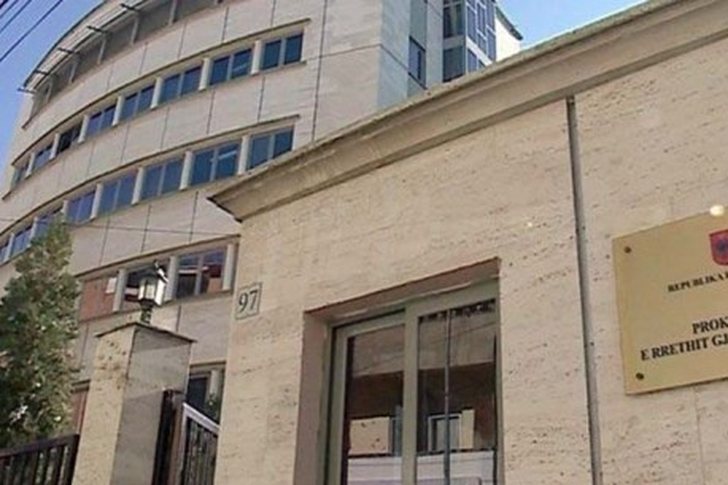
The Tirana Prosecution has requested 23 years in prison fo...
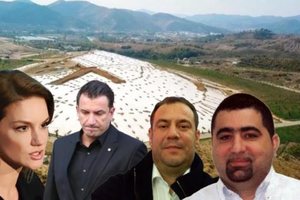
The in-depth investigations that SPAK conducted into Ajola...
SPAK's standards, the way it investigates, how it secures ...

Irfan Hysenbelliu claims to be a big businessman, an hones...

The murder of officer Enea Mekolli in the line of duty has...

The Special Board of Appeal (KPA) decided this Monday ...

The KPA vetting decided this Thursday to dismiss the p...

Suela Salavaçi, a prosecutor in the Prosecutor's Offic...

The Special Board of Appeal reinstated the prosecutor ...

Another gunshot wound occurred at the scene. According to...

A gunshot wound occurred this afternoon in Shijak. Accordi...
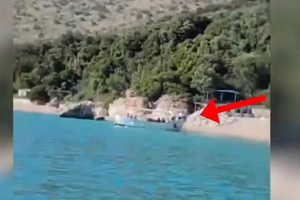
The Border Police blocked the vessel and fined the driver ...
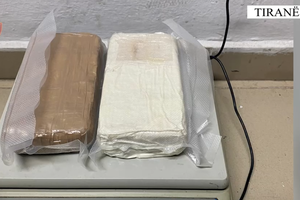
A police operation codenamed "Zonet" has ended with the se...
On Monday, our country will be affected by relatively stab...

More than 860 million people fall ill and 1.5 million die ...
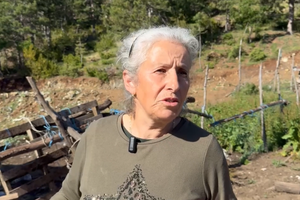
The mother of Violand Braçellari, the perpetrator of the s...
The modern European traveler seeks a meaningful connection...
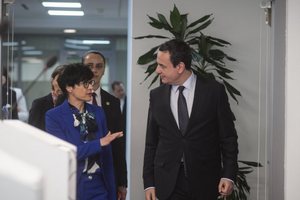
The European Union Commissioner for Enlargement, Marta Kos...
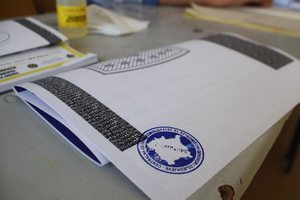
The counting of votes for political entities in Kosovo has...

Oil prices rose on Monday, with Brent crude rising 4.5% to...

Six people were injured in a stabbing attack at New York's...

Korça has transformed this weekend into the capital of cel...
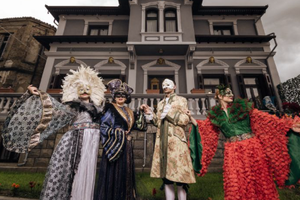
Korça is ready to open the summer season with one of the c...
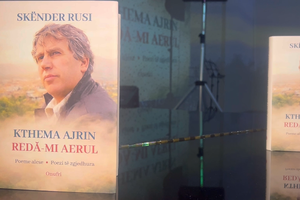
Two years after his passing, the renowned Korçë poet Skënd...

The Ethnographic Museum of Berat has opened its doors to v...

This Monday, one US dollar is bought for 81.8 lek and sold...

The tourist apartment market is continuing to expand at a ...
The number of properties sold by entities monitored by the...
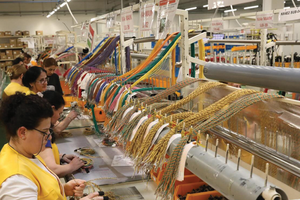
The automotive industry in Albania is currently at a turni...