Hormonal therapy/ Akil Pano demands the suspension of the ministry's order, warns Evis Sala
The "Pro-Family Coalition" has been placed before the Mini...

The "Pro-Family Coalition" has been placed before the Mini...

A serious criminal incident, in which a State Police employee was killed and another was injured, inadvertently revealed to us another phenomenon that deserves attention.
Because, it appears and reappears as evidence of unexplained linguistic ignorance from those who more than others must prove that they possess the culture of the language: Journalists.
Beyond the gravity of the event itself, almost all the journalists who reported it said the same sentence: "Police officer Enea Mekolli was killed and another officer, Edison Adri, was injured!".
If we refer to the lexical meaning of the words used, we find ourselves faced with a paradox: While the criminal killed one police officer and injured another, fellow journalists, with their language, "killed" the officer.
At first glance, it may seem like an insignificant detail. But the culture of language is built precisely on such details. Words are not simply tools to fill out sentences; they carry certain meanings and, when used carelessly, can distort the very message they are intended to convey.
In Albanian, the word "effective" means the total number of soldiers or military personnel of a department, a sub-department, a military unit or the army of a state. Consequently, by effective we also understand the number of police officers in a unit, in a police department, in a police station, in a directorate or in the entire State Police.
In all these cases, the word "effective" refers to a group of people and not a specific individual.
Let's say, for example, that "the police station staff consists of 120 employees", or that "the police force staff was increased by 10 more police officers".
But, we cannot say "120 officers make up the police station" or "the number of law enforcement officers was increased by 10 more officers."
So, with the word "effective", in neither case do we mean a single person.
Therefore, one cannot say "the police officer was killed", but "the police officer was killed".
Of course, languages ??are not frozen systems. They are constantly changing. Words acquire new meanings, lose old meanings, and adapt to the needs of communication.
This is a well-known process in language evolution.
Journalism is not just reporting facts. It is also a culture of expression. The journalist does not only inform about what has happened; he offers models of public communication every day. For this reason, his responsibility does not end with the truthfulness of the news, but also extends to the accuracy of the language with which he conveys it.
But the issue is not about possible misunderstanding; it is about the relationship we have with language.
Standard Albanian clearly distinguishes between collective nouns (effective, collective, personnel, staff, class, population, crew) and individual nouns (employee, policeman, soldier, student, member).
Therefore, the phrase "one effective" creates a semantic conflict, because the singular is being assigned to a noun that in Albanian names a group or a quantity of people.
It is true that languages ??are constantly evolving and that intensive use can lead to the emergence of new meanings. However, until a semantic extension is accepted and codified by the norm, public communication must rely on consolidated forms of the standard.
In this specific case, formulations such as "police officer", "police officer", or "police officer" remain more accurate from a normative-semantic point of view.
Respecting the linguistic norm is not a matter of formality; it is part of the professional responsibility of public communication.

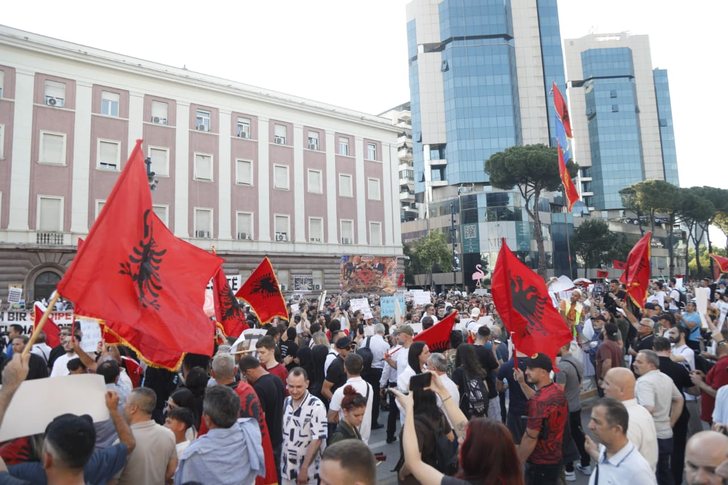
The protests over “Zvërnec” have achieved something that u...
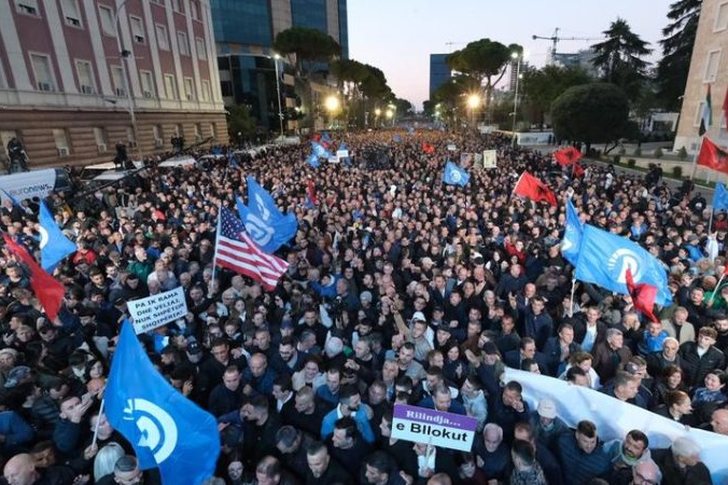
The energy of the movement in the squares of Albania and i...
For those who say "the protest has accomplished nothing," ...
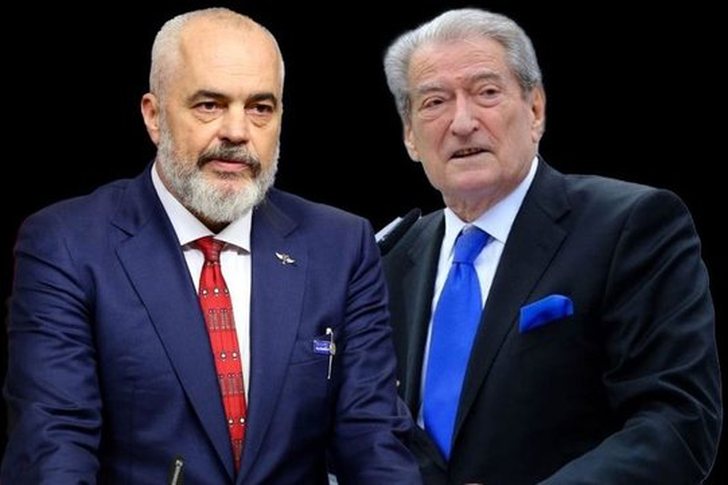
The answer to this question clearly divides the public: -...
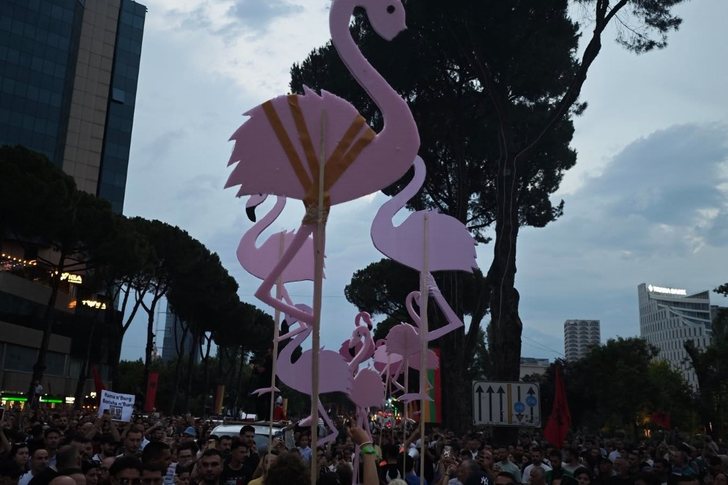
Under the banner of environmentalism, a battle is being wa...
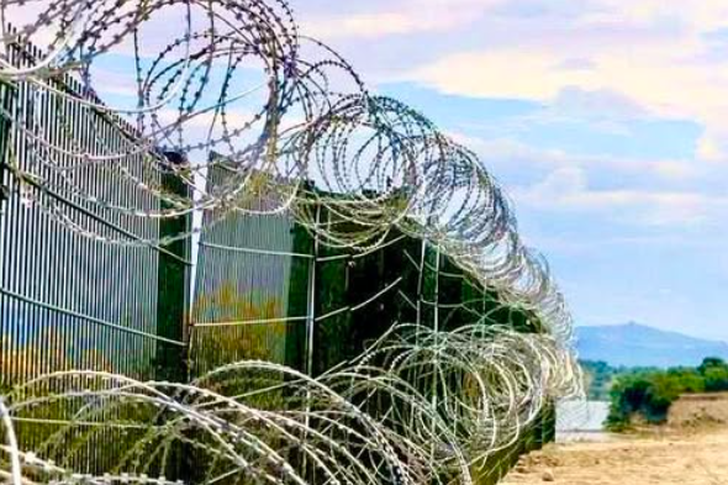
One of Edi Rama's first acts as Prime Minister was to tear...
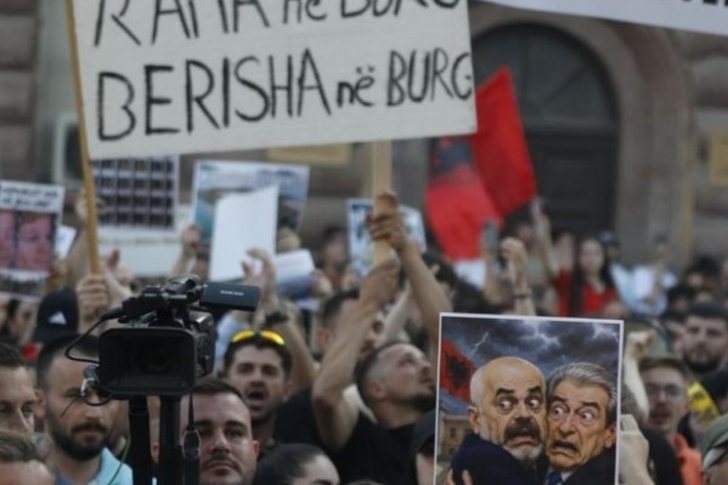
In recent days, in civil society protests, protesters have...
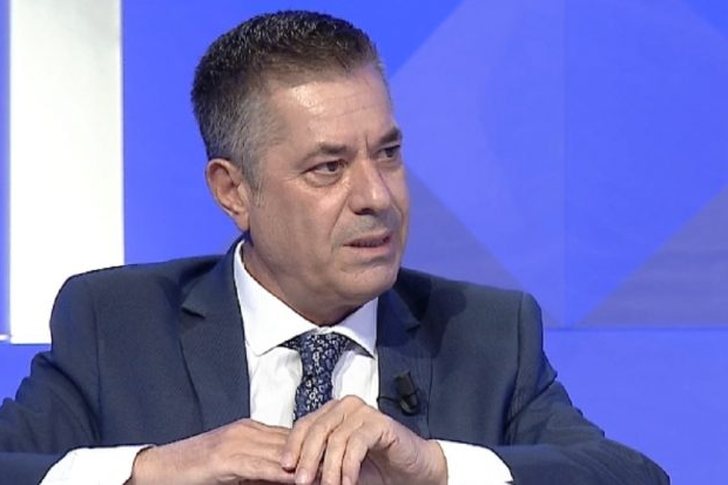
Edi Rama is fond of frequently mentioning the old axiom th...

One of the greatest disasters of our time is not the lack ...
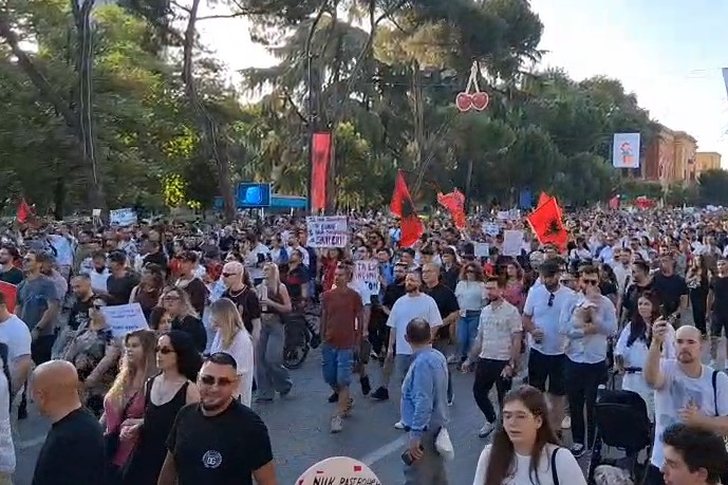
Despite the chaos of messages, banners, placards and cause...
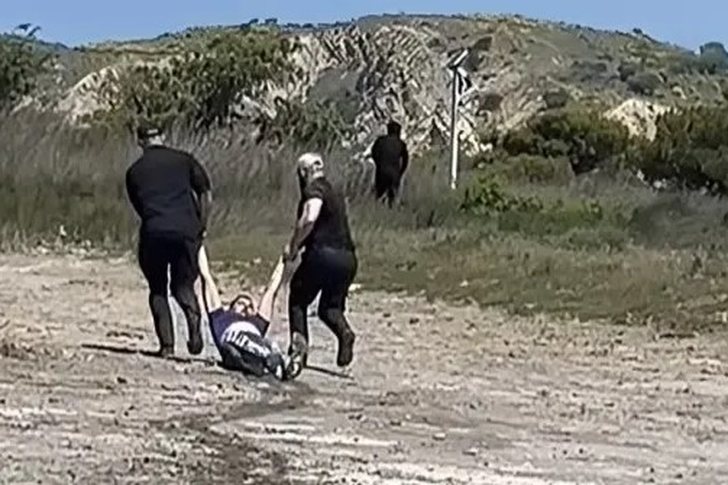
The abduction and ruthless rape of a protesting citizen, l...
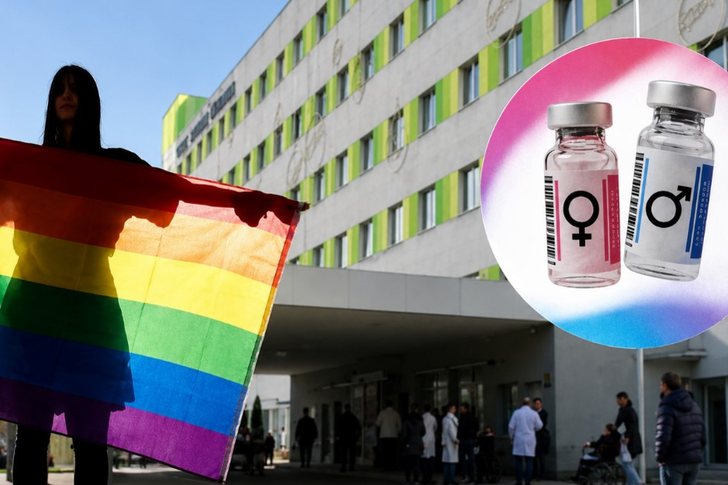
Sipas Shkrimit të Shenjtë, që përbën themelin e besimit të...
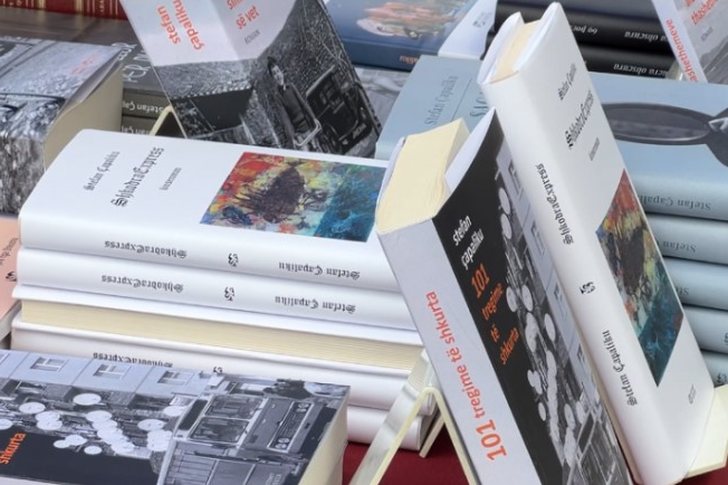
I would have liked to deliver this written statement in th...

I have known both Behgjet and Valon for years. Very well, ...

There are people suffering from life-threatening illnesses...

Honored by the invitation to be present at the celebration...

Europe is facing a significant increase in hate speech, ra...
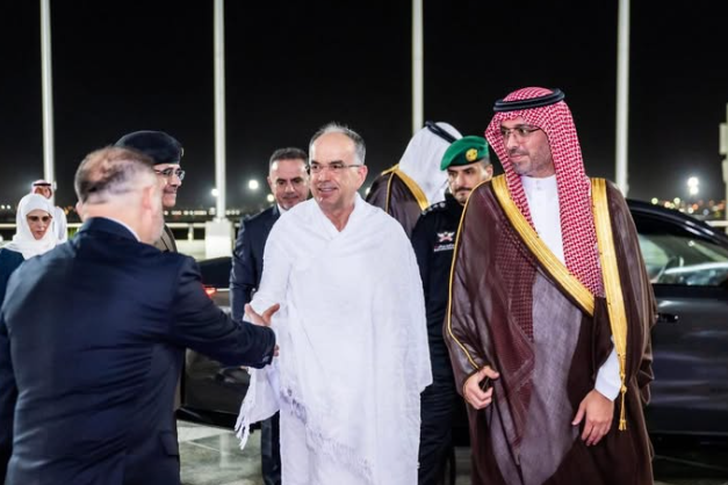
The debate that erupted after an article I published on th...
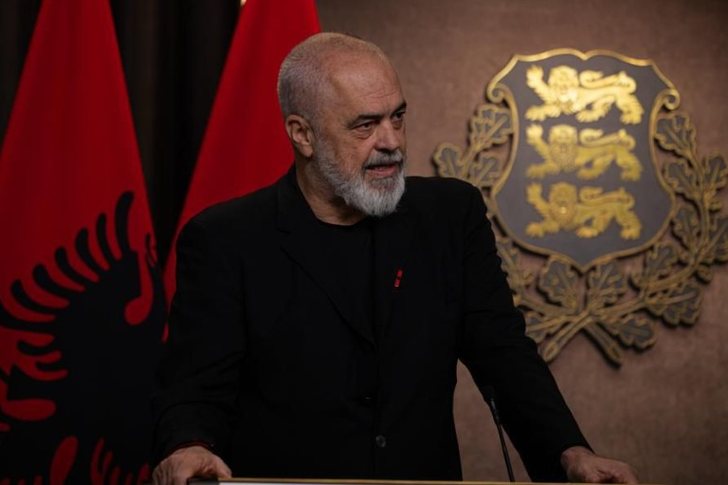
Edhe njëherë si dhe herë të tjera, Edi Rama zgjodhi të për...
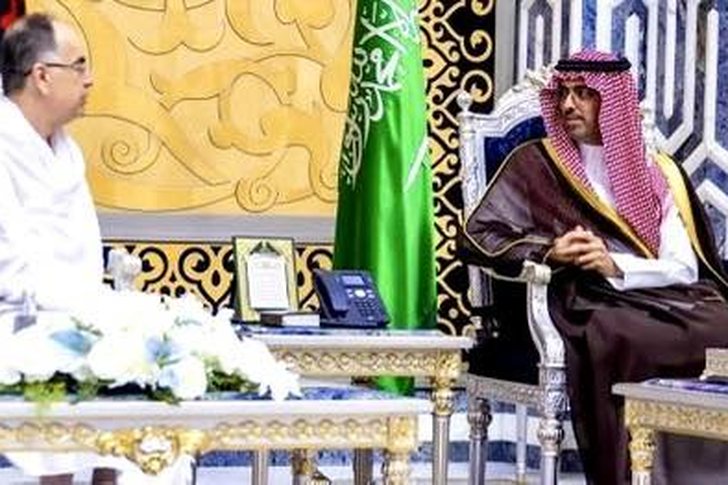
The public appearance of the President of the Republic of Al...
The in-depth investigations that SPAK conducted into Ajola...
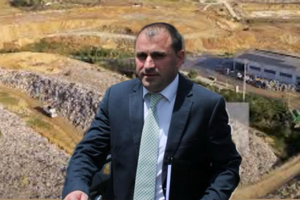
SPAK's standards, the way it investigates, how it secures ...

Irfan Hysenbelliu claims to be a big businessman, an hones...
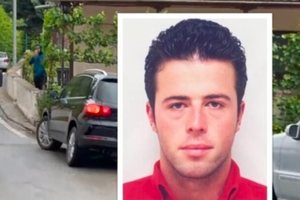
The murder of officer Enea Mekolli in the line of duty has...

The Special Board of Appeal (KPA) decided this Monday ...

The KPA vetting decided this Thursday to dismiss the p...

Suela Salavaçi, a prosecutor in the Prosecutor's Offic...

The Special Board of Appeal reinstated the prosecutor ...
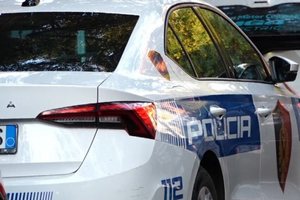
Another gunshot wound occurred at the scene. According to...
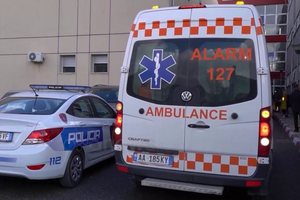
A gunshot wound occurred this afternoon in Shijak. Accordi...
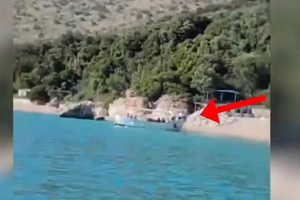
The Border Police blocked the vessel and fined the driver ...
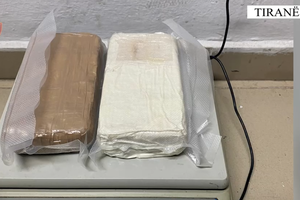
A police operation codenamed "Zonet" has ended with the se...
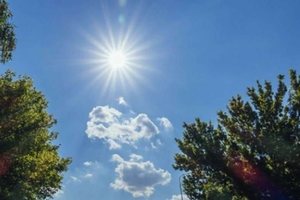
On Monday, our country will be affected by relatively stab...

More than 860 million people fall ill and 1.5 million die ...
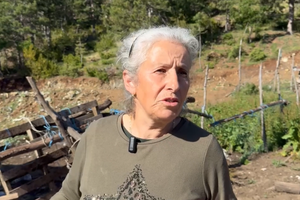
The mother of Violand Braçellari, the perpetrator of the s...
The modern European traveler seeks a meaningful connection...
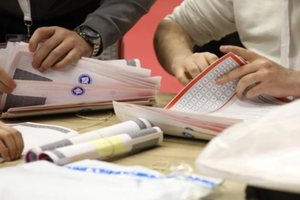
The vote counting for political entities in Kosovo has bee...
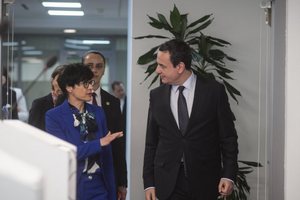
The European Union Commissioner for Enlargement, Marta Kos...
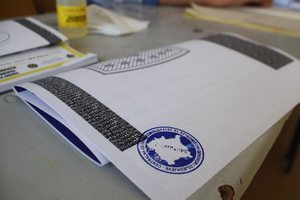
The counting of votes for political entities in Kosovo has...

Oil prices rose on Monday, with Brent crude rising 4.5% to...

Korça has transformed this weekend into the capital of cel...

Korça is ready to open the summer season with one of the c...
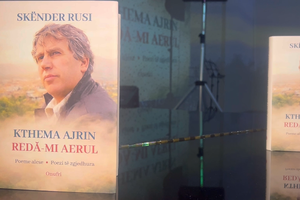
Two years after his passing, the renowned Korçë poet Skënd...
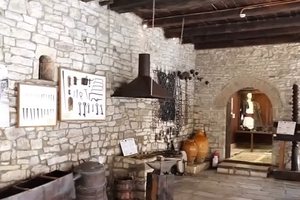
The Ethnographic Museum of Berat has opened its doors to v...
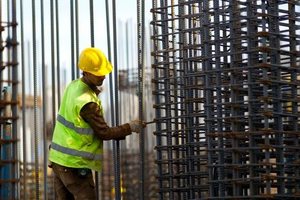
The construction sector is going through a challenging per...
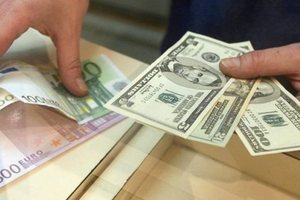
This Monday, one US dollar is bought for 81.8 lek and sold...
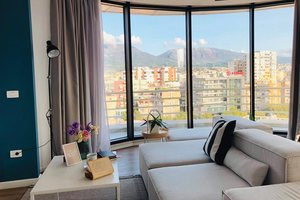
The tourist apartment market is continuing to expand at a ...
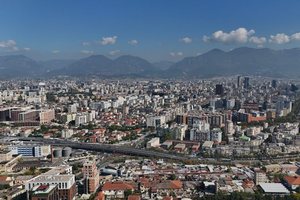
The number of properties sold by entities monitored by the...