


Businessman Artur Shehu breaks his silence: I am a long-time land owner in Zvërnec, I don't know the investors at all
Albanian businessman Artur Shehu spoke on the Opinion show...

Albanian businessman Artur Shehu spoke on the Opinion show...

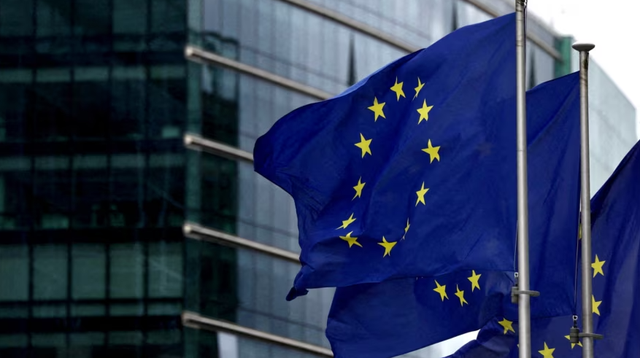
On 26 May 2026, in the Europa building in Brussels, one of the most important political meetings for the European Union and the candidate countries will take place. The General Affairs Council (GAC), chaired by the Deputy Minister for European Affairs of Cyprus, Marilena Raouna, will bring together European ministers to discuss strategic issues related to the future of the Union, relations with the United Kingdom, the long-term EU budget and the rule of law. On the same day, in the margins of this meeting, the 8th Accession Conference with Albania will also be held, a moment of particular importance for the European journey of official Tirana.
The meeting is expected to start in the early hours of the morning with the arrival of delegations from the European Union member states. From 08:00, live footage of the arrivals of European ministers and officials at the Europa building will be broadcast, while a little later, at around 08:00, Marilena Raouna will make a statement to the media at the entrance to the summit. This statement is considered an important moment to understand the political priorities of the incoming presidency and the expectations for the day's discussions.
Following the press statements, the ministers will participate in an informal breakfast called “Ministers for the Future”, where the strategic challenges of the European Union in the coming years will be discussed. This informal part of the agenda aims to create a more open atmosphere for debate on topics related to EU reform, enlargement, European security and the economic and technological transformation of the continent.
The General Affairs Council meeting will officially begin at around 10:00. At the beginning of the session, the agenda for the meeting will be approved, as well as a list of issues known as “A items”, which include non-legislative and legislative decisions that are usually approved without lengthy political debate. This administrative procedure paves the way for the main discussions of the day.
One of the most important topics at the European ministers' table will be the preparation of the June European Council. This discussion is expected to focus on the strategic priorities of the European Union in a period characterized by geopolitical tensions, the war in Ukraine, energy challenges and the need to increase the EU's economic competitiveness. Ministers will examine draft conclusions that will then be presented to European leaders at the June summit.
In this context, the enlargement of the European Union remains one of the main topics of discussion. The war in Ukraine and changes in the European security architecture have pushed Brussels to increase its focus on the Western Balkans. Albania, along with other countries in the region, is considered an important part of the strategy of stability and European integration.
Then, at around 12:15, ministers will discuss relations between the European Union and the United Kingdom. Although several years have passed since Brexit, relations between the two sides remain complex and of great political and economic importance. Issues such as trade cooperation, security, foreign policy and border management remain at the heart of the dialogue between Brussels and London.
Another important item on the agenda is the discussion on the Multiannual Financial Framework (MFF) 2028-2034, which will take place at around 14:00 in public session. The long-term budget of the European Union is considered a key instrument for financing the Union's strategic priorities, including the green transition, digital transformation, defence, innovation and enlargement policies.
The debate on the MFF is expected to be intense, as member states have different positions on how to distribute European funds. Some countries are calling for increased investment in defense and security due to geopolitical threats, while others insist on maintaining traditional funds for agriculture and social cohesion. For aspiring countries like Albania, this discussion is important because it is directly related to future pre-accession funds and the financial support that the EU can provide during the integration process.
The annual dialogue on the rule of law will take place at around 16:00. This topic has gained increasing importance in recent years, as the European Union has emphasized the need for respect for democratic standards, the independence of the judiciary and the fight against corruption in all member and aspiring countries. Discussions on the rule of law are also particularly important for the enlargement process, as judicial reforms and the functioning of democratic institutions remain among the main conditions for advancing towards membership.
At the end of the General Affairs Council meeting, at around 18:00, a live press conference will be held. The main results of the discussions and the political decisions taken during the day are expected to be presented at this conference.
However, for Albania, the most important moment of the day will come in the evening with the holding of the 8th Accession Conference with the European Union. This meeting is seen as another concrete step in Albania's EU accession negotiations and an important test of the progress of the reforms undertaken by the Albanian government.
At around 18:50, the Prime Minister of Albania, Edi Rama, will make a statement to the media at the beginning of the conference. Just a few minutes later, the delegations will take the official photo and at 19:00 the roundtable meeting will begin.
The Accession Conference represents a formal mechanism for negotiations between the European Union and Albania. During these conferences, the candidate country's progress in the negotiating chapters is reviewed and the next steps towards harmonizing Albanian legislation with the acquis communautaire, i.e. with all European legislation and standards, are discussed.
In recent years, Albania has made progress in several key areas, including judicial reform, digitalization of public administration, and alignment with EU foreign policy. However, significant challenges remain, especially in the fight against corruption, strengthening democratic institutions, and ensuring the functioning of the rule of law.
For the Albanian government, the 8th Accession Conference has great political and symbolic importance. It takes place at a time when the European Union is discussing more seriously than ever the enlargement towards the Western Balkans, as part of a broader strategy for European stability and security. In this context, Albania aims to position itself as one of the most advanced countries in the region in the integration process.
On the other hand, for the European Union, the enlargement process remains closely linked to the credibility of reforms and respect for the Copenhagen criteria. This means that every step forward in the negotiations must be accompanied by concrete results in practice and not just political commitments.
After the conclusion of the Accession Conference, at around 20:15, another live press conference will be held, where details are expected to be provided on the progress of the negotiations and the results of the meeting.
Overall, the day of 26 May 2026 is expected to be an important moment not only for the European Union, but also for Albania and the entire Western Balkans region. Discussions on enlargement, the EU's long-term budget, the rule of law and the strategic future of the Union will directly affect the pace of European integration of the aspiring countries.
For Albania, this conference represents another opportunity to demonstrate commitment to reforms and strengthen the country's European perspective. While the accession process remains long and complex, such developments show that European integration continues to be a strategic priority for both Tirana and Brussels.
In a period characterized by global challenges, geopolitical tensions and major economic and political transformations, the European Union is trying to build a new vision for the future. In this vision, the Western Balkans and Albania occupy an increasingly important place./ CNA

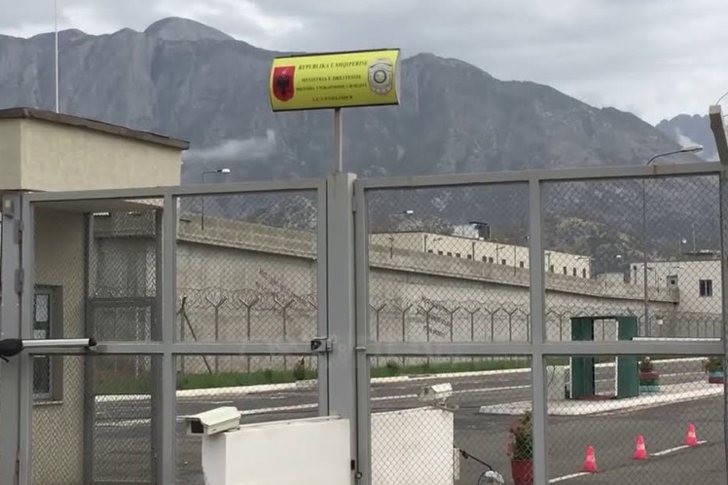
After a five-month hiatus, the implementation of the speci...

DP MP Belind Këlliçi has reacted after the publication of ...
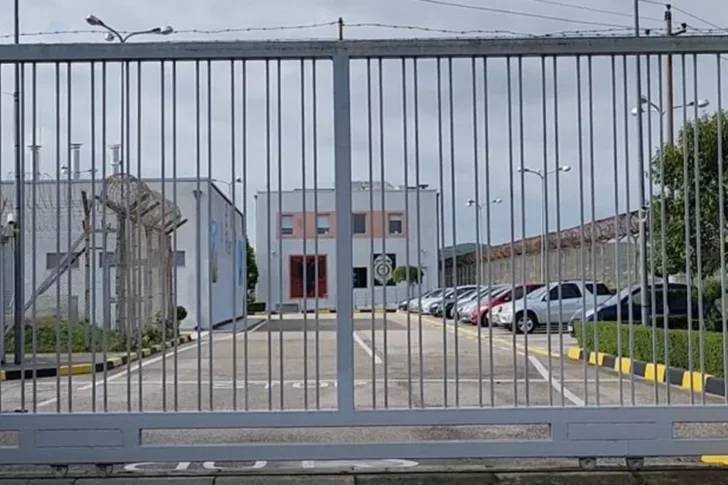
Checks for prohibited items are continuing in the country'...
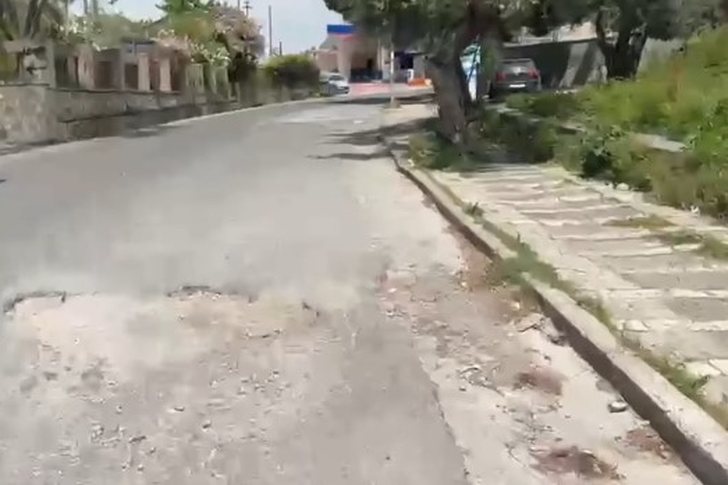
Journalist and activist Aulon Kalaja has denounced the sta...
Elections for the new head of the Local Chamber of Advocat...
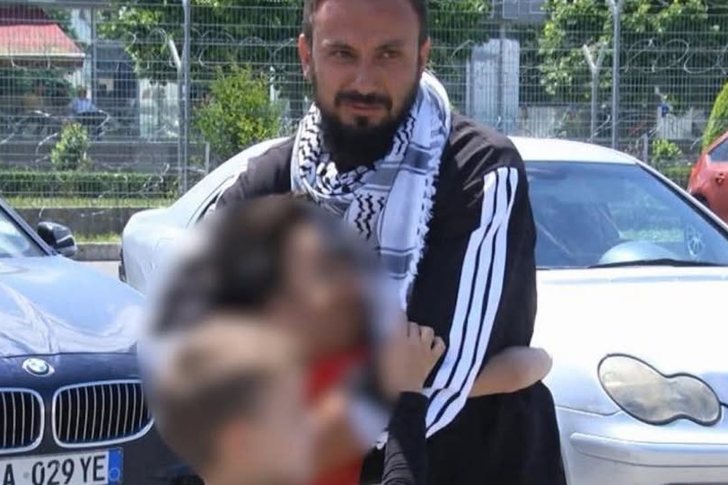
Activist Baki Goxhaj has returned to Tirana. Goxhaj was am...
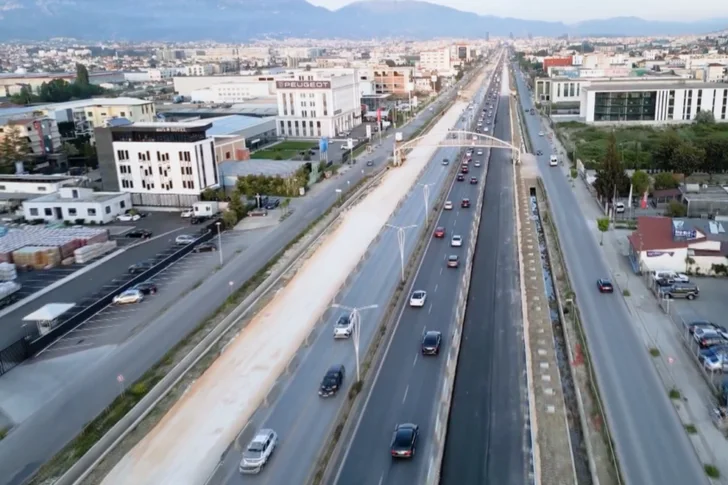
The Minister of Infrastructure and Energy, Enea Karakaçi, ...
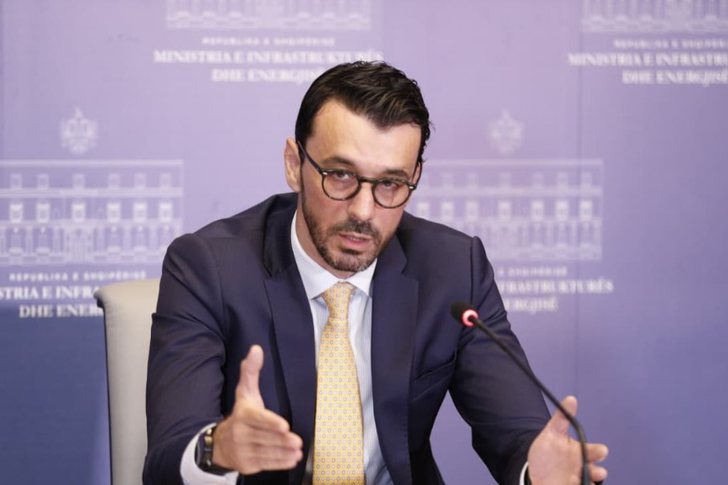
The Minister of Infrastructure and Energy, Enea Karakaçi, ...
The local government has also begun to implement the law o...
The Albanian Confederation of Industry has today raised co...
The former head of the Albanian Electric Power Corporation...
The Minister of Infrastructure and Energy, Enea Karakaçi, ...
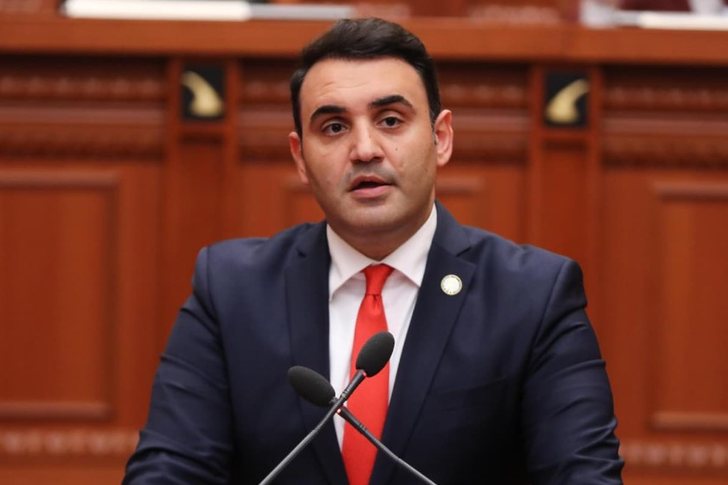
DP MP Belind Këlliçi, in a post on social media, shared a ...
The Rector of the University of Tirana, Artan Hoxha, has d...
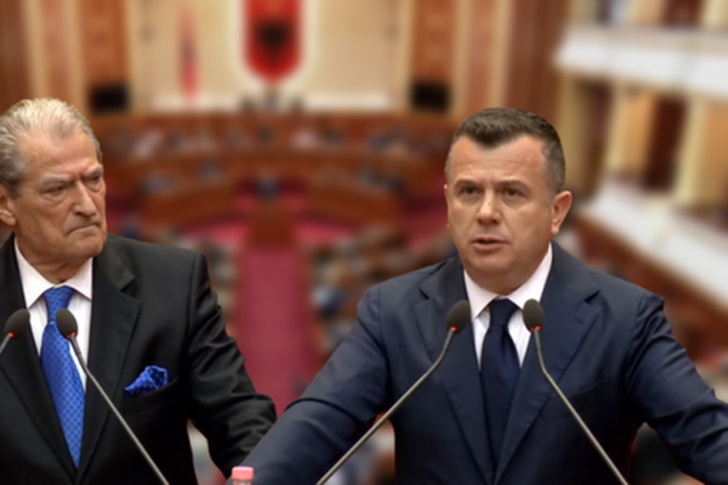
The hearing at the Court of Criminal Appeals for the lawsu...
The Special Court decided today to reject the request of t...
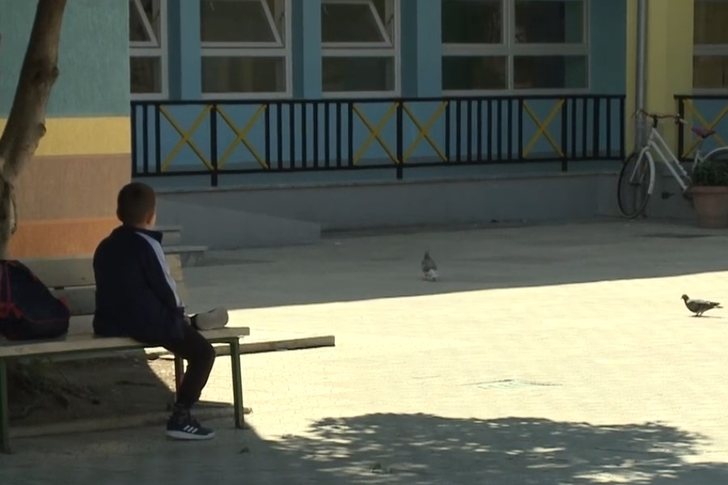
For thousands of primary school children in our country, m...
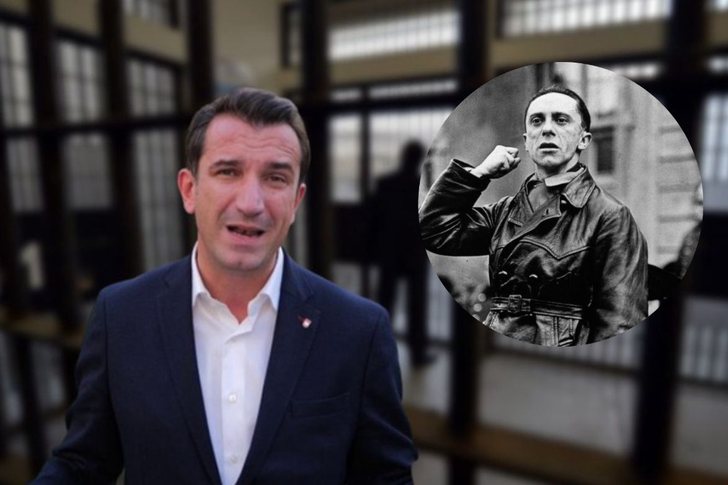
There are moments when modern politics brings to mind the ...
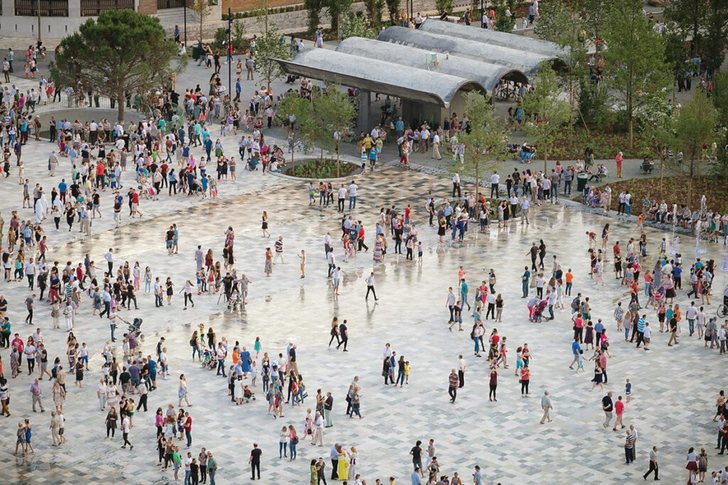
Albania's population decline was unusual for a country not...
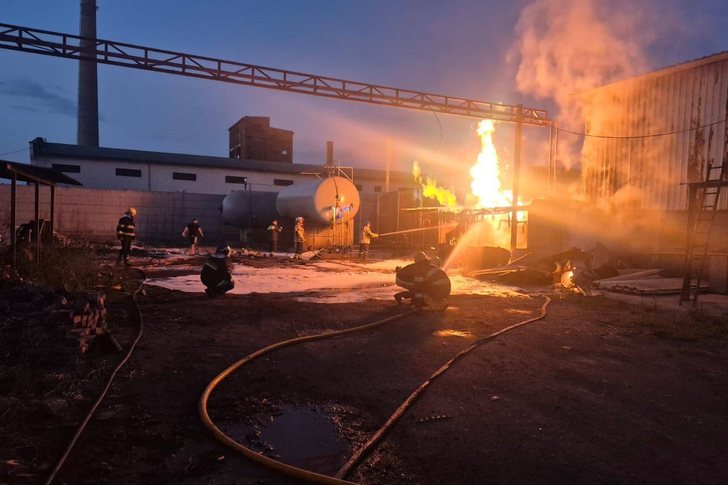
A large-scale fire engulfed a battery processing plant in ...
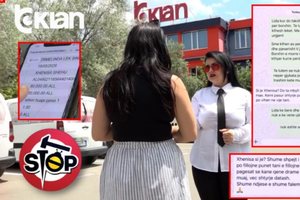
The next case broadcast on the show "Stop", this Thursday,...
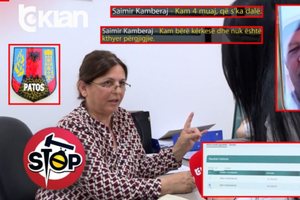
The case published this Thursday, June 4, on the show "Sto...
The protests of recent days related to the situation in Zv...
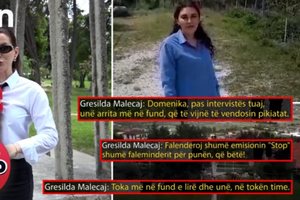
The case addressed this Wednesday, June 3, on the show "St...

The Special Board of Appeal (KPA) decided this Monday ...

The KPA vetting decided this Thursday to dismiss the p...

Suela Salavaçi, a prosecutor in the Prosecutor's Offic...

The Special Board of Appeal reinstated the prosecutor ...
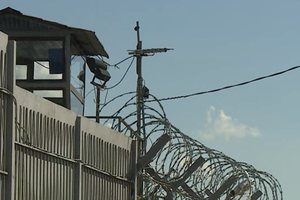
A convict was found dead today in the premises of the Pris...
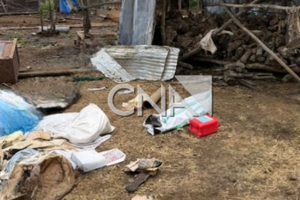
Several images provided by CNA show the area where this mo...
A quantity of explosive material exploded this morning at ...
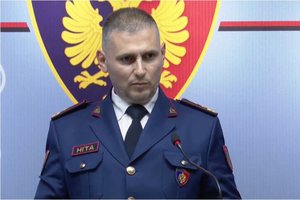
The Head of the State Police, Skënder Hita, expressed his ...

For many children and teenagers, the long summer holidays ...
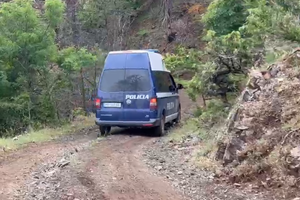
Witnesses in Lozhan, Maliqi, have shared details from the ...
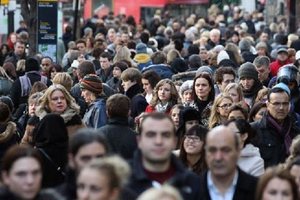
Albania is facing an unprecedented demographic transition,...
On Thursday, our country will be affected by unstable weat...
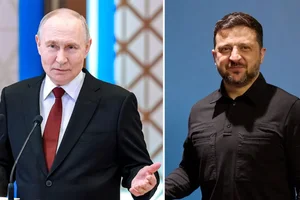
Russian President Vladimir Putin said the war in Ukraine c...
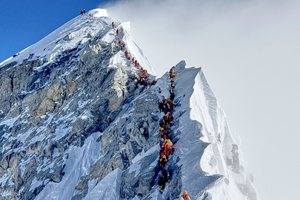
An extraordinary story of survival has been recorded in Ne...
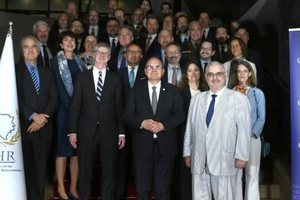
The Peace Implementation Council in Bosnia and Herzegovina...
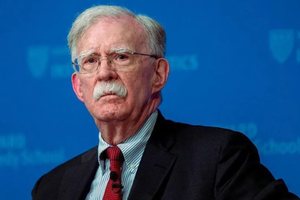
John Bolton, the former national security adviser to US Pr...

Korça is ready to open the summer season with one of the c...

Two years after his passing, the renowned Korçë poet Skënd...

The Ethnographic Museum of Berat has opened its doors to v...
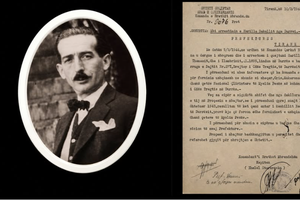
The story of Harilla Bakalli is one of the most chilling t...
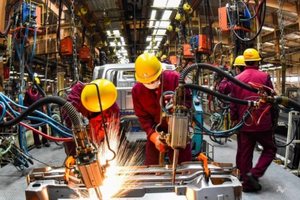
The government aims to transform the country's industrial ...
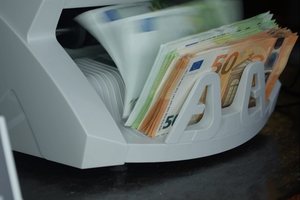
Kursi i këmbimit të euros me lekun ka rënë më tej këtë jav...
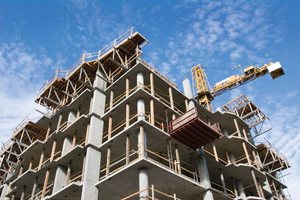
Profit margins in the construction sector have increased s...
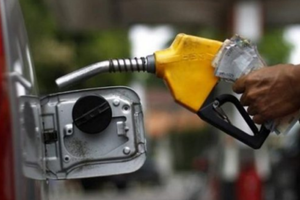
The Transparency Board, at its meeting today, decided to i...