


Formal competitions in the State Police
Today, the ranking of candidates expected to take over the...

Today, the ranking of candidates expected to take over the...


To understand what happened instinctively, each asks a few simple questions: Who is involved? Where did it happen? How did it happen? Why did it happen?
Many things may have changed in journalism, but not the elements of a news story. At a time when everyone is turned into a journalist with just a cell phone and a social media account, learning the truth is becoming more and more difficult because of the cacophony and because of those who want to see the hidden truth.
Family and society love the truth. Politics and authorities may have other interests. On the one hand, maybe they want to cover what happened, and on the other hand, use the event to avoid public debate from other issues.
These are hypotheses from reading the situation, but only so far.

What attracts attention is the approach of a journalist who today was publicly demanding an account from the authorities to "clarify the truth".
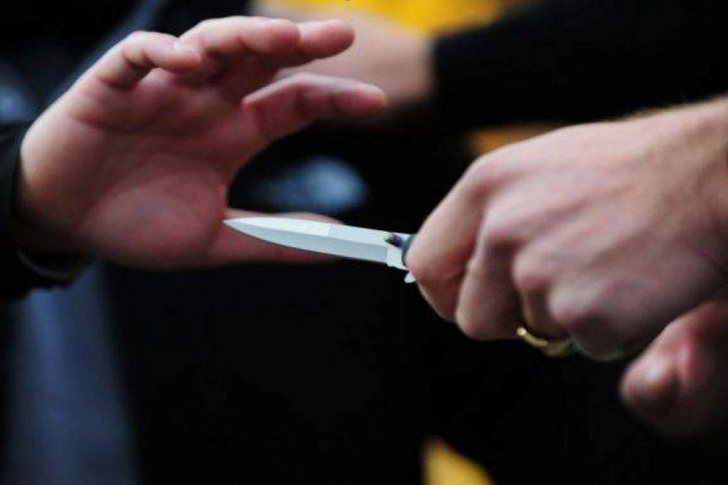
The event: the tragic murder a week ago of the 14-year-old in Tirana.
Undoubtedly, journalists are also citizens who have the right to expect the truth to be revealed by the authorities, but the media was born precisely to reveal and tell the truth. Not to challenge or compete with law enforcement agencies but to help them or to hold them accountable when they do not perform their duties.
The "truth" so far is what the authorities say, but unfortunately it has been proven time and time again that they often deceive. All the more so that the police or the prosecutor's office, in the interest of the investigation/coverage, can put on the market, through journalists, tracks that are of no interest to them except the truth.
But how is an event that comes and turns into a mystery clarified?
You have to talk to as many sources as possible to understand the truth and you have to be as close to the event as possible.
You need to talk to the children involved, their classmates or neighborhood friends. Teachers and parents should be listened to. You have to talk to the psychologist, the security officer, those who were at the event , those who gave first aid, doctors, nurses, cleaners, psychologists, police, prosecutors, inspectors. With anyone possible. A reporter could have asked in the meantime to see (just to see) the cameras of nearby businesses, precisely to better understand what happened...
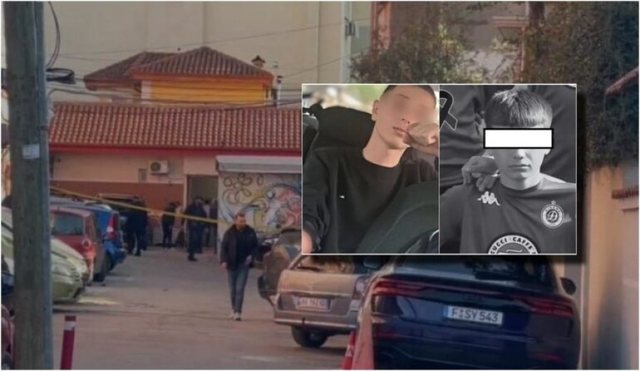
Because the most difficult thing is finding the facts.
"As for the facts... I did not consider it reasonable to describe them according to the testimony of the first person I met on the street, nor "as it occurred to me", but by carefully examining both the events I myself witnessed and those that I learned from others. "Finding" the facts was tiresome, as those who had witnessed each event did not give the same version of the same event, but in each they took one side the other difficulties of remembering after that time had passed".
This 2,500-year-old advice on the facts comes from Thuqiditis, in the introduction to his account of the Peloponnesian War.
Today the truth seems to be even more difficult to come to light because we live in a time when more than listening to the truth is invested in increasing the volume of the noise. The truth is difficult because everyone is a reporter, analyst, lawyer without a license, and is not interested in more light, but more fog.
Today, it is not easy to separate the truth from the half-truth; opinion from rumours, information from disinformation.
In the era of Artificial Intelligence, it seems paradoxical to return 2500 years later to the search for facts. But the facts, as Tuqiditi used to say, are not easy to find. And above all, they are always subjective when they come from witnesses, authorities or social networks.
In the case of the murder of the 14-year-old, there are still some questions which, even a week after the event, have not received clear answers. Why did it happen? Are there others involved? Were there other causes that we haven't discovered yet?
When you re-read the official statements, you find contradictions, stale generalizations, or details deliberately left in the shadows.
A journalist who is satisfied with the official version should change his profession. Research is not a passive act – it requires a questioning mind and the courage to discover/tell the truth. A good journalist examines every possible lead and does not forget that every detail, no matter how small, can be key to uncovering the truth. And in such cases, more than what is said, what is not being said should be examined. Nothing can be kept hidden forever.
After all, as Tuqiditi wrote, the facts speak even when we don't want to listen to them.

Many have tried to analyze the outcome of the US elect...
Albert Vataj's full text: He is the most beautiful ma...
Nothing in this world and beyond it is not a coincidence b...
Uncertainties are the circles that accompany the life ...
Remember that the Albanian language has 36 letters includi...
"Only Albanians and Chechens kill without motive" wa...
The artist Prime Minister announced today before the A...

When the car crushed the first man, the chorus of those wh...
When a mother sends her child to kindergarten, the hop...
Stop it: All vulgar and banal TV shows. All debates ...
In that small resting place between the crammed palaces, t...
The average American While the liberal press is melting d...
The tragic event that happened at the Fan Noli school in T...
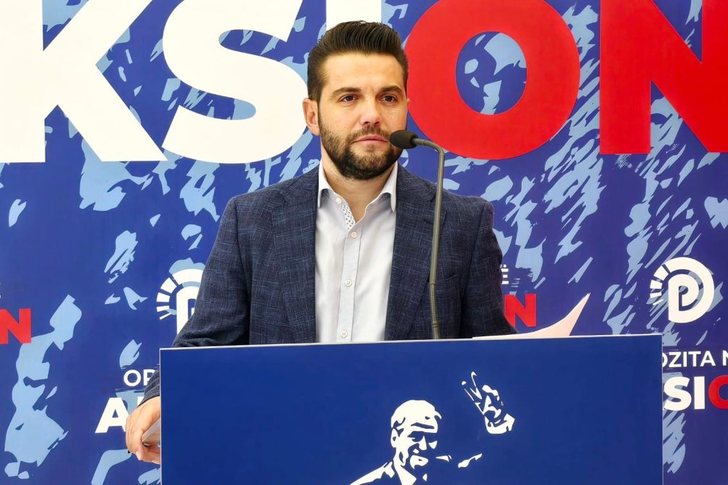
The budget is one of the most important moments in the...
In our small Albania, greater than the love for the ho...
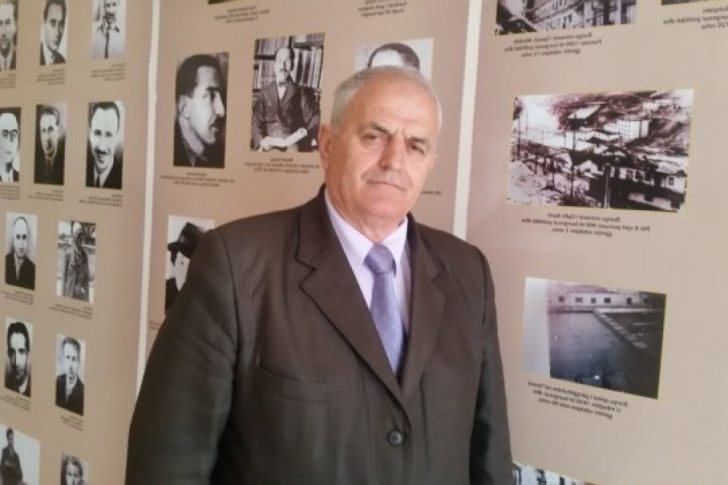
80 years ago, on December 17, 1944, Tirana would wake up b...

The political establishment, the offices, the media and pu...
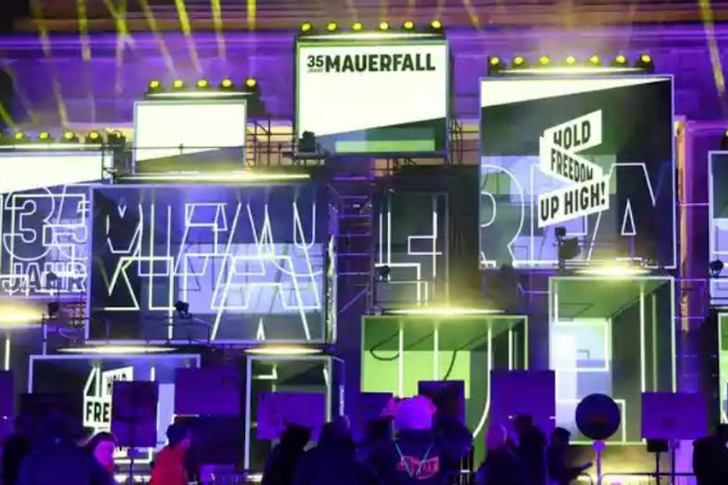
35 years after the fall of the Berlin Wall, Albania does n...

In the final days of his election campaign, President Dona...
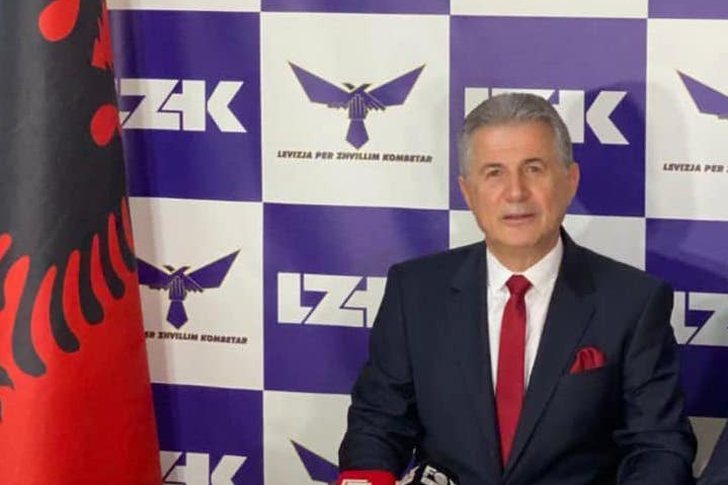
Today, after about 34 years of "democratic" state, crime, ...

Irfan Hysenbelliu claims to be a big businessman, an hones...
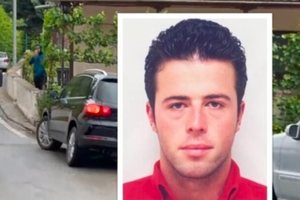
The murder of officer Enea Mekolli in the line of duty has...
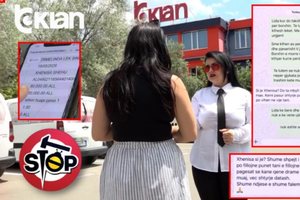
The next case broadcast on the show "Stop", this Thursday,...
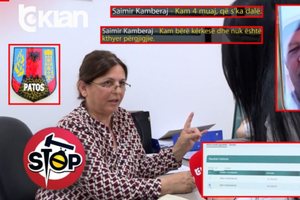
The case published this Thursday, June 4, on the show "Sto...

The Special Board of Appeal (KPA) decided this Monday ...

The KPA vetting decided this Thursday to dismiss the p...

Suela Salavaçi, a prosecutor in the Prosecutor's Offic...

The Special Board of Appeal reinstated the prosecutor ...
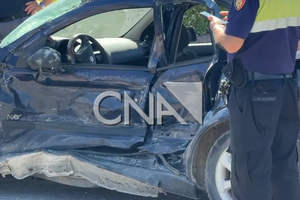
An accident was recorded a few minutes ago on the Pogradec...
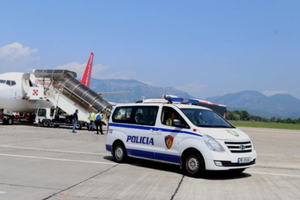
Following the cooperation of Interpol Tirana with Interpol...

An accident occurred this Saturday morning at Shkëmbi i Ka...
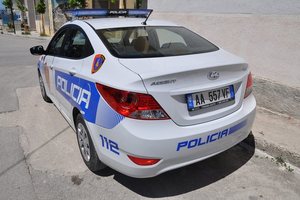
A TNT explosion occurred in Lezha in the early hours of th...
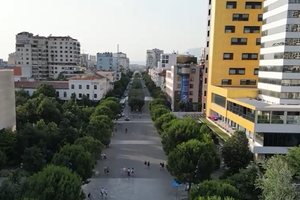
Albanians are officially the hardest working people in Eur...

This Saturday will be characterized by mostly clear weathe...
Today our country will be affected by stable weather condi...

For many children and teenagers, the long summer holidays ...
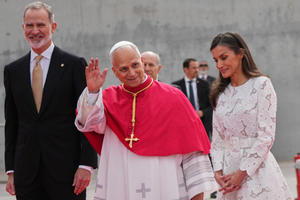
Pope Leo XIV arrived in Madrid this Saturday, where he beg...
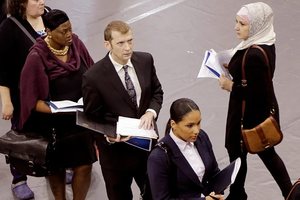
Millions of Europeans still apply for jobs without knowing...
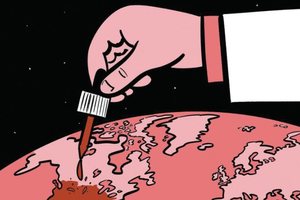
Following the Covid-19 pandemic, the World Health Organiza...
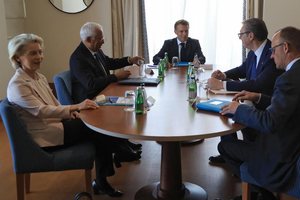
Leaders of the European Union and Western Balkan countries...
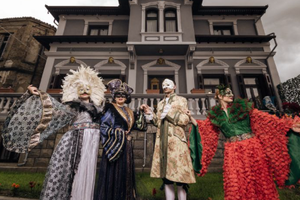
Korça is ready to open the summer season with one of the c...
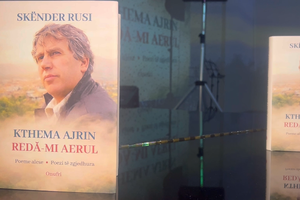
Two years after his passing, the renowned Korçë poet Skënd...
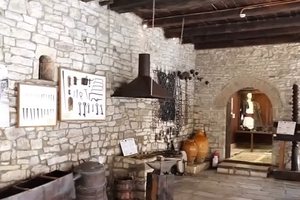
The Ethnographic Museum of Berat has opened its doors to v...
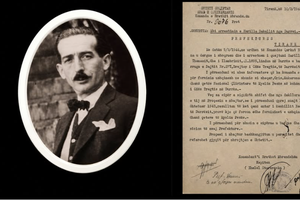
The story of Harilla Bakalli is one of the most chilling t...

The Transparency Board, in today's meeting, decided to red...

This Saturday, one US dollar is bought for 81.4 lek and so...
Despite years of efforts at regional cooperation and free ...

Albania is the country with the highest level of severe ma...