

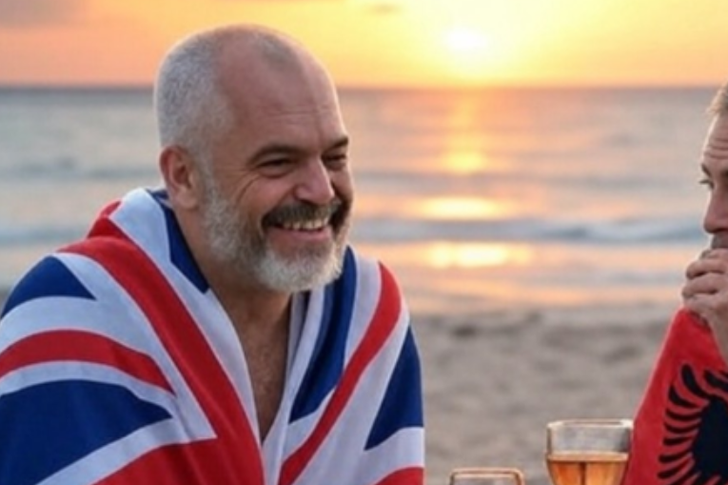
Mr. Farage, Albanians in Britain are not a statistic
These days we have encountered a disturbing event, not onl...


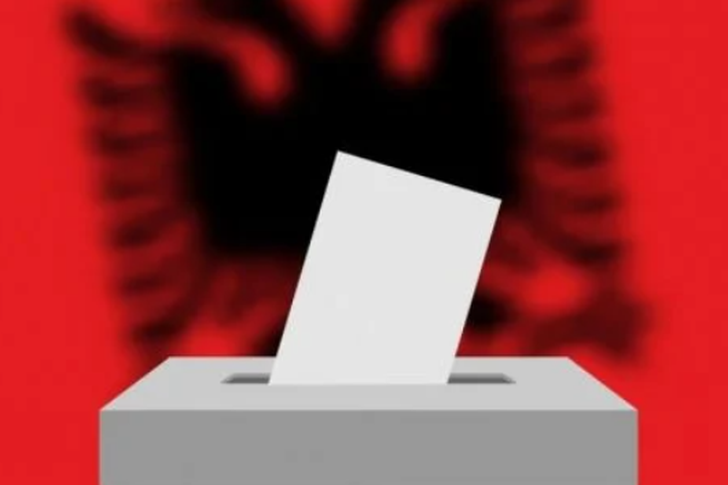
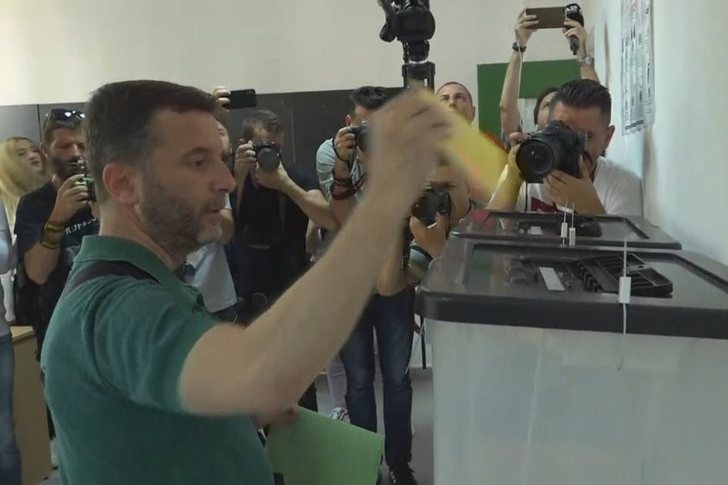
The Central Election Commission (CEC) reported a turnout of 42.21% of eligible voters nationwide in the May 11 elections.
IFES Election Guide (international source) reported a national turnout of 46% electionguide.org.
IPU Parline shows that out of 3,713,897 registered voters, 1,664,873 voted, corresponding to a turnout of 44.8% electionguide.org+data.ipu.org+2es.wikipedia.org+2
Immediately after the elections, a lot of ink was spilled on paper, thousands of words were said and millions of letters were written to interpret the fact of why Albanians did not vote in the elections for the new Parliament.
For this reason, a two-question survey was conducted one month after the election results were announced.
The first question was whether they voted or not.
And the second question was directed to people who did not vote, asking them what the reasons were for not voting and to list them.
This question was answered:
50.7% said they did not go for practical reasons (health, work, distance, other obstacles, etc., etc.)
27.1% responded that by not voting they wanted to send a message to politics and its representatives, especially the government.
18.2% did not vote because they did not find themselves represented by any party.
The rest of those questioned refused to give any reason.
These answers, if analyzed in detail, seem to explain the "mystery" of Albanians not voting and it seems that analysts were given glasses and made them completely reform their analyses and see more clearly how Albanian society has evolved.
A little more than half, therefore, did not go to the ballot boxes because they do not consider the elections in Albania a serious process. And, since they have no hope or illusion that their vote has value or will change anything, much less will it bring down the government, they preferred to stay home, drink coffee or go to the beach, (regardless of whether they could declare illness, work or distance from the place where they are voting.)
Let alone the government wouldn't even fall. Voters aren't stupid enough not to understand that.
The first fairy tale is gone.
Analysts found another reason for the low voter turnout: the fragmentation of the opposition and its division into 7 or 8 parties, which if united would topple the government, which voters cannot topple with their votes.
But why would the opposition unite? Unknown!
Under whose leadership would the opposition unite? On what ideological basis, with what program?
How could the opposition unite, despite the fact that the majority of its voters wanted a united opposition and cooperation, but the leaders of the opposition parties did not really want a united opposition, who talked about unity but undermined every attempt at unity with exclusionary language and opposing actions?
Here's where the second fairy tale came from, and it was even three meters offside.
The third tale is not yet circulating, but it will surely be talked about during the summer months, so we have something to deal with.
Like the one that says "politics is not electoral mathematics!"
But audiences are living organisms. They don't gather, nor multiply, simply because some fraudster decides something is in their interest.
Moreover, the division of the opposition, the real lack of desire of its leaders to unite and the way the lists were formulated were a sufficient warning that a "defeated front" despite the rhetoric will not have a better or different fate. So much so that I often think that they are not really interested in coming to power, because they are not interested in Albania either.
Isn't the government eroded by scandals, corruption, and broken promises? Undoubtedly! It is logical that after 12 years of governance there would be more mistakes. And it was up to the opposition to exploit this.
Certainly not with nonsense and nonsense. But with a serious, convincing, and measured opposition discourse that, over time, would highlight another governmental alternative.
Because unlike the ruling party, which calculates everything with pencil and paper, the opposition does not base it on realistic calculations, but on "lifting the spirits", which it has been failing to create for years, on aggressive rhetoric and the eternal recycling of overused figures.
And when election time comes, the ballot boxes will determine who will govern.
This is how democracy works. Neither "electoral mathematics" nor "party arithmetic" are necessary./ CNA

These days we have encountered a disturbing event, not onl...
While Albania is "getting closer" to the European Union wi...

Pastor Akil Pano has taken aim at Blendi Gonxhes through a...
A political scientist friend of mine, who lives and works ...
Good thing we still haven't found out who won the elec...

Sapo hap rrjetet sociale si Facebook, Instagram apo TikTok...
About a week after the May 11 elections, we published ...
The 2025 elections, as we had predicted, did not bring a c...
In December 2011, former President of the French Republic,...
Sot është një ditë e shënuar për shqiptarët e në veçanti p...
The reason for writing the following lines was a Facebook ...
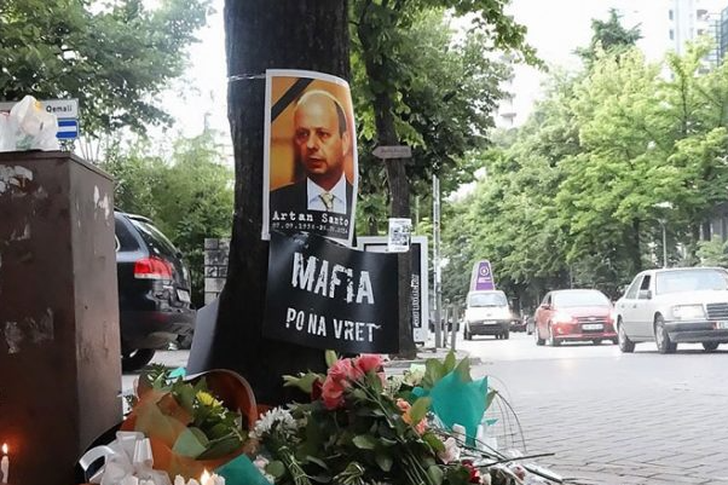
Only 11 years have passed since the event of June 26, 2014...
In the elections we just held, out of respect for my and m...
The elections are over, change was forcibly stopped and, a...
Art is not only represented by artists who create works su...
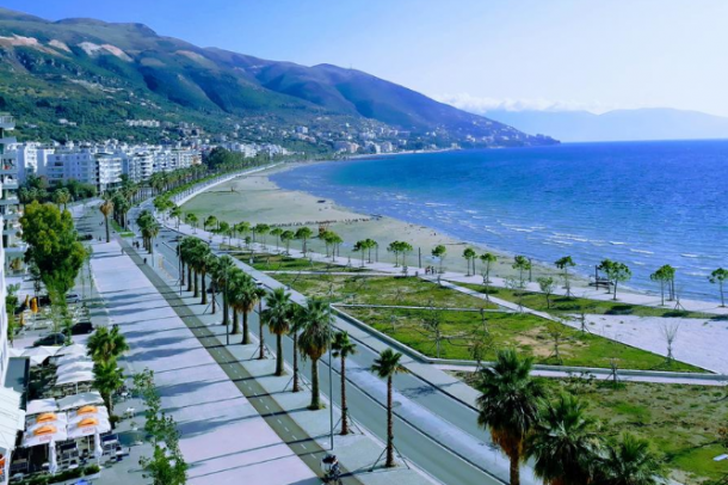
In the last decade, Vlora has transformed into an enviable...
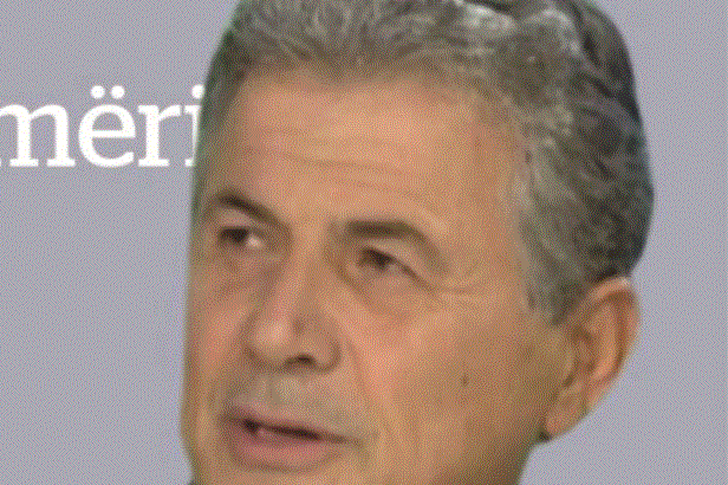
The Albanian nation is facing a grim political crossroads ...
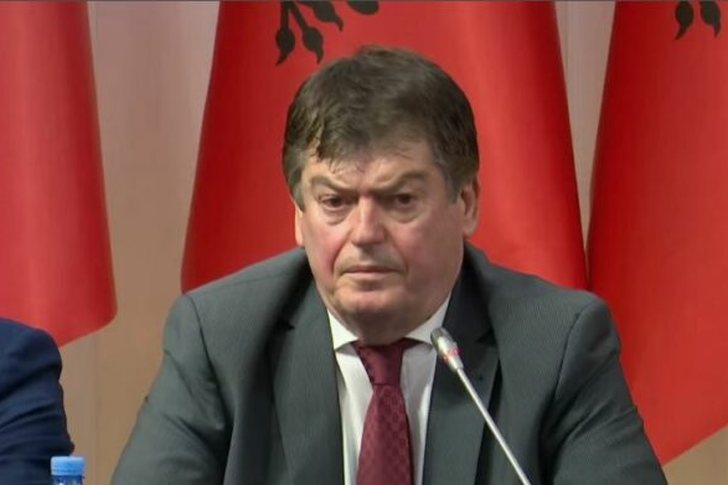
When asked in a television studio if the glasses he was wear...
The eyes/attention of chancelleries, institutions, institu...
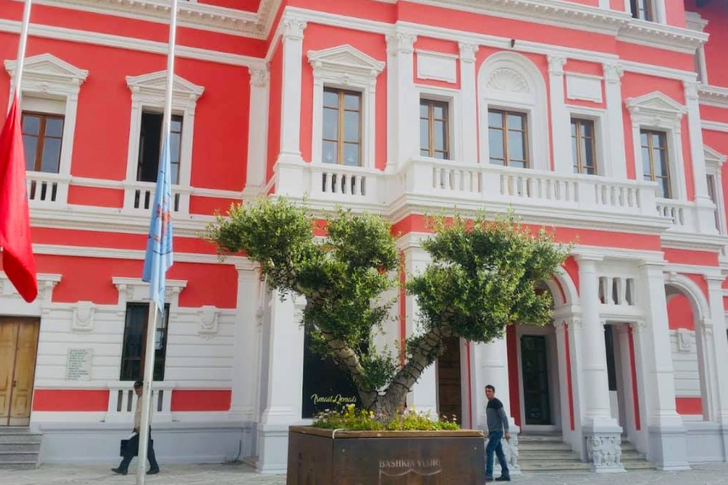
In any city, especially in those with strategic tourist an...
The murder of officer Enea Mekolli in the line of duty has...
The next case broadcast on the show "Stop", this Thursday,...
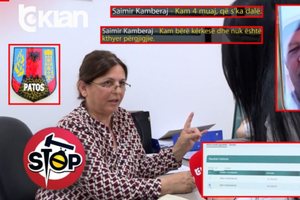
The case published this Thursday, June 4, on the show "Sto...
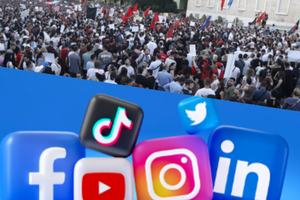
The protests of recent days related to the situation in Zv...

The Special Board of Appeal (KPA) decided this Monday ...

The KPA vetting decided this Thursday to dismiss the p...

Suela Salavaçi, a prosecutor in the Prosecutor's Offic...

The Special Board of Appeal reinstated the prosecutor ...
A money changer in Durrës lost 60 thousand euros after bei...
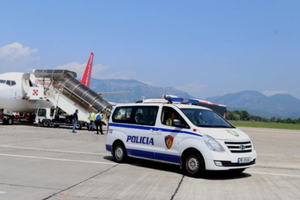
The 6 citizens captured in Dubai, members of criminal grou...
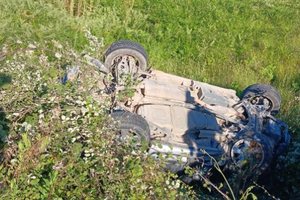
A serious accident occurred on the Kardhiq-Delvinë axis, i...
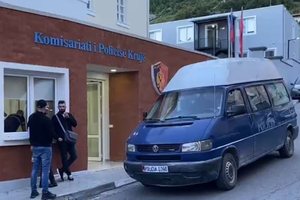
Authorities have conducted a large-scale anti-drug operati...
Today our country will be affected by stable weather condi...

For many children and teenagers, the long summer holidays ...
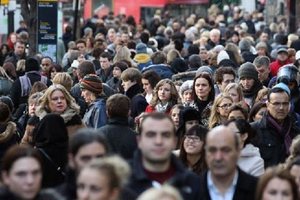
Albania is facing an unprecedented demographic transition,...
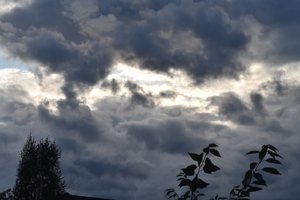
On Thursday, our country will be affected by unstable weat...
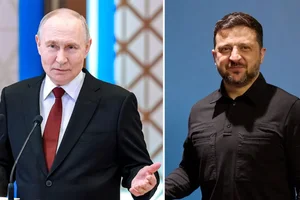
Russian President Vladimir Putin said the war in Ukraine c...
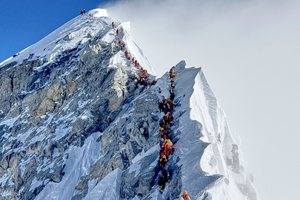
An extraordinary story of survival has been recorded in Ne...
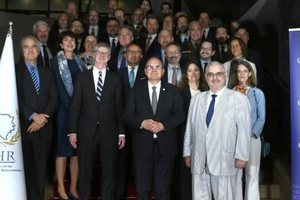
The Peace Implementation Council in Bosnia and Herzegovina...
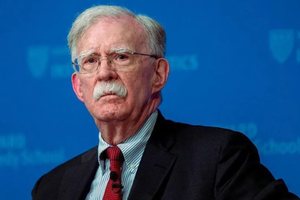
John Bolton, the former national security adviser to US Pr...
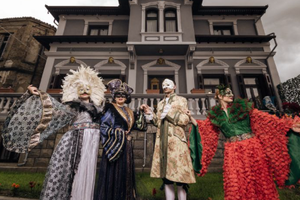
Korça is ready to open the summer season with one of the c...
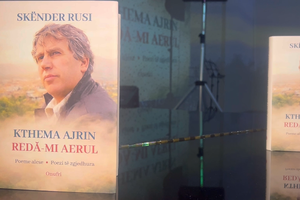
Two years after his passing, the renowned Korçë poet Skënd...
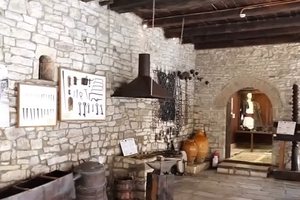
The Ethnographic Museum of Berat has opened its doors to v...
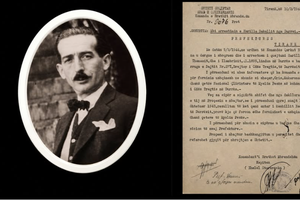
The story of Harilla Bakalli is one of the most chilling t...
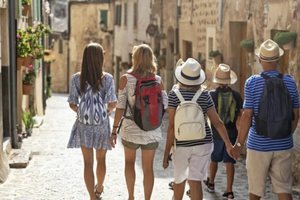
Despite years of efforts at regional cooperation and free ...
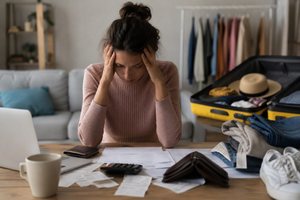
Albania is the country with the highest level of severe ma...

This Friday, one US dollar is bought for 81.3 lek and sold...
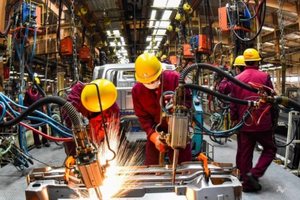
The government aims to transform the country's industrial ...