


Businessman Artur Shehu breaks his silence: I am a long-time land owner in Zvërnec, I don't know the investors at all
Albanian businessman Artur Shehu spoke on the Opinion show...

Albanian businessman Artur Shehu spoke on the Opinion show...

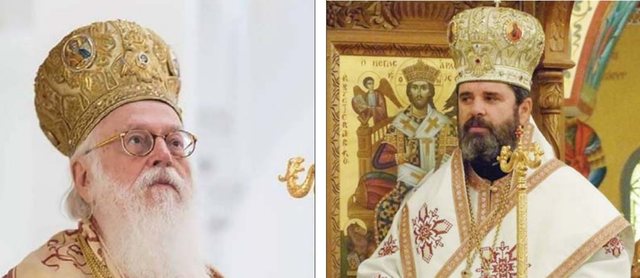
From His Beatitude, John, Archbishop of Tirana, Durrës and All Albania:
Dear Sirs,
I stand before you today with deep gratitude and great emotion in this distinguished institution, which embodies the highest ideals of European unity, democracy and human dignity. I am honored to speak about the life and legacy of Archbishop Anastasios Giannoullatos, my predecessor and mentor, whose extraordinary contribution to interfaith dialogue, humanitarian service and the rebuilding of religious communities resonates strongly with the values ??that the European Union holds dear.
In 1991, while studying theology in Boston, I first connected with Archbishop Anastasios, who had been appointed by the Ecumenical Patriarchate to assess and rebuild the Orthodox Church in Albania—a country emerging from the darkest period of religious persecution in European history. That conversation marked the beginning of a journey of over thirty years as his collaborator, witnessing firsthand how theological vision can be translated into concrete action, how faith can rebuild not just churches but entire communities.
To understand the magnitude of Archbishop Anastasios’s achievements, one must first understand the unprecedented destruction that preceded it. Albania, under the communist regime, became the world’s first officially atheist state in 1967. The constitutional ban on religion led to the systematic destruction of religious infrastructure: churches, mosques, and monasteries were demolished, turned into warehouses, or left to decay. Religious leaders of all faiths were imprisoned, executed, or forced to renounce their faith. By 1991, when religious freedom was restored, the Orthodox Church in Albania had virtually ceased to exist.
This was not simply physical destruction - it was the attempt to erase centuries of religious and cultural heritage that had contributed to the rich tapestry of religious coexistence in Albania between Orthodox Christians, Muslims and Catholics. The challenge that Archbishop Anastasios faced in 1992 was not simply to rebuild an institution, but to restore hope in a traumatized society and to demonstrate that religious communities could once again contribute positively to national life.
What Archbishop Anastasios accomplished in Albania over the course of three decades has been called by many observers "the miracle of the Orthodox Church in Albania." The empirical evidence speaks for itself: approximately 150 new churches built, 60 historic churches and monasteries restored as cultural monuments, and over 160 other churches repaired. But these numbers, impressive as they are, tell only part of the story.
Moreover, this reconstruction was undertaken with a vision that extended far beyond the Orthodox community. The Orthodox Theological Academy "Ngjallja e Krstih" was founded, where approximately 160 local clergy were trained who now serve communities throughout the country. In education, seventeen kindergartens were established, giving priority to children from disadvantaged families, regardless of their religious affiliation. Schools, vocational institutes, and eventually the "Logos" University College were founded - institutions open to all Albanians.
The humanitarian dimension deserves special attention in this European context. A network of medical clinics was established throughout the country, including the “Evangelization” Diagnostic Center in Tirana, equipped with the latest technology and staffed by distinguished doctors - serving patients regardless of religious affiliation. Development programs for mountainous areas, agricultural initiatives, road and water infrastructure projects, health programs, support for orphanages, nursing homes, and even rehabilitation programs for prisoners - all demonstrate a vision of the religious community as a servant of the whole of society.
Perhaps most emblematic was the response to the Kosovo refugee crisis in 1999. When hundreds of thousands of Kosovar refugees - mostly Muslims - arrived in Albania, the Orthodox Church, under the leadership of Archbishop Anastasios, mobilized a massive humanitarian aid program that exceeded twelve million dollars. This concrete demonstration of Christian love across religious boundaries left an unforgettable impression on Albanian society and the international community.
Archbishop Anastasios' contribution to interfaith dialogue extends far beyond Albania and is of particular relevance to contemporary European challenges. In a region where Orthodox Christians, Muslims, and Catholics have lived side by side for centuries, he developed both a practical model of coexistence and a theological framework to support it.
His famous formulation has become almost proverbial in discussions of religion and conflict: “The oil of faith should not be used by either party to inflame conflicts, but to heal wounds and soothe hearts.” This is not simply a poetic metaphor – it represents the synthesis of a complete theological program for peaceful coexistence, which has been tested and proven in the challenging environment of post-communist Albania.
As one of the Presidents of the World Council of Churches and as a participant and leader in numerous international conferences, Archbishop Anastasios became the protagonist of historic agreements and achievements in interreligious dialogue. His interventions, his persuasive skills, and the trust he gained from religious leaders of different traditions repeatedly led to consensus and solutions acceptable to all parties involved.
Në një kohë kur Evropa dhe bota përballen me sfida në rritje të lidhura me diversitetin fetar, migracionin, dhe potencialin që besimi të instrumentalizohet për qëllime politike, modeli i zhvilluar në Shqipëri ofron mësime të çmuara. Ai tregoi se komunitetet fetare mund të jenë forca të fuqishme për kohezionin social, shërbimin humanitar dhe pajtimin - me kusht që të mbeten besnike ndaj vlerave të tyre më të thella shpirtërore.
Trashëgimia e Kryepiskopit Anastas i flet drejtpërdrejt disa shqetësimeve thelbësore evropiane. Këmbëngulja e tij për dinjitetin e çdo qenieje njerëzore, pavarësisht nga origjina apo besimi, përputhet në mënyrë të përsosur me angazhimin themelor të Bashkimit Evropian për të drejtat e njeriut. Demonstrimi i tij praktik se komunitetet fetare mund të kontribuojnë në mirëqenien sociale dhe integrimin ofron një model ndërsa Evropa vazhdon të përballet me pyetjet e diversitetit fetar dhe kohezionit social.
Ndoshta më e rëndësishmja, shembulli i tij tregon se rindërtimi i shoqërisë civile, pas një regjimi totalitar, kërkon jo vetëm reformë institucionale dhe ekonomike, por edhe rindërtimin e themeleve morale dhe shpirtërore. Kisha Orthodhokse në Shqipëri, nën udhëheqjen e tij, u bë një forcë për pajtim, duke ndihmuar të shërohen plagët e një shoqërie të traumatizuar nga dekada shtypjeje dhe duke përgatitur terrenin për integrimin evropian të Shqipërisë.
Mësimi i tij se "ne duhet të mbetemi gjithmonë shërbëtorë" tejkalon kufijtë fetarë - ai i flet një të vërtete themelore për përmbushjen njerëzore që rezonon me vlerat evropiane të solidaritetit dhe përgjegjësisë së ndërsjellë. Duke u shërbyer të tjerëve dhe duke i ndihmuar ata, ndihmojmë veten; duke ndërtuar ura midis komuniteteve, forcojmë themelet e shtëpisë sonë të përbashkët evropiane.
Kryepiskopi Anastas thoshte shpesh: "Nuk dua admirues, por bashkëpunëtorë." Kjo kap thelbin e qasjes së tij—jo duke kërkuar lavdi personale, por duke frymëzuar të tjerët të bashkohen në punën e shërbimit dhe pajtimit. Mbi 240 artikujt dhe studimet e tij të botuara, të përkthyera në njëmbëdhjetë gjuhë, vazhdojnë të ndikojnë në diskursin teologjik dhe humanitar në mbarë botën.
Si pasardhës i tij, jam bekuar të kem qenë dëshmitar dhe pjesëmarrës në këtë vepër të jashtëzakonshme. Katedralja e re në Tiranë qëndron si simbol i dukshëm i ngjalljes - jo vetëm i një Kishe, por i vetë shpresës. Kushdo që e sheh këtë ndërtesë madhështore e kupton se ajo u ndërtua nga dikush me dashuri të madhe për njerëzimin dhe përkushtim të rrallë për t'u shërbyer të tjerëve.
I pray that we may continue on the same path guided by the Holy Spirit, building on his legacy as we respond to the challenges of our time. The work of healing divisions, serving the vulnerable, and building bridges between communities never ends—it is renewed in every generation. Archbishop Anastasios showed us that this work is not only possible but essential, and that faith, properly understood and lived, can be a powerful force for human dignity and peaceful coexistence.
For all he gave – his wisdom, his example, his tireless service – the least we can say is: Thank you. And may his legacy continue to inspire not only Orthodox believers, but all those who work for a more just, compassionate, and united Europe.
*Speech delivered in the European Parliament at the Solemn Event dedicated to the Blessed Archbishop of
Brussels, 14 January 2026


Singapore as a successful state model From my experience ...

A young woman, mother of three, continues to be publicly a...

Where is the thief Henri Çili hiding? Why is he locked ins...
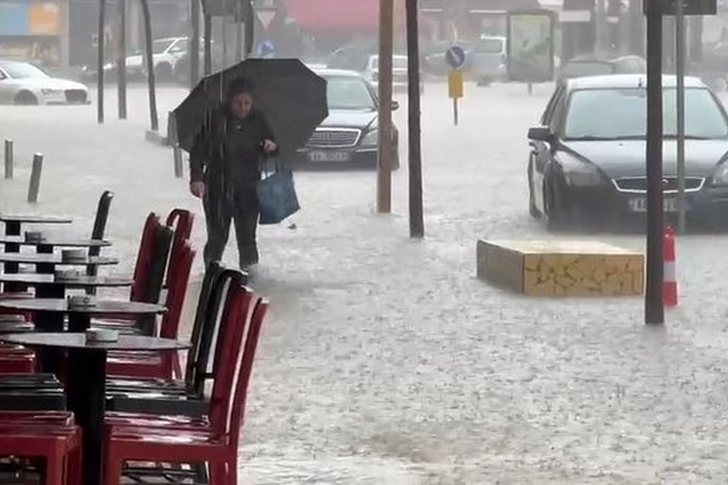
January 2025 the first major flood in Durrës. September 20...

How long will efforts to bring these so-called "paper tige...
There are moments when a society must stop and ask itself:...
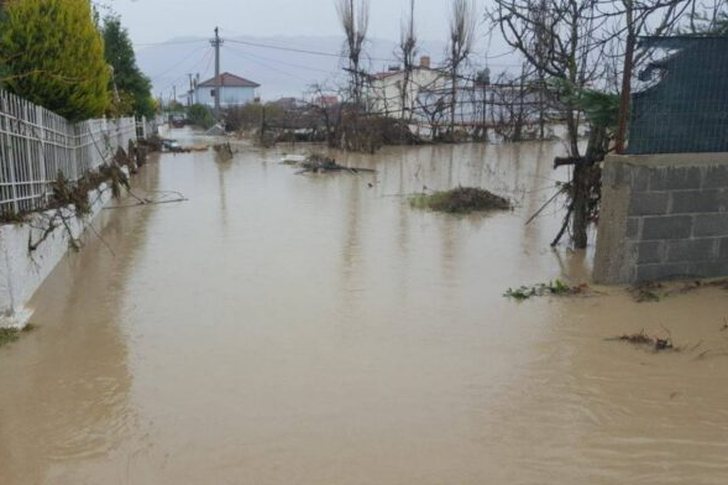
The time when the country floods is not the "Day of Judgme...
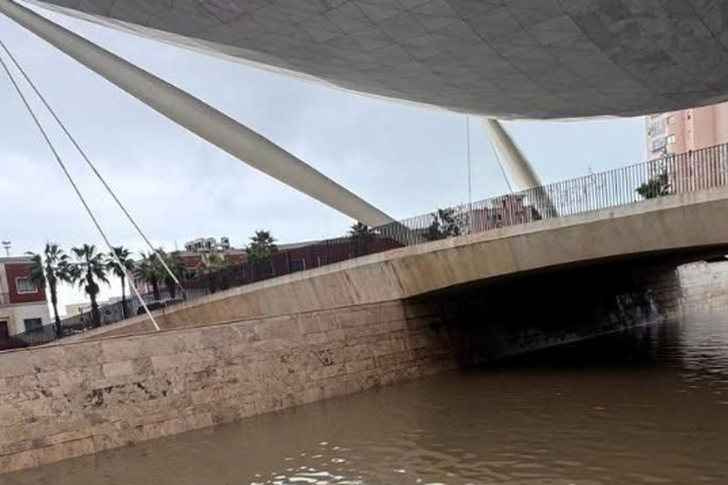
Today's flooding in Durrës, widely perceived as unpreceden...
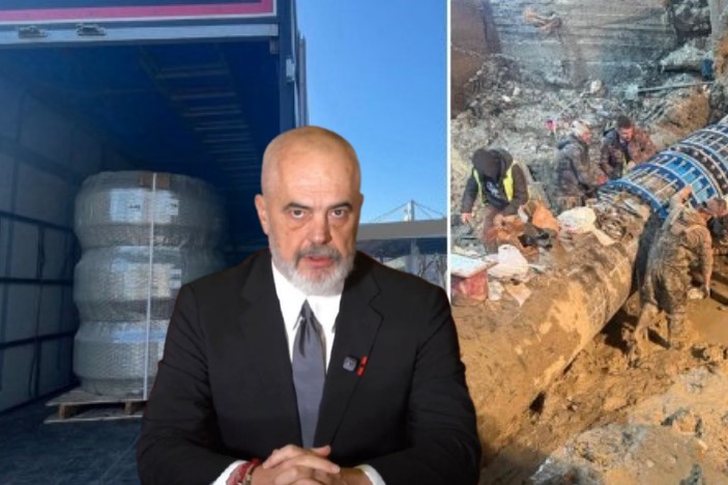
We still have images of the thirst of the inhabitants of V...
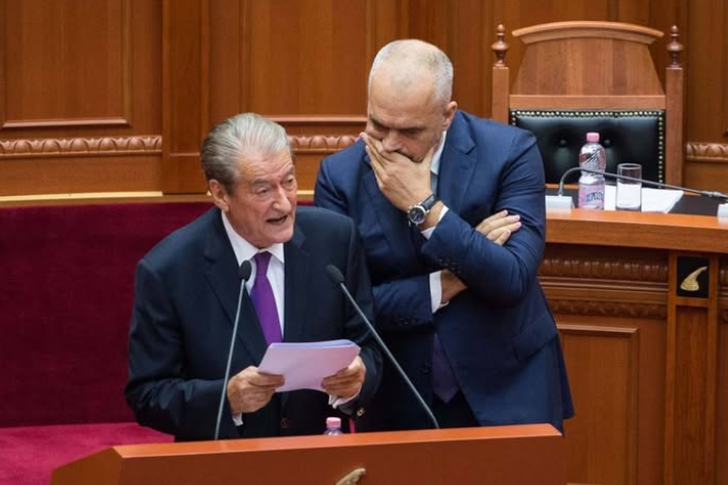
-Ftesë për një debat të shëndoshë, në vend të debatit për ...
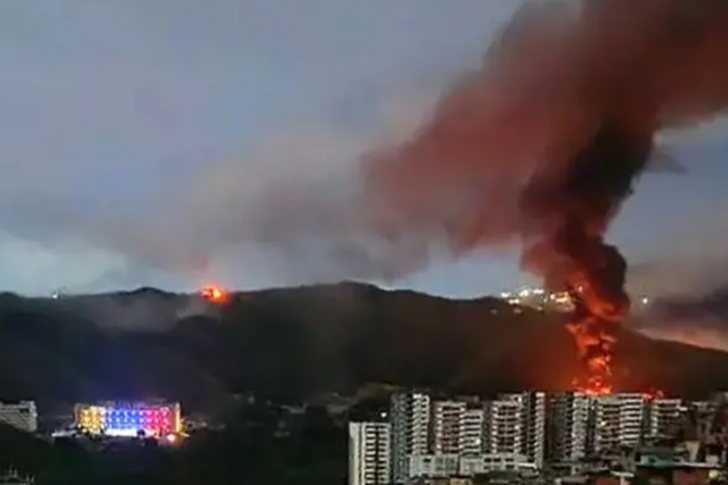
Many explainers of Maduro's arrest have rushed to use oil ...
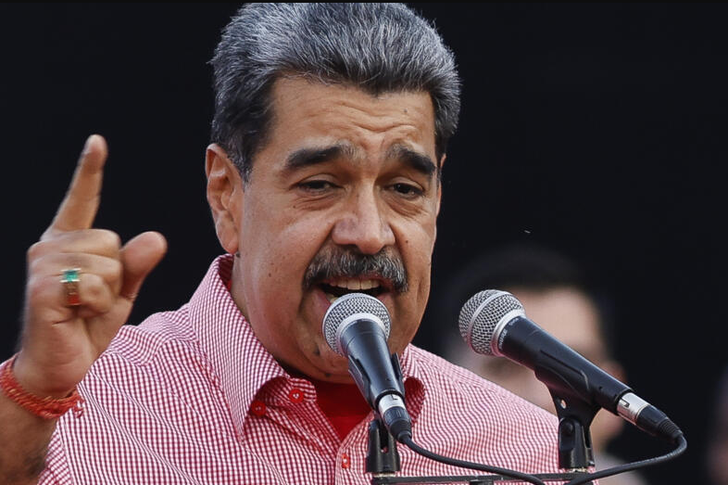
The enthusiastic reactions of a part of the Albanian oppos...
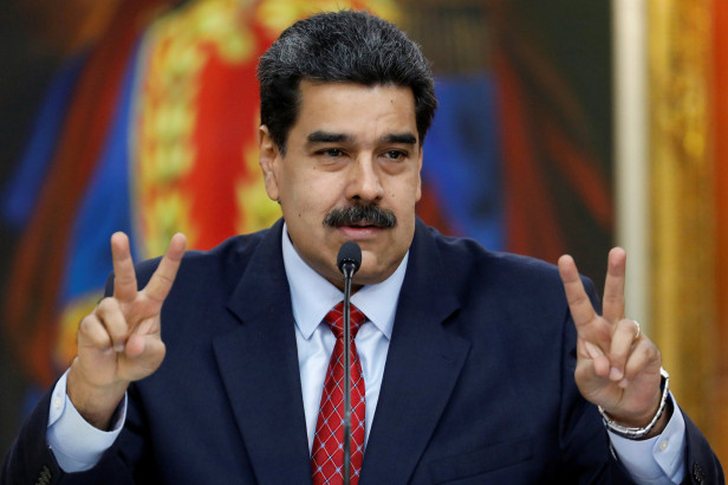
The difference between Venezuela and Albania is clear: •...
by IRIS BEQIRI Femicide is not only a family tragedy, but...

Today, SPAK has prosecuted 33 senior officials of the Soci...
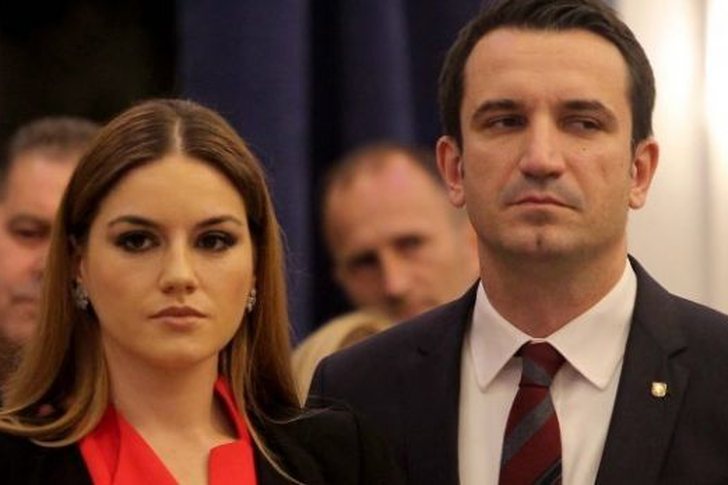
In the first photo is the President of Moldova, Maia Sandu...
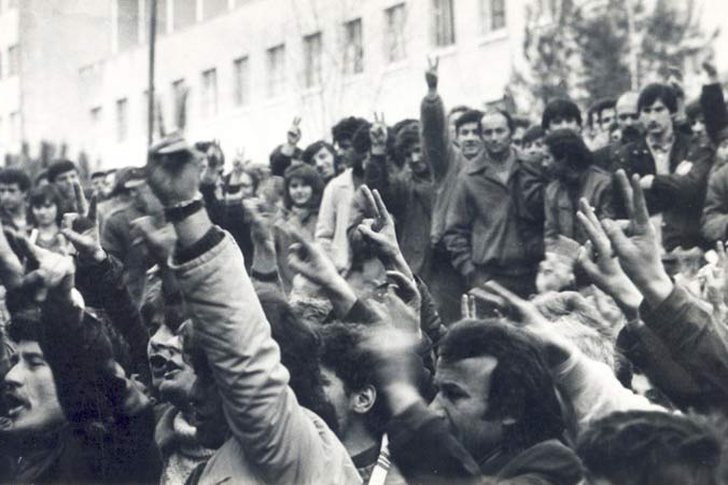
Do you know why we were successful in December 1990 and Fe...
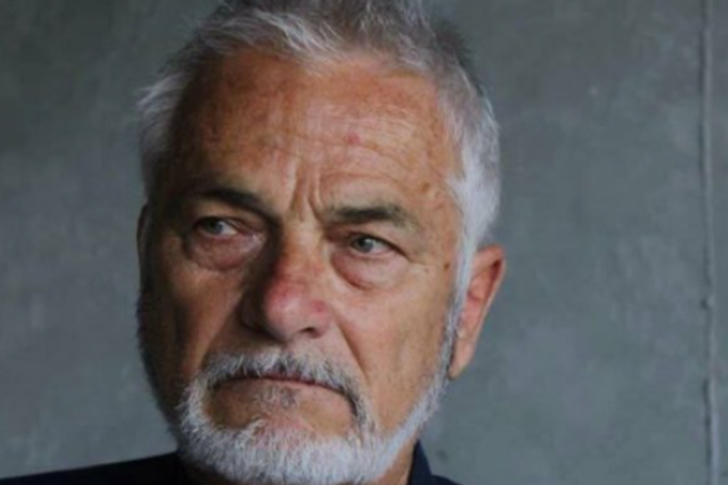
Pas një jave stuhie, kur Deti Facebook u përzie me keq se ...
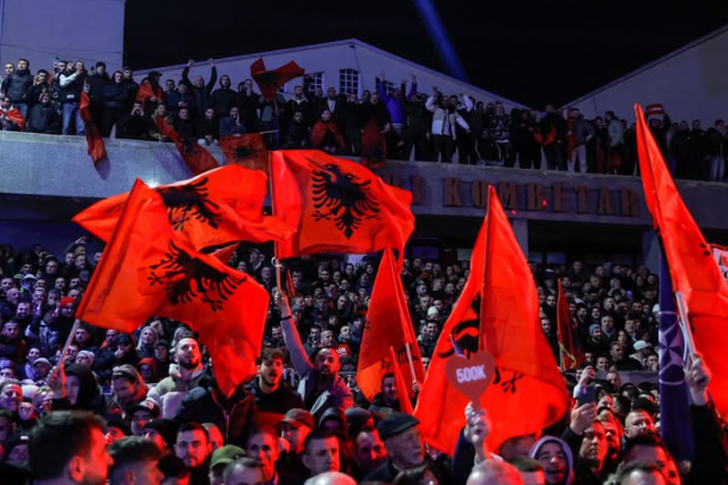
Without money, without luxury, without concerts that prece...
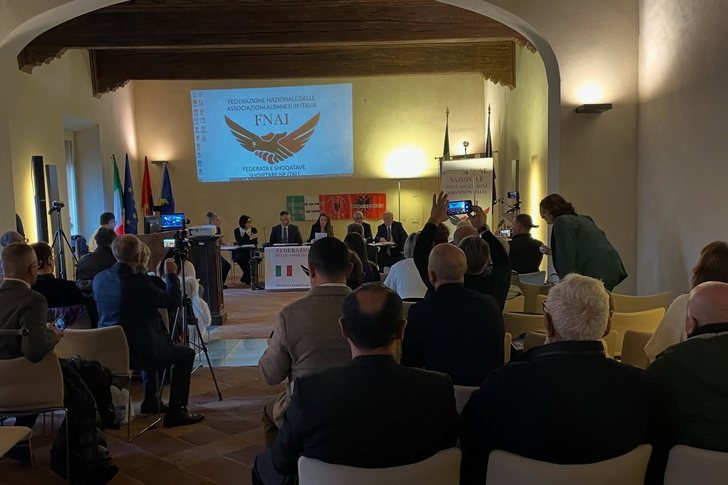
Honorable Mayor of LUGO DI RAVENNA-Italy, Mrs. Elena Zanon...
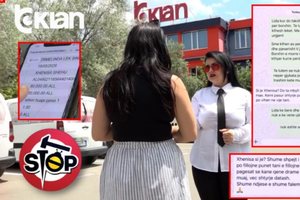
The next case broadcast on the show "Stop", this Thursday,...
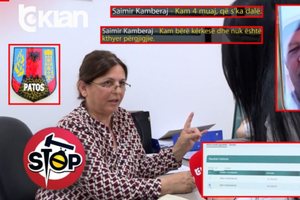
The case published this Thursday, June 4, on the show "Sto...

The protests of recent days related to the situation in Zv...
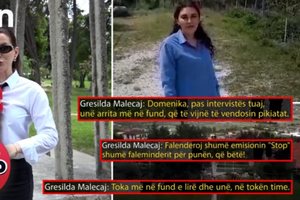
The case addressed this Wednesday, June 3, on the show "St...

The Special Board of Appeal (KPA) decided this Monday ...

The KPA vetting decided this Thursday to dismiss the p...

Suela Salavaçi, a prosecutor in the Prosecutor's Offic...

The Special Board of Appeal reinstated the prosecutor ...
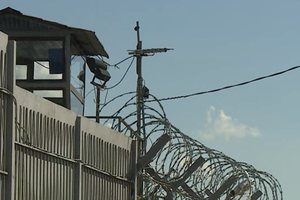
A convict was found dead today in the premises of the Pris...
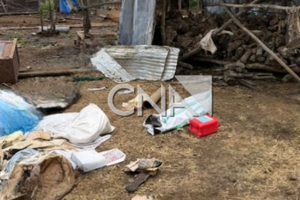
Several images provided by CNA show the area where this mo...

A quantity of explosive material exploded this morning at ...
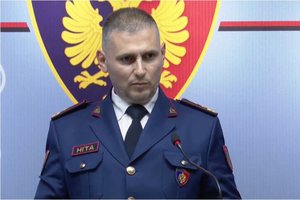
The Head of the State Police, Skënder Hita, expressed his ...

For many children and teenagers, the long summer holidays ...
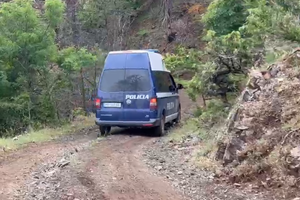
Witnesses in Lozhan, Maliqi, have shared details from the ...

Albania is facing an unprecedented demographic transition,...

On Thursday, our country will be affected by unstable weat...
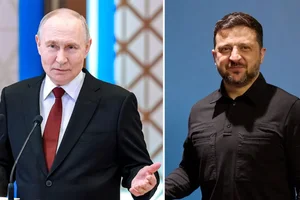
Russian President Vladimir Putin said the war in Ukraine c...
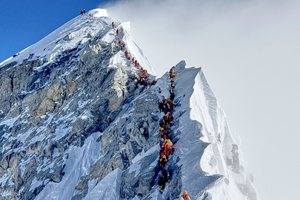
An extraordinary story of survival has been recorded in Ne...
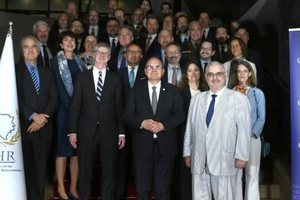
The Peace Implementation Council in Bosnia and Herzegovina...
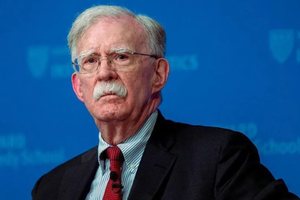
John Bolton, the former national security adviser to US Pr...
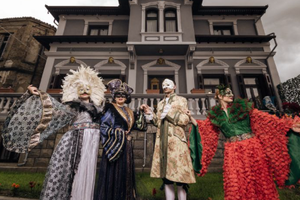
Korça is ready to open the summer season with one of the c...
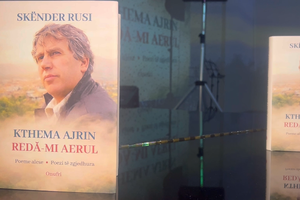
Two years after his passing, the renowned Korçë poet Skënd...
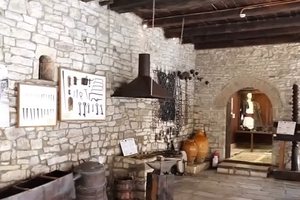
The Ethnographic Museum of Berat has opened its doors to v...
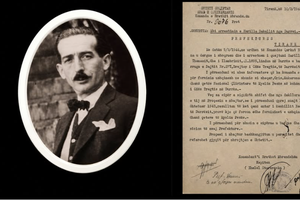
The story of Harilla Bakalli is one of the most chilling t...
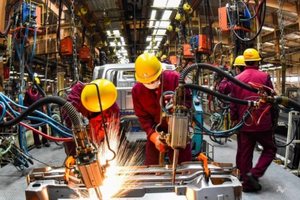
The government aims to transform the country's industrial ...

Kursi i këmbimit të euros me lekun ka rënë më tej këtë jav...

Profit margins in the construction sector have increased s...

The Transparency Board, at its meeting today, decided to i...