


"I'm the cousin..."/ The falcon takes 60 thousand euros from the money changer, introduced himself as a relative of a businessman
A money changer in Durrës lost 60 thousand euros after bei...

A money changer in Durrës lost 60 thousand euros after bei...

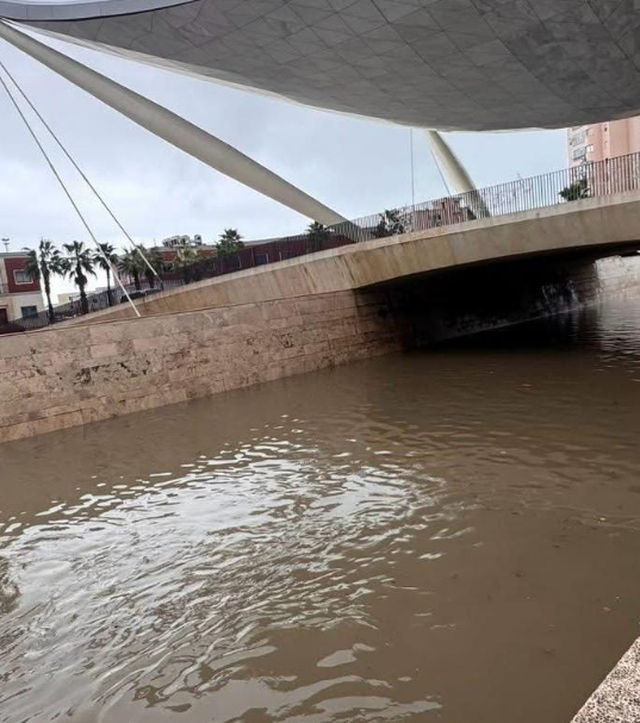
Today's flooding in Durrës, widely perceived as unprecedented, has prompted an immediate public reaction, with the main cause being sought in the dams, their capacity or insufficient maintenance. This focus, although understandable, is fundamentally insufficient and risks hiding the real problem: Durrës, like many coastal and lowland cities in Albania, continues to manage water according to an outdated logic, which aims to remove it as quickly as possible, instead of investing in keeping and managing it in the territory.
In academic and professional terms, this model is known as the traditional paradigm of urban drainage, built on “gray” infrastructure consisting of closed channels, collectors, pumps and direct discharges to the sea or rivers. This system assumes relatively moderate rainfall, permeable surfaces and stable urbanization rates. None of these conditions exist anymore. Climate change has increased the intensity and temporal concentration of rainfall, while the urbanization of Durrës has produced an increasingly impermeable territory, where the soil has lost its natural absorbent function.
In this context, the dams are not the cause, but the point where the failure of the entire system explodes. They function as the last “safety valve” in a territory that can no longer hold water. Whenever rainfall exceeds a critical threshold, no matter how powerful the pumps are, they cannot cope with the large volumes of water that accumulate in a very short time. Investing only in increasing water removal capacities is a losing battle, because any expansion of the gray infrastructure will be neutralized by further urbanization and climate extremes.
The contemporary strategy for stormwater management in urban areas, consolidated in European Union policies and in territorial planning practice, is based on a completely different principle: water should be contained, slowed down and dispersed, not concentrated and forcibly removed. This principle is materialized through green and blue infrastructure, which combines ecological, urban and social functions. Urban parks designed as controlled flood basins, wetlands and natural channels, permeable surfaces, green roofs and sustainable urban drainage systems (SUDS) are key elements of this approach.
For Durrës, this strategy is not simply a conceptual import, but a territorial necessity. The city is increasingly extending into a low-lying coastal plain, with historical connections to marshes, lagoons and natural surface water systems. The urbanization of recent decades has destroyed these systems, covered agricultural lands and eliminated the buffer spaces that once absorbed rainfall. Today’s flooding is, in this sense, the brutal return of a hydrological reality that urban planning has long chosen to ignore.
Water retention does not mean uncontrolled flooding, but rather planned, managed and anticipated flooding. It reduces pressure on water resources, increases urban resilience and creates public spaces with added ecological and social value. Instead of water being perceived as a threat, it is integrated as a structural element of the city.
In conclusion, the Durrës flood should not be treated as a technical incident, but as a strategic failure. Without a radical paradigm shift – from diverting water to retaining and managing it in the territory – any investment in hydropower will only be a temporary solution. The real challenge is to redesign the city and its surrounding territory in accordance with the climatic realities of the 21st century. Only then can Durrës move from a city that floods, to a city that intelligently coexists with water.
Durrës was not flooded today because "the dams didn't work"; it was flooded because we built a city that doesn't hold water.
We must say it clearly: no matter how many reservoirs we add, if the territory does not hold water, floods will recur.
The modern solution is not to remove the water, but to retain and manage it where it falls. Rainwater is of exceptional quality: it has few salts, it is clean and very useful, especially for degraded and saline areas like Spitalla. While the city floods, the surrounding land suffers from salinization and lack of suitable water - a typical paradox of bad planning.
What does this mean specifically? Urban parks that temporarily accept water, not “dry” tiled squares; Permeable surfaces, not asphalt everywhere; Rainwater collection from roofs for irrigation and public uses; Basins and infiltration areas in the suburbs, especially towards Spitalla, for the gradual leaching of saline soils.
Hydropower plants used as a safety tool, not as the only solution.
Water is not the enemy of the city; the enemy is the idea that we can only defeat nature with pumps.
If we don't change the way we plan the territory, today it's Durrës, tomorrow it will be Vlora, Lezha or another city. If we change the strategy - from removing water to retaining and using it - floods can turn from a disaster into an asset.
This is not a matter of emergency; It is a matter of vision./ CNA

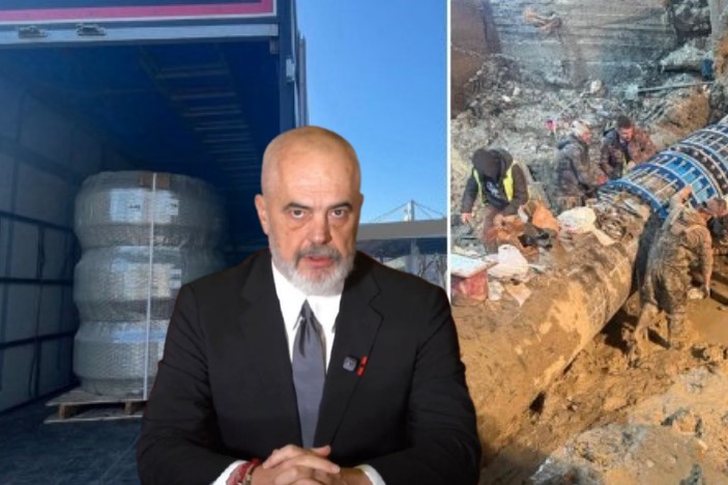
We still have images of the thirst of the inhabitants of V...
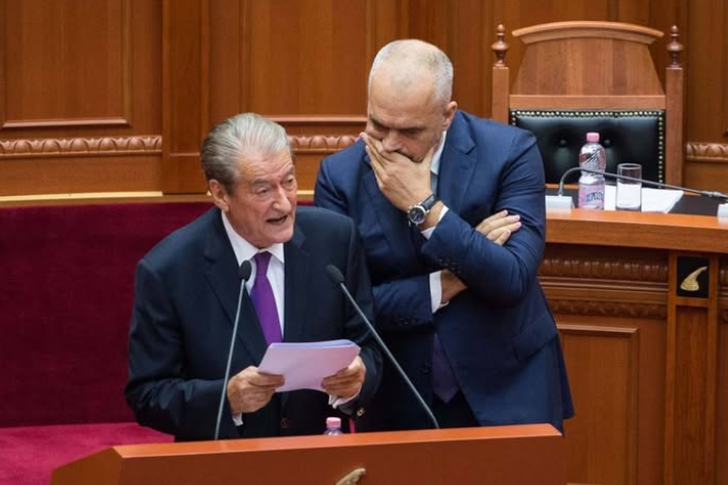
-Ftesë për një debat të shëndoshë, në vend të debatit për ...
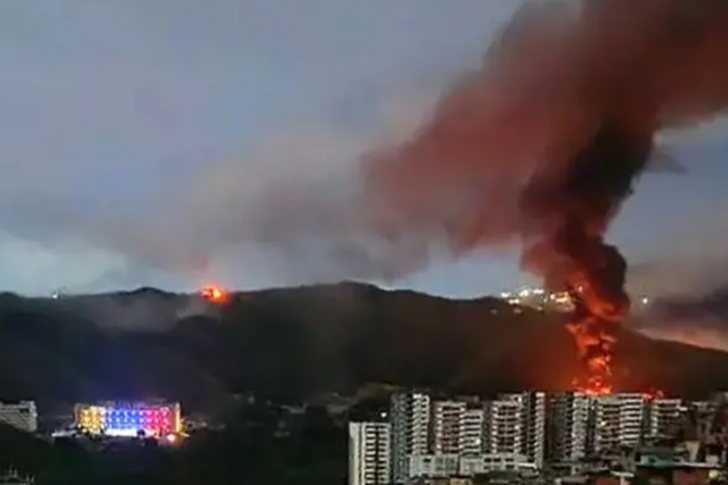
Many explainers of Maduro's arrest have rushed to use oil ...

The enthusiastic reactions of a part of the Albanian oppos...

The difference between Venezuela and Albania is clear: •...

by IRIS BEQIRI Femicide is not only a family tragedy, but...

Today, SPAK has prosecuted 33 senior officials of the Soci...
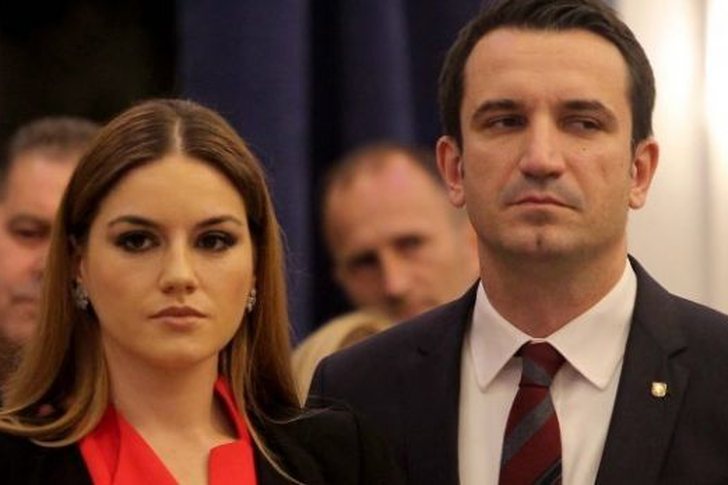
In the first photo is the President of Moldova, Maia Sandu...
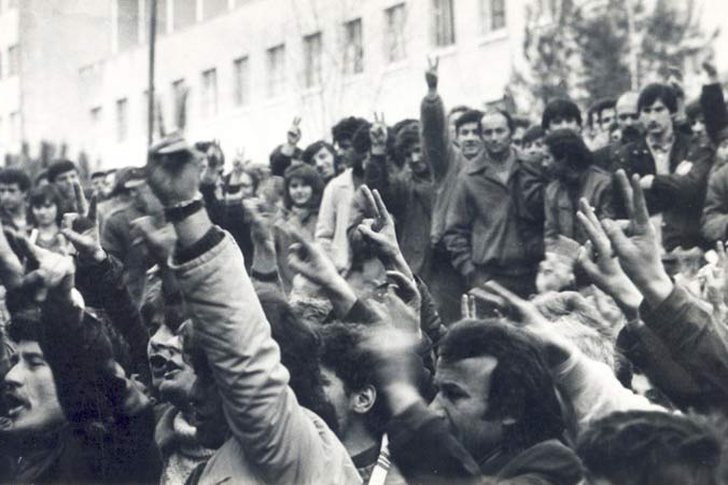
Do you know why we were successful in December 1990 and Fe...
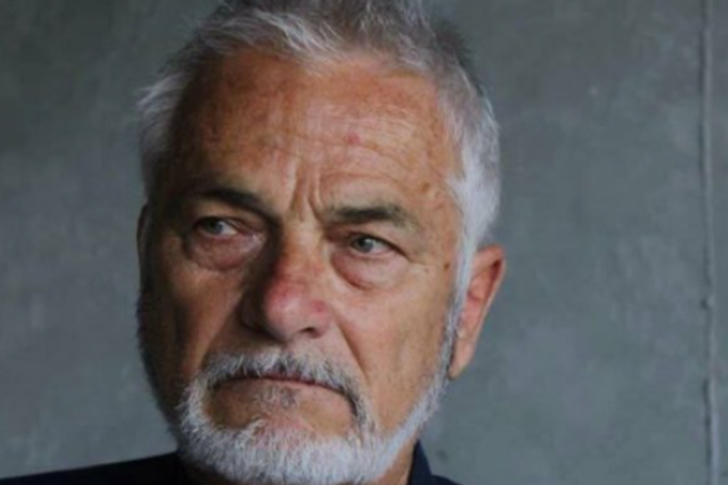
Pas një jave stuhie, kur Deti Facebook u përzie me keq se ...
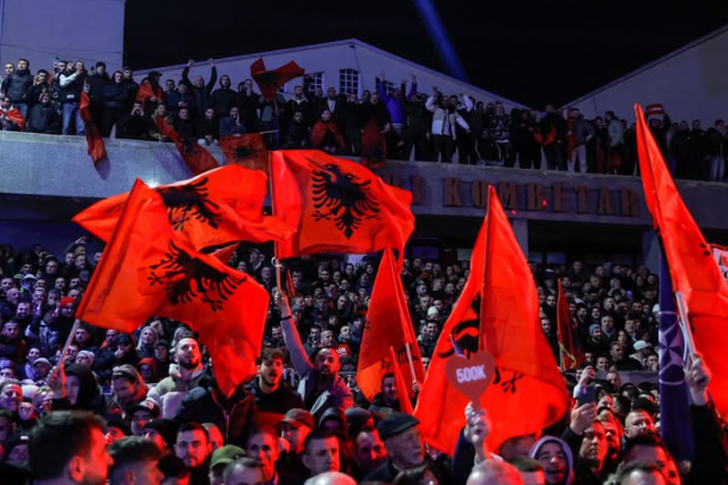
Without money, without luxury, without concerts that prece...
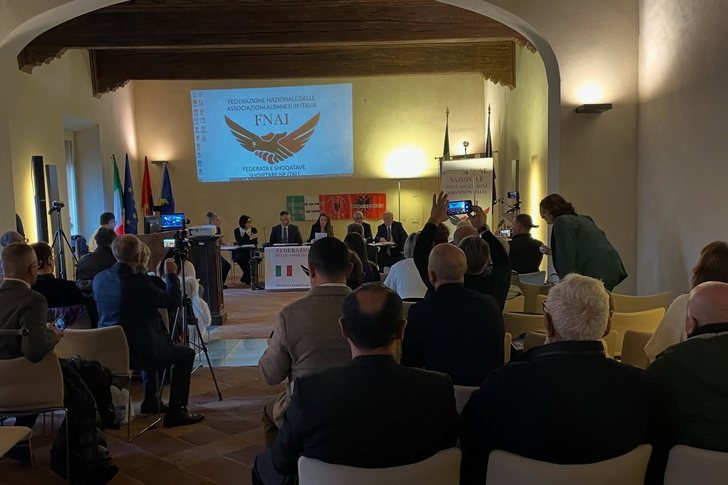
Honorable Mayor of LUGO DI RAVENNA-Italy, Mrs. Elena Zanon...
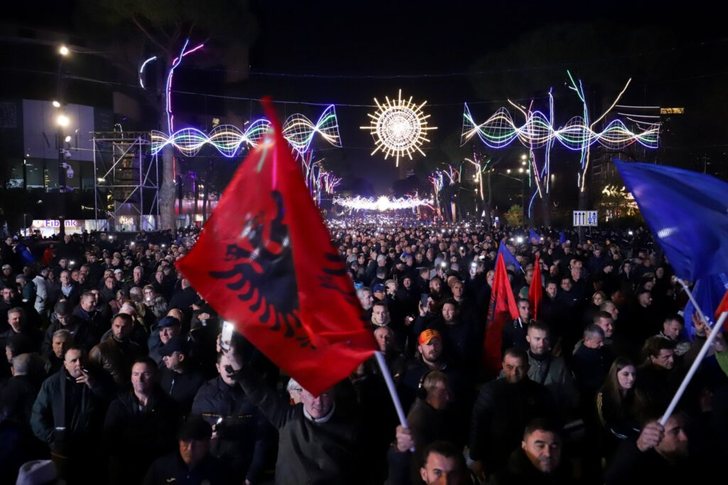
In Albania, anyone you ask on the street will give you at ...
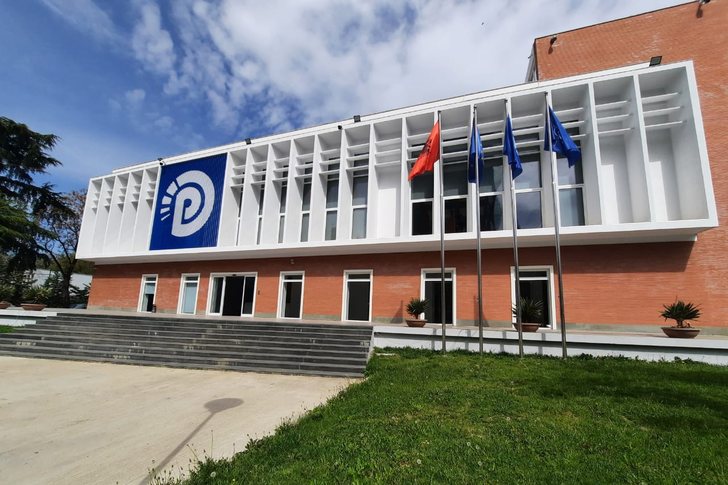
I am a staunch and determined opponent of Ervin Salianj! ...
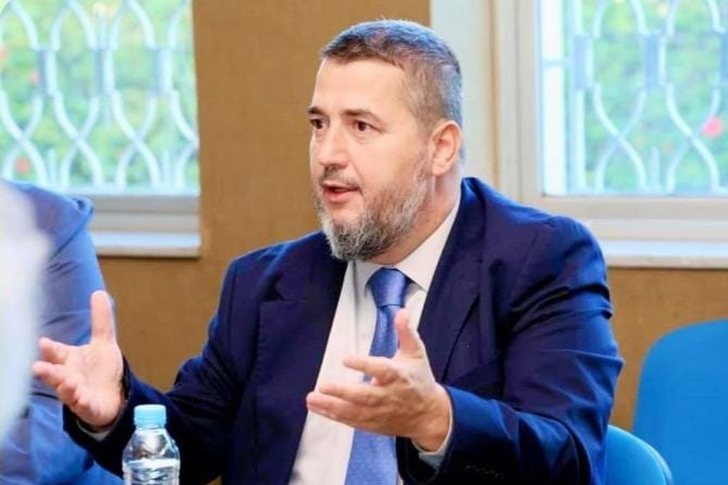
Member of the Board of Directors of the Institute of Interna...
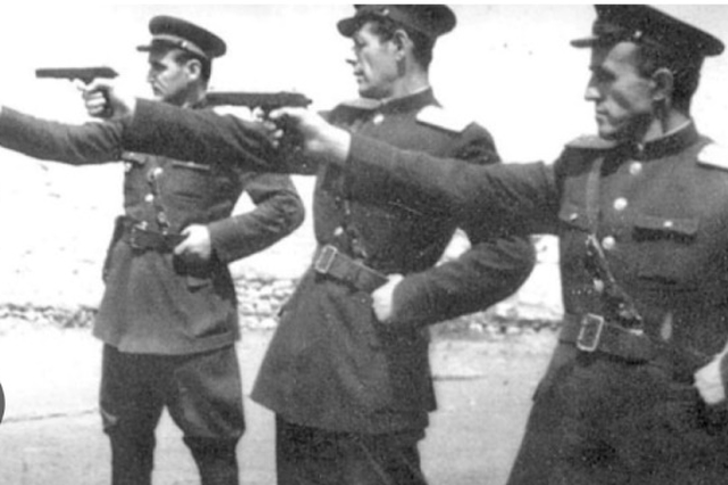
Unfortunately, like many other times in this beloved but s...

What if on December 22nd the square remains empty? What if...

I am European. I love historical and cultural Europe very...
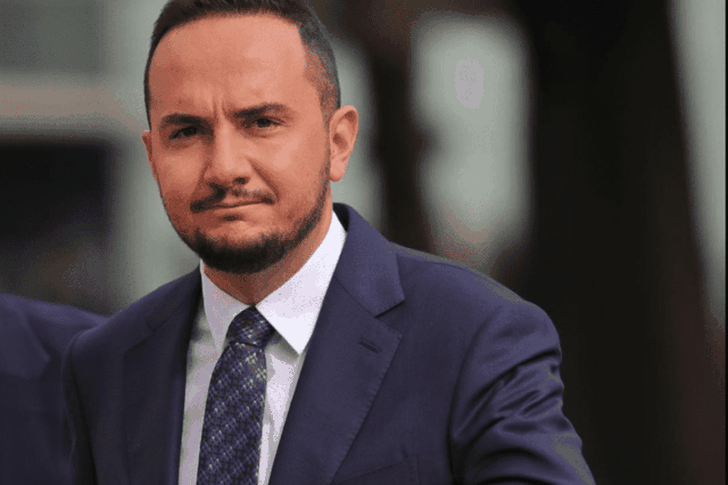
I believe that Salianji wants to create a party. It's a l...

Like many other modern innovations, it seems that Smart Ci...

The next case broadcast on the show "Stop", this Thursday,...

The case published this Thursday, June 4, on the show "Sto...

The protests of recent days related to the situation in Zv...

The case addressed this Wednesday, June 3, on the show "St...

The Special Board of Appeal (KPA) decided this Monday ...

The KPA vetting decided this Thursday to dismiss the p...

Suela Salavaçi, a prosecutor in the Prosecutor's Offic...

The Special Board of Appeal reinstated the prosecutor ...

A money changer in Durrës lost 60 thousand euros after bei...
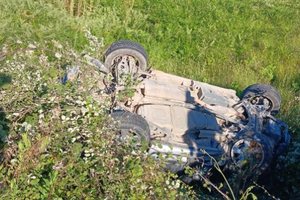
A serious accident occurred on the Kardhiq-Delvinë axis, i...

Authorities have conducted a large-scale anti-drug operati...
A convict was found dead today in the premises of the Pris...

Today our country will be affected by stable weather condi...

For many children and teenagers, the long summer holidays ...

Albania is facing an unprecedented demographic transition,...

On Thursday, our country will be affected by unstable weat...

Russian President Vladimir Putin said the war in Ukraine c...
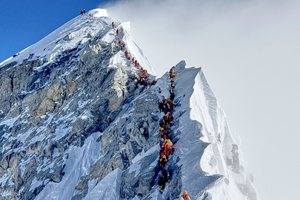
An extraordinary story of survival has been recorded in Ne...
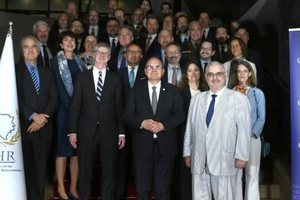
The Peace Implementation Council in Bosnia and Herzegovina...

John Bolton, the former national security adviser to US Pr...
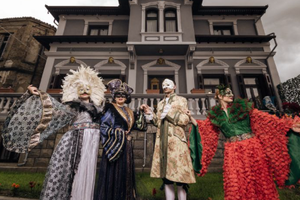
Korça is ready to open the summer season with one of the c...
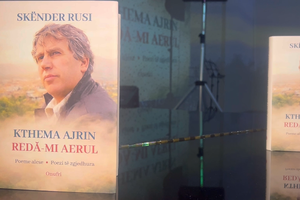
Two years after his passing, the renowned Korçë poet Skënd...
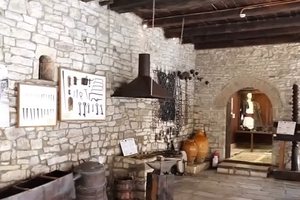
The Ethnographic Museum of Berat has opened its doors to v...
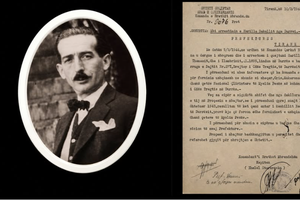
The story of Harilla Bakalli is one of the most chilling t...

Despite years of efforts at regional cooperation and free ...

Albania is the country with the highest level of severe ma...

This Friday, one US dollar is bought for 81.3 lek and sold...
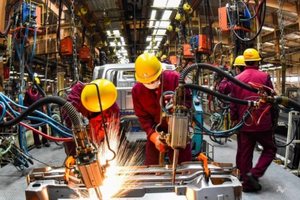
The government aims to transform the country's industrial ...