

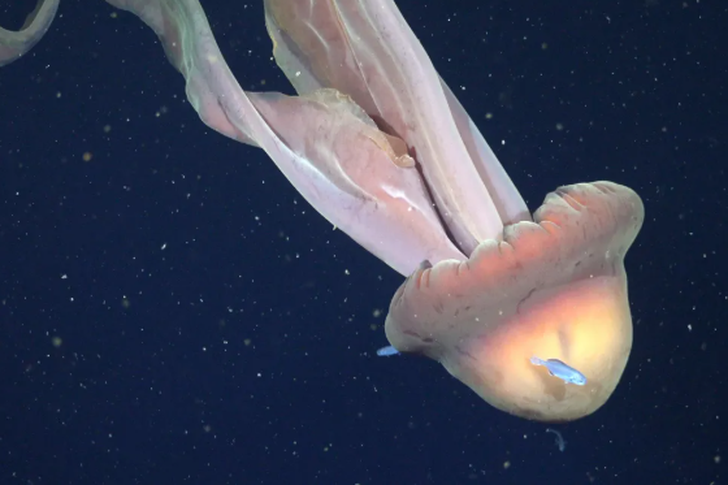
'Ghost' jellyfish filmed by researchers in the deep sea near Argentina
During an underwater scientific expedition near the southe...


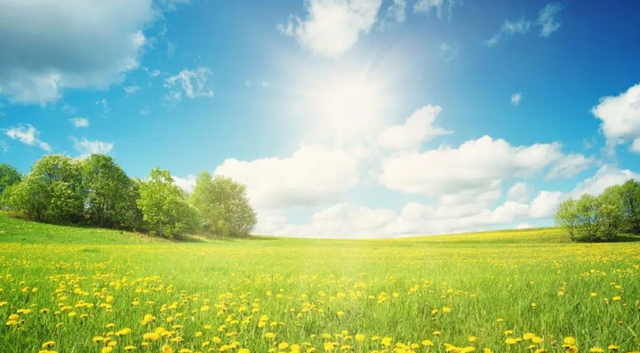
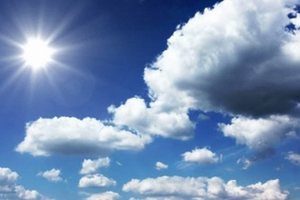
The quickest and easiest answer to why the sky is blue is this: The air in Earth's atmosphere absorbs the light that reaches it from the Sun. Blue light is scattered more than other colors because it travels in shorter, wider waves. And blue light spreads throughout the air, making our sky appear blue most of the time.
Composition of Earth's atmosphere
First of all, let's start with a brief introduction to the composition of Earth's atmosphere. How the composition of the atmosphere affects the color of the sky we see.
The atmosphere is the outermost layer of our planet, which is the lightest, it is composed of various gases in varying proportions. These gases are necessary for the existence of all life on the planet.
The atmosphere also contains suspended solids and liquids of natural origin or derived from human activities. The gases that make up the atmosphere are: nitrogen, oxygen, carbon dioxide, argon, noble gases, methane, hydrogen, nitrous oxide, carbon monoxide, ozone, water vapor, and aerosols.
Nitrogen
Nitrogen makes up about 4/5 of the atmosphere; the remaining 1/5 is argon. The atmospheric component with the largest volume is nitrogen.
Nitrogen is an essential element for soil fertility; it is one of the most common gases in the atmosphere. However, plants absorb only 1% of this element because nitrogen is a non-flammable gas and is difficult to combine with other gases. As a result, certain bacteria are needed to break down these nitrogen molecules so that plants can use them.
Oxygen
It is the second most abundant element in the universe. It represents 21% of the volume of the gas; however, it is also essential for all living organisms to breathe and grow. Its presence is necessary for all combustion processes to occur.
Oxygen is an essential chemical element for all living things. More than a quarter of all molecules in all living things are oxygen. This makes it easier for oxygen to combine with other elements to form new molecules.
Carbon dioxide
Carbon dioxide (CO2) is one of many gases in the atmosphere. Its percentage in the atmosphere can vary over time and place. CO2 is produced through the decomposition of organic matter, the respiration of living things, and the burning of fossil fuels. It can also be compensated for by photosynthesis in plants and the oceans.
Before the Industrial Revolution, there were 280 parts per million of carbon dioxide in the air. However, levels of this greenhouse gas have increased dramatically over the years due to the loss of plant life. On average, 410 parts per million of carbon dioxide are currently in the air. This is because atrophic causes account for more than half of the 410 parts per million in the air.
methane
Before the industrial era, our atmosphere contained about 200% of the methane it contains today. Estimates suggest that the current atmospheric concentration of methane is about 2 parts per million.
Compared to carbon dioxide, the greenhouse effect of methane is 25 times more powerful. Unfortunately, the effect of carbon dioxide in the atmosphere is only 17% of the total. This is because the effect of C02 is much greater when it is in smaller concentrations.
Ozone
Ozone forms a protective layer against ultraviolet radiation from the sun. If it were not for ozone, the sun's radiation would destroy all life on the planet. The atmosphere of this gas changes seasonally and varies according to your altitude and latitude. It usually ranges between 15 and 35 kilometers in altitude.
aerosols
They are mainly involved in the formation of condensation nuclei, which are critical in cloud formation. In addition, they cause air pollution due to their presence in the atmosphere. Some are also considered suspended liquid or solid particles. Sources of aerosols include organic matter, dust particles, smoke, ash, and salt crystals. Some natural processes can also create aerosols, for example the movement of waves at sea.
Why is the sky blue?
The rainbow contains all the colors of sunlight. Sunlight appears white, but it is actually all the colors of the rainbow.
A prism is a crystal that has a unique shape and when white light passes through it, it separates the light into all its colors.
NASA has an educational section for children on its website called: The Land of Magic Windows. It shows that there are many different types of light around us, beyond what we can see.
Some light travels in short waves and some light travels in long waves. Blue light travels in shorter waves and red light in longer waves. Light also travels in waves, like the energy that circulates in ocean waves.
If light does not travel through an object, it travels in a straight line. If it does travel through an object, one of the following things can happen to the light:
Earth's atmosphere is full of gases and particles, which scatter light in all directions as it enters the atmosphere. Blue light that reaches Earth is scattered more than other colors because it collides with smaller molecules in the atmosphere. and because its waves are shorter and smaller. Most of the time, we can see a blue sky because of the scattering of blue light in all directions.
When the sun is low on the horizon, the sky appears white or pale blue. Light that has passed through many meters of air has been scattered and refracted by air molecules several times. The Earth's surface has also reflected and scattered light. When all these colors are mixed back together, we see more white and less blue.
If the sky looks blue, why is the sunset red?
As the Sun sets lower in the sky, it shines through more sections of the atmosphere, scattering most of the blue light. Red and yellow light pass through unblinking and we can see it with our eyes.
What color is the sky on Mars?
Mars has a thin atmosphere made of carbon dioxide and full of tiny dust particles. The atmosphere scatters light differently than Earth's atmosphere, which is made up of gases and larger dust particles.
On this planet, the sky takes on an orange or red hue during the day and a bluish-gray hue when the Sun sets. NASA has photos showing this from its Rovers and Landers. / CNA

During an underwater scientific expedition near the southe...
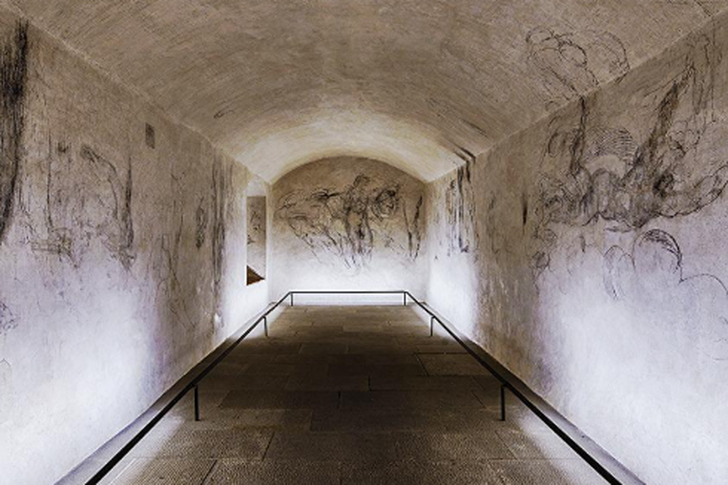
Michelangelo's "Secret Room," or Stanza Segreta, is a smal...
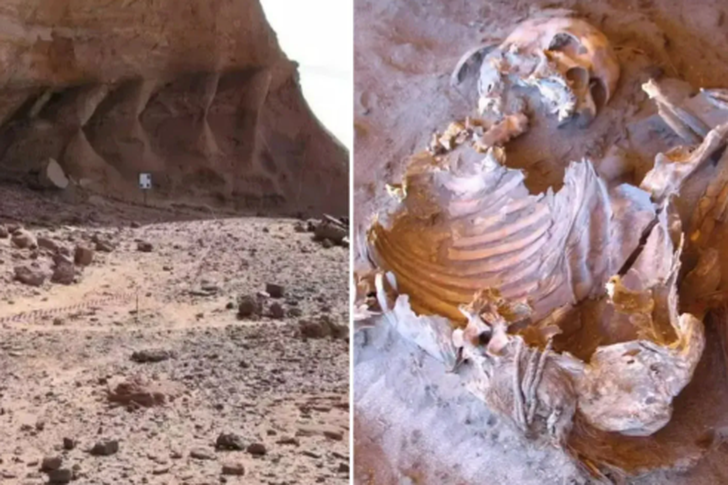
A new genetic study has revealed that two 7,000-year-old m...

The harsh winter in Cambridge, Massachusetts, didn't s...

Several unprovoked shark attacks have occurred on Australi...
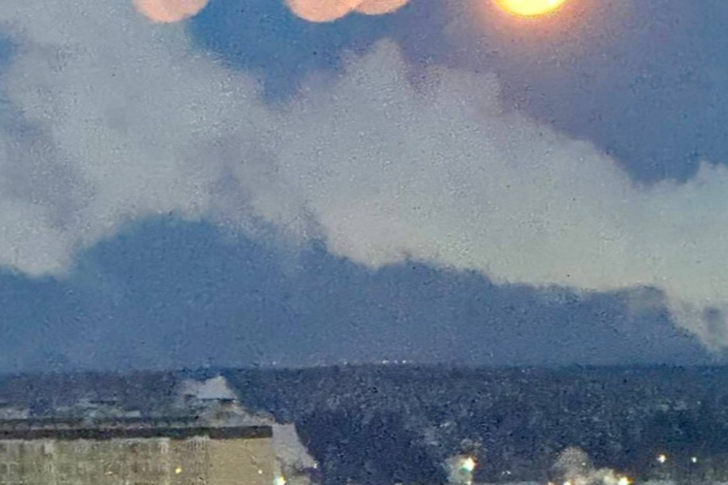
Residents of Moscow and surrounding areas witnessed a rare...
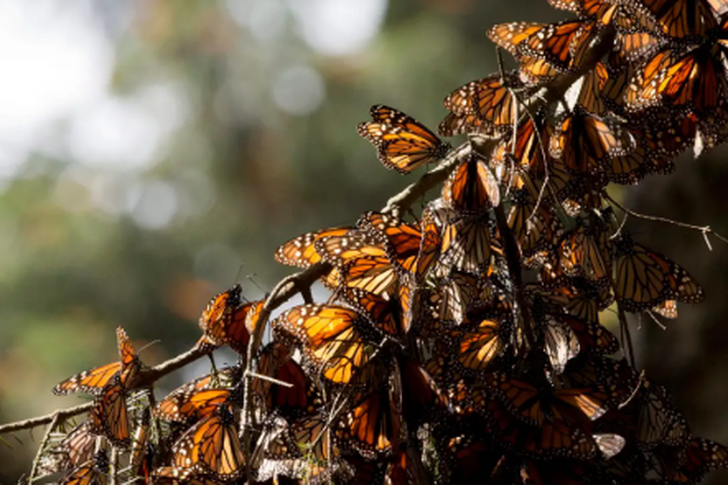
One of the world's most iconic migrations is in danger, as...
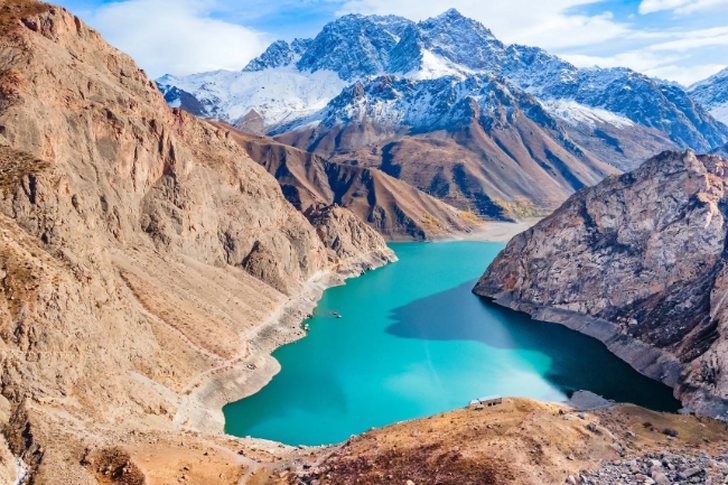
Last year, 1.1 billion tourists traveled abroad between Ja...
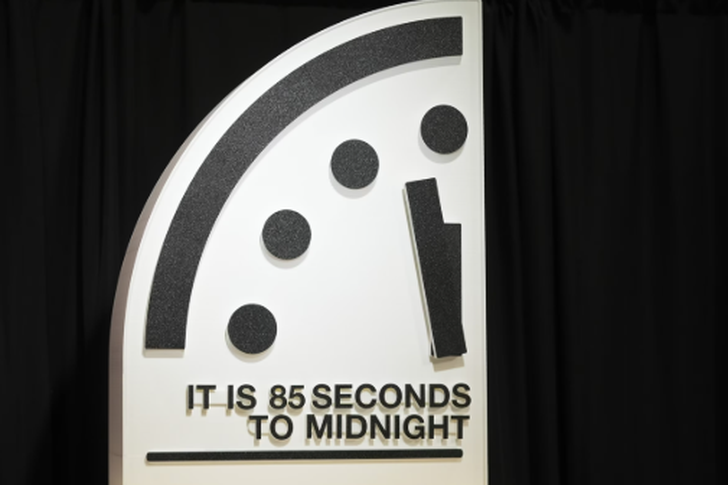
The 'Doomsday Clock' has been moved closer to midnight tha...

A short clip showing a lone Adelie penguin in Antarctica has...
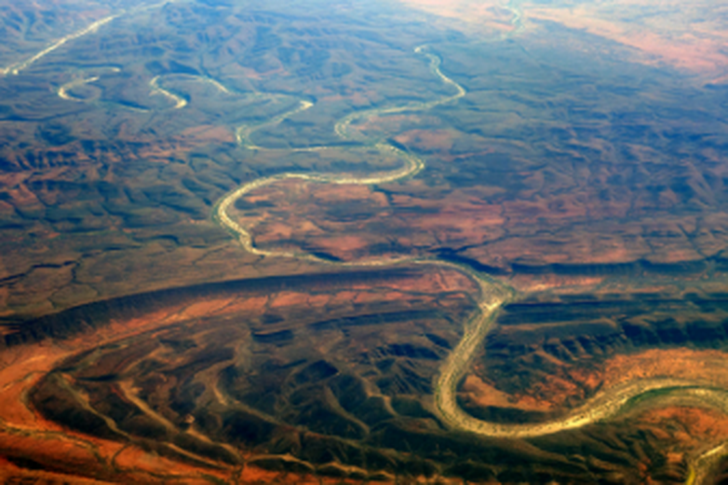
Although it may seem like rivers are a permanent feature o...
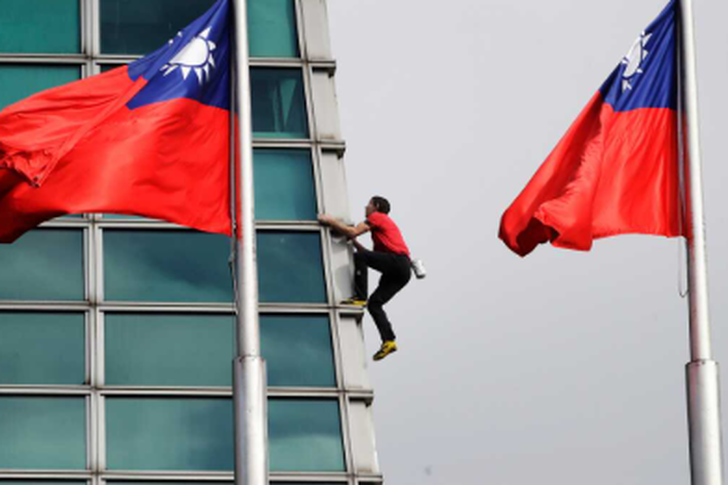
Famous American rock climber Alex Honnold climbed to the t...
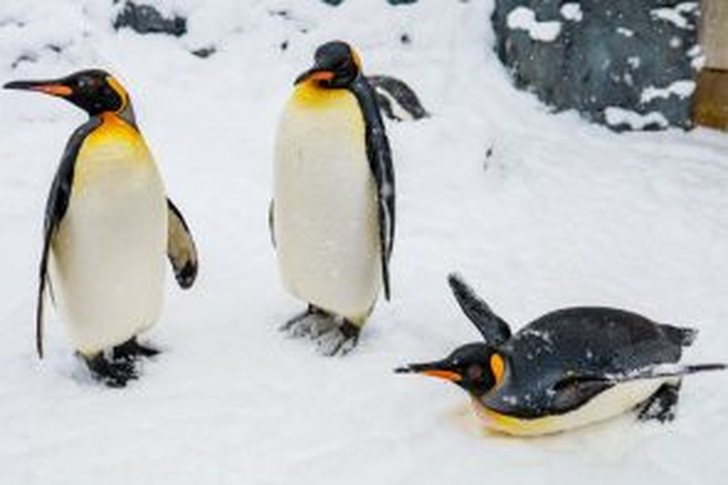
A new study finds that rising temperatures are causing Ant...

Scientists have linked the burning of fossil fuels to the ...
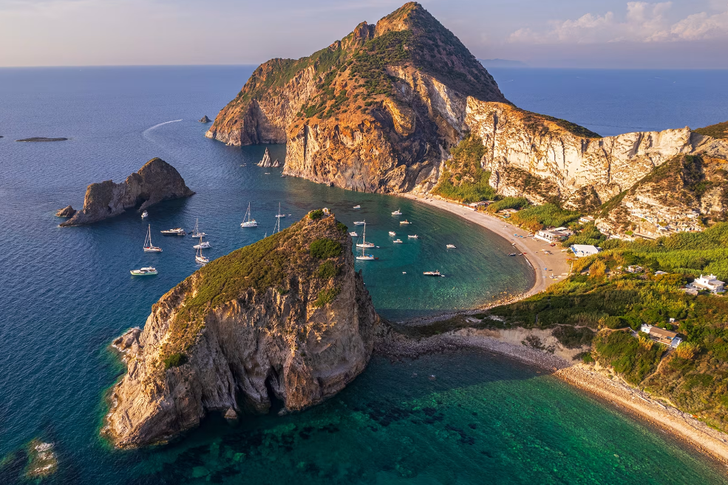
Palmarola has no town and no roads. There is no electricit...
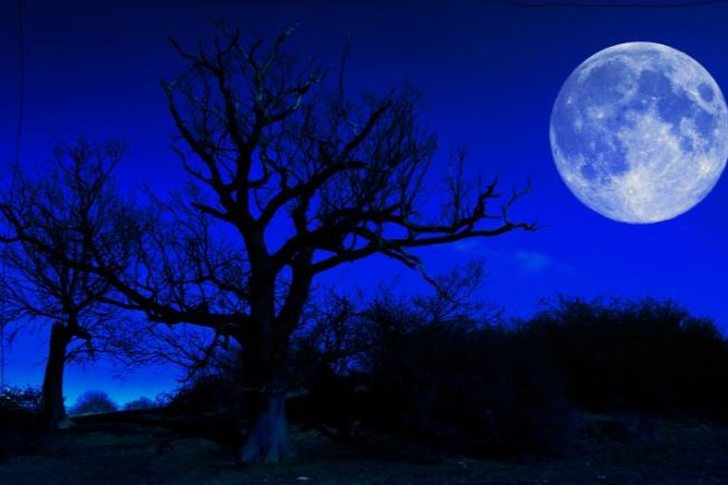
Monday, January 19, is often known as “Blue Monday” and is...
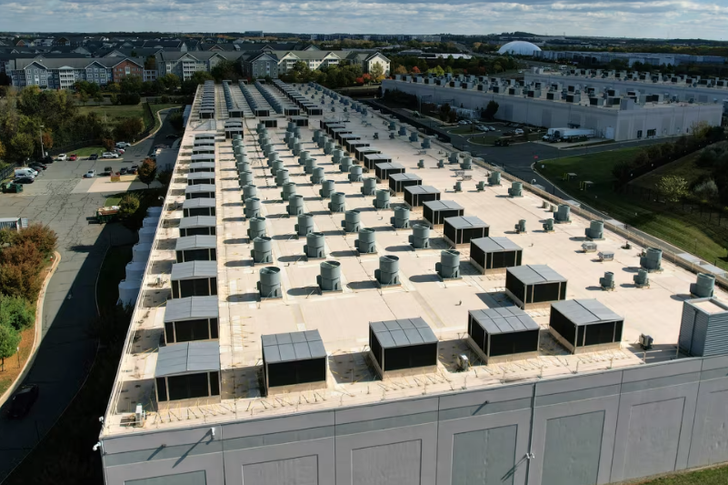
Tech giants are in a heated race to build data centers and...

Burrat e shqetësuar për humbjen e shkëndijës së tyre seksu...
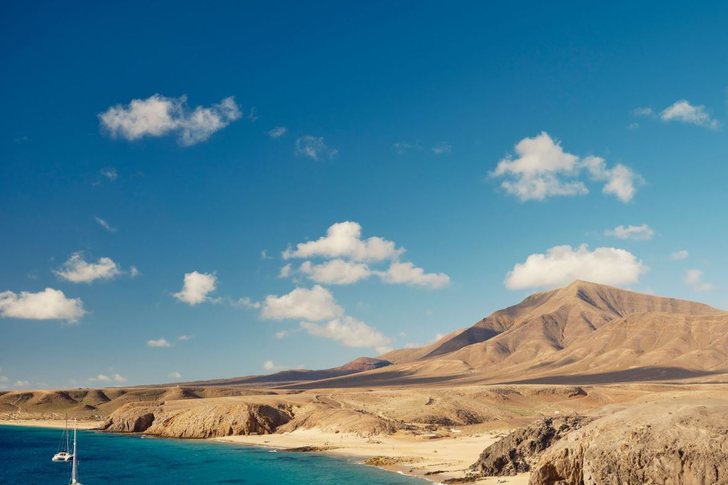
Finding a warm place in Europe in February can be tough. A...

In an increasingly technology-connected world, people's sl...

Irfan Hysenbelliu is a businessman that we call "Irfan the...

In March 2026, CNA launched another investigation centered...
The arrested mayor of Tirana, Erion Veliaj, with 13 charge...

CNA has uncovered the tentacles of the head of the Supreme...

The Special Board of Appeal (KPA) decided this Monday ...

The KPA vetting decided this Thursday to dismiss the p...

Suela Salavaçi, a prosecutor in the Prosecutor's Offic...

The Special Board of Appeal reinstated the prosecutor ...

New details are being learned regarding the incident that ...

Several gunshots were reported this evening in Elbasan. T...
A section of the Fier-Vlora highway was engulfed in flames...

A road accident occurred this Monday near Gramsh. As repo...

Another humanitarian aid shipment from Germany has arrived...

Residents of the village of Memëlisht in the Municipality ...
On Monday, our country will be under the influence of rela...

On Sunday, our country will remain under the influence of ...

US President Donald Trump responded with harsh rhetoric to...

US President Donald Trump said on Monday that Israeli Prim...

Hungary's Prime Minister, Péter Magyar, took many people b...

The mediators in the Middle East conflict between the Unit...

At a time when industrial products are increasingly taking...

Trust among people is not just a three-syllable word. It c...

Master of humor Todi Llupi has passed away at the age of 7...
The ninth edition of "MIK Festival" kicked off with one of...

Deputy Minister of Economy and Innovation, Enkelejd Musabe...

This Monday, one US dollar is bought for 81 lek and sold f...
In Golem and Durrës, the season seems dynamic: buses with ...

This Sunday, one US dollar is bought for 81 lek and sold f...