

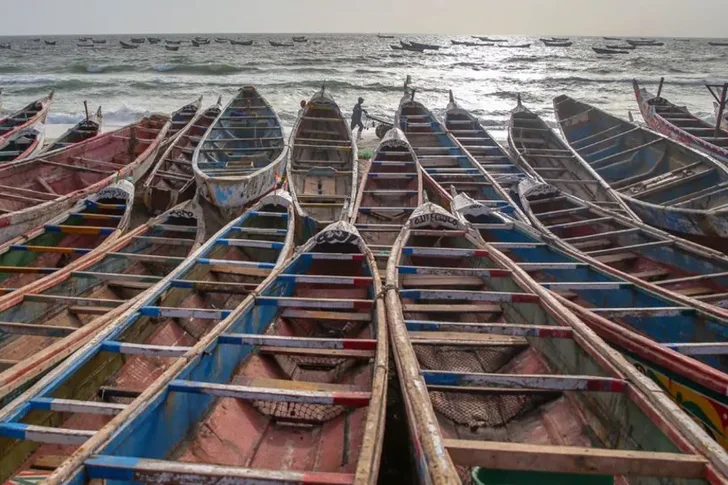
Boat sinks off Spanish coast, 69 dead
At least 69 people have died and many more are missing aft...


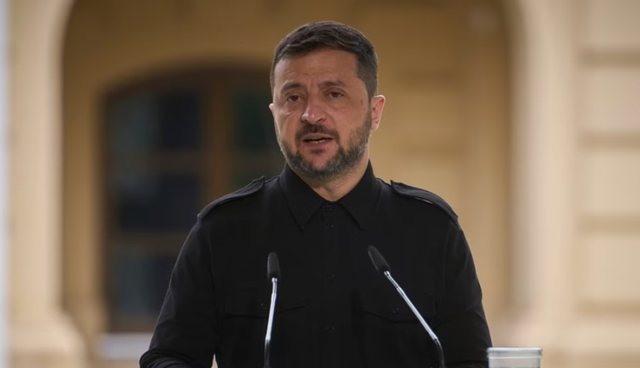
Ukrainian President Volodymyr Zelensky has rejected proposals for a buffer zone between Ukrainian and Russian forces as part of a peace deal, arguing that it does not reflect the realities of modern warfare.
"Only those who do not understand the technological state of today's warfare propose a buffer zone," he told reporters.
His comments followed a report suggesting that European leaders were considering a 40km (25-mile) buffer zone as part of a ceasefire or a long-term agreement.
The war in Ukraine has evolved into a conflict fueled by drone technology, and Zelensky suggested that a kind of buffer zone already existed due to the threat of drone attacks near the front line.
Buffer zones could create demilitarized zones between warring countries, such as North and South Korea, and physical borders such as the Iron Curtain — which separated the Soviet Union and the West after World War II. According to a report in Politico, European diplomats said the proposal among military and civilian officials was to block a strip of land in Ukraine between the two forces. But Zelensky said there was already an area on either side of the front line where heavy artillery was unable to operate because of the risk of drone fire.
"Today, our heavy weapons are located at a distance of more than 10 km from each other, because everything is hit by drones. This buffer zone - I call it the 'dead zone', some call it the 'gray zone' - it already exists," Zelensky said.
Any such agreement could also mean Ukraine giving up some territory within the zone, which Zelensky also rejected.
"If Russia wants to have a greater distance from us, they can retreat deep into the temporarily occupied territories of Ukraine," the Ukrainian leader declared.
He added that Russia was not ready for diplomacy, but was looking for ways to delay the end of the war.
A US-led diplomatic offensive to end Russia's full-scale war, which has now lasted more than 40 months, appears to be losing momentum. A meeting last week between US President Donald Trump, Zelensky and European leaders raised hopes of a possible summit between the Ukrainian leader and Russia's Vladimir Putin. But those hopes are looking increasingly distant, with German Chancellor Friedrich Merz saying there "definitely" will not be a meeting and it appeared as if Putin was "not ready" to attend.
Russia launched 629 drones and missiles at Kiev in the early hours of Thursday, killing 23 people, in one of the largest air strikes of the war so far that has drawn outrage from European leaders. Two missiles fell near EU offices in central Kiev. After talks in the French city of Toulon, Merz and France's Emmanuel Macron said they would increase pressure on Russia because Putin is showing little interest in ending the war. Macron said that if Putin fails to meet a Monday deadline to agree to talks, "it will show once again that President Putin has manipulated President Trump." Merz said the war could last "many more months."
EU foreign policy chief Kaia Kallas has condemned Russia’s “continued attacks on civilians and civilian infrastructure, which are a deliberate escalation and undermine efforts towards peace.” On Friday, Zelensky’s chief of staff, Andriy Yermak, discussed US peace moves with Trump’s special envoy, Steve Witkoff, as well as US Secretary of State Marco Rubio and Vice President JD Vance. Yermak said after their meeting in New York that while Ukraine welcomes all peace initiatives put forward by the US, “unfortunately, each of them is being obstructed by Russia.” European leaders are working to provide Ukraine with security guarantees if a deal with Russia can be reached.
Kaja Kallas said EU defense ministers had agreed on Friday that they would need to be “strong and credible,” and Zelensky said he expected talks to continue next week on “NATO-like” commitments that would provide Ukraine with protection. However, Russian Foreign Ministry spokeswoman Maria Zakharova described the latest Western proposals as “one-sided” and aimed at containing Russia.
"Security guarantees should be based on reaching a common understanding that takes into account Russia's security interests," she said./ CNA, translated by BBC

At least 69 people have died and many more are missing aft...
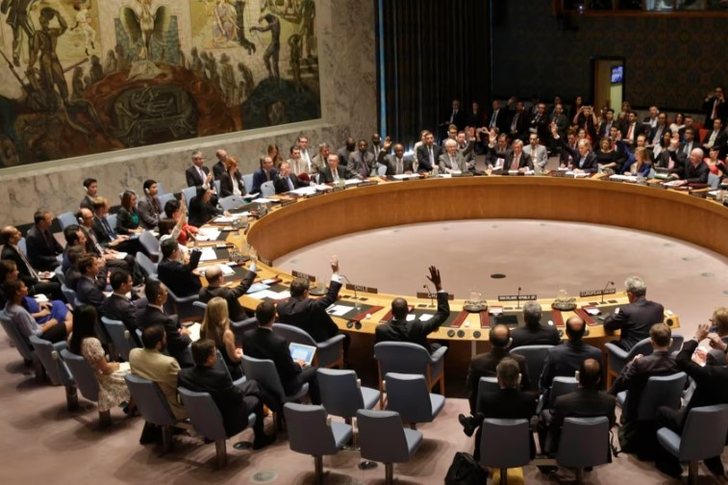
The Iranian leadership is considering a series of counterm...
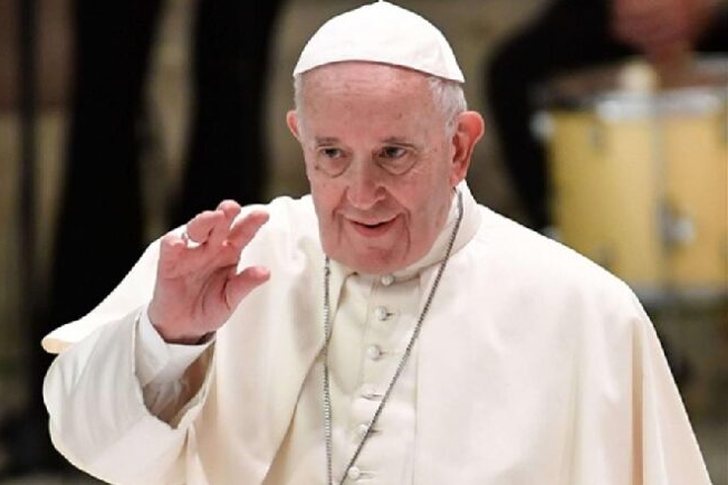
ISIS militants had planned to assassinate Pope Francis dur...
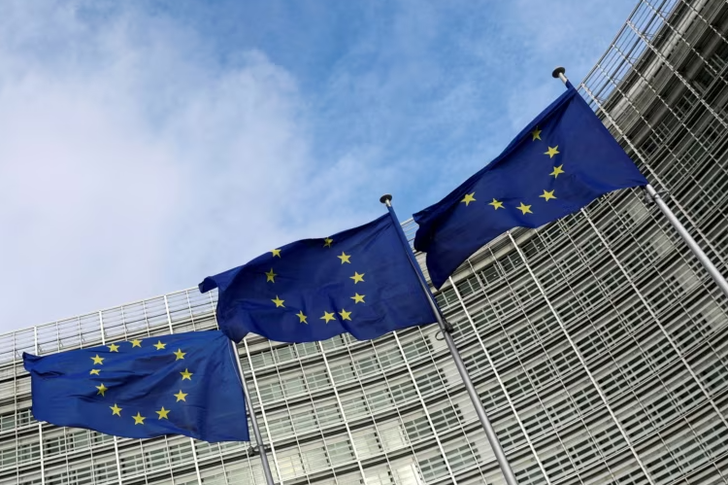
European Union defense and foreign ministers will discuss ...
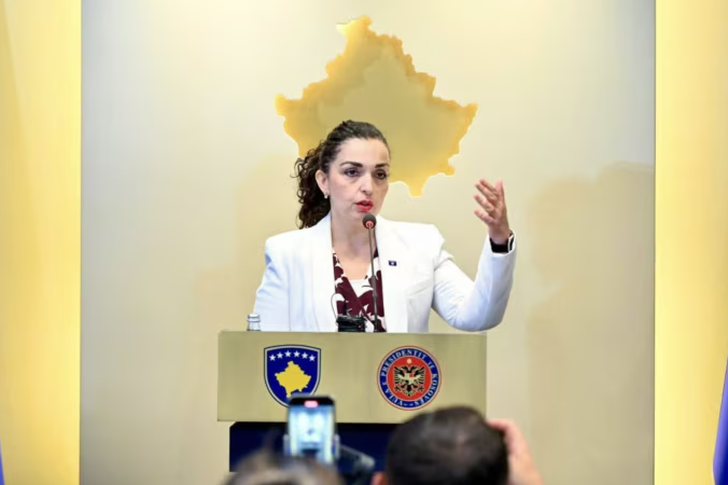
The President of Kosovo, Vjosa Osmani, has called on parli...
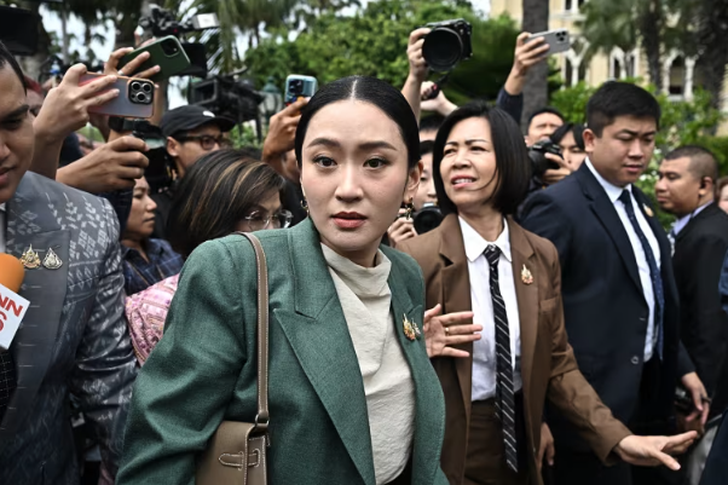
A Thai court has removed Prime Minister Paetongtarn Sh...
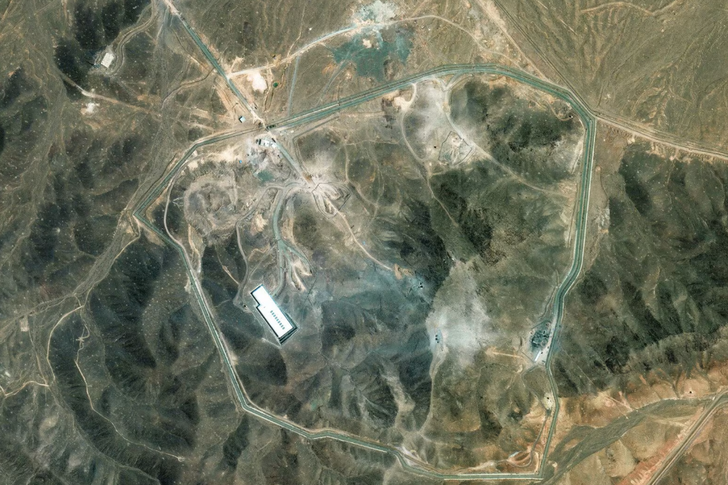
France, Germany and the United Kingdom have begun the proc...
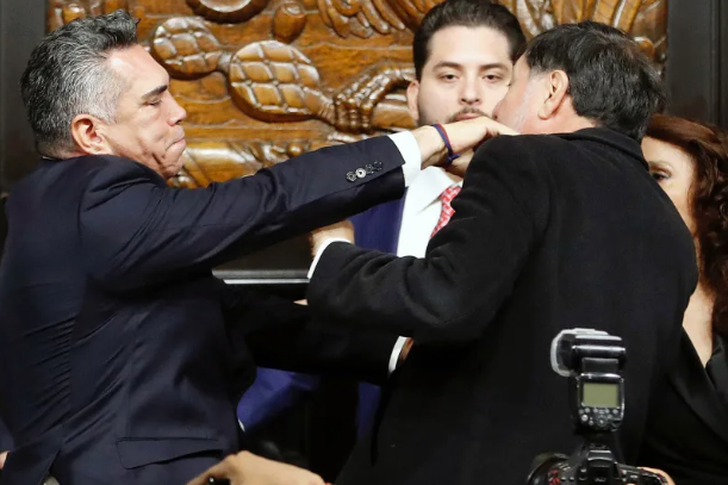
A Mexican Senate meeting turned into a boxing ring after o...
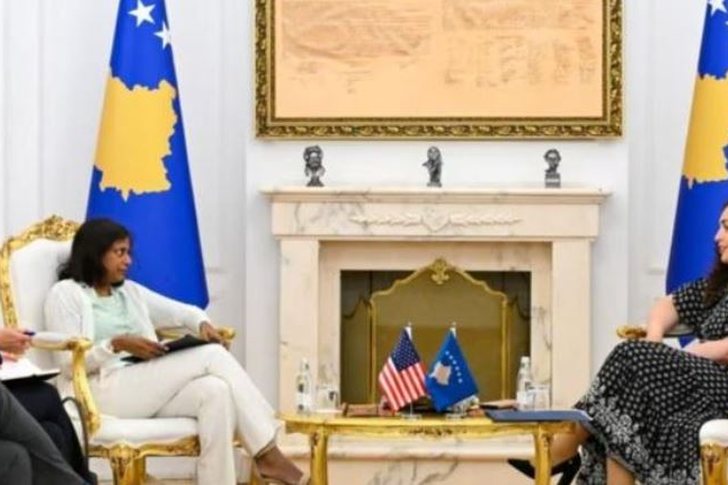
The President of Kosovo, Vjosa Osmani, discussed with the Ch...
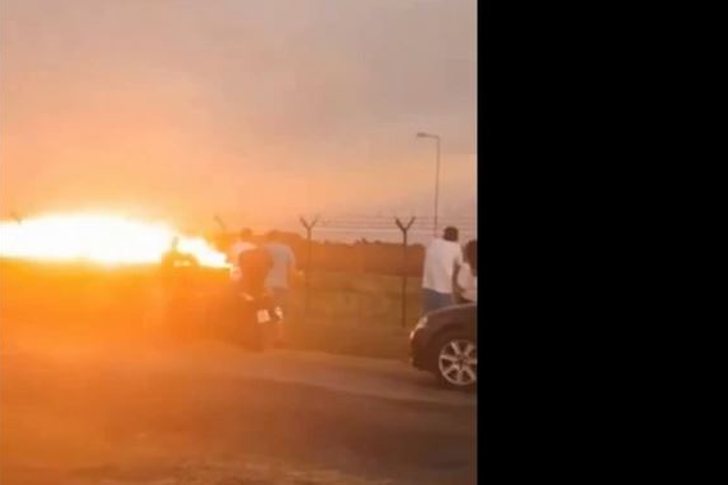
The organizers of the Radom Air Show, which was schedu...
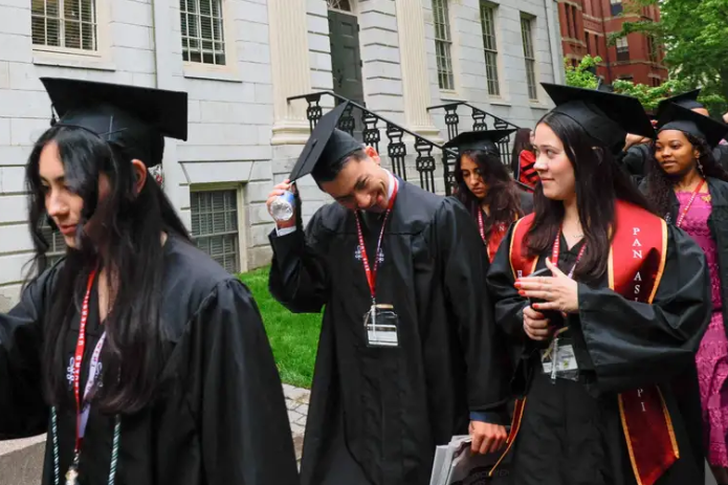
Foreign journalists in the US will now have to extend thei...
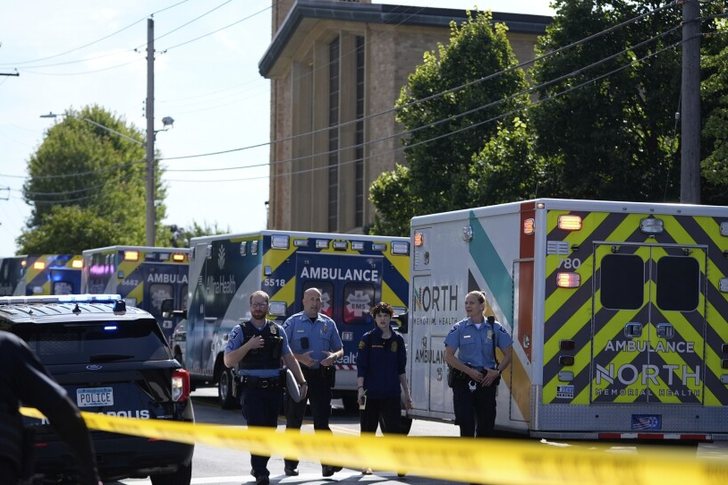
Minnesota Attorney General Joseph Thompson has issued a st...
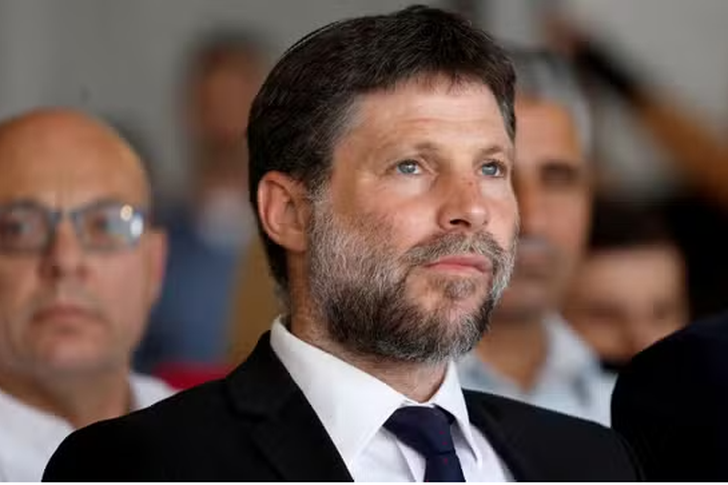
Israeli Finance Minister Bezalel Smotrich called on his go...
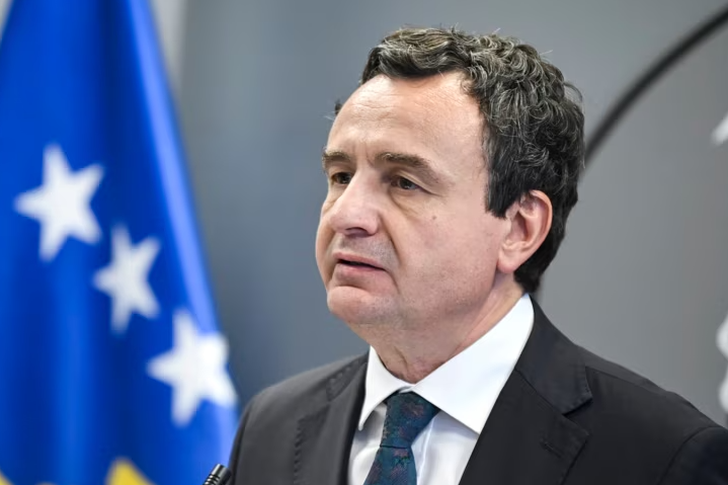
The European Union has decided to suspend official meeting...
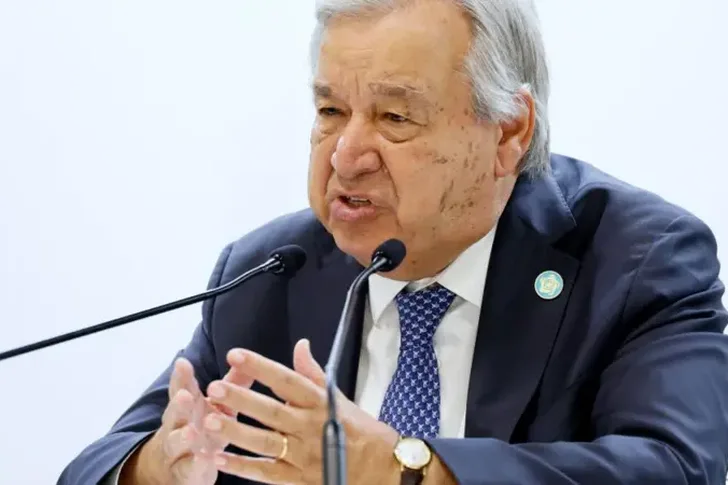
UN Secretary-General Antonio Guterres said Russia's overni...
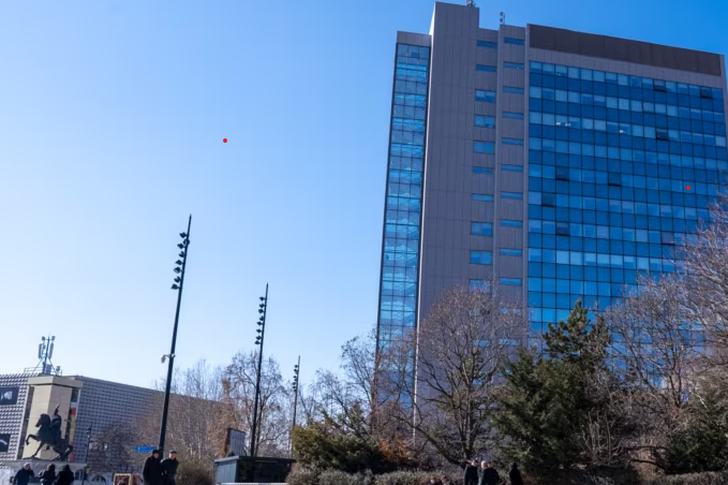
Croatia has remanded two suspects in custody for espionage...
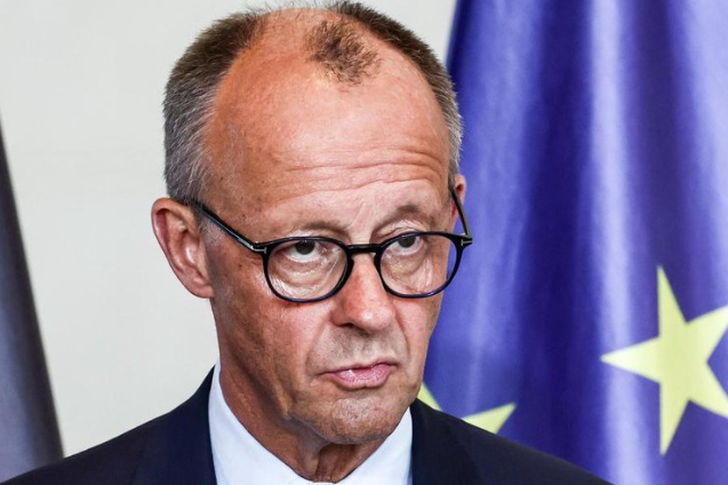
During his first visit to the German Navy, Chancellor ...
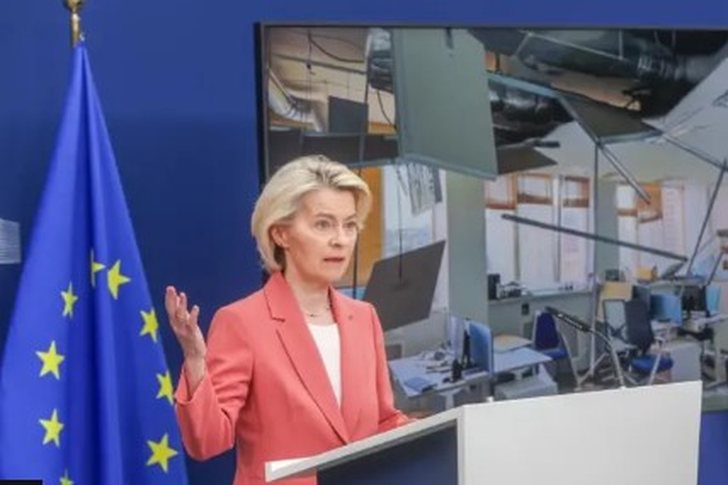
Following the Russian attacks that hit Kiev on Thursda...
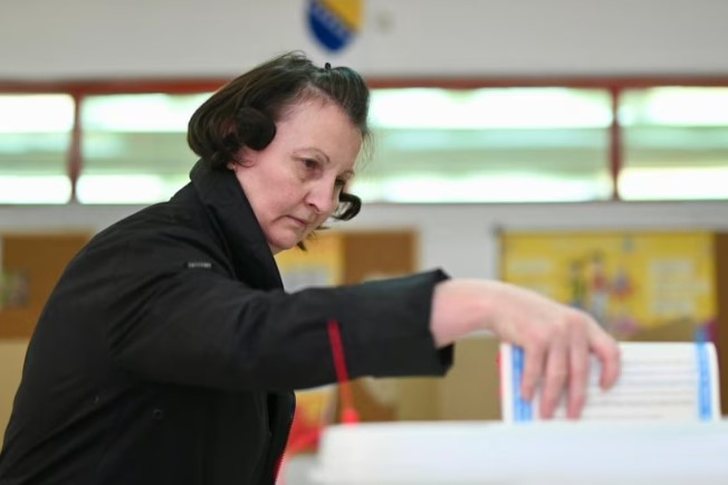
The Central Election Commission of Bosnia and Herzegovina ...
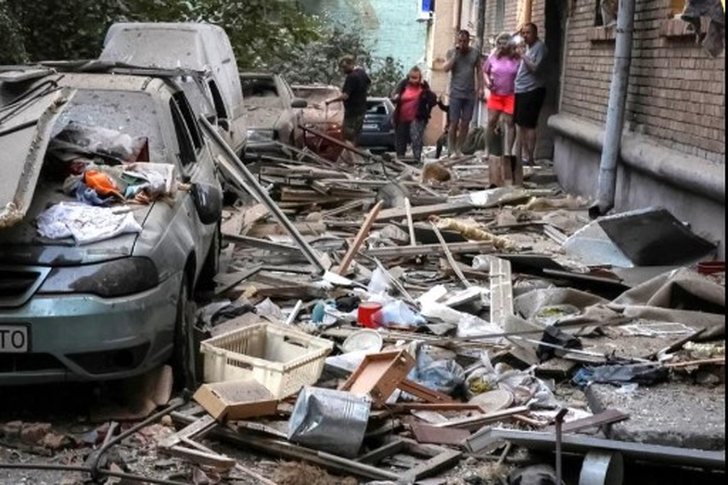
On Thursday morning, Russia launched airstrikes on Kie...

Irfan Hysenbelliu claims to be a big businessman, an hones...

The murder of officer Enea Mekolli in the line of duty has...

The next case broadcast on the show "Stop", this Thursday,...
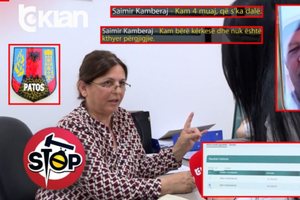
The case published this Thursday, June 4, on the show "Sto...

The Special Board of Appeal (KPA) decided this Monday ...

The KPA vetting decided this Thursday to dismiss the p...

Suela Salavaçi, a prosecutor in the Prosecutor's Offic...

The Special Board of Appeal reinstated the prosecutor ...

An accident was recorded a few minutes ago on the Pogradec...
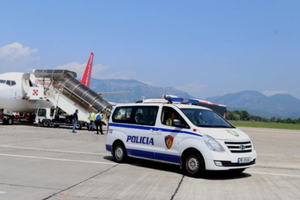
Following the cooperation of Interpol Tirana with Interpol...

An accident occurred this Saturday morning at Shkëmbi i Ka...

A TNT explosion occurred in Lezha in the early hours of th...

Albanians are officially the hardest working people in Eur...

This Saturday will be characterized by mostly clear weathe...
Today our country will be affected by stable weather condi...

For many children and teenagers, the long summer holidays ...

US Defense Secretary Pete Hegseth declared that Europe is ...

A federal judge in Rhode Island struck down a Trump admini...
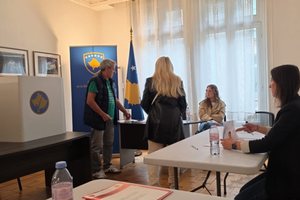
Thousands of Kosovo citizens living abroad are voting phys...
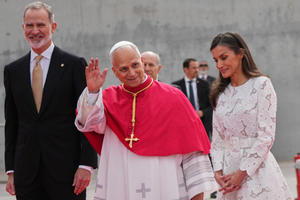
Pope Leo XIV arrived in Madrid this Saturday, where he beg...

Korça is ready to open the summer season with one of the c...
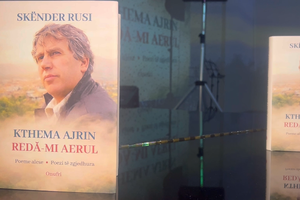
Two years after his passing, the renowned Korçë poet Skënd...

The Ethnographic Museum of Berat has opened its doors to v...
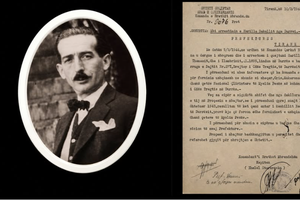
The story of Harilla Bakalli is one of the most chilling t...

The Transparency Board, in today's meeting, decided to red...

This Saturday, one US dollar is bought for 81.4 lek and so...

Despite years of efforts at regional cooperation and free ...

Albania is the country with the highest level of severe ma...