

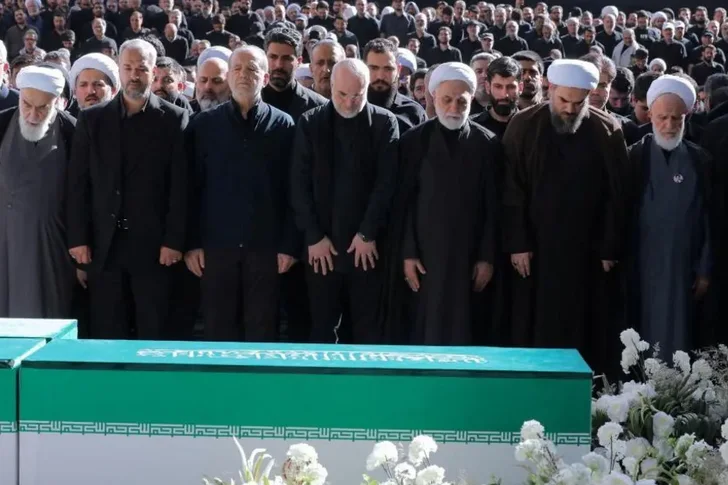
Senior officials attend Ali Khamenei's funeral/Son missing
Iran's Supreme Leader, Mojtaba Khamenei, was absent from h...



Under the glittering chandeliers of a neoclassical ballroom, guests took their seats. It was 10:00 a.m. and dozens of people had gathered at a private members’ club in Brussels for a conference to mark 250 years of American independence, hosted by Viktor Orbán’s favorite organization in the EU capital, MCC Brussels.
Opening the one-day event, MCC director Frank Furedi said the 250th anniversary had “truly escaped the attention of a European audience” in a speech that praised the founding fathers before launching a sweeping attack on Europe’s “incompetent political class.”
Beneath the glitz and glamour, the future of MCC Brussels is in doubt. The thinktank, which previously co-sponsored an event with Nigel Farage and Suella Braverman and hosted far-right Alternative für Deutschland MEP Alexander Jungbluth, is facing an urgent financial crisis as a result of Orbán’s political downfall in April. The man who defeated him in a landslide, Péter Magyar, has said the state will no longer fund conservative rallies and organisations, including “the Mathias Corvinus College and other related organisations”.
Under Orbán, the MCC in Budapest, an educational institute with strong ties to his Fidesz party, benefited from a massive transfer of state assets. The new prime minister, however, has announced an investigation into the transfer, describing this state funding as a crime.
MCC Brussels was launched in November 2022, a seemingly independent branch of its parent institute in the Hungarian capital. It has declared €6.37 million (£5.45 million) in annual funding in 2024 from MCC Budapest, making it one of the best-funded think tanks in the EU capital.
This wealth was evident at the Cercle Royal Gaulois in June, where guests discussed the future of Western civilization in the elite club decorated with sculptures inspired by ancient Greece and portraits of Belgian royalty.
Furedi, once a member of a fringe Marxist party, now a leading ideologue for the new right, said MCC Brussels will need alternative funding from September. "No matter what happens, we will continue in some way," he said, although "in the worst case scenario... we need to have a much greater presence online than offline."
He dismissed Magyar's claim of a criminal transfer of funds to MCC Budapest as "fraud," adding that MCC Brussels' finances were "very transparent." Magyar, he continued, had the "right" as elected prime minister to "use the funds that MCC has received from the public budget... What he has no right to do is close down an institution that is doing good work."
He said that MCC Brussels had “addressed topics that no one else had touched on,” comparing its work to the “close conversation” in Brussels about the Green Deal and migration. As examples, he cited an event on Roma and Jewish music in Eastern Europe and upcoming work on “psychology in the EU narrative.”
But it’s not MCC’s “musical journey through Transylvania” event that has given the group its controversial reputation. Critics accuse the group of defending Orbán’s corrupt rule in Hungary, in the face of extensive independent audits of corruption and democratic backsliding. The group has also been accused of a lack of transparency over its funding.
In early 2024, MCC Brussels was an enthusiastic supporter of farmers’ protests in Brussels, capitalising on genuine anger at low prices and EU regulations across Western Europe. The think tank denied organising the protests, saying it had taken part in demonstrations and produced videos “to help farmers communicate their concerns”. It also published reports claiming that EU policy was “destroying” agriculture. Their interest came at a time when farmers’ protests across Europe were gaining vocal support from far-right groups and conspiracy theorists.
The MCC has also accused the European Commission of “channeling billions of dollars into a shadowy network of NGOs and think tanks” in a report that prompted a wider campaign by centre-right and far-right lawmakers against EU funding of civil society groups. The MCC Brussels highlighted 10 federalist organisations and think tanks that it said had received funding under the EU’s Citizens, Equality, Rights and Values ??programme, which has a budget of €1.55 billion for the period 2021-27 that has so far been distributed to more than 6,500 organisations./ CNA, translated by BB C

Iran's Supreme Leader, Mojtaba Khamenei, was absent from h...

Ukrainian President Volodymyr Zelensky and the Kremlin ann...
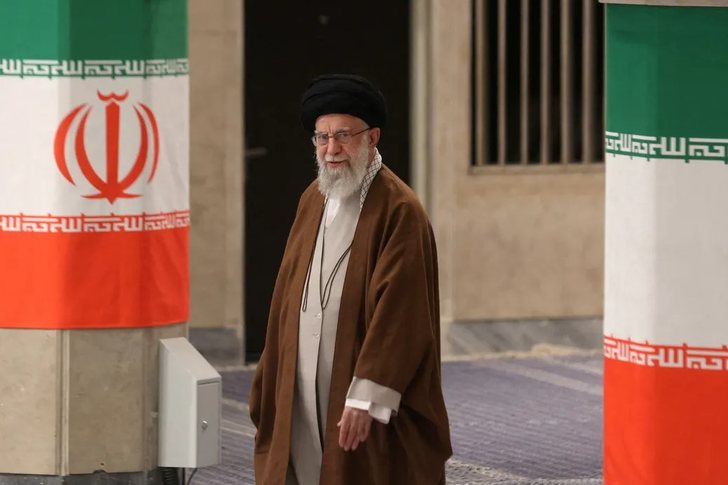
After months of tumultuous conflict with the United States...
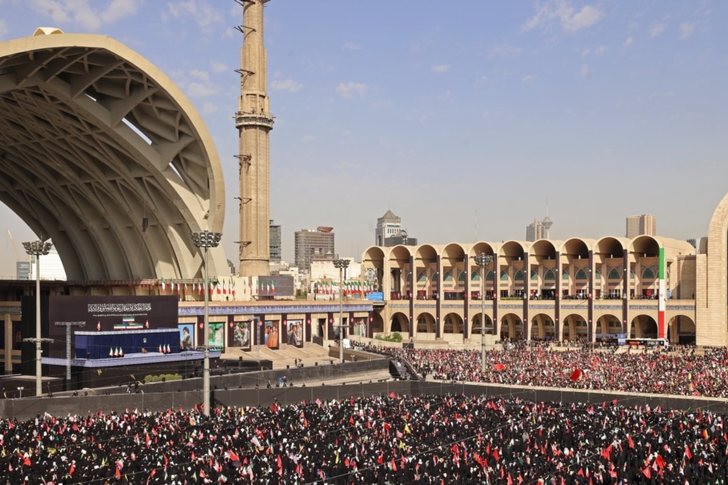
The multi-day funeral ceremonies for Iran's late supreme l...

The General Staff of the Ukrainian Army has denied Russian...

US President Donald Trump delivered a speech on the eve of...

The United States of America marks the 250th anniversary o...

Prime Minister Donald Tusk has stated that Poland is prepa...

Electric car company Tesla has posted an impressive perfor...

In an unprecedented effort in the history of space explora...

A huge fire broke out today near the tourist destination C...
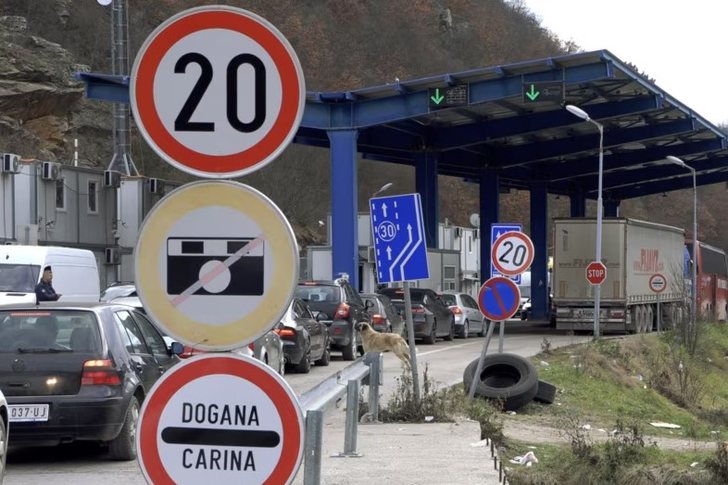
Serbia's Ministry of Internal Affairs said it has arrested...
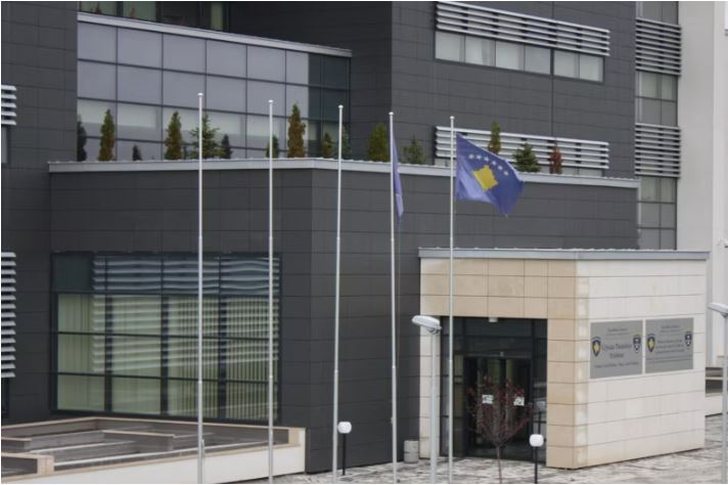
The court in Pristina sentenced Ekrem Bajrović on Friday t...
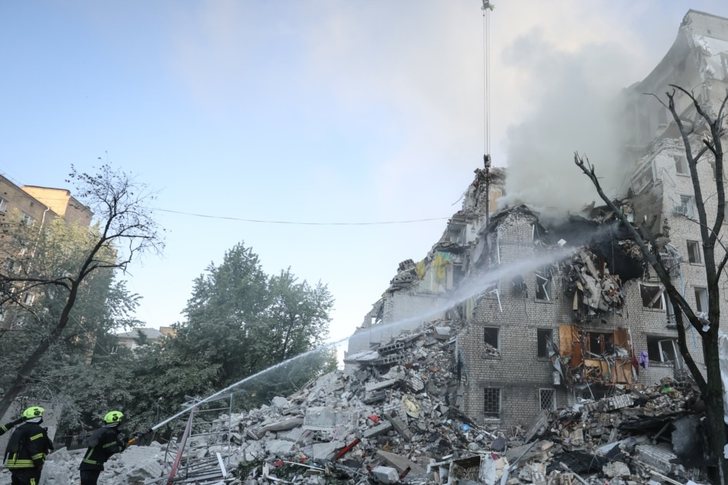
Russia carried out one of the largest attacks on the Ukrai...
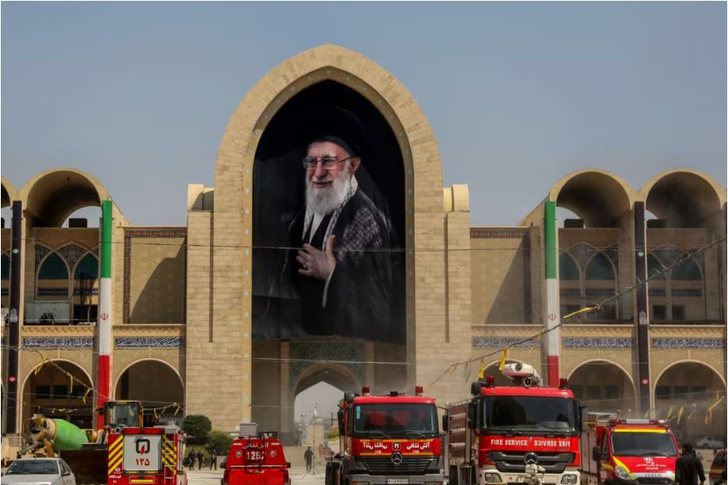
Four months after he was assassinated at the start of the ...
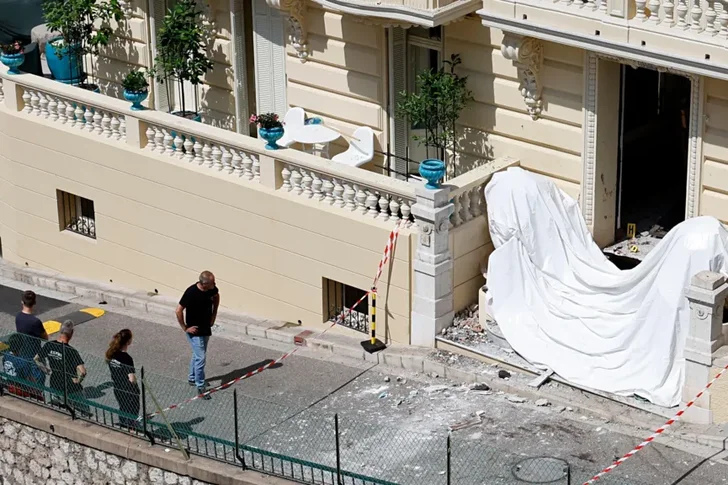
A suspect has been identified in the investigation into a ...
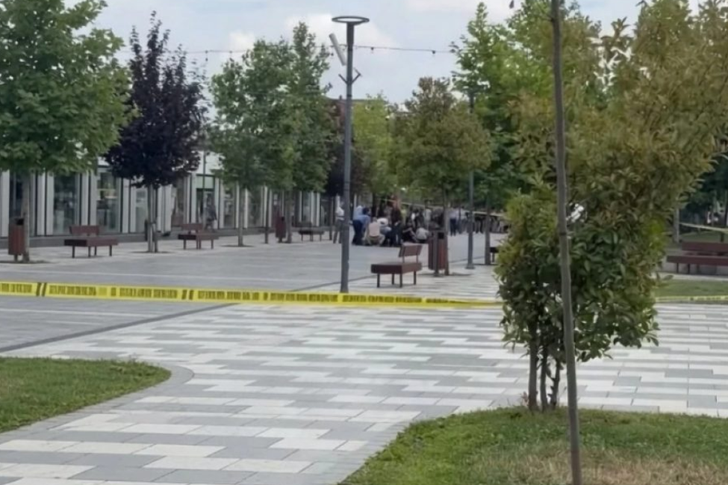
A serious shooting incident rocked the city center of Podu...

The Vita milk factory in Kosovo has been closed. According...
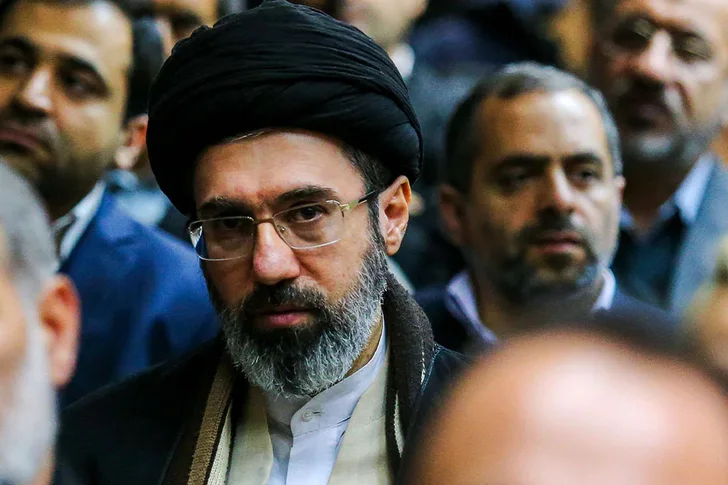
Iran's Supreme Leader Mojtaba Khamenei will not attend the...

After eight days under the rubble of a building collapsed ...

The justice reform claimed that it would bring faster, fai...
The Justice Reform and the vetting process were trumpeted ...
After revealing the property portfolio in Tirana, Kavaja, ...
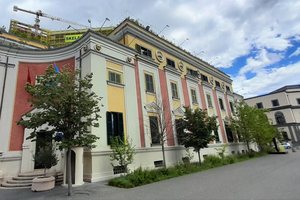
Four months ago, on March 11, CNA sent an official letter ...

The Special Board of Appeal (KPA) decided this Monday ...

The KPA vetting decided this Thursday to dismiss the p...

Suela Salavaçi, a prosecutor in the Prosecutor's Offic...

The Special Board of Appeal reinstated the prosecutor ...

Fier Police has issued an official announcement regarding ...

A large area of land in the village of Drizë, Fier, has ...

The Vau i Dejës police have prevented a criminal incident ...

An axe attack occurred today in neighborhood no. 1 in Korç...

On Sunday, our country will be affected by stable weather ...
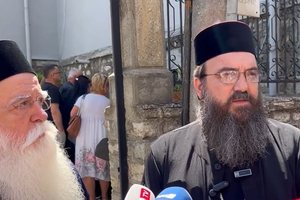
A day dedicated to health, solidarity and cooperation betw...

On Saturday, our country will be affected by relatively un...

Heavy traffic is turning movement in Tirana into an exhaus...
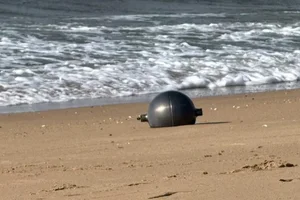
Authorities in Australia are investigating the origin of m...

Under the glittering chandeliers of a neoclassical ballroo...
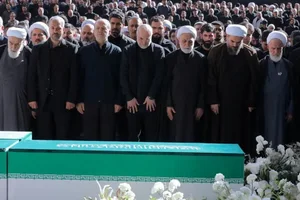
Iran's Supreme Leader, Mojtaba Khamenei, was absent from h...

Ukrainian President Volodymyr Zelensky and the Kremlin ann...

Professor and literature scholar Ali Xhiku has passed away...

During my research into the life and artistic photographic...

This year's edition of the Gjon Mili International Video A...

The promotion of the book by author Aleksandër Ikonomidhi ...
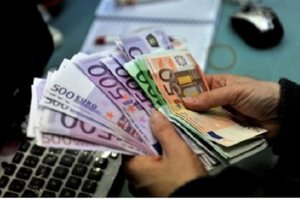
This Sunday, one US dollar is bought for 81.3 lek and sold...

When it comes to 10 key economic issues, the debate in Alban...

This Saturday, one US dollar is bought for 81.3 lek and so...
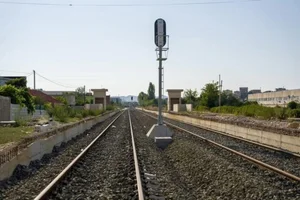
The loan agreement for the electrification of the Tirana-D...