

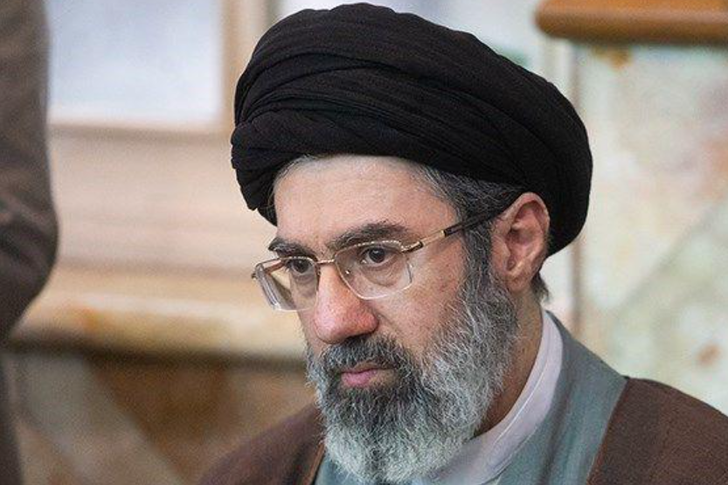
US media: Mojtaba Khamenei is injured and isolated, unresponsive
American media, including 'The Washington Post', are repor...


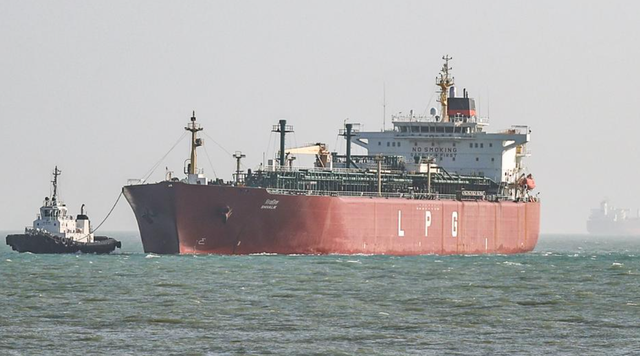
The conflict over the Strait of Hormuz is escalating significantly. US President Donald Trump has given Iran a 48-hour ultimatum to open the strategic sea route, threatening to attack Iranian power plants if it does not.
The Strait of Hormuz is a key hub for global oil and gas trade, with about a fifth of the world's oil supplies passing through it. Iran has warned it will retaliate.
Iran could easily block the Strait of Hormuz
Iran has the military capacity to relatively easily block the Strait of Hormuz, which has already reduced maritime traffic and increased international tensions.
Iran has the ability to inflict significant damage with relatively simple means. According to a New York Times report, US Chairman of the Joint Chiefs of Staff Dan Caine warned Trump during a meeting in the Oval Office that even a single Iranian soldier could approach the shipping vessels in a speedboat and fire a missile or lay a mine.
Possible US targets
Trump has stated that he will start with the "largest thermal power plant" in Iran, without giving further details. It is likely that the target will be gas-fired power plants, since about 80% of electricity in Iran is produced from natural gas. Among the most important is the plant in Damavand, near Tehran, with a capacity of over 2,800 megawatts, as well as another in Mazandaran province, near the Caspian Sea, with a capacity of over 2,200 megawatts.
A possible American attack on these facilities would have serious consequences for the population, jeopardizing the supply of electricity, water, and the functioning of the economy.
How might Iran respond?
Iran has warned that if attacks are launched, it will completely close the Strait of Hormuz and will not reopen it until the destroyed power plants are rebuilt. Tehran has also threatened to attack desalination plants in Persian Gulf countries, which are vital for the region's drinking water supply.
These plants are vitally important, as the Gulf countries have very few natural freshwater resources and over 90% of the drinking water in some countries such as Qatar and Bahrain is provided by desalination plants. Attacks on them could jeopardize the water supply for millions of people and damage important sectors such as the chemical industry and data centers.
Long-term damage to the region
According to analysts, damage to a single plant can be temporarily compensated, but coordinated attacks with missiles and drones on water distribution networks would have much more serious consequences. In addition to the practical impact, the psychological effect would be great, damaging the image of security and stability in the region, which could drive away investors, tourists and economic partners.
Overall, further escalation of the conflict risks having serious humanitarian, economic and international geopolitical consequences./DW

American media, including 'The Washington Post', are repor...
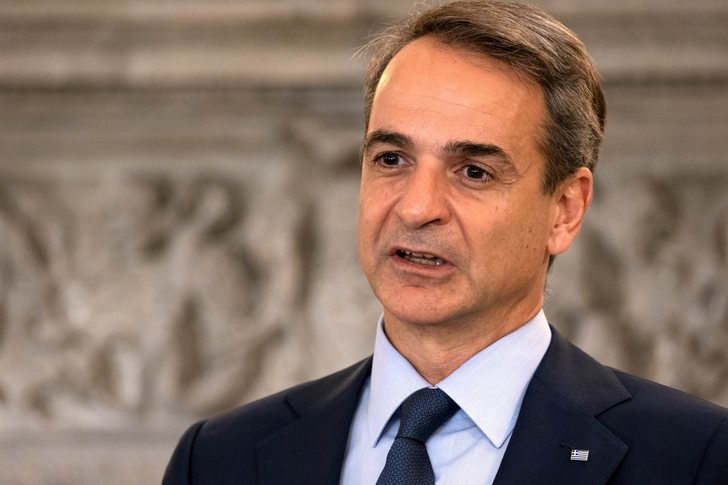
Greek Prime Minister Kyriakos Mitsotakis has announced mea...
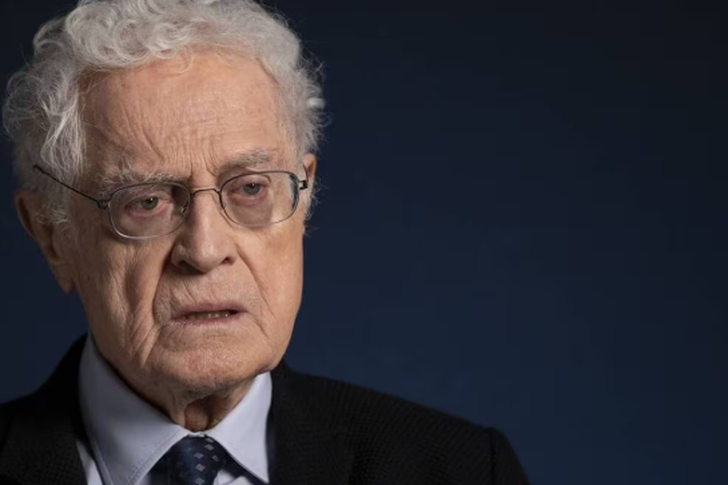
Former French Prime Minister Lionel Jospin has died at the...

Dy pilotë humbën jetën në Nju Jork, pasi një avion kanadez...
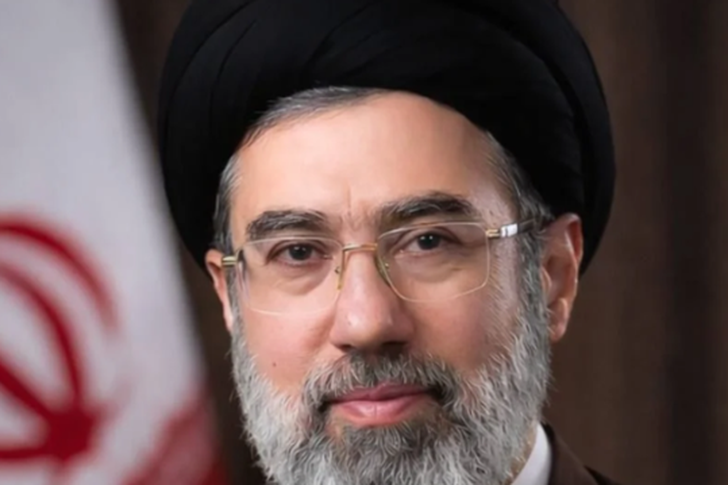
Western intelligence agencies, including the United States...
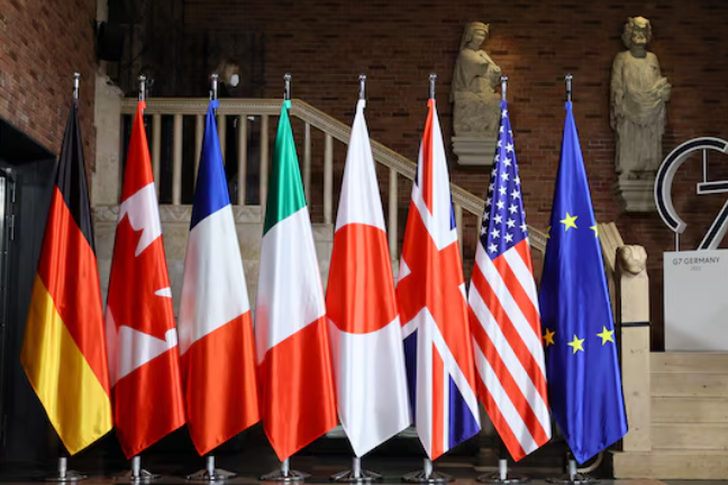
The G7 countries have called on Iran to immediately and un...
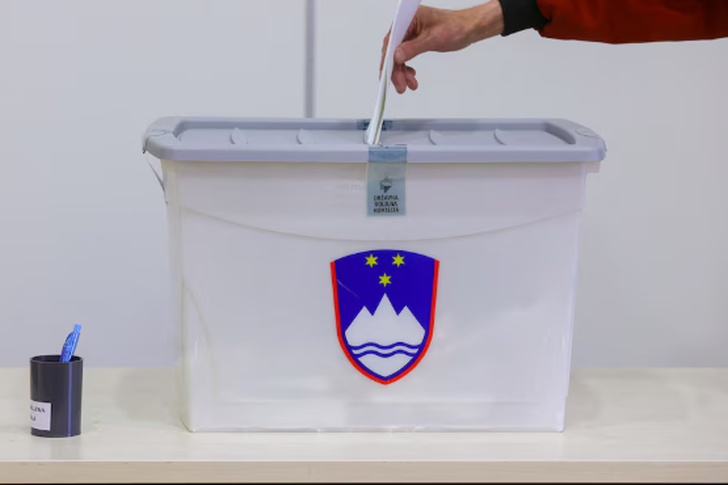
Parliamentary elections are taking place in Slovenia this ...
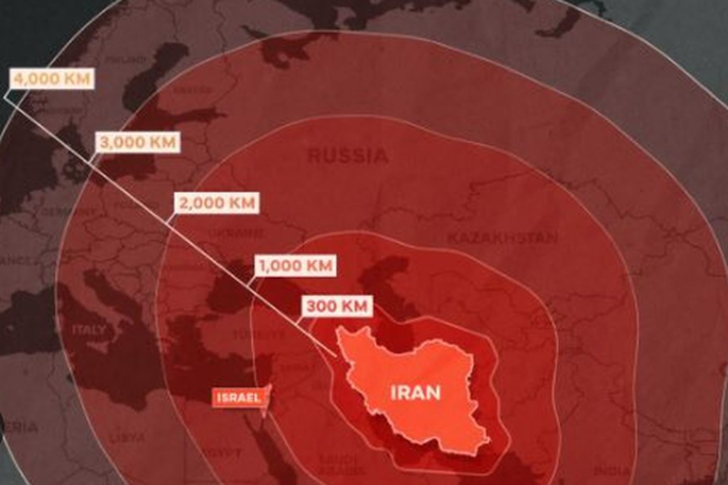
The missile strike by Iran on the Diego Garcia base, about...
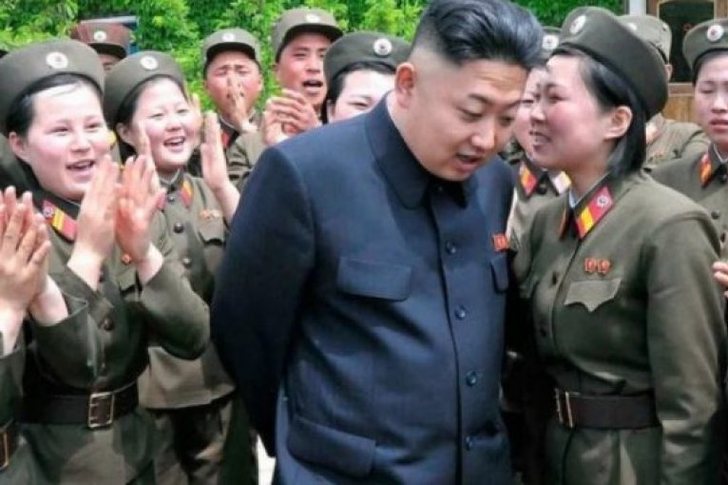
The parliamentary elections that took place in North Korea...
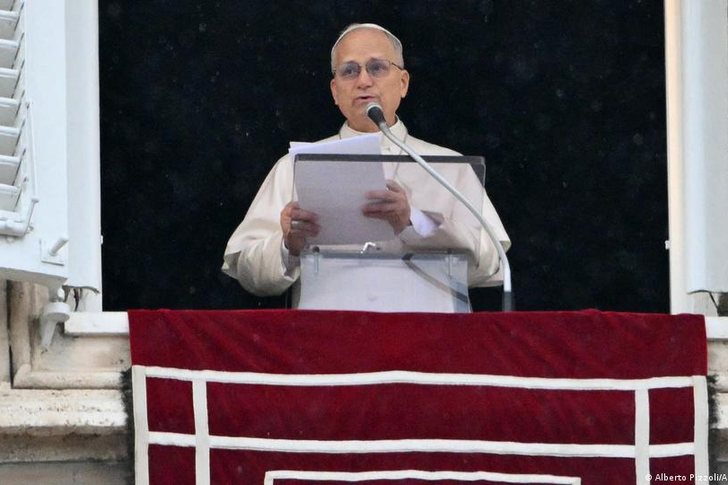
Pope Leo said today that the pain, death and suffering cau...
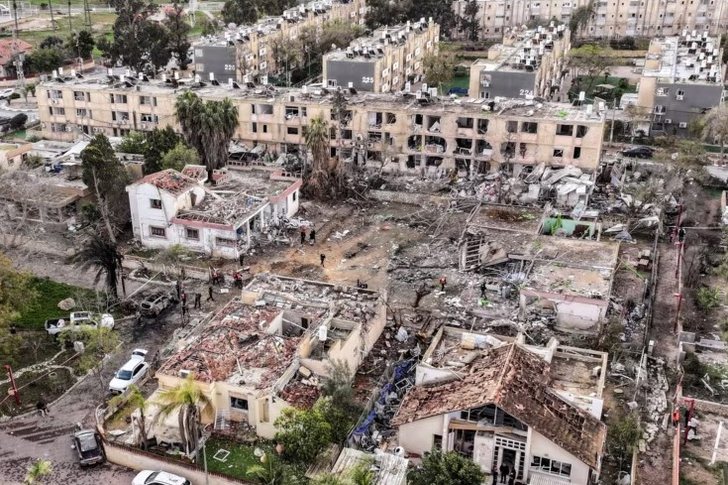
The Israeli military said on March 22 that Iran has fired ...

Kryeministri grek Kyriakos Mitsotakis iu referua zhvillime...
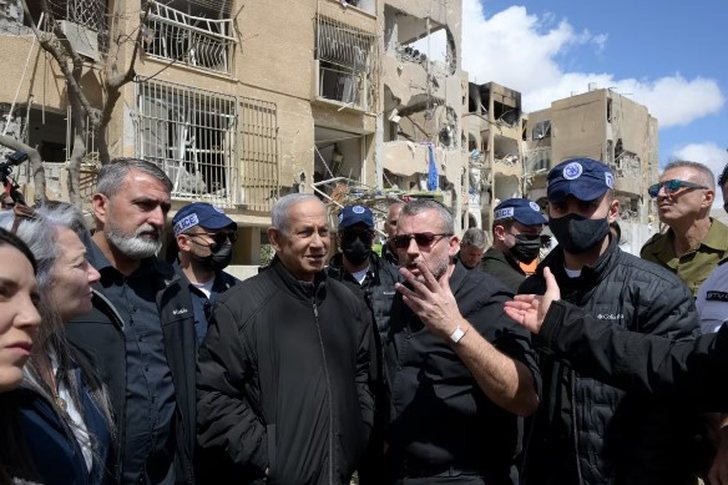
Israeli Prime Minister Benjamin Netanyahu condemned Tehran...
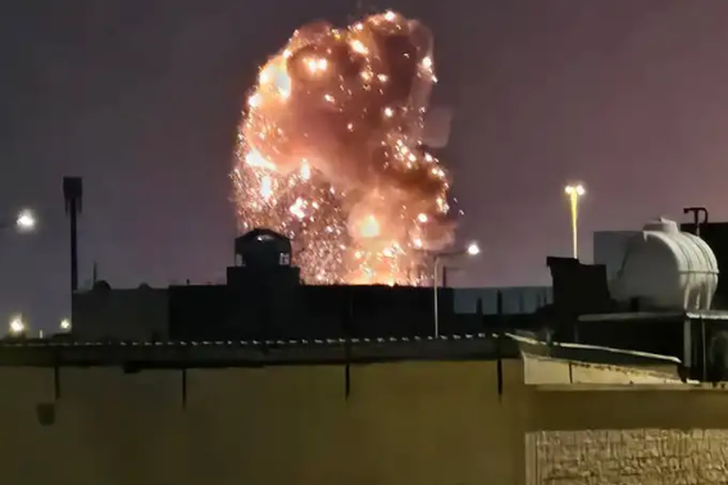
The perception that the US did not consult with regional a...
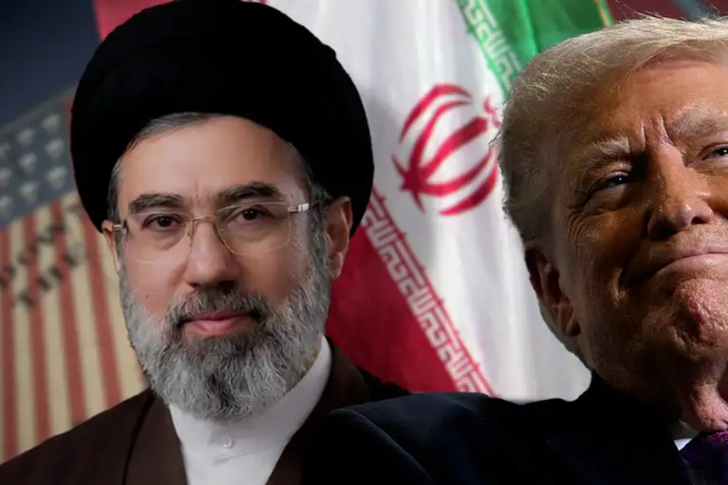
US President Donald Trump is aiming to force Iran to open ...

German Chancellor Friedrich Merz has urged Kosovo Prime Mi...
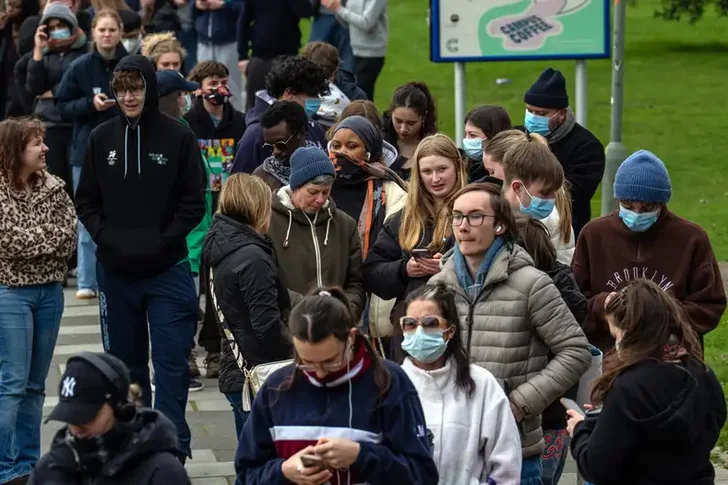
British authorities are dealing with an outbreak of mening...
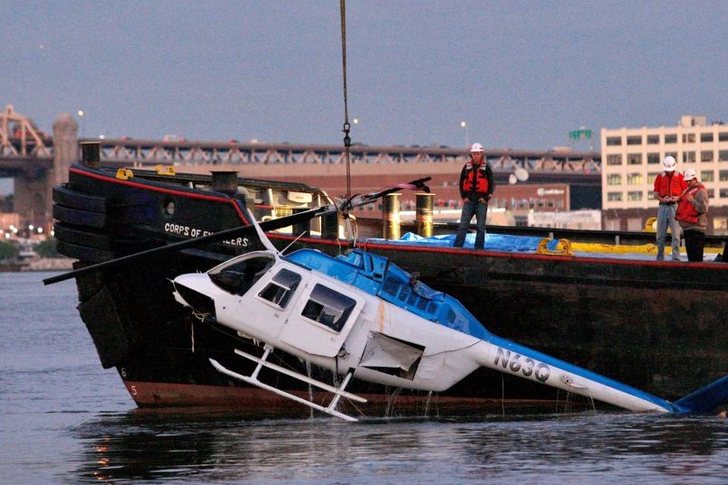
The crash of a military helicopter in Qatar early Sunday m...
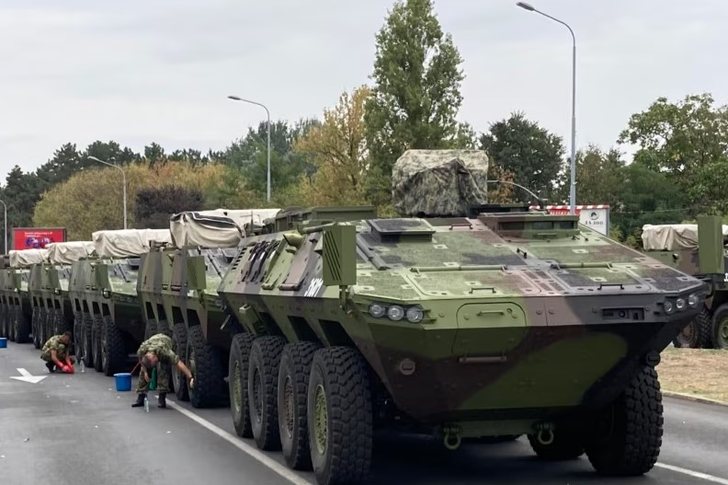
Gara në armatim ekziston prej shekujsh, por pas Luftës së ...
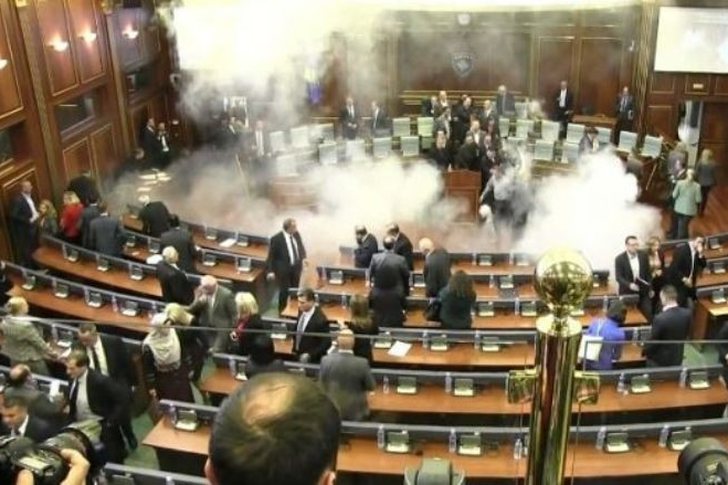
The Basic Court of Pristina has acquitted the Speaker of P...
The in-depth investigations that SPAK conducted into Ajola...
SPAK's standards, the way it investigates, how it secures ...

Irfan Hysenbelliu claims to be a big businessman, an hones...

The murder of officer Enea Mekolli in the line of duty has...

The Special Board of Appeal (KPA) decided this Monday ...

The KPA vetting decided this Thursday to dismiss the p...

Suela Salavaçi, a prosecutor in the Prosecutor's Offic...

The Special Board of Appeal reinstated the prosecutor ...

Policia e Tiranës ka ndarë pak minuta më parë një thirrje ...

A violent conflict occurred between two people in Velipoja...
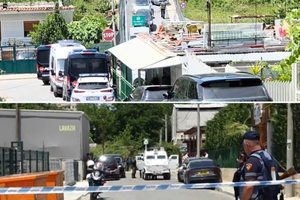
The police have reacted to the murder of citizen AB in Kam...
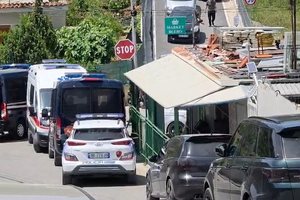
Tirana Police Director, Oliger Torba, gave a statement to ...

On Monday, our country will be affected by relatively stab...

More than 860 million people fall ill and 1.5 million die ...
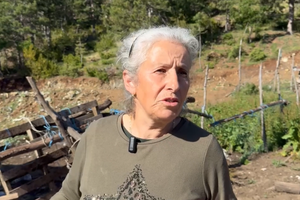
The mother of Violand Braçellari, the perpetrator of the s...

The modern European traveler seeks a meaningful connection...
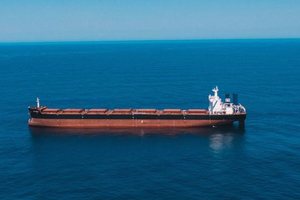
The European Union's (EU) foreign policy chief says member...
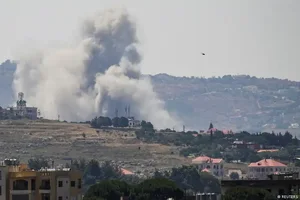
Lebanese Prime Minister Nawaf Salam has claimed that Israe...
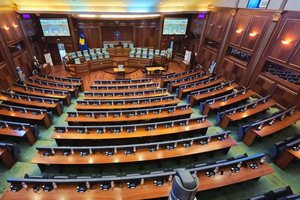
The leader of the Serbian List, Zlatan Elek, accused the l...

Australia in December became the first country in the worl...

Korça has transformed this weekend into the capital of cel...

Korça is ready to open the summer season with one of the c...
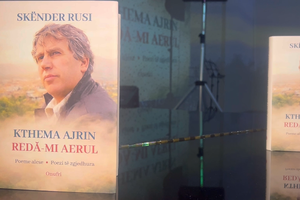
Two years after his passing, the renowned Korçë poet Skënd...

The Ethnographic Museum of Berat has opened its doors to v...
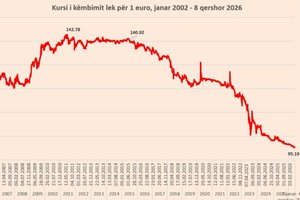
Kursi i këmbimit mes euros dhe lekut e ka nisur javën në r...
The construction sector is going through a challenging per...

This Monday, one US dollar is bought for 81.8 lek and sold...

The tourist apartment market is continuing to expand at a ...