


Wanted for favoring illegal construction. Former Saranda police chief surrenders
This evening, former police chief Irakli Koçiaj, who has b...

This evening, former police chief Irakli Koçiaj, who has b...

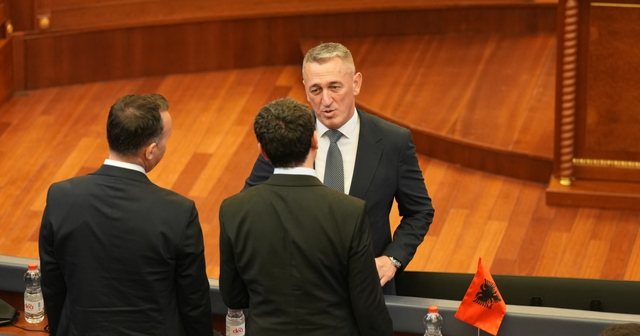
Although preliminary results from the Central Election Commission (CEC) show that Nenad Raši?'s Party for Freedom, Justice and Survival won one seat in the Kosovo Assembly in the June 7 elections, the Serbian List disputes its political legitimacy, claiming that it was secured by Albanian votes.
The opposition to Raši?'s mandate by the Serbian List, but also by official Belgrade, which supports this leading party of Serbs in Kosovo, opens a broader debate about the representation of the Serbian community in Kosovo, as well as the functioning of the system of reserved seats for non-majority communities.
The Serbian List, which, according to preliminary results, has won nine out of ten seats reserved for the Serb community, insists that it is the only legitimate representative and accuses Raši? of trying to "steal" its seat with votes from voters who do not belong to this community.
Raši?, in a statement to Radio Free Europe, rejects these claims and says that he received most of his support precisely from Serbs, as well as from voters of other non-majority communities, with whom he collaborated during his two terms as Minister for Communities and Returns.
In the June 7 elections, the Serbian List - again according to preliminary results - received around 43,000 votes, while the Party for Freedom, Justice and Survival received 5,285 votes.
Miodrag Marinkovi?, from the non-governmental organization Center for Affirmative Social Action (CASA) in North Mitrovica, emphasizes that, from a legal point of view, there is no dilemma about Raši?'s mandate, as his party has received enough votes for one parliamentary seat.
He says that the contestation of this mandate by the Serbian List does not stem from the electoral process, but from Raši?'s political activity.
Rashic is a close associate of Albin Kurti, in whose government he served as a minister for two terms.
Kurti's government, among other things, has closed most of Serbia's institutions in Kosovo and has raised the issue of integrating the Serbian education and healthcare system into that of Kosovo.
"The essence of the dispute is not whether his mandate is legal, but whether it is representative. Raši? has linked his political position to the Albin Kurti government at a time when a large part of the Serbian community sees that government as a threat to its political and existential interests," Marinkovi? emphasizes to Radio Free Europe.
For this reason, he adds, a legitimate political question also arises - whether his party primarily represents the interests of the Serbian community or the interests of the governing majority, to which it gives support?!
Former judge of the Constitutional Court of Kosovo, Kadri Kryeziu, has no doubts about the legitimacy of Rashiq's mandate and claims that it is legal.
Ai thotë se votat nga komunitetet tjera nuk e zvogëlojnë rezultatin e tij dhe nuk e vënë në pikëpyetje sistemin e ulëseve të rezervuara.
“Sipas vendimeve të mëhershme të Gjykatës Kushtetuese, të gjithë mund të marrin vota nga komunitetet tjera. Nuk ka asgjë kontestuese. Çdokush që jeton në Kosovë, ka të drejtë të votojë lirshëm sipas bindjes së tij”, thotë Kryeziu për Radion Evropa e Lirë.
Sipas Kushtetutës së Kosovës, nga gjithsej 120 ulëse në Kuvendin e Kosovës, 20 janë të rezervuara për komunitetet joshumicë, prej të cilave 10 për komunitetin serb dhe 10 për komunitetet tjera që jetojnë në Kosovë.
Kryeziu thekson se deputetët e Kuvendit të Kosovës kanë të drejtë të përfaqësojnë interesat e të gjitha komuniteteve, pavarësisht këtyre ulëseve të rezervuara.
Rashiq thekson se mandatin e deputetit e ka fituar kryesisht me votat e serbëve, por nuk e mohon se ka marrë mbështetje edhe nga komunitete të tjera joshumicë - gjë që, sipas tij, është rezultat i pozitës së tij si ministër për Komunitete dhe Kthim gjatë më shumë se tre vjetëve të kaluar.
Ai thekson se në institucionet e Kosovës do të mbrojë interesat e komunitetit serb, pasi mandatin e ka fituar kryesisht me votat e tij.
Ai, gjithashtu, shton se votat e komuniteteve të tjera i ka marrë për shkak se përfaqëson “një politikë të moderuar që merret me të drejtat e qytetarëve”.
“Unë udhëheq një politikë praktike. Natyrisht që gjithmonë do të marr vota edhe nga komunitetet tjera, por problemet e joshqiptarëve janë, nëse jo të njëjta, atëherë shumë të ngjashme. Prandaj, kjo politikë praktike jep rezultate te komunitetet tjera”, thotë Rashiq për Radion Evropa e Lirë.
Marinkoviq vlerëson se rasti i Rashiqit hap edhe një problem të madh - ai “tregon një model më të gjerë të qeverisjes së Albin Kurtit, i cili shfrytëzon mospërputhjet në sistemin zgjedhor dhe ligjor që është krijuar për mbrojtjen e komuniteteve joshumicë, për të arritur qëllimet e tij politike”.
“Kjo shihet në masë të madhe edhe përmes logjikës politike të ekzistencës së partisë së Nenad Rashiqit, të cilën Kurti e përdor në mënyrë që, përmes mospërputhjeve në ligj, t’ia japë pozitat politike të rezervuara me ligj për komunitetin serb një force politike që e mbështet atë. Kështu, një mandat i fituar nga një parti që nuk ka mbështetjen e shumicës së serbëve të Kosovës, në praktikë mundëson kontrollin e pothuajse të gjitha pozicioneve politike që me ligj i takojnë komunitetit serb”, thotë ai.
Sipas Kushtetutës së Kosovës, komuniteti serb ka një vend të garantuar në Qeveri, si dhe postin e nënkryetarit të Kuvendit.
Kurti, i cili i ka fituar edhe zgjedhjet e fundit, e konsideron Listën Serbe si një zgjatim të Beogradit dhe, sidomos pas sulmit në Banjskë në vitin 2023, refuzon bashkëpunimin me të.
Lista Serbe, për shkak të përjashtimit nga pjesëmarrja në institucione, i është drejtuar edhe Gjykatës Kushtetuese, e cila në fillim të vitit ka konstatuar se zgjedhja e Rashiqit për nënkryetar të Kuvendit ka qenë jokushtetuese.
Marinkovi? also emphasizes that, despite all the shortcomings, "the abuses and manipulations that the Serbian List itself uses, the majority of Kosovo Serbs, who still see it as their representative, are being politically marginalized."
"Therefore, it is even more worrying that Raši?'s mandate was partially secured by the votes of other non-majority communities. If this turns out to be true, then the nature of the protective mechanisms intended for the Serb community changes fundamentally, as they become susceptible to political manipulation. This is not a good thing, so changes are needed in the electoral legislation that would more clearly regulate these discrepancies," Marinkovi? recommends.
After the December 2025 elections, the question also arose as to whether the reserved seats for non-majority communities in the Assembly of Kosovo are a constitutional protection of political representation or an instrument of political engineering.
At the time, Emilija Rexhepi, president of the New Democratic Party representing the Bosniak community, accused Raši? of “vote manipulation” after he received around 200 votes in villages in the Prizren municipality where no members of the Serb community live.
She also appealed this issue to the Supreme Court of Kosovo, which rejected the appeal, arguing that it cannot determine who voted for whom and that everyone has the right to vote for whomever they want.
However, the Supreme Court of Kosovo, in 2021, annulled over 4,000 votes cast by Adriana Hoxhiqi, from the United Community Civic Initiative, in Serb-majority municipalities - for which she lost her mandate as an MP.
The court, at that time, also annulled over 800 votes for the Roma Initiative, out of a total of 4,049 votes won, causing it to lose one of the two seats it won in the Assembly.
These two political entities were accused of receiving votes in Serb-majority areas thanks to the Serbian List, which "through its electorate, had attempted to influence and control some of the non-majority communities in Kosovo."
Regarding the votes of the Roma Initiative, the United Roma Party of Kosovo and the Egyptian Liberal Party appealed to the Constitutional Court of Kosovo, which in 2023 found that members of minorities have the right to vote in any part of Kosovo, without discrimination or ethnic counting, as long as no concrete electoral violations are proven.
The decision emphasized that the annulment of votes must be based on clear legal reasons and evidence, such as coordinated electoral fraud./REL


The US military has disabled an oil tanker in the Gulf of ...

Donald Trump has said the US will hit Iran "hard" on Wedne...
The United States, Australia, European allies and other co...

United States Secretary of Defense Pete Hegseth visited th...

Prices in the US in May rose at their fastest pace in thre...

Billionaire Bill Gates will appear today before a US Congr...

Pope Leo XIV visited one of Spain's largest prisons on Wed...
US President Donald Trump said Iran's military has been "t...
The Greek government is proposing the new European framewo...

Ukrainian forces have carried out a missile strike deep in...
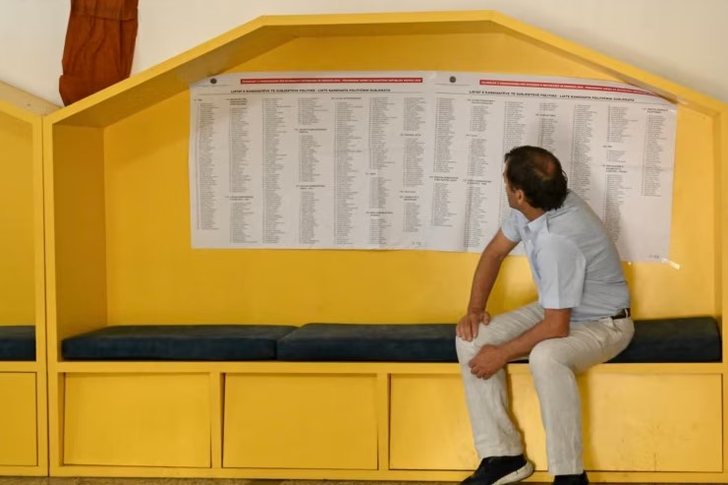
Over 1.2 million citizens of Kosovo chose not to vote. In ...
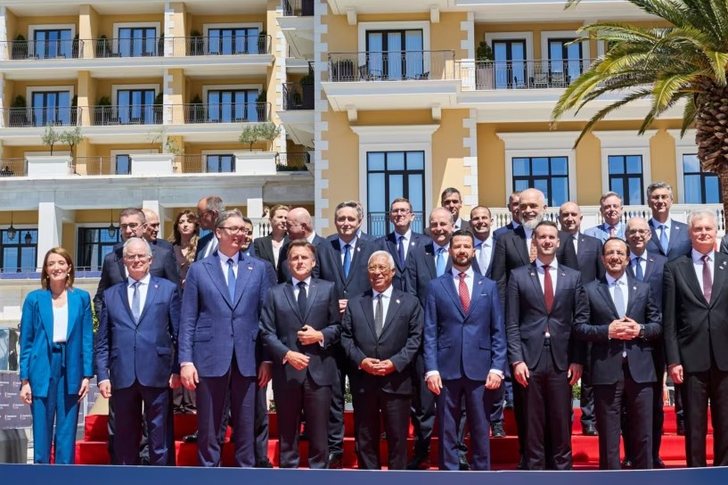
A group of European Union (EU) member states have proposed...
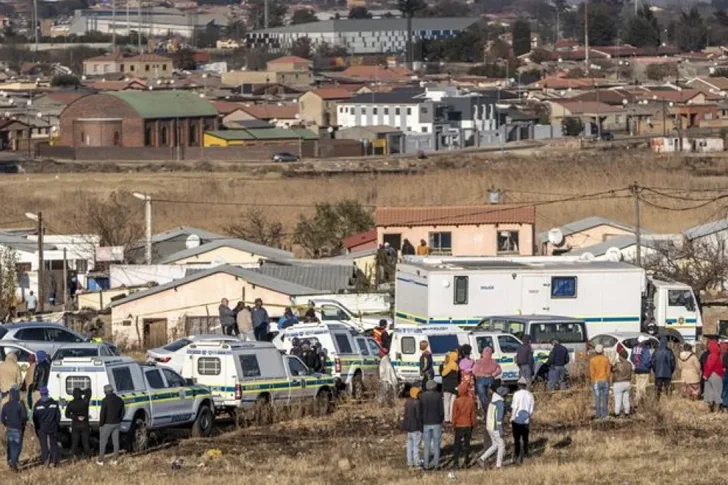
At least 12 people have been killed and nine others injure...

Just over three months into the Gulf conflict, the importa...

One of the most important events of the Year of Gaudi is t...

Working hours vary considerably across Europe, with some c...
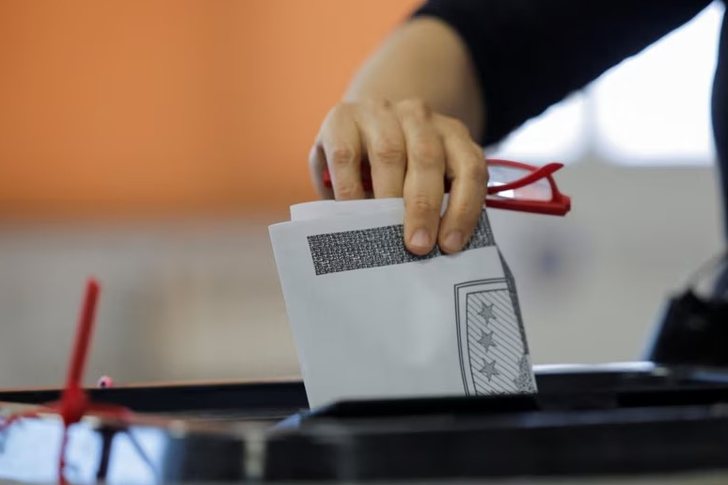
The still uncounted votes of the diaspora for the early pa...
While the number of active conflicts in the world has reac...
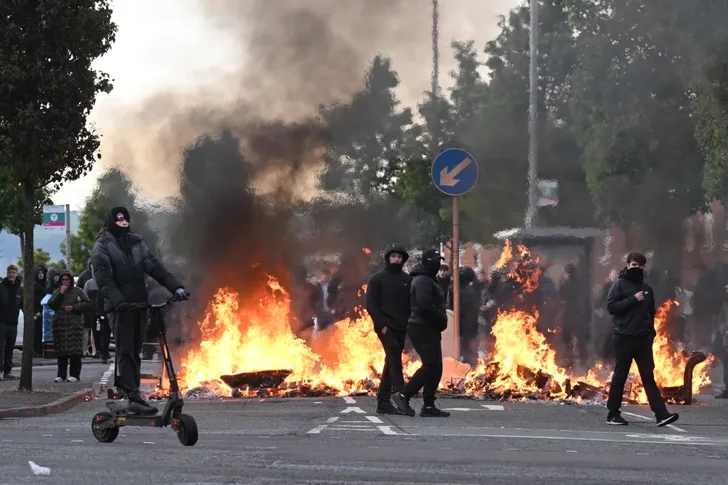
Anti-immigration protests have spread to parts of the Unit...
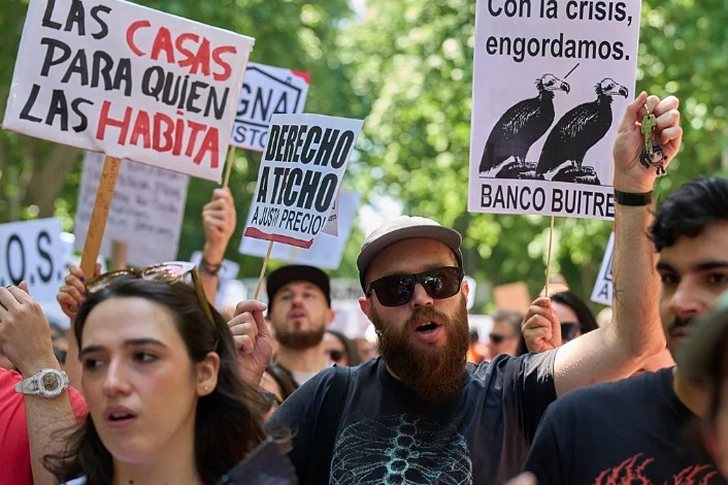
The housing crisis in Spain is reaching alarming levels, w...

Dritan Prençi is the SPAK prosecutor who is sleeping on th...
The in-depth investigations that SPAK conducted into Ajola...
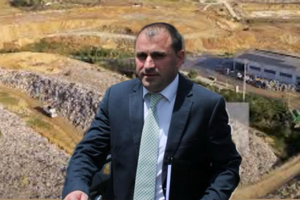
SPAK's standards, the way it investigates, how it secures ...

Irfan Hysenbelliu claims to be a big businessman, an hones...

The Special Board of Appeal (KPA) decided this Monday ...

The KPA vetting decided this Thursday to dismiss the p...

Suela Salavaçi, a prosecutor in the Prosecutor's Offic...

The Special Board of Appeal reinstated the prosecutor ...

This evening, former police chief Irakli Koçiaj, who has b...
An accident occurred this evening on "Mother Teresa" Stree...

Durres Customs has announced that today, during checks car...

A road accident was recorded a few minutes ago on the Pogr...

Albania is facing a deep demographic crisis where official...
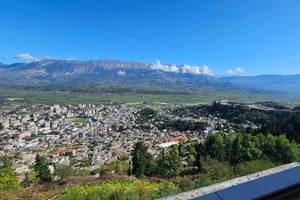
This Wednesday, our country will be affected by relatively...

The UN's World Meteorological Organization now warns that ...
Intense rainfall has caused numerous problems in the Radom...

US President Donald Trump announced the "liberation" of 10...

A giant whale graveyard measuring about 1,200 km (745 mile...
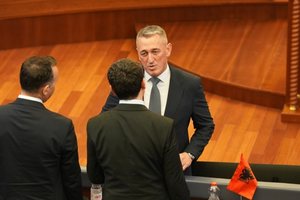
Although preliminary results from the Central Election Com...

The US military has disabled an oil tanker in the Gulf of ...

At the Museum of Fine Arts in Chambéry, France, an exhibit...

Korça has transformed this weekend into the capital of cel...
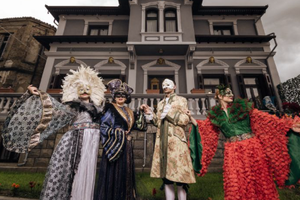
Korça is ready to open the summer season with one of the c...
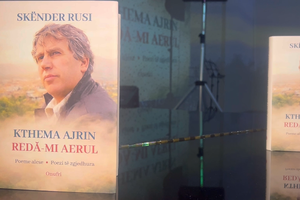
Two years after his passing, the renowned Korçë poet Skënd...

The first three months of this year have brought a record ...

The non-performing loan ratio returned to decline in April...

This Wednesday, one US dollar is bought for 81.6 lek and s...

The 2025 turnover reassessment for businesses in Tirana ha...