

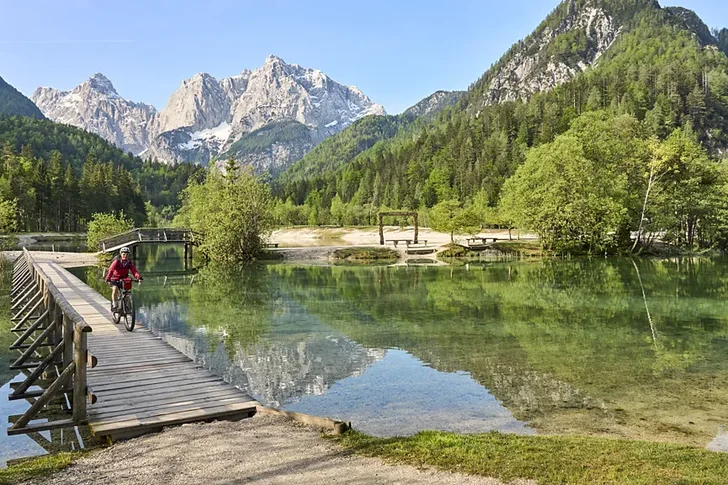
The five safest countries in the world for 2026
While the number of active conflicts in the world has reac...


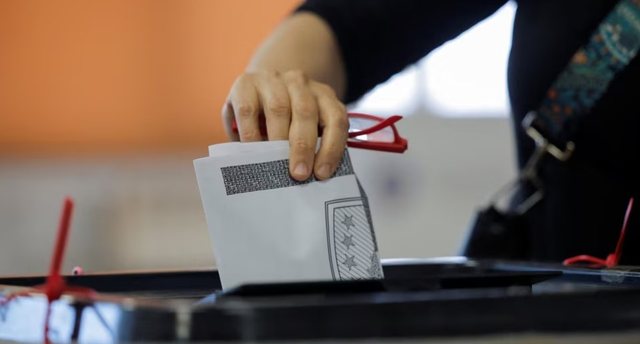
The still uncounted votes of the diaspora for the early parliamentary elections on June 7 are expected to have greater weight and be decisive in the formation of Kosovo's new institutions, experts in political developments estimate.
According to the Central Election Commission (CEC), 104,480 voters were registered to vote by mail, while 22,414 people voted in Kosovo's 30 diplomatic missions around the world.
But, to understand the exact number of votes from abroad, they must first be verified, a process that began on Tuesday afternoon.
Eugen Cakolli, a researcher at the Kosovo Democratic Institute (KDI), tells Radio Free Europe that the large number of votes expected to be confirmed as valid – which he estimates could be over 100,000 – will have an “extremely significant” impact on the final outcome of the elections and consequently on the distribution of mandates in the 120-seat Kosovo Assembly.
"If we take into account the trends of 2025, namely those of December, and assuming that the Vetëvendosje Movement would perform the same, this entity could go up to 53 mandates, which means an increase of five mandates, which under normal circumstances would take two from the Democratic Party of Kosovo, two from the Democratic League of Kosovo and one from the Alliance for the Future of Kosovo, but always depending on the performance of these political entities themselves ," says Cakolli.
Based on preliminary results – which include only regular votes – the Vetëvendosje Movement won 42.95 percent of the vote or 48 seats, the Democratic Party of Kosovo 21.14 percent of the vote or 24 seats, the Democratic League of Kosovo won 17.60 percent of the vote or 20 seats, and the Alliance for the Future of Kosovo – an entity that recently decided to be known as the Alliance – won 7.16 percent of the vote or eight seats.
Cakolli from KDI says that ultimately, the number of mandates in the Assembly will determine "who will have the greatest chances" of forming Kosovo's new institutions.
According to the Constitution of Kosovo, the Speaker of the Assembly of Kosovo and the Government are elected by a majority of the votes of the deputies, that is, 61. According to the Constitution, the position of Speaker of the Assembly belongs to the party that comes out first in the elections, in this case the Vetëvendosje Movement.
Also, after the constitution of the Assembly, it is up to this entity to first propose the prime minister for the Government. The highest legal act of the state provides that in the case of the executive, the baton can be passed to other parties, in case the winner of the elections fails to form a majority. However, this remains at the discretion of the president, in the current case of the acting president of Kosovo, Albulena Haxhiu, who comes from the ranks of the Vetëvendosje Movement.
In the previous legislature, resulting from the December 28 elections, the LVV secured 57 seats in the Assembly and, with the support of eight MPs from non-majority communities, managed to secure a parliamentary majority and form the Government.
Of the 120 seats in the Assembly, 20 are reserved for non-majority communities: ten for non-Serb communities and ten for the Serb community. As for the ten seats for the Serb community, based on the results so far, the Serbian List will win nine of them and one seat will go to Nenad Raši?'s Party for Freedom, Justice and Survival.
"Knowing that subjects from the communities are expected to be represented with an identical number of mandates, and perhaps even deputies, in the new legislature, this means that there will be up to two deputies from non-Serb communities, who may have an influence on determining whether we will have institutions or not ," Cakolli tells Radio Free Europe.
The influence of foreign votes on the final election result, according to Cakolli, has increased this time also due to the low turnout in the elections in Kosovo.
On June 7, turnout was 37.02 percent – ??or 725,488 voters – lower than the December elections, when 906,754 people or 45.36 percent of the electorate voted.
Regarding the expected impact of votes from the diaspora, Lirim Krasniqi, director of the non-governmental organization "Germin", which deals with diaspora issues, also agrees.
"The weight of votes from abroad in the final result could be among the highest so far in Kosovo's electoral history," he tells Radio Free Europe.
Comparing it with previous votes, Krasniqi says that this time it is expected that there will be more votes from abroad.
"Based on the experience of past elections and the high number of voters registered for postal voting, it can be expected that the total number of postal votes will be around 80 thousand, and the total number of votes from outside Kosovo will exceed 100 thousand ," he says.
The June 7 elections saw the highest number of voters registered to vote from abroad, with over 132,000 applications.
After including diaspora votes, Cakolli expects the overall turnout in the election to be around 41 percent.
"Trends show that we have an increased interest among voters in the diaspora and a decrease in interest [in voting] among voters in Kosovo."
According to Cakolli, if the trend of decreasing voter turnout in Kosovo continues in the future, and that of those living outside the decision increases, the impact of votes from the diaspora could be even greater.
"So, in December there were two or three [seats], while now we are calculating the fifth. If such a trend continues, [the influence of votes from the diaspora] could increase even more in the future," says Cakolli.
While regular domestic votes – which are usually counted in classrooms immediately after polling stations close – were counted within a few hours on Sunday – election authorities must now also count conditional votes and votes from people with special needs, in addition to those from the diaspora.
The CEC plans to announce the final election results on June 26 and certify them on July 6, but these deadlines are only estimates, as they will also depend on the complaints that parties may file regarding the process. /REL

While the number of active conflicts in the world has reac...
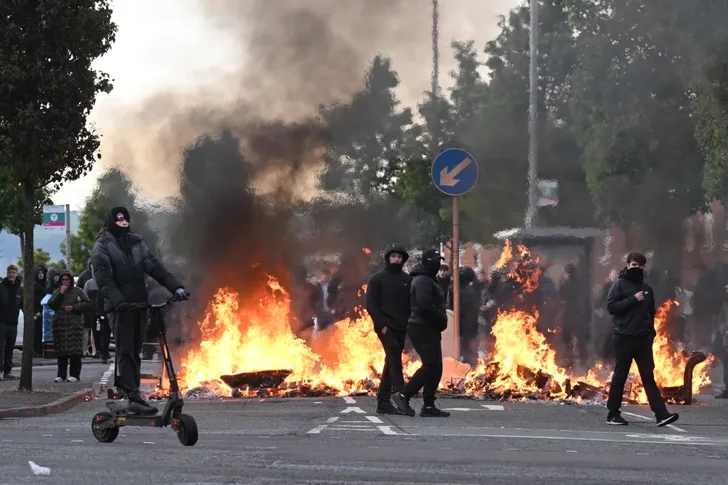
Anti-immigration protests have spread to parts of the Unit...
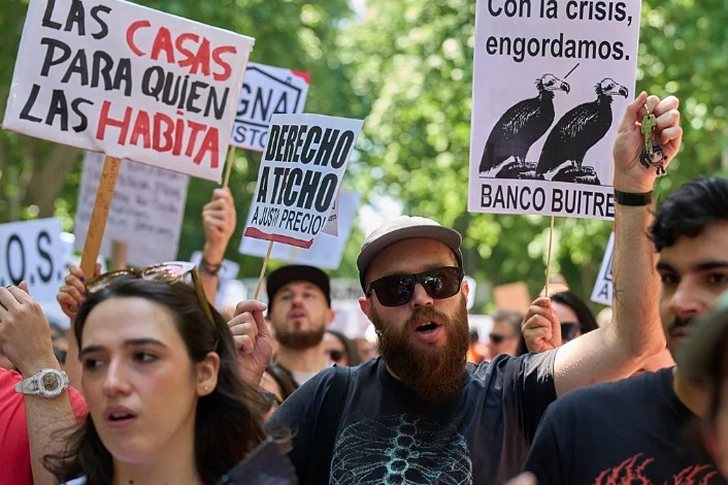
The housing crisis in Spain is reaching alarming levels, w...

The US military has carried out airstrikes in Iran in resp...

Artificial intelligence is rapidly transforming the health...
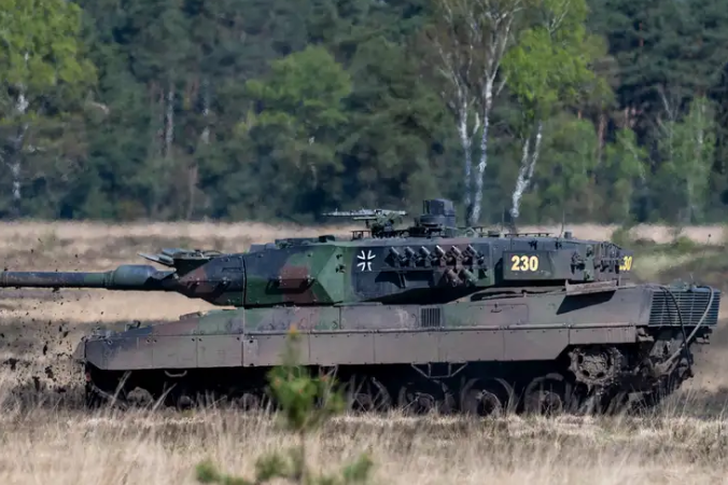
Bulgaria's newly appointed Defense Minister, Dimitar Stoya...

NASA has named its crew for its next major mission to the ...
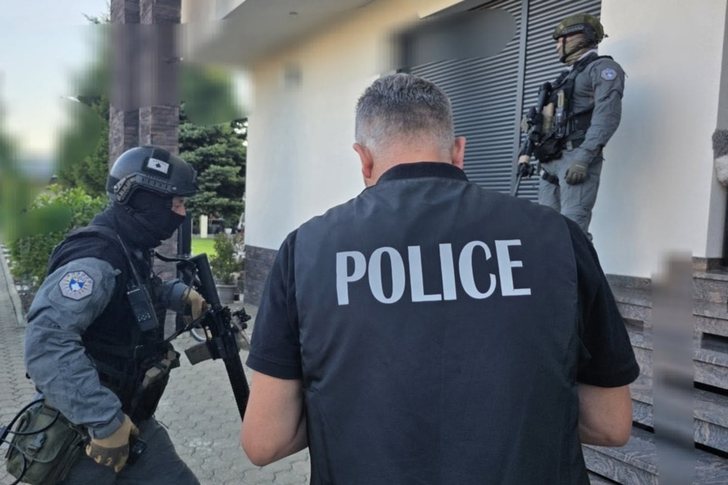
Five people have been arrested in Kosovo on suspicion of i...
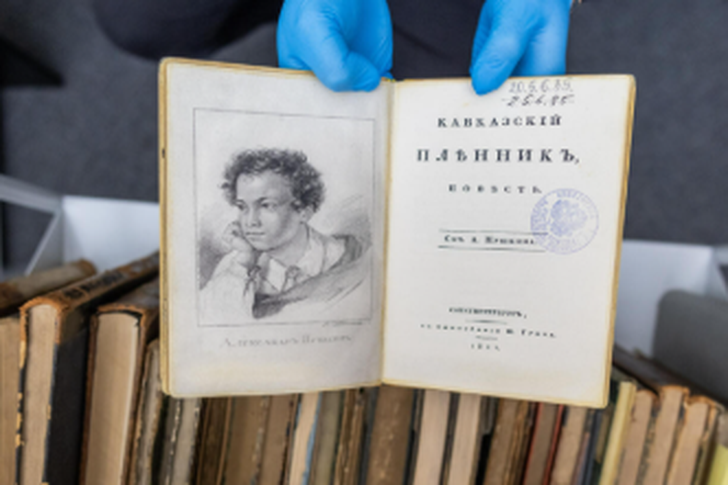
Six Georgian citizens appeared before a Paris court on Tue...
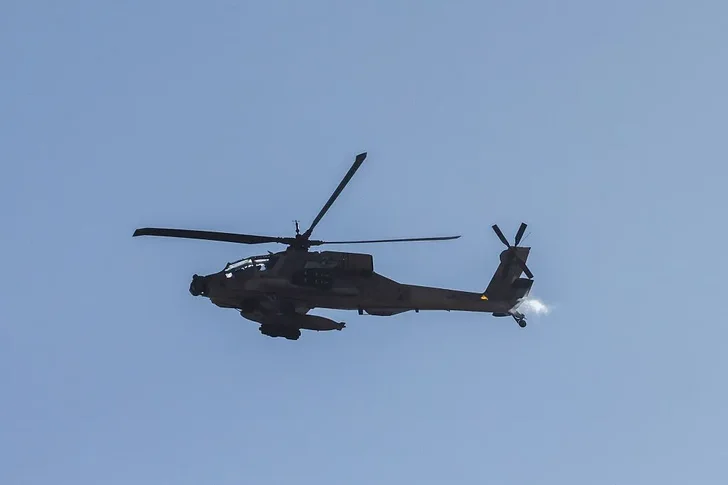
President Donald Trump has accused Iran of shooting down a...

Pope Leo XIV arrived in Barcelona this Tuesday, in what ma...
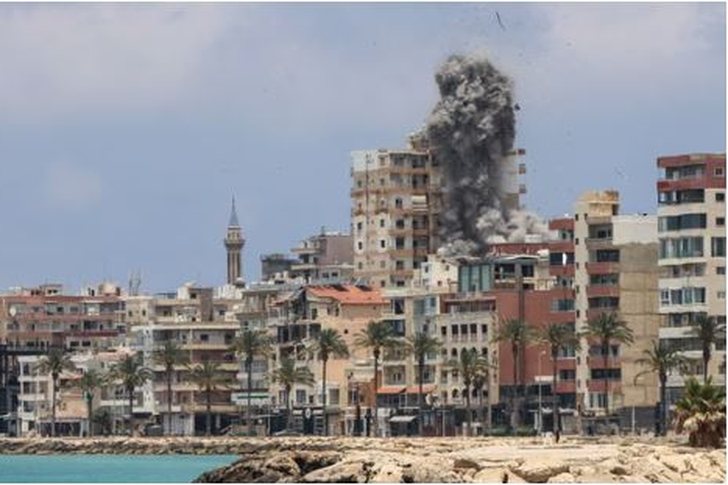
Israel has bombed the city of Tyre, killing eight people a...

Zëdhënësi i Kremlinit, Dmitry Peskov, deklaroi sot se nuk ...
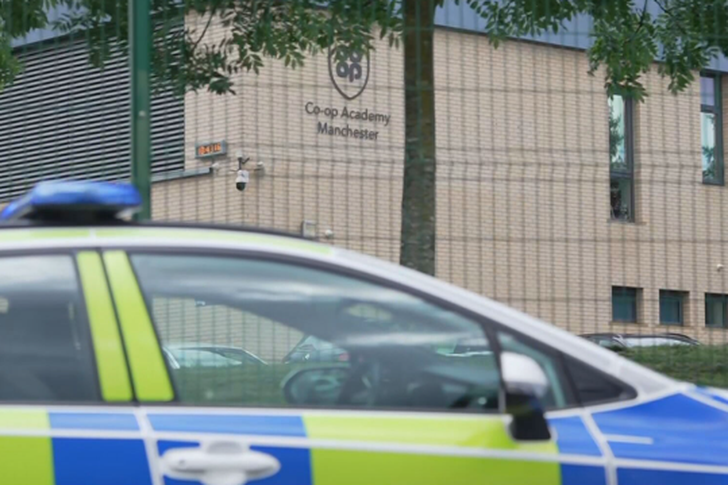
Two students and a teacher were injured in a stabbing inci...
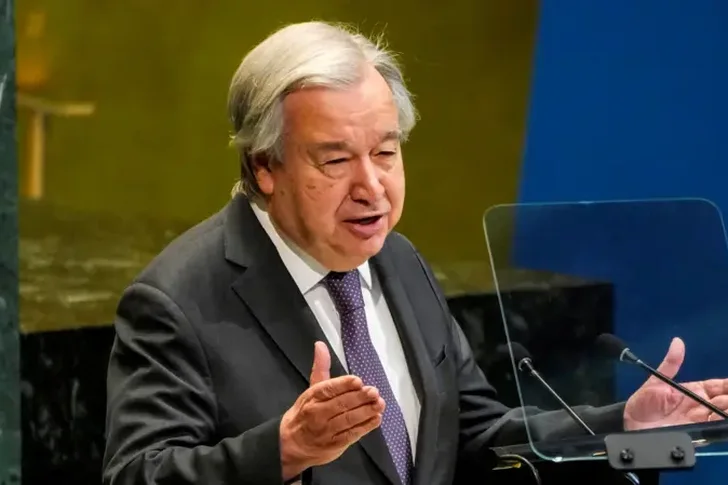
Antonio Guterres says he is deeply alarmed by the new esca...
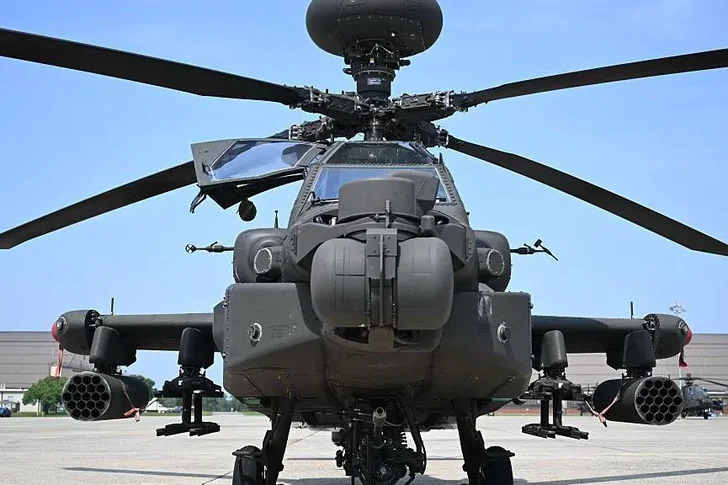
Two crew members of a US military helicopter that crashed ...
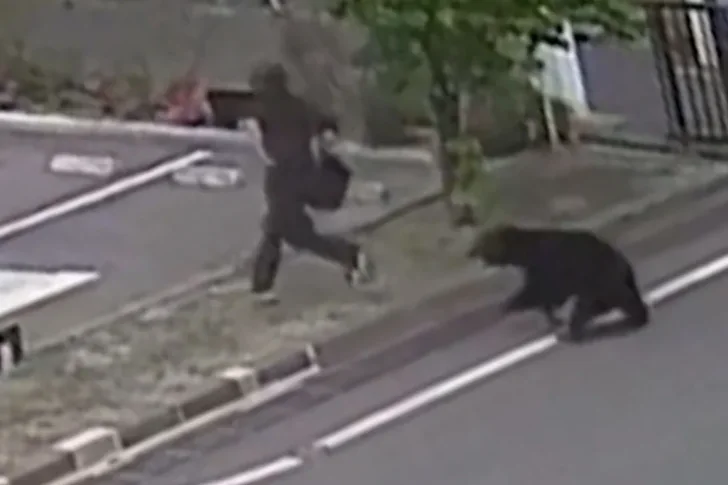
Authorities in the city of Utsunomiya in Japan have captur...
The European Investment Bank and the European Commission h...
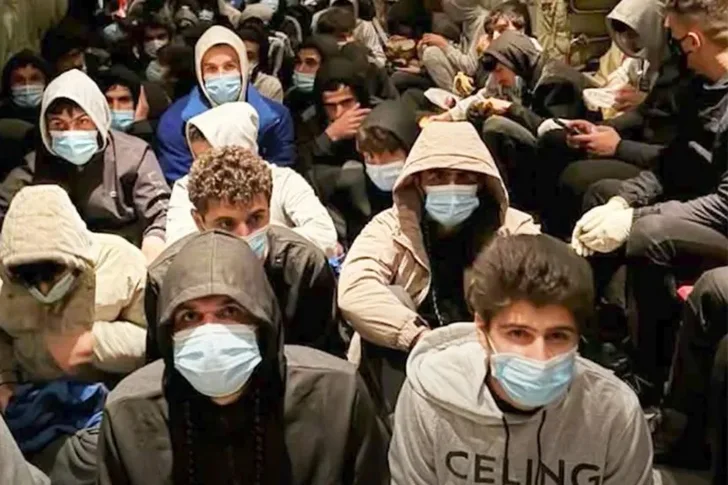
More than 300 migrants from Iraqi Kurdistan, who were tryi...
The United States said it will carefully monitor those in ...
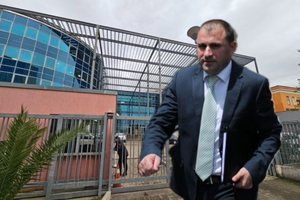
Dritan Prençi is the SPAK prosecutor who is sleeping on th...
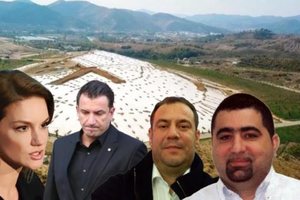
The in-depth investigations that SPAK conducted into Ajola...
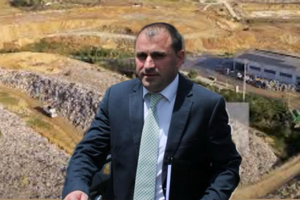
SPAK's standards, the way it investigates, how it secures ...
Irfan Hysenbelliu claims to be a big businessman, an hones...

The Special Board of Appeal (KPA) decided this Monday ...

The KPA vetting decided this Thursday to dismiss the p...

Suela Salavaçi, a prosecutor in the Prosecutor's Offic...

The Special Board of Appeal reinstated the prosecutor ...

Four people have been arrested and two others have been de...
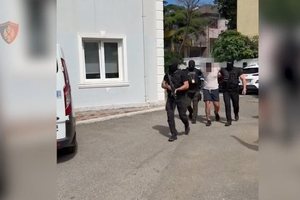
A 22-year-old man, internationally wanted for attempted mu...
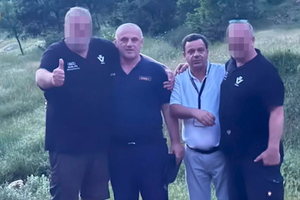
The two German tourists who lost contact while exploring t...
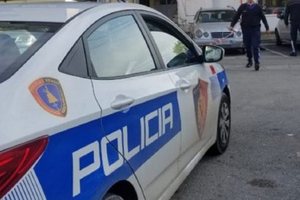
After finding 7446 narcotic plants in the village of Reç i...

Albania is facing a deep demographic crisis where official...
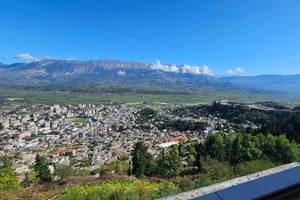
This Wednesday, our country will be affected by relatively...

The UN's World Meteorological Organization now warns that ...
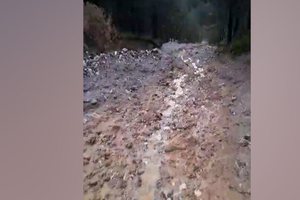
Intense rainfall has caused numerous problems in the Radom...
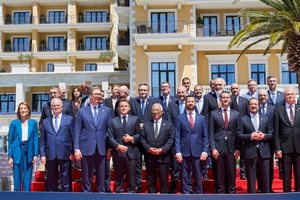
A group of European Union (EU) member states have proposed...
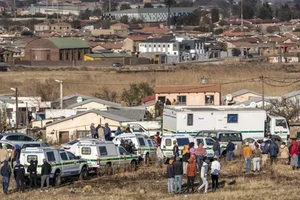
At least 12 people have been killed and nine others injure...
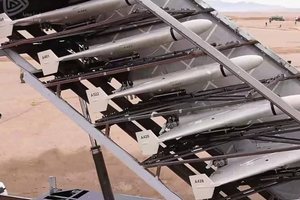
Just over three months into the Gulf conflict, the importa...
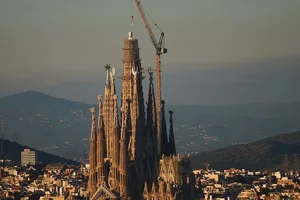
One of the most important events of the Year of Gaudi is t...

Korça has transformed this weekend into the capital of cel...
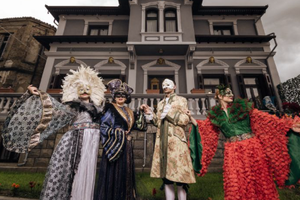
Korça is ready to open the summer season with one of the c...

Two years after his passing, the renowned Korçë poet Skënd...
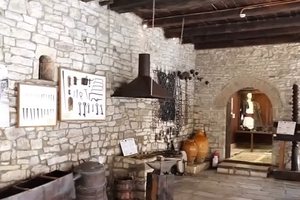
The Ethnographic Museum of Berat has opened its doors to v...

This Wednesday, one US dollar is bought for 81.6 lek and s...

The 2025 turnover reassessment for businesses in Tirana ha...

Predictions of a severe oil shortage this summer have not ...
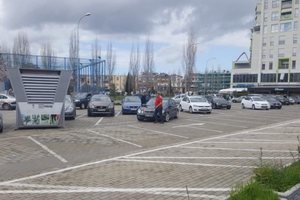
Improving the performance of public parking lots in Vlora,...