

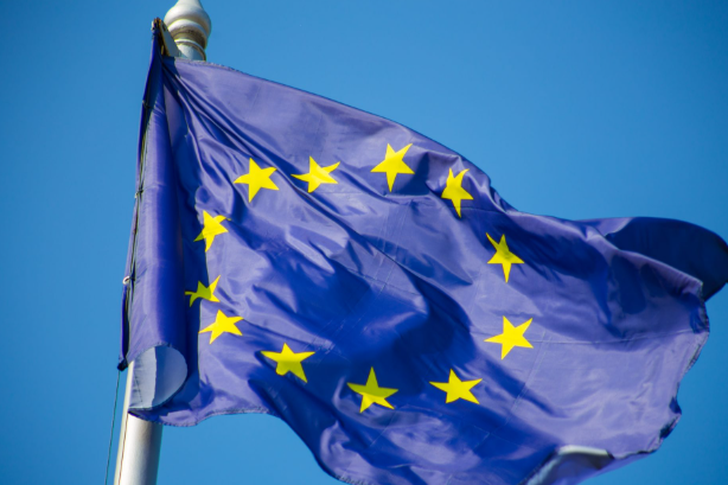
EU suspends funds for Serbia
The European Union has decided to suspend payments of fina...


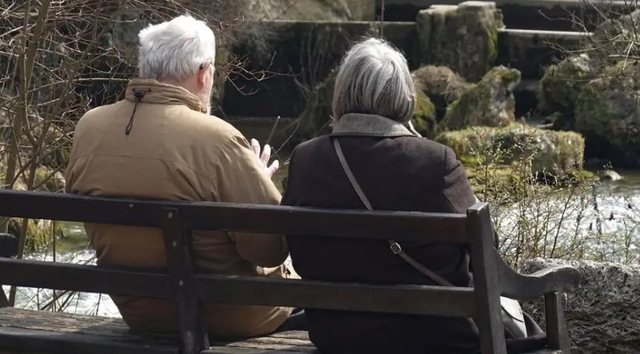
Chancellor Friedrich Merz caused surprise and uncertainty when he called the state pension "basic security." What did he mean by that? And where does Germany stand in international comparison?
Pensions, or pension provision, have been a highly controversial issue in Germany for years. This time, Chancellor Friedrich Merz (CDU) has also opened a serious debate in this regard.
"State-sponsored statutory pension insurance will, at best, only offer basic security for old age. It will no longer be sufficient to ensure long-term living standards," Merz said recently at an event organized by the German Banking Association in Berlin.
Merz went on to say that this is why individuals or private companies need to set aside additional capital. "And this on a much larger scale than we currently have, mainly based on voluntary contributions," Merz said. This means a greater reliance on stocks and other forms of investment in the future.
This is a controversial strategy, as the stock market is subject to large price fluctuations. Today's profits may be tomorrow's losses and vice versa.
Pensions Commission and proposals
The Minister of Labor and Social Affairs, Bärbel Bas (SPD), sharply criticized the Chancellor's statements on pensions. She said that Merz "gave the impression that everyone should now have private insurance." Many understood Merz's statements to mean that he thought "people will no longer receive a good pension."
The pension dispute between the ruling CDU/CSU and the SPD could be a hint of what could soon ignite further emotions. A pension commission appointed by the coalition is expected to present its recommendations by the end of June.
The financial consequences of an aging society
The main starting points for all sustainable pension models for the future are population trends on the one hand and life expectancy on the other. The low birth rate in Germany, as in many other countries, has serious financial consequences: Fewer people are working and paying contributions to the state pension system, while the number of pensioners is increasing.
The Organization for Economic Co-operation and Development (OECD) analyzed the pension systems of its 38 member states in the study "Pensions at a Glance." The main conclusion: Policy strategies vary widely and are difficult to compare in many respects.
Net pensions in Germany are below average
Looking exclusively at the amount of pension in relation to final income after taxes and social security contributions, Germany is in the middle at 53 percent and therefore well below the average of 61 percent. Other European countries with large populations, such as France and Italy, have values ??between 70 and 80 percent.
But there are greater extremes, both at the top and the bottom. In Estonia, Lithuania and Ireland, the level of state pensions is sometimes below 40 percent. In the Netherlands, Portugal and Turkey, it is more than twice as high, at more than 90 percent.
Retirement at age 67 is now a reality in the US and Japan.
According to the OECD, the age at which people actually end their working lives plays a key role in financing pensions. In Germany, they currently retire on average at just over 64, almost three years earlier than legally required for everyone born since 1964. Those who retire earlier generally receive a lower pension.
In some countries, people already have to work until the age of 67. Among them are the US and Japan, the world's first and fourth largest economies. From the OECD's perspective, it makes sense to link the retirement age to an increase in life expectancy and thus to extend it in many countries.
Higher pension contributions in France and Italy
The level of pension contributions varies significantly internationally. In France, according to OECD data, it is around 30 percent of income, while in Italy it is up to 33 percent. Germany, with 18.6 percent, is positioned much lower. Contributions are paid equally by the employee and the employer.
One aspect that is increasingly coming into focus is poverty in old age. In Germany, the risk is particularly high for those who earned little during their working lives and could barely put aside money for private pension savings. In Denmark, policymakers are trying to counter this with a basic pension financed by taxes.
East Germans most affected by poverty in old age
The differences between East and West Germany are a unique case in Germany. People who lived and worked in the communist GDR during the existence of the two Germanys until 1990 received significantly lower pensions for a long time compared to their working years. The gradual equalization with the West was not completed until 2025 - 35 years after reunification.
Therefore, poverty in old age potentially affects East Germans more often. Another reason: Because of the state-planned economy in the GDR, they were unable to invest in pension funds, for example. Unlike capitalism, there were no stock exchanges under communism./ DW

The European Union has decided to suspend payments of fina...

A prolonged conflict between the US and Iran is being seen...
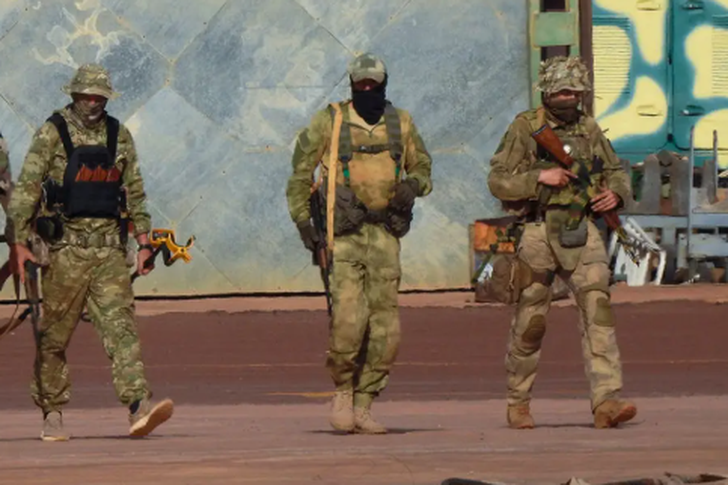
The official Kremlin announced this Thursday that Russia w...
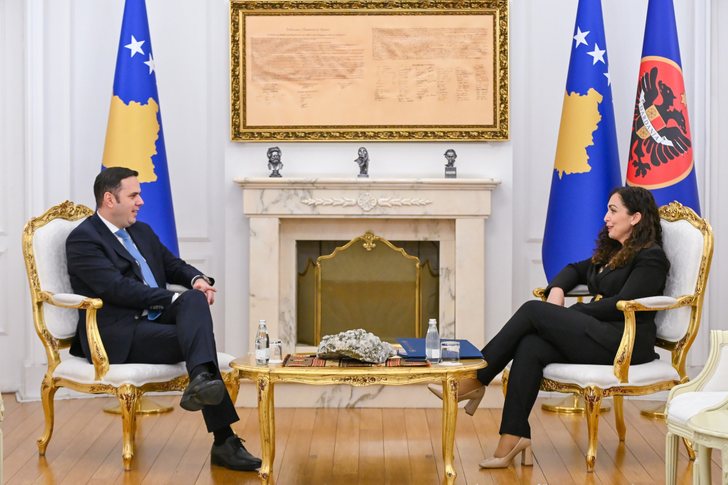
The leader of the Democratic League of Kosovo, Lumir Abdix...
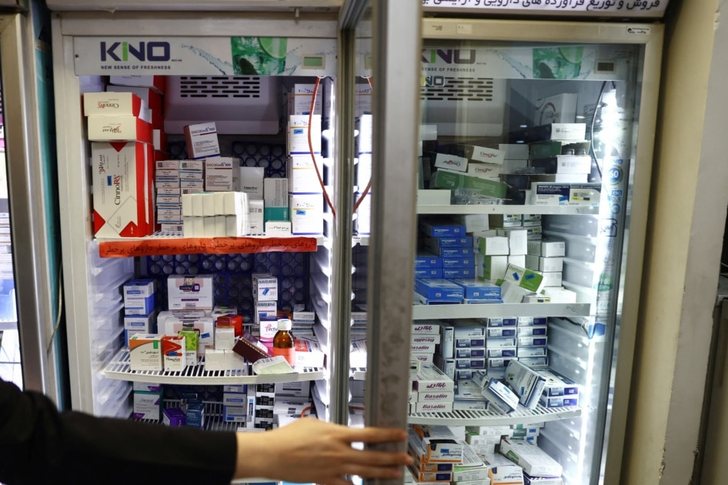
Iran's currency has fallen to its lowest level against the...

US President Donald Trump is considering new plans to resu...
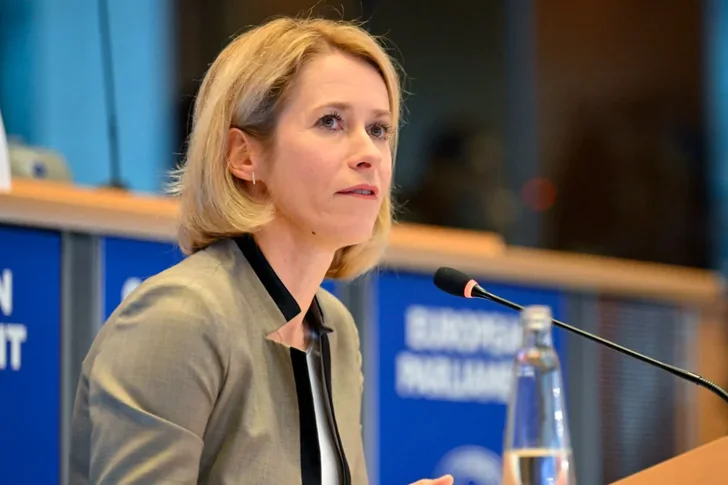
EU High Representative Kaja Kallas said today that the Eur...
The Athens Bar Association is demanding the resignation of...

UN Secretary-General António Guterres criticized restricti...

A young Taiwanese woman has been arrested at Bangkok airpo...
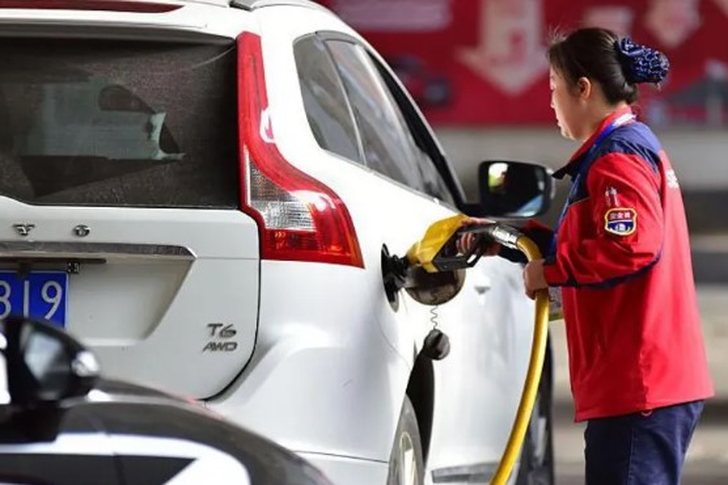
Oil prices rose to their highest level since 2022 after a ...
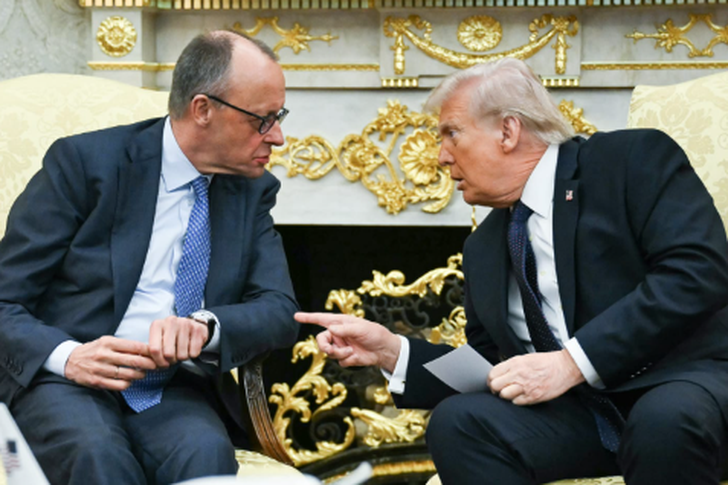
US President Donald Trump on Thursday urged German Chancel...
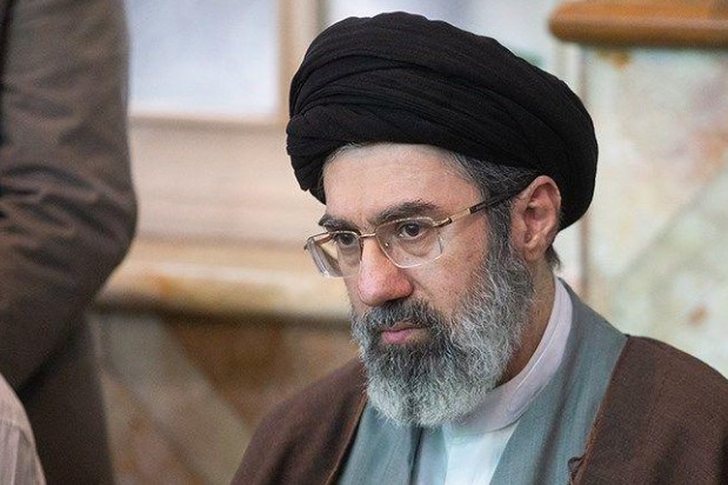
Iran's Supreme Leader, Mojtaba Khamenei, has announced tha...
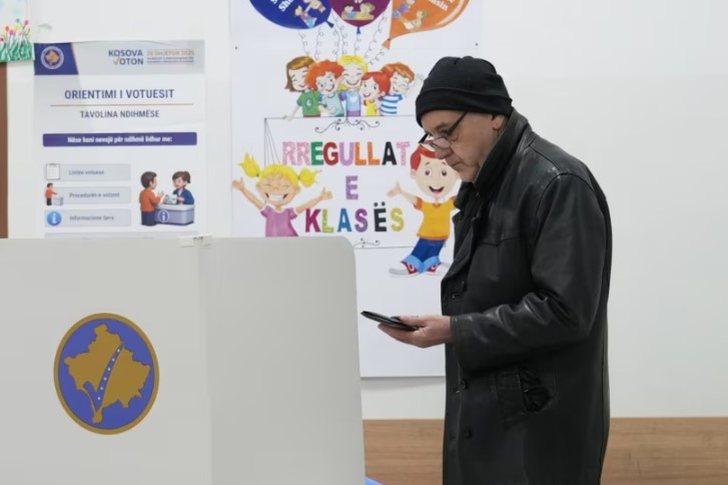
Kosovo's acting president, Albulena Haxhiu, has announced ...

US President Donald Trump is expected to be on the list of...
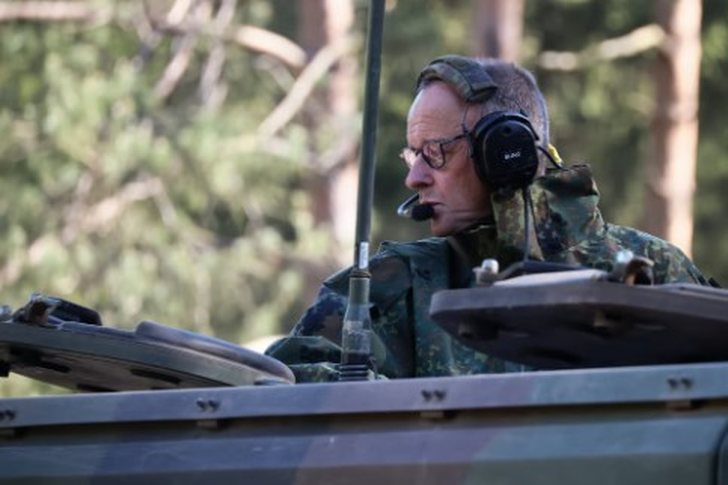
German Chancellor Friedrich Merz stressed the importance o...

Pro-Palestinian activists say at least 22 ships from a flo...
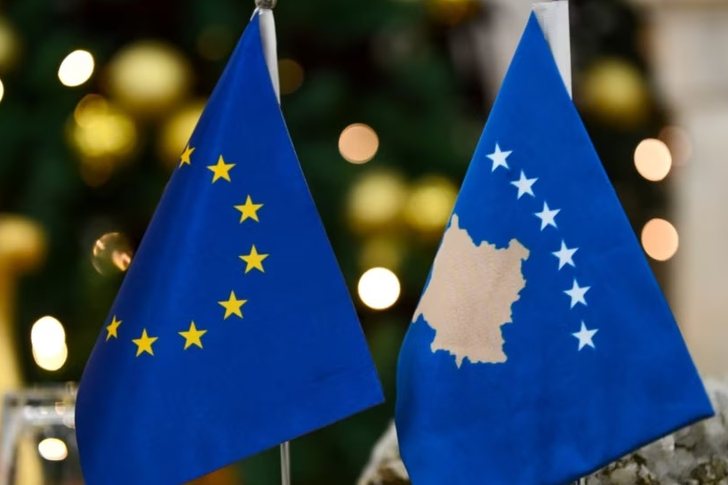
The European Union expressed regret that political parties...

China blocked the planned acquisition of artificial intell...
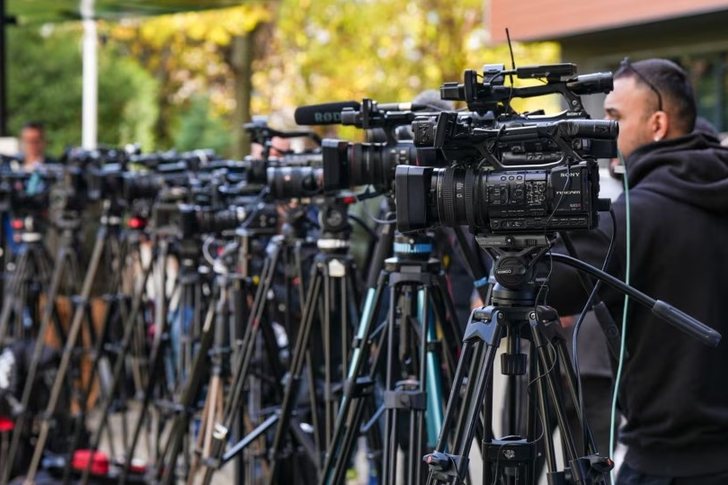
Kosovo has made progress in media freedom, according to Re...
Irfan Hysenbelliu claims to be a big businessman, an hones...

The murder of officer Enea Mekolli in the line of duty has...
The next case broadcast on the show "Stop", this Thursday,...
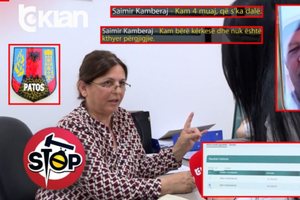
The case published this Thursday, June 4, on the show "Sto...

The Special Board of Appeal (KPA) decided this Monday ...

The KPA vetting decided this Thursday to dismiss the p...

Suela Salavaçi, a prosecutor in the Prosecutor's Offic...

The Special Board of Appeal reinstated the prosecutor ...
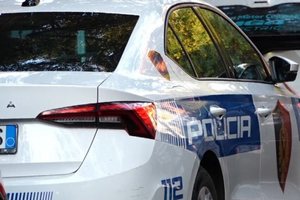
A 38-year-old man was arrested today near the Kamza turnof...

A money changer in Durrës lost 60 thousand euros after bei...
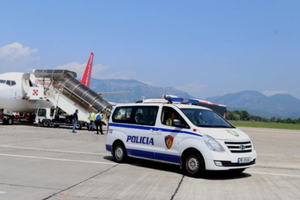
The 6 citizens captured in Dubai, members of criminal grou...
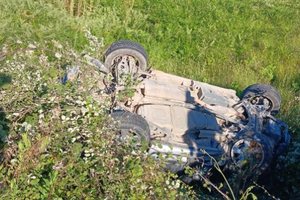
A serious accident occurred on the Kardhiq-Delvinë axis, i...
Today our country will be affected by stable weather condi...

For many children and teenagers, the long summer holidays ...
Albania is facing an unprecedented demographic transition,...
On Thursday, our country will be affected by unstable weat...
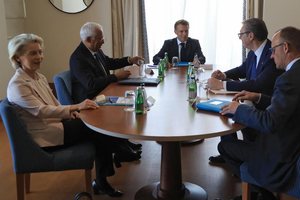
Leaders of the European Union and Western Balkan countries...
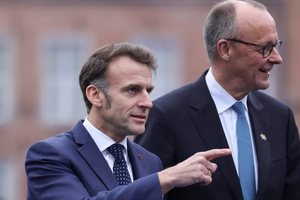
On the eve of the EU-Western Balkans summit, Germany and F...

Russian President Vladimir Putin said the war in Ukraine c...
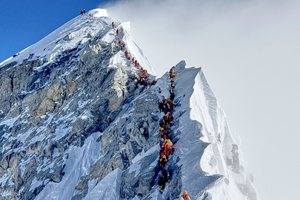
An extraordinary story of survival has been recorded in Ne...
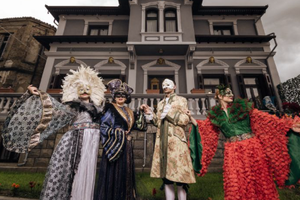
Korça is ready to open the summer season with one of the c...
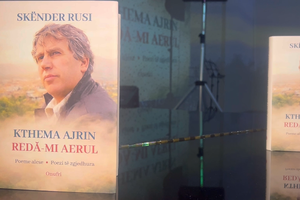
Two years after his passing, the renowned Korçë poet Skënd...
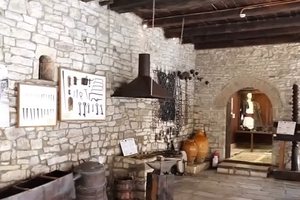
The Ethnographic Museum of Berat has opened its doors to v...
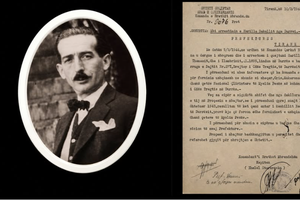
The story of Harilla Bakalli is one of the most chilling t...
Despite years of efforts at regional cooperation and free ...
Albania is the country with the highest level of severe ma...

This Friday, one US dollar is bought for 81.3 lek and sold...
The government aims to transform the country's industrial ...