


The problem with cell phones and social networks in schools
The summer holidays are over, school has resumed in many G...


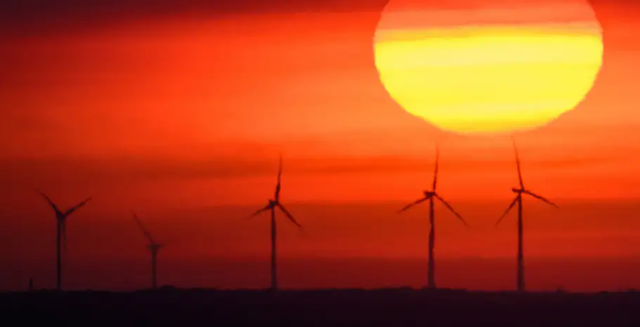
In Germany, electricity prices are the same everywhere. But some states want to change that.
Electricity consumers in Germany are facing many problems. Meanwhile, the ruling coalition in Berlin is facing another new challenge. The reason: the so-called electricity bidding zone.
This ensures that electricity is priced the same for large customers across the country, which is a serious problem, according to experts.
Their demand: electricity prices should be based on supply and demand. Where green electricity is produced, namely in the northern, coastal countries, supply exceeds demand. Here, according to them, the price of electricity should be reduced. However, in other, more industrial countries, demand exceeds supply - here the price of electricity should be increased.
This would, of course, mark the end of the electricity bidding zone in its current form: It would either be abolished or replaced by a system with several different zones. But many influential factors in Germany want to stick with the current model, such as the electricity grid operators or the German Association of Energy and Water Industries (BDEW).
Energy prices as a drag on the economy
Industry representatives say the problem must be solved as soon as possible, as high electricity prices in Germany threaten to further damage the weak economy. One example is the steel industry. The industry's crude steel output fell by almost 12 percent to 17.1 million tonnes in the first six months, according to the Berlin-based Steel Industry Association.
The EU Commission claims to have identified a way to lower electricity prices for industry: Away from the electricity bidding zone that applies in Germany and Luxembourg! Four heads of government from Germany's northern states also think so: Peter Tschentscher (SPD) from Hamburg, Daniel Günther (CDU) from Schleswig-Holstein, the mayor of Bremen, Andreas Bovenschulte (SPD), and the state premier of Brandenburg, Dietmar Woidke (SPD), called for this in an interview with Handelsblatt on August 13.
This seems to be opening up a new source of conflict within the government and the CDU/CSU and SPD coalition. Should prices in northern Germany fall, while Bavarians have to pay more?
This is unthinkable with the Bavarian CSU. However, two days later, the Ministry of Economic Affairs issued a categorical statement: "As reaffirmed in the coalition agreement, the federal government plans to maintain the single electricity price zone in Germany."
The BDEW (German Association of Energy and Water Industries) believes this is the right approach. In a statement to DW, the association's spokeswoman, Katja Sandscheper, referred to a study commissioned by EU regulator ACER, which found that "the idea of ??dividing the electricity price zone in Germany is not economically convincing."
Experts think differently
But some experts believe that the complex situation in the German electricity market should also be reflected in prices. In northern Germany, where green electricity is produced (mainly from wind power), it is just as expensive as in places where it is not generated but consumed in larger quantities: southern and western Germany.
As long as sufficient electricity cannot be transported to the south because the grid capacity is not yet sufficient, large customers there must either save electricity (which is economically unfeasible) or pay a higher price for clean energy. This will continue until the "physics of the grid" allow more electricity to be transported or they themselves produce enough green electricity.
Leon Hirth tells DW: "A uniform electricity price across Germany often leads to decisions that are impossible due to the grid and do not make economic sense." He believes: "Only local prices in the electricity market can meaningfully translate the dynamics of the electricity grid into flexibility incentives."
Andreas Löschel, Chair of Environmental and Resource Economics at Ruhr University Bochum, tells DW: "In recent years, supply and demand in the electricity market have become increasingly diverse. That's why local prices and regional price disparities make sense."
Epico's Bernd Weber complains that the debate on the separation of the electricity price zone is "highly politicized and often very short-sighted." He warns: "If a separation - as currently seems to be the case - is politically unfeasible, the structural problems threaten to persist or even worsen."
Leon Hirth believes that if Germany is to achieve its ambitious economic and climate goals, there must be a change in the electricity market, and this includes local prices in the electricity market./ DW

The summer holidays are over, school has resumed in many G...
German Defense Minister Boris Pistorius criticized Ursula ...
Tens of thousands of citizens in Serbia's capital, Belgrad...
Chinese President Xi Jinping and his Russian counterpart V...

Yesterday's earthquake in Eastern Afghanistan caused over ...
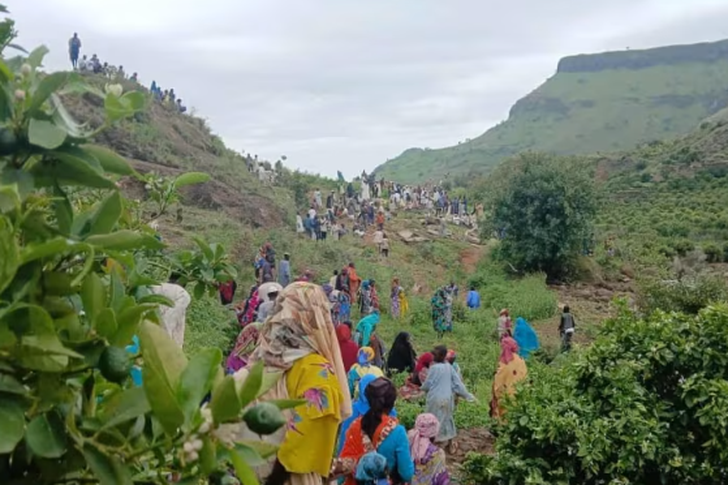
At least 1,000 people were killed in a landslide that dest...
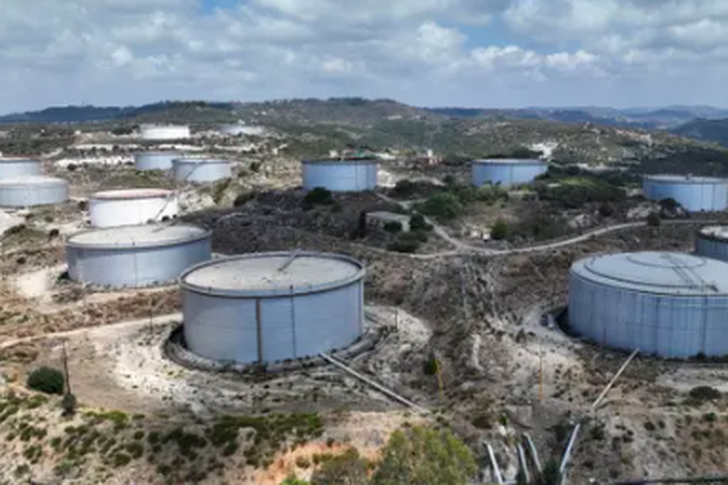
Syria today carried out its first official crude oil expor...
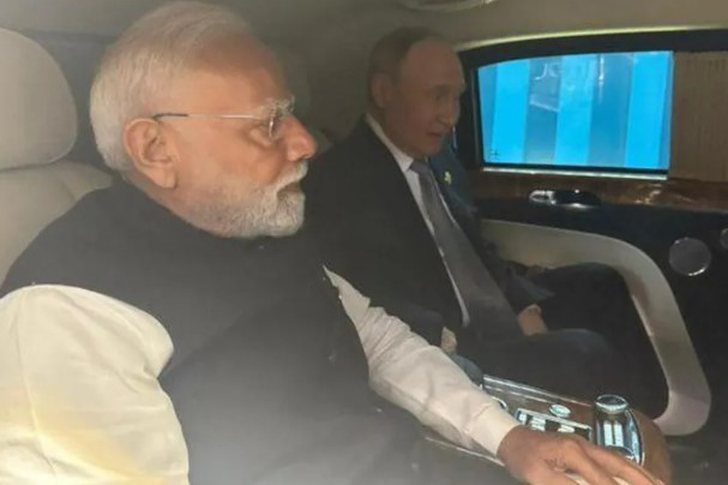
Indian Prime Minister Narendra Modi says he had a "deep" e...
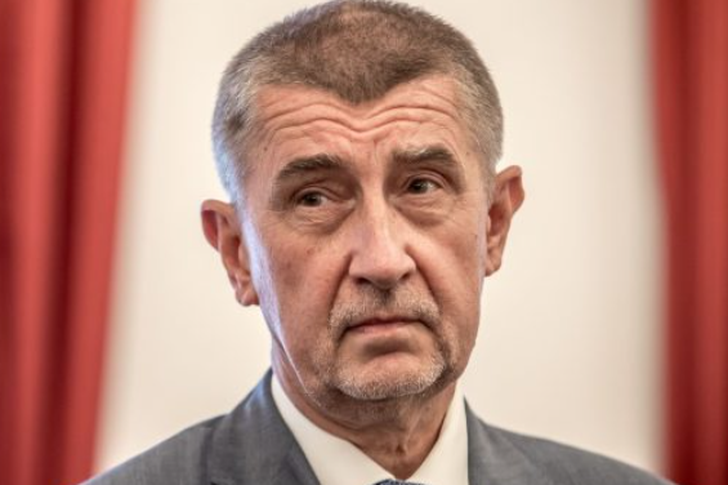
Former Czech Prime Minister Andrej Babis was hospitalized ...
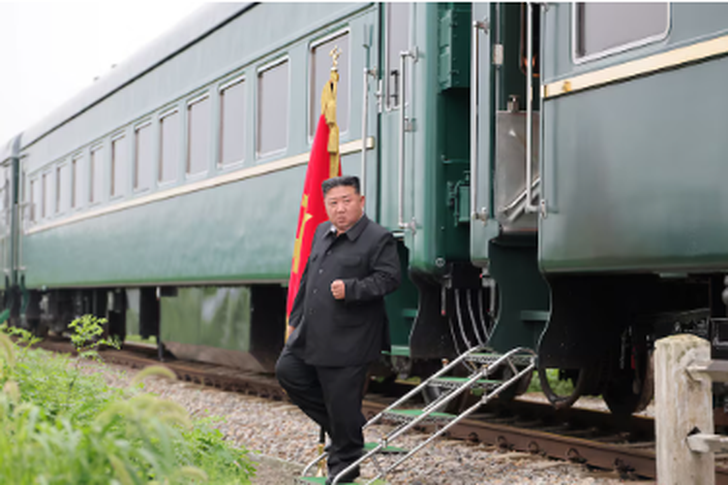
North Korean leader Kim Jong Un left Pyongyang by train on...
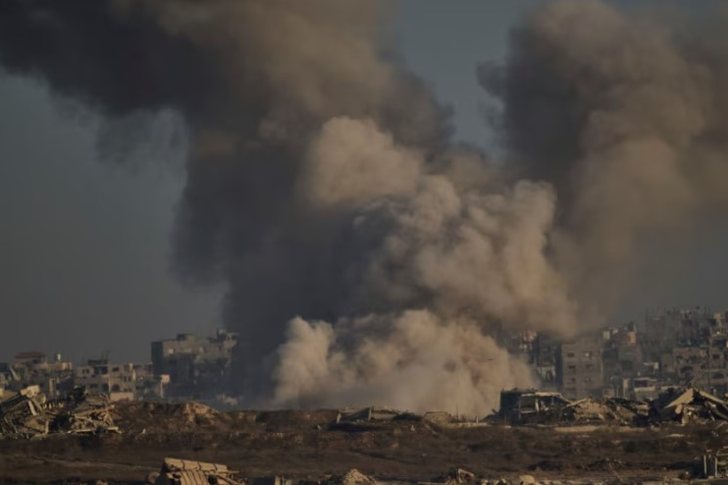
Israel carried out airstrikes across the Gaza Strip on Mon...
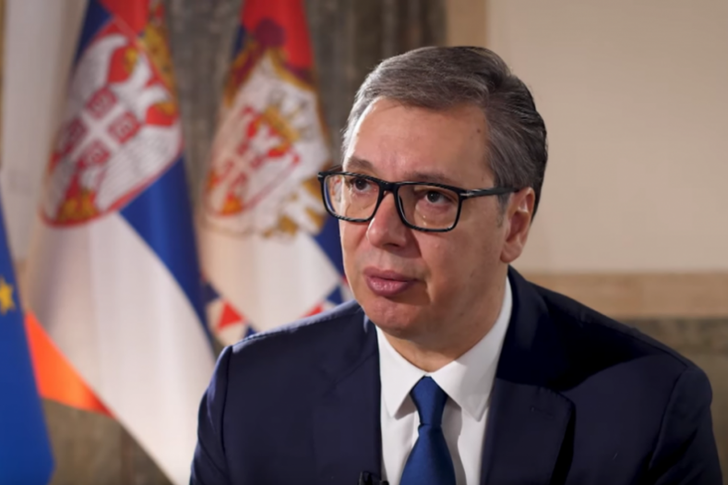
Serbian President Aleksandar Vučić will participate in a m...
Representatives of the Vetëvendosje Movement at the Centra...

Ukrainian President Volodymyr Zelensky will meet with Euro...
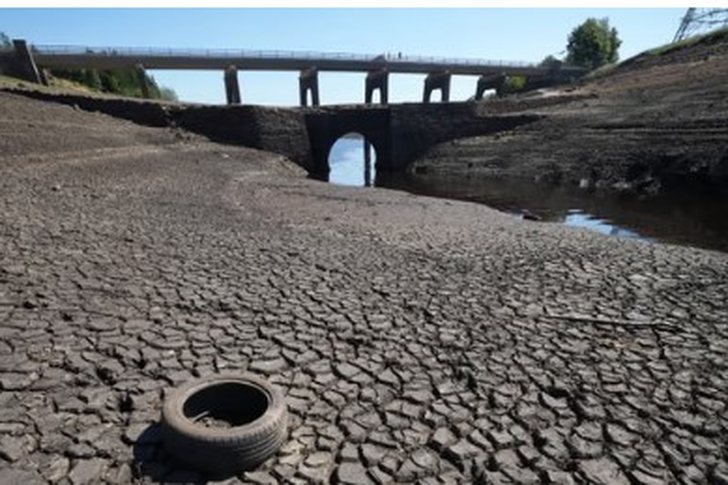
The United Kingdom has seen its hottest summer ever record...
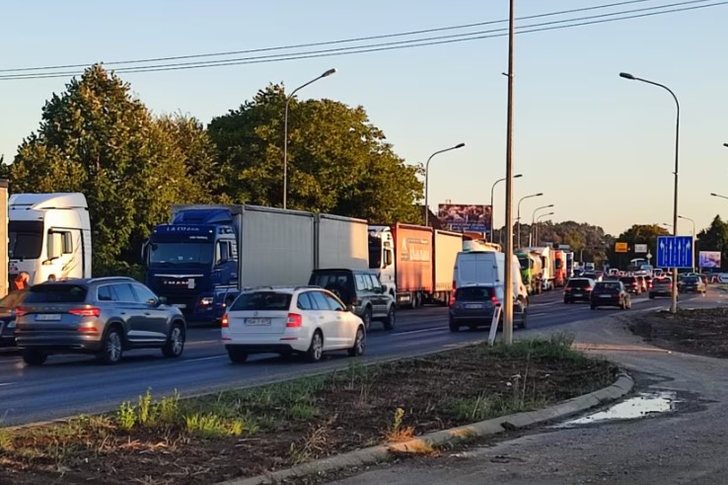
Thousands of truck drivers in Bosnia have halted deliverie...
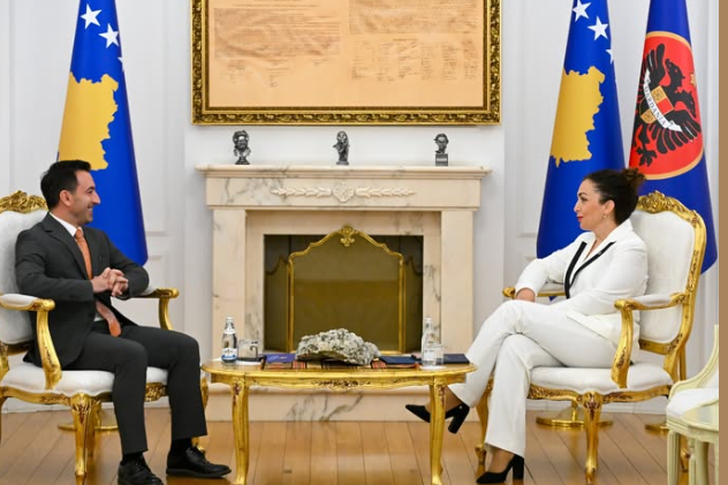
The President of Kosovo, Vjosa Osmani, received today in a...
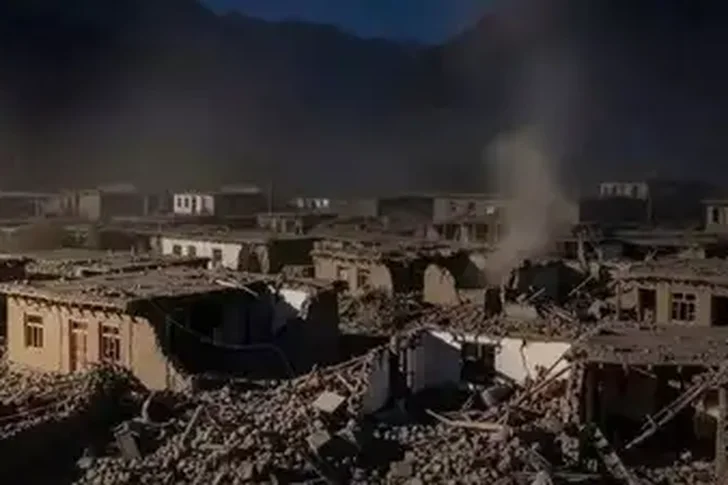
The UN humanitarian agency says preliminary reports indica...

A suspected Russian hacking attack targeting Ursula von de...
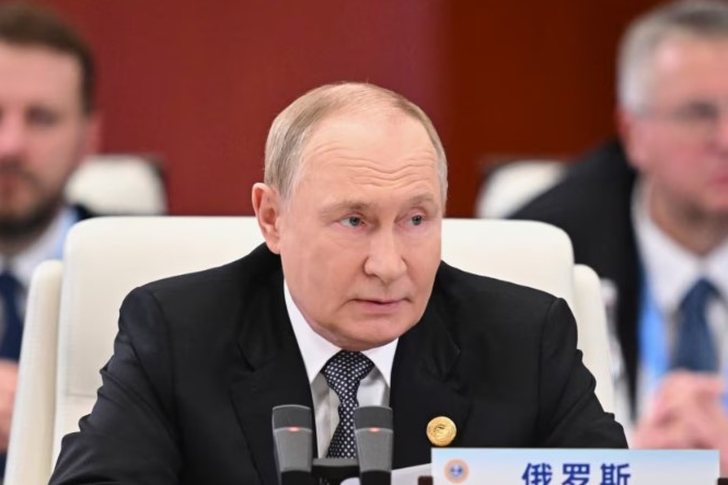
Russian President Vladimir Putin said he had reached an ag...

Irfan Hysenbelliu claims to be a big businessman, an hones...

The murder of officer Enea Mekolli in the line of duty has...

The next case broadcast on the show "Stop", this Thursday,...
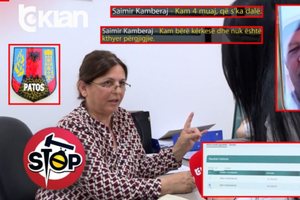
The case published this Thursday, June 4, on the show "Sto...

The Special Board of Appeal (KPA) decided this Monday ...

The KPA vetting decided this Thursday to dismiss the p...

Suela Salavaçi, a prosecutor in the Prosecutor's Offic...

The Special Board of Appeal reinstated the prosecutor ...

An accident was recorded a few minutes ago on the Pogradec...
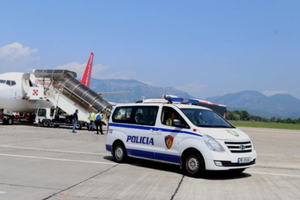
Following the cooperation of Interpol Tirana with Interpol...

An accident occurred this Saturday morning at Shkëmbi i Ka...
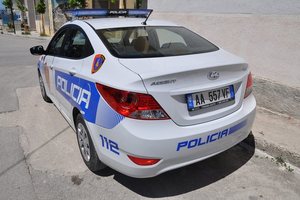
A TNT explosion occurred in Lezha in the early hours of th...
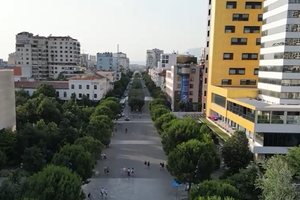
Albanians are officially the hardest working people in Eur...

This Saturday will be characterized by mostly clear weathe...
Today our country will be affected by stable weather condi...

For many children and teenagers, the long summer holidays ...

A federal judge in Rhode Island struck down a Trump admini...
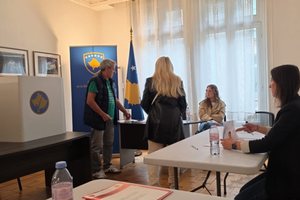
Thousands of Kosovo citizens living abroad are voting phys...
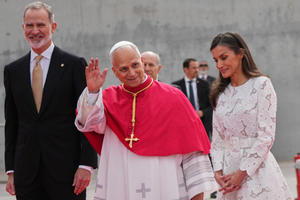
Pope Leo XIV arrived in Madrid this Saturday, where he beg...

Millions of Europeans still apply for jobs without knowing...

Korça is ready to open the summer season with one of the c...

Two years after his passing, the renowned Korçë poet Skënd...

The Ethnographic Museum of Berat has opened its doors to v...
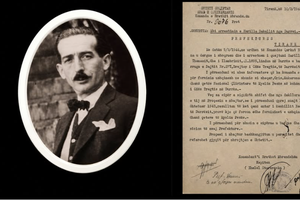
The story of Harilla Bakalli is one of the most chilling t...
The Transparency Board, in today's meeting, decided to red...

This Saturday, one US dollar is bought for 81.4 lek and so...

Despite years of efforts at regional cooperation and free ...
Albania is the country with the highest level of severe ma...