

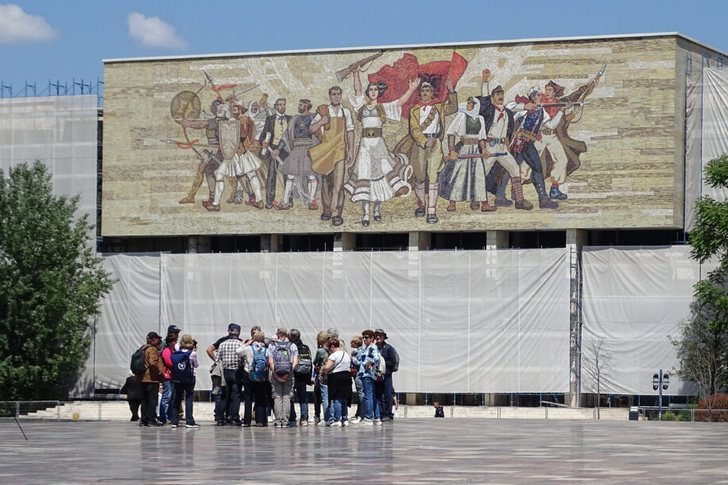
Tourism makes a turnaround in autumn, foreigners increased by 9.9 percent in September
Despite a lackluster summer, autumn, as expected, marked a...


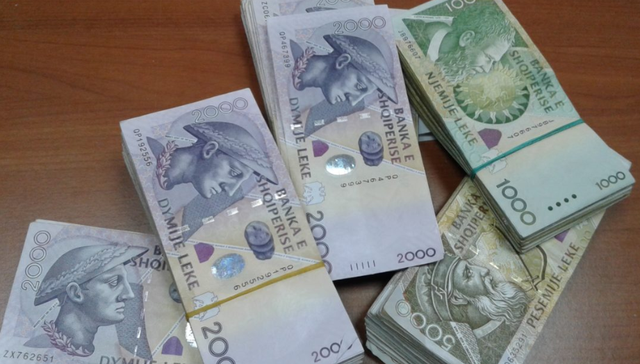
The continued strengthening of the lek against the euro, despite putting difficulties on exports and the domestic manufacturing sector, has served the government well by reducing the costs of external debt.
According to the latest data from the Ministry of Finance, external debt repayments have decreased by around 9.37 billion lek, mainly due to the positive effect of the exchange rate.
This factor has also contributed to the reduction of long-term borrowing through Eurobonds by about 1.35 billion lek, reflecting the improvement in the value of the lek against the foreign currencies in which the debt is expressed. The direct effects of the exchange rate on external debt service are 10.7 billion lek in savings or over 107 million euros.
As a result of these improvements, borrowing in the form of budget support from international institutions has decreased by about 4.35 billion lek, based on new expectations for the realization of disbursements by the end of the year, as well as a reduction of 2.97 billion lek in project financing and sub-loans for local government.
Another element that has improved fiscal balances is the savings in debt interest expenses, which amounts to 6.93 billion lek – respectively 4.62 billion lek in external interests and 2.31 billion lek in internal ones.
This saving is related not only to the exchange rate effect, but also to the decline in interest rates in financial markets, compared to assumptions in the planning phase.
Overall, these developments have reduced the budget deficit to 61.6 billion lek, or 2.4% of GDP, from 2.6% projected in the initial budget for 2025.
The average euro-lek exchange rate in 2024 was 100.7 lek, a decrease of about 7.4% compared to 2023. The decline has continued this year, as one euro is currently exchanged for 96.8 lek.
When the government issues Eurobonds or borrows long-term euros, exchange rate fluctuations can affect the lek value of the loan. In this case, the government spends less lek when it buys euros to repay the debt, and this translates into savings in public finances.
The exchange rate performance has reduced public debt spending in lek, reducing the budget deficit and leaving more funds for other budget expenditures.
But the IMF has warned that, while the strengthening of the lek improves public finances and reduces interest and repayment costs, it could also pose challenges for exporters operating with euro contracts and for their competitiveness./ Monitor

Despite a lackluster summer, autumn, as expected, marked a...
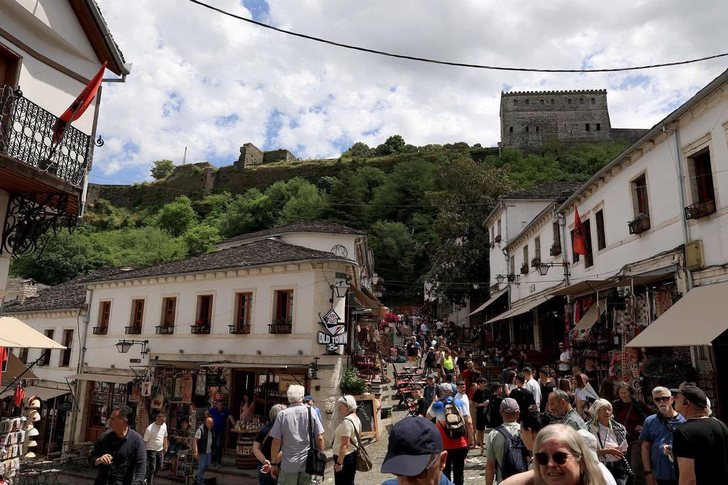
Albania's tourism industry seems to be struggling to find ...

Today, the US dollar will be exchanged for 82.7 lek when b...
When Albanians are asked “How easy is it for you to make e...
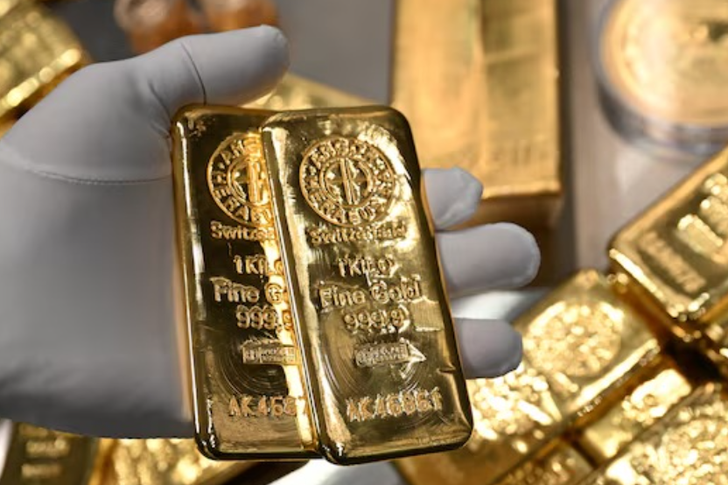
Gold and silver stabilized on Wednesday, following their b...

Albanian families spend an average of 39.5% of their month...
Today, the US dollar will be exchanged for 82.7 lek when b...

Claims paid by accident insurance companies are growing at...
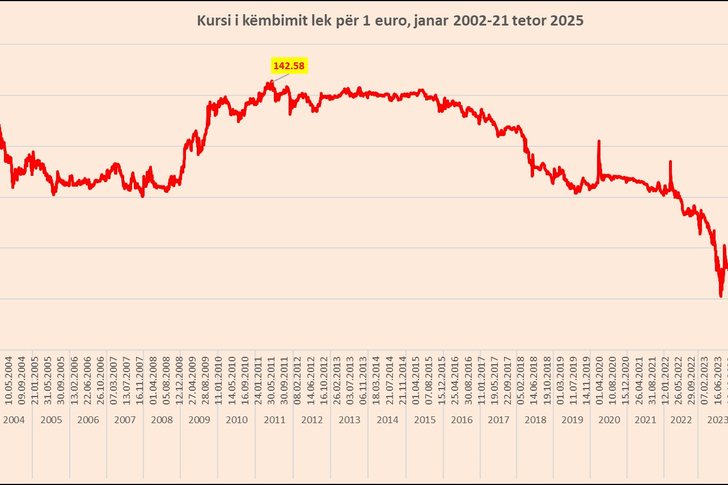
The Euro suffered a further decline in its exchange rate a...
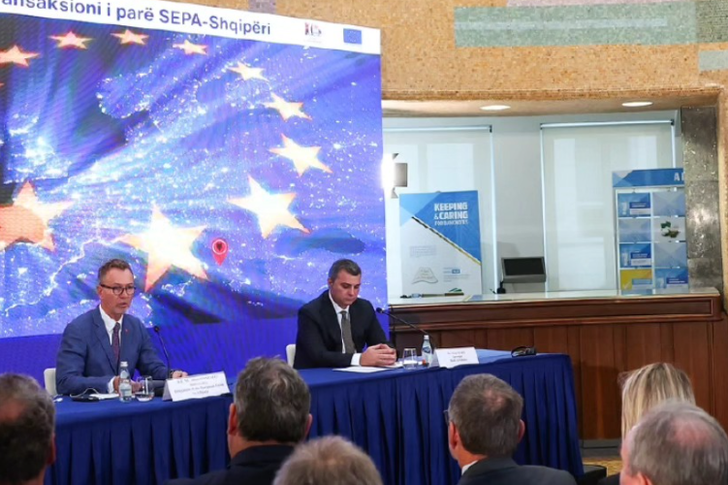
Since October 7, Albania has joined SEPA. On this occasion...
Today, the US dollar will be exchanged for 82.7 lek when b...
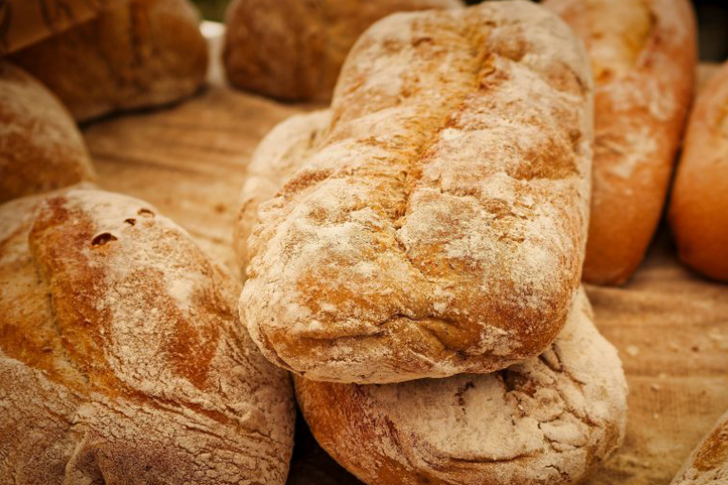
The bread market and, in general, dough products are expan...

The direct risk to banks' balance sheets from exchange rat...
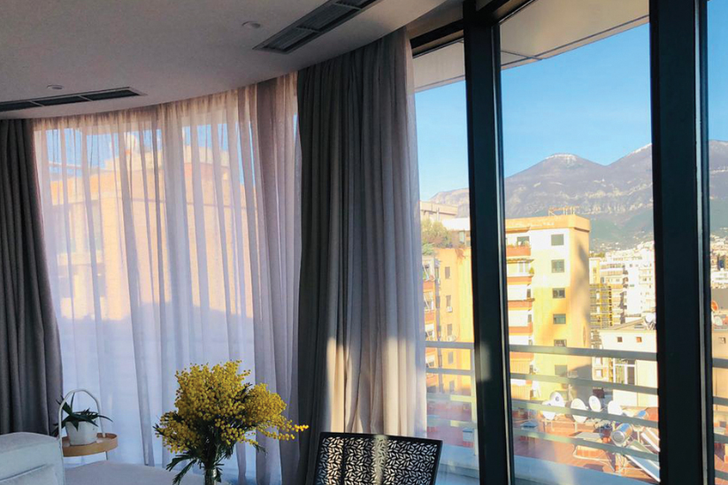
The average price per square meter of apartments in Tirana...

Today, the US dollar will be exchanged for 82.5 lek when b...
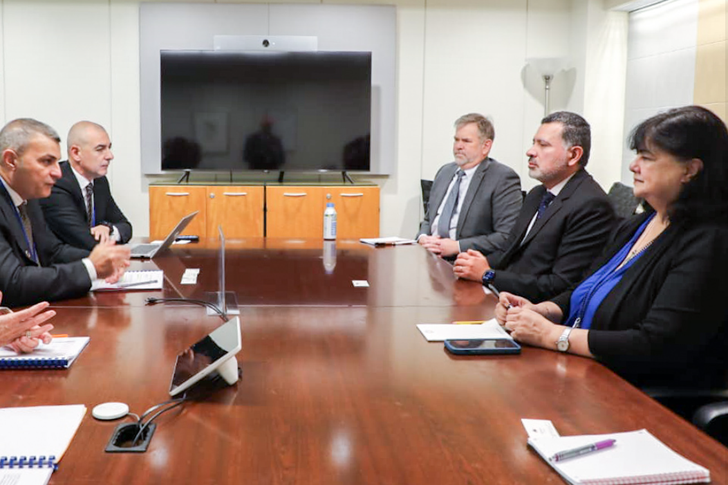
The Governor of the Bank of Albania, Gent Sejko, participa...
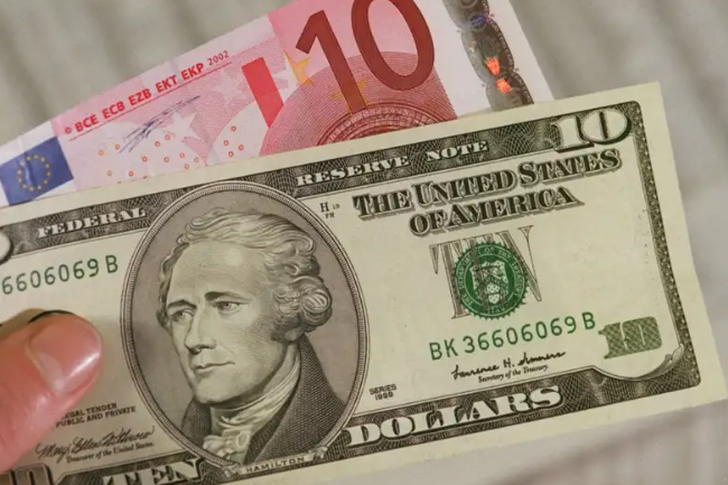
Today, the US dollar will be exchanged for 82.5 lek when b...
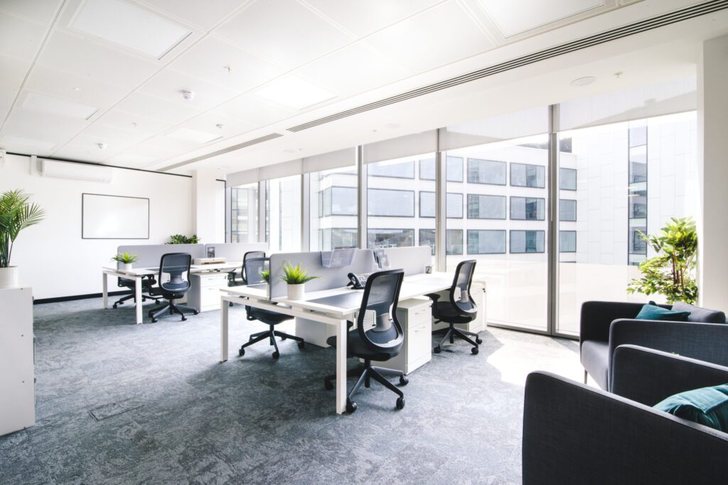
Tirana ranks first in Europe for office rental yield, acco...
Today, the US dollar will be exchanged for 82.4 lek when b...

At the peak of summer, foreigners chose the capital. Stati...
Irfan Hysenbelliu claims to be a big businessman, an hones...

The murder of officer Enea Mekolli in the line of duty has...

The next case broadcast on the show "Stop", this Thursday,...
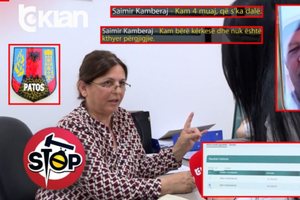
The case published this Thursday, June 4, on the show "Sto...

The Special Board of Appeal (KPA) decided this Monday ...

The KPA vetting decided this Thursday to dismiss the p...

Suela Salavaçi, a prosecutor in the Prosecutor's Offic...

The Special Board of Appeal reinstated the prosecutor ...
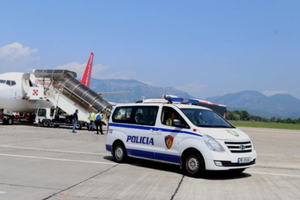
Following the cooperation of Interpol Tirana with Interpol...

An accident occurred this Saturday morning at Shkëmbi i Ka...

A TNT explosion occurred in Lezha in the early hours of th...

A massive brawl was recorded on Friday evening in Saranda,...
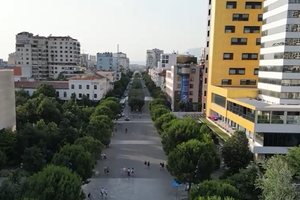
Albanians are officially the hardest working people in Eur...

This Saturday will be characterized by mostly clear weathe...
Today our country will be affected by stable weather condi...

For many children and teenagers, the long summer holidays ...

Millions of Europeans still apply for jobs without knowing...
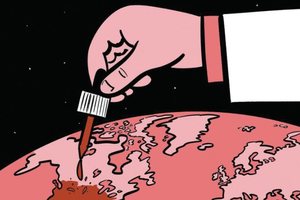
Following the Covid-19 pandemic, the World Health Organiza...
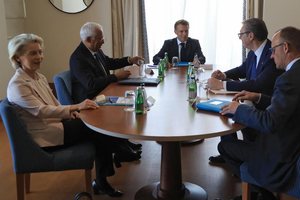
Leaders of the European Union and Western Balkan countries...
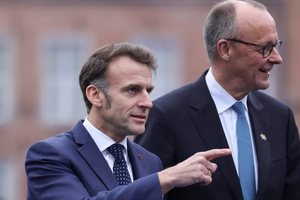
On the eve of the EU-Western Balkans summit, Germany and F...

Korça is ready to open the summer season with one of the c...
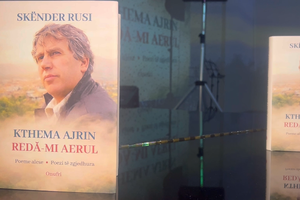
Two years after his passing, the renowned Korçë poet Skënd...
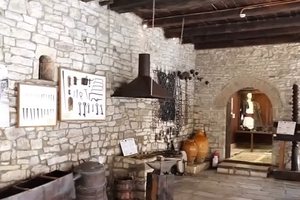
The Ethnographic Museum of Berat has opened its doors to v...
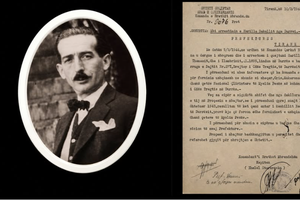
The story of Harilla Bakalli is one of the most chilling t...

This Saturday, one US dollar is bought for 81.4 lek and so...

Despite years of efforts at regional cooperation and free ...
Albania is the country with the highest level of severe ma...

This Friday, one US dollar is bought for 81.3 lek and sold...