

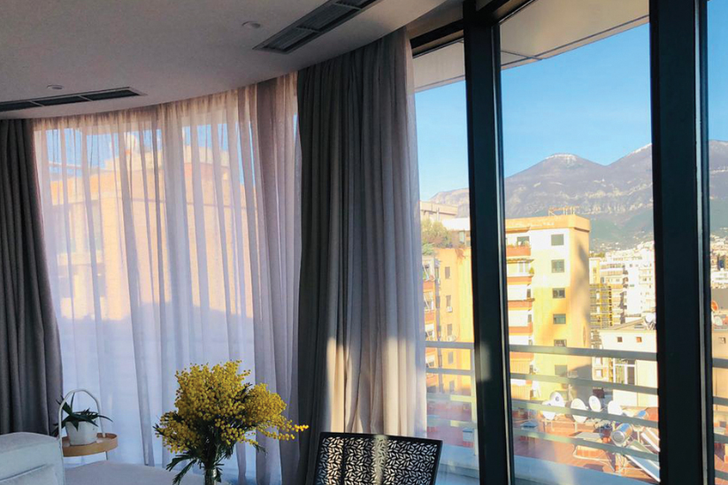
Keydata: Apartment prices in Q2 2025 tripled compared to 2005
The average price per square meter of apartments in Tirana...



The direct risk to banks' balance sheets from exchange rate changes was at low levels. According to information from the Bank of Albania, in the middle of this year the indicator of the net open foreign exchange position of the banking sector, which is used to assess this risk, was "in buy" at the level of 5.6% of regulatory capital.
The level of this position was about 1 percentage point higher compared to six months and a year ago, however it remains significantly below the maximum regulatory limit. During the 6-month period of 2025, this position has not shown significant fluctuations, remaining close to the values ??of the last year.
The net open foreign exchange position for each foreign currency (or in gold) is calculated as the difference between assets and liabilities in foreign currency, including accrued interest, as well as transactions (spot or forward) that involve the purchase and sale of currencies that have been agreed upon but have not yet been recorded in the accounting books.
The bank's total net open foreign exchange position at the end of each business day should not exceed 30% of its regulatory capital. The bank's net open foreign exchange position in a particular foreign currency (or in gold) at the end of each business day should not exceed 20% of its regulatory capital.
The performance of the overall banking sector indicator is largely determined by the performance of the indicator for systemically important banks. For these banks, the net open foreign exchange position “on purchase” was as much as 9.1% of the value of their regulatory capital. This value was significantly higher than the levels of 5.6% and 6.4% recorded six months and a year ago.
While the net open foreign exchange position of non-systemic banks was "on sale" at the level of 0.4% of regulatory capital. Six months and a year ago, their position was "on purchase" and as much as 0.8% and 0.3% of the regulatory capital of these banks.
Despite the occasional change in the direction of the net open position, "buying" or "selling", the exposure of non-systemic banks does not exceed the level of 2% of their regulatory capital, and this level has remained stable over time.
Non-systemic banks generally present low and stable exposure to exchange rate fluctuations.
The exchange rate between the Euro and the Lek has experienced a significant decline in recent years. In the last five years, the depreciation of the Euro against the Lek is estimated at more than 22%. However, exchange rate fluctuations have not caused problems in the balance sheets of banks, also due to the low levels of direct exposure to this risk.
Meanwhile, the risk associated with the quality of unhedged foreign currency loans (when the borrower takes out loans in a currency other than the one in which he earns his income) is also decreasing. The non-performing loan ratio for this loan portfolio stood at 3.7% at the end of June 2025, down from 4.3% a year earlier./ Monitor

The average price per square meter of apartments in Tirana...

Today, the US dollar will be exchanged for 82.5 lek when b...
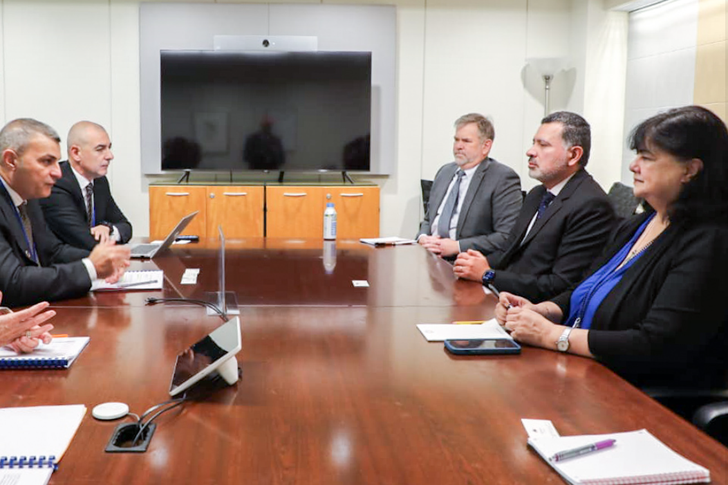
The Governor of the Bank of Albania, Gent Sejko, participa...
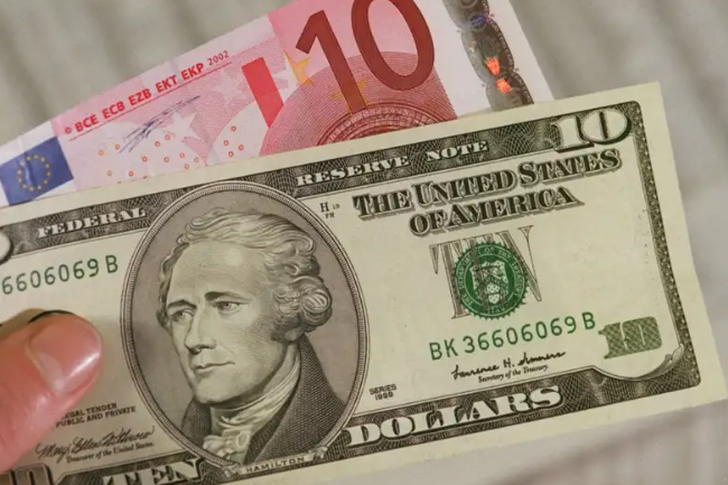
Today, the US dollar will be exchanged for 82.5 lek when b...
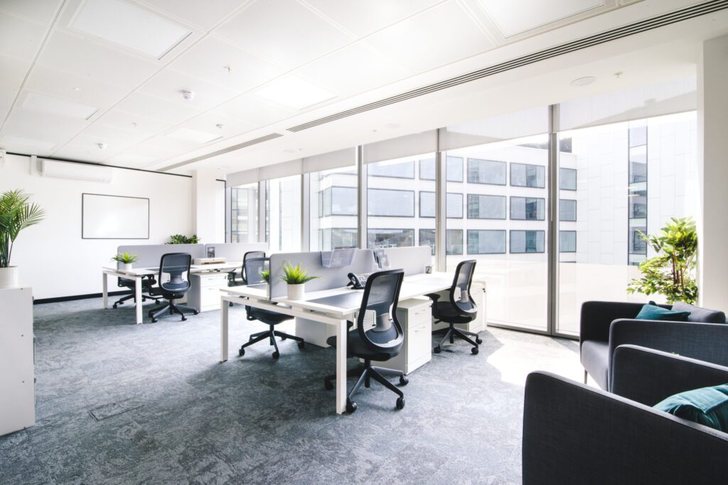
Tirana ranks first in Europe for office rental yield, acco...

Today, the US dollar will be exchanged for 82.4 lek when b...
At the peak of summer, foreigners chose the capital. Stati...

The Albanian Parliament recommends that the Electronic and...

Albania is aiming to join the European Union by 2030. It t...

Drug traffickers are increasingly using cryptocurrency pay...
Today, the US dollar will be exchanged for 82.6 lek when b...

12-month Treasury bond yields suffered a further decline i...
The government foresees increased attention to the phenome...
European stocks rose on Wednesday, following a series of s...

The insured amount of deposits in financial institutions i...

Today, the US dollar will be exchanged for 83.1 lek when b...

Budget indicators show positive progress in terms of reven...
The International Monetary Fund announced this Tuesday tha...

The Ministry of Finance has published today data from the ...
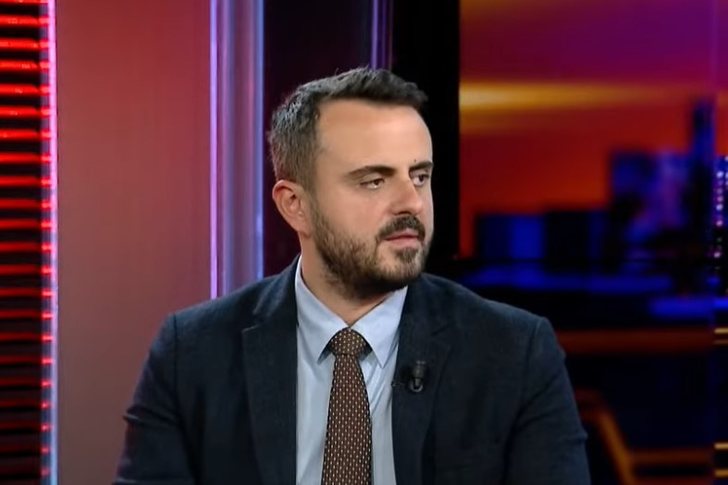
Democratic MP Besart Xhaferri was present today in the Eco...
Irfan Hysenbelliu claims to be a big businessman, an hones...

The murder of officer Enea Mekolli in the line of duty has...
The next case broadcast on the show "Stop", this Thursday,...
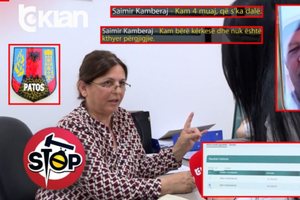
The case published this Thursday, June 4, on the show "Sto...

The Special Board of Appeal (KPA) decided this Monday ...

The KPA vetting decided this Thursday to dismiss the p...

Suela Salavaçi, a prosecutor in the Prosecutor's Offic...

The Special Board of Appeal reinstated the prosecutor ...
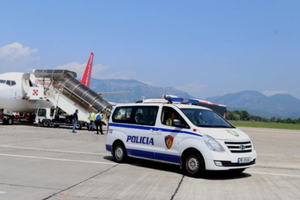
Following the cooperation of Interpol Tirana with Interpol...

An accident occurred this Saturday morning at Shkëmbi i Ka...
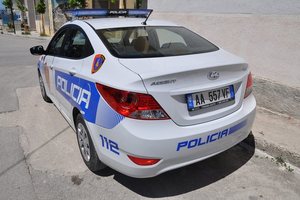
A TNT explosion occurred in Lezha in the early hours of th...
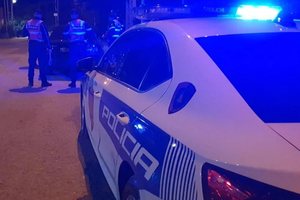
A massive brawl was recorded on Friday evening in Saranda,...
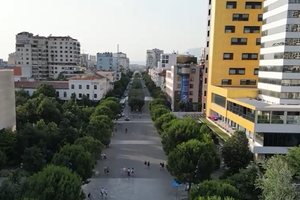
Albanians are officially the hardest working people in Eur...
This Saturday will be characterized by mostly clear weathe...
Today our country will be affected by stable weather condi...

For many children and teenagers, the long summer holidays ...

Millions of Europeans still apply for jobs without knowing...

Following the Covid-19 pandemic, the World Health Organiza...
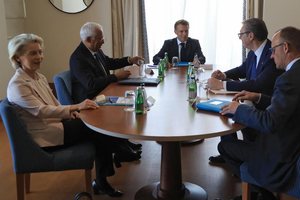
Leaders of the European Union and Western Balkan countries...
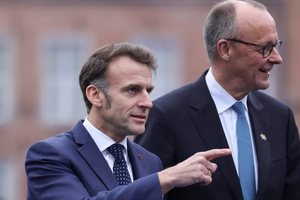
On the eve of the EU-Western Balkans summit, Germany and F...
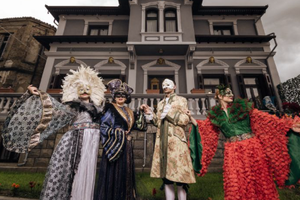
Korça is ready to open the summer season with one of the c...
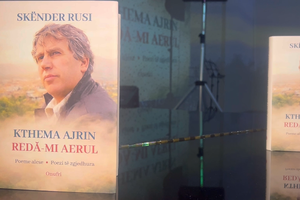
Two years after his passing, the renowned Korçë poet Skënd...
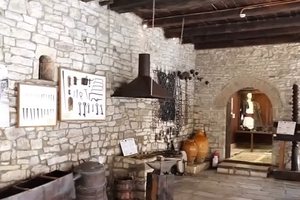
The Ethnographic Museum of Berat has opened its doors to v...
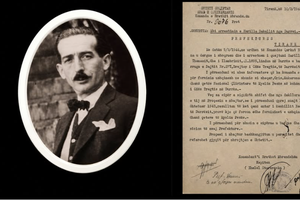
The story of Harilla Bakalli is one of the most chilling t...
The Transparency Board, in today's meeting, decided to red...

This Saturday, one US dollar is bought for 81.4 lek and so...
Despite years of efforts at regional cooperation and free ...
Albania is the country with the highest level of severe ma...