

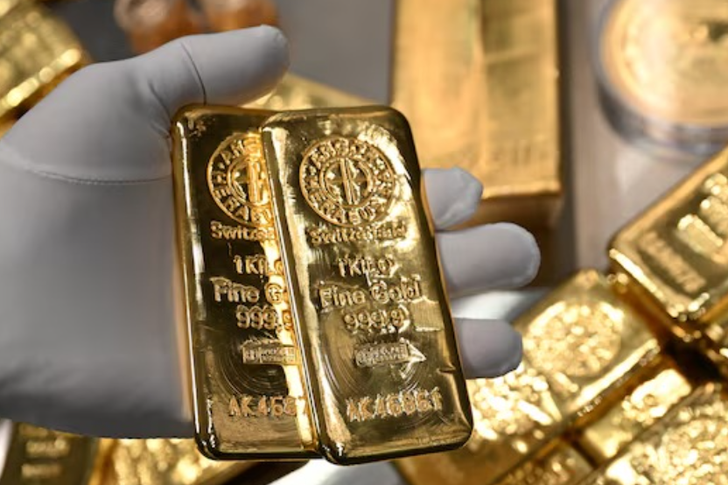
Gold falls back to the ground/ Markets brace for more volatility
Gold and silver stabilized on Wednesday, following their b...


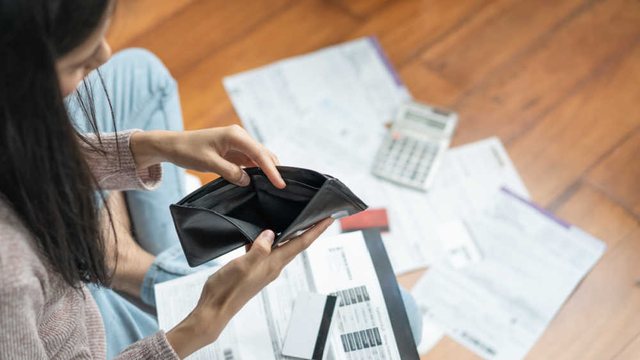
When Albanians are asked “How easy is it for you to make ends meet?”, about 55% of them answer “with great difficulty” or “with difficulty.” This figure is much higher than the European Union average, where only 17.4% of Europeans feel poor.
In the region, 34% of Serbs, half of Montenegrins and almost half of Macedonians feel poor.
Eurostat also measures subjective poverty, which is a new field of study, created to complement traditional indicators of poverty, such as the risk of being poor, severe material and social deprivation, or living in a household where almost no one is employed.
This is an indicator that measures people's personal perception of their ability to meet daily expenses, as opposed to relative poverty which is measured based on income. The question on which the survey is based is: "How easy is it for you to make ends meet?"
Unlike relative poverty indicators – which are calculated based on the average income of households in a country – the subjective poverty indicator measures respondents’ own perception of the difficulty in meeting daily expenses. The assessment takes into account the material situation of the family, including income, expenses, debts and assets. Respondents have 6 options to choose from: With great difficulty; With difficulty; Some difficulty; Quite easy; Easy; Very easy. According to the Eurostat definition, households that respond “with great difficulty” or “with difficulty” are considered to be in subjective poverty.
Albanians rank second in Europe in the concept of subjective poverty. Do you know which residents think they are the poorest? They are our Greek neighbors. 67% of Greeks perceive themselves to be poor, a record in Europe.
However, Albania has a high gap between the level of monetary poverty of official measurements, which is around 20% in 2024, and the perception of residents who think they are poor, which exceeds 50%, with a difference of over 30 percentage points.
INSTAT reported earlier that in 2024, the at-risk-of-poverty indicator in Albania is 19.2%, a decrease of 0.6 percentage points, compared to the reevaluated data for 2023. The at-risk-of-poverty threshold for a person in 2024 is estimated at 324,336 Lekë, compared to 262,325 Lekë in 2023.
The perception of poverty by Albanians is closer to the poverty and social exclusion indicator, which includes 40.5% of the population, according to data recently published by INSTAT.
This means that 40.5% of the population meets at least one of these three criteria:
-They are at risk of monetary poverty – a person's income is lower than 60% of the national average.
-They have severe material or social deprivation – the person is unable to afford basic expenses such as heating, paying bills, buying food, clothes, vacations, etc.
-Live in families with very low work intensity – when adults in a family work very little or not at all during the year.
One in six citizens of the European Union perceives themselves as poor, even though they may not be so according to official income indicators. According to the latest Eurostat data, for 2024, 17.4% of the EU population reported that they were coping with “difficulty” or “very difficult”, classifying themselves as being in subjective poverty.
Among EU member states, Greece had the highest percentage of people considered subjectively poor (66.8%), followed by Bulgaria (37.4%) and Slovakia (28.7%).
At the other end of the scale, the lowest levels were recorded in the Netherlands and Germany (both at 7.3%) as well as in Luxembourg (8.5%).
17.8% of Italians feel poor, compared to 22% of Spaniards and French.
Across Europe, women feel somewhat more affected by financial difficulties (17.8%) than men (17.0%). Subjective poverty is highest among young people under 18 (20.6%) and lowest among those over 65 (14.9%).
Eurostat emphasizes that subjective poverty is a complementary measure to the "objective" one - because it measures not only income, but also the feeling of insecurity caused by prices, debts and living standards in a given country.
In 16 EU countries, the percentage of those who feel poor is greater than that of people who are actually at risk of poverty according to income./ Monitor.al

Gold and silver stabilized on Wednesday, following their b...
Albanian families spend an average of 39.5% of their month...

Today, the US dollar will be exchanged for 82.7 lek when b...

Claims paid by accident insurance companies are growing at...
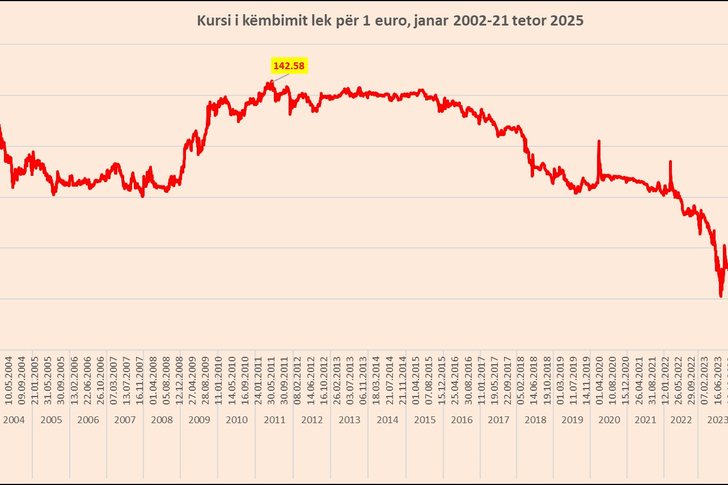
The Euro suffered a further decline in its exchange rate a...
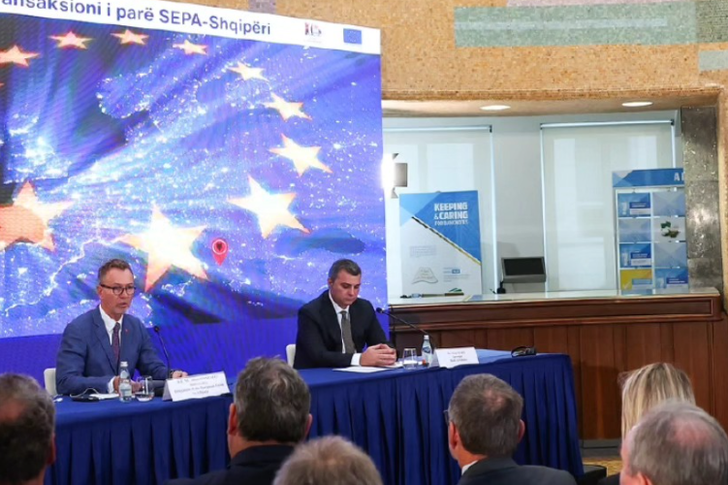
Since October 7, Albania has joined SEPA. On this occasion...
Today, the US dollar will be exchanged for 82.7 lek when b...
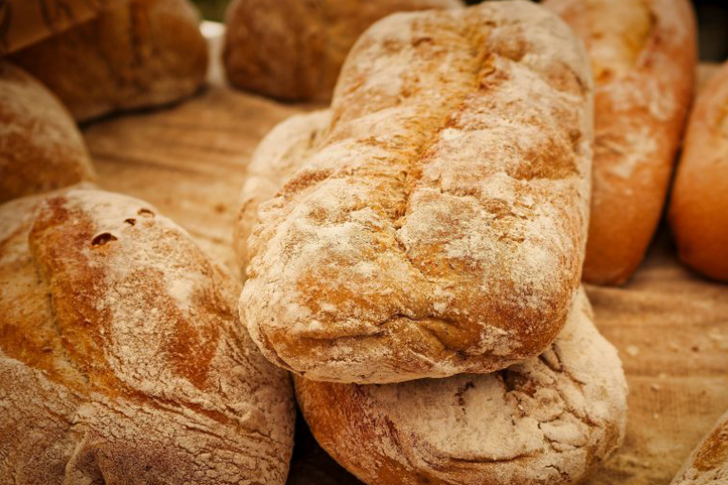
The bread market and, in general, dough products are expan...

The direct risk to banks' balance sheets from exchange rat...
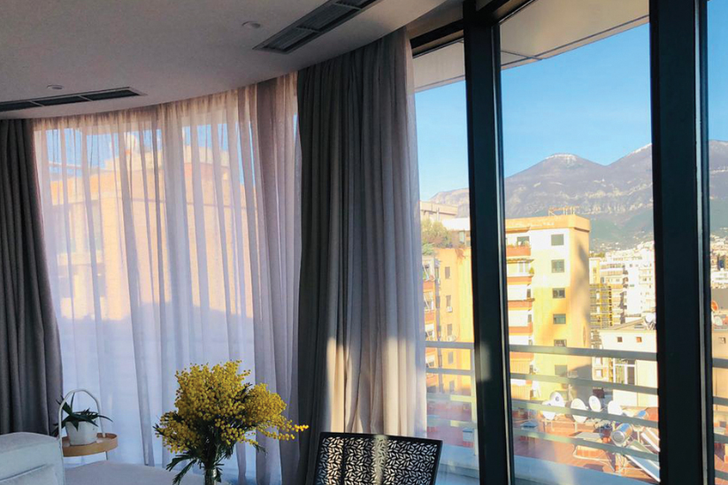
The average price per square meter of apartments in Tirana...

Today, the US dollar will be exchanged for 82.5 lek when b...
The Governor of the Bank of Albania, Gent Sejko, participa...
Today, the US dollar will be exchanged for 82.5 lek when b...
Tirana ranks first in Europe for office rental yield, acco...
Today, the US dollar will be exchanged for 82.4 lek when b...
At the peak of summer, foreigners chose the capital. Stati...
The Albanian Parliament recommends that the Electronic and...
Albania is aiming to join the European Union by 2030. It t...
Drug traffickers are increasingly using cryptocurrency pay...
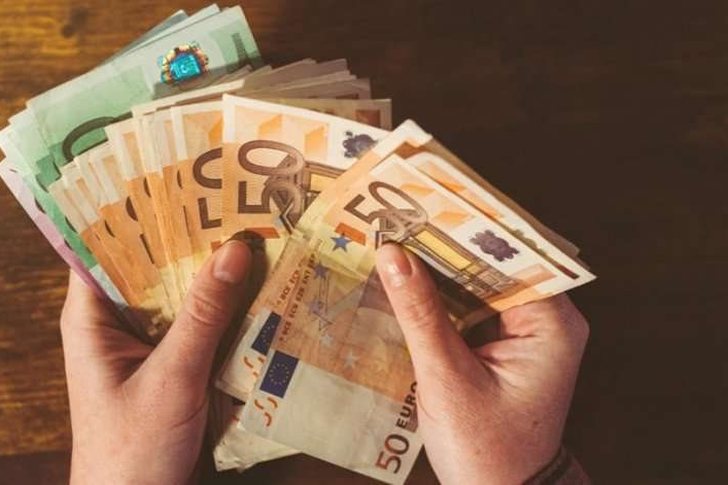
Today, the US dollar will be exchanged for 82.6 lek when b...
Irfan Hysenbelliu claims to be a big businessman, an hones...

The murder of officer Enea Mekolli in the line of duty has...
The next case broadcast on the show "Stop", this Thursday,...
The case published this Thursday, June 4, on the show "Sto...

The Special Board of Appeal (KPA) decided this Monday ...

The KPA vetting decided this Thursday to dismiss the p...

Suela Salavaçi, a prosecutor in the Prosecutor's Offic...

The Special Board of Appeal reinstated the prosecutor ...
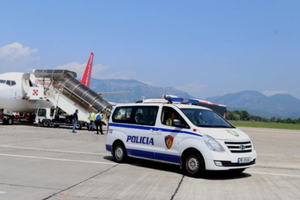
Following the cooperation of Interpol Tirana with Interpol...

An accident occurred this Saturday morning at Shkëmbi i Ka...
A TNT explosion occurred in Lezha in the early hours of th...
A massive brawl was recorded on Friday evening in Saranda,...
Albanians are officially the hardest working people in Eur...
This Saturday will be characterized by mostly clear weathe...
Today our country will be affected by stable weather condi...
For many children and teenagers, the long summer holidays ...
Millions of Europeans still apply for jobs without knowing...
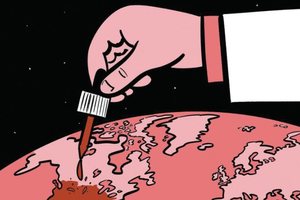
Following the Covid-19 pandemic, the World Health Organiza...
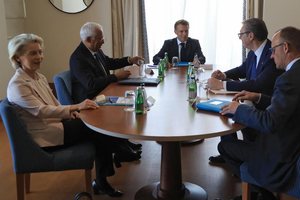
Leaders of the European Union and Western Balkan countries...
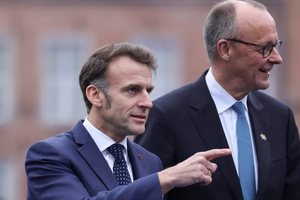
On the eve of the EU-Western Balkans summit, Germany and F...
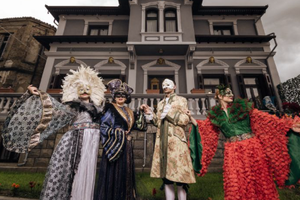
Korça is ready to open the summer season with one of the c...
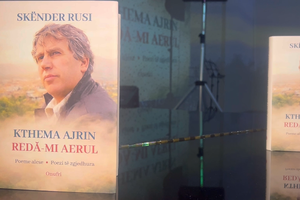
Two years after his passing, the renowned Korçë poet Skënd...
The Ethnographic Museum of Berat has opened its doors to v...
The story of Harilla Bakalli is one of the most chilling t...
This Saturday, one US dollar is bought for 81.4 lek and so...
Despite years of efforts at regional cooperation and free ...
Albania is the country with the highest level of severe ma...
This Friday, one US dollar is bought for 81.3 lek and sold...