


Businessman Artur Shehu breaks his silence: I am a long-time land owner in Zvërnec, I don't know the investors at all
Albanian businessman Artur Shehu spoke on the Opinion show...

Albanian businessman Artur Shehu spoke on the Opinion show...

A recent report by the European Bank for Reconstruction and Development, which focuses on the potential economic effects of the conflict in the Middle East, did not list Albania among the economies expected to be most affected by the crisis in the Middle East.
In the region, the countries that will be most affected are North Macedonia, Montenegro, and Serbia.
The index takes into account military impact, direct disruptions to trade and tourism, imports of oil, gas and fertilizers, remittances from the Gulf Cooperation Council (GCC) economies, and the fiscal capacity of governments to withstand shocks from rising energy and food prices (measured by the inverse of the interest payments to GDP ratio). Albania seems to benefit from the fact that the country is considered to have a low oil trade deficit, because it is also an exporter, unlike North Macedonia.
Albania already has a lower oil intensity in the economy than North Macedonia, Bosnia, Montenegro and Serbia, measured in barrels per 1,000 USD of GDP (see chart below).
Although Albania is the second country in the EBRD region with the highest dependence on tourism, after Lebanon, measured by tourism revenue relative to GDP (see tourism graph), the country is still not listed on the list of countries that will be affected, as it is located far from conflict states.
Impact on the EBRD region
The economic impact of the conflict in the Middle East, according to the latest EBRD report, is mainly related to rising energy prices, disruptions in trade and tourism, and tightening financial conditions globally.
Oil prices have surged above $100 a barrel, while gas prices in Europe have doubled, putting pressure on importing economies and driving up global inflation. If these price levels remain high, global economic growth could be cut by at least 0.4 percentage points, while inflation could rise by more than 1.5 percentage points.
The report notes that the effects are not the same for all countries. Economies that depend more on energy imports, remittances from the Gulf countries or tourism are most exposed. The list of countries most affected includes Lebanon, Jordan, Egypt, Ukraine, Moldova, Turkey and, in the Balkan region, North Macedonia.
These countries have either high dependence on imported energy, or strong trade and financial ties with the Gulf region.
In the Western Balkans, the impact is uneven. North Macedonia ranks among the most exposed due to its high energy deficit and dependence on imports, while Montenegro and Serbia also show a higher level of vulnerability, due to the structure of the economy and trade links. Meanwhile, Albania does not appear on the list of the most affected countries, which is related to several structural factors.
First, Albania's direct trade links with the Gulf countries and Iran are relatively limited compared to other economies, which reduces exposure to direct disruptions in trade.
Secondly, remittances from Gulf countries do not constitute a significant part of the Albanian economy, unlike countries like Egypt or Jordan, where they reach up to 4-8% of GDP.
Another element relates to the structure of tourism. While countries like Jordan and Lebanon are heavily dependent on international tourism and are directly exposed to insecurity in the region, Albania benefits from a more diversified tourist base and proximity to European markets, making it less vulnerable to crises in the Middle East.
Although the report does not list Albania among the most affected countries, this does not mean that Albania is immune. As a net importer of energy, it remains exposed to rising oil and gas prices, which are transmitted in higher costs to businesses and consumers. Similarly, rising prices of chemical fertilizers and food, which are directly linked to energy, could fuel inflationary pressures in the country./ Monitor Magazine

The Minister of Economy, Delina Ibrahimaj, stated that the...
The Minister of Economy, Delina Ibrahimaj, stated that the...
In the domestic market, in addition to the increase in oil...

After fuel prices increased by 22% and cooking oil by up t...
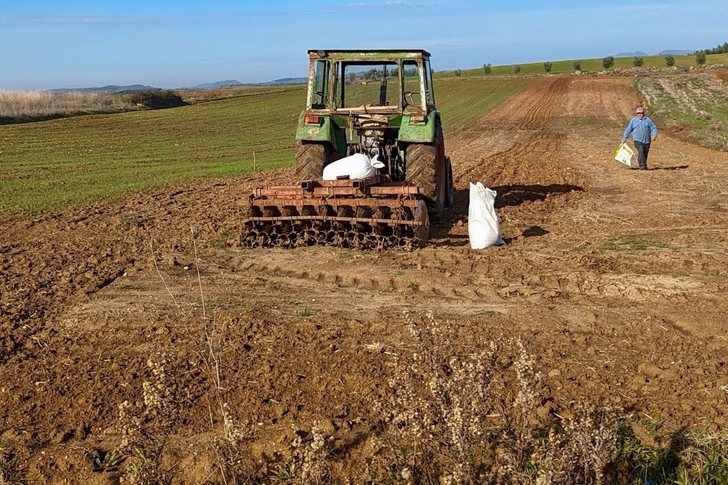
2025 was the fifth year that the agricultural sector recor...
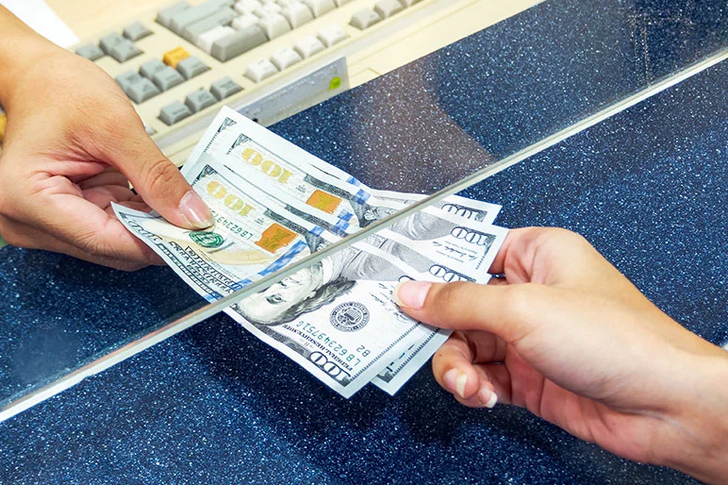
This Friday, one US dollar is bought for 82.5 lek and sold...
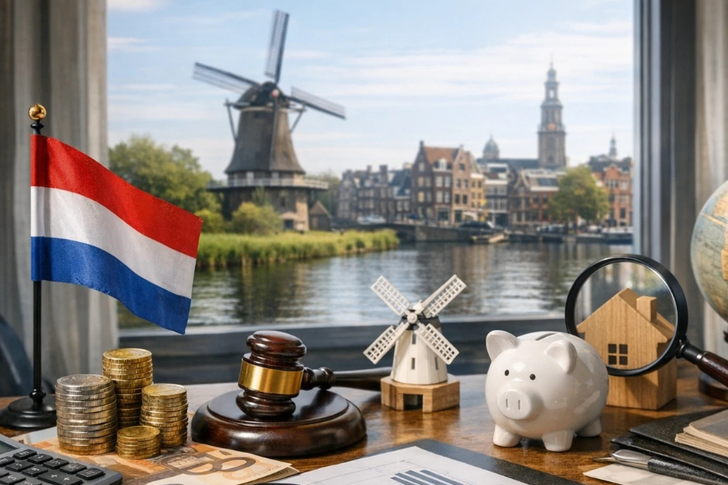
Holanda rifitoi “fronin” e investitorit kryesor të huaj në...
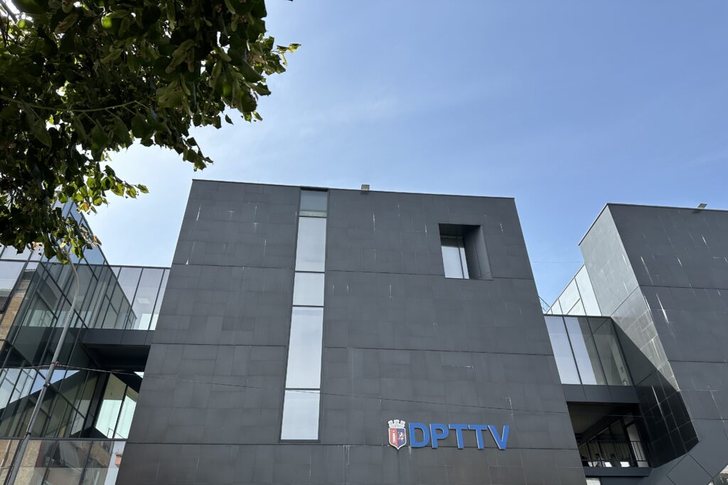
The General Directorate of Local Taxes and Tariffs at the ...
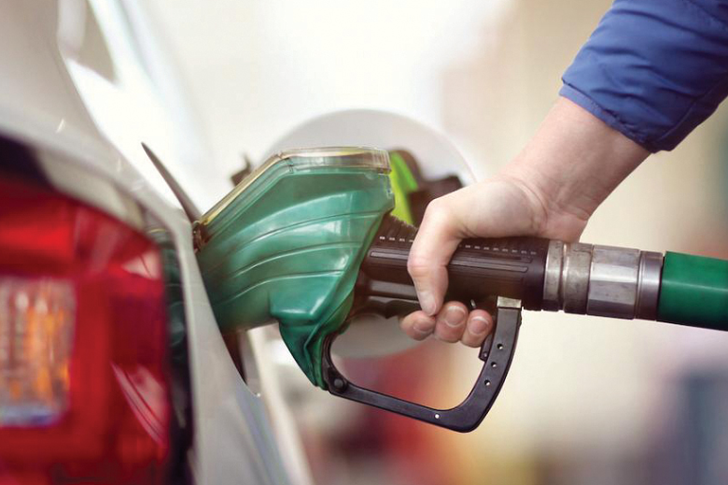
The queue of vehicles has increased at the gas station in ...
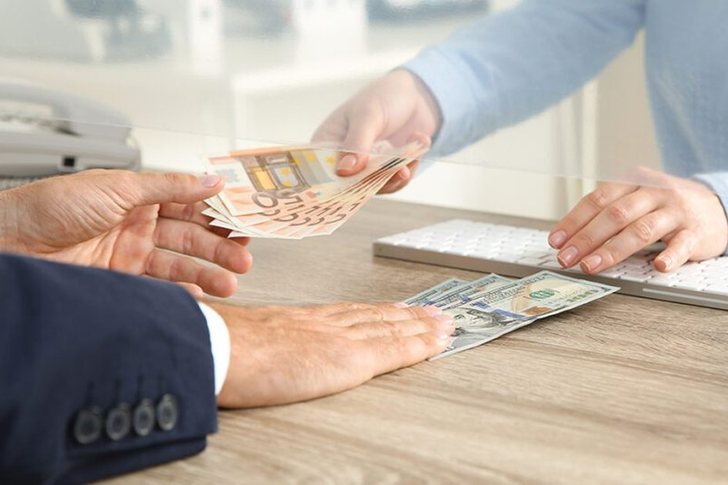
This Thursday, one US dollar is bought for 82.3 lek and so...
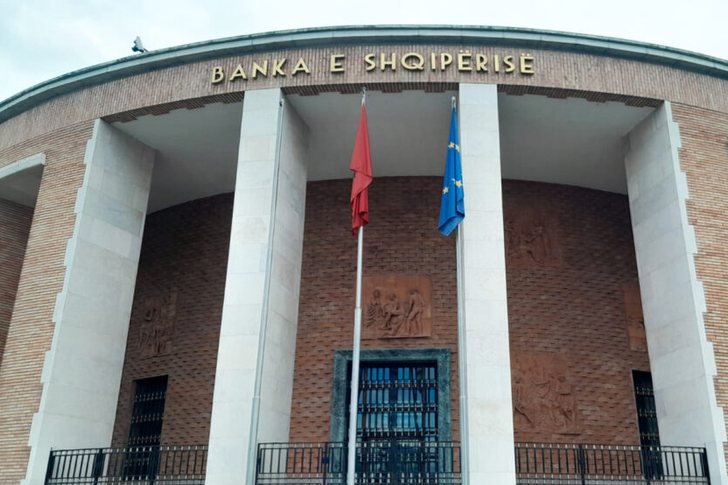
Jet Bank completes the licensing process from the Bank of ...
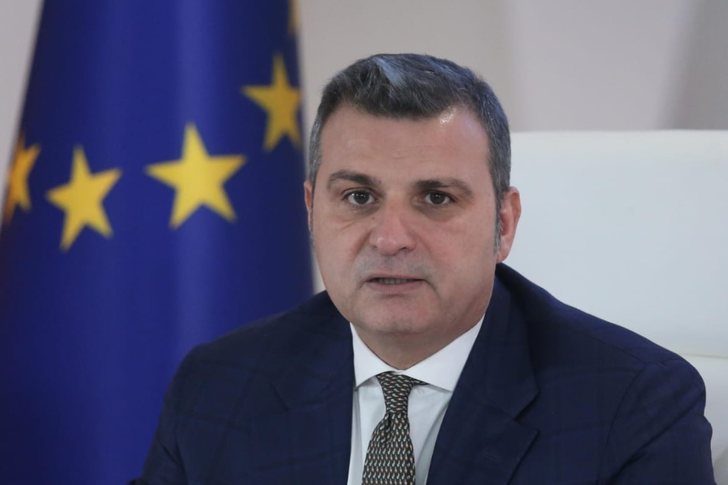
The Governor of the Bank of Albania, Gent Sejko, held a pr...
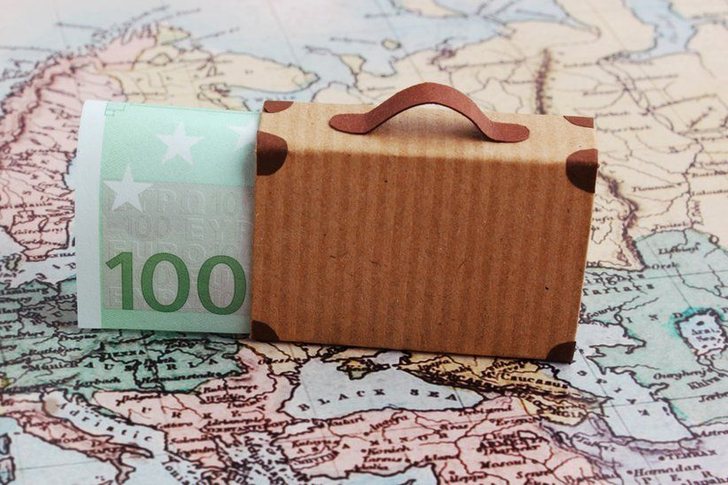
Paratë që emigrantët sjellin te familjet e tyre në Shqipër...
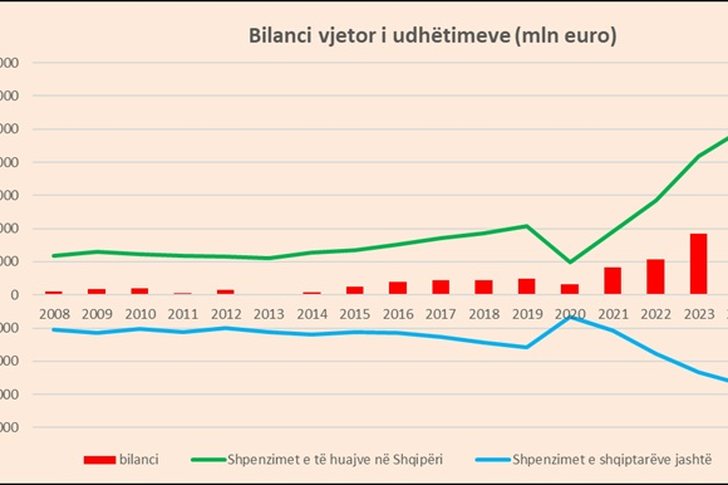
Although the pace of entry of foreign nationals slowed sig...
Tourism has not managed to catch up with the positive grow...
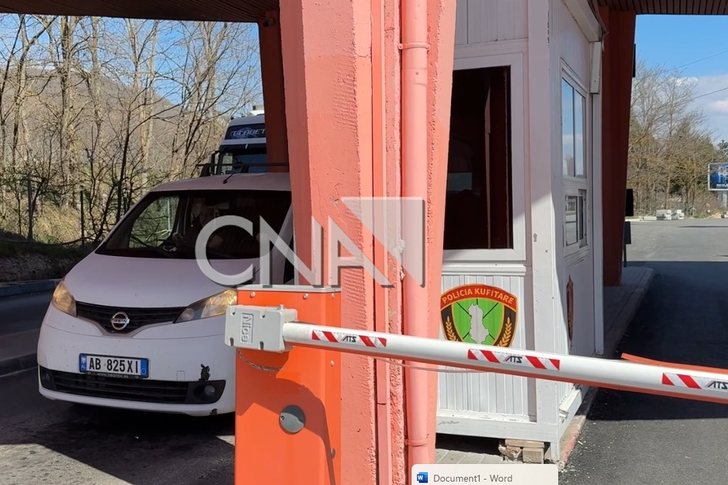
The increase in fuel prices in Albania has increased the m...
Today, a liter of diesel in the retail market is traded at...
This Wednesday, one US dollar is bought for 82.1 lek and s...
As in Tirana, the 8% level for the infrastructure impact t...
Short-term statistics for the last quarter of 2025 show a ...

The next case broadcast on the show "Stop", this Thursday,...
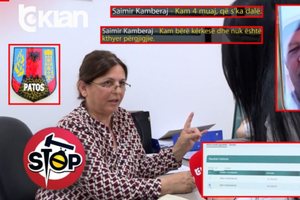
The case published this Thursday, June 4, on the show "Sto...

The protests of recent days related to the situation in Zv...

The case addressed this Wednesday, June 3, on the show "St...

The Special Board of Appeal (KPA) decided this Monday ...

The KPA vetting decided this Thursday to dismiss the p...

Suela Salavaçi, a prosecutor in the Prosecutor's Offic...

The Special Board of Appeal reinstated the prosecutor ...
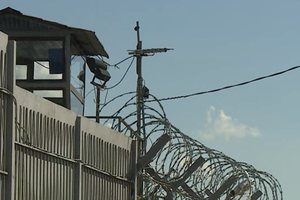
A convict was found dead today in the premises of the Pris...
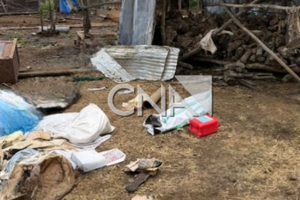
Several images provided by CNA show the area where this mo...

A quantity of explosive material exploded this morning at ...
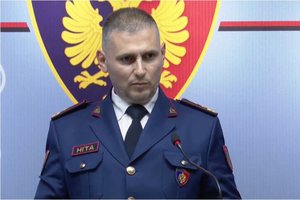
The Head of the State Police, Skënder Hita, expressed his ...

For many children and teenagers, the long summer holidays ...
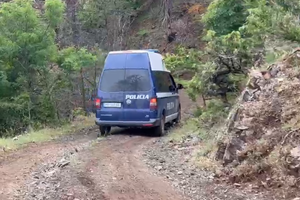
Witnesses in Lozhan, Maliqi, have shared details from the ...
Albania is facing an unprecedented demographic transition,...
On Thursday, our country will be affected by unstable weat...
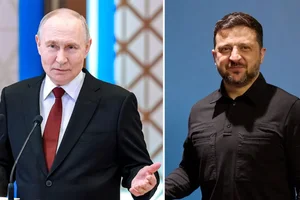
Russian President Vladimir Putin said the war in Ukraine c...
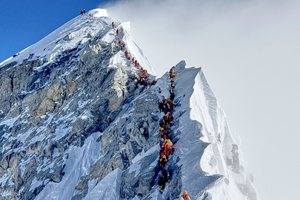
An extraordinary story of survival has been recorded in Ne...
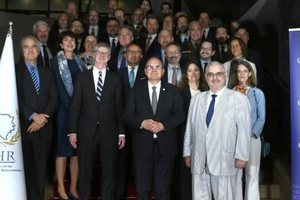
The Peace Implementation Council in Bosnia and Herzegovina...
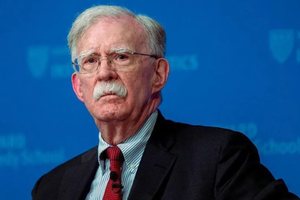
John Bolton, the former national security adviser to US Pr...

Korça is ready to open the summer season with one of the c...
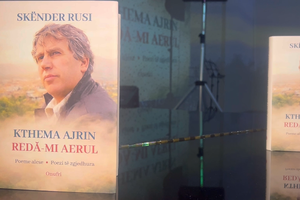
Two years after his passing, the renowned Korçë poet Skënd...
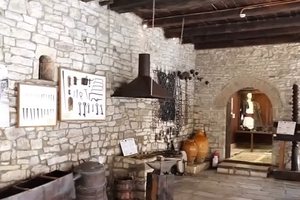
The Ethnographic Museum of Berat has opened its doors to v...
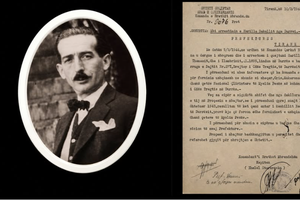
The story of Harilla Bakalli is one of the most chilling t...
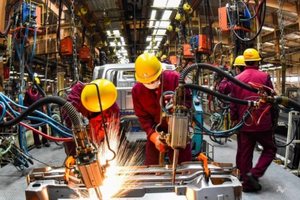
The government aims to transform the country's industrial ...
Kursi i këmbimit të euros me lekun ka rënë më tej këtë jav...
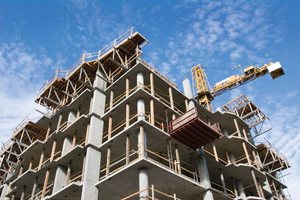
Profit margins in the construction sector have increased s...
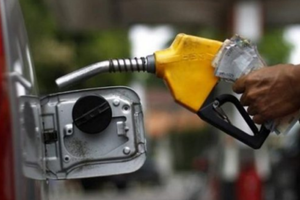
The Transparency Board, at its meeting today, decided to i...