


Businessman Artur Shehu breaks his silence: I am a long-time land owner in Zvërnec, I don't know the investors at all
Albanian businessman Artur Shehu spoke on the Opinion show...

Albanian businessman Artur Shehu spoke on the Opinion show...

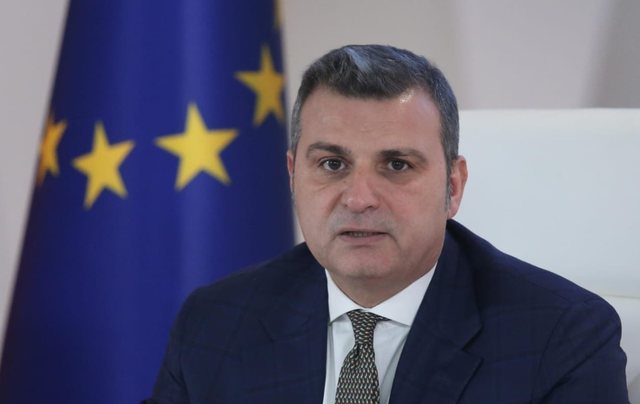
The Governor of the Bank of Albania, Gent Sejko, held a press conference today on monetary policy decision-making. Sejko stated during his speech that in the first quarter of 2026 there was a positive performance of the Albanian economy.
He further said that the volume of economic activity, employment and wages in the non-agricultural private sector have been increasing, inflation remains at low levels, while financial markets appear calm and credit to the private sector continues to record solid and stable growth.
The Governor further added that the conflict in the Middle East constitutes a significant source of risk for the future performance of the global and Albanian economy. At the end of his speech, Sejko also announced the decisions of the Supervisory Council of the Bank of Albania.
Sejko's full speech:
Today, on March 25, 2026, the Supervisory Council of the Bank of Albania reviewed and approved the Monetary Policy Report.
The information analyzed suggests a positive performance of the Albanian economy until the first quarter of 2026. The volume of economic activity, employment and wages in the non-agricultural private sector have been increasing, inflation remains at low levels, while financial markets appear calm and credit to the private sector continues to record solid and stable growth.
The Bank of Albania's monetary policy has also made a positive contribution to this performance. Its timely and consistent response has enabled the normal functioning of financial markets and created appropriate monetary conditions for returning inflation to target.
In the baseline scenario, the country's development trends are expected to remain positive in the future. The Albanian economy is expected to grow at solid growth rates over the next two years, while inflation is expected to return to target during 2026. However, the conflict in the Middle East constitutes a significant source of risk for the future performance of the global and Albanian economies, a risk that is difficult to assess with an acceptable degree of certainty at the current time.
In these circumstances, the Supervisory Council decided to keep the monetary policy stance unchanged, while simultaneously increasing vigilance towards dynamic developments in the global environment.
Allow me to provide you, below, with a more detailed overview of our opinion on economic and financial developments, as well as detail the monetary policy decision and the reasons that motivated it.
Inflacioni i çmimeve të konsumit shënoi një nivel mesatar prej 2.4% në dy muajt e parë të vitit 2026, duke regjistruar një rritje të lehtë kundrejt tremujorit paraardhës. Kjo ecuri ishte në përputhje me pritjet tona. Ajo u diktua nga rritja e çmimeve të qirave, të disa artikujve ushqimorë, të disa artikujve të shërbimeve, si dhe stabilizimi në nivel vjetor i çmimit të energjisë elektrike për familjet.
Në aspektin makroekonomik, ecuria ende nën objektiv e inflacionit vijon të pasqyrojë nivelet e ulëta të inflacionit të importuar dhe pasojat e goditjeve pozitive të ofertës gjatë vitit 2025. Rënia e presioneve të huaja është ndikuar nga ecuria e inflacionit në partnerët tanë tregtarë dhe nga forcimi i kursit të këmbimit të lekut. Nga ana tjetër, presionet e brendshme mbi inflacionin kanë ardhur në rritje gjatë muajve të fundit, sikundër dëshmohet nga ecuria e inflacionit bazë dhe e atij të brendshëm. Megjithatë, kjo rritje duket se është përqendruar në segmentin e çmimit të qirave. Duke përjashtuar efektin e tyre, trendet afatmesme të çmimeve mbeten në linjë me objektivin tonë të inflacionit, si pasojë e ecurisë së qëndrueshme të kostove të punës, të marzheve të fitimit dhe të pritjeve për inflacionin.
Sipas të dhënave të Instat-it dhe projeksioneve tona, vëllimi i aktivitetit ekonomik në vend vlerësohet të jetë rritur rreth nivelit 3.7% gjatë vitit të shkuar. Zgjerimi i aktivitetit u mbështet nga rritja e konsumit familjar, e investimeve të sektorit privat, dhe e eksportit të shërbimeve. Nga ana tjetër, politika fiskale ka vijuar të shfaqë një natyrë konsoliduese ndërsa eksporti i mallrave ka shënuar rënie. Ky profil kërkese ka nxitur zgjerimin e sektorëve të shërbimeve e të ndërtimit, ndërsa sektori i bujqësisë dhe ai i industrisë kanë vijuar të tkurren. Informacioni i tërthortë i disponuar sugjeron për ritme dhe strukturë të ngjashme rritjeje edhe gjatë tremujorit të parë të këtij viti.
Rritja e kërkesës për mallra e shërbime është pasqyruar edhe në tregun e punës. Punësimi në sektorin privat jo-bujqësor u rrit me 5.6% gjatë vitit 2025, paga mesatare u rrit me 8.5%, ndërsa norma e papunësisë në fund të vitit qëndroi në një nivel të ulët historik prej 8.3%. Rritja e shpejtë e pagave nuk është përcjellë e plotë në rritje të çmimeve, si pasojë e absorbimit të saj nga rritja e produktivitetit dhe reduktimi i marzhit të fitimit të bizneseve. Megjithatë, kërkesa e lartë për punë nga bizneset dhe mungesa e ofertës vijojnë ta mbajnë tregun e punës nën tension.
Në këndvështrimin makroekonomik, rritja ekonomike vijon të mbështetet nga bilancet e shëndosha të sektorit privat, besimi i familjeve dhe bizneseve për të ardhmen, zgjerimi i të ardhurave nga turizmi, si dhe kushtet e favorshme të financimit.
Politika e kujdesshme monetare e Bankës së Shqipërisë ka pasur një rol esencial në ruajtjen e stabilitetit të çmimeve, duke ndihmuar kontrollin e pritjeve për inflacionin dhe duke kontribuuar në përmirësimin e kushteve të financimit. Më konkretisht, lehtësimi i qëndrimit të politikës monetare gjatë vitit 2025 solli një ulje të mëtejshme të normave të interesit të kredive dhe u pasqyrua në një rritje të qëndrueshme e të shpejtë të saj. Po ashtu, prezenca e shtuar e Bankës së Shqipërisë në tregun e brendshëm valutor tërhoqi një pjese të ofertës së shtuar të valutës, duke mundësuar një nivel më të qëndrueshëm të kursit të këmbimit.
Për rrjedhojë, tregjet financiare vijojnë të karakterizohen nga likuiditet i bollshëm, norma të ulëta interesi, bilance të shëndosha të sektorit bankar, si dhe një përqasje pozitive ndaj kreditimit.
Kushtet e favorshme të financimit janë pasqyruar në zgjerimin e shpejtë dhe me bazë të gjerë të kredisë për sektorin privat. Portofoli i kredisë shënoi një rritje vjetore prej pothuaj 14% gjatë dy muajve të parë të vitit 2026, duke vijuar të shfaqë tregues të mirë cilësie, përqendrim të rritur në lekë, si dhe duke mbetur e orientuar drejt financimit të projekteve të investimit të bizneseve dhe blerjes së banesave për familjet. Rritja e kredisë bankare ka vijuar të mbështesë zgjerimin e konsumit dhe të investimeve të sektorit privat, si dhe ka mbuluar nevojat e përkohshme të tyre për likuiditet, duke dhënë në këtë mënyrë një kontribut pozitiv në rritjen ekonomike.
Në tërësi, zhvillimet ekonomike, monetare dhe financiare të muajve të fundit kanë qenë në linjë me pritjet tona dhe sugjerojnë se ekonomia shqiptare vijon të qëndrojë në një trend pozitiv zhvillimi. Për rrjedhojë, në mungesë të goditjeve të forta të ofertës, parashikimet tona të skenarit bazë tregojnë se inflacioni do të kthehet gradualisht në objektiv gjatë vitit 2026. Po ashtu, aktiviteti ekonomik pritet të vijojë të rritet me ritme solide gjatë viteve në vijim, i nxitur nga zgjerimi i mëtejshëm i konsumit, investimeve dhe eksportit të turizmit, dhe të mundësojë një rritje të mëtejshme të punësimit e të pagave.
However, the military conflict and geopolitical tensions in the Middle East are an extreme source of risk and uncertainty for the global and Albanian economies . This conflict has led to a rapid and strong increase in the price of oil and other energy products on world markets. The duration, intensity and indirect transmission channels of this shock to the Albanian economy are difficult to assess with an acceptable degree of certainty. However, the extension in time and the increase in the intensity of this conflict could turn it into a serious supply shock, comparable to the one that followed the start of the war in Ukraine during 2022. Similar to this episode, this shock would have negative consequences for inflation and the country's economic growth in the future.
Based on the above, the Supervisory Council of the Bank of Albania decided:
-keep the base interest rate unchanged, at 2.5%;
-keep the overnight deposit interest rate unchanged, at 1.5%;
-keep the overnight loan interest rate unchanged, at 3.5%.
The Supervisory Board judged that the current monetary policy stance remains appropriate for the time being. First, this stance enables the fulfillment of the baseline scenario projections, providing the Albanian economy, in the absence of strong supply shocks, with appropriate monetary conditions for the return of inflation to target. Second, this stance addresses the current high uncertainty about the future performance of the economy and inflation. Similar to the response of other central banks, it allows more time to monitor the performance of oil prices in international markets and to assess their impact on the country.
The Supervisory Board also noted that the materialization of supply shocks will require prudent monetary and fiscal measures. These measures should prioritize maintaining the country's economic and financial stability and protecting the most vulnerable segments of the economy and society. As mentioned above, the monetary policy response will continue to be oriented, in any case, towards respecting the price stability objective, taking care that the supply shock does not turn into sustained and long-term inflationary pressures.
The Supervisory Council will monitor the situation carefully and continuously. Based on new data, it remains ready to react in a timely, appropriate and forceful manner to any material risk to price stability. / CNA

Paratë që emigrantët sjellin te familjet e tyre në Shqipër...
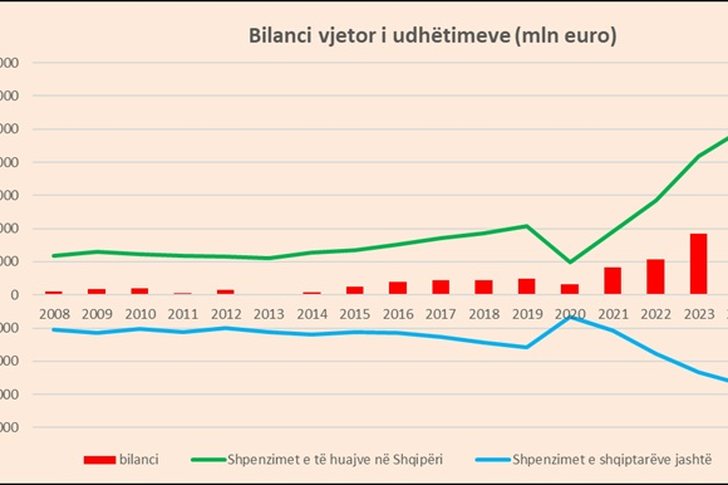
Although the pace of entry of foreign nationals slowed sig...
Tourism has not managed to catch up with the positive grow...
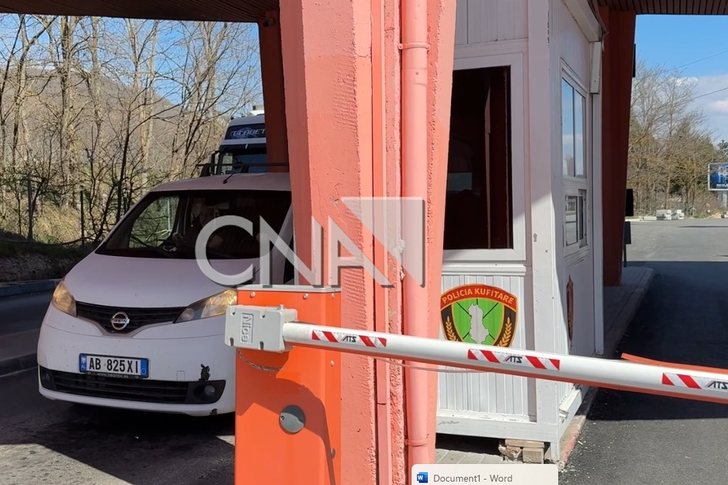
The increase in fuel prices in Albania has increased the m...
Today, a liter of diesel in the retail market is traded at...
This Wednesday, one US dollar is bought for 82.1 lek and s...
As in Tirana, the 8% level for the infrastructure impact t...
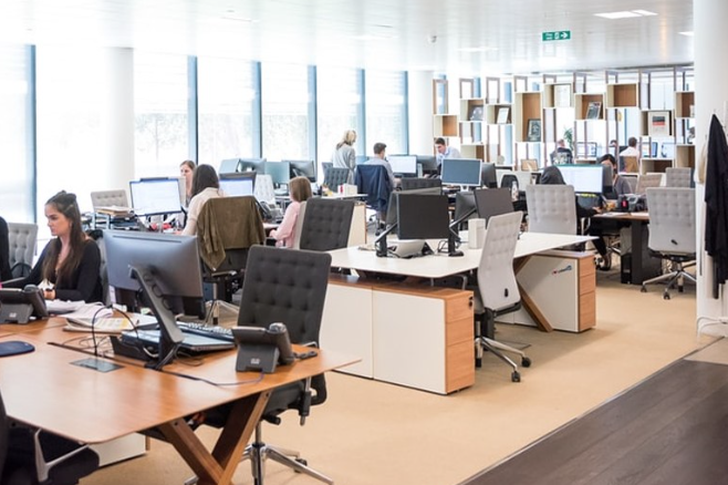
Short-term statistics for the last quarter of 2025 show a ...
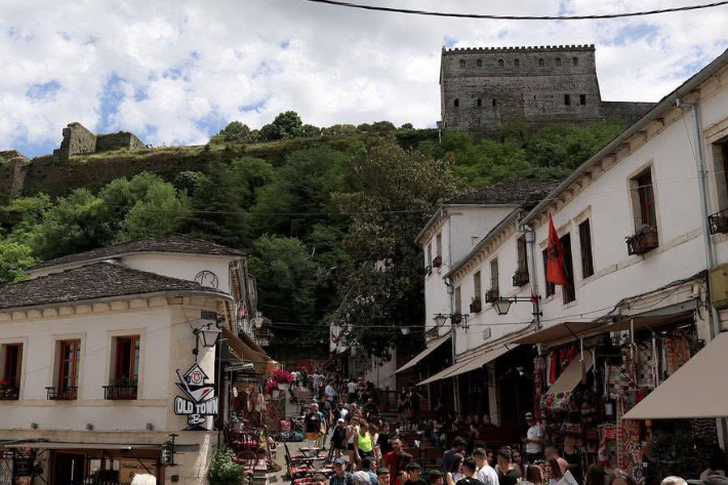
A mother and daughter from Denmark chose to visit Albania ...
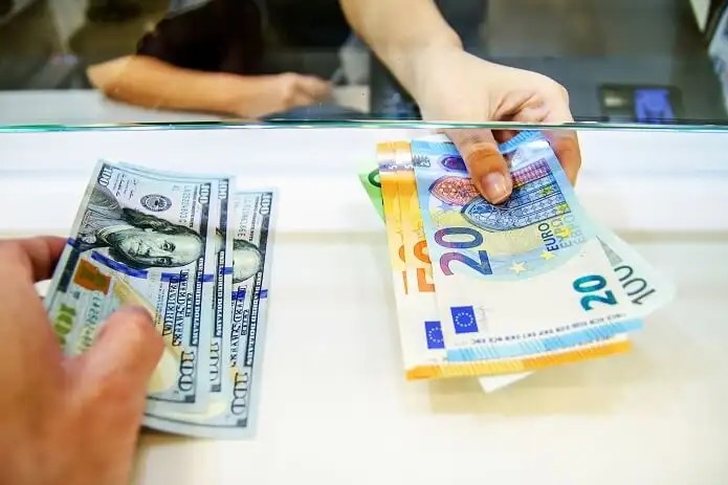
This Tuesday, one US dollar is bought for 82.6 lek and sol...
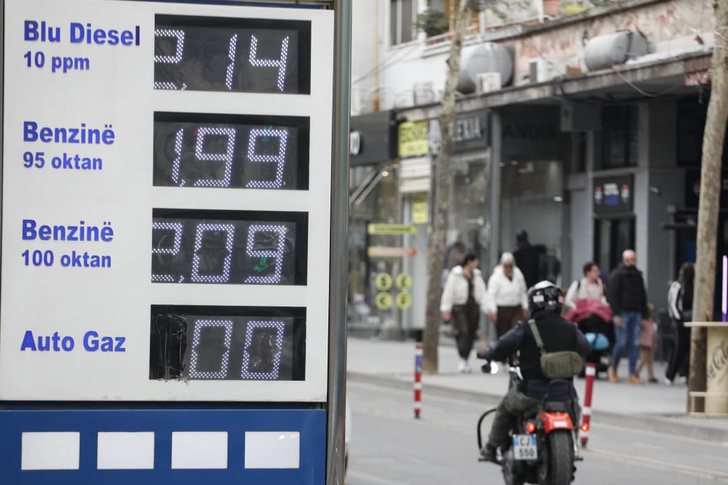
The situation in the fuel market in Albania is alarming fo...
Today in the foreign exchange market, the euro will be exc...
In a world that is increasingly volatile, the economies th...
The economy is showing the first signs of fatigue, while t...
This Sunday, one US dollar is bought for 82.4 lek and sold...
Economic experts warn that domestic production, due to wea...
In these first 12 or so days of the war in the Middle East...

This Saturday, one US dollar is bought for 82.4 lek and so...
The government has taken two decisions to stabilize the pr...
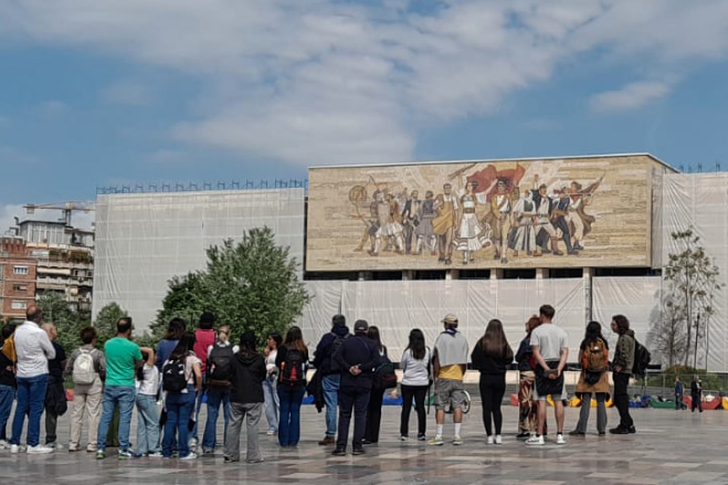
In addition to cigarettes, imports of other excise goods h...
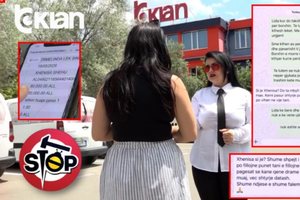
The next case broadcast on the show "Stop", this Thursday,...
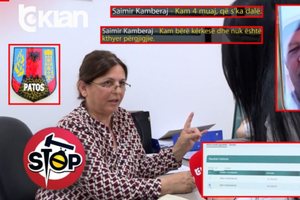
The case published this Thursday, June 4, on the show "Sto...

The protests of recent days related to the situation in Zv...
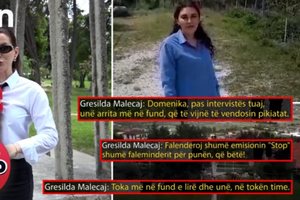
The case addressed this Wednesday, June 3, on the show "St...

The Special Board of Appeal (KPA) decided this Monday ...

The KPA vetting decided this Thursday to dismiss the p...

Suela Salavaçi, a prosecutor in the Prosecutor's Offic...

The Special Board of Appeal reinstated the prosecutor ...
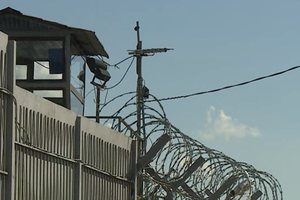
A convict was found dead today in the premises of the Pris...
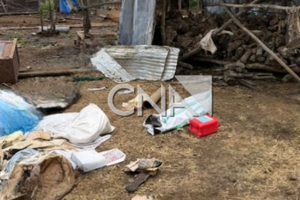
Several images provided by CNA show the area where this mo...

A quantity of explosive material exploded this morning at ...
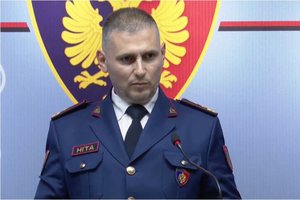
The Head of the State Police, Skënder Hita, expressed his ...

For many children and teenagers, the long summer holidays ...
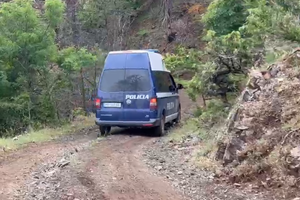
Witnesses in Lozhan, Maliqi, have shared details from the ...
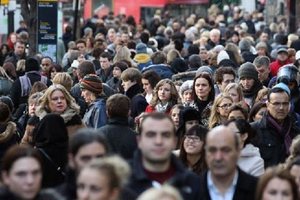
Albania is facing an unprecedented demographic transition,...

On Thursday, our country will be affected by unstable weat...

Russian President Vladimir Putin said the war in Ukraine c...
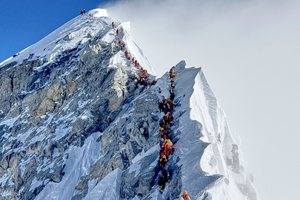
An extraordinary story of survival has been recorded in Ne...
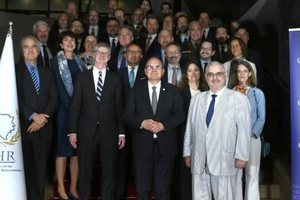
The Peace Implementation Council in Bosnia and Herzegovina...
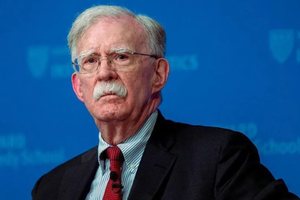
John Bolton, the former national security adviser to US Pr...
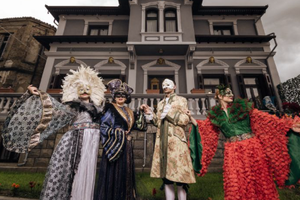
Korça is ready to open the summer season with one of the c...
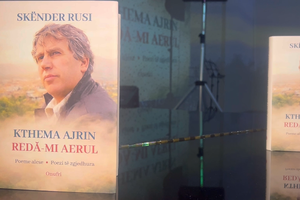
Two years after his passing, the renowned Korçë poet Skënd...
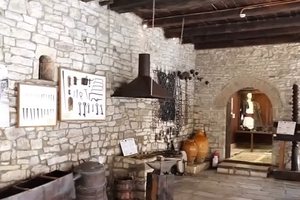
The Ethnographic Museum of Berat has opened its doors to v...
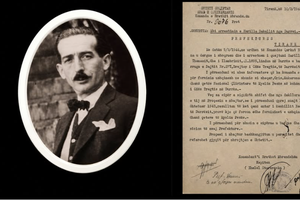
The story of Harilla Bakalli is one of the most chilling t...
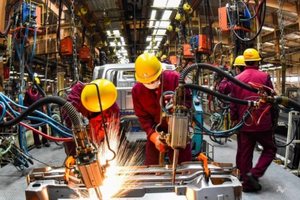
The government aims to transform the country's industrial ...
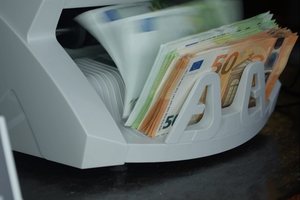
Kursi i këmbimit të euros me lekun ka rënë më tej këtë jav...
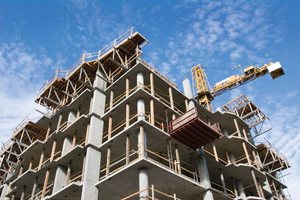
Profit margins in the construction sector have increased s...
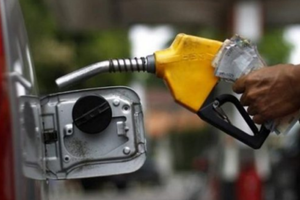
The Transparency Board, at its meeting today, decided to i...