


Today's weather/ Here's how many degrees the thermometer will show
Today our country will be affected by stable weather condi...

Today our country will be affected by stable weather condi...

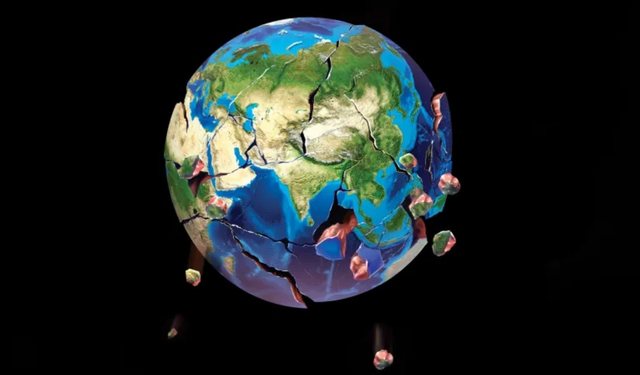
In a world that is increasingly volatile, the economies that survive are not those that are not hit, but those that have shock absorbers: functional industry, productive agriculture, competitive exports and policies designed for difficult times.
In a world where geopolitical tensions have become almost routine, the global economy is moving on increasingly uncertain ground. The crisis in the Middle East is immediately reflected in oil prices, transportation costs and supply chains.
Oil has become more expensive, sea lanes have become more dangerous, and markets are reacting nervously. As always, the final wave hits the consumer, from energy bills to food prices.
The world today is more interconnected than ever, but that is precisely what makes it even more fragile. A regional conflict produces global effects in record time. The war in Ukraine showed this clearly: energy markets were turned upside down, supply chains were disrupted and it took years for the European economy to find a new balance. Globalization is no longer just an advantage, but also a source of danger.
In this reality, Albania cannot be an exception. A small and open economy does not have the luxury of being insulated from external crises. But the question that remains unanswered is another: how many shock absorbers does the country have to withstand these shocks?
At first glance, everything seems fine. In fact, if you believe the statistics, there is good news, the economy is growing at a steady rate, surpassing many European countries. The latest INSTAT data showed that the sector that is doing better is real estate.
Sales have increased by about 36% and construction continues to be the main engine of growth. Excellent news, if it weren't a bit ironic that, in a time of global crisis, our economy is finding security in bricks and concrete!
On the other side of the table, the industry has long entered decline territory, losing momentum and momentum. So we build more, but produce less. A model that works well in quiet times, but rarely withstands shocks.
The paradox becomes even stronger in agriculture. Albania has one of the highest weights of this sector in Europe, around 15% of GDP, much higher than the average of around 2% in the EU.
However, market shelves are filled with imported products and prices for consumers are increasingly higher, even exceeding the European Union average, as the Eurostat index recently revealed.
In an agricultural country, vegetables are becoming a luxury item. The most positive development in recent years has been tourism, but in this case it is a double-edged sword: It is possible that the crisis will bring us more tourists, as they will flee conflict zones.
But it could also happen that the situation escalates and they don't leave the house at all. No one can predict what will happen!
In this picture, the lack of shock absorbers becomes apparent. In Europe, countries like Italy have intervened with anti-crisis packages to cushion the blow from rising prices and global uncertainties, such as the recent move to temporarily reduce excise taxes. These are immediate but necessary measures to protect the economy.
In Albania, such reflection is lacking. There is no clear package to cope with external crises, while the economy continues to rely on sectors that provide quick profits but little sustainability.
In our country, they use these cases to set up Boards, or other mechanisms, that sometimes instead of helping, hit the weakest. Even the decision to reduce fuel excise by 20% has a negligible effect on the price, by 8-10 lek per liter, which fails to amortize the consecutive increases of almost 40 lek per liter in the last month.
And therein lies the crux. In a world that is increasingly volatile, the economies that survive are not those that don't get hit, but those that have shock absorbers: functioning industry, productive agriculture, competitive exports, and policies designed for tough times.
Albania, for the moment, seems to be traveling differently. An economy that builds a lot, but protects itself little. At a time when economic shocks are becoming increasingly frequent, the question is no longer whether the next crisis will come, but how prepared we are to face it.
And if the economy continues to rely on sectors that only provide apparent security, then any external shock will be felt more strongly than necessary. Because in the end, an economy without shock absorbers is not just exposed, it is unprotected./ Monitor Magazine

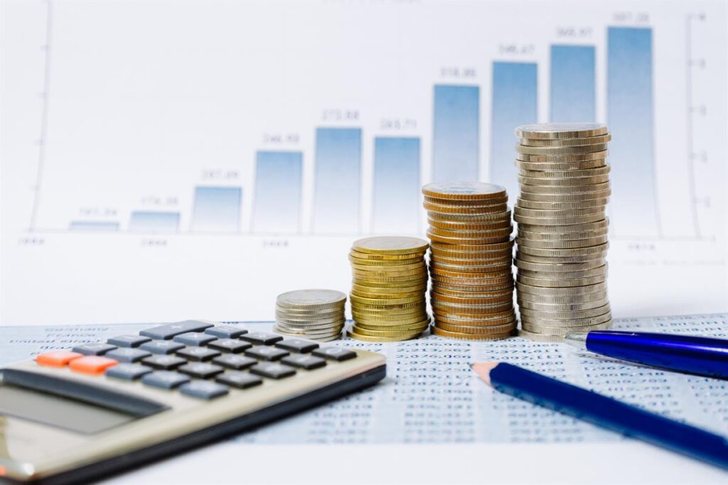
The economy is showing the first signs of fatigue, while t...
This Sunday, one US dollar is bought for 82.4 lek and sold...
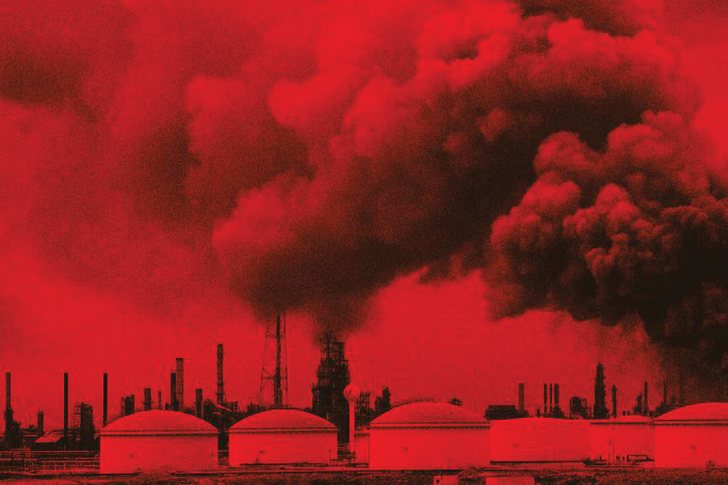
Economic experts warn that domestic production, due to wea...
In these first 12 or so days of the war in the Middle East...
This Saturday, one US dollar is bought for 82.4 lek and so...
The government has taken two decisions to stabilize the pr...
In addition to cigarettes, imports of other excise goods h...
Does money buy happiness?! This is a big debate around the...
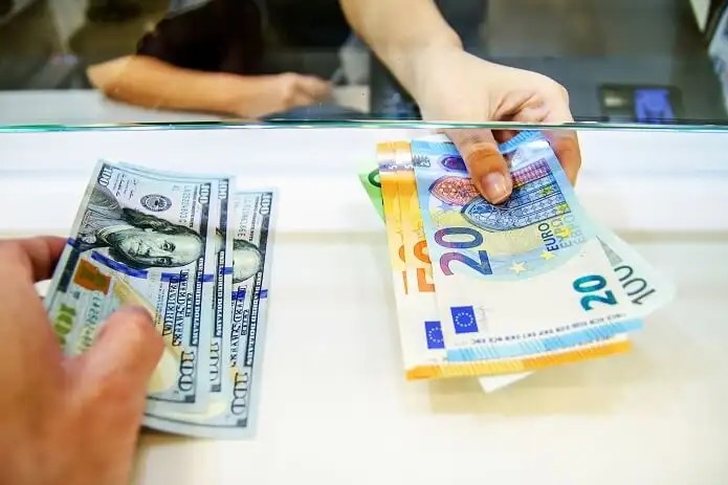
This Friday, one US dollar is bought for 82.7 lek and sold...
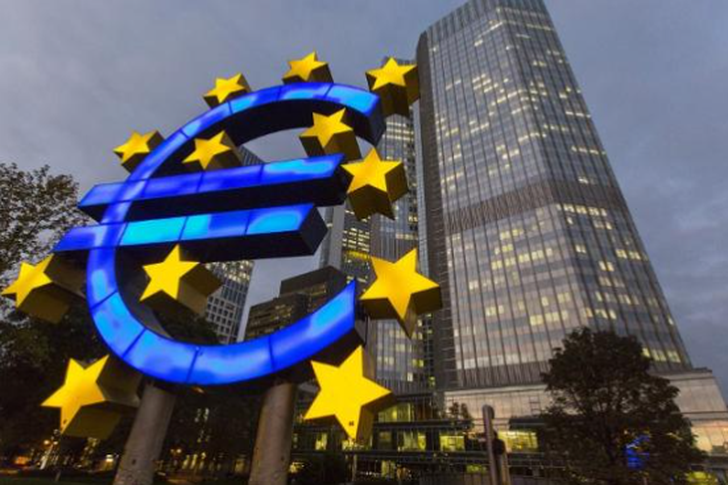
The President of the European Central Bank, Christine Laga...
The Electronic and Postal Communications Authority (AKEP) ...
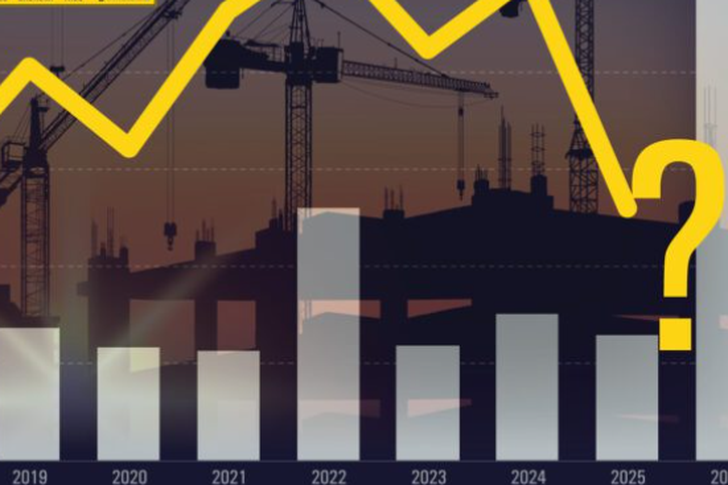
Accurate data on the area being granted for construction p...
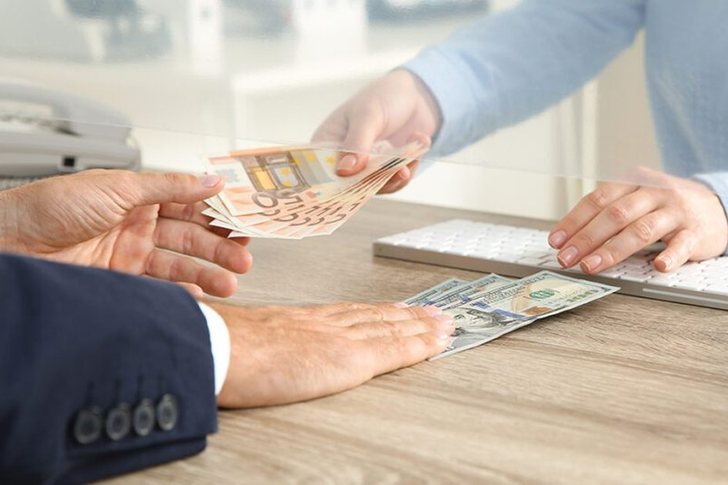
This Thursday, one US dollar is bought for 82.7 lek and so...
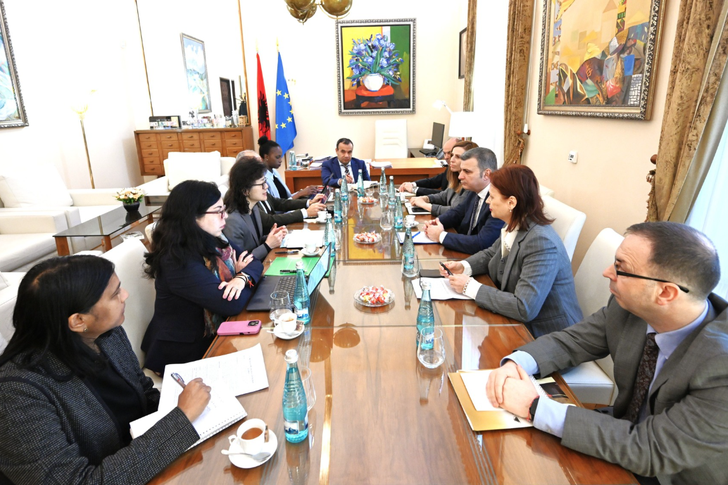
The Governor of the Bank of Albania, Gent Sejko, hosted to...
The Ministry of Economy and Innovation released for consul...

Retail trade closed 2025 with a positive performance, driv...
Inflation in Albania measured through the Harmonized Index...

In 2025, the number of vehicles in circulation in the coun...
This Wednesday, one US dollar is bought for 82.6 lek and s...
An important development has been marked in the Albanian f...
The next case broadcast on the show "Stop", this Thursday,...
The case published this Thursday, June 4, on the show "Sto...
The protests of recent days related to the situation in Zv...
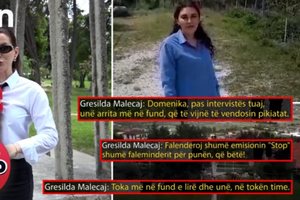
The case addressed this Wednesday, June 3, on the show "St...

The Special Board of Appeal (KPA) decided this Monday ...

The KPA vetting decided this Thursday to dismiss the p...

Suela Salavaçi, a prosecutor in the Prosecutor's Offic...

The Special Board of Appeal reinstated the prosecutor ...
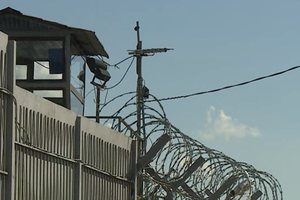
A convict was found dead today in the premises of the Pris...
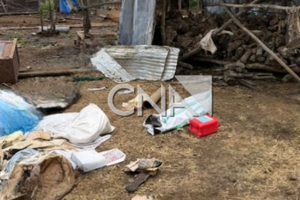
Several images provided by CNA show the area where this mo...
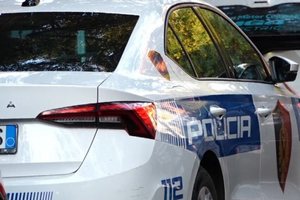
A quantity of explosive material exploded this morning at ...
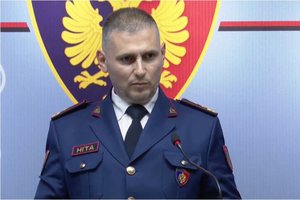
The Head of the State Police, Skënder Hita, expressed his ...
Today our country will be affected by stable weather condi...
For many children and teenagers, the long summer holidays ...
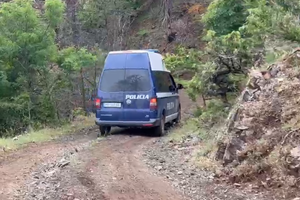
Witnesses in Lozhan, Maliqi, have shared details from the ...
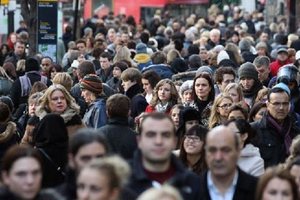
Albania is facing an unprecedented demographic transition,...
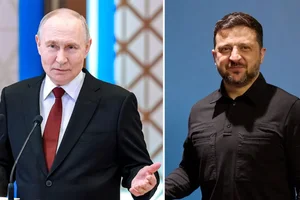
Russian President Vladimir Putin said the war in Ukraine c...
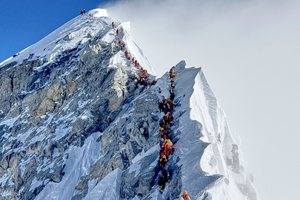
An extraordinary story of survival has been recorded in Ne...
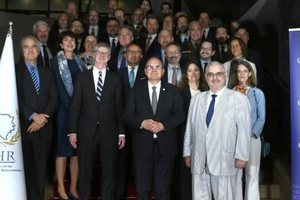
The Peace Implementation Council in Bosnia and Herzegovina...
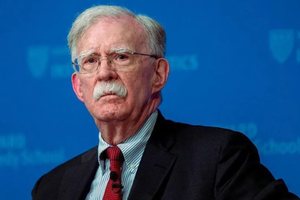
John Bolton, the former national security adviser to US Pr...
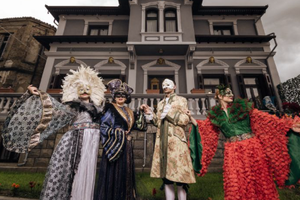
Korça is ready to open the summer season with one of the c...
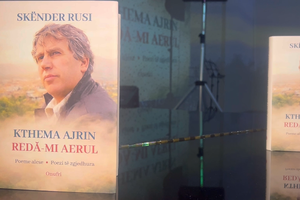
Two years after his passing, the renowned Korçë poet Skënd...
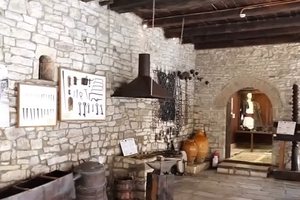
The Ethnographic Museum of Berat has opened its doors to v...
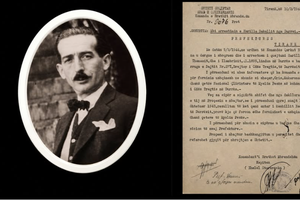
The story of Harilla Bakalli is one of the most chilling t...
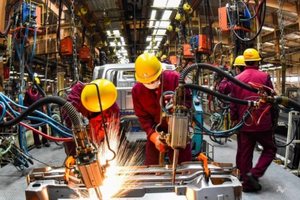
The government aims to transform the country's industrial ...
Kursi i këmbimit të euros me lekun ka rënë më tej këtë jav...
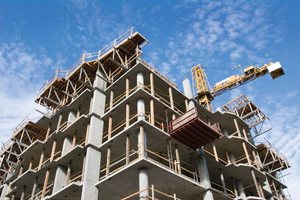
Profit margins in the construction sector have increased s...
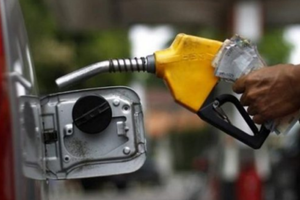
The Transparency Board, at its meeting today, decided to i...