




In a state governed by the rule of law, there are certain minimum expectations for how a high-level public official should conduct himself, especially when facing justice. But it seems that in some cases, these expectations are being replaced by a new standard: “procedural emotion.”
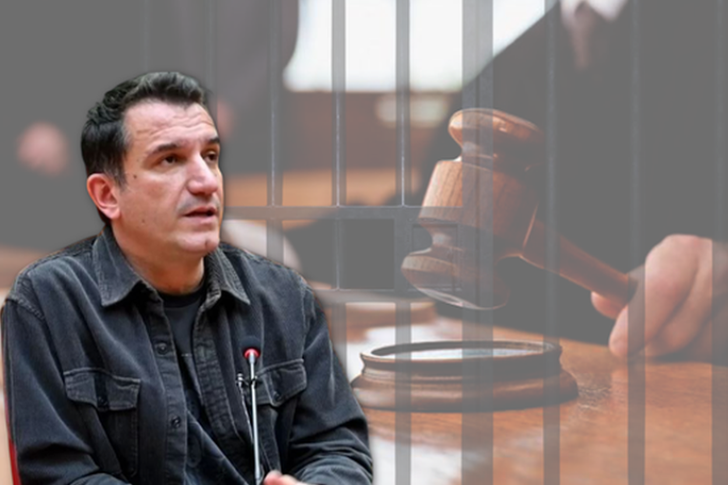
The case of Erion Veliaj is an interesting illustration of this evolving standard. Initially, albeit abusively, he seeks to physically dispose of the files in his pre-trial detention.
The court, in fulfillment of this request, decides that the acts be sent through investigators of the National Bureau of Investigation. So far, everything is in order, a model procedure.
According to the minutes read at the court session, when investigators appear to implement the court's decision, they are not simply received as officials performing their duties, but as the object of a verbal performance with strong... artistic notes.
Insults, intimidating, in fact threatening tones (he addresses the investigator with "I don't forgive you") and rhetoric that you would hardly find in any public ethics manual.
But don't be too quick to judge, because, according to the defense, this isn't problematic behavior. No. It's just... emotional.
At this point, a simple question arises: have we entered a new phase of law, where, in addition to material evidence and legal procedures, the category of “justified emotional outbursts” is also introduced? If so, then perhaps the legal literature should also be rewritten: from the “rule of law” to the “rule of feeling.”
Because after all, what are some insults to investigators? A human reaction. What is intimidation and threatening of justice officials? A form of communication under pressure. And what is denigrating language? A style of expression that reflects… the intensity of the situation.
Meanwhile, on a more mundane level, a high-level public official, who even today represents the institution of the largest municipality in the country, is expected to demonstrate self-control, respect and dignity, even in difficult conditions. But this is perhaps a somewhat outdated expectation. Today, it seems that the standard is more flexible: the higher the function, the more understandable the “emotion” becomes.

To complete the picture, we also have the last procedural request, such as the one for the inventory of the file. In a classic reading, this could be seen as an attempt to drag out the process. But in this new framework of interpretation, perhaps it is simply another manifestation of the same emotion, this time expressed in the form of a legal request.
In the end, a reflection remains: if this is the way a high-ranking official behaves towards representatives of justice when under security, it is legitimate to ask, not with emotion, but with logic, what his behavior would be like under different conditions.
But maybe this question is also... emotional./ CNA

The investigative show "Stop" on TV Klan yesterday bro...
Sokol Sadushi is the President of the Supreme Court of Alb...
In a material where we listed what the new political reali...

The journalist of the Veliaj family, Mero Baze, once a ser...

As soon as Erion Veliaj was questioned by prosecutors Ols ...
Mero Baze has begun to be part of Sokol Sadushi's structur...
Yesterday's interim decision, taken at the initiative of t...
There are two major events in the public debate recently: ...

On February 26, at the meeting of the Socialist Party Parl...
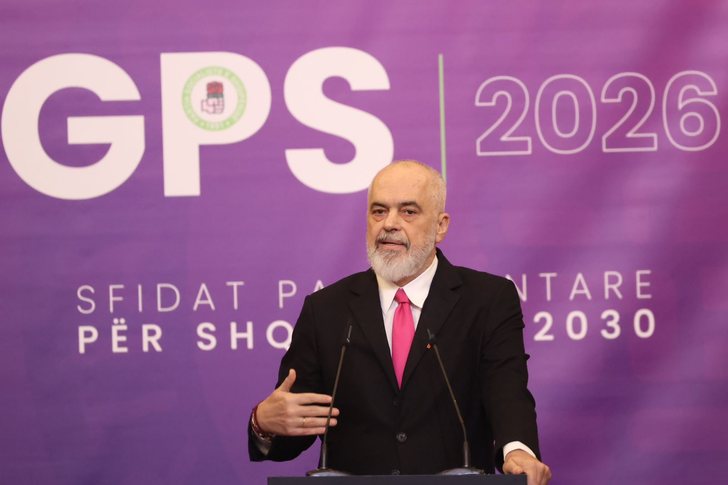
In a nearly two-hour speech, Prime Minister Edi Rama, toda...
There is a commonly used thesis, mainly by "left-wing mind...

Prime Minister Rama went viral on social media today becau...
It may seem like a title that at first glance makes you th...
British police announced that they arrested former Prince ...
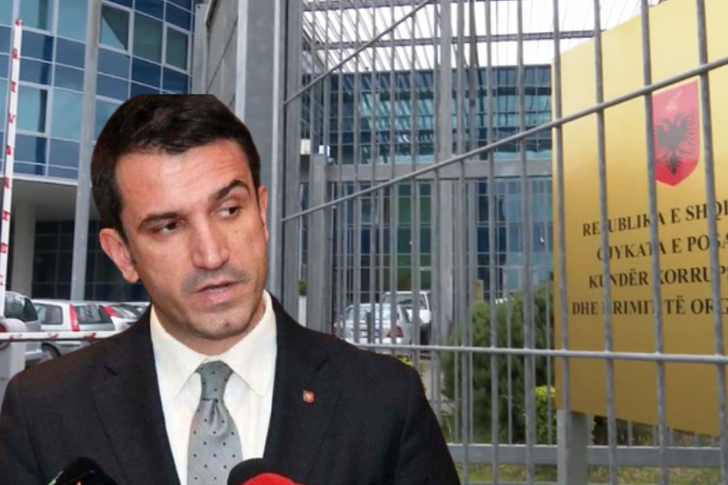
Every few weeks, whenever there is an Erion Veliaj tri...
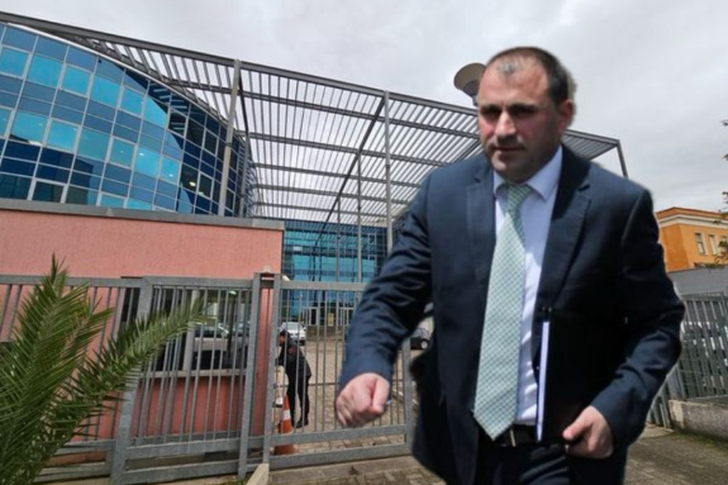
CNA is one of the media outlets that has not stopped publi...

Incinerators are the affair of the century, which has exto...
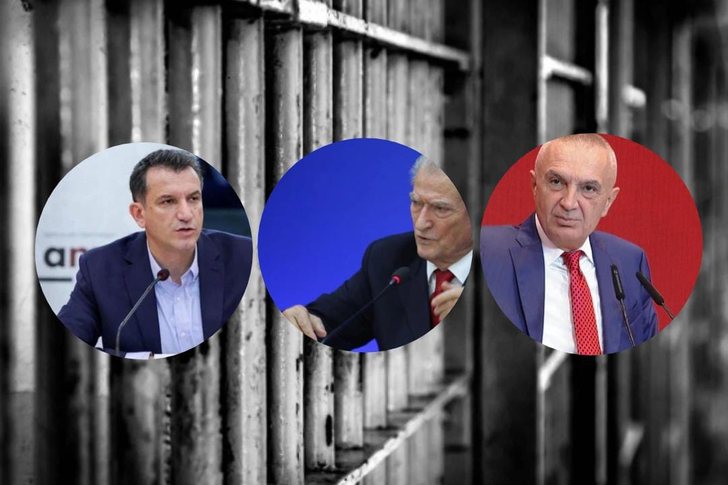
When talking about political imprisonment, there is a misu...
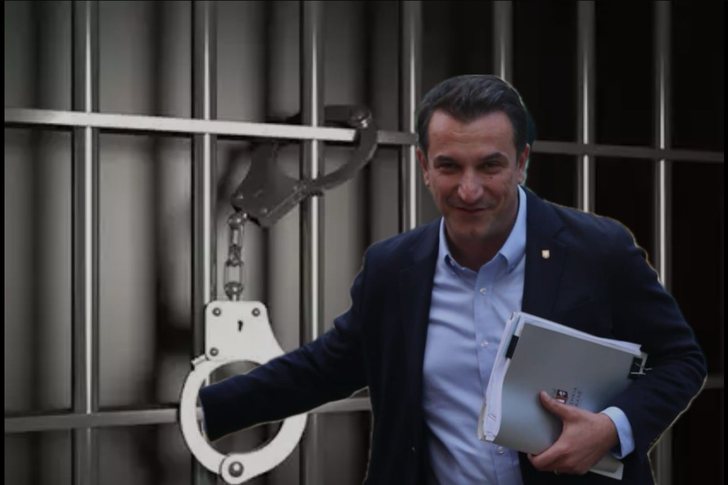
" Arrest the people, release Veliaj " seems to be the publ...
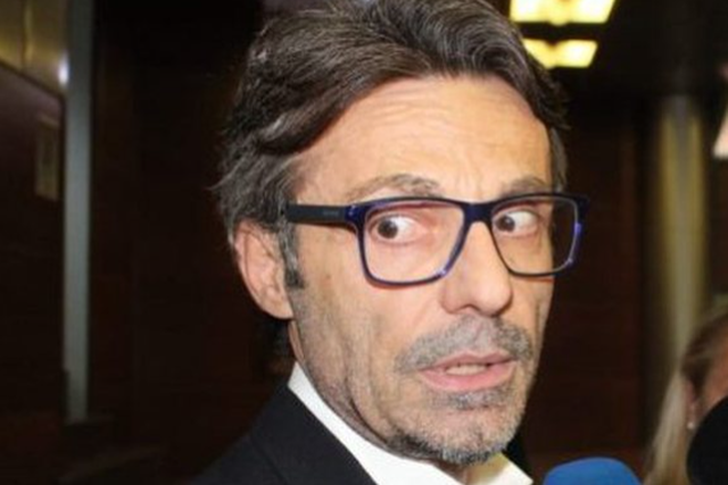
His name is Gent Ibrahimi! A millionaire whose parents we...

CNA has launched another investigation that could lead to ...

Irfan Hysenbelliu is a businessman that we call "Irfan the...

In March 2026, CNA launched another investigation centered...
The arrested mayor of Tirana, Erion Veliaj, with 13 charge...

The Special Board of Appeal (KPA) decided this Monday ...

The KPA vetting decided this Thursday to dismiss the p...

Suela Salavaçi, a prosecutor in the Prosecutor's Offic...

The Special Board of Appeal reinstated the prosecutor ...

A road accident occurred this evening on Nikolla Zoraqi St...

Three people were shot and wounded in Elbasan last night b...

A serious incident occurred this Tuesday in the Yrshek are...

An accident occurred this Tuesday on "Dituria" street in K...

All of Southern Europe will face changing weather conditio...

Albania was hit by temperatures significantly higher than ...

For the first time, Pogradec welcomed the Inter-Lake Chess...

Albania has achieved a record for the employment of foreig...

US Secretary of State Marco Rubio arrived in Manila on Jul...
In the space of a few days, Ukrainian President Volodymyr ...

The spokesman for the Iranian Foreign Ministry warned Bulg...

Autoritetet italiane sekuestruan pako me afër 800 kilogram...

At a time when industrial products are increasingly taking...

Trust among people is not just a three-syllable word. It c...

Master of humor Todi Llupi has passed away at the age of 7...
The ninth edition of "MIK Festival" kicked off with one of...

Construction company licenses will have a validity period ...

The Centralized Purchasing Operator recently opened a tend...
The new draft law "On the Bank of Albania" provides that t...

This Tuesday, one US dollar is bought for 81.2 lek and sol...