

The "big sister" syndrome / What it is and how to overcome it
Recently, the "big sister syndrome" has become the subject...


In April this year, Spanish athlete Beatriz Flamini finally saw the light of the Sun after a 500-day stay in a cave. An absolute record, at least for modern times. She told the media that she lost all sense of time on the 65th day.
But can it really be certain that it was the 65th day?
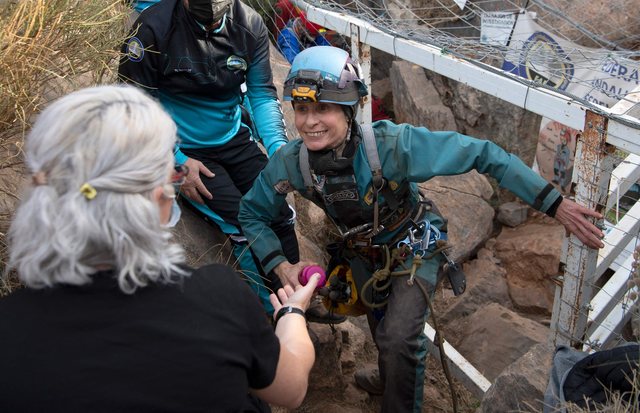
For comparison, in 1962 the Frenchman Michel Sifre came out of the Skarason cave in Italy after spending 33 days there. In fact, he spent 58 days locked in the cave. But how can isolated human beings keep track of the passage of time, even when cut off from their surroundings?
This is because biological rhythms are at the heart of life, regulating it from the molecular level down to all major parts of the body. This includes not only our sleep/wake cycles, but also our body temperature, hormones, metabolism and cardiovascular system.
And these rhythms have many consequences, even in terms of health. In fact, a number of diseases that are episodic, such as asthma, show more severe symptoms at night, while severe cardiovascular events are more frequent in the morning. Another example is shift work, which disconnects people from their environment.
It can be associated with an increased risk of cancer in workers, causing the WHO itself to label it as a possible cause of carcinogenic diseases. But circadian rhythms also affect how we interact with other species.

For example, African Trypanosomiasis, also called Sleeping Sickness, is a disorder of our daily rhythm caused by the parasite Trypanosoma brucei, whose metabolism has a mechanism similar to our immunity.
A biological clock is an internal mechanism of organisms that, in the absence of an environmental signal, operates according to its frequency. For example, the regular alternation of day and night has favored the evolution of the circadian clock (circa, meaning "approximately" while diem "day" in Latin).
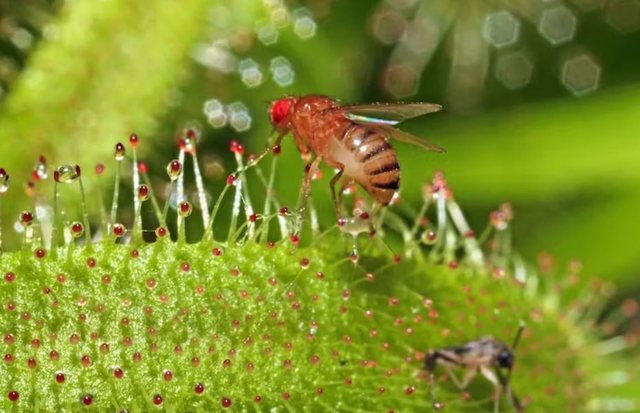
The circadian clock mechanism was first discovered in the fruit fly, also known as Drosophila, in the 1970s. It is based on response phases through the translation of the actions of several genes. Gene A promotes the expression of gene B, which in turn inhibits the expression of gene A, creating an oscillation.
During the day, light induces the reduction of specific factors via a photoreceptor called cryptochrome. However, the precise regulation of the clock is based on a complex molecular and neuronal network that ensures its timing and accuracy.
There is no single overarching clock that would organize all of life, as the genes responsible for the biological clock vary from species to species. But the principle remains the same: genes whose expression fluctuates. Biological rhythms have been observed in all organisms studied to date, which include cyanobacteria (a type of bacteria that obtains energy through photosynthesis), fungi, plants and animals, and of course humans.
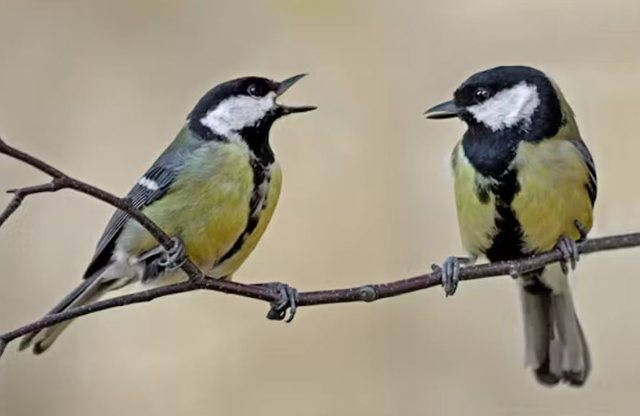
In addition, some auxiliary timing mechanisms synchronize the organism with its environment: light (the most studied to date), temperature and food. Environmental cues in general, and light in particular, help resynchronize the individual.
In humans, light is not directly perceived by the molecular clock, but is captured in the retina and then transmitted via the retino-hypothalamic pathway to a central clock, where it modulates protein synthesis. The system is not infinitely scalable, however: the human body takes roughly a day to adjust to a 1-hour time difference.

But the circadian clock is not the only clock mechanism that exists in nature. Many biological processes are seasonal, such as the migration of many birds and insects, the reproduction and hibernation of many animal species, and the flowering of plants. This seasonality is generally dictated by several factors, including what is known as a circadian clock in the case of many species. The mechanism of this watch has not yet been determined./ Adapted from CNA

Recently, the "big sister syndrome" has become the subject...

Joe Biden is no longer fit to be president of the United S...

When you visit rehabilitation centers for Ukrainian soldie...
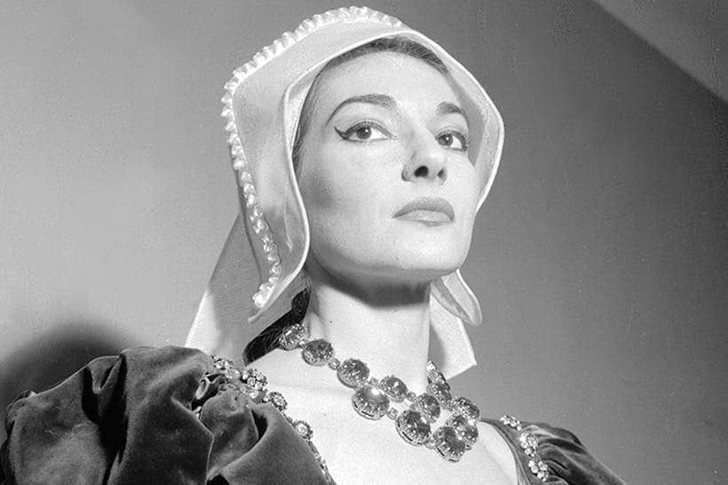
1977 - Vdes sopranoja me famë botërore Maria Kalas Nd...
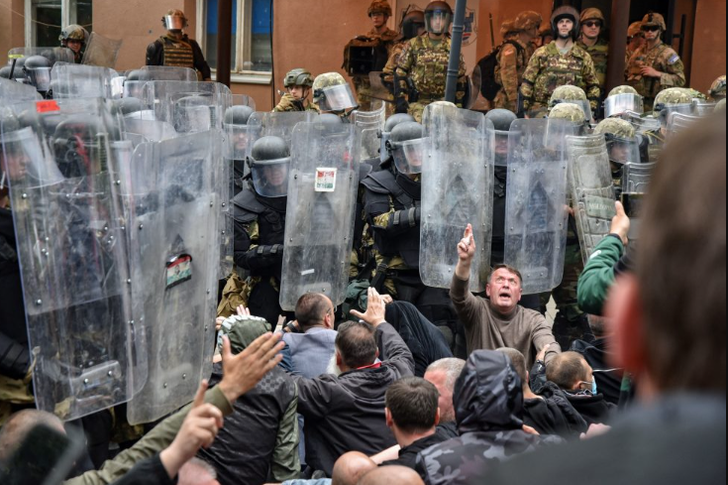
The conflict between Kosovo and Serbia is centered in Nort...
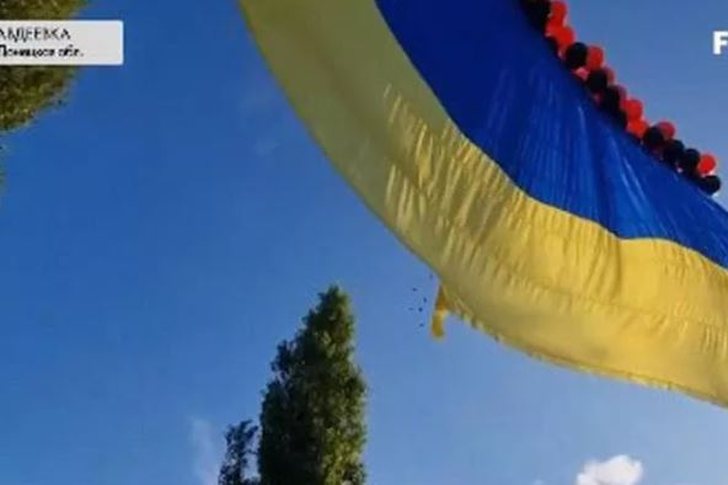
Agresioni brutal i Rusisë ndaj Ukrainës dhe aleanca e ...
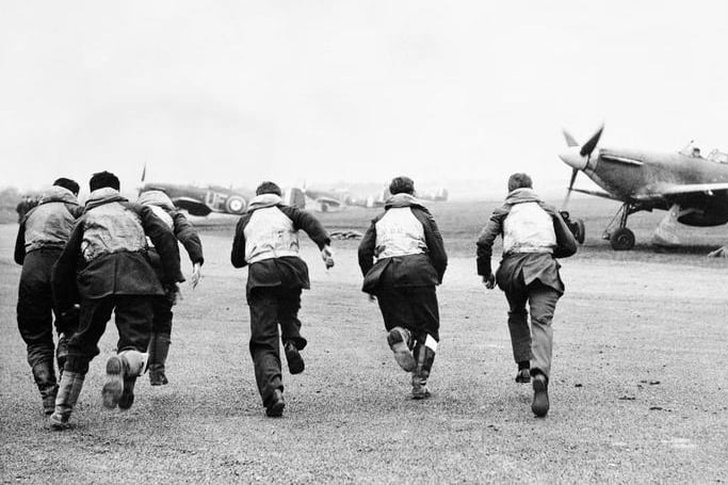
1940 - The Battle of Britain begins On September 15, ...
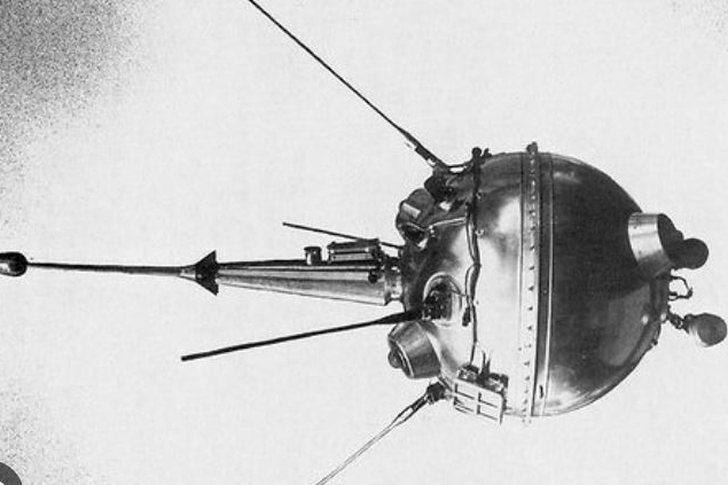
1959 - The Soviets land their first space probe on the Moo...

1993 - Nënshkruhet marrëveshja e paqes mes Izraelit dh...
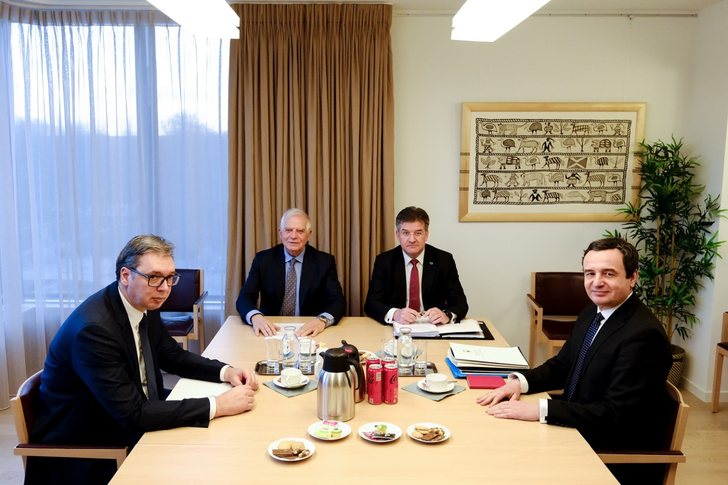
The Balkans experienced another hot summer, especially in ...

2001 - The US suffers the worst attack since World War II ...
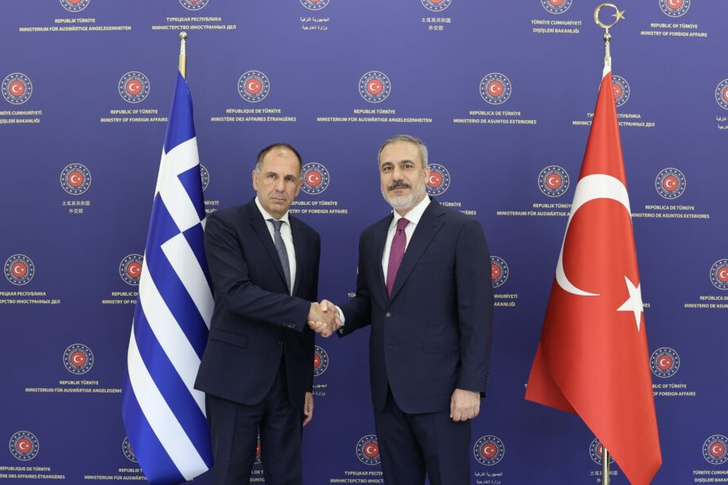
Greece and Turkey have engaged in an all-out effort to nor...
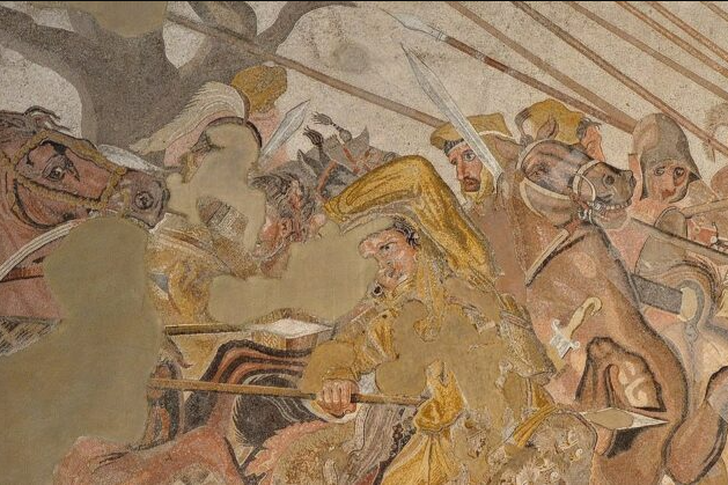
Alexander the Great ascended the Macedonian throne at the ...
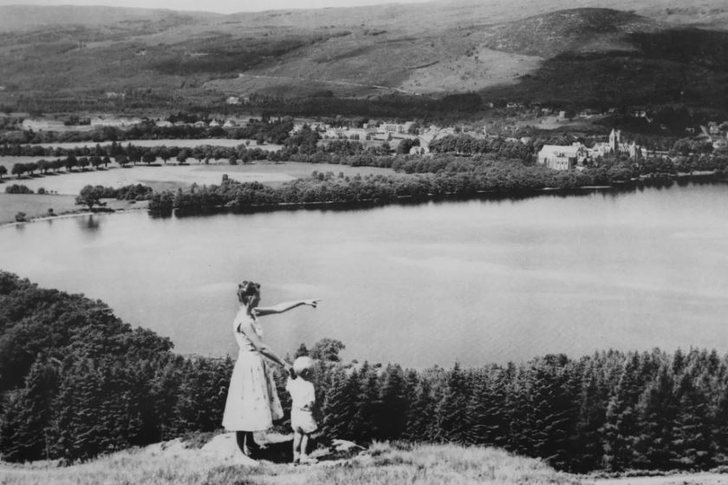
Monster hunters have once again gathered in Northern Scotl...
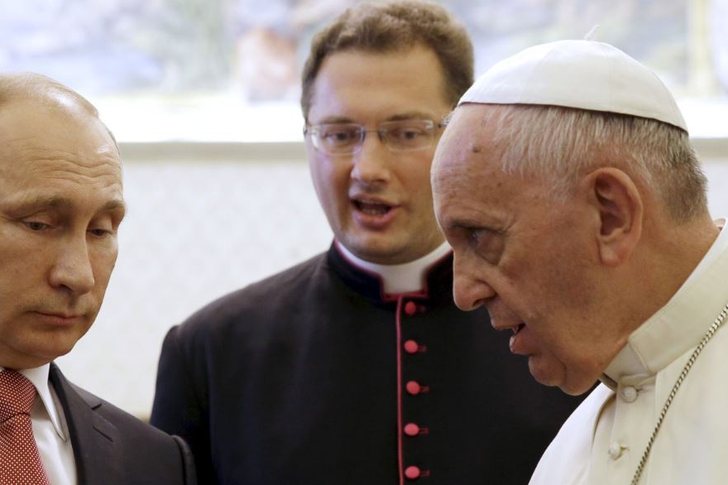
When Pope John Paul II visited his homeland, Poland, in 19...
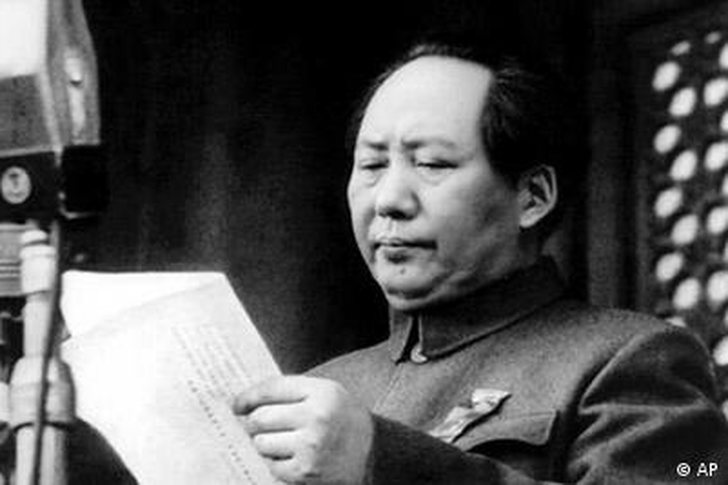
On September 9, 1976, the leader of Communist China, Mao Z...
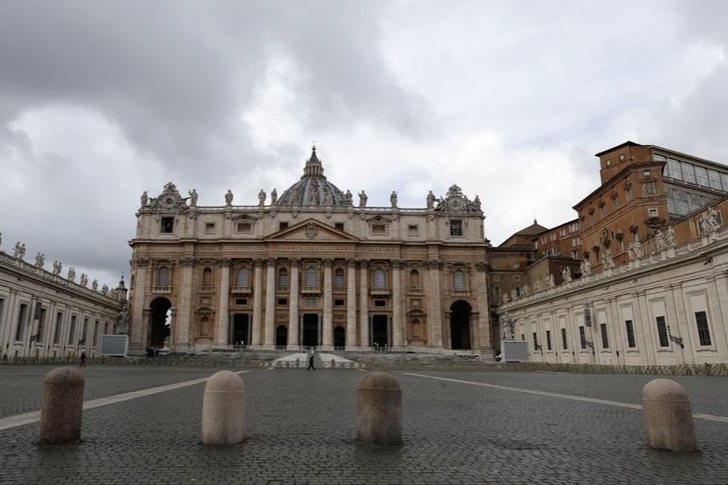
According to some estimates, the Catholic Church, led by t...

The United States and its Western allies have launched...
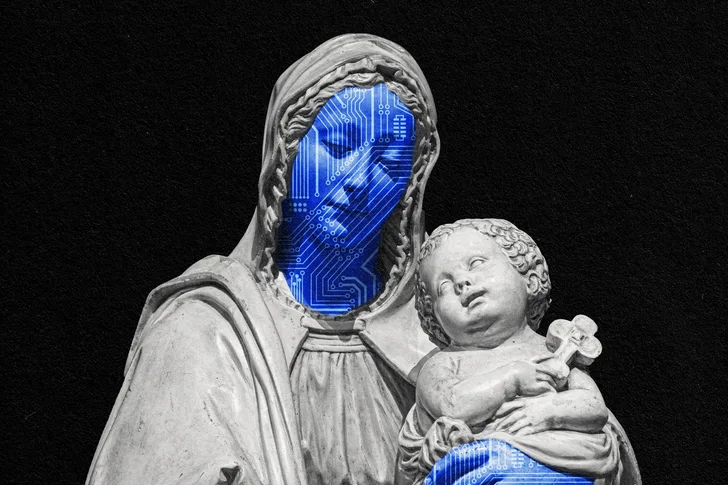
Since the beginning of this century, the practice of relig...
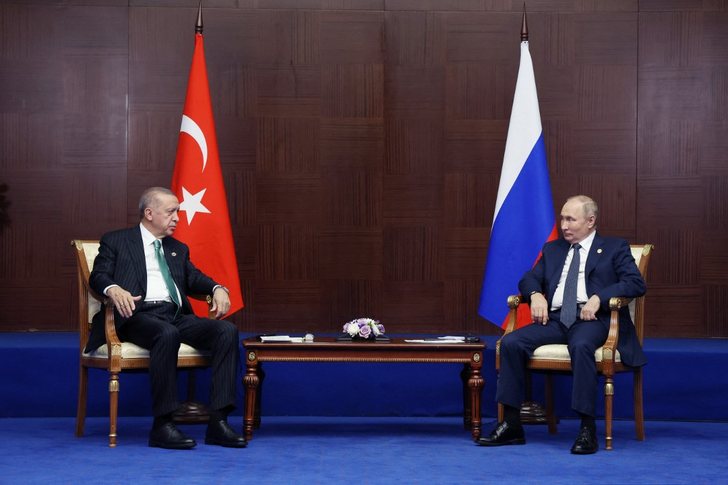
If there was a bet on how Yevgeny Prigozhin would die, mos...
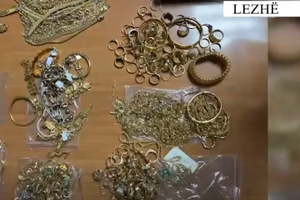
A 39-year-old citizen has been arrested in Lezha, after se...

CNA has launched another investigation that could lead to ...

Irfan Hysenbelliu is a businessman that we call "Irfan the...

In March 2026, CNA launched another investigation centered...

The Special Board of Appeal (KPA) decided this Monday ...

The KPA vetting decided this Thursday to dismiss the p...

Suela Salavaçi, a prosecutor in the Prosecutor's Offic...

The Special Board of Appeal reinstated the prosecutor ...

Several gunshots were reported today in the village of Gjo...

Following the successive operations carried out by the ope...
The Police Supervision Agency has seized the service weapo...
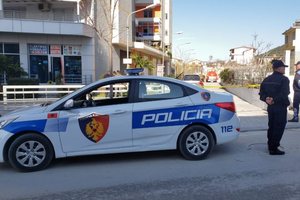
A serious incident occurred in Lushnje, where citizen IY, ...

As the year 2026 is in its second half, the world is exper...
Today, our country will be under the influence of stable a...

By noon, cloudiness is expected to prevail in almost all o...
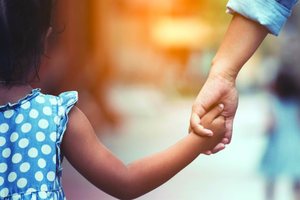
Children without parental care, for whom alternative famil...
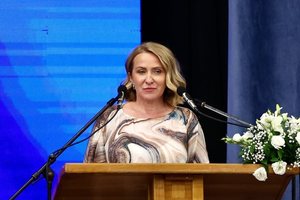
Serbia's Minister of State Administration and Local Self-G...
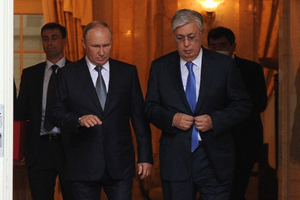
Kazakh President Kassym-Jomart Tokayev shared some critici...

Thirty-five people were killed and 30 others were injured ...

US President Donald Trump has announced that he will seek ...
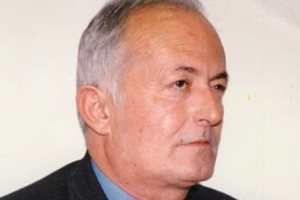
Two windows, a century of history and the metaphysics of p...
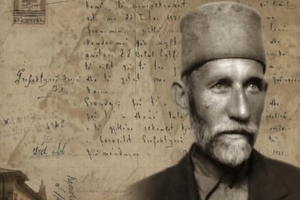
In my research at the Central State Archives, specifically...

At a time when industrial products are increasingly taking...

Trust among people is not just a three-syllable word. It c...
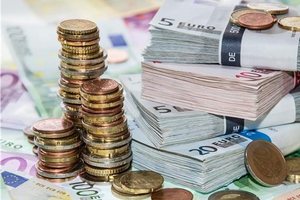
This Saturday, one US dollar is bought for 81.7 lek and so...
War, weather and supply disruptions could send gas prices ...
The number of active enterprises in Albania continued to g...
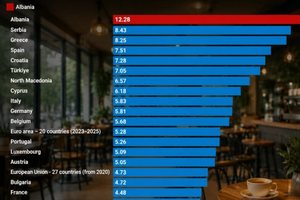
In Albania, the bar-cafe has long become an almost unique ...