

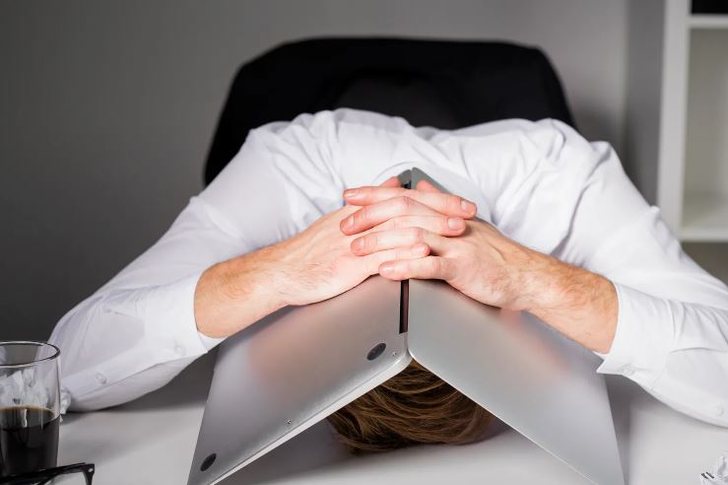
Kujdes! Stresi në punë mund t’ju shkatërrojë zemrën
Stresi, ndjenja e pakënaqësisë dhe mungesa e mirënjohj...


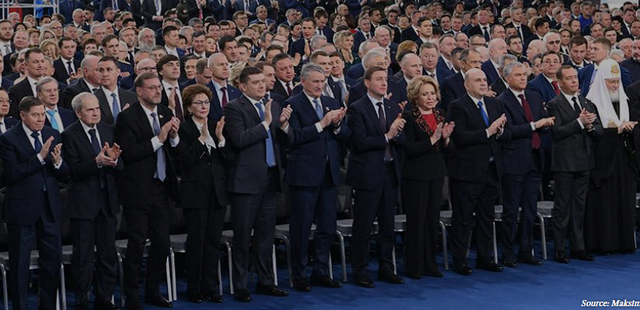
When President Vladimir Putin leaves office - in whatever form - we will enter the post-Putin era. Many people are uncertain about what might happen, and fear what it might bring: perhaps an even more brutal leader will rise to the scene, or perhaps Russia will disintegrate and descend into chaos.
Such apocalyptic predictions seemed to be confirmed in the events of this summer, when the mercenary leader of the Wagner group, Yevgeny Prigozhin, launched his short-lived rebellion. But that episode was not evidence of chaos. Instead, the leaders of the rebellion were eliminated, and its supporters either switched sides or disappeared into the vast expanses of Russia. At the height of the paranoia the rebellion fueled, the Russian elite were forced to redouble their efforts to show as much loyalty to Putin as possible.
At the same time, most Russians remained as always only interested in being left comfortably to continue their modest lives. I think it's strange trying to scare the world with the scenario of a leader even more terrifying than Putin.
What could be worse than a greater military conflict in Europe of the XXI century, and greater repression in Russia than during the time of the Soviet Union? Thanks to the Kremlin and a spineless elite, we Russians are already living in an anti-utopia. And who is this future monster that would succeed Putin?
Perhaps the head of the Security Council and notorious radical Nikolai Patrushev? But is he worse than Putin? He is only a voice of the current regime; a spokesman for conspiracy theories and anti-Americanism. Would he be worse than a military commander, as was the late Prigozhin?
First, no one would have heard of Prigozhin if he had not been favored by the Putin system, and had not won billions from state tenders. Second, his charisma, business resources and ability to access state money must be a serious threat to the authorities. The fact is that to this day there are no such people. Is a coup possible? It is not in the political culture of Russia. To think that conspiracy is the most likely outcome is to seriously predict mass protests due to falling living standards.
But here we must remember that any large street protest against Putin would be extinguished within a few seconds by the current police state. It is likely to end even sooner than the events of January 25, 1968, when the police arrested 8 people protesting in Red Square against the Soviet occupation of Czechoslovakia. One of the police officers who arrested the dissident Pavel Litvinov that day, said a sentence that would go down in history: "Fool, if you had stayed at home, you would have had a quiet life!". It is precisely this message that the Russian authorities are sending to the people today.
Although we find ourselves in an anti-utopia, Russia's social fabric shows no signs of falling apart. Despite the problems, the country's economic system has remained relatively stable. The West underestimated the ability of Russian society to adapt to the circumstances. In addition to the indifference of most people to political events, ease of adaptation helps ensure at least some support for the authorities. And the widespread indifference in Russia will help an orderly transition to a new regime.
Russians will obey any ruler who appears to be legitimate. Putin, adored today, will no longer be loved once a transition of power takes place. That's how it's always been. Moreover, if we talk about historical precedents, the change of leader in Russia has almost always been accompanied by liberalization, and not by a bloody chaos (Khrushchev's softening of the regime after Stalin's death, Gorbachev's Perestroika after Brezhnev and reforms of Yeltsin after the collapse of the Soviet Union).
Even the struggle for power has not historically had any tendency to lead to chaos. Nor did the fall of the Soviet Union lead to truly serious unrest in Russia. Most people were focused on survival, adaptation, and most importantly, profiting from new opportunities. It is true that the country experienced a battle between the president and the parliament, which produced a brief civil war in October 1993. But most people did not get involved and accepted the dictates of the side that won. So there is no sign that Russia's upcoming transition of power, which will happen sooner or later, is destined to lead to a harsher regime or chaos.
Another hypothesis promoted by some analysts is the disintegration of Russia. But this is even less likely than civil strife or the emergence of a worse leader than Putin. The rush of many republics to gain independence in the early 1990s was the result of regions struggling to survive amid the trials of building a new economy and new state institutions.
Today, there are many compelling economic, budgetary and political-management reasons why Russia will not disintegrate in the post-Putin era. Russia is not a very rich country, and wealth inequality is compounded by regional inequality, making many regions dependent on federal subsidies. So the regional economies cannot survive on their own, and leaving the Russian Federation would cause serious problems. If there is an appetite among regional leaders for independence, it exists only in the national republics of Russia.
But again, most of them are beneficiaries of subsidies, and receive political investments in exchange for ensuring social peace. Under these conditions, a relatively optimistic scenario for a power transition is one in which Putin's successor is a technocrat. It is not certain whether he will be replaced by one (from Patrushev's son, Minister of Agriculture Dimitri Patrushev, to the leader of the United Russia party Andrei Turchak, the Speaker of the parliament, Duma, Vyacheslav Volodin or the Deputy Chief of the Kremlin Cabinet Sergei Kirijenko).
But it could be Prime Minister Mikail Mishustin (the second most trusted politician in Russia according to a survey conducted by the Levada Center) or Moscow Mayor Sergei Sobyanin. Both have tried to maintain their reputation as pragmatic managers.
And given the gradual and inevitable exhaustion of Putin's model of governance - financially, socially, economically, psychologically and politically - a technocratic or interim leader should be able to ensure a transition towards normalization of the situation. By Andrei Kolesnikov “Carnegie Endowment”/ Adapted from CNA

Stresi, ndjenja e pakënaqësisë dhe mungesa e mirënjohj...
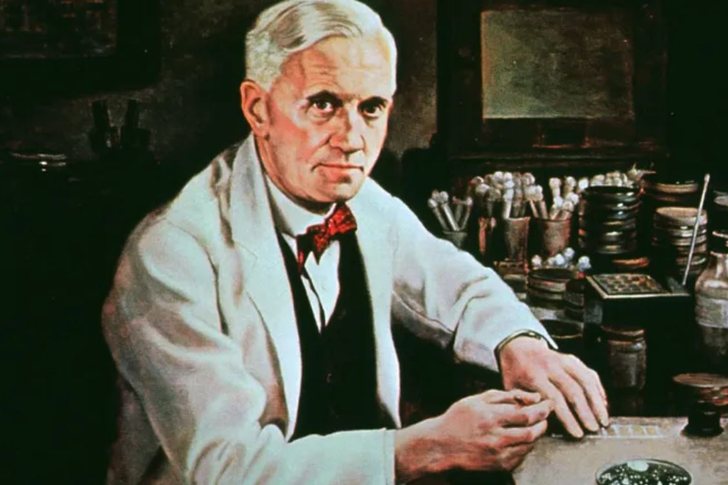
1928 - Anglezi Aleksandër Fleming zbulon penicilinën 95 v...
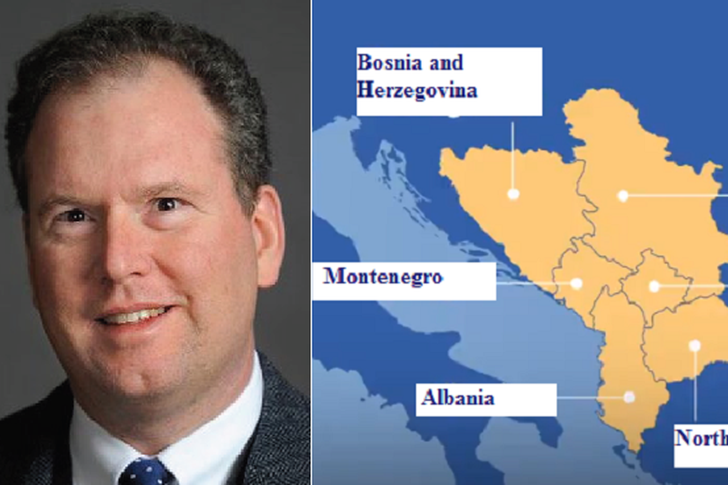
The Western Balkans, that is the countries of the former Y...
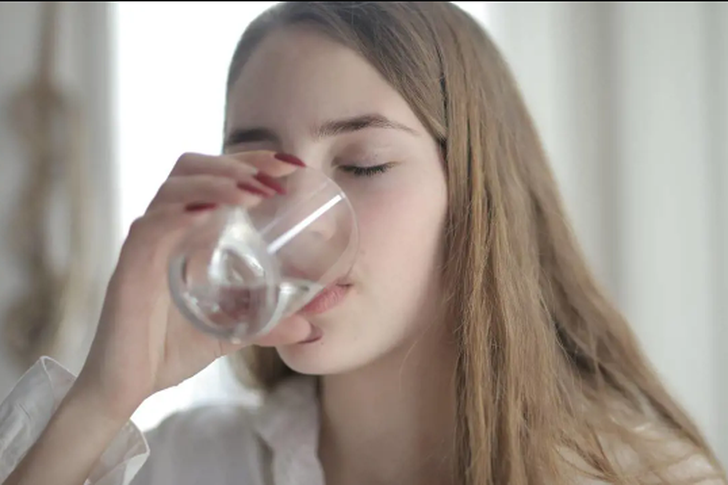
Overhydration is a condition characterized by excessive fl...
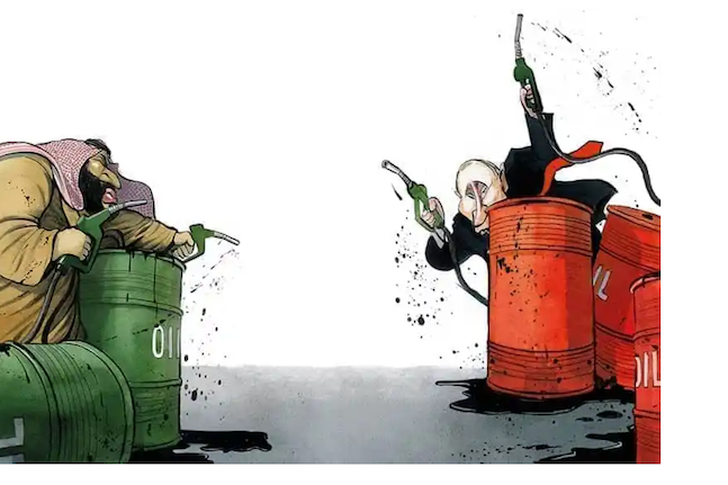
Beyond environmental issues, one of the most compelling ar...
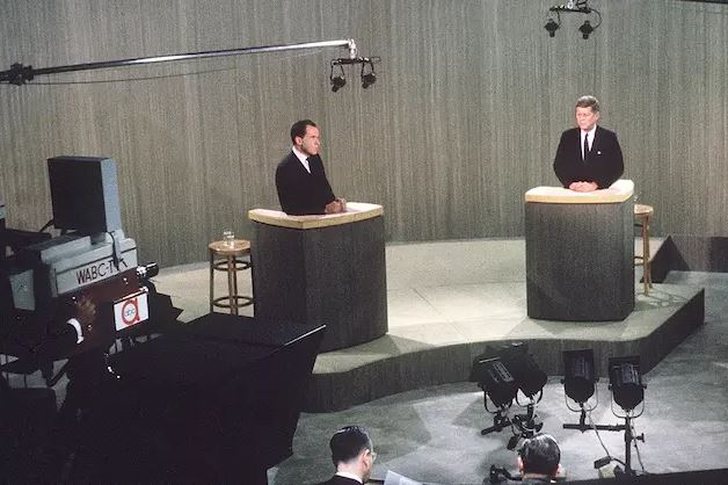
1960 - Xhon Kenedi dhe Riçard Nikson përballen në deba...
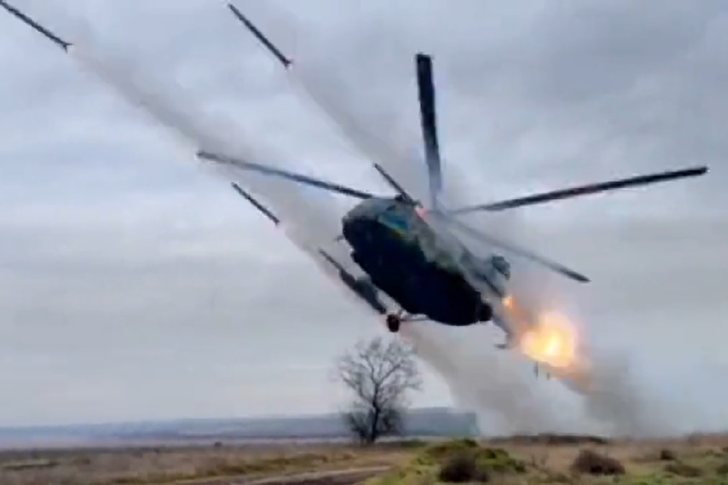
Although Ukraine's much-anticipated counteroffensive start...
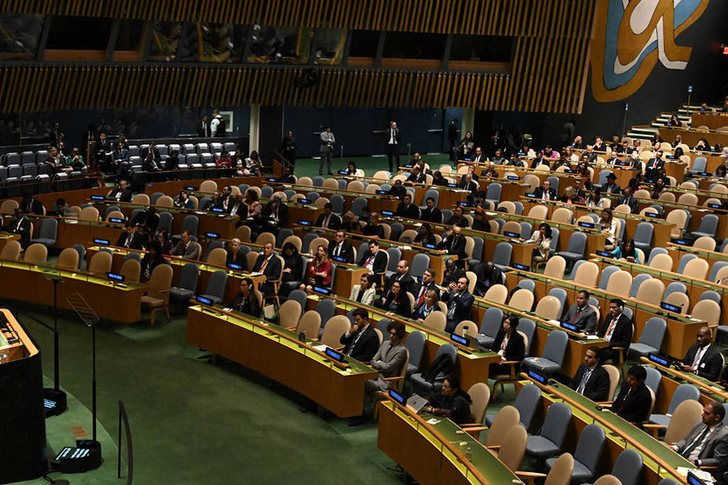
During the time of the Soviet Union, an anecdote was often...
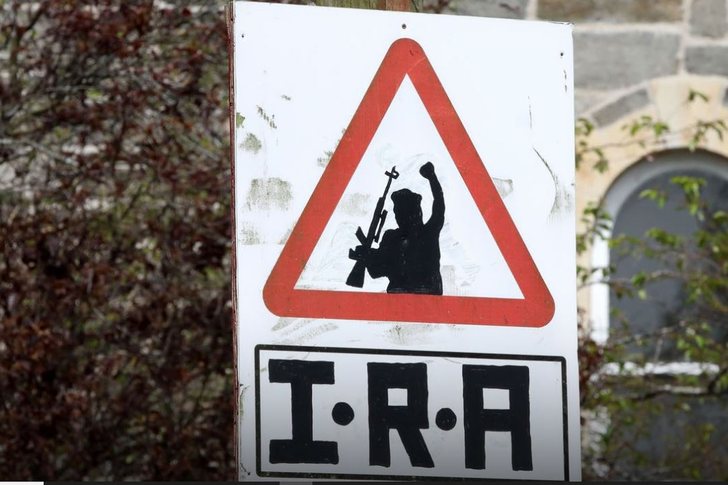
2005 - The IRA is officially disarmed Two months after an...
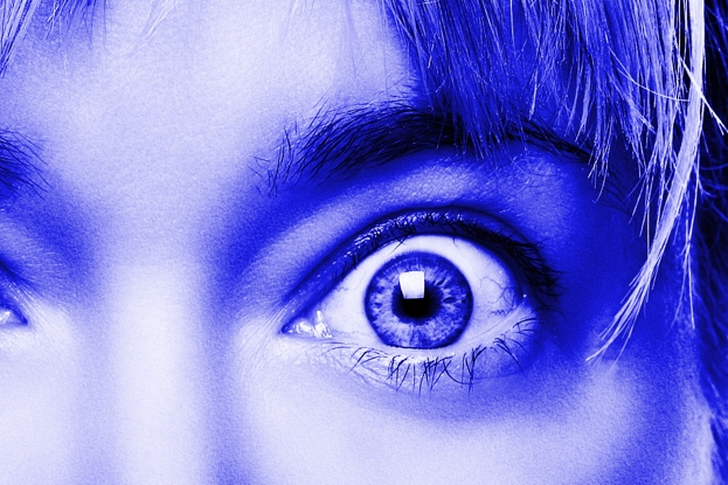
Repetition has a strange relationship with the human mind....
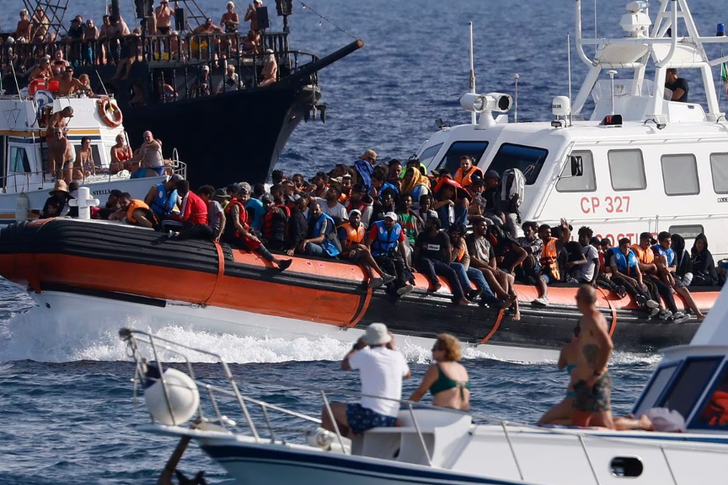
The Italian Coast Guard rescues a boat full of migrants of...
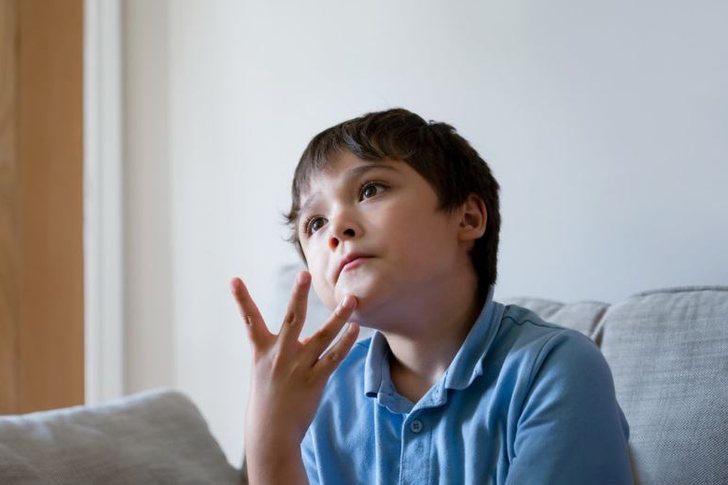
Dr. Jim Tucker, a psychologist at the University of Virgin...
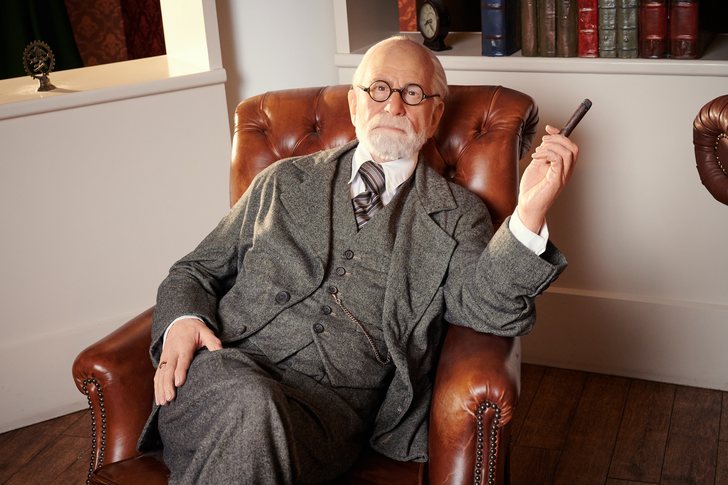
1939 - The "father" of psychoanalysis, Sigmund Freud, pass...
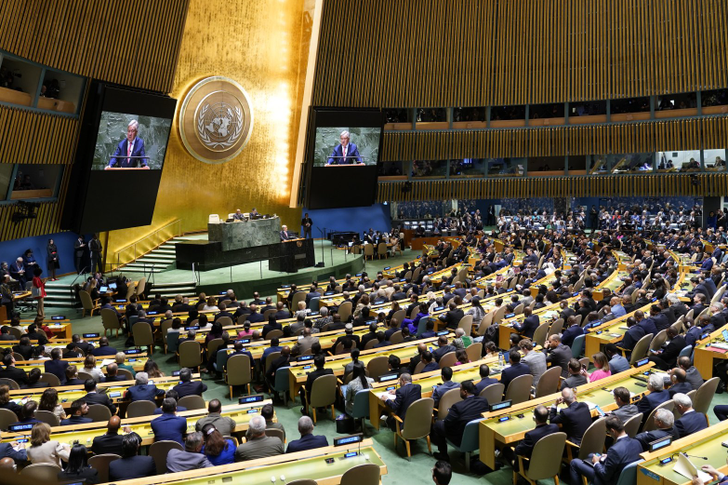
After World War I, the League of Nations was created with ...
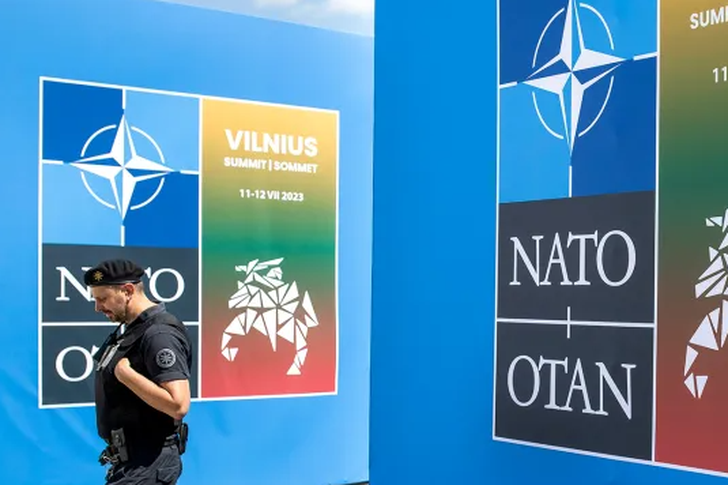
Next year, NATO - the largest and most capable political a...
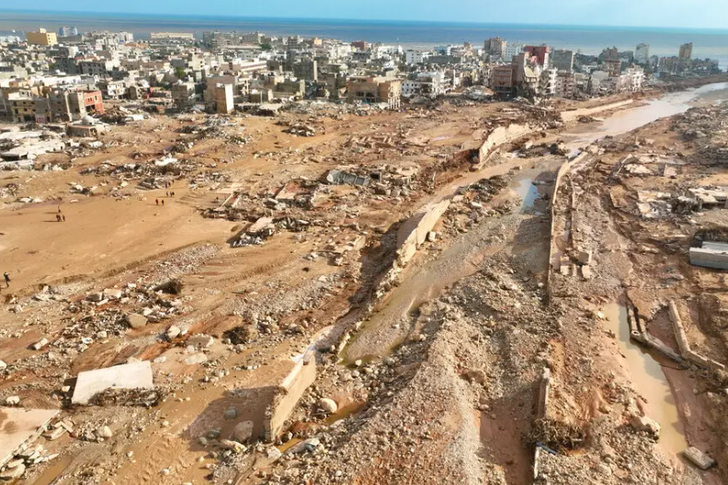
The collapse of two dams in Libya, which caused massive fl...
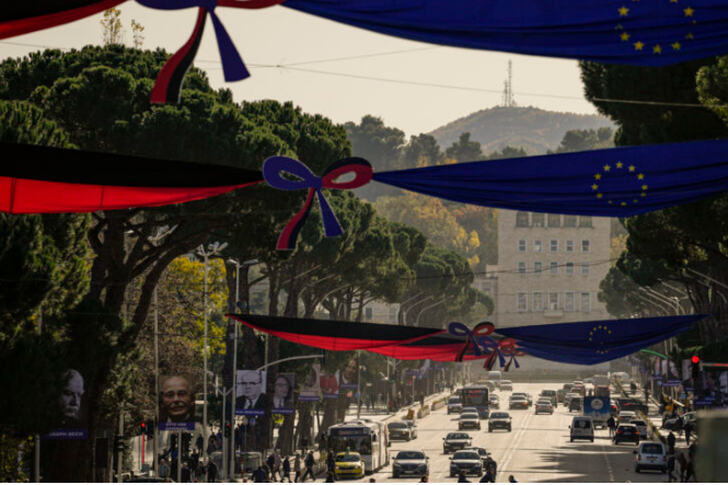
In her last State of the Union speech as president of ...
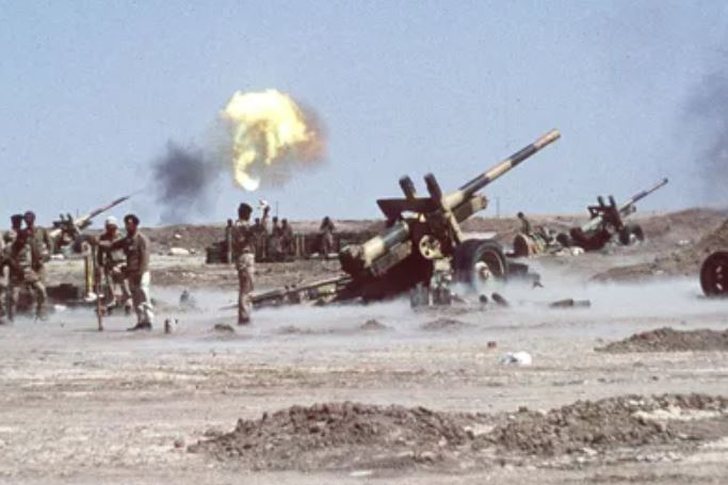
1980 - Iraq invades Iran, starting a bloody 8-year war...
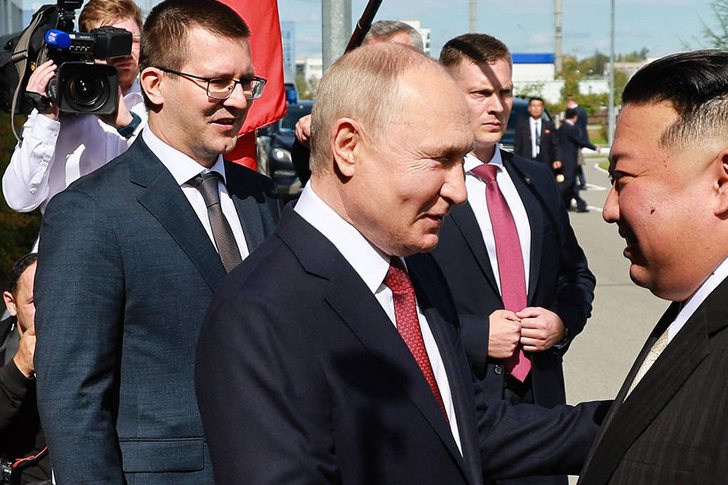
Russian President Vladimir Putin had strong reasons to wel...

Since Turkey's presidential election in May this year,...
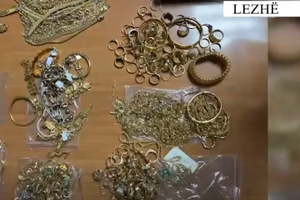
A 39-year-old citizen has been arrested in Lezha, after se...

CNA has launched another investigation that could lead to ...

Irfan Hysenbelliu is a businessman that we call "Irfan the...

In March 2026, CNA launched another investigation centered...

The Special Board of Appeal (KPA) decided this Monday ...

The KPA vetting decided this Thursday to dismiss the p...

Suela Salavaçi, a prosecutor in the Prosecutor's Offic...

The Special Board of Appeal reinstated the prosecutor ...
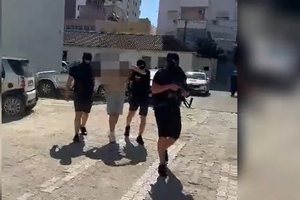
Following the successive operations carried out by the ope...
The Police Supervision Agency has seized the service weapo...
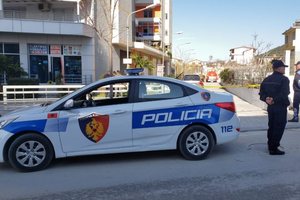
A serious incident occurred in Lushnje, where citizen IY, ...
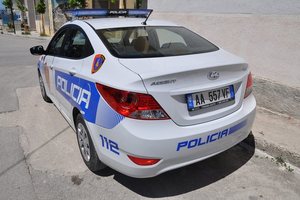
As a result of the investigative and procedural actions ca...
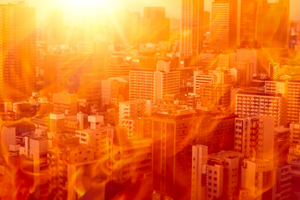
As the year 2026 is in its second half, the world is exper...
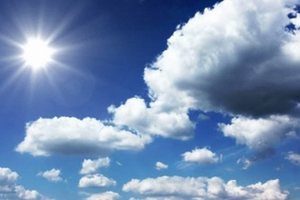
Today, our country will be under the influence of stable a...

By noon, cloudiness is expected to prevail in almost all o...

Children without parental care, for whom alternative famil...
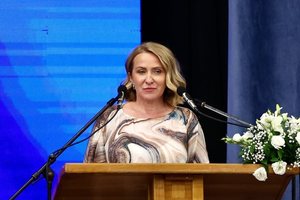
Serbia's Minister of State Administration and Local Self-G...
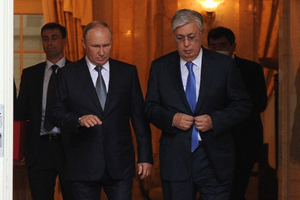
Kazakh President Kassym-Jomart Tokayev shared some critici...
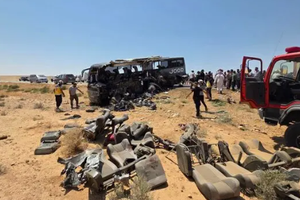
Thirty-five people were killed and 30 others were injured ...
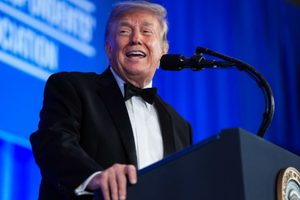
US President Donald Trump has announced that he will seek ...
Two windows, a century of history and the metaphysics of p...
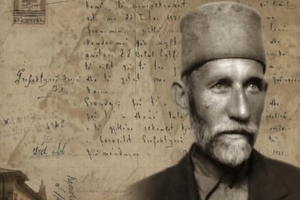
In my research at the Central State Archives, specifically...

At a time when industrial products are increasingly taking...

Trust among people is not just a three-syllable word. It c...
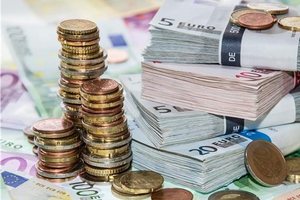
This Saturday, one US dollar is bought for 81.7 lek and so...
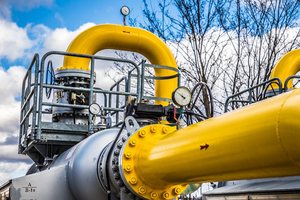
War, weather and supply disruptions could send gas prices ...
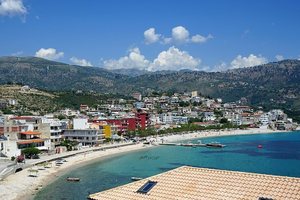
The number of active enterprises in Albania continued to g...
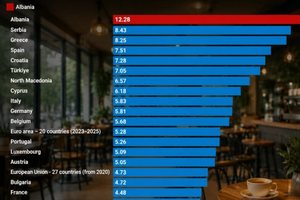
In Albania, the bar-cafe has long become an almost unique ...