




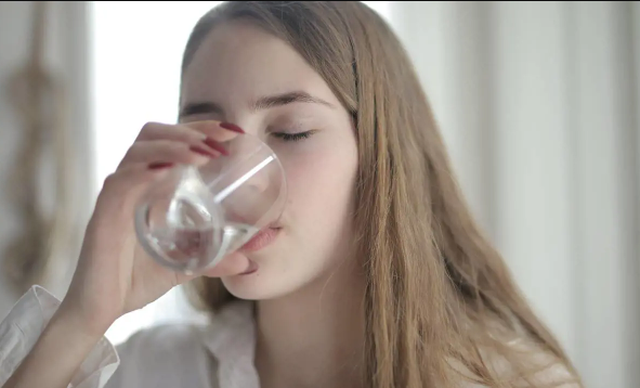
Overhydration is a condition characterized by excessive fluid consumption either continuously or over a short period of time. Also known as "water intoxication", this problem is the opposite of dehydration.
The European Food Safety Authority recommends drinking 2-2.5 liters of water for men and 1.5-2 liters for women in 24 hours. But what happens when we drink too much water? Hyperhydration leads to an increase in cell volume. Among the latter, the most sensitive are undoubtedly those of the brain, which, if they receive large amounts of fluid in a short time, are not able to adapt properly.
In this way, a typical symptomatology arises. The disorder has several causes. Athletes who try to avoid dehydration by drinking a lot of water are often affected by this. But people who do not secrete urine normally are also at risk, i.e. those born prematurely, as well as patients suffering from heart, liver and kidney diseases.
Care should also be taken when taking certain anti-depressant drugs and the so-called syndrome of inappropriate antidiuretic hormone secretion. In the latter case, excess vasopressin secreted by the pituitary gland prompts the kidneys to retain unnecessary water.
It is not uncommon for hyperhydration to also be of psychiatric origin (psychogenic polydipsia). Overhydration can damage the kidneys, brain and heart. Especially the kidneys are not able to properly filter and eliminate excess fluids.
This difficulty is more pronounced in individuals suffering from chronic heart and renal failure. The introduction of a large amount of water into the body causes hyponatremia , a condition characterized by a decrease in sodium levels in the blood. And it is precisely the electrolyte imbalance that causes symptoms such as: headache; vomiting; heaviness in the abdomen; swelling, mental confusion; irregular heartbeat; muscle weakness; frequent urination; slumber
Although the body has effective mechanisms to regulate fluid intake as needed, severe overhydration can cause convulsions and even lead to coma. Regardless of the underlying cause, the first step in treating this condition is to reduce, under medical supervision, your daily fluid intake to less than 1 liter.
In this way the symptoms are reduced within a few days. When the problem stems from heart, liver or kidney disease, it is best to limit sodium intake. Also, the Doctor may recommend stopping the drugs believed to be responsible for the disorder. / Adapted from CNA





Beyond environmental issues, one of the most compelling ar...

1960 - Xhon Kenedi dhe Riçard Nikson përballen në deba...

Although Ukraine's much-anticipated counteroffensive start...
During the time of the Soviet Union, an anecdote was often...

2005 - The IRA is officially disarmed Two months after an...
Repetition has a strange relationship with the human mind....

The Italian Coast Guard rescues a boat full of migrants of...
Dr. Jim Tucker, a psychologist at the University of Virgin...

1939 - The "father" of psychoanalysis, Sigmund Freud, pass...

After World War I, the League of Nations was created with ...

Next year, NATO - the largest and most capable political a...

The collapse of two dams in Libya, which caused massive fl...

In her last State of the Union speech as president of ...
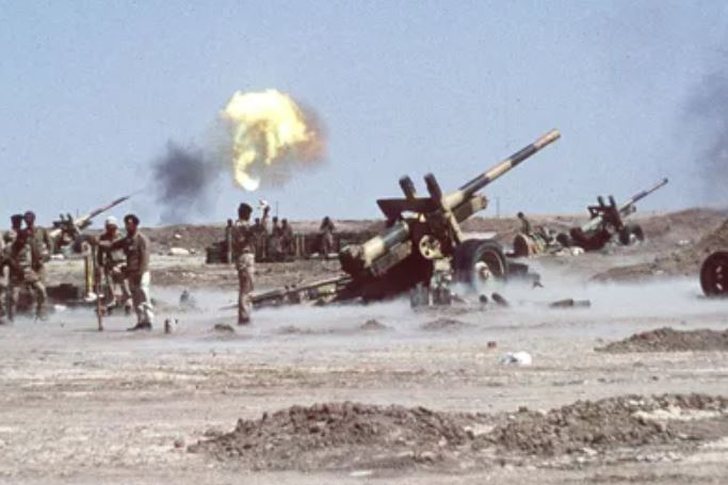
1980 - Iraq invades Iran, starting a bloody 8-year war...

Russian President Vladimir Putin had strong reasons to wel...

Since Turkey's presidential election in May this year,...
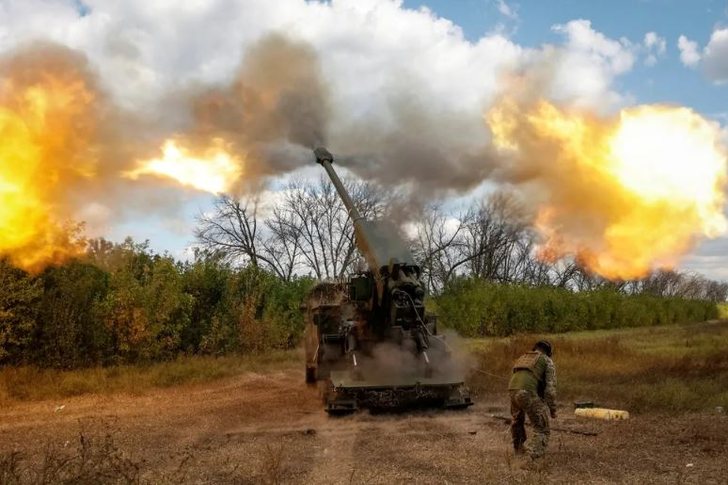
Since the start of the war, American military analyst Mich...

Të martën e 12 shtatorit, ndërsa Italia e Luçiano Spaletit...

Thanks to their thinking, creations or ideas, the humanity...

The animal kingdom is filled with intelligent creatures. T...

A 39-year-old citizen has been arrested in Lezha, after se...

CNA has launched another investigation that could lead to ...

Irfan Hysenbelliu is a businessman that we call "Irfan the...

In March 2026, CNA launched another investigation centered...

The Special Board of Appeal (KPA) decided this Monday ...

The KPA vetting decided this Thursday to dismiss the p...

Suela Salavaçi, a prosecutor in the Prosecutor's Offic...

The Special Board of Appeal reinstated the prosecutor ...

Following the successive operations carried out by the ope...

The Police Supervision Agency has seized the service weapo...

A serious incident occurred in Lushnje, where citizen IY, ...

As a result of the investigative and procedural actions ca...

As the year 2026 is in its second half, the world is exper...

Today, our country will be under the influence of stable a...

By noon, cloudiness is expected to prevail in almost all o...

Children without parental care, for whom alternative famil...
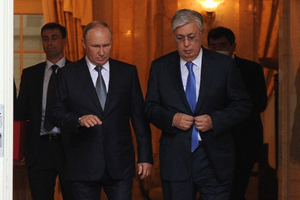
Kazakh President Kassym-Jomart Tokayev shared some critici...

Thirty-five people were killed and 30 others were injured ...

US President Donald Trump has announced that he will seek ...

Almost half of people living in France, Germany, Italy and...
Two windows, a century of history and the metaphysics of p...

In my research at the Central State Archives, specifically...

At a time when industrial products are increasingly taking...

Trust among people is not just a three-syllable word. It c...

This Saturday, one US dollar is bought for 81.7 lek and so...

War, weather and supply disruptions could send gas prices ...
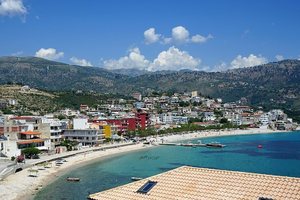
The number of active enterprises in Albania continued to g...

In Albania, the bar-cafe has long become an almost unique ...