

The US and the EU should toughen their approach to Serbia
Kosovo police and NATO forces in the north of the Serb-maj...


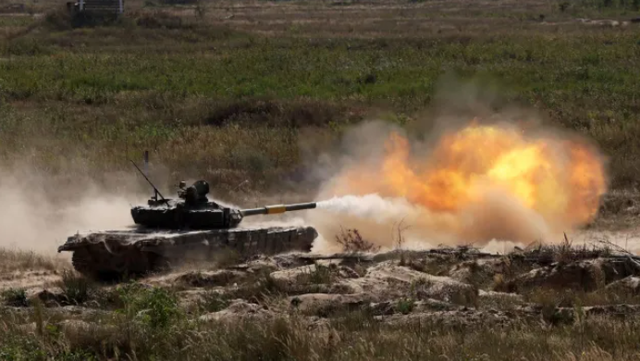
During the debate over whether or not the United States should continue to support Ukraine at current (or even expanded) levels in its fight against Russian aggression, many members of Congress are raising the more than understandable question: Even to what extent? time do we have to do this?
Or, to paraphrase retired General David Petraeus, from another conflict, the Iraq War: "Tell me how this conflict ends." Of course, there is no easy answer to this question. Because war is almost always unpredictable, both in terms of course of events, cost, duration and outcome. But with the all-out war in Ukraine now well over 19 months old, we should likely see it as a still-new conflict. The history of wars waged by the United States, a country with a solid military history but also a nation that has often fought in the early years of its armed conflicts, can provide a useful perspective. America's wars are not Ukraine's, and they are not all alike.
But a study of major American wars over the centuries suggests that major conflicts often reach their major turning points sometime between the second and third year of the war.
Let's start with the oldest examples. After early successes near Boston in 1775, the American patriots faced several heavy defeats, from the Battle of New York onward. The Revolutionary War went badly for the United States through 1776 and beyond, although George Washington successfully liberated Delaware on Christmas night and achieved several tactical victories in the days that followed, beginning in early 1777.
But until the Battle of Saratoga in the early fall of 1777, there was no event that could be identified as a decisive turning point. France's support for the US began as early as 1778, and the decisive victory at the Battle of Yorktown occurred in 1781. So the turning point came about 29 months after the war began. In the War of 1812, after much fighting along the US-Canada border, the British burned key federal buildings in Washington in the late summer of 1814. But they were trapped at Fort McHenry in Baltimore in September, where Francis Key was inspired to write "The Star-Spangled Banner".
Thus, the United States stopped the advance of the British army only about 27 months after the start of the conflict. Meanwhile in the American Civil War, the Confederacy (southern states) was generally more successful in the first 2 years of the conflict. But the balance shifted after decisive Union victories at Vicksburg and Gettysburg, both in the early days of July 1863.
The war was still far from over, but from that moment the South was always weaker. Thus, the military turn came again after about 27 months of war. World War I and World War II , on the other hand , are more complicated , since many sides were involved, and America entered each of them late (after supplying the Allies with weapons, before formal military involvement).
In World War I, the United States declared war on them in the spring of 1917. But Germany was still on the move that year against Russia, after the Tsar's regime collapsed, and then on the Western Front of Europe in early 1918.
It was to come the end of the summer of 1918, at St. Mihiel, France and elsewhere, and the mass landing of American forces to halt the momentum of the German army. So the turning point was about 17 months after America entered the war, and 4 years after the war began in August 1914.
In World War II, the balance shifted only from late 1942 in the Pacific, mid-1943 in the Battle of the Atlantic, and summer 1943 in Sicily. With regard to America's entry into the conflict in late 1941, the turning points occurred 12 to 20 months into the war, but more than 3-4 years after the initial German invasion of its European neighbors.
In Korea, after the important battles of 1950 and early 1951, American General Matthew Rixuej helped stabilize the front about 1 year after the start of the war. The fighting continued even later and for 2 years there was a stalemate at the front.
The turning point came after about 10 to 12 months, but it was not decisive. In Vietnam and perhaps in Afghanistan, there has never been a clear and definitive moment difference in favor of the United States and its partners.
In Iraq, the most visible US successes came 4 years after the overthrow of Saddam Hussein, with clear and visible results in the summer of 2007, or about 50 to 52 months into the war. Of course, the past is never an accurate prologue, and Ukraine's military experiences may not mirror America's.
But while a set of historical cases may tell us something about the nature of modern warfare, America's experience with its own conflicts suggests that 20 months of fighting is not such a long time. It often takes the winning side 2-3 years to have sufficient military production, mobilize sufficient forces, develop innovative tactical and operational concepts, and implement those ideas on the battlefield long enough to turn the tide of war.
Ukraine has been in possession of advanced armor weapons for only a few months, while it is still awaiting a significant number of modern fighter jets, as well as longer-range missiles. These facts, combined with the historical perspective of how long even successful wars typically last, indicate that Ukrainian forces should be given at least another year to liberate their territory and protect their people before we reach concluding that a backup plan is needed. By Michael O'Hanlon “The Hill”/ Adapted from CNA

Kosovo police and NATO forces in the north of the Serb-maj...
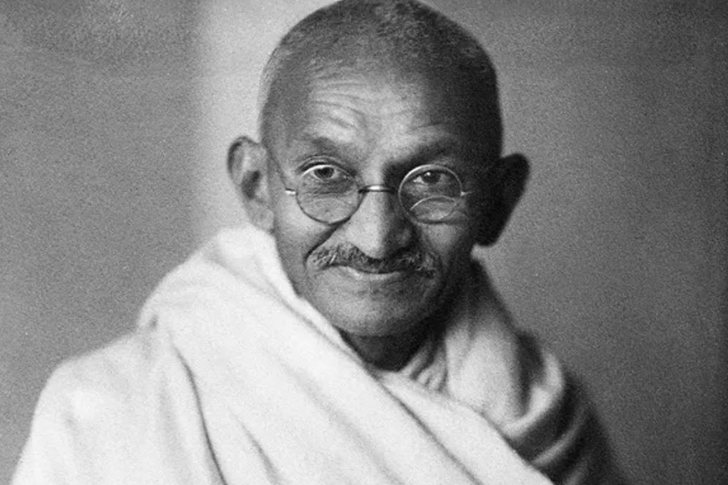
1869 - The "father" of India's independence and the inspir...

Today, when someone accuses another person of shedding "cr...
In a series of interviews earlier this month on the 22nd a...
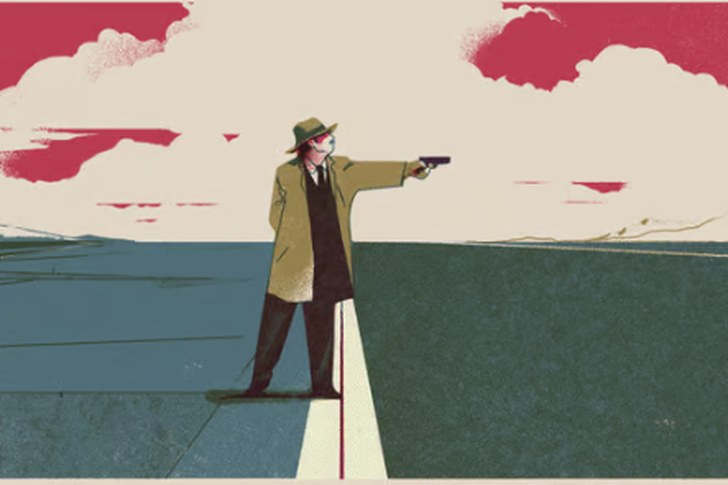
The killing in Canada in June of this year of Hardep Sing ...
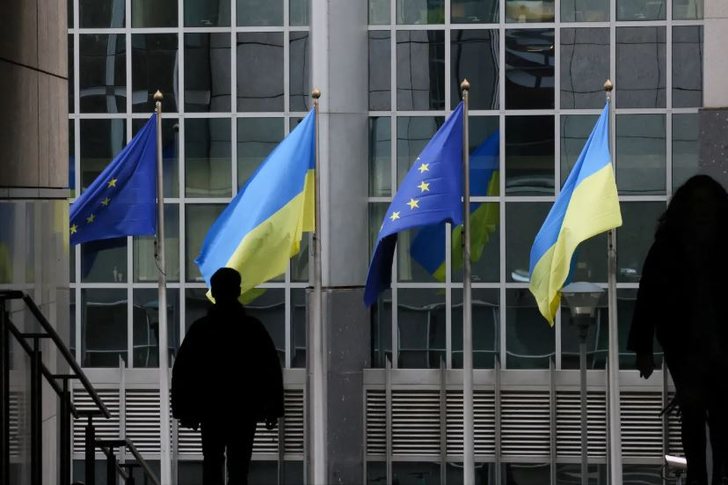
Over the past 6 decades, no part of European integration h...
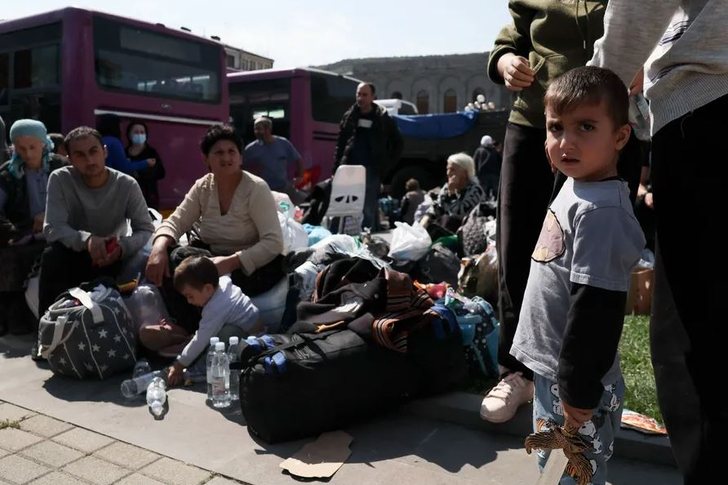
A decades-old conflict in the Caucasus was reignited last ...

Termi “kult” ngjall imazhe të forta në mendjet tona, duke ...

1938 - The Munich Pact is signed between Germany, France a...
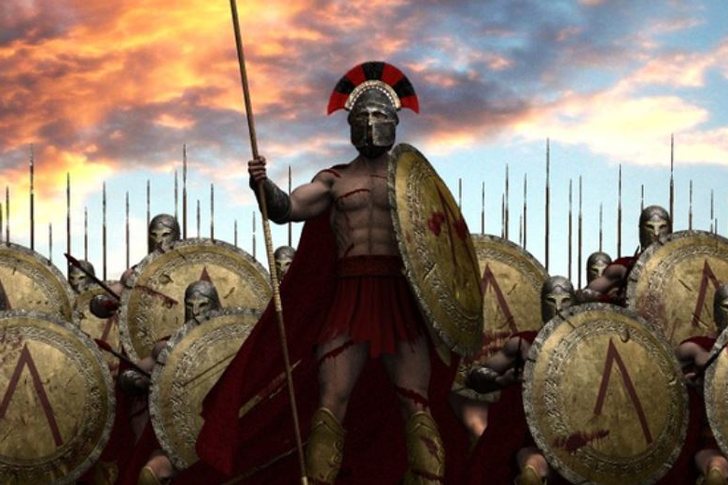
History is often filled with myths and legends that have a...
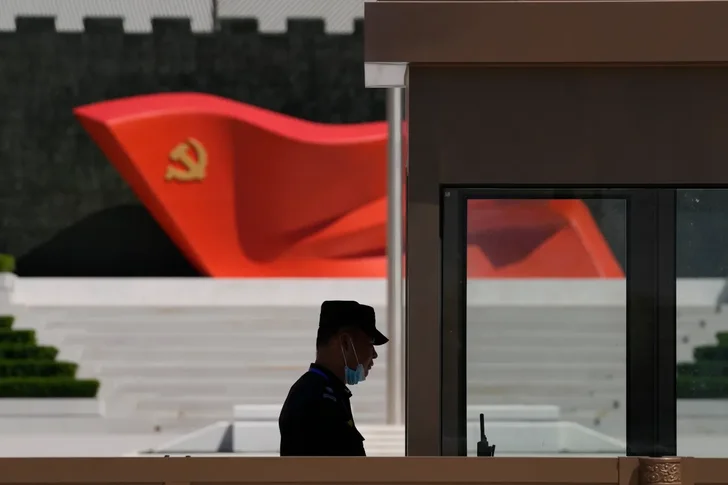
A flurry of headlines in the media in recent weeks about C...
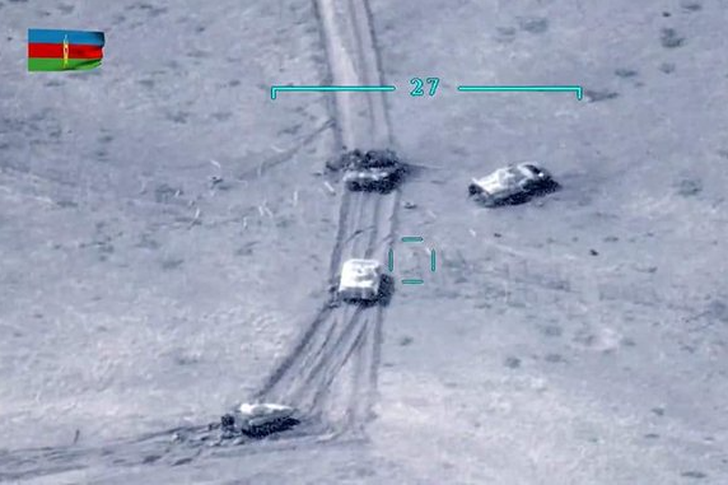
Over the past few years the importance of unmanned aerial ...

1934 - The world famous French actress Brigitte Bardot...
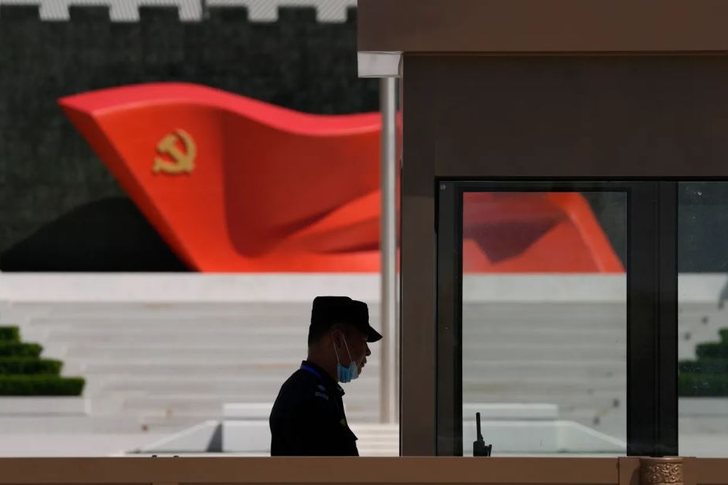
Një mori titujsh kryesorë në mediat javët e fundit në ...
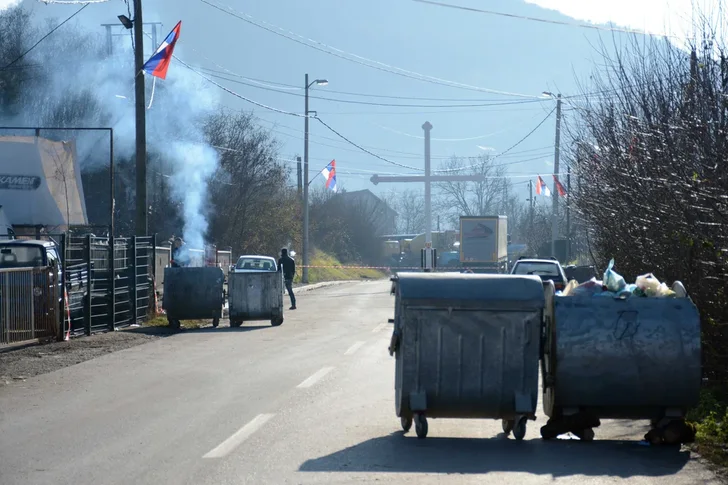
An unresolved conflict is always like a time mine. That's ...
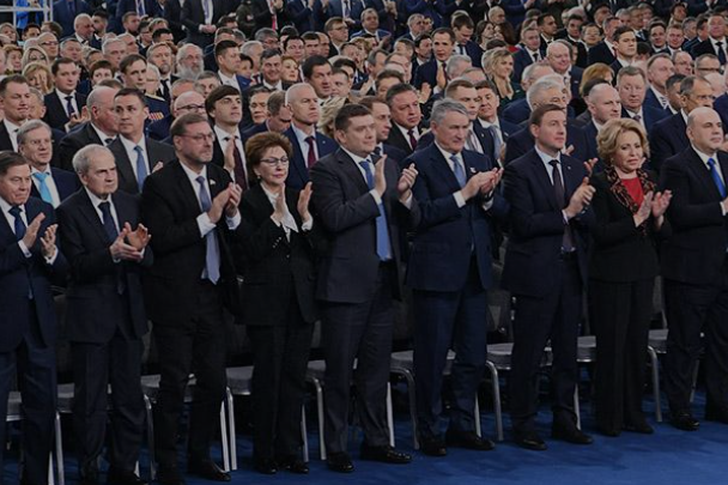
When President Vladimir Putin leaves office - in whatever ...

Stresi, ndjenja e pakënaqësisë dhe mungesa e mirënjohj...
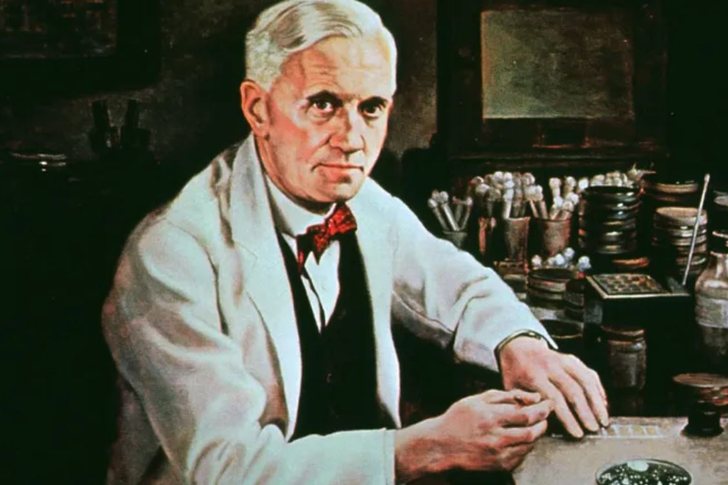
1928 - Anglezi Aleksandër Fleming zbulon penicilinën 95 v...
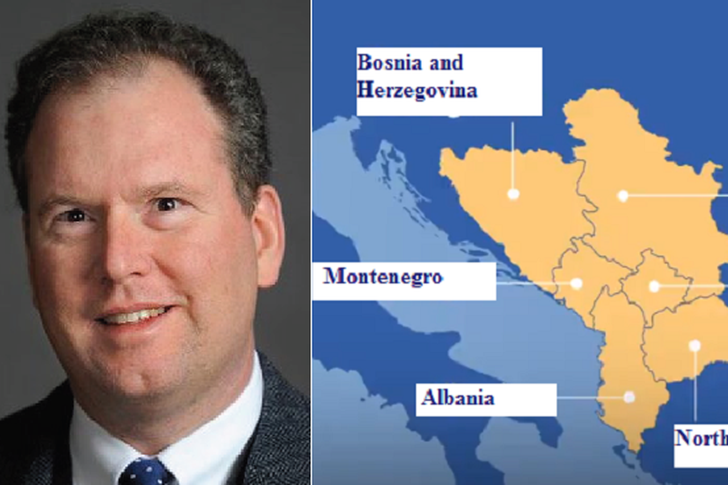
The Western Balkans, that is the countries of the former Y...

Overhydration is a condition characterized by excessive fl...

A 39-year-old citizen has been arrested in Lezha, after se...

CNA has launched another investigation that could lead to ...

Irfan Hysenbelliu is a businessman that we call "Irfan the...

In March 2026, CNA launched another investigation centered...

The Special Board of Appeal (KPA) decided this Monday ...

The KPA vetting decided this Thursday to dismiss the p...

Suela Salavaçi, a prosecutor in the Prosecutor's Offic...

The Special Board of Appeal reinstated the prosecutor ...

Following the successive operations carried out by the ope...
The Police Supervision Agency has seized the service weapo...
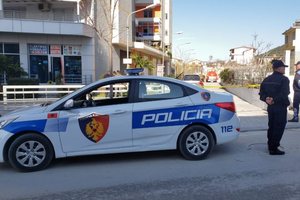
A serious incident occurred in Lushnje, where citizen IY, ...
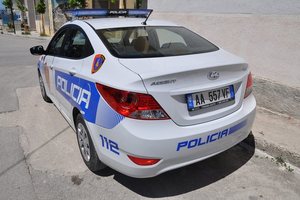
As a result of the investigative and procedural actions ca...

As the year 2026 is in its second half, the world is exper...

Today, our country will be under the influence of stable a...

By noon, cloudiness is expected to prevail in almost all o...

Children without parental care, for whom alternative famil...
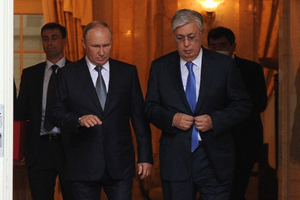
Kazakh President Kassym-Jomart Tokayev shared some critici...
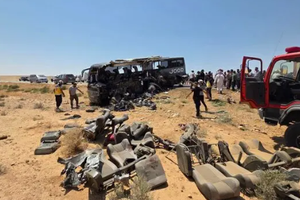
Thirty-five people were killed and 30 others were injured ...

US President Donald Trump has announced that he will seek ...

Almost half of people living in France, Germany, Italy and...
Two windows, a century of history and the metaphysics of p...
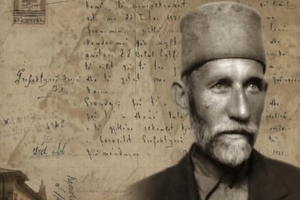
In my research at the Central State Archives, specifically...

At a time when industrial products are increasingly taking...

Trust among people is not just a three-syllable word. It c...

This Saturday, one US dollar is bought for 81.7 lek and so...

War, weather and supply disruptions could send gas prices ...
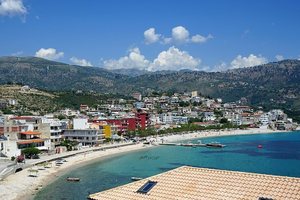
The number of active enterprises in Albania continued to g...
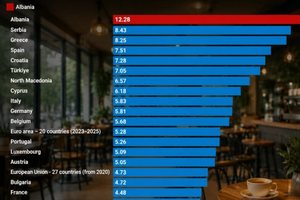
In Albania, the bar-cafe has long become an almost unique ...