


The Serbian thesis of "KLA Mercenaries" and the nonsense of its spokesmen in Tirana
The discovery or fabrication, and subsequent public use of...

The discovery or fabrication, and subsequent public use of...

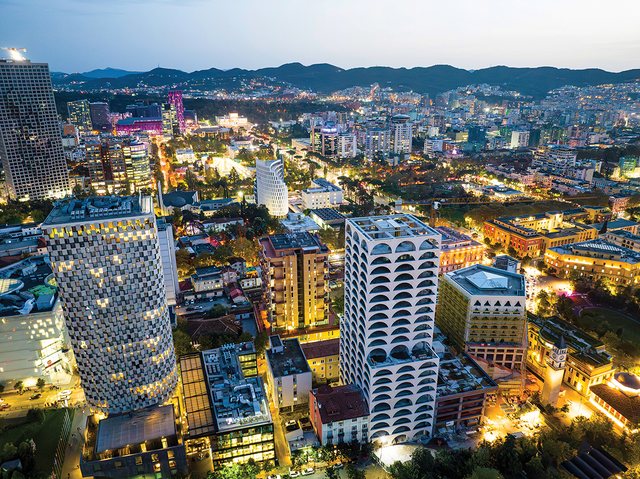
House prices have risen much faster than local incomes in much of Europe, placing Lisbon among the least affordable housing markets on the continent.
A house is more affordable relative to local incomes in Paris and London than in Lisbon.
Portugal has spent years touting itself as one of Europe's great success stories: sunshine, safety, a booming tourism industry and an enviable quality of life. But behind the postcard image lies one of the continent's most strained housing markets.
A house in Lisbon now costs around 18.7 times the annual income of a typical household, according to the latest figures from data platform Numbeo.
Among Europe's major cities, only the Croatian coastal city of Split matches it.
The 10 cities with the highest price-to-income ratio in Europe
The price-to-income ratio is one of the most widely used measures of housing affordability.
It compares the cost of buying a typical home to the income of an average family, showing how many years of income are needed to purchase a property.
The higher you climb, the more houses become unaffordable for those earning local wages.
As a general rule, a ratio above 10 already signals a problematic market for buyers, according to Mike Langen, senior housing economist at ABN AMRO. The threshold is based on standard mortgage lending rules that cap housing costs at around 30% of household income and typically limit loan terms to 30 years.
Against this criterion, Lisbon and the Croatian city of Split top the rankings, each scoring a price-to-income ratio of 18.7, almost double the level considered problematic.
They are followed by Prague, Milan and Tirana (18.1), Vienna (17.4), Belgrade (17.2), Paris (17.0), London (16.0) and Brno (15.8), highlighting how home ownership has become increasingly unaffordable in many of Europe's largest cities.
However, Portugal's capital offers one of the clearest examples of how house prices can affect local purchasing power. The country's significant divergence between house prices and wages over the past decade helps explain why Lisbon now ranks among the least affordable housing markets in Europe.
Portugal: House prices rise 240%, wages rise 59%
Over the past 10 years, house prices in Portugal have increased by almost 240%, according to data from Global Property Guide.
During the same period, the average Portuguese salary rose from around 839 euros per month to 1,333 euros, an increase of approximately 59%.
Prices rose four times faster than incomes. And in Lisbon, this gap may be even wider than the national average.
An apartment in the center of Lisbon costs around 6,763 euros per square meter. This brings a modest 50 square meter apartment to a price of approximately 338,000 euros.
Compared to an average net salary of around 1,416 euros per month — around 17,000 euros per year — that's close to 19 years of salary, before a single euro goes to anything else.
Why house prices continue to rise in Portugal
The usual explanation is often simple: there aren't enough homes. Warnings no longer come solely from market data.
In its 2026 economic survey, the OECD rated Portugal as among the countries with the least access to housing in the developed world, citing regulatory barriers, a weak rental market and housing supply that is slow to respond to demand.
Young people, the institution stressed, are the most affected. The country is building far fewer homes than it needs. Portugal currently completes around 25,000 to 30,000 homes a year, while industry groups and public estimates suggest the country needs roughly 45,000 to 50,000 homes a year to meet demand.
And Portugal devotes only about 2% of its housing stock to social housing, among the lowest percentages in Europe.
But studies suggest the story is more complicated. In its latest Housing Market Monitor, ABN AMRO showed that rising incomes and lower mortgage rates have historically had a much greater impact on rising house prices across Europe than population growth or a lack of construction.
A crisis spreading on the streets
The housing crisis has sparked the biggest wave of housing protests in Portugal in decades. Since 2023, the Casa para Viver ("House to Live") movement has brought tens of thousands of people to the streets across the country under the slogan "Já não dá" - "It's just not working anymore."
Activists are calling for stricter rent controls, more affordable housing and the use of vacant buildings, arguing that access to housing is a constitutional right.
The crisis is perhaps most visible in the suburbs of Lisbon, where families in informal settlements like Talude in Loures face eviction despite many of them working full-time and still unable to afford market rents.
For Jaime Luque, a member of the European Commission's Housing Advisory Board, the consequences extend beyond the property market.
When teachers, nurses, police officers, young professionals and students can no longer afford to live in a city, he argues, that city begins to lose its economic competitiveness.
Is Portugal's housing market bubble about to burst?
Despite growing pressures on affordability, few economists expect an immediate decline in house prices.
A bubble implies that prices have become disconnected from fundamentals and are susceptible to a sharp correction.
In its May 2026 financial stability report, the Banco de Portugal warned that supply shortages continue to push up prices, but it also attributes strict lending restrictions to keeping risky borrowing in check - the usual trigger of a housing sector downturn.
BPI Research recently increased its forecast for house price growth in Portugal in 2026 to 11.7%.
Portugal still benefits from structural demand, relatively limited supply and continued international interest.
In other words, the housing market in Portugal can be extremely expensive without necessarily being in a classic speculative bubble.
However, affordability metrics are illuminating warning signals.
A price-to-income ratio approaching 19, combined with house prices that have risen by roughly 240% over a decade, while wages have only increased by 59%, suggests that valuations have become increasingly difficult to justify using domestic income alone.
This does not guarantee that prices will fall.
But it suggests that Lisbon has become one of the least affordable housing markets in Europe, with the gap between property prices and local incomes wider than at any point in recent decades./ CNA

Prime Minister Edi Rama started this Friday morning with a...

Liabilities related to international arbitration decisions...
Journalist Artan Hoxha commented today on the citizen prot...

For more than an hour, protesters have been marching on th...
Analisti Andi Bushati hodhi sot akuza ndaj kryeministrit E...
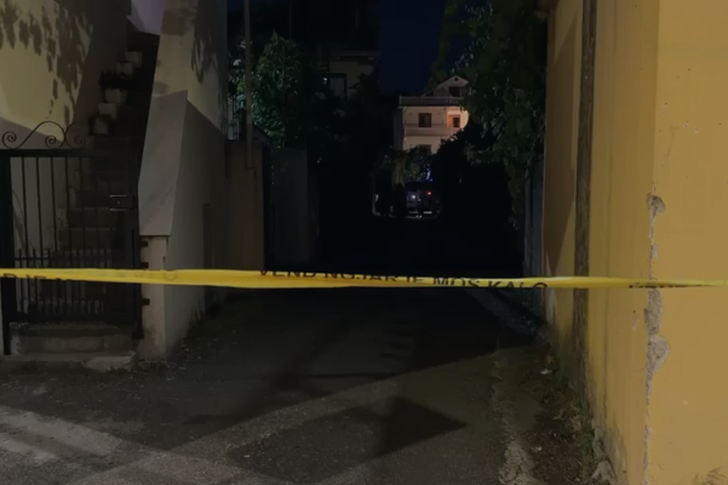
Gunshots are reported tonight in Shkodra. It was previous...

Journalist Lutfi Dervishi stated today that the Albanian g...

Protesters, on the 26th day of anti-government protests, l...
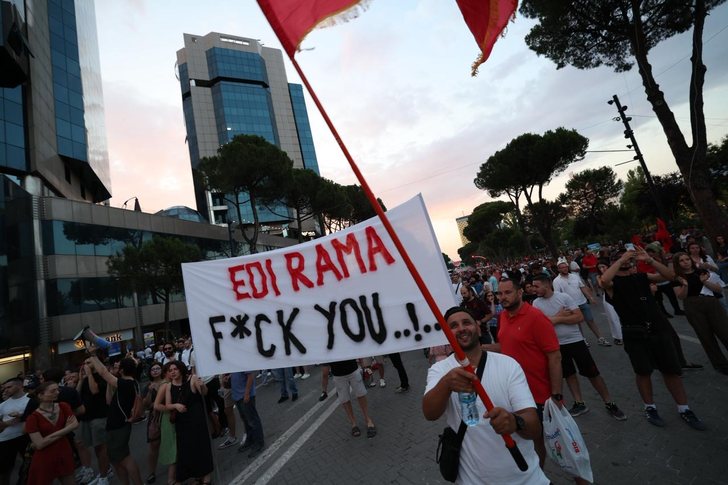
Even on the 26th day of the protest against the government...
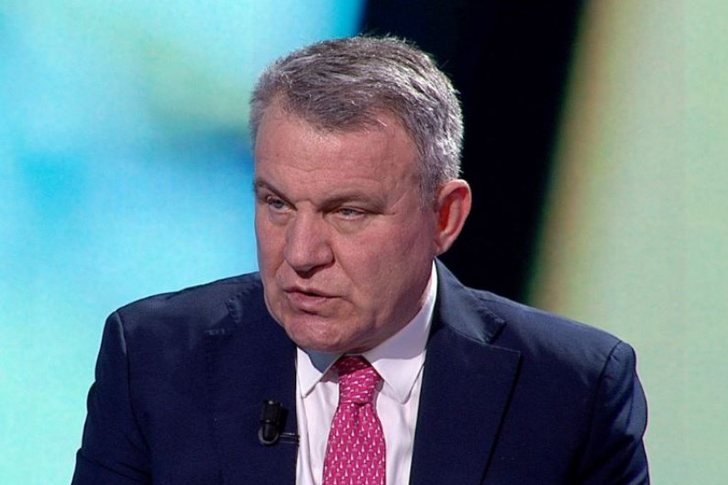
Former Minister of Finance, Arben Malaj, commented today o...
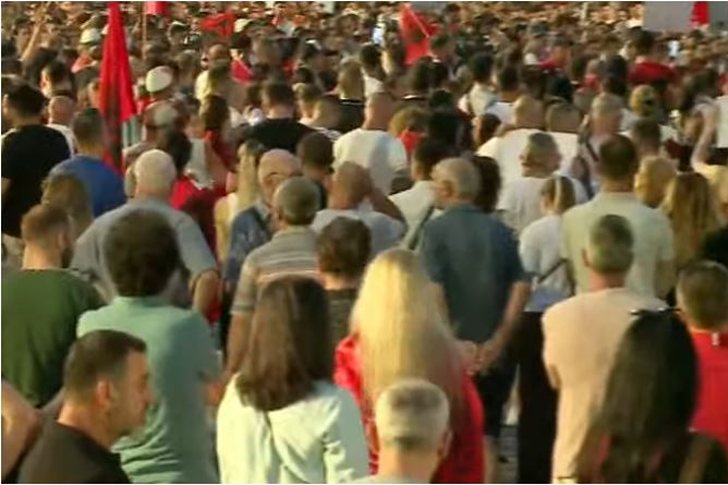
Also present at today's protest was an 11-year-old girl fr...

Journalist Klodian Tomorri said today that the real debate...
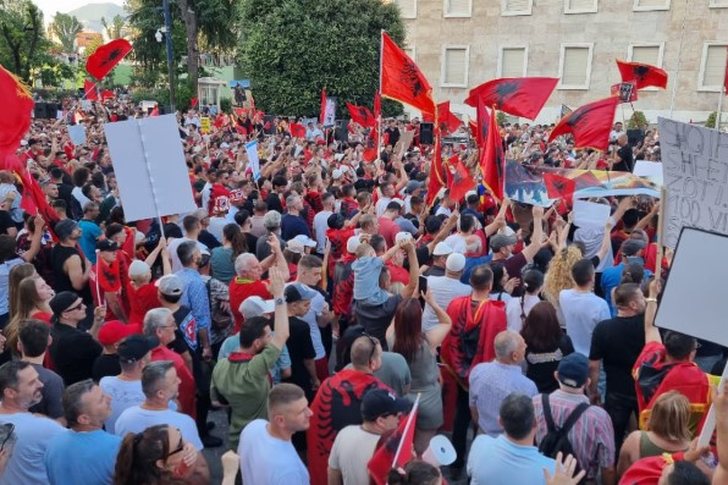
After gathering in the center of Tirana and setting up in ...

On the 26th day of the protest, those present delivered th...
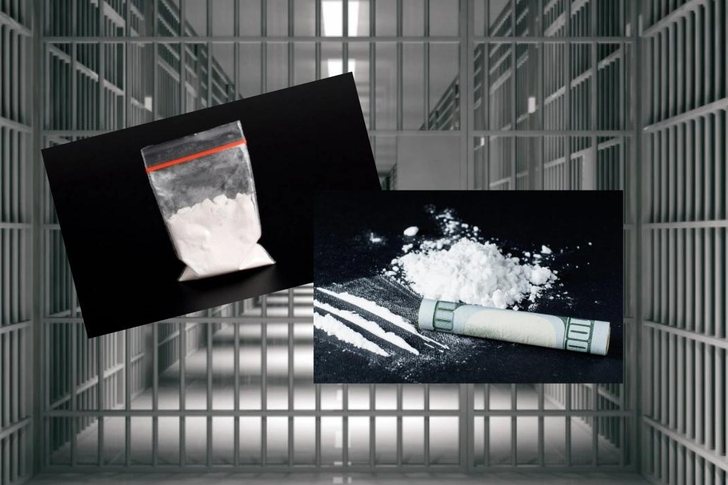
This Thursday, cocaine-type narcotics were found in the ce...

Protesters, on the 26th day of anti-government protests, l...

There were no shortage of "pearls" at today's Territorial ...
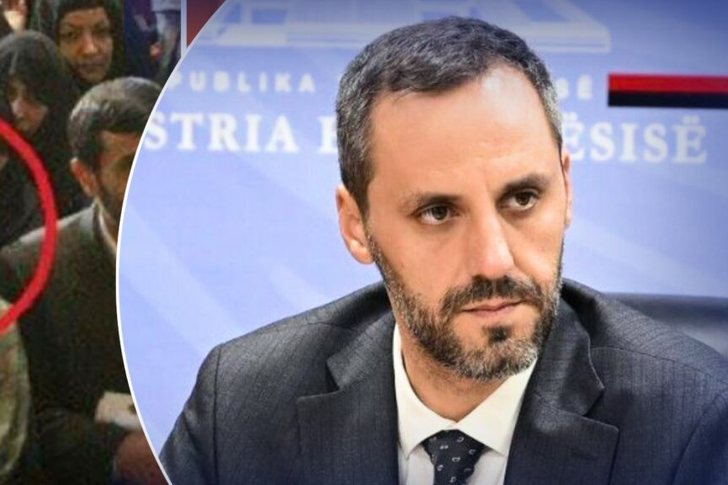
The Minister of Internal Affairs, Besfort Lamallari, share...

During the hearing held in Korça on the territorial reform...
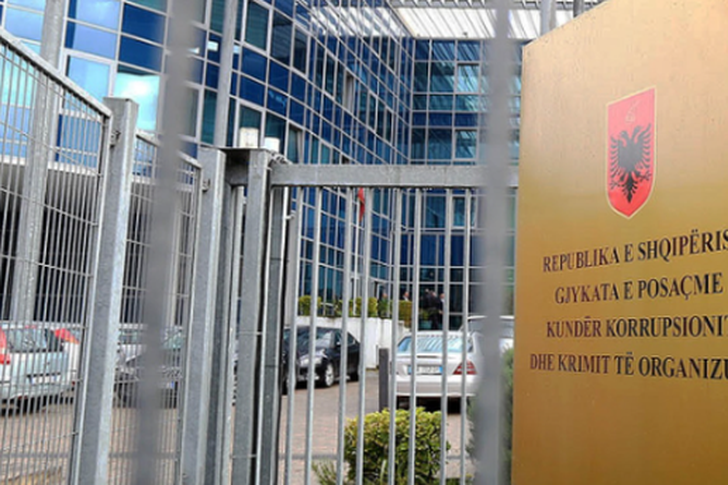
The Special Court has sent to trial the two defendants in ...
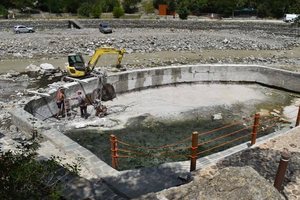
Journalist Elton Qyno has made a complaint regarding the w...
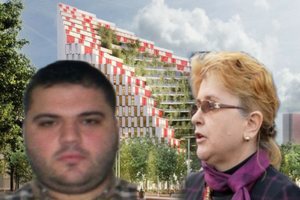
After the first denunciation, the Plug show has continued ...
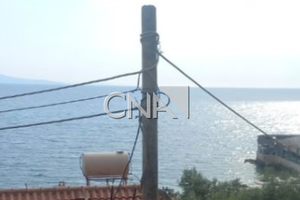
Today, CNA has published a complaint from residents of the...
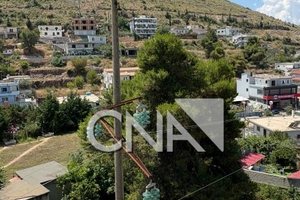
A complaint from residents of the village of Gjashtë in Sa...

The Special Board of Appeal (KPA) decided this Monday ...

The KPA vetting decided this Thursday to dismiss the p...

Suela Salavaçi, a prosecutor in the Prosecutor's Offic...

The Special Board of Appeal reinstated the prosecutor ...
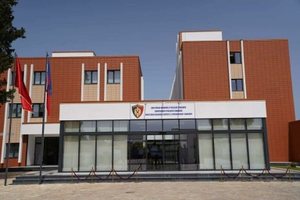
The Crime Investigation Specialists of the Shkodra Police ...
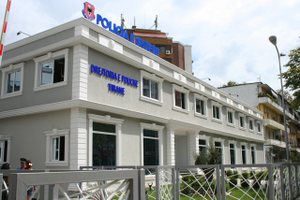
Tirana Police announce that 11 citizens have been identifi...
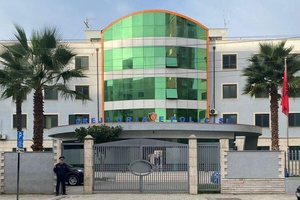
A police officer at Durres prison has been arrested in fla...

An accident occurred this afternoon on the Elbasan-Peqin a...

Today, mainly stable weather conditions. According to the...

Today, our country will be affected by almost the same met...

As climate change warms coastal waters in northern Europe,...
Today, our country will be affected by almost the same met...

A severe heatwave is expected to sweep across Central Euro...

At least 235 people have been killed and more than 4,300 i...

Is the Chancellor at a loss for words? What do experts say...
Multiple explosions are reported by foreign media in the U...

The promotion of the book by author Aleksandër Ikonomidhi ...

The Albanian Embassy in Switzerland has organized an eveni...

This Wednesday, the prominent actor of Albanian cinema, Gj...
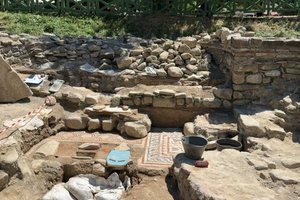
Several archaeological excavations conducted during this s...

The agricultural sector faced a very challenging year in 2...

This Friday, one US dollar is bought for 82.2 lek and sold...
Austria was the leading foreign investor in Albania in the...

Between 2015 and 2025, residential construction prices inc...