


Why is Central Europe unprepared for the approaching heatwave?
A severe heatwave is expected to sweep across Central Euro...

A severe heatwave is expected to sweep across Central Euro...

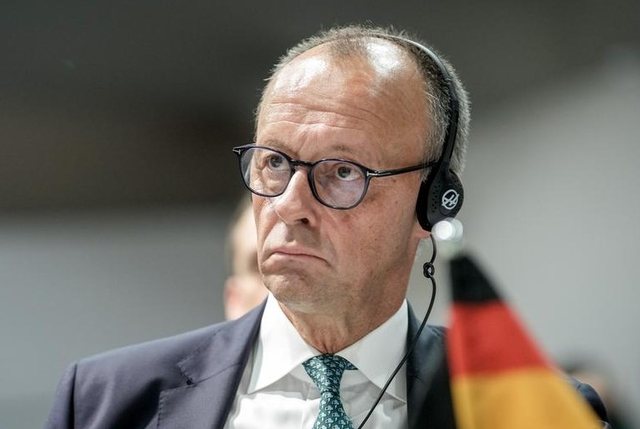
Is the Chancellor at a loss for words? What do experts say about the dissatisfaction of most Germans with Friedrich Merz? And how can change be achieved?
Is the Chancellor able to find the right words? What do experts say about the dissatisfaction of most Germans with Friedrich Merz? And how can things change and a turnaround be achieved?
"The figures are dramatic. There's no other way to put it," says election researcher Stefan Merz from Infratest dimap. Chancellor Friedrich Merz has set a record: Never before has a serving Chancellor in Germany had such poor ratings for his performance in office.
Just a few weeks ago, the CDU leader even surpassed the worst ratings of his SPD predecessor, Olaf Scholz, from the last phase of the SPD, environmentalists and FDP coalition. Recently, only about one in six Germans expressed satisfaction with Merz's performance in government.
Stefan Merz (who has no personal connection to Chancellor Merz), director at Infratest dimap, told DW that the decline was much faster than his predecessors. Angela Merkel, in particular, was "in a different category." Compared to her, Merz is "a non-human."
Merz wants to be a reformist, not a consensual Chancellor
Stefan Merz also says this: Friedrich Merz probably "doesn't even expect to get ratings of 60 or 70 percent." He wants to be a "reform chancellor" and not a "consensus chancellor."
Infratest dimap, one of Germany's leading polling institutes, does not ask directly about popularity ratings. "How satisfied are you with the political work of..." is the question.
Friedrich Merz started "very poorly" in the polls in May 2025. He gained ground for two or three months. Then the ongoing coalition dispute really began with the debate over the candidate for the Constitutional Court, which the CDU/CSU had blocked.
Stefan Merz cites controversial issues such as migration, the disagreement over pension reform and the Chancellor's heated argument with Labor Minister Bärbel Bas (SPD). But he also says: "It's not primarily about him personally. It's about the overall image of the federal government." The image is devastating, he says.
Merz's "unprofessionalism"
Olaf Kramer, a professor at the University of Tübingen, takes a much more critical view of the Chancellor. Merz has "always been perceived as a very good speaker" in the past. According to him, Merz can "argue well".
However, in an interview with DW, the rhetoric professor speaks of a "kind of unprofessionalism" that occasionally appears. The CDU politician does not seem to reflect on the fact "that the statements he makes from his position as Chancellor have a different significance and can have different consequences than those he could say in his private capacity."
Kramer refers to the Chancellor's remark about the so-called "cityscape". In October 2025, at a press conference in Berlin, Merz linked "problems in the urban landscape" to deportations and migration. After massive criticism, he clarified his statement. He meant migrants without residence or work permits "who do not adhere to the rules in Germany". These individuals, he claimed, dominate the scenes at train stations, on the subway, in parks, or even in entire neighborhoods.
Kramer describes it as "fishing in troubled waters." Merz's statement was rhetorically distinguished by the fact that "it essentially does not specify what it is about." This ambiguity allows "extreme right-wing parties to easily exploit it."
The communications expert also holds the apparatus responsible after Merz: Such communication "should not happen in a professionally run Federal Chancellery."
"Fishing in troubled waters"
The comment about the "urban landscape" was not the only statement by the Chancellor that attracted widespread criticism. While still in opposition, he had called children from migrant families "little pashas" and complained about "welfare tourism" among Ukrainian refugees, echoing the rhetoric of populists and right-wing extremists. As Chancellor, he angered both the Brazilian and US presidents with personal remarks.
Can the Chancellor achieve a turnaround or is it too late? Stefan Merz says the atmosphere is very skeptical. But he believes a turnaround is possible. As an example, he mentions Gerhard Schröder, Chancellor from 1998 to 2005. The Social Democrat was re-elected Chancellor in 2002 with personal approval ratings of around 60 percent, but shortly afterwards, his approval ratings fell to around 25 percent. At the end of his term, they were back to around 50 percent. Statistics also showed fluctuating trends for Chancellor Merkel during her terms.
"The legislative period is still long. There is still room for maneuver," says Stefan Merz. But for this to happen, the federal government under Chancellor Merz must "work more effectively and more smoothly. It must convey the feeling that things are moving in the right direction."
Rhetoric expert Kramer offers a critical analysis: "We know that Merz has a quick style of making announcements." He says "that strong measures will be taken," but then political actions do not follow the words. People are noticing this difference. "The difference between words and deeds is something that can seriously and permanently damage the trust in a speaker."
This applies to both Merz and his ministers. All the more so since the coalition wants to quickly implement the basic pension reform proposals developed by a commission, which is one of the main projects.
A Chancellor needs "conciliatory rhetoric"
But Kramer is calling for a change. "When you are Chancellor, you are Chancellor of the Germans and no longer just a representative of your party as an opposition leader," he emphasizes.
This role change for Merz must happen. "In this sense, it is also the duty of a Chancellor to have a conciliatory rhetoric capable of building bridges."/ DW

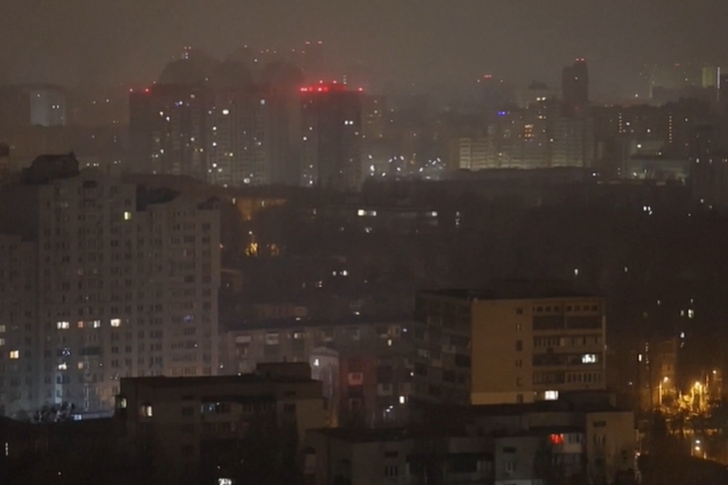
Multiple explosions are reported by foreign media in the U...

Prime Minister Mark Carney spoke today with US President D...
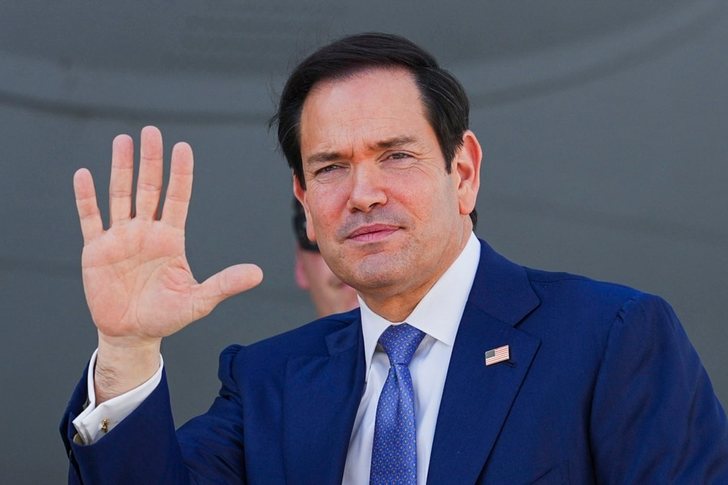
US Secretary of State Marco Rubio concluded a three-day vi...

A cargo ship was damaged this Thursday after being hit by ...

A 23-year-old TikTok influencer accused of killing her boy...
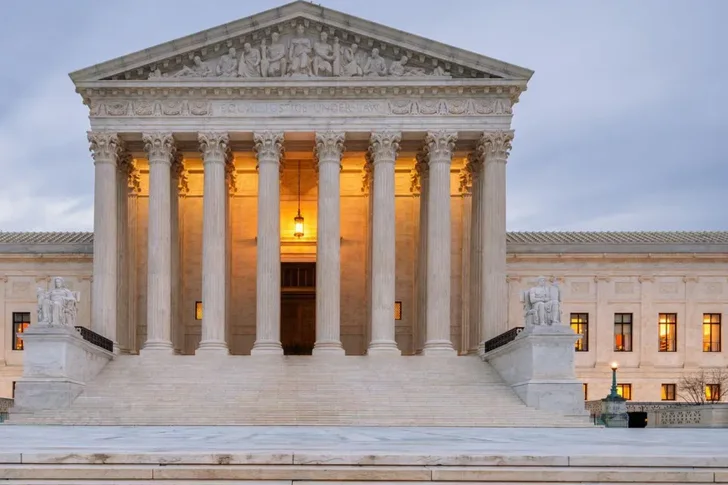
The Supreme Court has ruled that migrants arriving at the ...
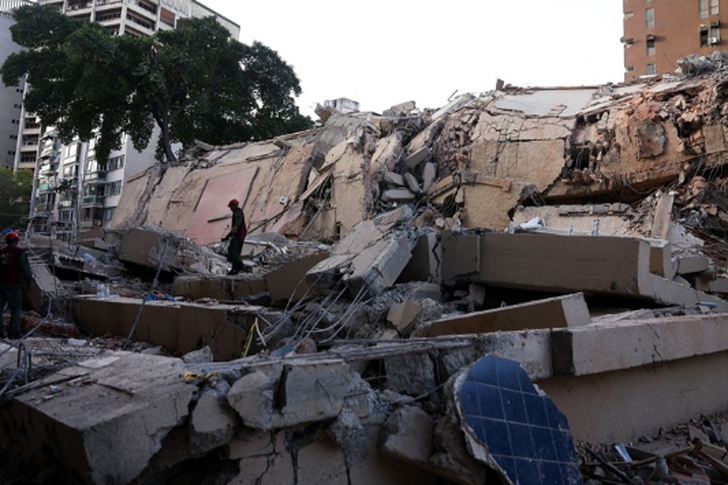
Më shumë se 10,000 persona janë raportuar të zhdukur nga t...
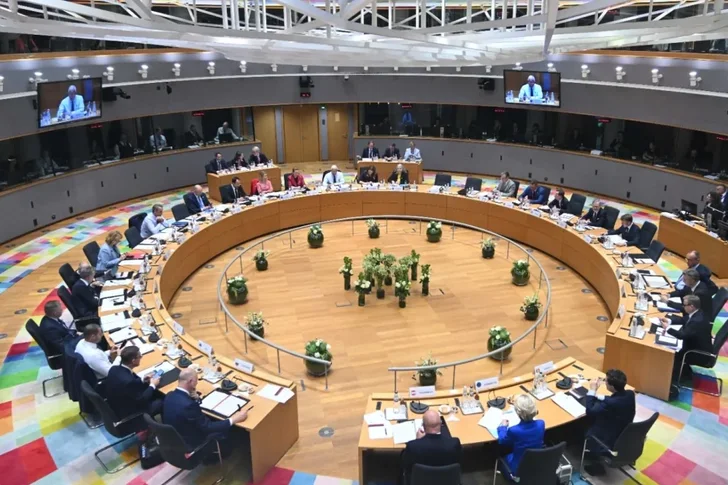
The Council of the European Union today gave final approva...
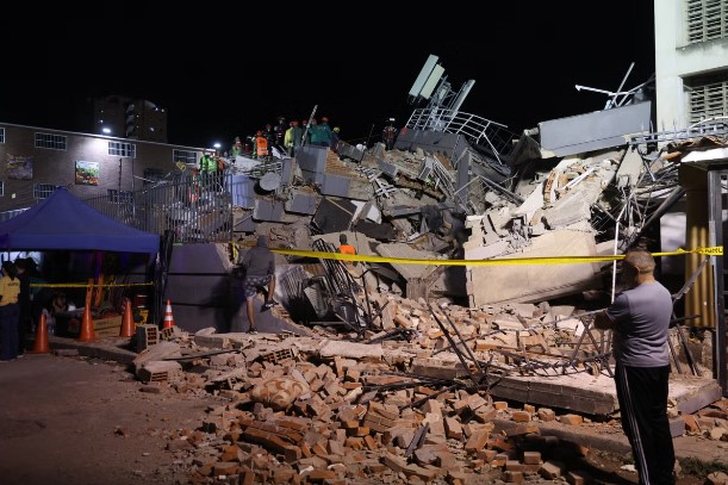
Shtetet e Bashkuara të Amerikës, Kinë, Kili dhe vende të t...
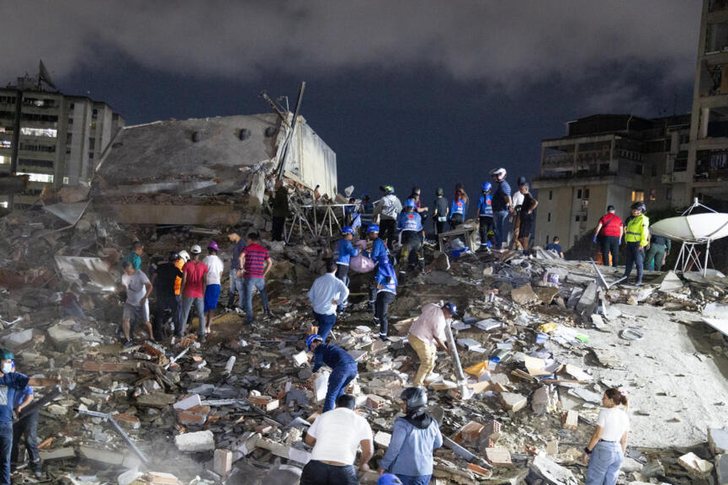
The death toll from devastating earthquakes in Venezuela h...
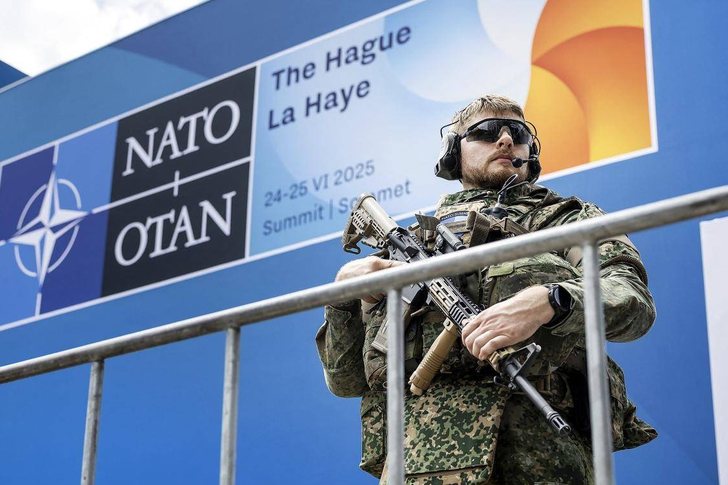
Iran's Foreign Ministry described the statements of NATO c...
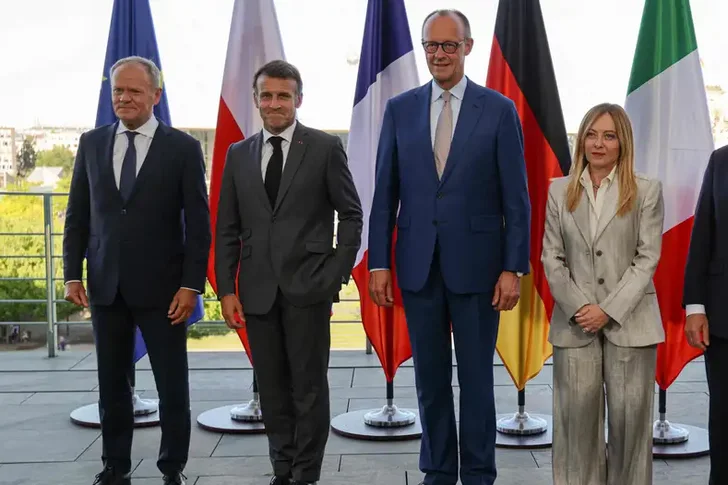
NATO's five most powerful member states in Europe gathered...
Iceland's opposition leader, Gudrun Hafsteinsdottir, has s...
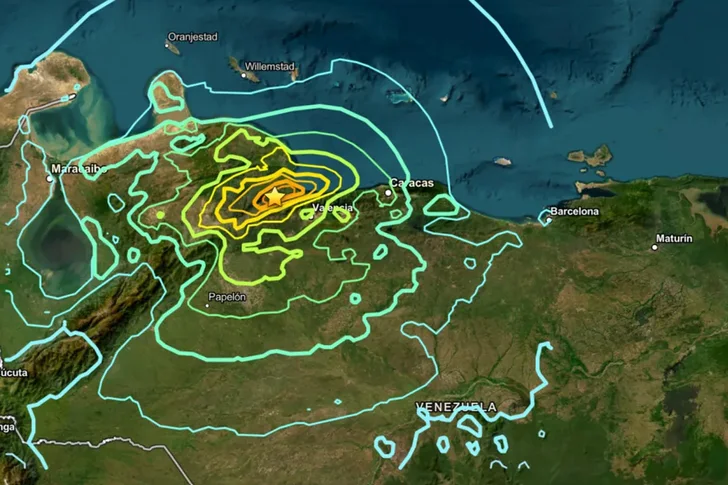
Wednesday's earthquake was the largest to hit Venezuela i...

A severe heat wave sweeping across Western Europe has brou...
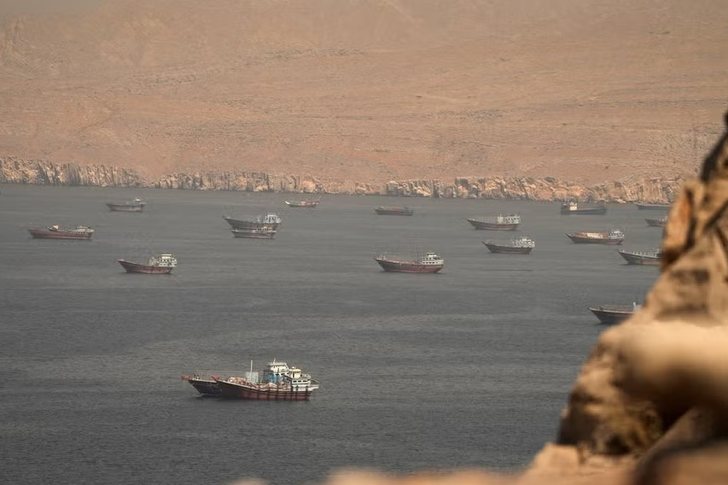
Iran's Revolutionary Guard has warned all ships in the Str...
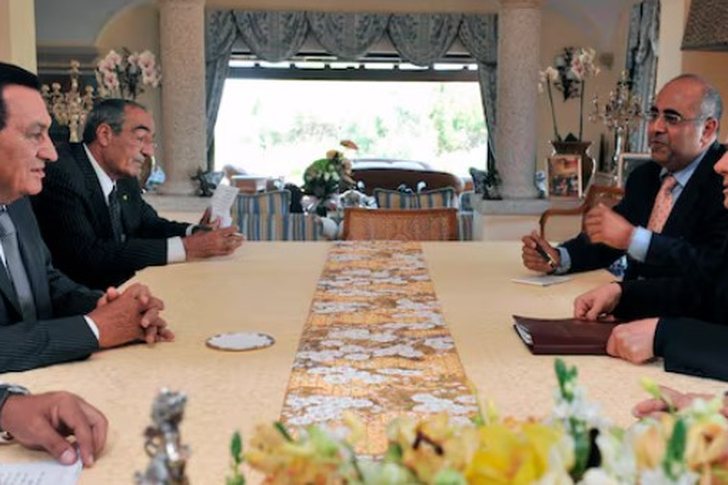
Trashëgimtarët e ish-kryeministrit italian, Silvio Berlusc...
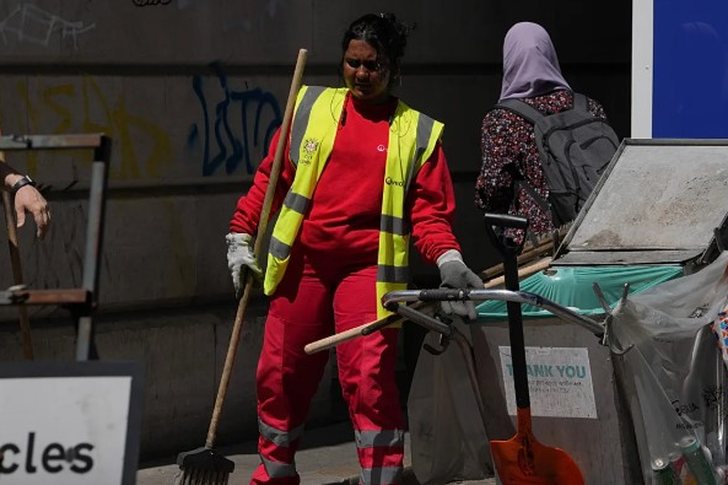
Parts of Europe are experiencing up to 40 extra days of se...

Only four EU countries have implemented the EU's Pay Trans...
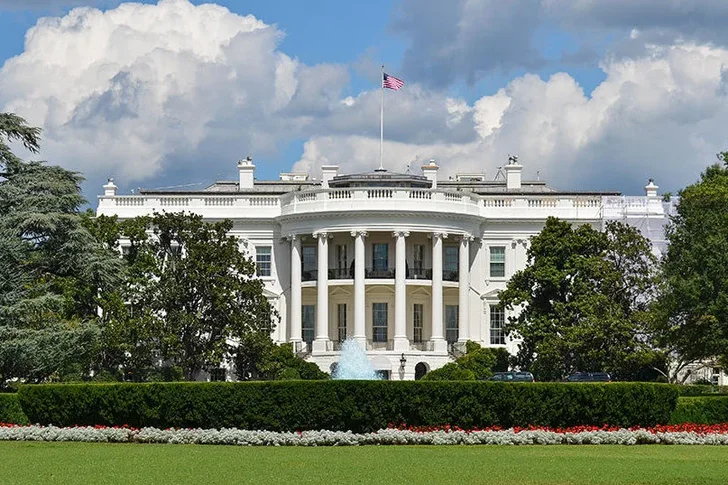
The White House has asked Congress to approve an $87.6 bil...
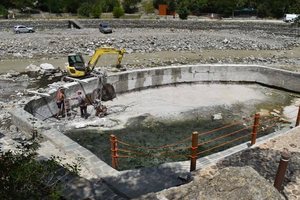
Journalist Elton Qyno has made a complaint regarding the w...
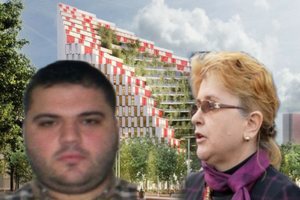
After the first denunciation, the Plug show has continued ...
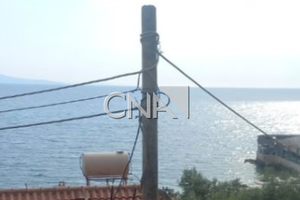
Today, CNA has published a complaint from residents of the...

A complaint from residents of the village of Gjashtë in Sa...

The Special Board of Appeal (KPA) decided this Monday ...

The KPA vetting decided this Thursday to dismiss the p...

Suela Salavaçi, a prosecutor in the Prosecutor's Offic...

The Special Board of Appeal reinstated the prosecutor ...
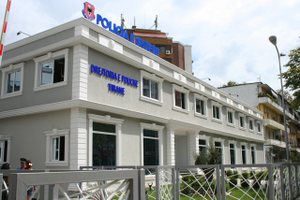
Tirana Police announce that 11 citizens have been identifi...
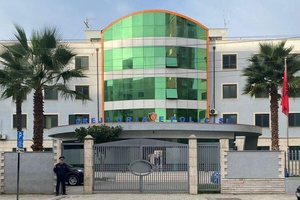
A police officer at Durres prison has been arrested in fla...

An accident occurred this afternoon on the Elbasan-Peqin a...
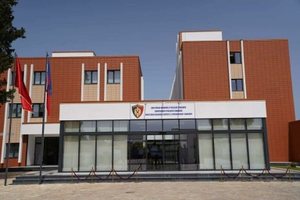
The Police Supervision Agency has suspended the former dir...

Today, mainly stable weather conditions. According to the...

Today, our country will be affected by almost the same met...

As climate change warms coastal waters in northern Europe,...
Today, our country will be affected by almost the same met...

A severe heatwave is expected to sweep across Central Euro...
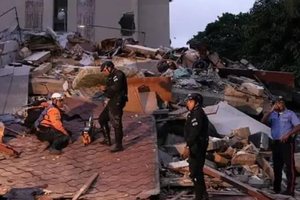
At least 235 people have been killed and more than 4,300 i...
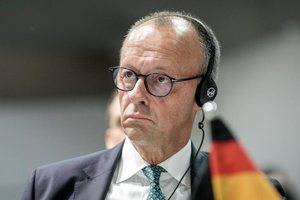
Is the Chancellor at a loss for words? What do experts say...

Multiple explosions are reported by foreign media in the U...

The promotion of the book by author Aleksandër Ikonomidhi ...
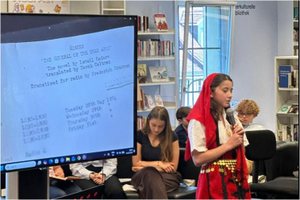
The Albanian Embassy in Switzerland has organized an eveni...

This Wednesday, the prominent actor of Albanian cinema, Gj...

Several archaeological excavations conducted during this s...

This Friday, one US dollar is bought for 82.2 lek and sold...

Austria was the leading foreign investor in Albania in the...

Between 2015 and 2025, residential construction prices inc...
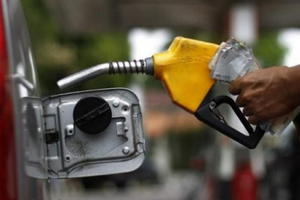
Oil prices have fallen to levels not seen since before the...