




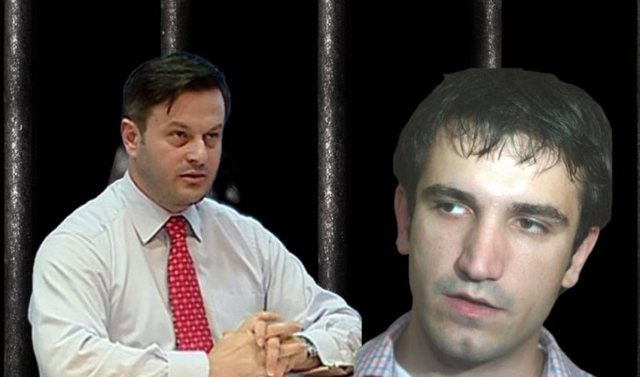
The latest letter from the defendant lawyer in the GJKKO, the lawyer accused by SPAK who also acts as Erion Veliaj's lawyer, Plarent Ndreca, addressed to the members of the High Prosecutorial Council is not a request for information.
It is an open attempt at institutional pressure, built with an old technique of procedural manipulation: first a controversial legal thesis is declared as accomplished, then the institution is only asked to affirm whether or not it was aware of it.
In this letter, the lawyer for Erion Veliaj, the defendant in the GJKKO and accused by SPAK, Plarent Ndreca, does not ask whether or not there is a collegial decision-making of the KLP. He does not seek clarification on the procedure followed. He does not seek institutional interpretation. He gives his own conclusion.
The letter of Vice President Erind Gërmenji is treated as a "personal act", is provisionally declared "null", and is also attributed the most serious possible consequence: "removal of competence" of the constitutional collegial body.
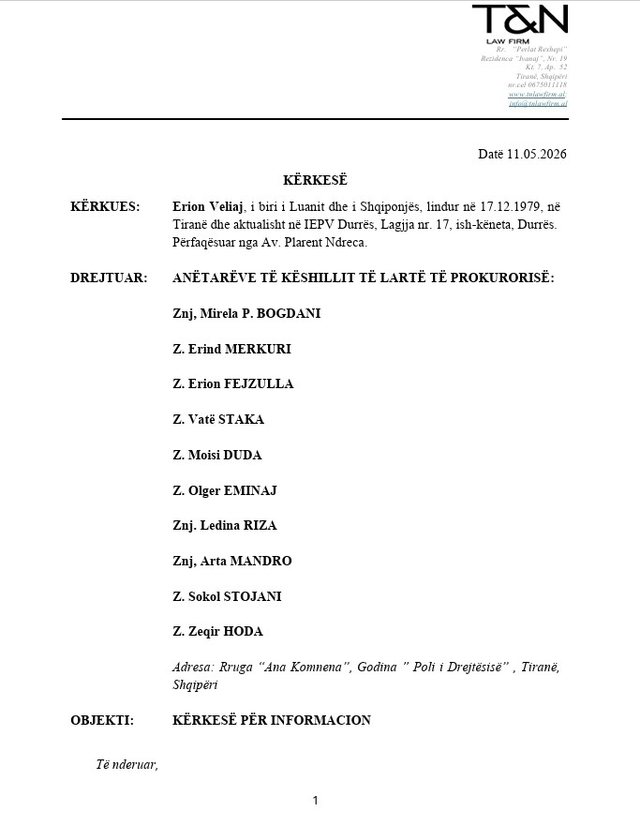
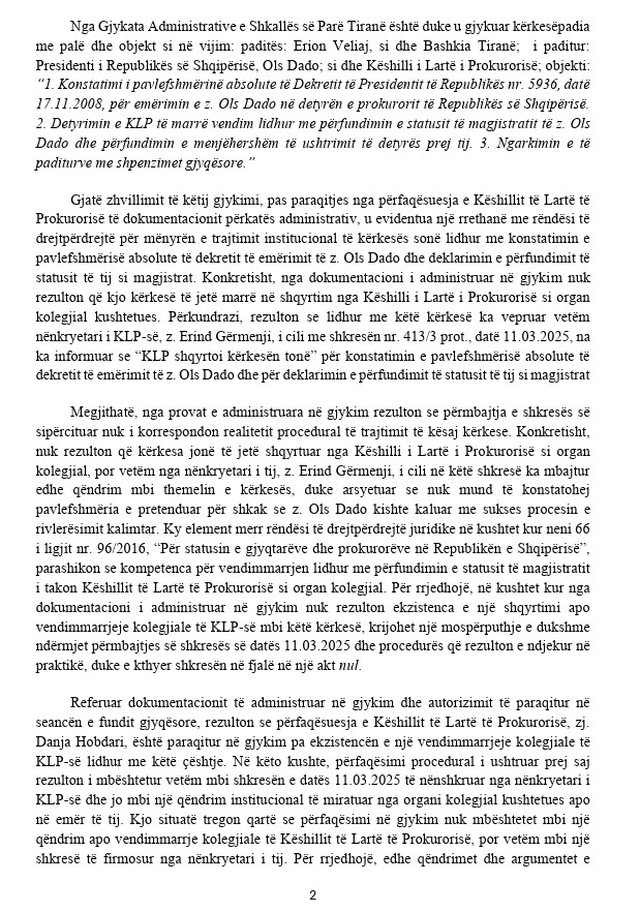
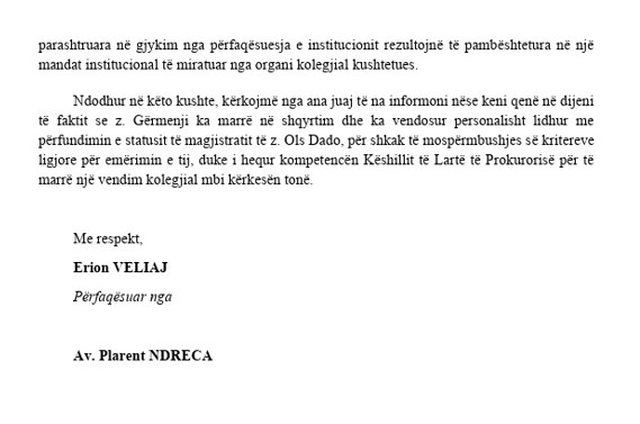
And after constructing this entire narrative as a fait accompli, he asks the members of the KLP the question: were you aware?
This is not a search for information. This is a deliberate formulation that aims to preemptively close any legal debate.
It's a question constructed to leave no room for the essential answer: "Your premise is wrong."
So, we are not dealing with a defendant who questions the institution to get an answer, but with a defendant who attempts to impose the framework of the answer on the institution.
If the members answer “yes”, they legitimize his thesis. If they answer “no”, they seem to have been uninformed about a serious claim. While the only legally serious alternative, the overthrow of the artificially raised premise, is attempted to be excluded by the very formulation of the question.

No one addresses an independent institution with formulations that provide the answer themselves and leave it only to seal it.
When a party in the process attempts to dictate to the KLP not only what to examine, but also how it should legally understand the issue, we no longer have legal protection. We have an attempt at institutional direction.
And when this is done at the height of a criminal trial where the real objective is to delegitimize the investigating prosecutor, then we have something even more serious: a pure pressure strategy against justice institutions, packaged as a "request for information".

On the other hand, the problem is not just the language used by the defendant. The real problem is the institutional climate that makes such language possible.
When a defendant, through his also-defendant lawyer, addresses a constitutional body in tones that not only demand accountability, but also predetermine the response, this shows that the perception has been created that institutions can be put under pressure, can be guided, can be tested to what extent they resist.
The very fact that someone dares to write to the KLP in this form, presenting legal conclusions as proven and placing members before a manipulated question, is indicative of a prior conviction that the institutional terrain is perceived as permeable.
And when this is combined with the endless delays in the criminal process, the picture becomes even more worrying, because the idea of ??a dual strategy is created: on the one hand, procedural postponement and fragmentation of the criminal process, to consume time, energy and public attention; on the other hand, a parallel institutional bombardment with requests, lawsuits, complaints and pressure narratives, with the aim of delegitimizing the links that have made unpleasant decisions.
This is the classic mechanism of institutional consumption. The defendant does not directly attack the criminal decision on its merits, but creates a procedural fog around everything, until the institution itself tires of justifying itself.
When a defendant manages to shift the debate from the charges against him to the personal legitimacy of the prosecutor, to the procedures of the Criminal Procedure Code, to lateral interpretations, to endless administrative battles, then the criminal process risks losing its axis.
Justice begins to revolve around the defendant, instead of the defendant responding to justice. And this is the clearest sign of institutional weakness./ CNA


Pedagogue Klementin Mile shared a comment regarding the me...
Sociologist Nora Malaj, invited to the show "Now" with Erl...
Activist Andi Tepelena commented today on the courtroom me...

The government has issued for public consultation the new ...

A recent decision by the Albanian Government paves the way...
The Special Court against Corruption and Organized Crime h...
The Special Prosecution Office, at the conclusion of the i...
The Special Prosecution Office has closed the investigatio...

The leader of the Freedom Party, Ilir Meta, through a post...
Mustafa Martinaj, the father of Ervis Martinaj, appeared a...
Foreign Minister Ferit Hoxha has responded to a journa...
On the day that Prime Minister Edi Rama surprised the worl...
The Special Prosecution Office has announced the indictmen...

Four people were arrested after several months of intensiv...
The e-Albania government platform will be temporarily out ...
The leader of the Democratic Party, Sali Berisha, has accu...
DP leader Sali Berisha has accused chief negotiator Majlin...

At a time when European security is facing new geopolitica...
Democratic Party MP Belind Këlliçi has accused that today'...
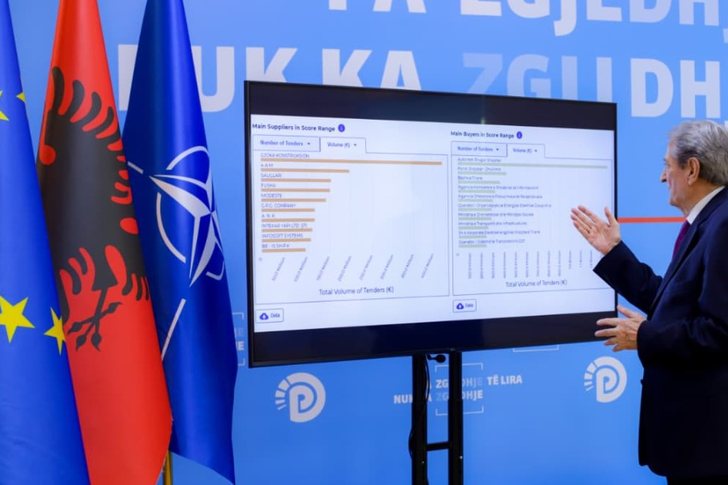
The leader of the Democratic Party, Sali Berisha, has stat...

Irfan Hysenbelliu claims to be a big businessman, an hones...

The murder of officer Enea Mekolli in the line of duty has...

The next case broadcast on the show "Stop", this Thursday,...
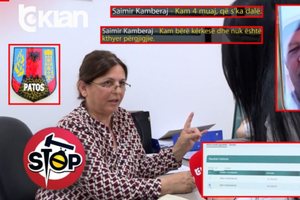
The case published this Thursday, June 4, on the show "Sto...

The Special Board of Appeal (KPA) decided this Monday ...

The KPA vetting decided this Thursday to dismiss the p...

Suela Salavaçi, a prosecutor in the Prosecutor's Offic...

The Special Board of Appeal reinstated the prosecutor ...

A 38-year-old man was arrested today near the Kamza turnof...

A money changer in Durrës lost 60 thousand euros after bei...
The 6 citizens captured in Dubai, members of criminal grou...

A serious accident occurred on the Kardhiq-Delvinë axis, i...

Today our country will be affected by stable weather condi...

For many children and teenagers, the long summer holidays ...

Albania is facing an unprecedented demographic transition,...

On Thursday, our country will be affected by unstable weat...
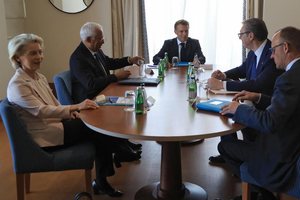
Leaders of the European Union and Western Balkan countries...

On the eve of the EU-Western Balkans summit, Germany and F...

Russian President Vladimir Putin said the war in Ukraine c...
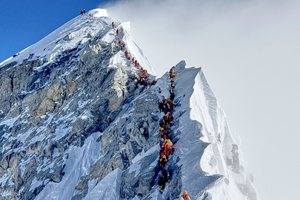
An extraordinary story of survival has been recorded in Ne...

Korça is ready to open the summer season with one of the c...

Two years after his passing, the renowned Korçë poet Skënd...

The Ethnographic Museum of Berat has opened its doors to v...
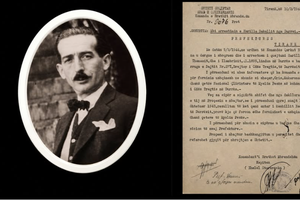
The story of Harilla Bakalli is one of the most chilling t...

Despite years of efforts at regional cooperation and free ...

Albania is the country with the highest level of severe ma...

This Friday, one US dollar is bought for 81.3 lek and sold...

The government aims to transform the country's industrial ...