

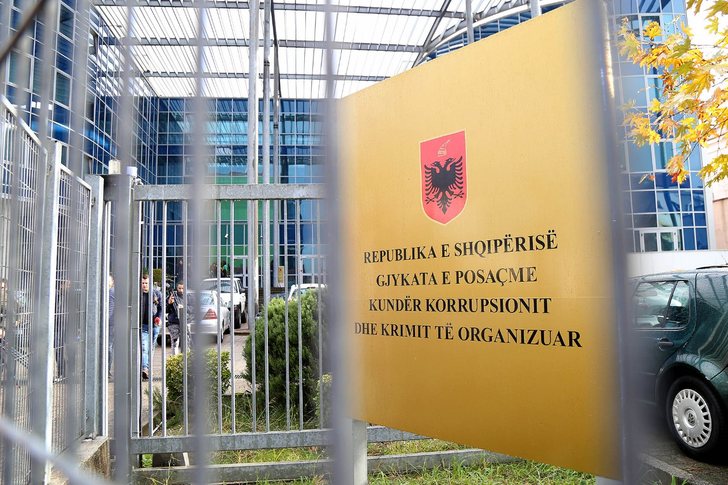
"Golden bullet" in the GJKKO/ "Bring the evidence", fierce debates between Altin Ndoc's lawyer and the prosecutor
The court session for the "Golden Bullet" case was held at...


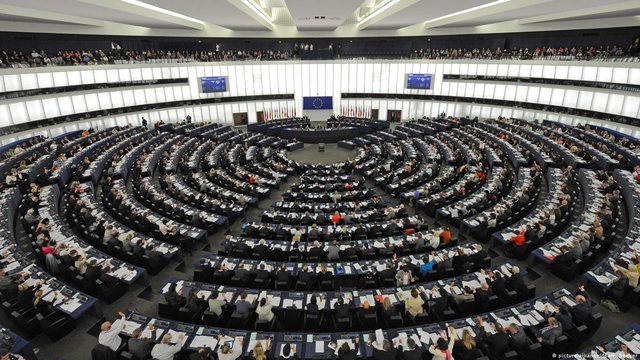
The European Parliament has published the draft report issued by the Commission on Albania, while appreciating the rapid progress in membership negotiations and the opening of all group chapters within 13 months.
According to the draft, the objective of concluding negotiations by 2027 is achievable, but requires full and irreversible implementation of reforms, especially in the rule of law, the fight against corruption, elections and media freedom.
The document published by Top Channel underlines that formal progress in the technical negotiation process must be accompanied by concrete results in practice, so that Albania can advance towards full membership in the European Union.
"Despite the achievements, Albania still faces various challenges such as overcoming internal political polarization, and improving political culture. Strengthening laws and consolidating anti-corruption reforms.
This year's report focuses on socio-economic reforms and underlines the importance of social dialogue to achieve results, given that strengthening democratic institutions, judicial independence, the fight against corruption, media freedom and fundamental rights remain essential for Albania's path towards membership," the report published by the European Commission states.
One of the main points of this draft report is the rule of law, the judiciary and the fight against corruption.
At this point, it is clearly emphasized that the European Parliament's Foreign Affairs Committee has welcomed and appreciated the continuation of the justice reform and the vetting process.
It also acknowledges the fact that corruption remains a serious concern, requiring strengthened investigations and punishments, especially at high levels.
The European Parliament's Foreign Affairs Committee insists on addressing corruption at all levels to increase citizens' trust.
The importance of the fight against organized crime and cooperation with EU agencies such as Europol and Eurojust is also emphasized.
The draft report is expected to be discussed and voted on in the relevant structures of the European Parliament in the coming months.
On Wednesday, a European delegation led by the chairman of the Foreign Affairs Committee for Europe, David McAllister, was in Albania as part of talks on Albania's integration process into the Union, while they called for political groups to find dialogue among themselves in service of the future of Albanian citizens.
European Parliament,
– having regard to the Stabilisation and Association Agreement between the European Communities and their Member States, of the one part, and the Republic of Albania, of the other part,
– having regard to Albania's application for EU membership, submitted on 24 April 2009,
– having regard to Regulation (EU) 2021/1529 of the European Parliament and of the Council of 15 September 2021 establishing an Instrument for Pre-Accession Assistance (IPA III),
– having regard to Regulation (EU) 2024/1449 of the European Parliament and of the Council of 14 May 2024 establishing a Reform and Growth Facility for the Western Balkans,
– having regard to the Commission communication of 5 February 2020 ‘Strengthening the accession process – A credible EU perspective for the Western Balkans’,
– having regard to the Commission communication of 8 November 2023 ‘A new growth plan for the Western Balkans’,
– having regard to the Reform Agenda of Albania presented under the EU Reform and Growth Mechanism, as adopted by the Commission on 23 October 2024,
– having regard to the Commission communication of 8 July 2025 ‘Rule of Law Report 2025’, accompanied by the Commission staff working document ‘Rule of Law Report 2025 – Chapter on the situation of the rule of law in Albania’,
– having regard to the Commission communication of 4 November 2025 entitled “Communication 2025 on EU Enlargement Policy”, accompanied by the working document “Report on Albania 2025”,
– having regard to the final report of 23 October 2025 of the OSCE/ODIHR Election Observation Mission on the parliamentary elections in Albania of 11 May 2025,
– having regard to the declaration of the EU-Western Balkans Summit held in Brussels on 17 December 2025,
– having regard to the previous resolutions on Albania,
– having regard to Article 55 of its Rules of Procedure,
– having regard to the report of the Committee on Foreign Affairs (A10-0000/2026),
A. whereas EU enlargement remains a strategic investment in peace, security, stability and democratic and socio-economic development across the European continent;
B. whereas Albania has maintained a clear strategic orientation towards EU membership and has demonstrated full compliance with the EU's Common Foreign and Security Policy (CFSP);
C. whereas Albania has been a candidate country since 2014, has launched accession negotiations in July 2022, has successfully completed the screening process in November 2023 and has opened all negotiation chapters between 15 October 2024 and 17 November 2025;
D. whereas the Commission's 2025 Report confirms that the country continues to make progress in most areas related to membership, while stressing the need for deeper, more sustainable and irreversible reforms;
E. whereas the credibility of the enlargement process depends on strict conditionality, merit-based progress and effective implementation of reforms, not only on the formal adoption of legislation;
F. whereas the strengthening of democratic institutions, the independence of the judiciary, the fight against corruption, media freedom and fundamental rights remain essential for Albania's path towards membership;
G. whereas the OSCE/ODIHR recommendations for improving the electoral process have not yet been fully implemented;
1. Welcomes Albania's extraordinary commitment to EU integration, based on consensus among political forces and broad civic support, as well as the fact that all group chapters were opened within just 13 months;
2. Welcomes the ambition to conclude the negotiations by the end of 2027 and the rapid progress of recent years; stresses the need for full implementation of the legislation;
3. Notes that the electoral framework is generally considered adequate, but expresses concerns about the level playing field, misuse of administrative resources, allegations of vote-buying and pressure on voters; calls for comprehensive electoral reform and the implementation of the recommendations of the OSCE/ODIHR and the Venice Commission;
4. Expresses concern about political polarization and conflicting discourse that undermines the functioning of democratic institutions;
5. Encourages the strengthening of the oversight role of the Assembly, legislative transparency and consultation with civil society;
The rule of law, the judiciary and the fight against corruption
6. Welcomes the continuation of the judicial reform and the vetting process; notes challenges such as delays in cases and attempts at undue influence;
7. Requires the strengthening of justice governance bodies and investments in infrastructure and digitalization;
8. Stresses that corruption remains a serious concern and requires strengthening of investigations and punishments, especially at high levels;
9. Insists on addressing corruption at all levels to increase citizen trust;
10. Stresses the importance of the fight against organised crime and cooperation with EU agencies such as Europol and Eurojust;
Fundamental rights and media freedom
11. Calls for stronger protection of freedom of expression and media pluralism;
12. Encourages the strengthening of the protection of minorities and vulnerable groups, including Roma, Egyptians, persons with disabilities, migrant workers and LGBTIQ+ persons; expresses concern about anti-gender rhetoric;
13. Underlines the need to improve access to justice;
Public administration reform
14. Appreciates progress, but calls for depoliticization and merit-based recruitment;
15. Calls for better policy planning and budget transparency;
Socio-economic reform and the environment
16. Welcomes the commitment to the EU Growth Plan, but notes structural weaknesses such as informality and low productivity;
17. Stresses the importance of investments in education and innovation;
18. Underlines the importance of social dialogue and trade union representation;
19. Expresses concern about the lack of progress on the environment and climate;
Foreign policy and regional cooperation
20. Welcomes the full alignment with the EU's foreign and security policy;
21. Stresses the importance of good neighborly relations;
EU support
22. Welcomes the EU's financial and technical assistance, stressing its link to the implementation of reforms;
23. Instructs the President of Parliament to forward this resolution to the relevant EU institutions and the authorities of the Republic of Albania.
EXPLANATION
This report assesses Albania's progress towards EU membership and includes Parliament's reaction to the 2025 enlargement report.
Albania, a candidate country since 2014, launched negotiations in July 2022 and opened all group chapters by November 2025, in record time.
To achieve the goal of membership by the end of the decade, effective implementation of reforms will be essential.
Despite progress, challenges remain political polarization, strengthening the rule of law, and consolidating anti-corruption reforms. / CNA

The court session for the "Golden Bullet" case was held at...

The mayor arrested on 13 charges for 5 serious criminal of...
The US Embassy in Tirana has shared on social media Presid...
"EU Reporter" published a long article a few days before t...

Former MP Monika Kryemadhi appeared today at the Criminal ...
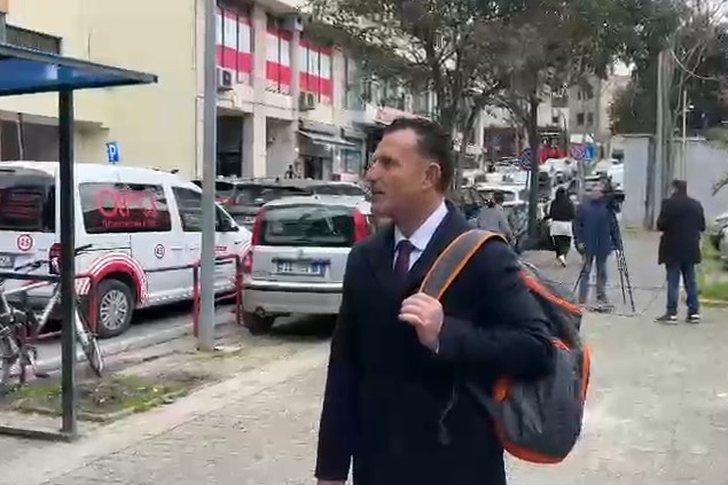
Today, the hearing for the "Meta" file is being held at th...
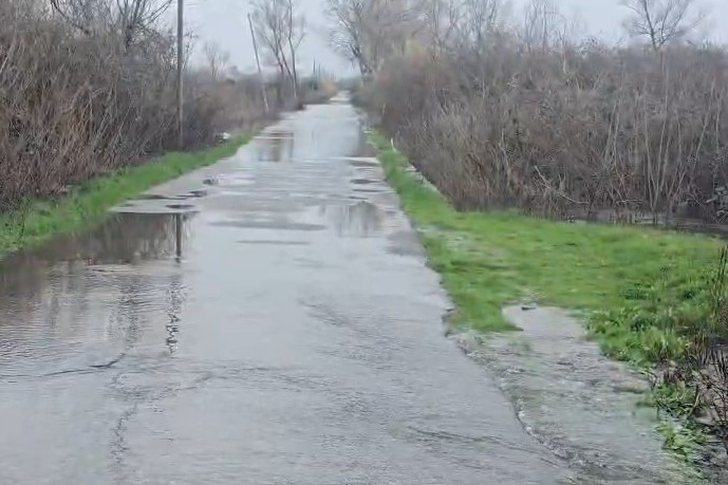
The Shkodra Prefecture has provided updates regarding the ...
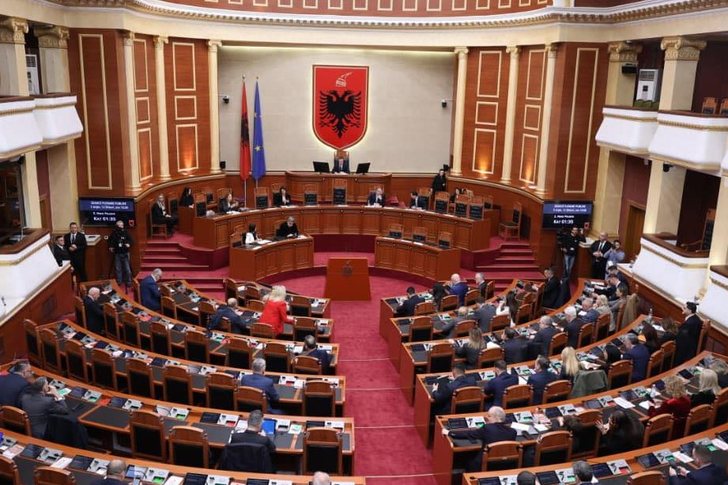
Today, the next session of the Assembly will take place, w...
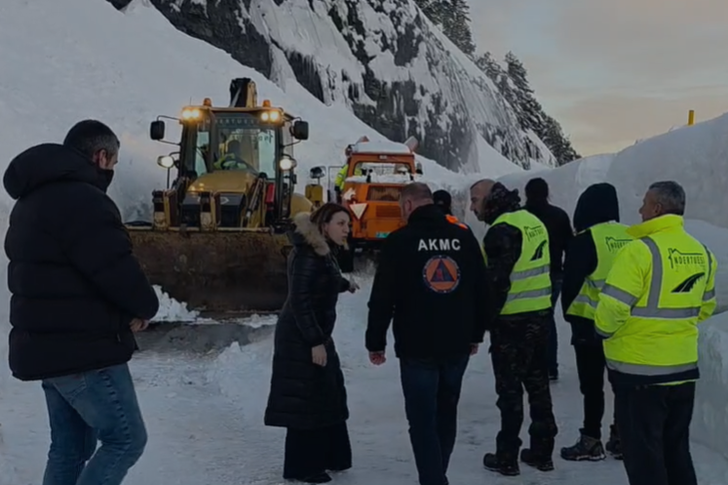
After four days of being blocked due to avalanches and hea...
Albanian vegetable exports have started 2026 with a sharp ...
Democratic Party MP Belind Këlliçi has shared on social me...
Avokatja e Rexhep Selimit, Rudina Jasini ka folur mbrë...
The General Directorate of Customs has issued a notice thi...
Former Minister of Justice, Eduard Halimi, today explained...
Kreu i Partisë së Lirisë, Ilir Meta ka ndarë nga burgu, nj...
Ambasada amerikane në Tiranë ka dalë me një thirrje për qy...
Instituti i Gjeoshkencave në një parashikim të situatës me...
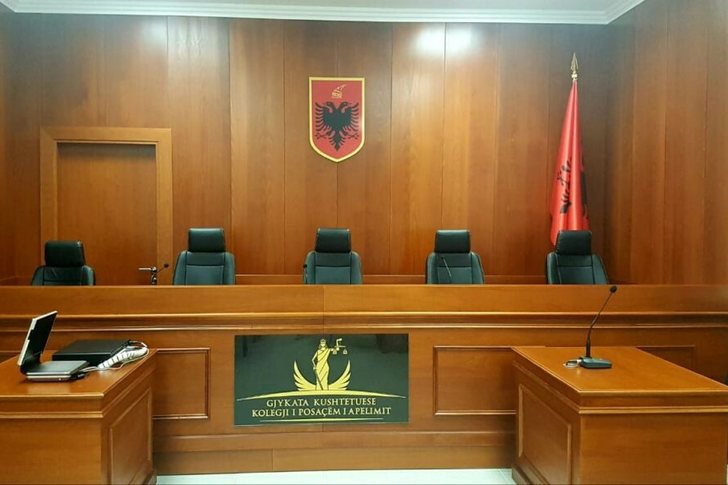
The Special Appeals Chamber decided today to uphold the de...
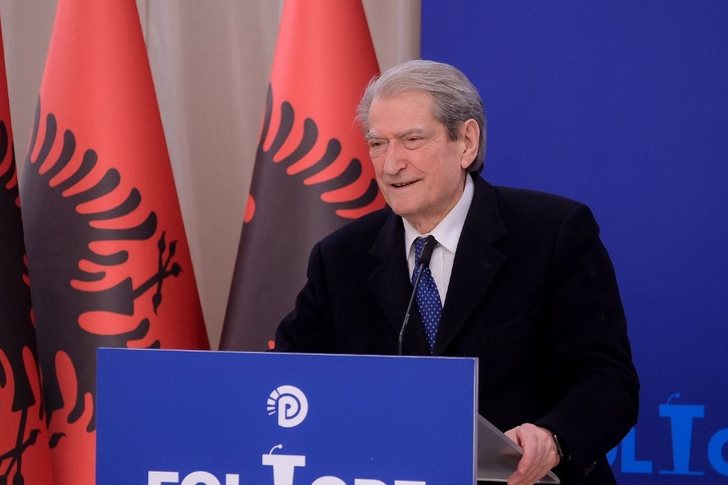
The Chairman of the Democratic Party, Sali Berisha, from t...
Prime Minister Edi Rama has shared a congratulatory messag...
There have been 12 days of protests in the capital, which ...
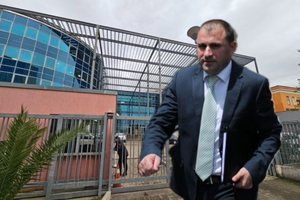
Dritan Prençi is the SPAK prosecutor who is sleeping on th...
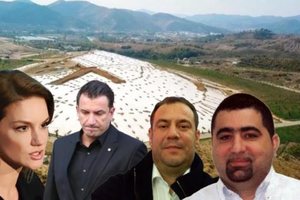
The in-depth investigations that SPAK conducted into Ajola...
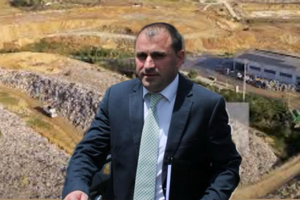
SPAK's standards, the way it investigates, how it secures ...

The Special Board of Appeal (KPA) decided this Monday ...

The KPA vetting decided this Thursday to dismiss the p...

Suela Salavaçi, a prosecutor in the Prosecutor's Offic...

The Special Board of Appeal reinstated the prosecutor ...
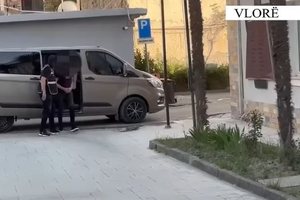
Policia e Vlorës ka finalizuar operacionin e koduar “Sigur...
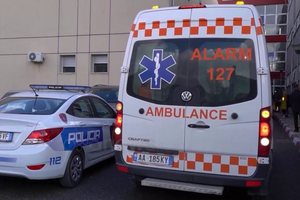
New details have emerged regarding the serious accident th...
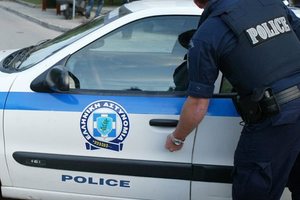
An Albanian businessman was arrested this afternoon in Gre...
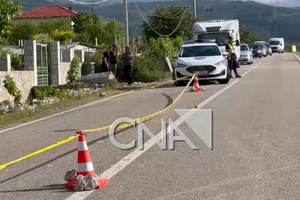
A serious accident has occurred on the Korça-Ersekë axis, ...
Today our country will be affected by stable weather condi...
A tragic accident occurred this Friday afternoon in Kameni...

Today our country will be affected by unstable weather con...

On Thursday, our country will be affected by relatively un...
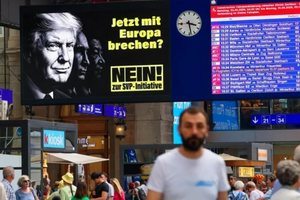
Switzerland will head to the polls this Sunday to decide o...
Good news for those who fly: After years of negotiations, ...
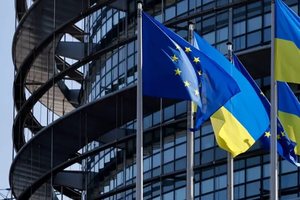
It took more than two years, but now the EU can begin acce...
US President Donald Trump announced that the US military h...
Several archaeological excavations conducted during this s...

At the Museum of Fine Arts in Chambéry, France, an exhibit...

Korça has transformed this weekend into the capital of cel...
Korça is ready to open the summer season with one of the c...

The labor market is facing increasing polarization where w...
This Saturday, one US dollar is bought for 81.5 lek and so...
The Governor of the Bank of Albania, Gent Sejko, shared to...
Business lending has increased in the first half of this y...