

They abused funds and the economic assistance scheme/ Security measures are given to 6 officials
The Elbasan Prosecutor's Office has imposed security measu...


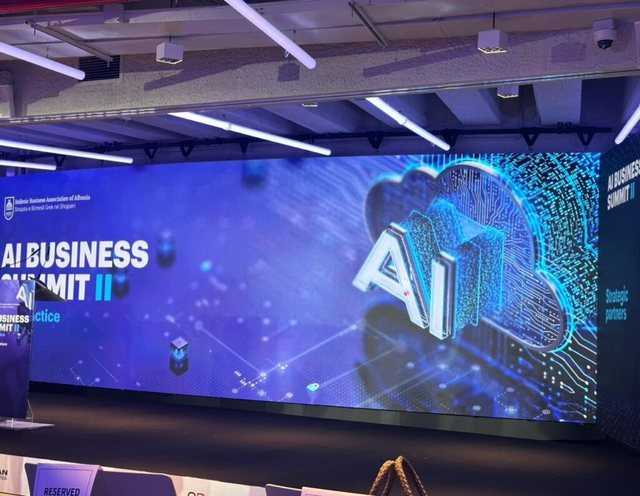
Artificial Intelligence is rapidly moving from technology labs to public administrations, banks and businesses. If until a few years ago the discussion focused on its potential, today the question is how it can be used to increase productivity, reduce costs and make the economy more competitive.
This was the dominant message at the opening of the second edition of the AI ??Business Summit II, organized by the Hellenic Business Association of Albania (HBAA), where representatives of the Albanian government, Greek institutions and the Accenture company discussed no longer the "promise" of Artificial Intelligence, but how it can be integrated into administration, business and the economy.
However, amidst the optimism about the opportunities brought by AI, the contrast also emerged that, while the vision for digital transformation is ambitious, Albania continues to face a lack of digital skills, low productivity, and an economy dominated by micro-businesses, factors that could slow down the adoption of technology.
From user to technology creator
The President of the Greek Business Association in Albania, Denald George Tafani, said that the Artificial Intelligence revolution should be seen as a development opportunity and not simply as a technological wave to be followed.
“We are no longer discussing whether AI will change the world. Today we need to discuss how we will use it correctly to create more value for our economy, business and society.”
According to him, economic history has been marked by revolutions that have changed the way of production and work.
"History has shown that every era has been defined by a revolution, the agricultural, the industrial and then the digital. Today we are living the Artificial Intelligence revolution and the challenge of our generation is to be an active part of this transformation."
But, according to Tafani, Albania should not limit itself to consuming technologies developed by other countries.
“Albania should not be just a user of technologies that others develop. We must create, innovate and discover ourselves.”
For this, he called for more partnerships between business, universities and public institutions, while also mentioning the Greek Pharos AI Factory project, which aims to transform Greece into a regional center of Artificial Intelligence and which, according to him, could also create opportunities for Albania.
AI also requires rules
Along the same lines, the Greek Ambassador to Albania, Lambrini Komini, said that the impact of Artificial Intelligence is so great that we can now speak of a period "before" and "after" its practical implementation.
"We live in a new world, where Artificial Intelligence is bringing concrete changes to almost every sector of human activity."
Megjithatë, sipas saj, zhvillimi i teknologjisë nuk mund të shkëputet nga dimensioni etik.
“Përveç eksplorimit të kufijve të rinj, është po aq e rëndësishme të vendosim edhe kufij. Përdorimi i AI-së duhet të shoqërohet me garanci dhe standarde etike.”
Komini solli si shembull krijimin në Greqi të Sekretariatit për Inteligjencën Artificiale dhe Qeverisjen e të Dhënave, si dhe investimet në Daedalus Supercomputer dhe Pharos AI Factory, ndërsa vlerësoi edhe përdorimin e AI në disa procese të administratës shqiptare.
Qeveria: Nuk diskutohet më nëse AI do ta ndryshojë ekonominë
Nga ana e qeverisë shqiptare, zëvendësministri i Ekonomisë Martin Kajo tha se diskutimi global ka kaluar tashmë fazën e teorisë.
“Nuk diskutohet më nëse AI do ta ndryshojë ekonominë, sepse kjo po ndodh tashmë. Pyetja është nëse Shqipëria dhe bizneset shqiptare do të jenë në anën e duhur të këtij ndryshimi.”
Sipas tij, vendet që po përfitojnë më shumë janë ato që po eksperimentojnë sot dhe jo ato që presin pjekjen e teknologjisë.
“Vendet që kanë përqafuar AI janë ato që eksperimentojnë më shpejt dhe ndërtojnë kapacitete tani, jo pas tre vitesh, kur mund të jetë tepër vonë.”
Kajo tha se Shqipëria ka kaluar nga ndërtimi i shtetit dixhital drejt asaj që ai e quajti “shteti inteligjent”, ku AI po integrohet në administratë përmes platformës Diella, ndërsa objektivi është zgjerimi i saj në analizën e dokumenteve, monitorimin e procedurave dhe proceset e prokurimit publik.
Edhe zëvendësministrja për Evropën dhe Punët e Jashtme, Vilma Premti, tha se Inteligjenca Artificiale nuk është vetëm çështje teknologjie, por edhe e zhvillimit ekonomik.
“Duhet të kemi më pak frikë nga ky term dhe ta kuptojmë më shumë. Na duhen më shumë ura mes ideve, tregjeve dhe investimeve.”
Sipas saj, teknologjia nuk mund të ndërtojë e vetme një ekonomi moderne.
“Ajo ka nevojë për njerëz, besim dhe bashkëveprim mes bizneseve dhe institucioneve.”
Paradoksi shqiptar: Internet pothuajse universal, por aftësi dixhitale ndër më të ulëtat në Europë
Nëse pjesa e parë e samitit u dominua nga vizioni politik, prezantimi i Accenture solli një panoramë më konkrete të ekonomisë shqiptare. Sipas kompanisë, Shqipëria ka krijuar bazat infrastrukturore për transformimin dixhital. Rreth 97-99% e familjeve kanë akses në internet, ndër nivelet më të larta në Europë.
Por ky avantazh nuk përkthehet automatikisht në përdorim produktiv të teknologjisë.
Vetëm 23.8% e popullsisë zotëron aftësi bazë dixhitale, niveli më i ulët në Europë. Në të njëjtën kohë, produktiviteti i punës mbetet rreth 42% e mesatares së Bashkimit Europian, ndërsa 85.9% e ndërmarrjeve shqiptare kanë vetëm 1 deri në 4 punonjës.
Sipas Accenture, pikërisht këta tre faktorë: mungesa e aftësive, produktiviteti i ulët dhe struktura e fragmentuar e biznesit, janë pengesat kryesore që Inteligjenca Artificiale të përhapet me ritme të shpejta në ekonomi.
However, the analysis estimates that AI could significantly impact public administration, the technology sector, financial services, and knowledge-based professions, while sectors such as agriculture, construction, and part of tourism are expected to have a slower adoption rate.
Albania in 5 digits
• 97-99% of households have access to the internet.
• 23.8% of the population has basic digital skills.
• Labor productivity is around 42% of the EU average.
• 85.9% of businesses are micro-enterprises with 1-4 employees.
• AI could add 3%-6.5% to GDP in Accenture’s optimistic scenario.
The three scenarios for AI in Albania
Conservative scenario
• AI is used to a limited extent.
• The national strategy remains underfunded.
Baseline scenario
• Support for SMEs.
• Training of specialists.
• Return of professionals from the diaspora.
Optimistic scenario
• Albania develops data centers.
• Builds language models in Albanian.
• Creates AI applications for tourism, administration and agro-industry.
• Contribution to GDP reaches up to 6.5%.
What is Pharos AI Factory?
Pharos AI Factory is one of the first seven Artificial Intelligence centers supported by the European Union, with the aim of turning Greece into a regional AI hub. The project relies on the DAEDALUS supercomputer, which will be used to develop and train AI models. Through it, startups, universities, businesses and public institutions will have access to advanced computing power, data and expertise for the development of new applications. The project is funded by the European Union and the Greek government and aims to support innovation in areas such as health, energy, climate, culture and public administration. /Monitor

The Elbasan Prosecutor's Office has imposed security measu...
The Sori-Al company has reacted regarding the poisoning of...
The head of the SP parliamentary group, Taulant Balla, sta...
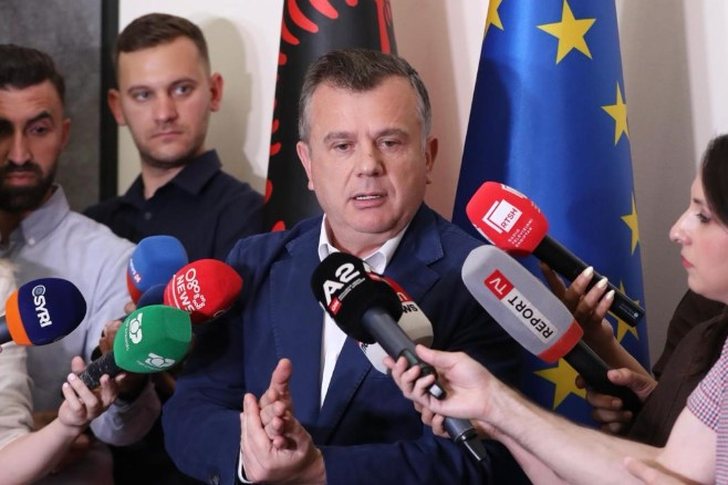
The head of the Socialist Party Parliamentary Group, Taula...
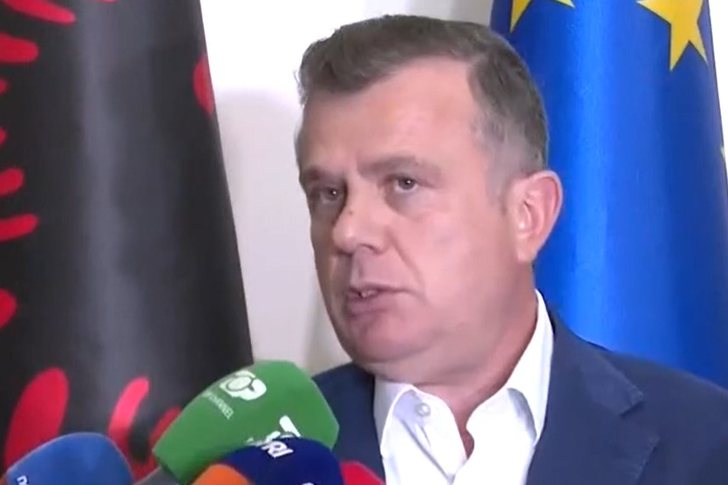
The leader of the SP group, Taulant Balla, after the meeti...
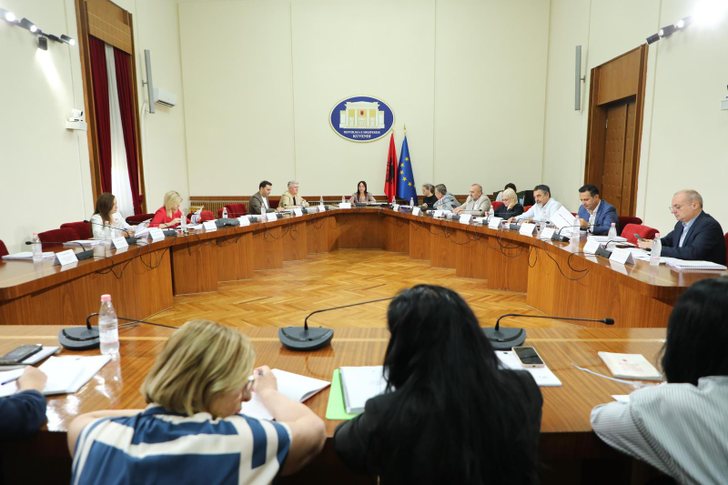
The citizens' protest in front of the Prime Minister's Off...
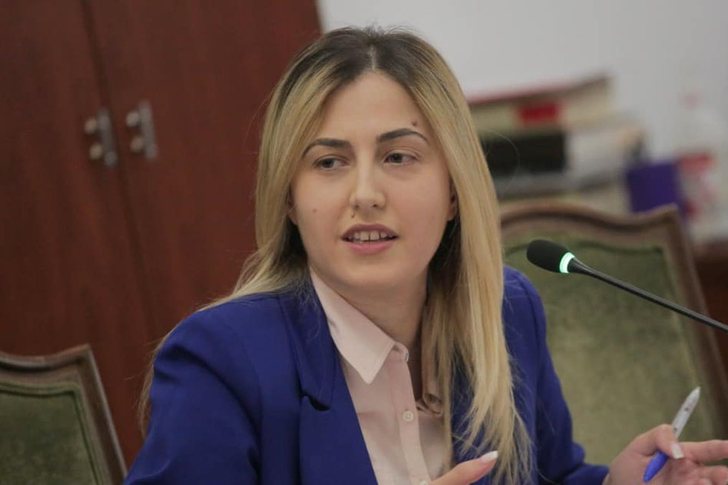
Democratic Party MP and Chairwoman of the Culture, Tourism...

Në protestat e zhvilluara prej më shumë se tri javësh në T...
Tirana Police has issued an official response regarding th...
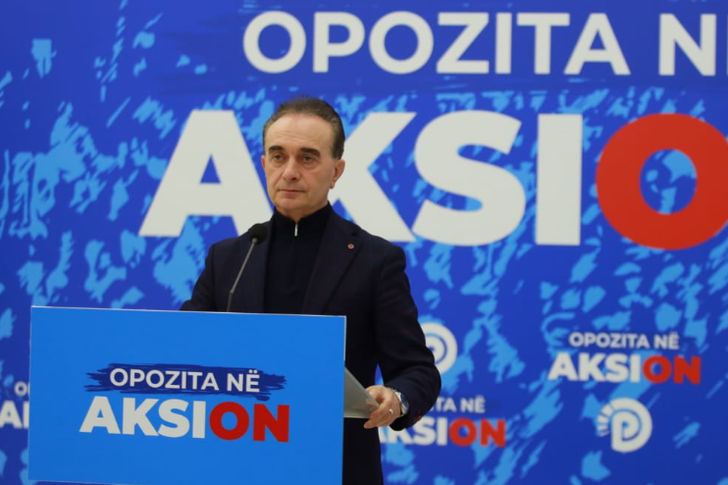
Democratic Party MP Luan Baçi has given a statement to the...
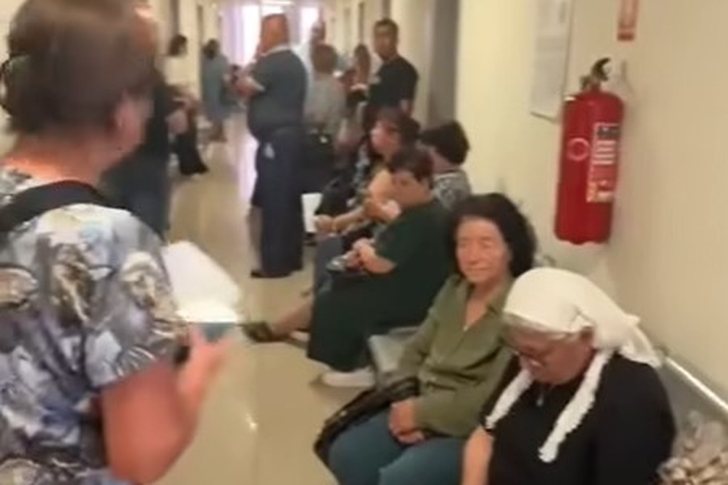
DP MP Saimir Korreshi has denounced another problem affect...
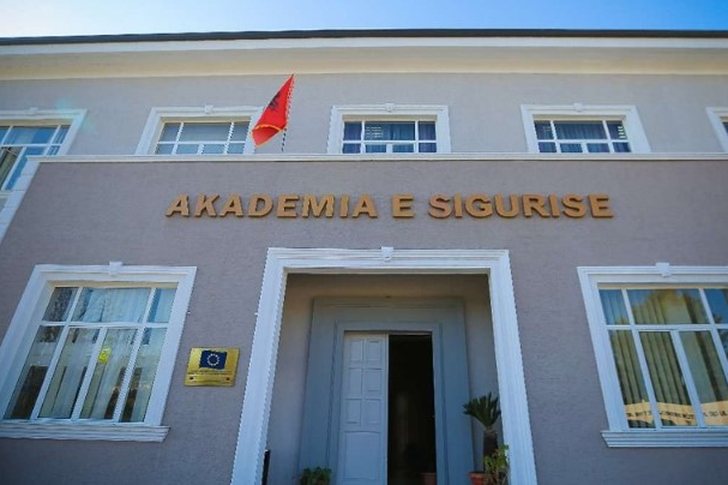
Sauk Security Academy trainees are being poisoned again. ...
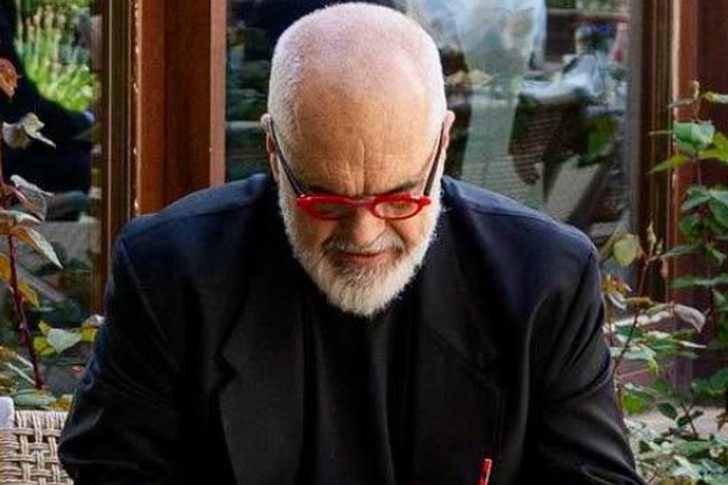
Prime Minister Edi Rama started this Thursday morning by p...
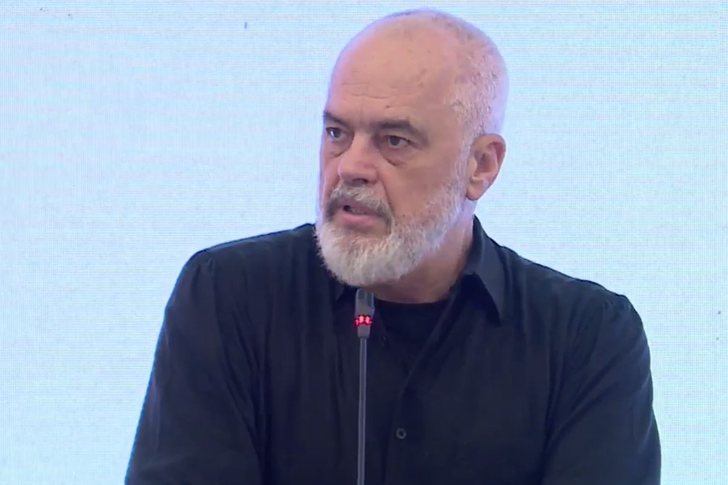
Prime Minister Edi Rama has released messages from former ...
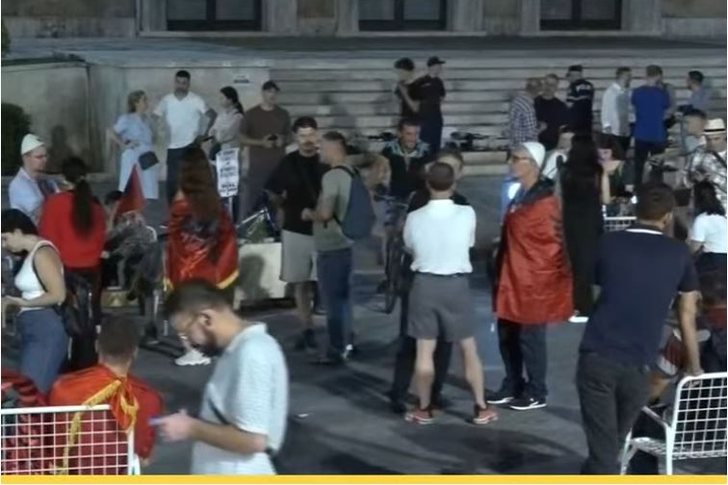
On the 25th day of the protest, some of the citizens prese...
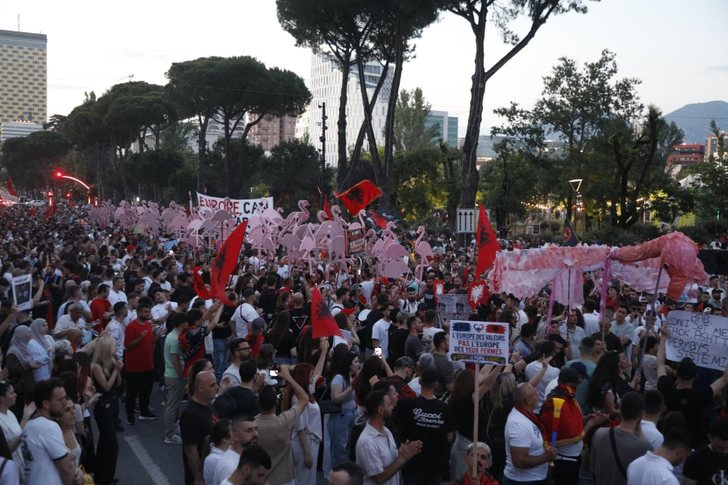
Political scientist Afrim Krasniqi, in a television appear...

Security expert, Ervin Karamuço, raised two concerns today...
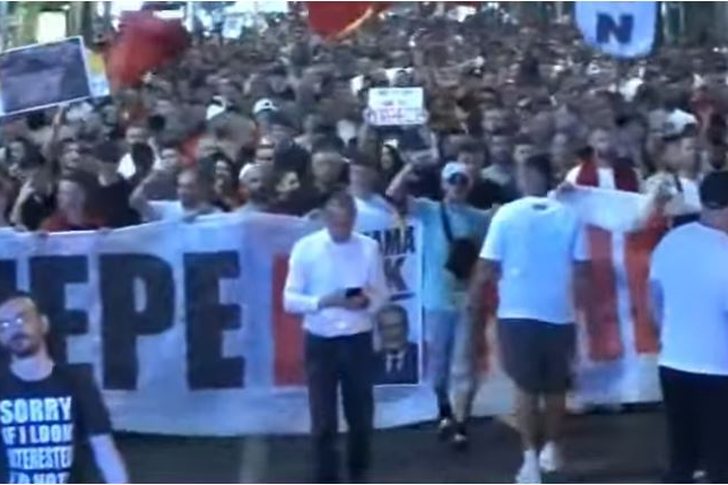
For more than two hours, citizens continue to protest for ...
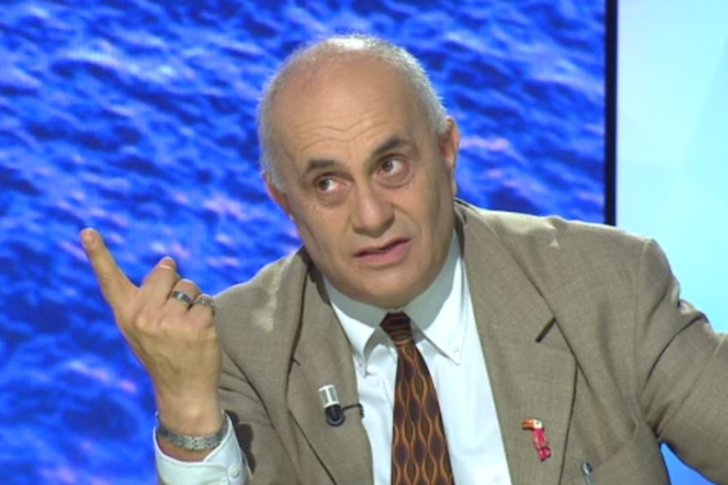
Academic Artan Fuga commented today on the citizen protest...

This afternoon, part of the country's territory was hit by...
After the first denunciation, the Plug show has continued ...
Today, CNA has published a complaint from residents of the...
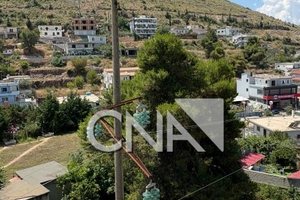
A complaint from residents of the village of Gjashtë in Sa...

A complaint to CNA also led to the publication of several ...

The Special Board of Appeal (KPA) decided this Monday ...

The KPA vetting decided this Thursday to dismiss the p...

Suela Salavaçi, a prosecutor in the Prosecutor's Offic...

The Special Board of Appeal reinstated the prosecutor ...

Tirana Police have solved a theft case, which occurred at ...
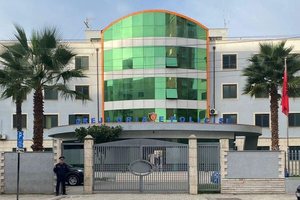
Two people, suspected of being the perpetrators of a murde...
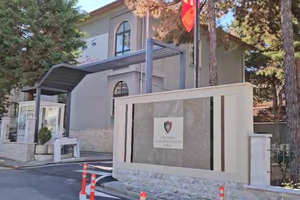
Një i arrestuar dhe një i proçeduar në gjendje të lirë për...
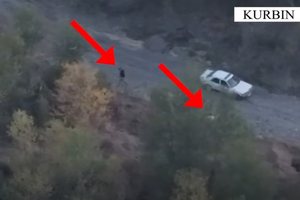
Two people have been arrested in Kurbin after they were ca...

Today, our country will be affected by almost the same met...

As climate change warms coastal waters in northern Europe,...

Today, our country will be affected by almost the same met...

Turkish police said on Tuesday they had arrested more than...
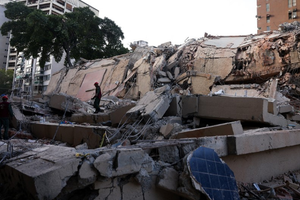
Më shumë se 10,000 persona janë raportuar të zhdukur nga t...
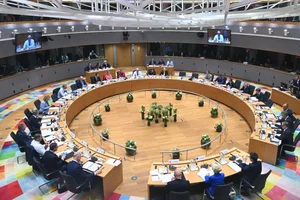
The Council of the European Union today gave final approva...

Shtetet e Bashkuara të Amerikës, Kinë, Kili dhe vende të t...
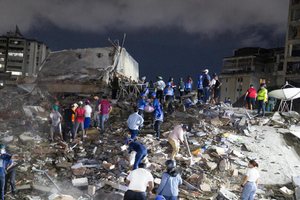
The death toll from devastating earthquakes in Venezuela h...
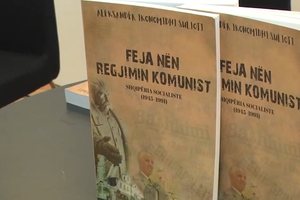
The promotion of the book by author Aleksandër Ikonomidhi ...
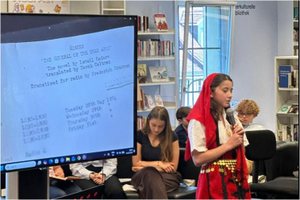
The Albanian Embassy in Switzerland has organized an eveni...

This Wednesday, the prominent actor of Albanian cinema, Gj...
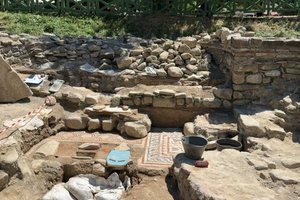
Several archaeological excavations conducted during this s...
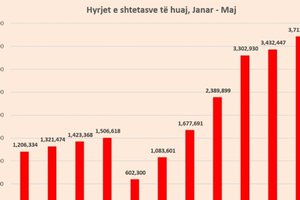
Tourism marked an acceleration in growth during May, refle...
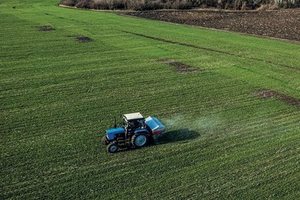
The latest data from the Statistical Institute for 2025 sh...
From Iceland to North Macedonia, consumer prices vary dram...
The Albanian government's forecasts for public investments...