


Trump leaves NATO summit on positive note, despite tensions over Iran and allies
US President Donald Trump closed the NATO summit with a mo...

US President Donald Trump closed the NATO summit with a mo...

Are you smarter than a ten year old? New data shows that a shocking proportion of adults in rich countries may not be, writes The Economist.
According to a recent study published by the OECD, around a fifth of people aged 16 to 65 do not achieve better results in maths and reading tests than would be expected of a pupil leaving primary school. Worse still, adults in many countries have become less educated over the past ten years.
The OECD's "Adult Skills Survey" is conducted only once a decade. Researchers asked 160,000 adults in 31 states and territories to take several short tests in math, literacy and problem solving.
The aim was to assess whether they are capable of holding down a job, participating in civic life and generally thriving in society. The most basic tasks measured whether people could understand the warnings on the back of an aspirin packet, or figure out how much wallpaper was needed to cover a room. At more advanced levels, it looked at how well people could draw sound conclusions from analyzes and graphs shown in, for example, magazines.
Finland achieved the highest results: it received the highest average grade in all three areas. People in the Netherlands, Norway and Japan also achieved a better than average level in all disciplines. England have risen in the rankings in the ten years since the test was last held, thanks to an increase in youth skills. In contrast, America's scores are falling.

Similarly, Chile, Italy, Poland and Portugal have a high percentage of people who scored below the average. Almost half of Chileans scored quite poorly in both math and reading, compared to just 8% of Japanese. The overall results show a decline in initial skills.
For almost every country that has increased its score significantly over the past ten years, there is another that has seen its score decline. In terms of literacy, countries with declining scores outnumber those that have made progress. This is happening despite more people graduating from high school and more getting degrees. Less able people are becoming more and more disabled. In many countries, the gap between the most skilled and the least skilled is widening. One explanation is increased immigration. Non-natives usually do worse in language tests.
An aging population is another reason: data show that numeracy and literacy skills peak around age 30 or a little later. But even when accounting for these changes, literacy scores in many states are falling. Andreas Schleicher, head of education and skills at the OECD, says adults are now practicing reading long and complex texts less than they used to. We can also blame TikTok for this.

The OECD study is not the only one to show that improvement in cognitive skills has stalled. Throughout the 20th century, psychometrists noticed that the level of intelligence was steadily increasing, as part of a phenomenon called the "Flynn effect". Recently, a stagnation or decline has been observed in some states.
The reason for this has been hotly debated. What no one doubts is that people with resourceful brains have an easier time avoiding life's major adversities and are more likely to enjoy a better life. This is confirmed by the surveys conducted in addition to the OECD evidence.
People who scored higher on the test earned 75% higher salaries than those who scored lower. And it seems that the payoffs of being good at math and literacy aren't just financial. Those people who achieved better results were generally happier and enjoyed better health.
Whereas people who scored worse were more suspicious of others and more likely to feel disconnected from politics. You don't need to be incredibly smart to understand that this could lead to trouble in the future./Monitor

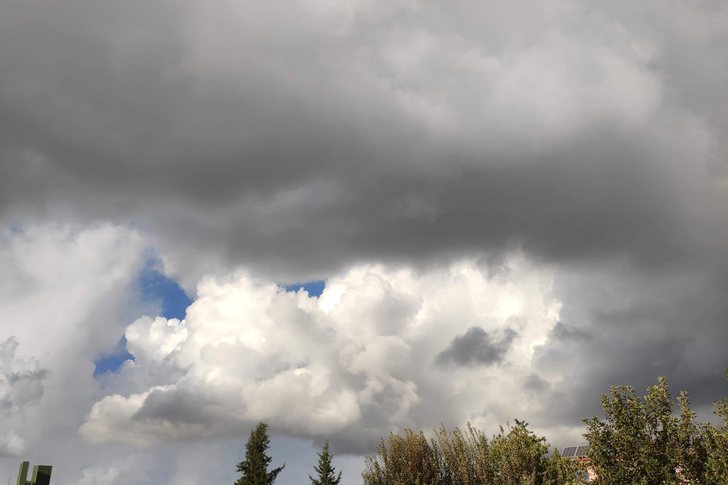
On Friday our country will be affected by unstable weather...
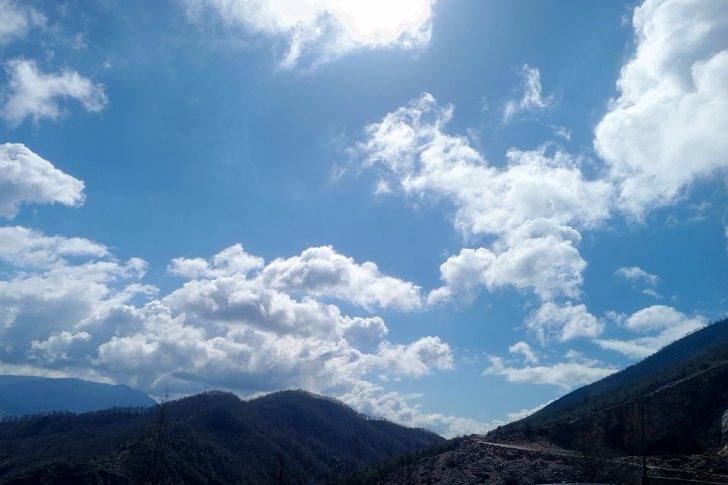
Today, our country will continue to be affected by stable ...

Today, the weather is expected to be stable and clear, whi...

Albanians are increasingly becoming suspicious in their re...
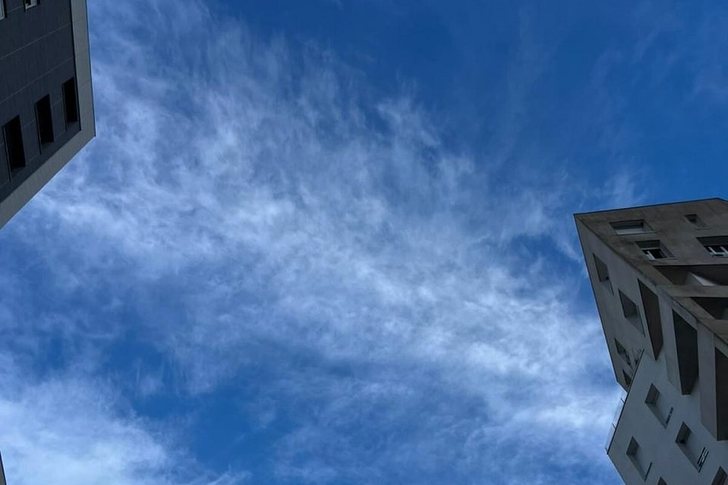
The weather is expected to be stable and clear, while few ...
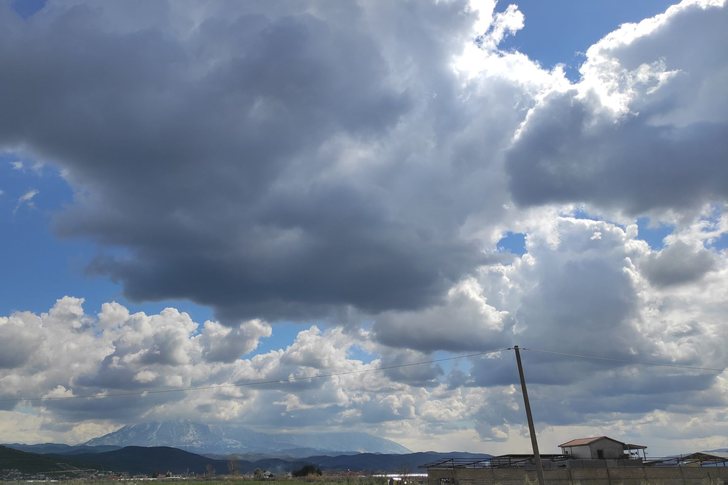
From Monday to Thursday, the weather is expected to be...
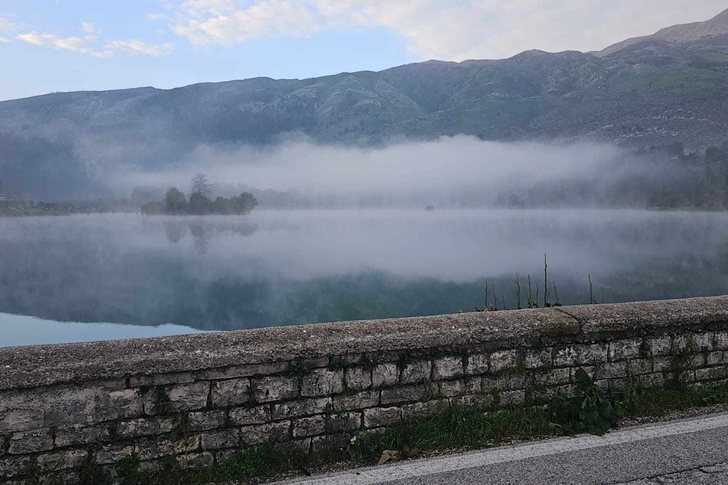
From Monday to Thursday, the weather is expected to be sta...
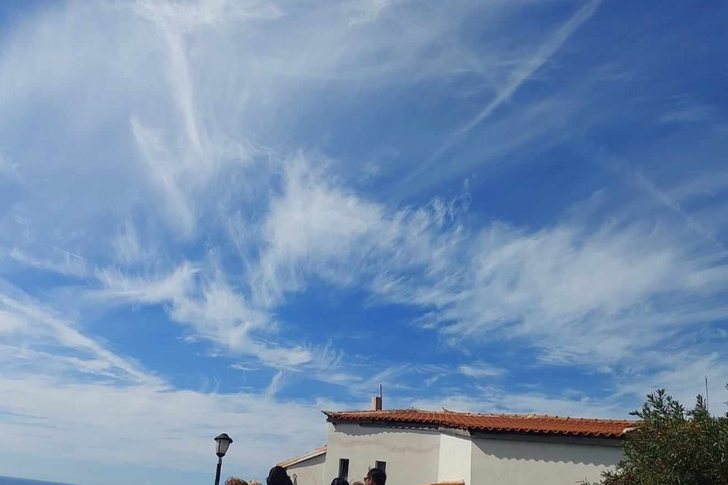
The stability of atmospheric conditions will continue for ...

From winter holidays in the European Alps, to cities d...
The Military Meteorological Service announced that for...

Today our country will be affected by stable weather condi...

This Thursday, a slight improvement in atmospheric conditi...

This Thursday, a slight improvement in atmospheric conditi...
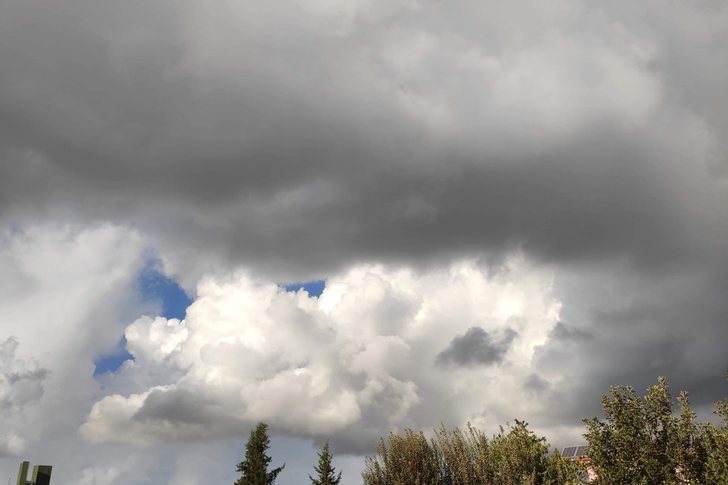
Today our country will be affected by relatively unstable ...
This Tuesday, our country will be affected by mostly unsta...
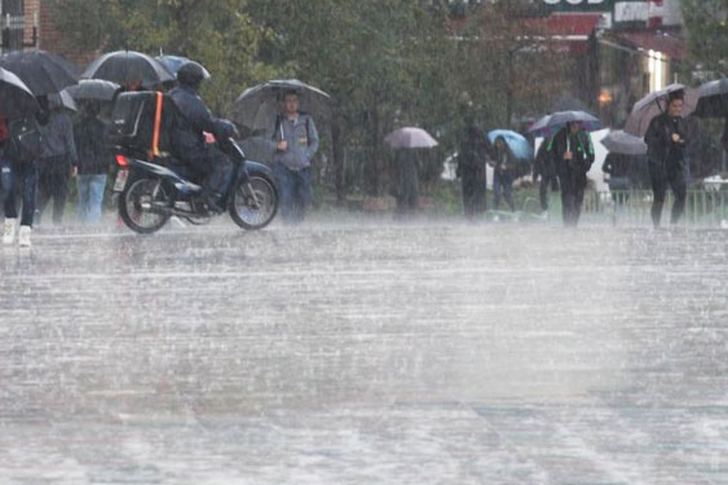
We are informed by DRV Shkoder that the road axes covered ...

While Albania has been suffering from brain drain for deca...
For today, a cold front is expected to pass over our count...
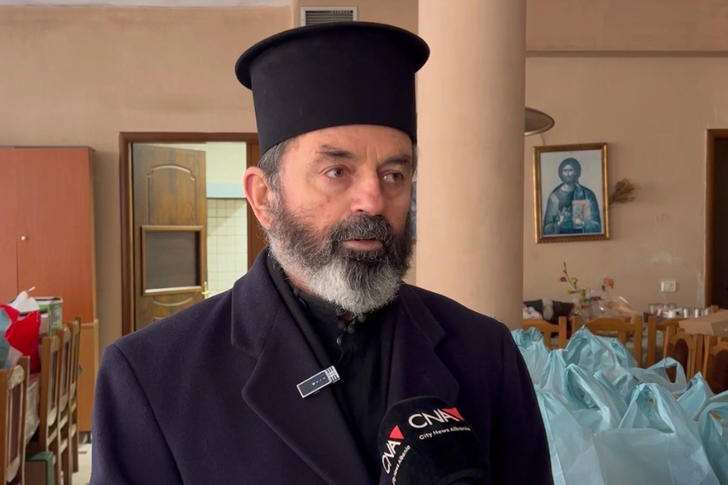
The Holy Metropolis of Korça has been standing by poor and...
Temporary improvement of atmospheric conditions is expecte...
The word "fatherland" with properties is not enough. The m...

The justice reform claimed that it would bring faster, fai...

The Justice Reform and the vetting process were trumpeted ...
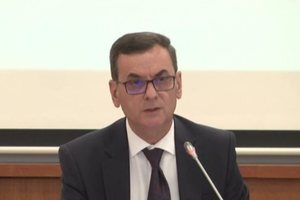
After revealing the property portfolio in Tirana, Kavaja, ...

The Special Board of Appeal (KPA) decided this Monday ...

The KPA vetting decided this Thursday to dismiss the p...

Suela Salavaçi, a prosecutor in the Prosecutor's Offic...

The Special Board of Appeal reinstated the prosecutor ...

Around four kilograms of cocaine were seized during a rout...

The mother of the 17-year-old raped in Fier has been l...
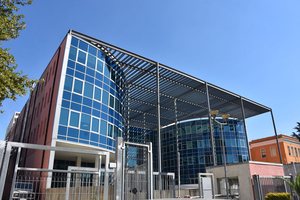
The Special Prosecution Office completed the investigation...

Today, on 07.07.2026, the Police Supervision Agency (AMP),...

Emigration, an aging population, and low participation in ...
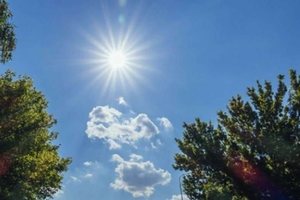
Today, our country will be affected by relatively stable w...

Albania has been awarded two medals of honor at the awards...
Today our country will be affected by relatively unstable ...

US President Donald Trump closed the NATO summit with a mo...

The trend of German companies moving abroad is weakening. ...

Heat waves don't affect everyone the same. According to he...

The US launched a round of air strikes against Iran this e...

The German Embassy in Tirana has invited the Albanian publ...

Professor and literature scholar Ali Xhiku has passed away...

During my research into the life and artistic photographic...

This year's edition of the Gjon Mili International Video A...
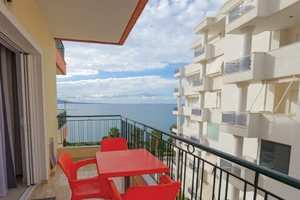
Although about 6 months have passed since the start of the...

Vegetable prices marked a strong increase in June, precise...
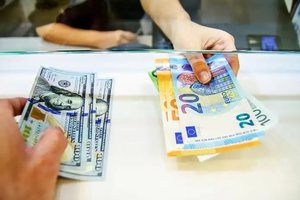
This Thursday, one US dollar is bought for 81.5 lek and so...
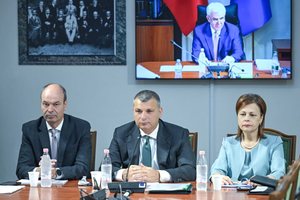
The Governor of the Bank of Albania, Gent Sejko, stated th...