


Karagjoz of the Municipality of Tirana
For 6 months now, CNA has been sending several letters to ...

For 6 months now, CNA has been sending several letters to ...


While Albania has been suffering from brain drain for decades, the neighboring countries, Greece and Italy, where the majority of Albanians have gone, have overqualified immigrants.
Eurostat has recently published the data on the integration of migrants in the countries of the European Union.
Greece is the country that has the highest rate of overqualified immigrants in Europe, with around 70% of them appearing to be doing a job of a lower level than they are qualified for.
This country has the highest difference between the overqualification of immigrants and its citizens. Less than 30% of Greek citizens are rated as overqualified for the jobs they do. In Greece, Albania is the first largest community of immigrants, according to official data. The overqualification of immigrants in Greece is much higher than their average in the European Union, of about 40%.
The same trend is in Italy, where about 64% of immigrants are considered overqualified, while only about 20% of Italians are considered so. In Italy, Albanians are the second largest foreign community, after Romanians.
According to Eurostat, among all EU countries with reliable data, the highest overqualification rates observed in 2023 were in Greece (69.6%) and Italy (64.1%), both for nationals not the EU. In contrast, the lowest rate was in Luxembourg for citizens of another EU country (5.6%).
Italy and Greece were also the countries with the biggest gap between EU and non-EU nationals. In Italy, where the difference was greatest, the minimum value observed for nationals was below the EU average (20.0% vs. 20.8%), while the maximum value observed for non-EU nationals was well above it (64.1% versus 39.4%). In Greece, high rates above the EU average were observed for both nationals (31.1%) and non-EU nationals (69.6%).
People need skills and qualifications to participate successfully in the workforce, says Eurostat. Data on qualifications, measured by the highest level of educational attainment, are an important indicator of the skills offered in the labor market. Higher education is generally associated with better employment prospects.
People with higher education who are foreign nationals or born abroad had a less favorable employment situation during the period 2014-2023, Eurostat notes. Compared to native-born individuals or citizens, it is more likely that their formal qualifications are not fully utilized in the labor market.
The differences between citizens and non-citizens, however, have narrowed, Eurostat notes: while the rate for citizens remained relatively stable (from 20.7% in 2014 to 20.8% in 2023), the rate for non-EU citizens decreased from 45 .9% in 2014 to 39.4% in 2023.
At least 920 thousand Albanians live in EU countries
According to other Eurostat data, from 2008 to 2023, European Union states have granted around 920,000 residence permits for the first time to Albanian citizens.
The largest number of permits was issued by Italy, with about 445 thousand. In second place is Greece, with a total of 284 thousand permits.
Both of these countries have given a total of about 80% of the permits granted to Albanian citizens from EU countries for the period 2008-2023./ Monitor Magazine

For today, a cold front is expected to pass over our count...
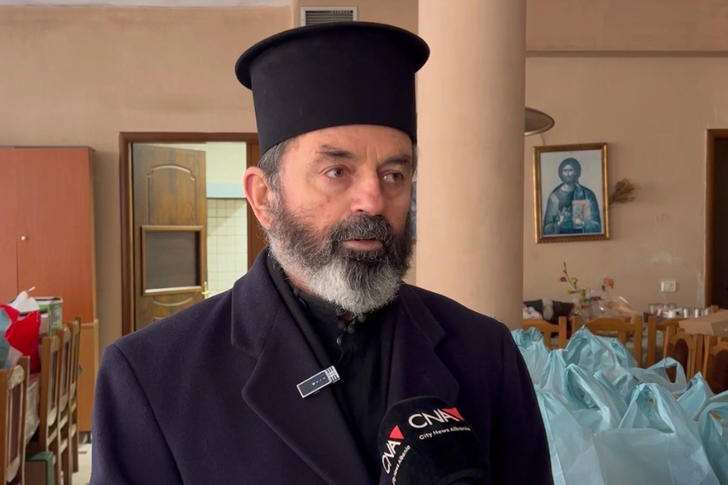
The Holy Metropolis of Korça has been standing by poor and...
Temporary improvement of atmospheric conditions is expecte...
Even this Saturday will be accompanied by unstable weather...
The atmospheric instability that has engulfed our coun...
Today our country will be under the influence of unstable ...

This Thursday, our country is expected to be affected by s...
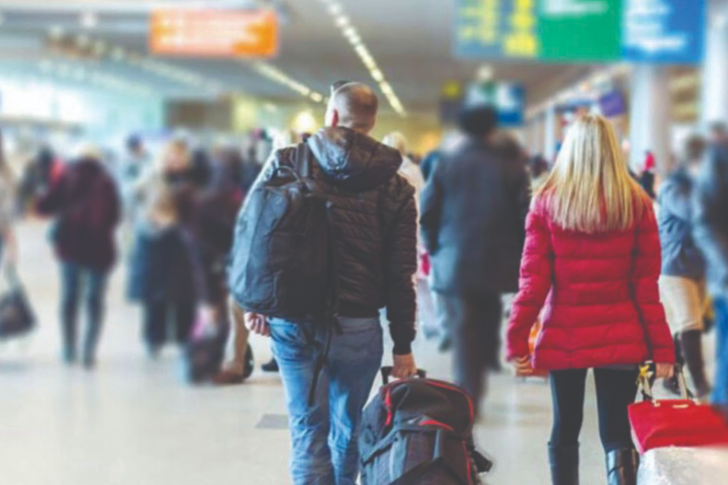
Although a large part of those who want to leave are tryin...
Today our country will be affected by stable weather condi...
This Wednesday, our country will be affected by stable wea...
Poverty remains one of the biggest social and economic cha...
Today our country is expected to be affected by stable wea...
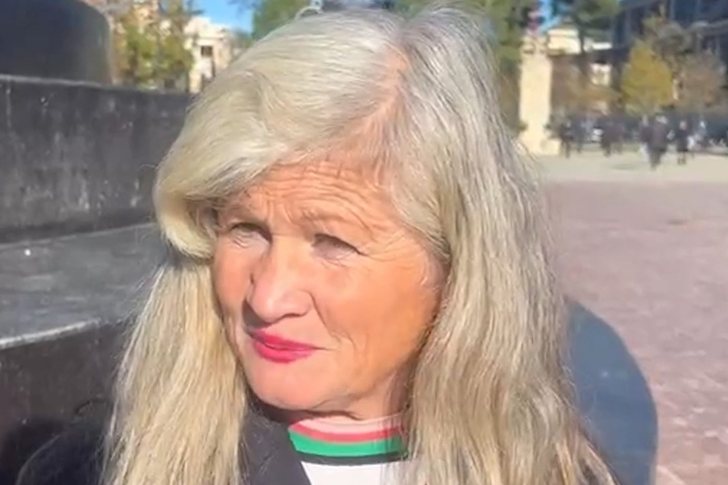
Arta Imshhtari, a 43-year-old woman has been living in...

The penetration of southwestern air masses originating fro...

On Saturday evening, the "Petro Marko" Theater of Vlora or...
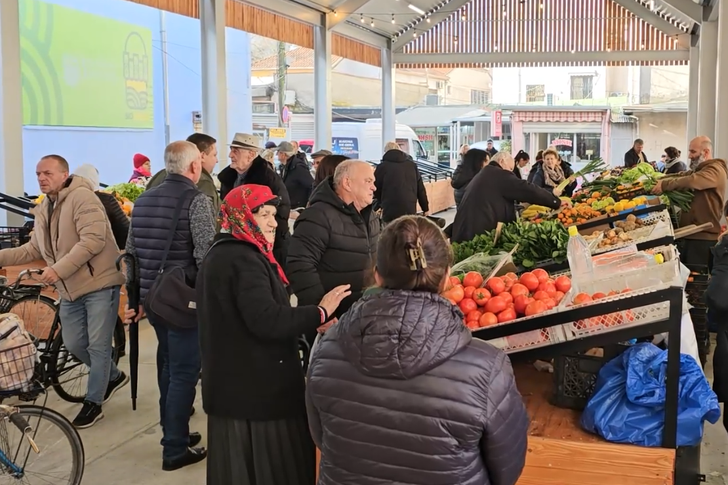
This Sunday, the reconstructed market of Russia opened in ...
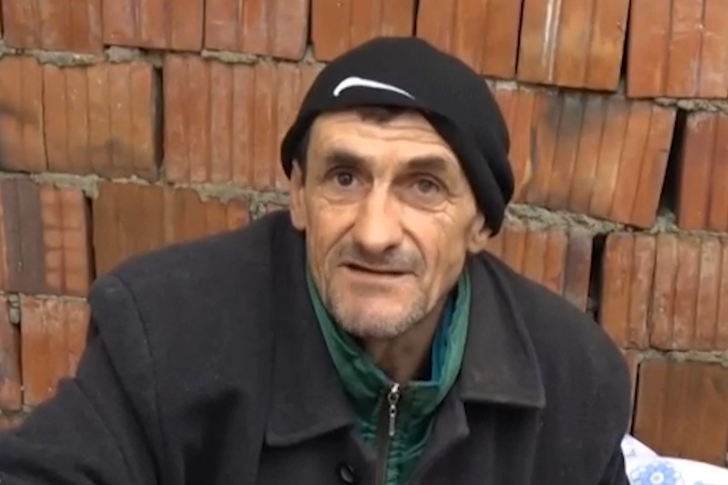
CNA brings today a sad case of Kalo Kalaj, a 58-year-old r...

The use of Botox toxin in the world and in Albania is grow...
The rains will continue to be occasional even today until ...
This Saturday, our country will be affected by unstable we...

For 6 months now, CNA has been sending several letters to ...
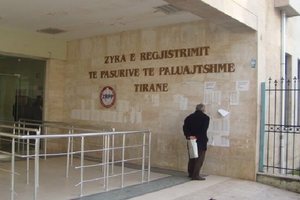
The word "fatherland" with properties is not enough. The m...

The justice reform claimed that it would bring faster, fai...
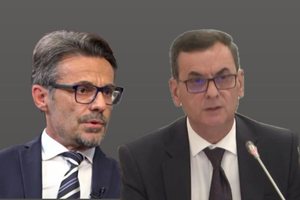
The Justice Reform and the vetting process were trumpeted ...

The Special Board of Appeal (KPA) decided this Monday ...

The KPA vetting decided this Thursday to dismiss the p...

Suela Salavaçi, a prosecutor in the Prosecutor's Offic...

The Special Board of Appeal reinstated the prosecutor ...

Around four kilograms of cocaine were seized during a rout...

The mother of the 17-year-old raped in Fier has been l...
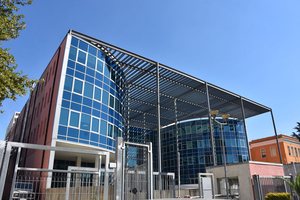
The Special Prosecution Office completed the investigation...
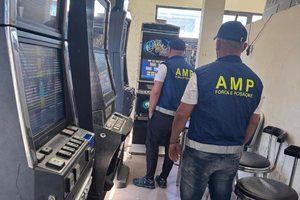
Today, on 07.07.2026, the Police Supervision Agency (AMP),...

Emigration, an aging population, and low participation in ...
Today, our country will be affected by relatively stable w...
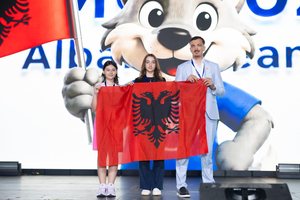
Albania has been awarded two medals of honor at the awards...
Today our country will be affected by relatively unstable ...
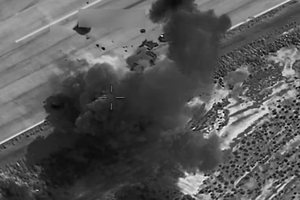
Ushtria amerikane njoftoi të mërkurën se ka kryer sulme të...

US President Donald Trump closed the NATO summit with a mo...

The trend of German companies moving abroad is weakening. ...
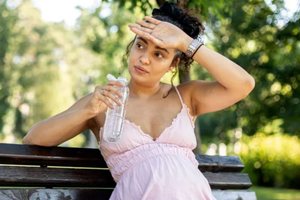
Heat waves don't affect everyone the same. According to he...

The German Embassy in Tirana has invited the Albanian publ...

Professor and literature scholar Ali Xhiku has passed away...

During my research into the life and artistic photographic...

This year's edition of the Gjon Mili International Video A...
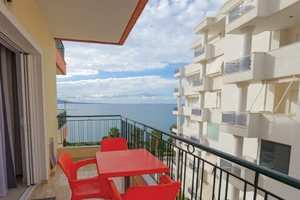
Although about 6 months have passed since the start of the...
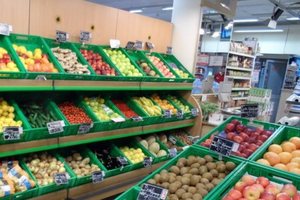
Vegetable prices marked a strong increase in June, precise...
This Thursday, one US dollar is bought for 81.5 lek and so...
The Governor of the Bank of Albania, Gent Sejko, stated th...