


Knife wound in Korça/ One person is urgently taken to hospital
A stabbing occurred today in the city of Korça, near the "...

A stabbing occurred today in the city of Korça, near the "...

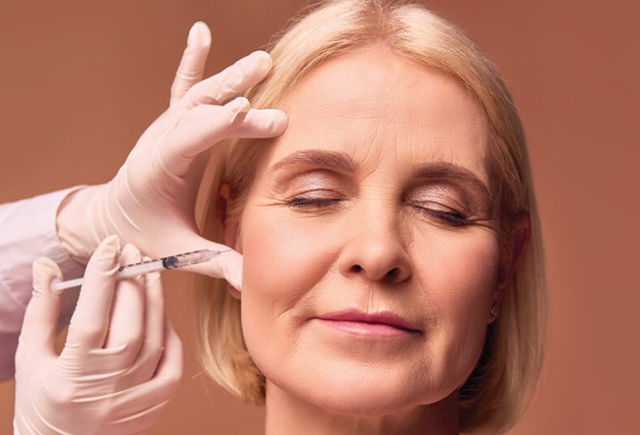
The use of Botox toxin in the world and in Albania is growing at a double-digit rate from year to year for aesthetic purposes, while the local market remains informal. Why wholesalers cannot bring the product legally even though the Medicines Agency cannot control the quality of the product. An Albanian user spends from 300 to 1000 euros per year for treatments.
How use is increasing across all age groups and the risks of injecting by non-professionals
After consuming contaminated sausage, the inhabitants of a small Belgian village at the end of the 19th century were responsible for the discovery of Botox (botulinum toxin) by Emile Van Ermengem, a well-known bacteriologist of the time.
Later, in World War II, attempts were made to use the toxin as a chemical weapon, while in the 1990s, the US Food and Drug Administration (FDA) first approved Botox for use in the treatment of eye muscle problems.
However, doctors noticed that Botox treatment in patients with strabismus created relief of wrinkles in the area of ??application. Based on these results, Botox was approved in the US for aesthetic treatment, mainly of wrinkles, in the early 2000s.
In the last two decades, Botox is the fastest growing herb in global markets and is a very popular treatment in our country as well. Because its injection does not require in-depth medical skills it has found massive use on the black market, as its trading requires a series of criteria that have not been able to be met by legal operators.
In Albania, the use of Botox is completely outside the legal framework. Injections are done by professionals and even by local hairdressers, and in case of health damage, no one is held responsible.
The regulatory framework in our country for the legal import of Botox has been impossible to fulfill by pharmaceutical companies.
Merita Sheqi, one of the largest importers of pharmaceutical products, said that the Botox product is classified as a drug and for this reason, to be imported and distributed in Albania, it is required to meet all the criteria provided by the local legislation in force, starting from the registration of the drug at the National Agency of Medicines and Medical Devices (AKBPM), issuing authorization for marketing, issuing authorization for use, etc.
The company "Rejsi Farma" sh.pk was interested in bringing this product to Albania, but we could not reach an agreement with the manufacturer. As a result, even without completing any of the required legal procedures at the AKBPM, the company has never been able to import or distribute this product in any of the local aesthetic clinics, said Mrs. Sheq. The National Agency for Medicines and Medical Devices (AKBPM), which has a legal obligation to register medicines, clarified that there has been no application from market operators to import and trade Botox.
"From the data available to the Agency, it does not appear to have been applied for Marketing Authorization of the drug 'Botox' with active principle 'Botulinum toxin' for medical use. So 'Botox' has never been registered in Albania and there has been no application for the registration of this drug", clarified (AKBPM) in particular. Earlier, during the month of October, the State Police exercised control in about 30 aesthetic clinics and hairdressers that used smuggled Botox unregistered according to the laws in force.
Health authorities check only legal operators for the regularity of drug trade, while all other products that are smuggled into consumption, as well as the case of Botox, are the subject of Police and Prosecution structures.
A treatment with Botox for facial wrinkles costs from 150-500 euros according to the rates of aesthetic clinics. For the treatment to be effective, it must be applied two to three times a year. For example, a person who receives such treatment must spend an average of 450-600 euros in a year.
Regulatory burden prevents registration of Botox
None of the operators of the import of pharmaceutical products licensed in our country have managed to meet the legal criteria for the import of Botox and therefore, the product is used in total illegality.
According to Albanian legislation, Botox, like any other drug for medical purposes, must be registered in the National Register of Medicines, which is administered by AKBPM. The interested operator must meet a series of criteria, from the certificates of analysis from the manufacturer that guarantee the quality and composition of the product. The dossier must contain information on the composition, safety and efficacy.
Documentation of origin is also needed, such as GMP (Good Manufacturing Practices) certificates and marketing authorizations from the country of manufacture. Botox and similar products are biological drugs, so special testing and documentation is required for safety and efficacy. The product must have an approved use and be registered in EU or US countries.
The application of Botox is a medical procedure and can only be performed by licensed professionals (dermatologists or plastic surgeons) in approved clinics.
Clinics that apply Botox must have special certificates for the storage and use of high-risk drugs. The toxin requires storage at 2–8°C and the operator must demonstrate that it has the appropriate infrastructure for storage and transport. Any import of Botox must be accompanied by customs documents and certificates of safety and origin.
Botox is considered a controlled product, so the operator must guarantee that it will be distributed only in authorized pharmacies and licensed clinics, where use is carried out by certified doctors.
If these criteria are not met, the marketing of the product is considered illegal, and the operator may face administrative or criminal sanctions. Therefore, legal operators say that it is quite difficult to introduce legal botox, in the conditions when the Albanian market is choked by contraband.
Why can't you enter officially?
Botox is considered a controlled product, so the operator must guarantee that it will be distributed only in authorized pharmacies and licensed clinics, where use is carried out by certified doctors. If these criteria are not met, the marketing of the product is considered illegal and the operator may face administrative or criminal sanctions. Therefore, legal operators say that it is quite difficult to introduce legal Botox in conditions where the Albanian market is choked by contraband.
The medical purpose of Botox
Official use of botulinum toxin began in 1989 in the US, where the FDA authorized it for the treatment of eye deviation and involuntary contraction of the eyelid muscles.
After this approval, researchers and doctors discovered the efficacy of Botox for other medical treatments, such as the treatment of muscle contractions in the neck that created pain, for the treatment of excessive sweating, chronic migraines and other nerve disorders.
Use was very effective in the treatment of facial muscle disorders, both in the treatment of swallowing difficulties and in the treatment of involuntary eyelid twitching. Botox is approved for the treatment of chronic migraine. Injection into certain points of the head and neck can help reduce the intensity and frequency of migraines.
The toxin is also used to treat excessive sweating, as it blocks the nerve signals that cause sweating. According to data from Global Market insights, Botox for medical purposes currently accounts for 43% of the global toxin market.
Botox is approved for the treatment of chronic migraines and has been shown to reduce the frequency of migraine attacks by 50% or more in many patients.
Aesthetic use
The use of Botox for aesthetic purposes began in 2002 in the USA when the FDA approved the use of the drug for the treatment of wrinkles between the eyebrows. This was the first cosmetic application for Botox, and since 2022 it has had a major impact on the aesthetic industry.
The injection procedure is very simple and minimally invasive, providing visible results for the elimination of wrinkles and facial expression lines, such as those created between the eyebrows and around the eyes.
According to a study done by SPA Medica, in 2022, over 9 million Botox treatments will have been administered worldwide. The data show that there is an increase in Botox for aesthetic use by 26% per year, since such treatments include the age group over 18 years old.
Botox injections have become one of the most popular non-surgical cosmetic procedures over the last decade. Users have been mostly female, but over the years, there has been an increase in male users. Almost 7.9 million women opted for Botox injections in 2022, while only 1.3 million procedures were applied by men.
The study showed that globally, 35-50-year-olds received the most Botox in 2022, making up about 50% of users. In this age group, the toxin fights the early signs of skin aging. However, there are more and more users aged 18-34 who account for about 18% of botox injections for aesthetic purposes.
The Botox market in Albania is growing rapidly
The Botox market in Albania is growing rapidly in the last year especially for aesthetic purposes, but it remains completely informal and consumers are vulnerable to the risks of unlicensed application of this product.
The demand for aesthetic treatments is mainly focused on the removal of wrinkles, especially among middle-aged individuals and young people who are more aware of the possibilities offered by Botox for maintaining a youthful appearance.
According to the fees of clinics that inject Botox, published online, the price for a treatment in Albania in the facial area (eg forehead or eyes) can cost around 150-300 euros. While other treatments for the whole face or for several different areas, can be more expensive up to 500 euros or more. The average fee is estimated at 250 euros per treatment, which is performed at least twice a year by users.
The market value is believed to exceed several million euros, while the products used are smuggled. Sources from the market claim that in the Albanian market, several types of Botox are used, among them Botox Cosmetic from Allergan, which is a product approved by the FDA for cosmetic use, as well as for medical treatments.
Allergan is one of the leading companies in the world for the production of botulinum toxin and it is also used in many clinics and hospitals in Albania, although not illegally
In addition to Botox from Allergan, other products are also used, such as Dysport and Xeomin, which are alternatives. These products are manufactured by other pharmaceutical companies, such as Ipsen (Dysport) and Merz Pharmaceuticals (Xeomin), and are also approved for use in aesthetic and medical treatments.
The Albanian market is currently supplied with Botox from illegal and unauthorized sources, and therefore may be unsafe for users, as contraband products may be counterfeit or unauthorized by health authorities.
Many clinics and individuals use smuggled Botox, which comes from other countries such as Turkey, Greece and Kosovo, with which illegal imports are carried out. Smuggled products do not pass through quality control and health regulations. This phenomenon continues to be a prominent problem in the aesthetics industry.
Although there are regulations that require Botox to be applied only by qualified professionals, the control of the authorities in our country is insufficient. This has caused an increase in its use by individuals who do not have full medical knowledge, increasing the risk of serious side effects.
Sources from the market claim that the demand for Botox in Albania is also a reflection of global trends, where its use for aesthetic purposes has become very popular, encouraging the development of the illegal market, which has made it difficult to follow and regulate this sector.
The Risks
Although there are regulations that require Botox to be applied only by qualified professionals, the control of the authorities in our country is insufficient. This has caused an increase in its use by individuals who do not have full medical knowledge, increasing the risk of serious side effects.
Damages resulting from unauthorized use of Botox
The use of Botox contraband and by unauthorized and unprofessional persons creates damage, analyzes the "American Society of Plastic Surgeons".
The use of an unauthorized Botox administered under non-sterile conditions can cause local infections, as well as severe allergic reactions that can include swelling, redness and a burning sensation at the injection site.
In other cases, deep infections can occur, which require urgent treatment and can cause long-term consequences for the skin and body tissues.
Botox is a toxin that acts on muscles and nerves. When injected by non-professionals, errors in technique can occur, such as incorrect distribution of the product, which can cause muscle damage or temporary paralysis of unwanted areas, such as the eyelids, lips, or areas around the mouth.
Without in-depth knowledge of anatomy and proper injection technique, a non-professional can cause unexpected damage, such as pronounced wrinkles, loss of facial symmetry, or residual muscle mobility in some parts of the face. Treating these side effects may require additional medical intervention, the study points out.
Another risk of botox use by non-professionals is the possibility of general toxicity, such as effects on breathing and heart muscles.
This happens when Botox is injected into the wrong areas or in excessive doses. The study shows that the use of Botox by non-professionals can cause long-term complications, such as muscle atrophy or a change in facial appearance that cannot be corrected without surgery.
This is a problem that can arise when Botox is injected in an uncontrolled manner and under conditions unsuitable for such treatment. To avoid these risks, it is important that Botox is used only by qualified and licensed specialists who have experience and thorough knowledge of human anatomy and safe injection technique./ Monitor Magazine

The rains will continue to be occasional even today until ...
This Saturday, our country will be affected by unstable we...
This weekend, our country will be affected by unstable wea...
For today, our country will be affected by stable atmosphe...
Today our country will be under the influence of relativel...
This Thursday, our country will be under the influence of ...
Today, the weather will be mostly clear and alternating cl...
For today, the weather is forecasted with moderate to heav...
The information that comes online, including social ne...
Social networks and the influence they have on the beh...
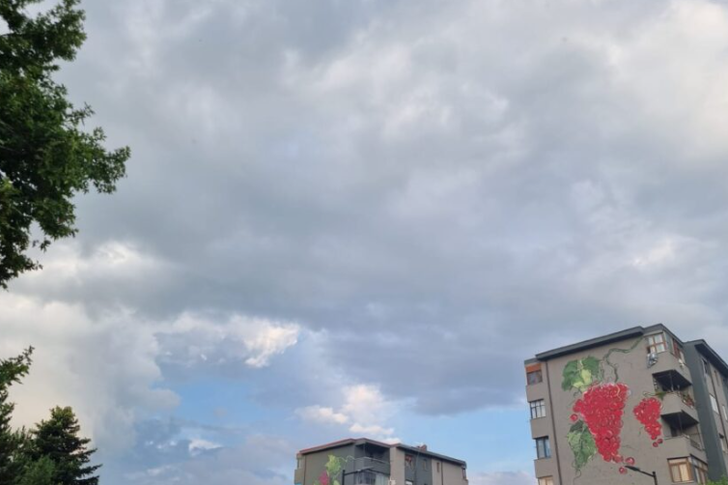
In the Frashër of Përmet administrative unit, when the 202...
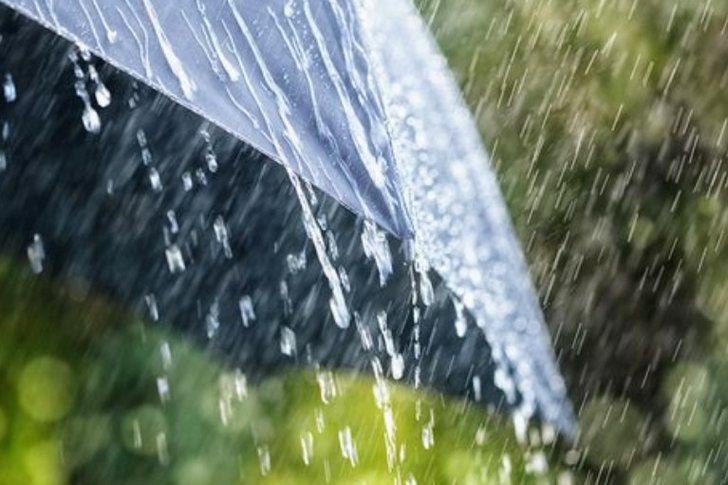
Today the weather is forecast to be medium to heavy clouds...
For the week ahead, our country will be affected by a "nor...
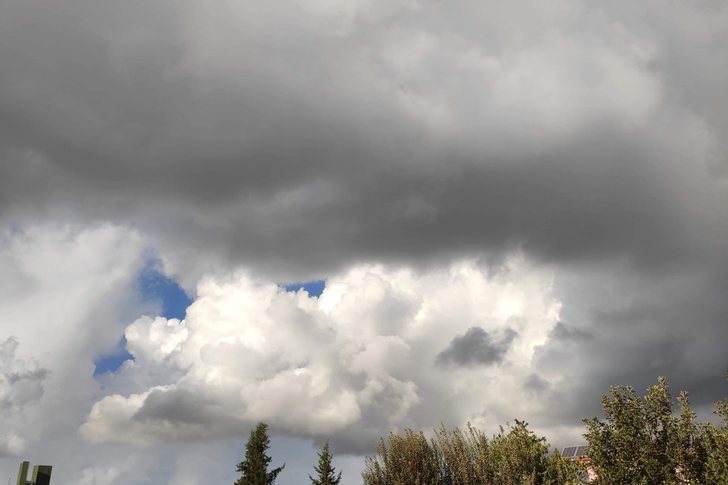
The Military Meteorological Service announced that on Sund...
For Sunday, the weather until noon is predicted to be ...
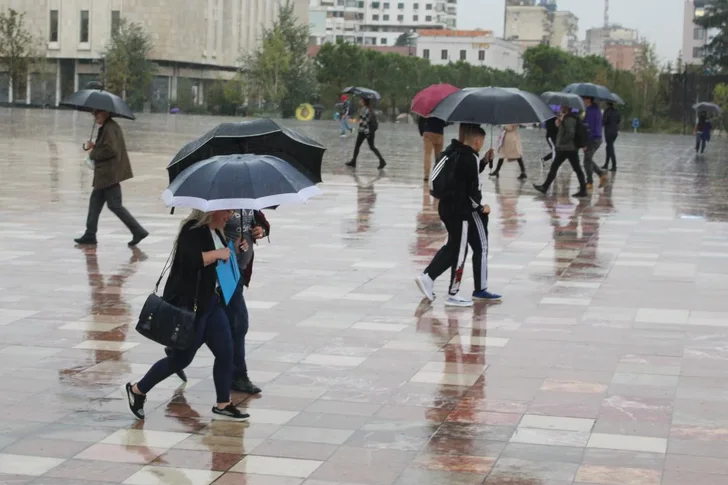
This weekend, our country will be affected by mostly u...
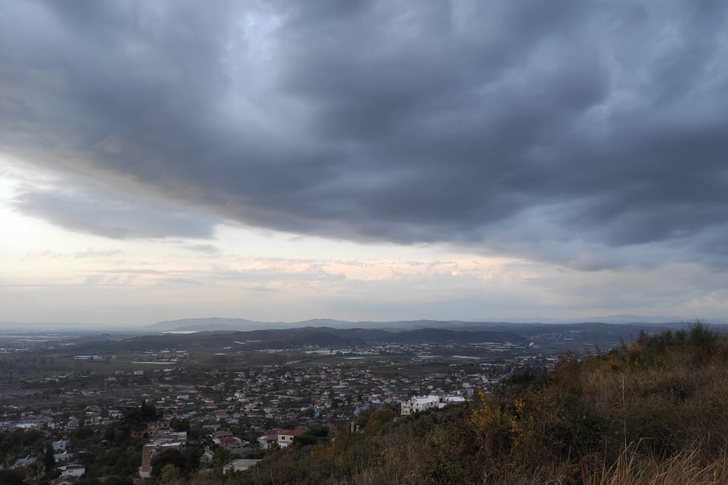
Alternations of clear skies and clouds will characterize t...
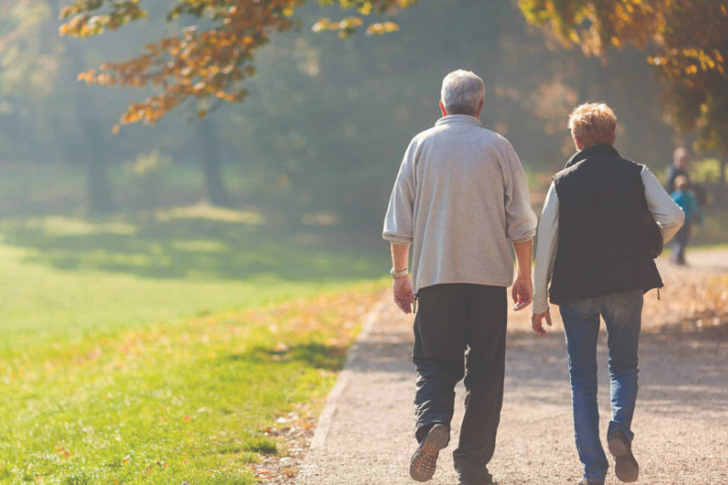
In relation to the younger groups of the population, Alban...
For today, the penetration of moist and unstable air masse...
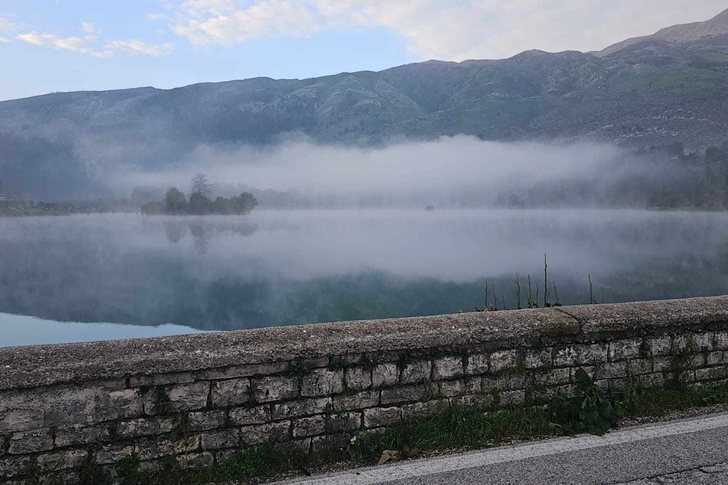
For today, our country is predicted to be affected by stab...

For 6 months now, CNA has been sending several letters to ...
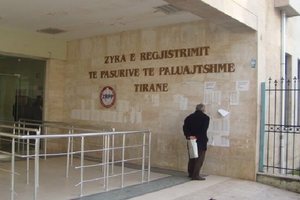
The word "fatherland" with properties is not enough. The m...

The justice reform claimed that it would bring faster, fai...
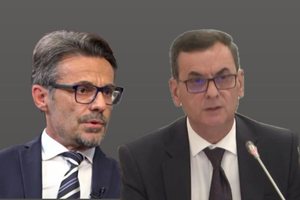
The Justice Reform and the vetting process were trumpeted ...

The Special Board of Appeal (KPA) decided this Monday ...

The KPA vetting decided this Thursday to dismiss the p...

Suela Salavaçi, a prosecutor in the Prosecutor's Offic...

The Special Board of Appeal reinstated the prosecutor ...
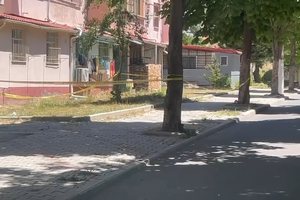
A stabbing occurred today in the city of Korça, near the "...

Three people who were traveling armed, kept weapons in the...
Around four kilograms of cocaine were seized during a rout...
The mother of the 17-year-old raped in Fier has been l...

Emigration, an aging population, and low participation in ...
Today, our country will be affected by relatively stable w...

Albania has been awarded two medals of honor at the awards...
Today our country will be affected by relatively unstable ...
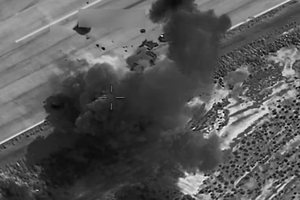
Ushtria amerikane njoftoi të mërkurën se ka kryer sulme të...
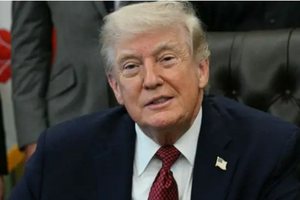
US President Donald Trump closed the NATO summit with a mo...

The trend of German companies moving abroad is weakening. ...
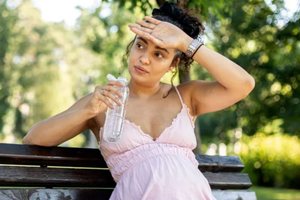
Heat waves don't affect everyone the same. According to he...
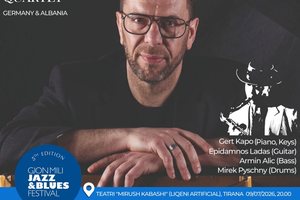
The German Embassy in Tirana has invited the Albanian publ...

Professor and literature scholar Ali Xhiku has passed away...
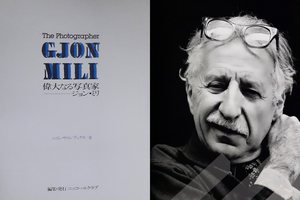
During my research into the life and artistic photographic...
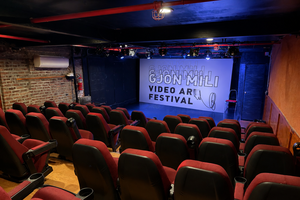
This year's edition of the Gjon Mili International Video A...
Although about 6 months have passed since the start of the...

Vegetable prices marked a strong increase in June, precise...
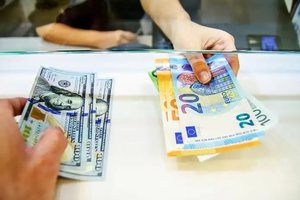
This Thursday, one US dollar is bought for 81.5 lek and so...

The Governor of the Bank of Albania, Gent Sejko, stated th...