


Knife wound in Korça/ One person is urgently taken to hospital
A stabbing occurred today in the city of Korça, near the "...

A stabbing occurred today in the city of Korça, near the "...


Poverty remains one of the biggest social and economic challenges in Albania, a phenomenon that has not only worsened the lives of thousands of families, but has created a cycle of inequality and mass immigration.
The policies followed in the last decade, often based on short-term and unsustainable interests, have failed to address the roots of this problem. The statistics are alarming: about 42% of the population in Albania is exposed to poverty, according to INSTAT data (2024).
Rural areas suffer the most, where access to basic services such as education, health care and employment is severely limited. At the same time, economic inequality is deepening, creating a wide gap between a rich minority and a poor majority.
Referring to the data on the reference prices of property in Tirana, it turns out that 1 m2 residential unit has an average reference price of about 1400 euros, while the average salary in the country is about 800 euros gross per month. Where the average pension is 23% of the average salary.
Today in Tirana the annual tax of a good primary school for a child costs as much as the annual salary of an unqualified factory worker.
Today, unskilled workers receive about 220 ALL per hour. Where with this money you can buy only 1.3 l of diesel. Or just 1 kg of bread, or 170 grams of meat. This dramatic situation has resulted from the implementation of a series of failed policies.
More specifically, in the last decade, Albania has followed a liberalized approach to the economy, often without due attention to social protection.
The massive donation of public lands for the purpose of tourism, the transfer of concessional public services to private companies and the lack of strategies to create sustainable jobs have left many citizens vulnerable and without hope.
Social programs, although they exist, are fragmented and ineffective. Moreover, corruption and misuse of public funds have significantly limited the impact of these programs.
Without forgetting here the wrong orientation of investments in infrastructure and tourism, totally removing attention from production and agriculture. This type of strategy, instead of generating employment, welfare and reducing inequality, stimulated the third immigrant wave (after the one in the 90s and 00s).
Currently, over 40% of Albanians live abroad. This phenomenon has created a demographic and economic gap, reducing the potential for long-term development, we are the country with the highest level in Europe for the number of retired employees in relation to the total number of employees.
While Albania faces these challenges, many countries have shown that poverty and inequality can be fought with efficient economic policies and structural reforms.
Countries like South Korea have invested heavily in vocational and technological education, reducing poverty by creating a skilled workforce. Albania can develop training programs for young people, oriented towards the labor market. But for this to have a result, the mindset must be changed that vocational schools cannot be only for weak students who do not have the opportunity to enroll in the university.
Germany, through regional development policies, has supported the economic empowerment of rural areas. This includes subsidies for farmers, improved infrastructure and incentives to create local businesses. Albania can follow this example to reduce the disparity between the city and the countryside.
Farmers in Albania make up about 1/3 of the employed in the country, their contribution to GDP is about 16%. This weight they have in the economy should be in coherence with the % that the state budget should dedicate to this sector, in any case only 44 million euros for 2025 could not be given.
Another factor that has generated poverty, inequality and mass immigration is massive corruption. To solve this phenomenon, Estonia, one of the most transparent countries in the world, has reduced corruption through the digitization of public services, including platforms such as e-Estonia (from which E-Albania was taken as a model), which allow citizens to access almost all government services online.
But unlike E-Albania, E-Estonia gives the opportunity for every public transaction or administrative decision to be accessed and tracked in real time, making monitoring by citizens and independent organizations possible.
Finland, a country with very high standards of transparency and accountability, has created the "Open Finland" platform, which allows citizens to follow projects financed from the state budget, preventing misuse.
Brazil created the National Development Bank with state capital to finance small and medium enterprises to solve the problem of unemployment and access to finance for small companies.
Kosovo created the private pension fund to increase confidence in the pension benefit and to eliminate the problem of under-declaration of wages as it happens in Albania.
Singapore, another successful model, has reduced corruption by implementing a competitive salary system for public officials, increasing motivation and honesty in the civil service.
At the same time, the authorities in Singapore use advanced technology to track financial transactions, eliminating opportunities for bribery or misappropriation of funds, as well as the annual declaration of income for all employees in the public administration, but not only (we in Albania today we collect fiscal revenue as much as 28% of GDP when the regional average is 34% even though the vast majority of countries in the region have lower fiscal pressure than us).
So basically, the solution to poverty in Albania requires a comprehensive approach, which must combine institutional reforms, support for economic sectors that perform poorly and a strong political commitment to fight corruption. Institutional reforms are fundamental to improve the efficiency and transparency of public services.
Today, after more than a decade, we have about 400,000 fewer Albanians, but 45,000 more employed in the public administration (waste of money and increased inefficiency). The fight against poverty, inequality and immigration must include investments and radical transformations of key sectors such as education, health and infrastructure.
Today, education is characterized by regional disparity in quality and access to education, as well as underfunding (3.3% of GDP, the same as it was 12 years ago).
Health is often inaccessible to poor citizens (the list of reimbursable medicines is being renewed for almost 7 years).
The agricultural sector, which remains a main source of livelihood for many families in Albania, needs subsidies and the total change of VAT).
It is paradoxical to think of creating a common market in the Western Balkans when subsidies in Albania are 4 times less than in Serbia or 3 times less than in North Macedonia (weight of subsidies in relation to GDP).
It is urgent for us to address the social and psychological causes of mass immigration, offering real hopes for a better future within the country. A stable economy and effective social services are essential to prevent brain drain and the shrinking of the working population.
Albanian citizens cannot wait any longer. Poverty is not only an economic problem, but an issue of justice and human dignity. Addressing it requires continued commitment and cooperation between the government, civil society and the international community. The time for change is in May./ Monitor magazine

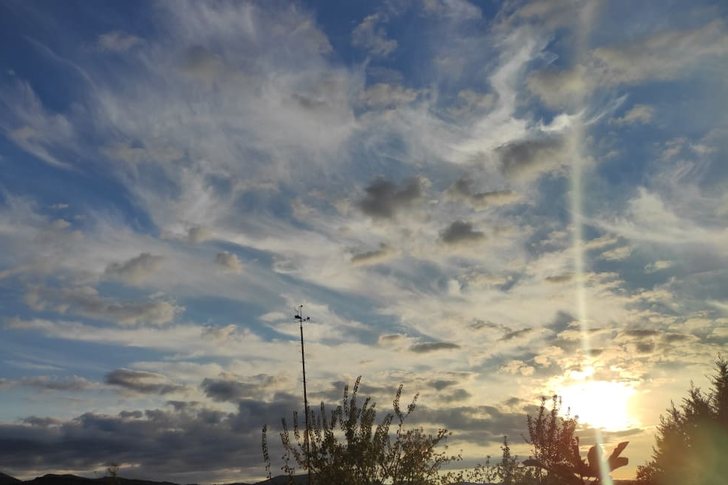
Today our country is expected to be affected by stable wea...
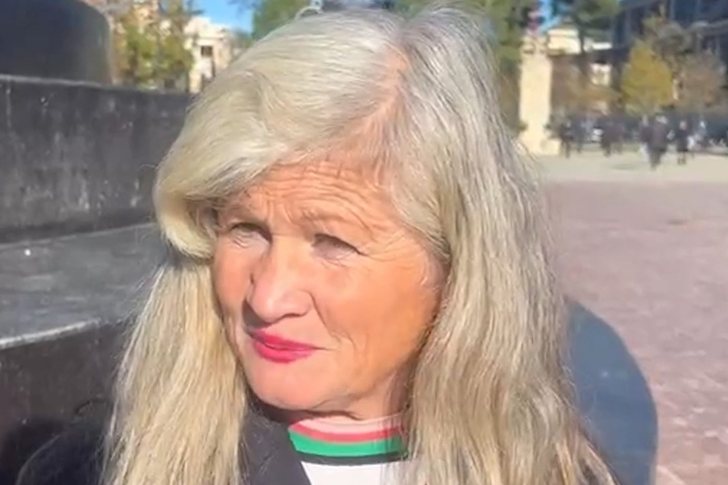
Arta Imshhtari, a 43-year-old woman has been living in...

The penetration of southwestern air masses originating fro...

On Saturday evening, the "Petro Marko" Theater of Vlora or...
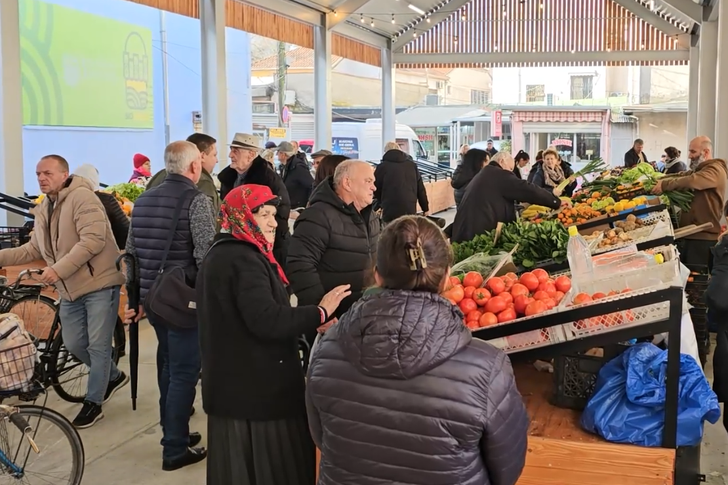
This Sunday, the reconstructed market of Russia opened in ...
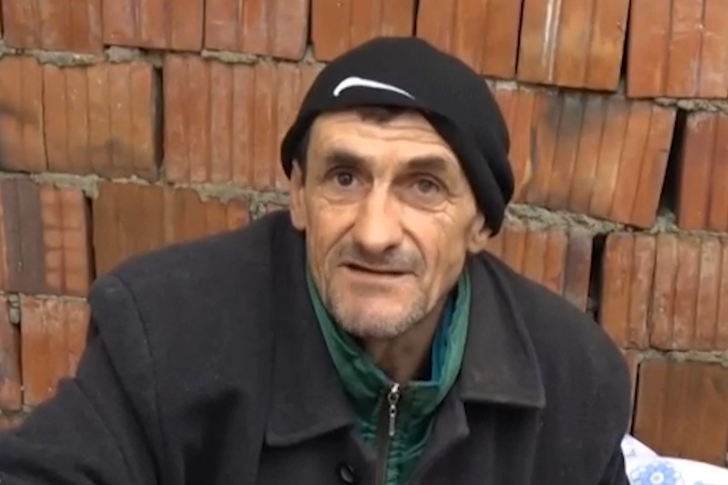
CNA brings today a sad case of Kalo Kalaj, a 58-year-old r...

The use of Botox toxin in the world and in Albania is grow...

The rains will continue to be occasional even today until ...
This Saturday, our country will be affected by unstable we...
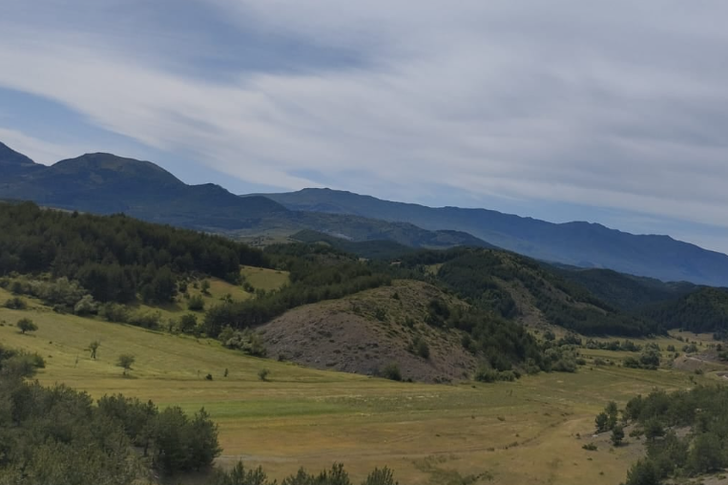
This weekend, our country will be affected by unstable wea...
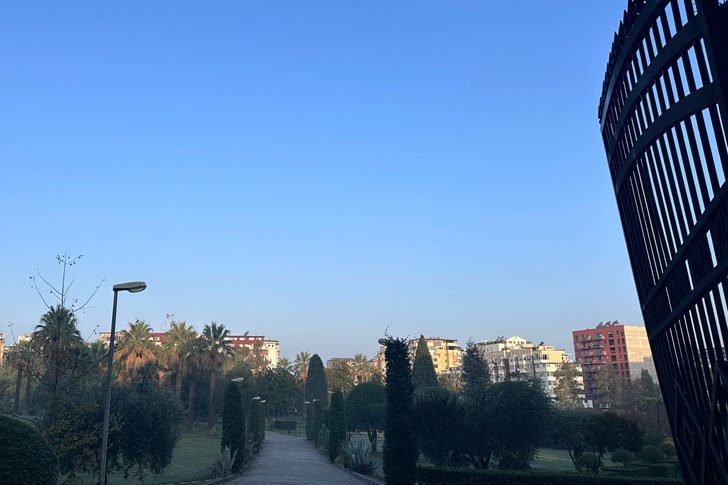
For today, our country will be affected by stable atmosphe...
Today our country will be under the influence of relativel...
This Thursday, our country will be under the influence of ...
Today, the weather will be mostly clear and alternating cl...
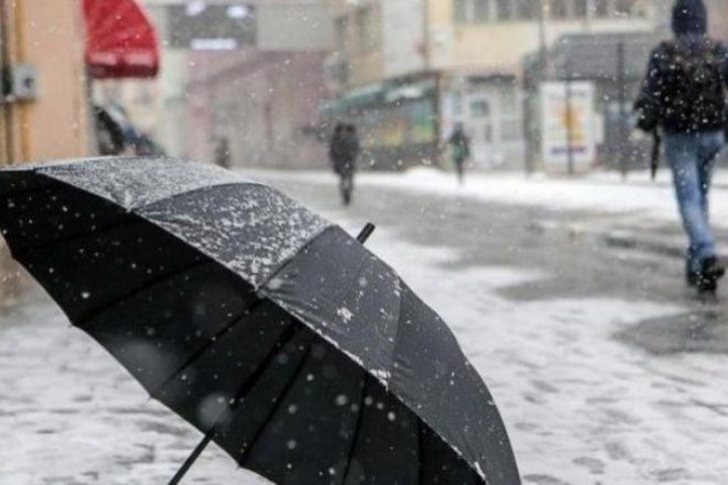
For today, the weather is forecasted with moderate to heav...
The information that comes online, including social ne...
Social networks and the influence they have on the beh...
In the Frashër of Përmet administrative unit, when the 202...

Today the weather is forecast to be medium to heavy clouds...
For the week ahead, our country will be affected by a "nor...

For 6 months now, CNA has been sending several letters to ...
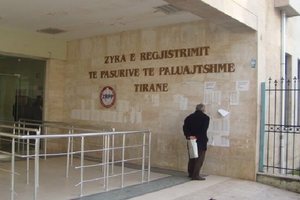
The word "fatherland" with properties is not enough. The m...

The justice reform claimed that it would bring faster, fai...
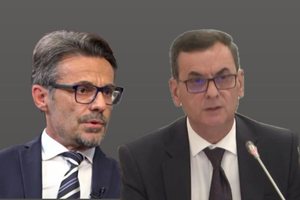
The Justice Reform and the vetting process were trumpeted ...

The Special Board of Appeal (KPA) decided this Monday ...

The KPA vetting decided this Thursday to dismiss the p...

Suela Salavaçi, a prosecutor in the Prosecutor's Offic...

The Special Board of Appeal reinstated the prosecutor ...
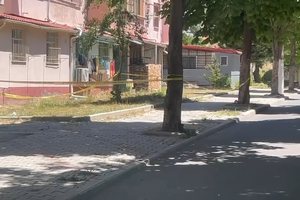
A stabbing occurred today in the city of Korça, near the "...

Three people who were traveling armed, kept weapons in the...
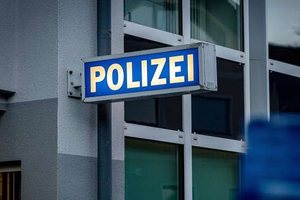
Around four kilograms of cocaine were seized during a rout...

The mother of the 17-year-old raped in Fier has been l...

Emigration, an aging population, and low participation in ...
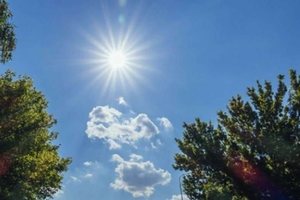
Today, our country will be affected by relatively stable w...
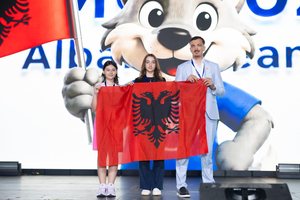
Albania has been awarded two medals of honor at the awards...
Today our country will be affected by relatively unstable ...
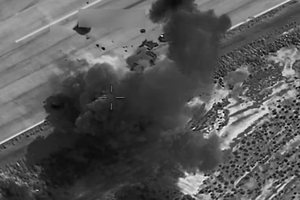
Ushtria amerikane njoftoi të mërkurën se ka kryer sulme të...

US President Donald Trump closed the NATO summit with a mo...

The trend of German companies moving abroad is weakening. ...

Heat waves don't affect everyone the same. According to he...

The German Embassy in Tirana has invited the Albanian publ...

Professor and literature scholar Ali Xhiku has passed away...

During my research into the life and artistic photographic...

This year's edition of the Gjon Mili International Video A...
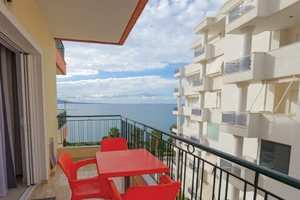
Although about 6 months have passed since the start of the...
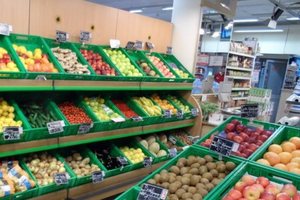
Vegetable prices marked a strong increase in June, precise...
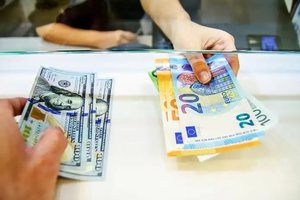
This Thursday, one US dollar is bought for 81.5 lek and so...
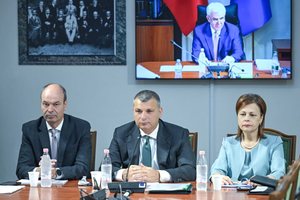
The Governor of the Bank of Albania, Gent Sejko, stated th...