

Temperatures up to 40 degrees Celsius/ Today's weather
Today our country will be under the influence of stable we...


Albania is entering a rapid cycle of depopulation. While the young population is rapidly declining, on the other hand, youth emigration is further strengthening, rather than decreasing. The population in the 0-29 age group was around 1 million 365 thousand people in 2011, but in 2024 it fell to 764 thousand people, with a contraction of 44%. On the other hand, from 2015 to 2020, net emigration (emigrations minus arrivals) was around -16 thousand people per year, 80% of them young people, while from 2020 to 2025 this indicator is on average -34.5 thousand per year. Youth emigration has more than doubled after the pandemic, while no policy is managing to stop the depletion that is eroding the economy and the future from the roots. How is immigration affecting the economy, production and prices and what do experts advise?
Albania is experiencing a paradoxical and dangerous cycle of emigration. Although the country has fewer and fewer young people, they have been leaving with greater intensity in recent years.
These developments are creating a vicious cycle of population decline, increased emigration, and accelerated population decline.
The population in the 0-29 age group was around 1 million 365 thousand people in 2011, but in 2024 there were only 764 thousand people in this age group, with a contraction of 44%.
From 2015 to 2020, net emigration (emigrations minus arrivals) was around -16 thousand people per year, according to INSTAT.
Most of them are young. Negative net migration worsened after the pandemic. In 2021, net migration was negative by -32,000, the same in 2022. In 2023 it reached -43.7 thousand and in 2024 over 28.8 thousand.
The latest Eurostat data revealed that in 2023, around 75 thousand residence permits were issued to Albanian citizens from EU countries. A year earlier, 79.2 thousand residence permits were issued for the first time.
These are the highest levels since 2010, indicating an acceleration in immigration rates after the pandemic.
A total of 154,000 residence permits were granted for the first time in 2022-2023. Given that a large portion of those who fled are on employment contracts, especially in countries like Germany, the granting of permits is faster than in the past, when Albanian citizens entered EU countries without documents.
The 18–34 age group accounted for about 80% of young Albanian immigrants, according to Eurostat.
Data show that the per capita emigration rate has increased, not only in absolute figures, but also as a percentage of the active population.
Albania is at a stage where the youth group is rapidly shrinking and, on the other hand, those who remain are increasingly motivated to flee.
Ilir Gëdeshi, a professor who has been studying demographic developments in the country for years, says that in the long term, emigration in numbers will decrease because there will be fewer people to leave, but compared to the remaining population, the flows are very high.
According to him, without immediate intervention in the form of comprehensive policies that curb outflows and encourage returns, the country risks a long-term structural crisis in the workforce, productivity, and pension system.
Today, it is not just unemployed or unpromising young people who are leaving, as was the case a decade ago, but also the best students, young healthcare professionals, IT professionals, and qualified craftsmen.
The pandemic intensified the sense of insecurity and made social inequality and lack of perspective more visible.
On the other hand, EU programs (such as seasonal employment, student visas, the agreement with Germany) have opened up more legal avenues.
High emigration has also created a psychological effect. Young people feel few in an aging and empty society and are more motivated to leave.
Effects on the labor market and prices
The active labor force (the part that works or is looking for work) has declined, and on the other hand, the number of job vacancies has increased.
In the last five years, businesses report major shortages of employees in agriculture, construction, tourism, services, trade, etc. Businesses report difficulties in recruiting, not only for salary reasons, but because there are no candidates.
Immigration has created a demographic gap in the labor market, which is not being filled by either salary increases or short-term training.
Official data shows that over 53% of those employed in agriculture are over the age of 50 and young people do not inherit the job.
The decline in the labor force has led to a decrease in planted areas, especially in fruits and vegetables on family farms, and increased dependence on food imports.
INSTAT data shows that the trade deficit in food has increased by 23% since 2020. The decrease in domestic production has created relative shortages in the market.
Substitute imports are more expensive. Domestic producers face higher labor costs, while productivity declines.
In 2024, Albania ranked above the EU average for food prices for the first time (102.4% of the EU average according to Eurostat).
In 2023, food prices were 89.8% of the EU average, up from 66.8% in 2014.
Meanwhile, GDP per capita in Albania remains only 35% of the EU average. Consumers pay much more for basic goods (food, transportation, energy).
IMF studies show that emigration accelerates price increases because it reduces supply and distorts the production-consumption balance.
Emigration reduces domestic supply, as in our case, while consumption is increasing from increasingly numerous foreign visitors.
These developments have increased dependence on costly imports and reduced local competition, as remaining businesses dominate the market.
From 2015–2025, the price index for food and non-alcoholic beverages increased by 67%, ranking 10th among 40 European countries. Domestic producers face high input costs, while agricultural subsidies are lacking.
This forces domestic producers to increase product prices, weakening domestic competition against imported goods.
Agricultural production fell by 1.1% in 2024 from -1.8 in 2023.
The agricultural sector employed 32.2% of the total workforce. More detailed data show that agriculture is on a downward trajectory mainly due to negative developments in family farms, where there is a strong contraction of the livestock sector.
In the last decade, the number of animals for milk and meat has almost halved due to the bankruptcy of small farms.
The decline in the rural population and its aging have led to the disappearance of small family farms with livestock. For the same reasons, agricultural production in the fields has also declined.
Family farms for self-consumption are in constant bankruptcy due to the shrinking and aging population in the countryside.
Agricultural production is being organized in the form of greenhouse businesses for export. Due to this transition, farmers who produced for self-consumption have now become consumers, driving the growth of agricultural imports from abroad.
In small municipalities, there are almost no more farmers' markets.
Albanian families spend 39.7% of their budget on food, compared to the European average of only 13%./ Monitor Magazine

Today our country will be under the influence of stable we...
Today our country will be under the influence of stable we...
Today our country will be under the influence of stable we...
Today our country will be under the influence of stable we...

An unusual situation has come from the village of Cernalev...
Today our country will be under the influence of stable we...
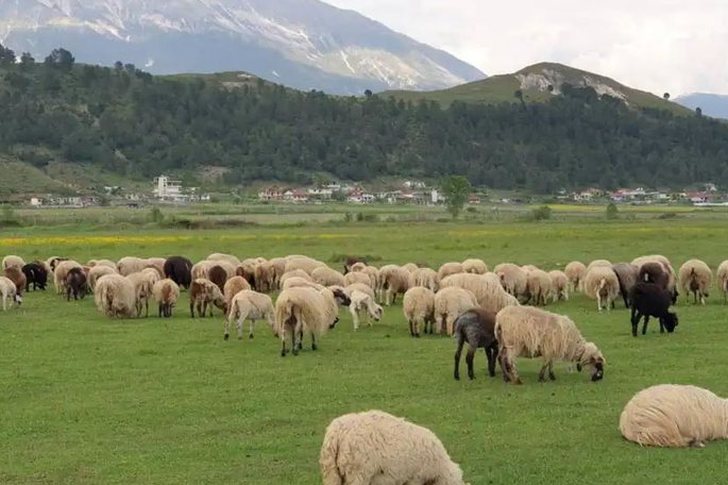
The Veterinary Service Agency has undertaken several aware...

Today, our country will be under the influence of stable w...
Today, our country will be under the influence of stable w...
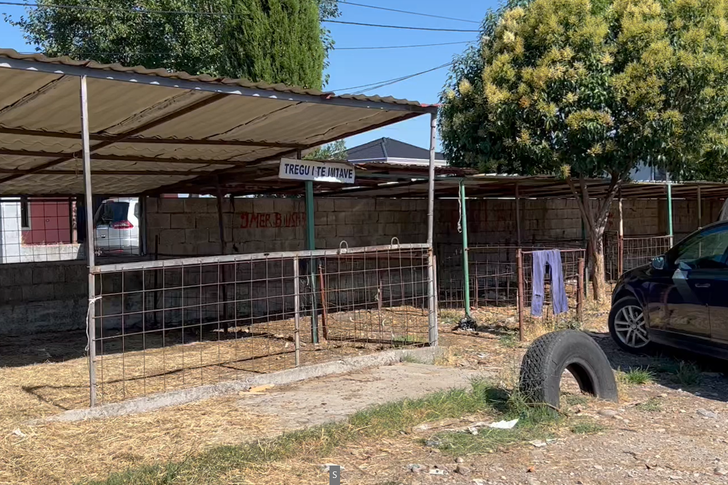
The animal market in the village of Stom Golem in Shkodra ...
Today our country will be under the influence of stable we...
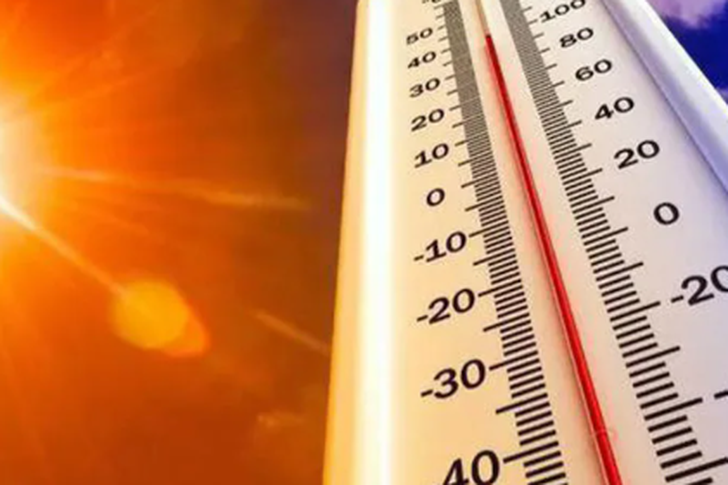
Europe is on high alert as the continent faces its first m...
On Saturday, our country is expected to have stable weathe...
24 doctors who will begin their 3-year specialization in m...
Today our country will be under the influence of stable we...
A new index has identified the countries most vulnerable t...
The Balkan region is bracing for a severe heatwave, with t...

On Thursday, our country will be under the influence of st...
The employment rate declined in the first quarter of 2025 ...
More than 110 million people across Europe suffer from hig...
The word "fatherland" with properties is not enough. The m...

The justice reform claimed that it would bring faster, fai...
The Justice Reform and the vetting process were trumpeted ...
After revealing the property portfolio in Tirana, Kavaja, ...

The Special Board of Appeal (KPA) decided this Monday ...

The KPA vetting decided this Thursday to dismiss the p...

Suela Salavaçi, a prosecutor in the Prosecutor's Offic...

The Special Board of Appeal reinstated the prosecutor ...

Around four kilograms of cocaine were seized during a rout...

The mother of the 17-year-old raped in Fier has been l...
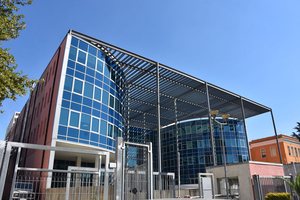
The Special Prosecution Office completed the investigation...
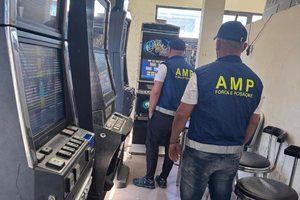
Today, on 07.07.2026, the Police Supervision Agency (AMP),...
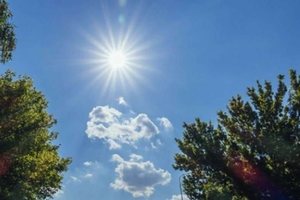
Today our country will be affected by relatively unstable ...

While the total number of deaths fell in 2025, those from ...
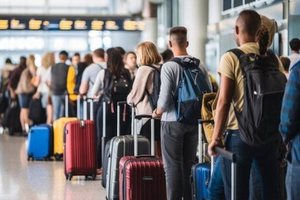
As Albania faces ongoing demographic challenges, the l...
Today our country will be affected by relatively unstable ...

US President Donald Trump has officially declared that the...

US President Donald Trump has shocked the NATO Summit ...

Turkish President Recep Tayyip Erdogan declared at the NAT...
More money for the military, less for everything else and ...

The German Embassy in Tirana has invited the Albanian publ...

Professor and literature scholar Ali Xhiku has passed away...

During my research into the life and artistic photographic...

This year's edition of the Gjon Mili International Video A...
The Governor of the Bank of Albania, Gent Sejko, stated th...
The latest data published by the Institute of Statistics f...
The government is providing 4 million euros for an event t...
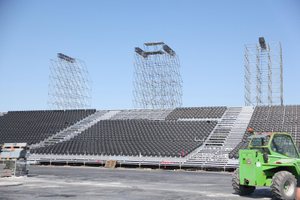
A few days before Kanye West's concert in Tirana, the publ...