

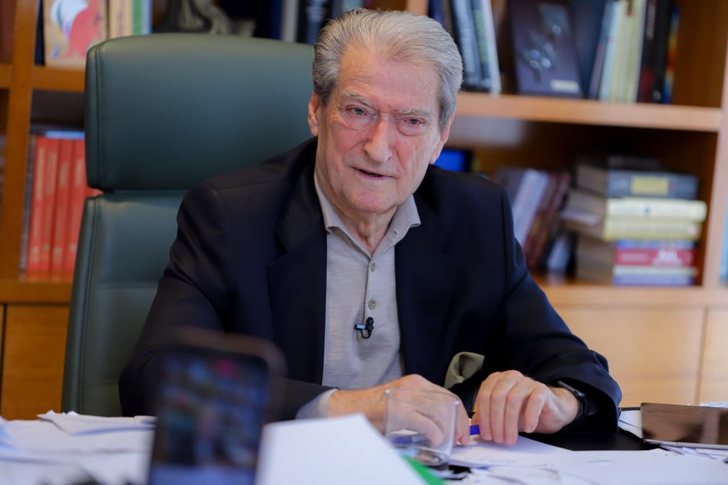
Berisha: The unification of the DP was necessary to protect the party from enemies
The leader of the Democratic Party, Sali Berisha, declares...


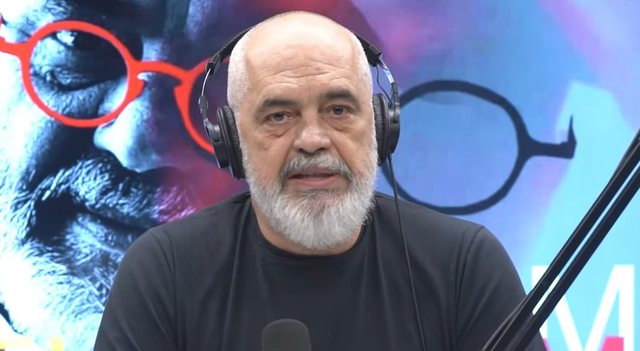
Prime Minister Edi Rama spoke in today's episode of the "FLASIM" podcast, regarding the GJKKO's decision to suspend Minister Belinda Balluku from duty.
During his speech, he also explained what the Venice Commission and the Strasbourg Court say in such cases. While he considered the suspension by the GJKKO as absurd, he emphasized that he expects the Constitutional Court to provide direction on this issue.
Excerpt from Rama's speech:
A fierce debate has filled the void of the week's media and social media clubs, after a prosecutor and a judge teamed up, head-to-head, to suspend a member of the government cabinet.
I do not want to enter into any debate about such a dangerous absurdity as this and I wait patiently for the Constitutional Court to give direction to the issue of this path untrodden anywhere in Europe, and as far as we have been informed so far, nowhere in the world.
But I wanted to share with you today what the Venice Commission and the European Court of Strasbourg say about this issue.
Venice's position is actually very clear. Courts should not suspend members of the government, because by doing so: First, they violate the balance of powers.
As long as a minister is a political figure, part of the executive, responsible to Parliament and the Prime Minister, if the court suspends him, it practically: interferes in the work of the government, changes the composition of the executive and takes over powers that belong to the Prime Minister and the President. And this is considered by Venice as an impermissible violation of the dividing line between powers.
Secondly, by doing so, the courts create the possibility of instrumentalizing justice, and Venice often warns against "judicial overreach", or in Albanian, the extension of the judiciary's arm beyond the dividing line with politics, because this consequently paves the way for: political pressures on the government, institutional destabilization, manipulation of the executive through criminal processes.
Third, ministers have political, not administrative, functions, and Venice has said it many times: Suspension measures apply to civil servants, not to members of the government, because the minister is not an "administrative official", but a political authority.
Finally, the judicial suspension of a minister is de facto pressure for his dismissal, since when a minister is suspended, it is not an individual who is suspended, but rather the entire decision-making process for one or more sectors that the minister may cover is paralyzed. And this is completely unconstitutional.
Komisioni i Venecias e ka theksuar shprehimisht: “Një prej parimeve të demokracisë parlamentare është që qeveria mund të shkarkohet vetëm nga organet politike, jo nga organet gjyqësore.”
Po Gjykata Europiane e Strasburgut çfarë thotë për këtë çështje? Kjo është interesante. Gjykata Europiane nuk është ndeshur kurrë me këtë absurd dhe prandaj nuk ka dhënë asnjëherë, asnjë vendim specifik ku të përmendet fjala “pezullim i ministrit nga gjykata”!
Pse? Sepse në asnjë shtet europian nuk ka ndodhur ndonjëherë që një prokuror dhe një gjykatës të mblidhen bashkë, kokë më kokë në errësirë e të pezullojnë një ministër.
Pra, edhe njëherë, kjo që kanë bërë në Shqipëri një prokuror e një gjykatës, duke pezulluar një anëtar të kabinetit qeveritar, është një tentativë e padëgjuar, një eksperiment i paparë, një ide e pazhvilluar asnjëherë më parë dhe mesa duket, një rrugë e paimagjinuar askund tjetër se mund të shkelet nga gjyqësori, për të marrë kompetencat e Kryeministrit, të Presidentit e të Parlamentit bashkë.
Por ama ka disa parime shumë të qarta të Gjykatës Europiane që e ndalojnë parimësisht këtë aventurë antidemokratike:
Së pari, Strasburgu thotë se masat e sigurisë nuk mund të përdoren: për qëllime politike, jashtë proporcionalitetit dhe për të ndikuar ekzekutivin. Pezullimi i një ministri nga detyra është minimalisht joproporcional dhe ndikon drejtpërdrejt ekzekutivin.
Së dyti, për Strasburgun ministrat janë shprehje e vullnetit demokratik: qeveria buron nga shumica parlamentare dhe Strasburgu ka shkruar se: Çdo masë që ndërpret apo cënon funksionimin të institucioneve të zgjedhura duhet të justifikohet me standardin më të lartë demokratik.
Si përfundim, edhe sipas Venecias, edhe sipas Strasburgut: Gjyqësori nuk duhet të pezullojë ministra.
Në standardet europiane—ku nuk besoj se ka mbetur ndonjë standard për ta shpikur Shqipëria—kjo është: joproporcionale në thelb, antidemokratike në frymë, antikushtetuese në përmbajtje, nënshtrim i ekzekutivit, kërcënim i paprekshmërisë së vullnetit demokratik, kundër ndarjes së pushteteve, kundër standardeve të Venecias dhe kundër jurisprudencës së Gjykatës Europiane të Strasburgut.
E pra, përfundimisht: Pezullimi i një ministri është në vetvete absurd si koncept, sepse të pezullosh një ministër nuk do të thotë të pezullosh thjesht një individ -një funksionar publik të cilitdo nivel - por do të thotë të pezullosh një autoritet me fuqi ekskluzive vendimmarrëse në një a më shumë sektorë dhe kësisoj t’i pamundësosh ministrisë përkatëse të përfaqësohet në Këshillin e Ministrave e t’i propozojë qeverisë vendimet e përjavshme për ecurinë e sektorit. Kjo është një nonsens absolut.
Therefore, the minister either remains in office or leaves office: by resignation, by the Prime Minister , or in extremis with a final sentence according to the law.
There is no other. The Prosecutor's Offices and the Courts do not get involved in this at all and they never do this. Never. Nowhere in Europe. And if Albania were to enter the annals of the history of European justice with such an invention, this would be, by far, a blatant display of democratic and institutional immaturity. I hope that the Constitutional Court will spare Albania this display. / CNA

The leader of the Democratic Party, Sali Berisha, declares...
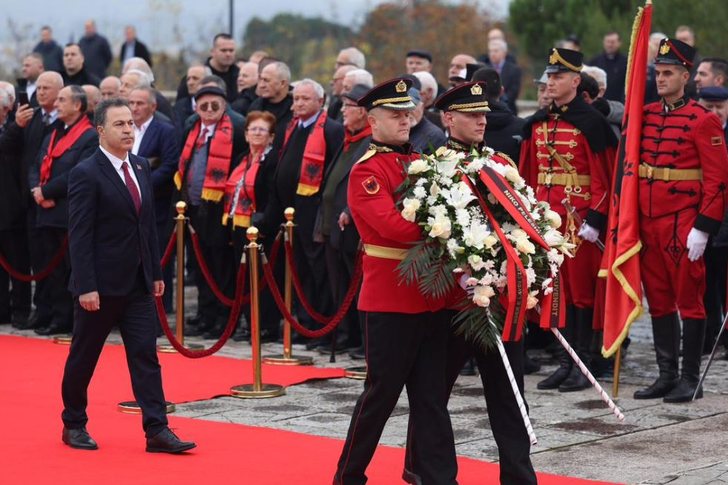
On the 81st anniversary of the country's Liberation, the S...

The DP has begun its opposition action, protesting in fron...
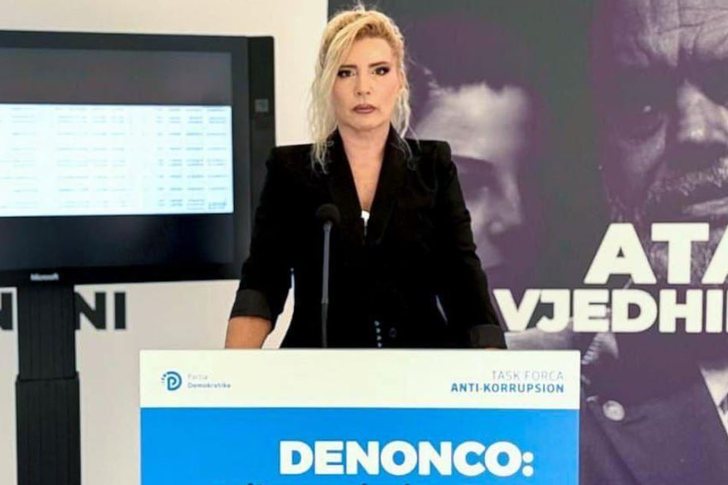
The Anti-Corruption Spokesperson for the Democratic Party,...
DP MP Belind Këlliçi expressed in a reaction that the inst...
Democratic Leader Sali Berisha has shared numerous congrat...
The Chairman of the Democratic Party, Sali Berisha, commem...
The President of Kosovo, Vjosa Osmani, has congratulated t...
Prime Minister Edi Rama, through a post on social networks...
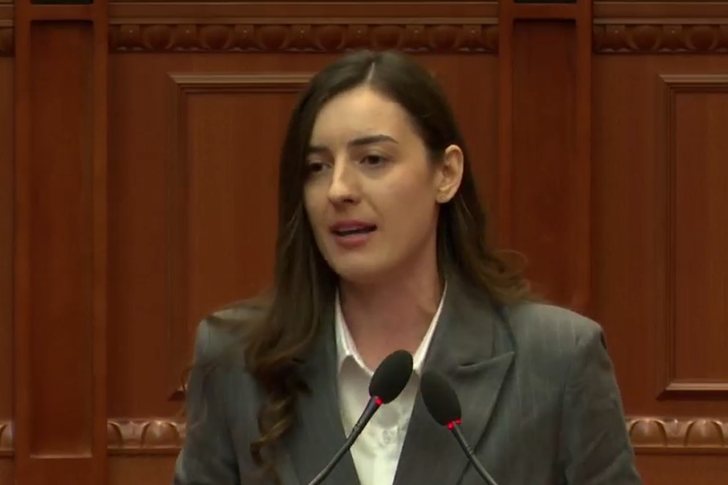
Socialist Party MP Zegjine Çaushi has reacted after news w...

Democratic MP Flamur Noka declared today that the oppositi...
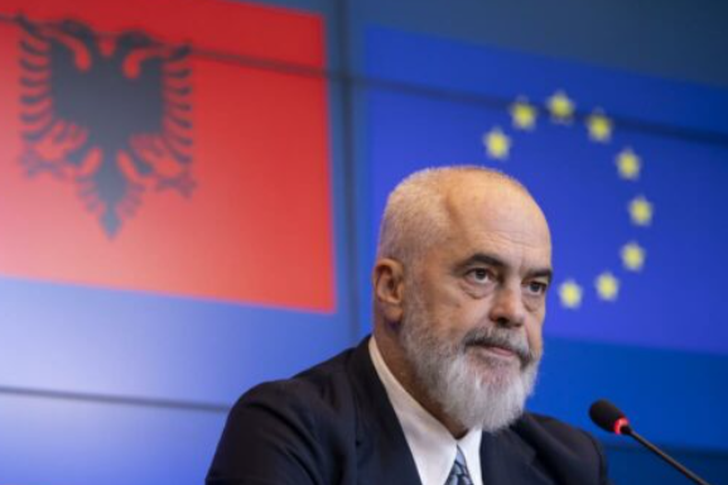
Prime Minister Edi Rama has given an interview to the well...
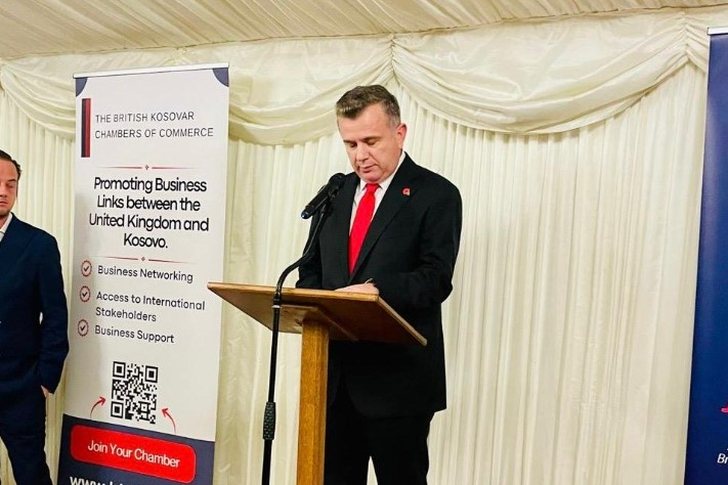
In the premises of the House of Lords, the lower house of ...
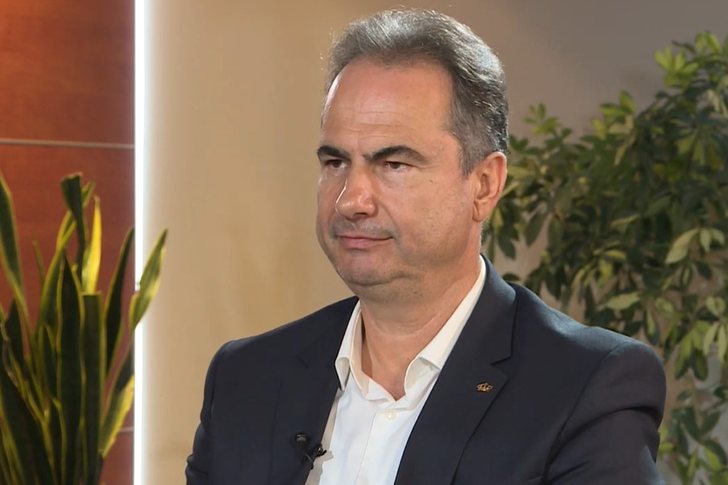
Democratic MP, Luciano Boçi, declared today that the Democ...
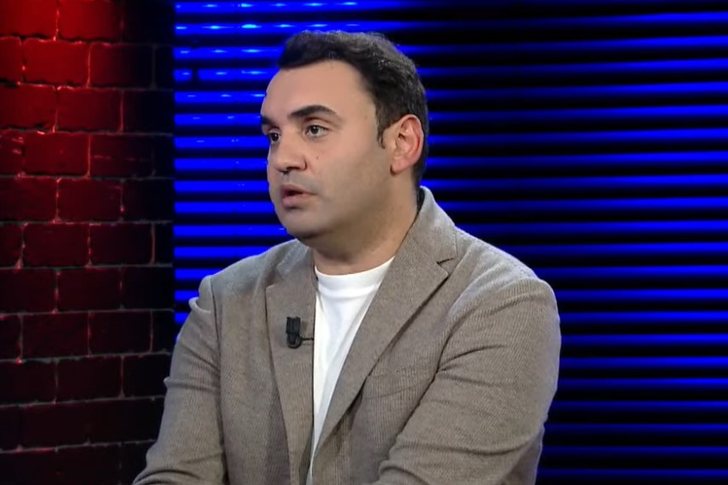
Democratic MP Belind Këlliçi reacted today regarding the s...
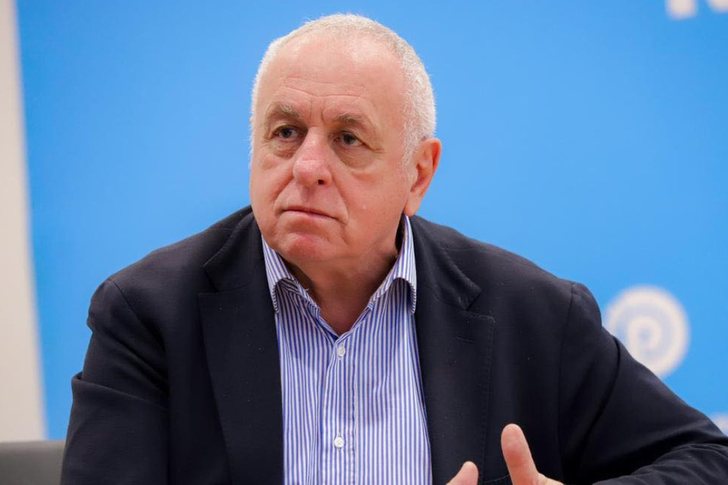
Democratic Party MP Tritan Shehu reacted through a post on...
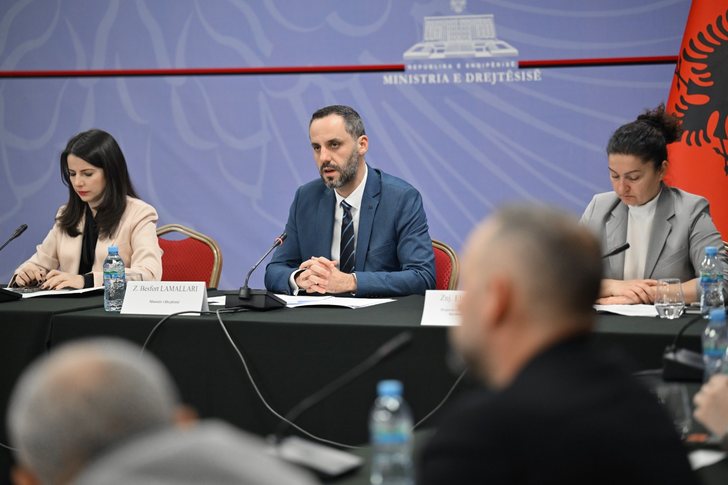
The 16th consultative roundtable on the draft of the new C...
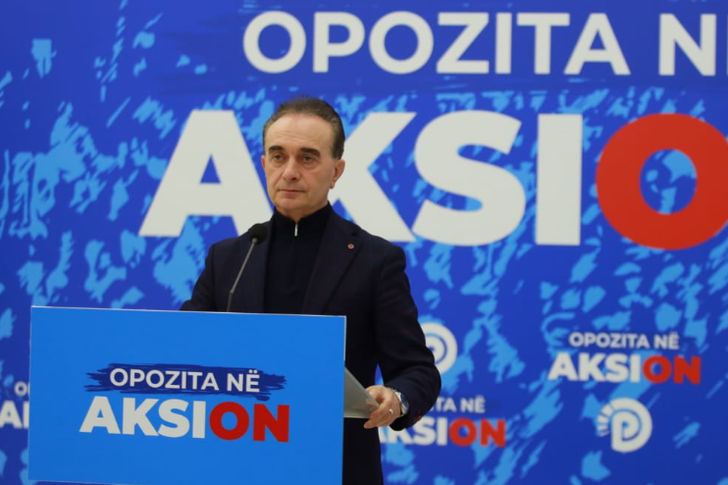
Democratic Party MP Luan Baçi, invited to Syri TV, stated ...
Former MP Myslim Murrizi reacted today to Democrat Flamur ...
The Chairman of the Socialist Party Parliamentary Group, T...
Dritan Prençi is the SPAK prosecutor who is sleeping on th...
The in-depth investigations that SPAK conducted into Ajola...
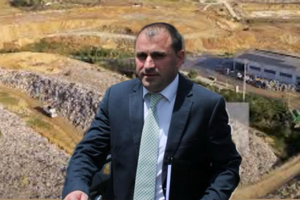
SPAK's standards, the way it investigates, how it secures ...
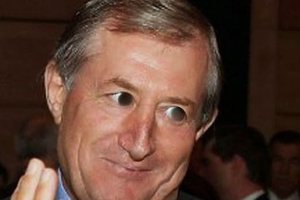
Irfan Hysenbelliu claims to be a big businessman, an hones...

The Special Board of Appeal (KPA) decided this Monday ...

The KPA vetting decided this Thursday to dismiss the p...

Suela Salavaçi, a prosecutor in the Prosecutor's Offic...

The Special Board of Appeal reinstated the prosecutor ...

In Korça, a 4-year-old child accidentally falls from the s...
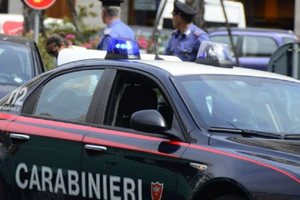
A 33-year-old Albanian citizen was arrested in Italy after...
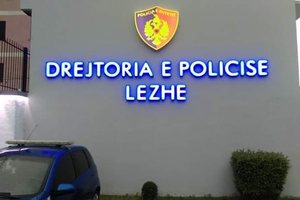
One of the perpetrators of the explosion that occurred yes...
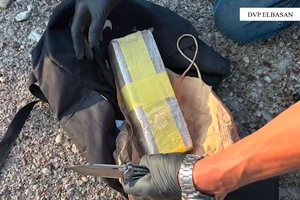
A case of heroin trafficking from North Macedonia to Alban...

Today our country will be affected by unstable weather con...

On Thursday, our country will be affected by relatively un...

Albania is facing a deep demographic crisis where official...
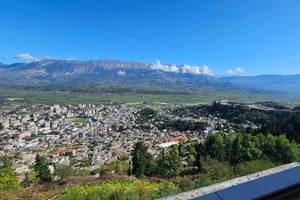
This Wednesday, our country will be affected by relatively...

The global economy is expected to face its biggest slowdow...
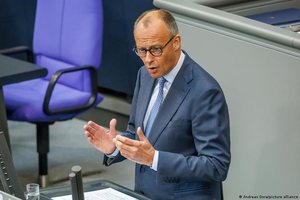
German Chancellor Friedrich Merz (CDU) defended his govern...
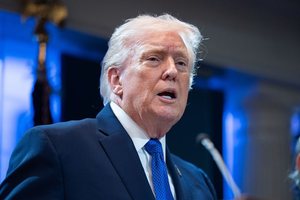
US President Donald Trump has made a post on Truth Social ...
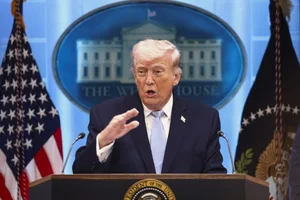
US President Donald Trump announced today that he was canc...

At the Museum of Fine Arts in Chambéry, France, an exhibit...
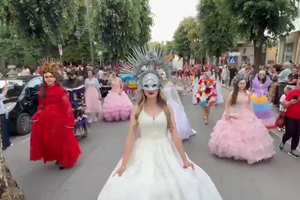
Korça has transformed this weekend into the capital of cel...
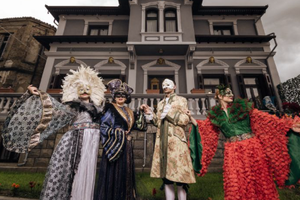
Korça is ready to open the summer season with one of the c...
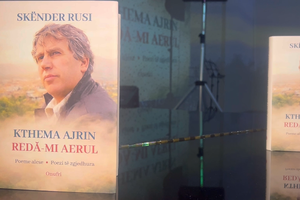
Two years after his passing, the renowned Korçë poet Skënd...
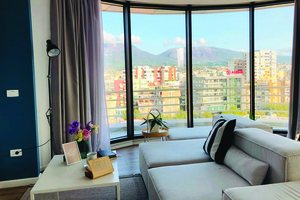
The average rent for apartments in Tirana for 2026 has rea...

This Friday, one US dollar is bought for 81.8 lek and sold...

The price of gold fell to its lowest level in more than si...

Businesses reduced their borrowing abroad last year. Bank ...