

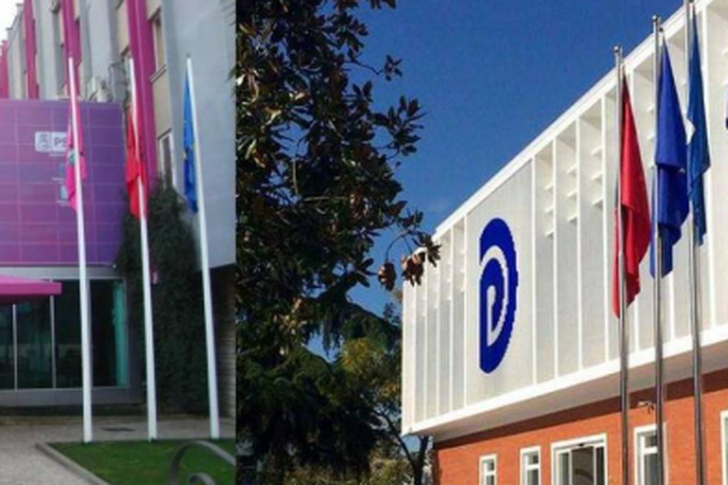
Journalist: DP and SP, united in attacking justice like Shullazi and Dritan Dajti
Journalist Poli Hoxha said today that the two wings of pol...


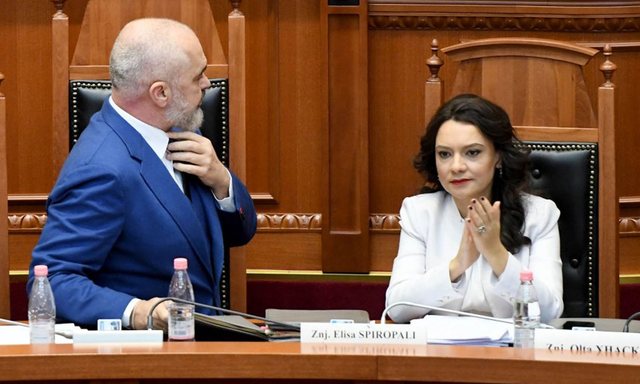
MP Elisa Spiropali reacted a day after Prime Minister Edi Rama warned her of expulsion from the Socialist Party Parliamentary Group.
In a long post on her social media, Spiropali states that if talking about the functioning of the party and government is grounds for expulsion, then "exclude me."
She further says that the warning for expulsion came because she spoke "about the separation of the party from the state." According to the MP, if these are reasons for expulsion, the question that should be raised is "why are these things not allowed to be said?"
And while it was reported that at the group meeting, Rama did not allow him to respond to him, Spiropali writes that "if the right to speak is not respected, when my political family begins to fear the word, the solution is 1, expel me."
Full post:
Exclude me.
Internal debates, no matter how intense, should not turn into a public punitive spectacle.
If this happens, the problem is no longer disagreement, it is the fear of disagreement.
This stubborn fact, this obvious observation, more than the warning itself, compels me to speak.
When public warning becomes an instrument of intimidation, silence is no longer prudence, it is surrender.
If my stance on the way the party, the government, the state is functioning is considered a reason for expulsion, then I am saying it calmly and clearly: Exclude me.
Not as a personal challenge. Not as a political drama. Not as a media show. But as proof that the problem is not with the word that raises concern, but with the system that cannot tolerate concern.
I did not attack the Socialist Party. I criticized the model that in some aspects is also harming the Socialist Party.
I have spoken about the separation of the party from the state. About the risk of politics being replaced by administration. About a logic of control. Where bureaucratic structure and administrative power risk taking the place of political representation.
If these are considered grounds for exclusion, then the question is not why I speak. The question is why these things are not allowed to be said.
Power is not weakened by criticism. Power is weakened when it loses the ability to self-correct.
If in a political force that was born as a project of national emancipation, criticism is treated as a deviation, then the problem is deeper than any debate. It is a crisis of political culture.
If demanding that institutions not be controlled, personalized, or instrumentalized is a crime, then expel me.
If seeking competition and merit, inside and outside the party, is a sin, expel me.
If you demand that socialists not be replaced by a "directorocracy" model, where political contribution fades in the face of administrative control, it is a lack of discipline, expel me.
If you think that power should recognize self-limitation, and should not be assimilated to the structures that surround it, it is an unacceptable heresy, expel me.
I am not defending a position. Much less an armchair. The presidency and the ministry were not left to me by my grandfather or grandmother. I am defending a principle.
In politics, disagreement is not a breach of loyalty.
Disagreement is the highest form of loyalty.
When refusing to become part of an automated voting system in Parliament is interpreted as leaving the group, then the problem is not discipline, but the idea that obedience is demanded blindly, without reasoning, without considering the consequences.
When obedience is rejected as a ritual, unity is not being defended, but submission is being demanded.
When conscience is treated as a disciplinary violation simply because it disagrees with the automatism of actions, then the problem is not the disagreement, but the model that confuses obedience with submission, attempting to normalize even abuse. If I'm wrong about this too, excuse me.
But at least it should be clear that the expulsion is not happening because someone has betrayed the party. It is happening because someone has refused to remain silent about the way the government is acting in its name.
And this is not a personal issue. It is a matter of how politics is understood. What happens to a party when even the political act of not voting is seen as hostility? What happens to a state when opposition is treated as a threat? What happens to a society when obedience is demanded as submission?
These are not questions about my fate, which I make on my own without anyone's help. They are questions about the way it is governed.
The threat of expulsion from the group worries me less than the idea that the idea that a political group should function through fear could be normalized.
A political formation where no one opposes is not strong. It is silent and must be protected from the cold.
Political silence has always been a warning of evil.
Not infrequently, the opponent's real strength does not scare them.
The echo that becomes fear is frightening.
Many control structures are held together not so much by their own strength as by the false perception that others have of their strength, by mechanisms that survive on the fear they generate. If we can't agree on even that, kick me out.
If the right to speak, even to shout, is not respected, when my political family begins to fear the word, there is no dilemma, the solution is 1, expel me. / CNA

Journalist Poli Hoxha said today that the two wings of pol...
Former prosecutor Eugen Beçi commented today on the ongoin...
Leader of the Democratic Party Sali Berisha, during the me...
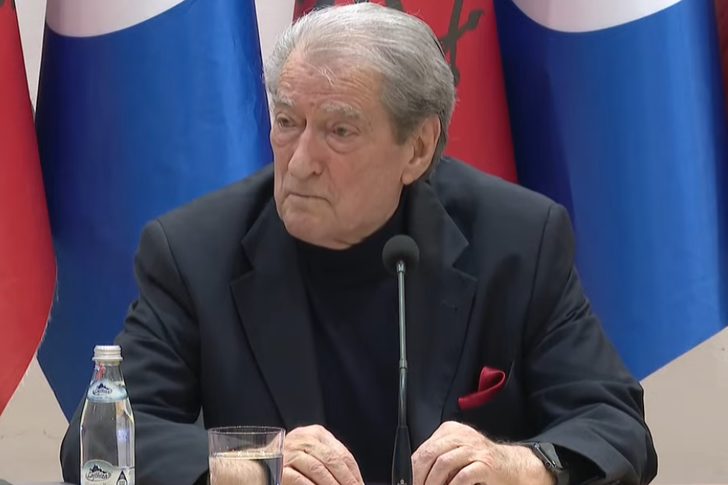
The leader of the Democratic Party, Sali Berisha, today ac...
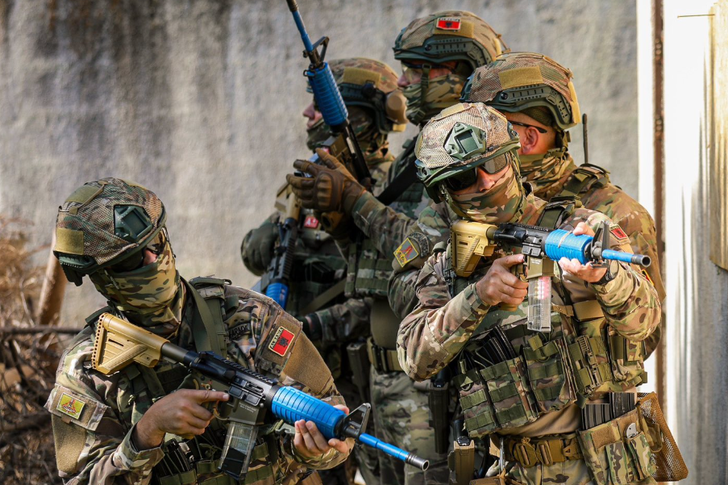
Albanian Special Forces operators conducted an intensive m...
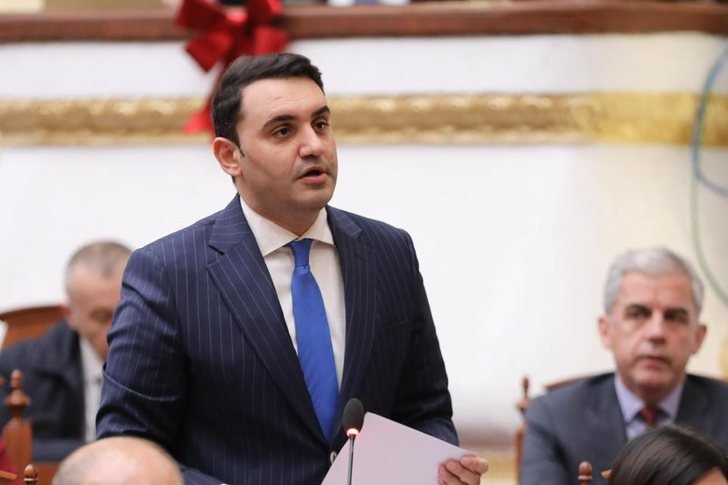
Democratic Party MP Belind Këlliçi has reacted to the stat...
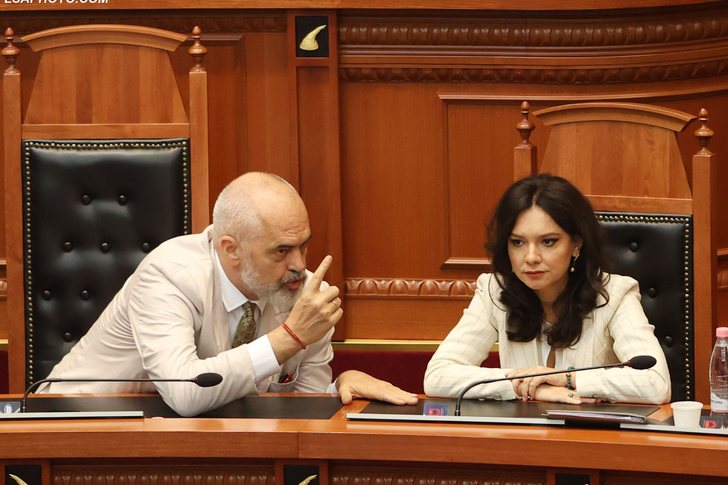
Today, the Socialist Party held a meeting of its Parliamen...
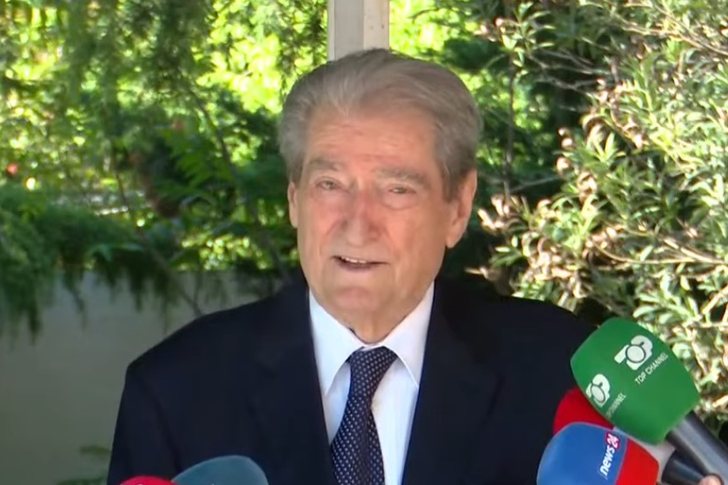
The President of the Democratic Party, Sali Berisha, held ...
Today, presidential elections were held in the branches of...

Partia Demokratike ka zhvilluar sot zgjedhjet për kryetar ...
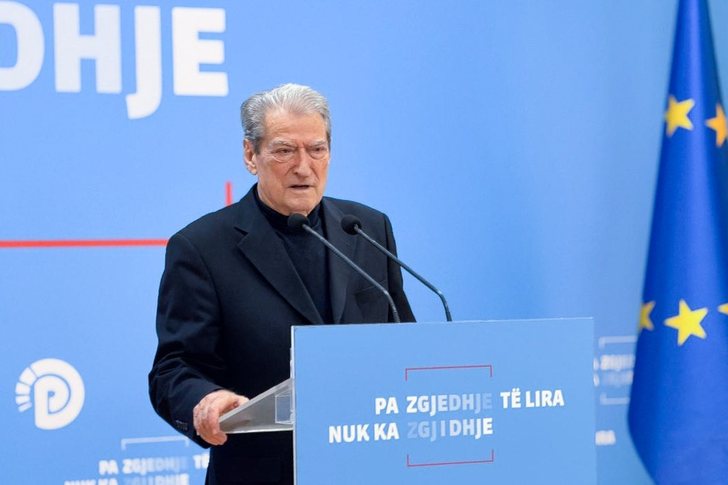
The Chairman of the Democratic Party, Sali Berisha, commen...
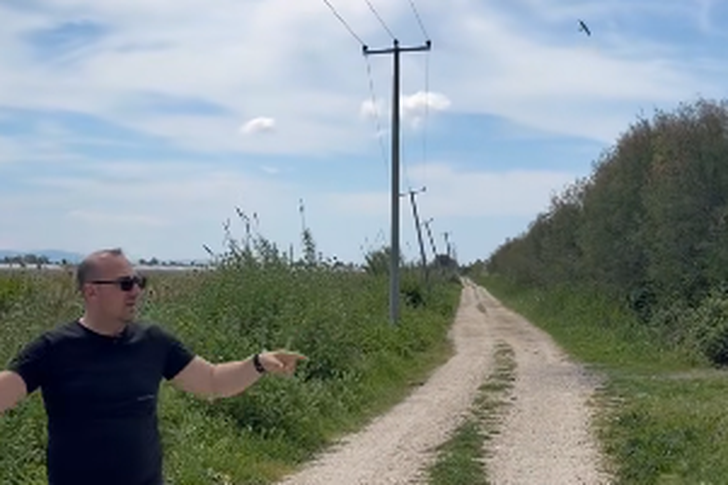
Democratic Party MP Saimir Korreshi shared today another c...
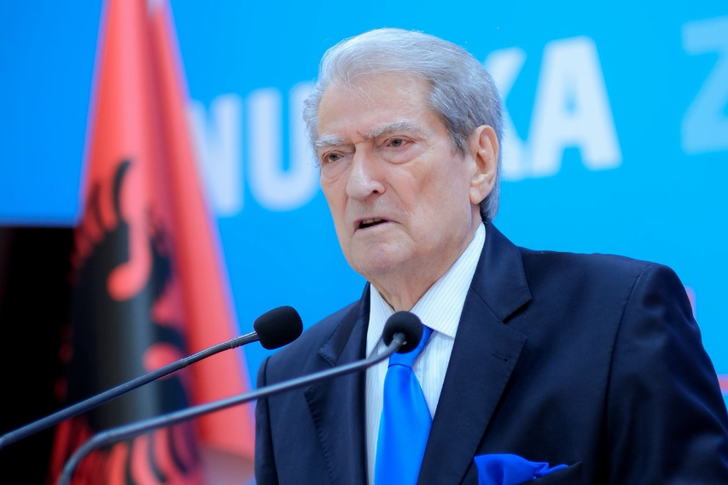
The Chairman of the Democratic Party, Sali Berisha, reacte...
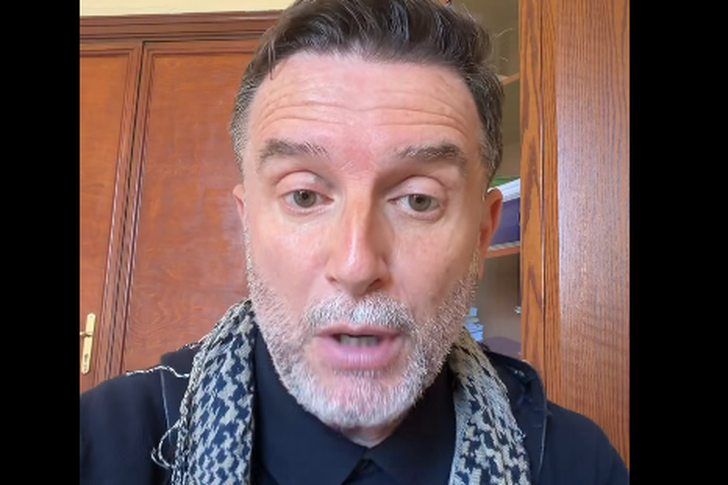
Socialist MP Erion Braçe revealed today that he has not co...

Democrat Ilda Zhulali was present this Sunday at the activ...
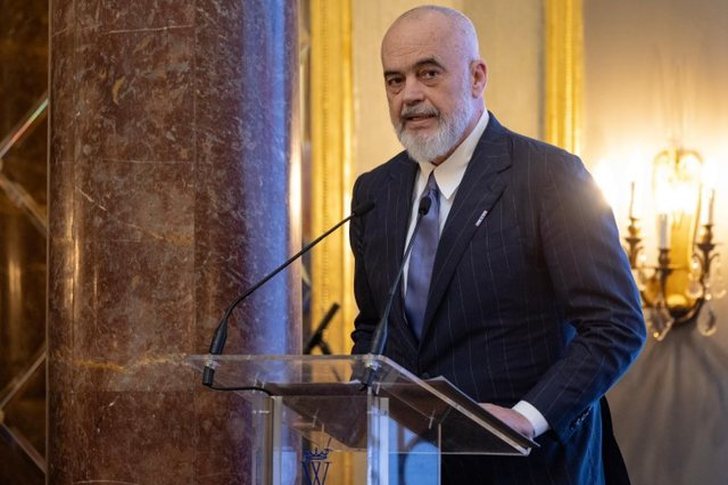
Prime Minister Edi Rama has reacted through a post on the ...
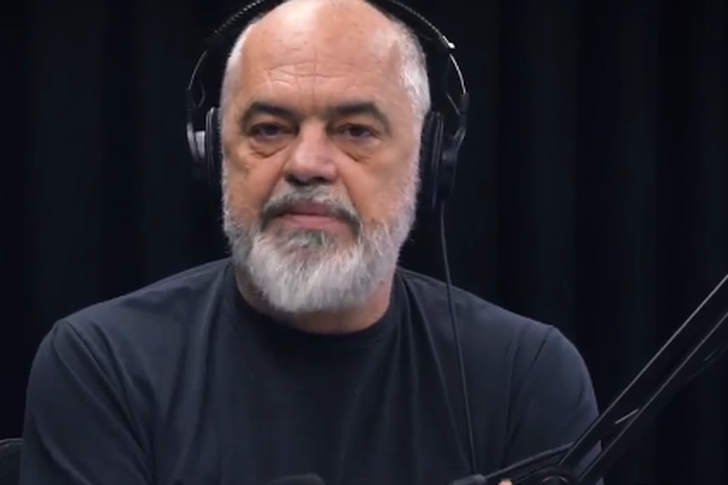
Prime Minister Edi Rama said today on his podcast "Flasim"...
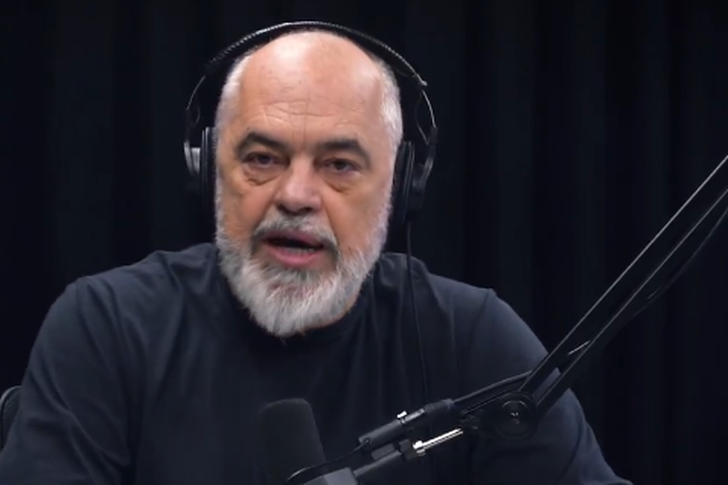
Prime Minister Edi Rama said today that the first 500 appl...

Politologu Ermal Hasimja tregoi sot se ekziston një propoz...
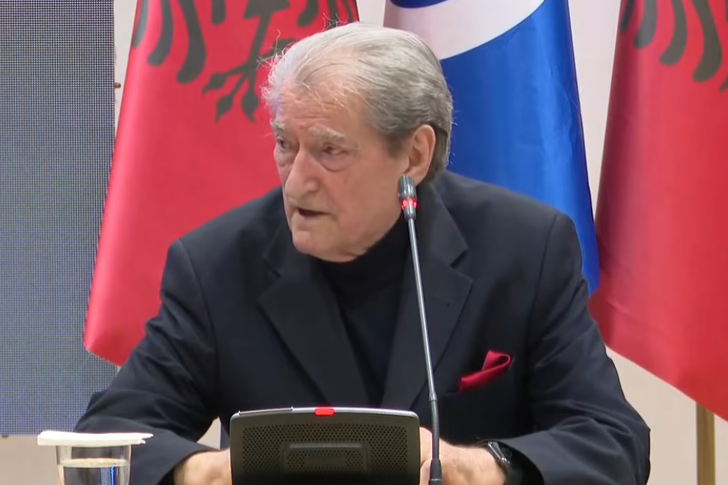
The leader of the Democratic Party, Sali Berisha, accused ...
The murder of officer Enea Mekolli in the line of duty has...
The next case broadcast on the show "Stop", this Thursday,...
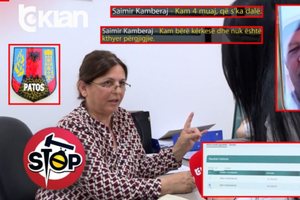
The case published this Thursday, June 4, on the show "Sto...
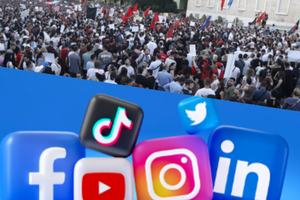
The protests of recent days related to the situation in Zv...

The Special Board of Appeal (KPA) decided this Monday ...

The KPA vetting decided this Thursday to dismiss the p...

Suela Salavaçi, a prosecutor in the Prosecutor's Offic...

The Special Board of Appeal reinstated the prosecutor ...
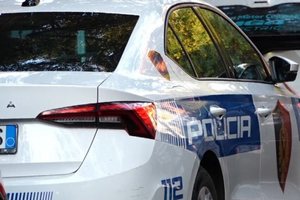
A 38-year-old man was arrested today near the Kamza turnof...

A money changer in Durrës lost 60 thousand euros after bei...
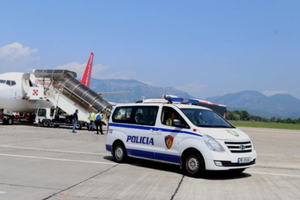
The 6 citizens captured in Dubai, members of criminal grou...
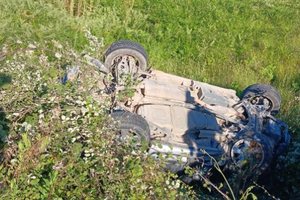
A serious accident occurred on the Kardhiq-Delvinë axis, i...
Today our country will be affected by stable weather condi...

For many children and teenagers, the long summer holidays ...
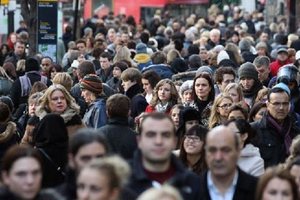
Albania is facing an unprecedented demographic transition,...
On Thursday, our country will be affected by unstable weat...
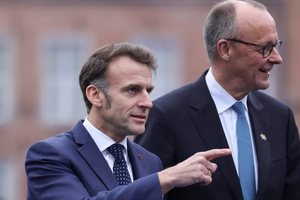
On the eve of the EU-Western Balkans summit, Germany and F...
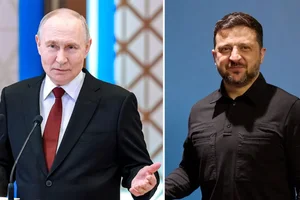
Russian President Vladimir Putin said the war in Ukraine c...
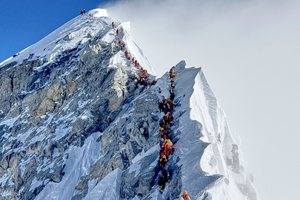
An extraordinary story of survival has been recorded in Ne...
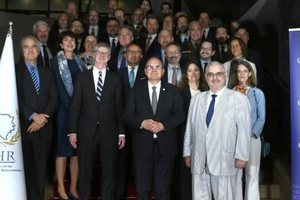
The Peace Implementation Council in Bosnia and Herzegovina...
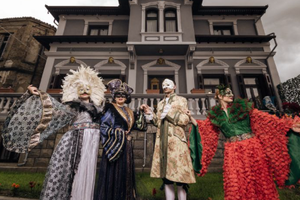
Korça is ready to open the summer season with one of the c...
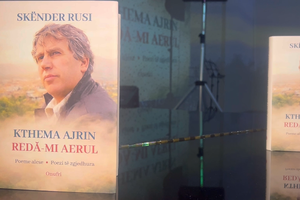
Two years after his passing, the renowned Korçë poet Skënd...
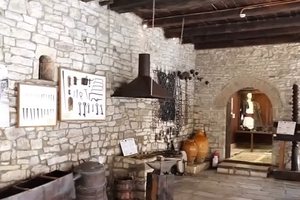
The Ethnographic Museum of Berat has opened its doors to v...
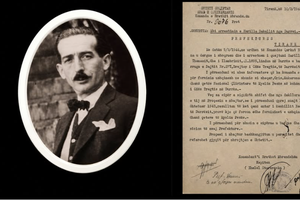
The story of Harilla Bakalli is one of the most chilling t...
Despite years of efforts at regional cooperation and free ...
Albania is the country with the highest level of severe ma...

This Friday, one US dollar is bought for 81.3 lek and sold...
The government aims to transform the country's industrial ...