


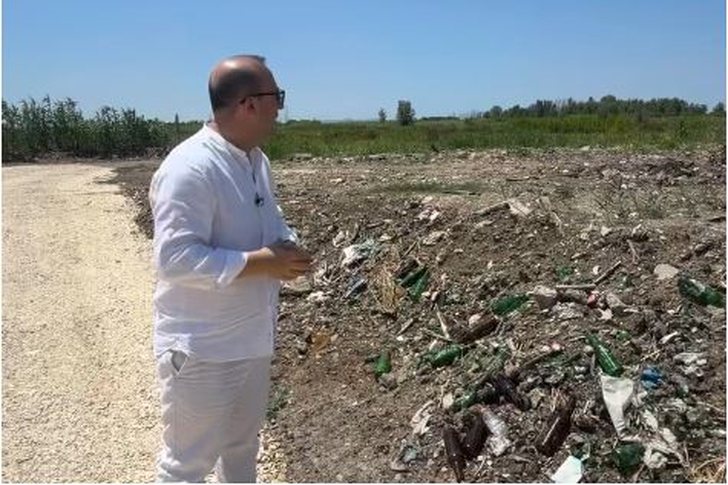
How Plarent Ndreca tricked Veliaj/ Here's how he deceives the media
These past two days, there has been shameless speculation ...

These past two days, there has been shameless speculation ...

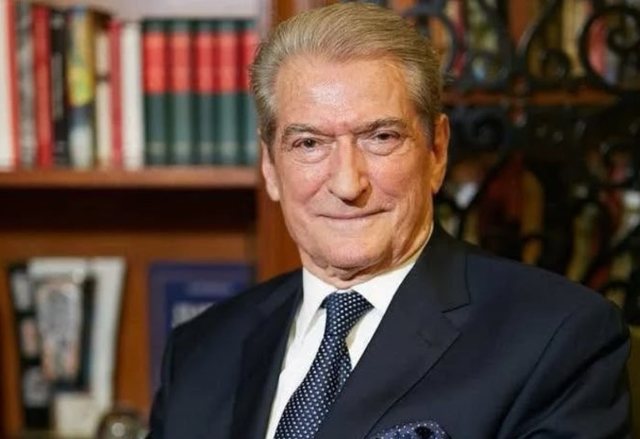
In an exclusive interview with Truth Times, the opposition leader calls the youth-led demonstrations the country's most significant uprising since the fall of communism, while demanding the immediate resignation of Prime Minister Edi Rama and alleging that authorities tried to portray the protests as anti-Semitic.
From TruthTimes.com
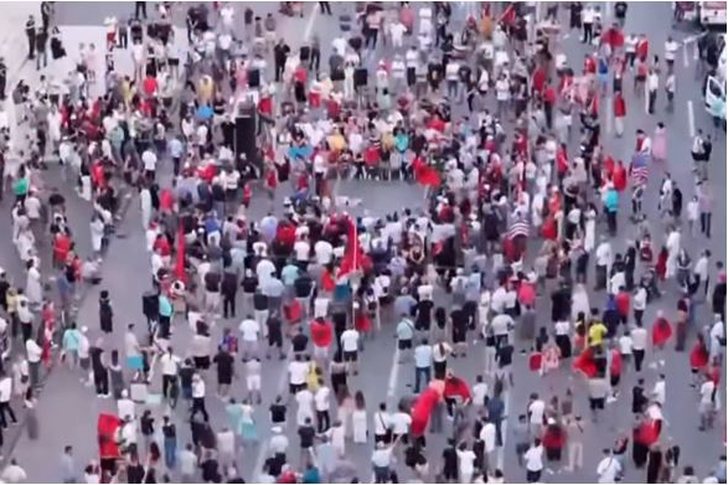
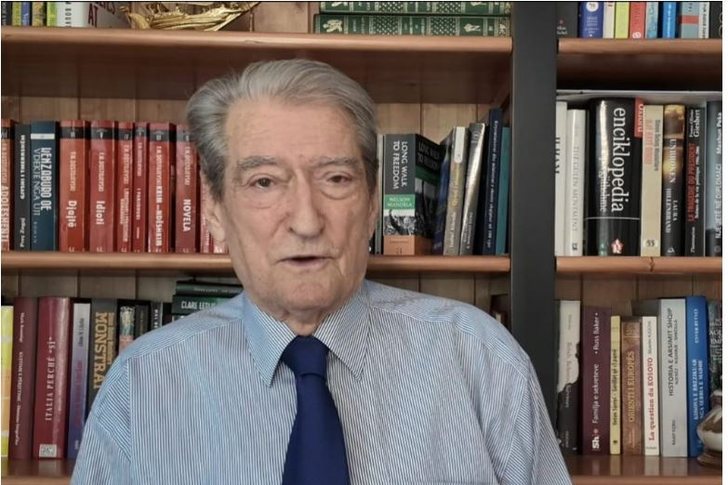
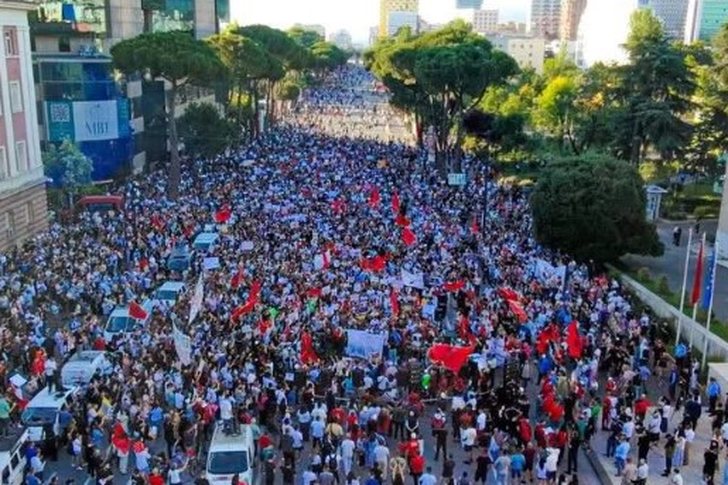
Albanian opposition leader Sali Berisha has described the youth-led demonstrations in his country as 'the most important movement of the last 35 years', ranking them alongside the uprising that toppled the communist dictatorship in the 1990s. In an exclusive interview with Truth Times, the Democratic Party (DP) leader demanded that Prime Minister Edi Rama, who he says has 'no legitimacy' to govern, resign immediately in favor of a non-partisan caretaker government. Berisha also condemned police violence against demonstrators, dismissed claims of foreign interference in the wake of the unrest and alleged that authorities tried to fabricate an anti-Semitic image for the movement. His message to the protesters was clear: 'Never stop!'
Why did the protests start?
The protests were initially sparked by plans for a large-scale tourist development in the Zvërne?-Vjosa-Nartë protected coastal landscape, including a project linked to an investment by Jared Kushner. Protesters argued that the plans threatened environmentally protected areas, including important flamingo habitats, while raising concerns about transparency, property rights and the approval process. Anger escalated after a peaceful protester was dragged away by private security on the site, in the presence of state police, and the area was surrounded with barbed wire.
Berisha said Rama had initially presented the project as an agreement between private landowners to develop their property with a private investor. He insisted that his position had remained unchanged throughout: he and the Democratic Party welcome foreign direct investment “on the sole condition that it respects the law,” a position he said he first held three years ago, when Kushner’s investment was announced, and repeated word for word the day the protests began.
'This attitude does not change,' he said.
What sparked the protests?
What changed, he argued, was what the protest brought to light: unresolved ownership disputes and active lawsuits filed by local residents, as well as the involvement of public land, the exact area of ??which, and the terms on which it was given to the investor, remain unknown. Area farmers were embroiled in legal disputes over the property, he said, disputes that Rama was aware of but had completely ignored.
Berisha laid out the legal position as he sees it: a development or construction permit should only be granted after the investor has purchased the land on the basis of original state-owned property titles and when there is no active ownership dispute. In cases where claims arise later in that scenario, the law obliges the state, not the investor, to compensate at market price any owner who prevails in court. Instead, he claimed, Rama granted development permits, and even construction permits, while court proceedings were still ongoing, and the permits ignored Zvërneç’s status as a protected natural landscape under Albanian law, the EU’s Natura 2000 framework and the Habitats and Birds Directives, as well as the Aarhus Convention’s requirement to inform the local community. ‘In my assessment, he misinformed the investors,’ Berisha said.
Berisha said he strongly condemned the dragging of the peaceful protester by private security on the ground, in the presence of the state police, as well as the fencing of the area with barbed wire. Rama, he said, has acted in complete disregard of both domestic and international law, behaving like a sultan of past centuries who considers 'the land, water and air his personal property'.
'This is why I and the DP fully support the protest,' he said.
Accusations of anti-Semitism
On the issue of anti-Semitism, Berisha accused the government of trying to fabricate an anti-Semitic image for the protest movement, telling Truth Times that 'substantial evidence' points to official efforts to push the demonstrations in that direction. He singled out the tearing down of a flag near the Israeli Embassy, ??an act for which police have never publicly named a suspect, as grounds for 'serious suspicions' that the authorities themselves orchestrated it, and insisted that the movement 'was not and is not anti-Semitic'.
At the heart of Berisha’s claim is that single unresolved incident: a flag torn down near the Israeli Embassy during the riots. Weeks later, he noted, police have still not made public the identity of the person responsible, a silence he finds incompatible with a force that, by contrast, has acted swiftly and forcefully against demonstrators.
"This raises serious doubts that it was an act orchestrated by the authorities themselves," Berisha told Truth Times. By his account, the episode fits into a deliberate strategy: with the protests gaining traction at home and abroad, branding them as anti-Semitic would isolate the movement internationally and give the government a pretext for suppressing it.
He stressed that the protesters themselves left no ambiguity about their position. Representatives of the movement immediately condemned the tearing down of the flag, he said, a reaction he cited as evidence that the demonstrations have nothing in common with the label being attached to them.
Police reaction
The alleged image campaign, Berisha argues, has gone hand in hand with the use of physical force. He condemned what he called “savage” police violence against peaceful demonstrators on Thursday, July 2. Acknowledging that protesters threw eggs and flour at passing MPs’ cars, he said the response was brutally disproportionate: sticks, punches and kicks, including blows to the head, beatings inside police vehicles while detainees were handcuffed, and the use of tear gas, bear spray and water cannons.
Here too he alleged fabrication. The police, he said, sent 18 supposedly injured officers to the hospital to justify the crackdown; in fact, he said, none of them had suffered any real injuries and all returned directly to the protest site. He demanded the immediate release of the detained demonstrators.
He also raised the case of young protester Niko Qarkaj, who according to his family suffers from epilepsy. Berisha said Qarkaj was mistreated and arrested, taken to hospital after his condition deteriorated in detention, and then released the next day, after which he returned to the protest and made friendly gestures towards the officers.
Part of a wider campaign to discredit the movement
Berisha placed the accusation of anti-Semitism within what he described as a broader effort by Rama to delegitimize the protests rather than respond to them. The prime minister has publicly labeled the demonstrators as agents of Iranian, Russian or Greek secret services and declared that Albania is engaged in a "hybrid war," claims that Berisha categorically rejected.
'Dictators, whether totalitarian or authoritarian, never blame themselves,' he said, insisting that the movement was 'entirely caused and fueled by the discontent of young people and citizens' in reaction to what he called a corrupt and oppressive regime.
He accused Rama of hypocrisy, especially regarding the Iran accusation, recalling that the prime minister once declared a woman persona non grata simply because she appeared in a photo with Mahmoud Ahmadinejad at an international religious event, while, Berisha claimed, Rama himself had been received by Ahmadinejad at a meeting of the Socialist International in Tehran.
For Berisha, the smear tactics reveal what he called an “old Stalinist mindset,” rooted in Rama’s family history within the communist-era elite. His father, Berisha said, was a Nexhmije Hoxha deputy and a member of the Presidium of the People’s Assembly, and signed the public hanging of poet Havzi Nela on August 10, 1988, for verses dedicated to human rights, an act for which Rama has never apologized to the Nela family.
Deepest concerns
Environmental issues, Berisha stressed, are ‘just one aspect’ of the protest. Beyond Zvërneç, he pointed to deeper concerns fuelling what he called the most powerful civic revolt since the 1990s: corruption at the highest levels, elections that international observers, including the OSCE/ODIHR, PACE and the European Parliament, have found to have been conducted under ‘Party-State’ conditions, the emigration of more than 45% of the population between 2014 and 2024, 1,099,000 citizens to the Schengen area alone, according to Eurostat figures he cited, and rising poverty, with the region’s lowest wages and food prices that he estimated were 20% above the EU average. He also pointed to what he described as the deterioration of education, health and other public services as another major factor fueling public anger.
The 'Red Book' of secret projects
Berisha linked Zvërneç to what he claims is a much broader pattern, citing a recently published volume titled ‘Albanian File’, with a foreword by Rama himself, that catalogues 532 projects in the country’s most picturesque coastal and mountainous areas, designed by 60 foreign architectural studios. Apart from Rama and those who commissioned and paid for the projects, with a total cost that Berisha estimated at between 1.5 and 2 billion euros, no one in Albania knows anything about them, he said. Many of them, he claimed, are located in protected areas that were removed from the register of protected areas by executive decision after the projects were completed.
Among them, Berisha singled out the Gjipe Canyon project. The canyon, which he described as one of the 20 most unique in the world, with first-category protection status, he claimed, had become the property of Rama’s family through forged documents: without a single cadastral registration to prove ownership, and without any evidence that the 220,000 square meters were ever confiscated by the former communist state. At the top of the canyon, he said, a glass hotel has now been erected.
'The first and only narco-state in Europe'
Berisha's broadest accusation was that Rama had built 'the first and only narco-state in Europe'. Albania, he claimed, is today the main exporter of cannabis to the continent, while Albanian cocaine cartels serve as the main transporters of drugs from Latin America to Europe and as major shareholders in the European market, controlling, by his calculations, over 63% of the market in the United Kingdom. The direct links between the Albanian government, and Rama personally, with these cartels have been 'definitely proven', he claimed.
He linked the claim to the 532 secret projects: investigate the transactions, their owners and developers, he predicted, and it will become clear that Rama has treated Albania as his private fiefdom, and handed that fiefdom, along with the projects, over to Albanian drug cartels. These are among the most serious accusations leveled by the opposition leader; none of them have been proven in court, and the government has repeatedly denied them.
'Without legitimacy to govern'
Berisha’s argument for resignation rests on a legitimacy thesis that he elaborated at length. He compared Rama to Tunisia’s ousted president, Ben Ali, claiming that the prime minister secured his fourth term by arresting the leaders of the two main opposition parties during an election year while investigations were pending, placing the leader of the third opposition party under criminal prosecution, and violating both domestic law and international electoral principles.
Rama lacks legitimacy for another reason, Berisha argued: because he, members of his family and his closest ministers, 'like Balluku', face serious corruption charges, and because he used the votes of his MPs to block the prosecution from arresting them. In every official action, Berisha said, the prime minister follows an anti-transparency policy, relying on 'mafia-style codes of conduct instead of transparency'.
His recipes for the crisis remain unchanged: Rama's resignation and a non-partisan caretaker government to prepare free and fair elections.
'Never stop'
Berisha said the DP had consciously chosen not to lead the protest, with members participating ‘simply as citizens’, without party symbols, while its MPs presented amendments to parliament that reflected the demonstrators’ demands. Those demands, five in total, made publicly three times by the protest representatives, are all directed against Rama and his government, he said: they demand the government’s resignation, the creation of a non-partisan caretaker administration to lead the country to elections, and the rollback of laws voted by Socialist MPs against the will of Democratic Party MPs.
Of the chants heard in the crowds, he said 85-90% are directed against Rama and his government, while 10-15% target the PD and Berisha himself. 'According to our analysis,' he said, those voices come from well-known far-left extremist groups, which oppose the opposition for ideological reasons, and from Soros-funded organizations, with which he has a long-standing enmity. The PD has chosen to ignore them, he said, and has called on its members and supporters to continue to turn out en masse. He also welcomed the support the movement has attracted from abroad, calling the support of EU parliamentarians and international media for the protests 'very important'.
His message to the young people facing the sticks and, by his account, a fabricated smear campaign, was blunt: after the movement that toppled the communist dictatorship, 'your youth-led civic protest is the most important movement of the last 35 years.' Therefore, he said, 'never stop!'/ CNA

Former deputy leader and former MP of the Democratic P...
The leader of the Democratic Party, Sali Berisha, present ...
Prime Minister Edi Rama has reacted to the news that Kanye...
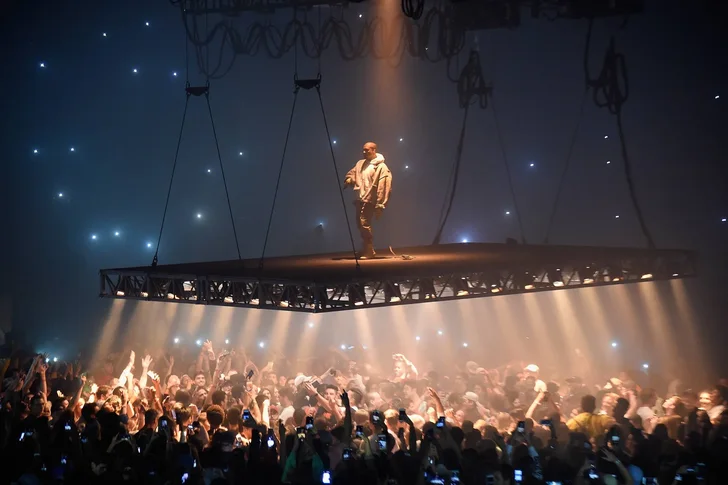
Democratic Party MP Belind Këlliçi, through a post on soci...
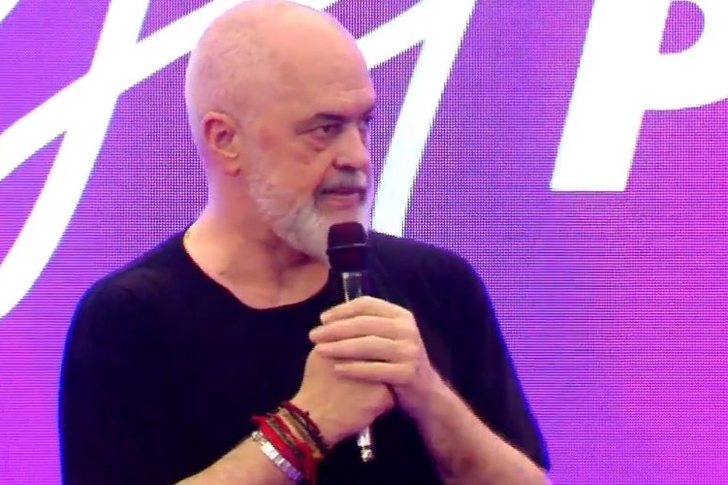
Prime Minister Edi Rama has reacted on social media regard...
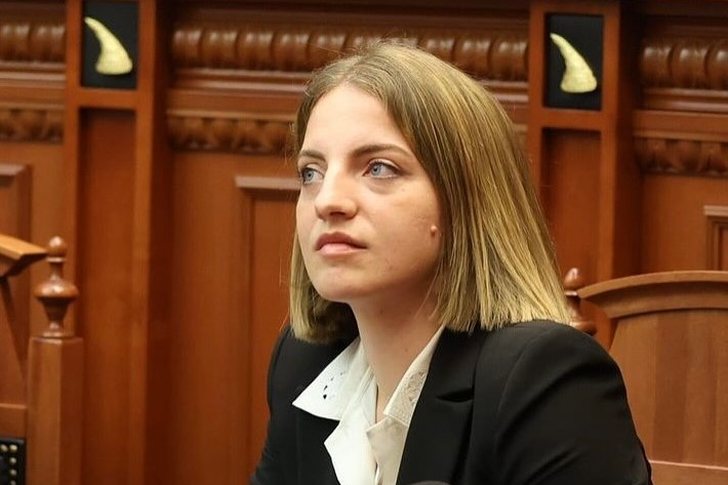
MP Marjana Koçeku, who left the Socialist Party Parliament...
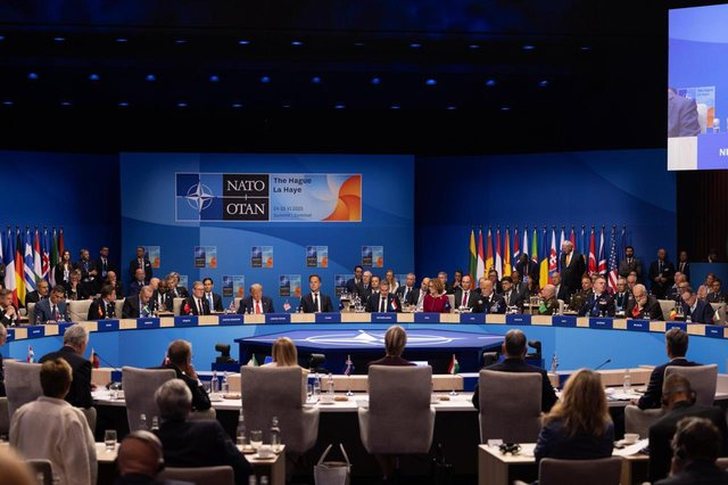
Prime Minister Edi Rama will travel to Turkey today to par...
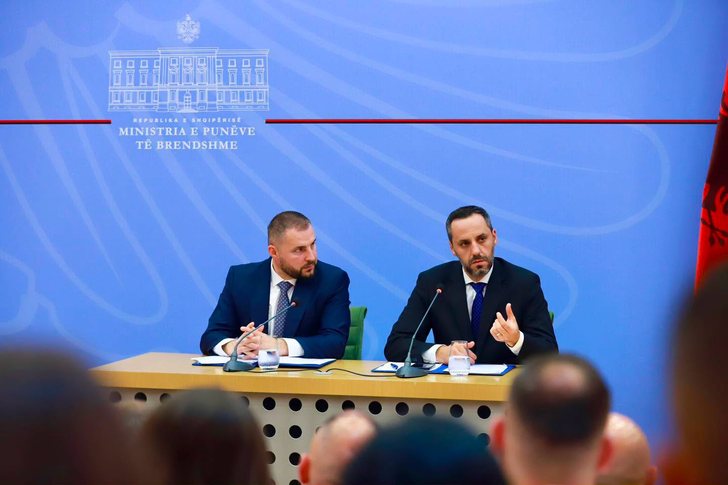
The Minister of Internal Affairs, Besfort Lamallari, parti...
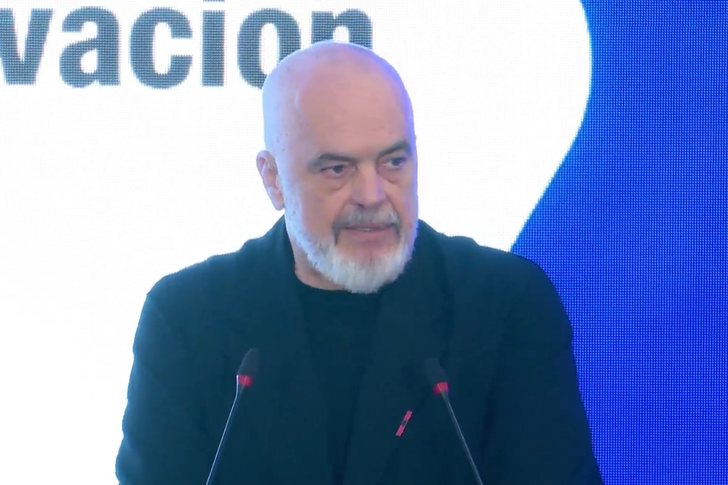
Prime Minister Edi Rama participated in the presentation o...
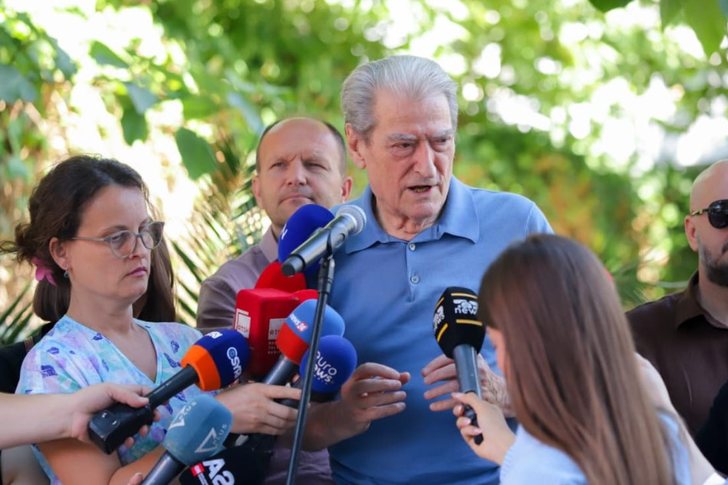
After leaving SPAK, the leader of the Democratic Party of ...
The Chairman of the Democratic Party, Sali Berisha, has ma...
Democratic Party MP Saimir Korreshi has made another denun...
The head of the Socialist Party Parliamentary Group, Taula...
The Minister of Foreign Affairs, Ferit Hoxha, has reacted ...
The leader of the Democratic Party, Sali Berisha, has reac...
Prime Minister Edi Rama has spoken about the partnership b...
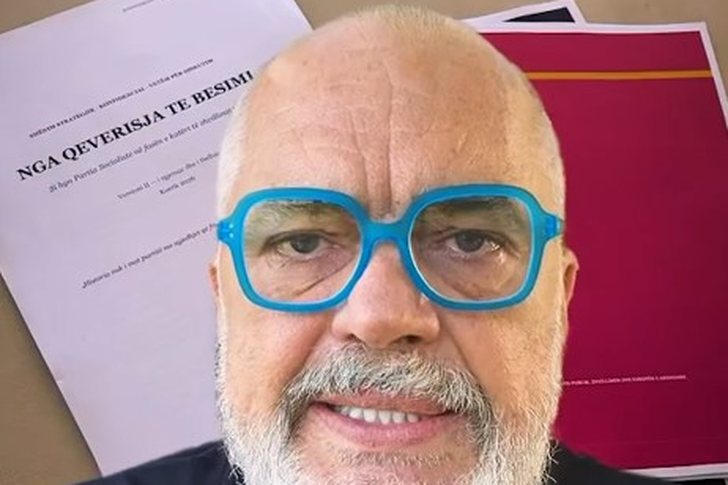
Prime Minister Edi Rama, in a video published on his socia...
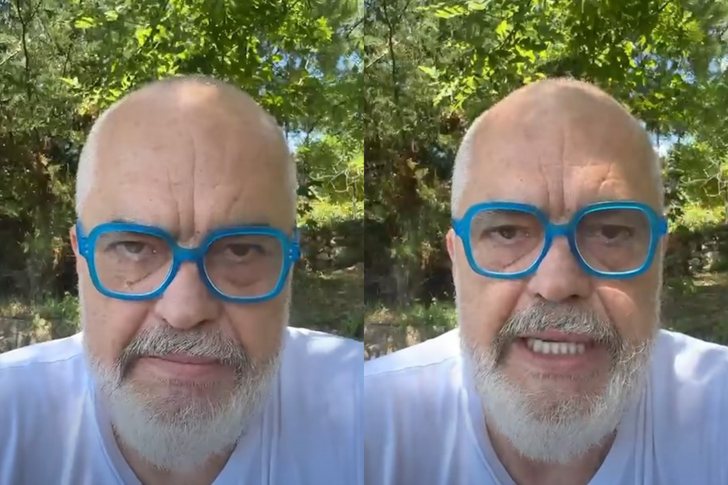
Prime Minister Edi Rama has reacted on social media in res...
Former Democratic Party MP Edmond Spaho has made another c...
Democratic Party MP Belind Këlliçi has reacted on social m...
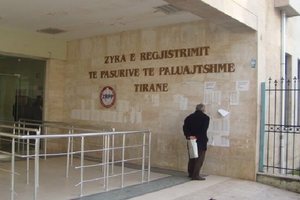
The word "fatherland" with properties is not enough. The m...

The justice reform claimed that it would bring faster, fai...
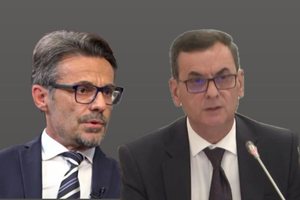
The Justice Reform and the vetting process were trumpeted ...
After revealing the property portfolio in Tirana, Kavaja, ...

The Special Board of Appeal (KPA) decided this Monday ...

The KPA vetting decided this Thursday to dismiss the p...

Suela Salavaçi, a prosecutor in the Prosecutor's Offic...

The Special Board of Appeal reinstated the prosecutor ...

The mother of the 17-year-old raped in Fier has been l...
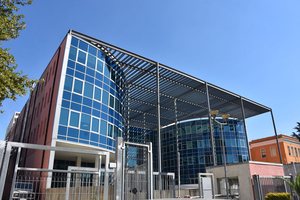
The Special Prosecution Office completed the investigation...
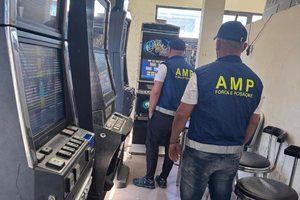
Today, on 07.07.2026, the Police Supervision Agency (AMP),...
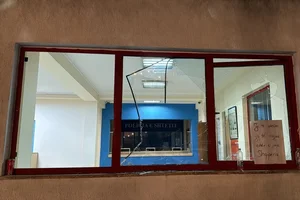
One person has been arrested, 7 have been prosecuted, and ...
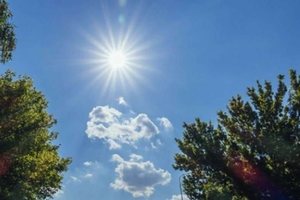
Today our country will be affected by relatively unstable ...

While the total number of deaths fell in 2025, those from ...

As Albania faces ongoing demographic challenges, the l...
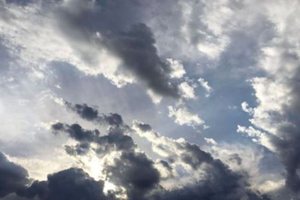
Today our country will be affected by relatively unstable ...
More money for the military, less for everything else and ...
The United States has launched a wave of air strikes on Ir...
The Duke of Sussex and six others have lost their privacy ...
A court in eastern China has sentenced a former city offic...
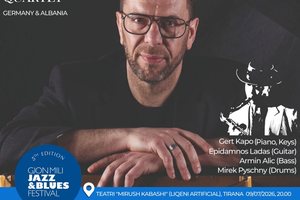
The German Embassy in Tirana has invited the Albanian publ...
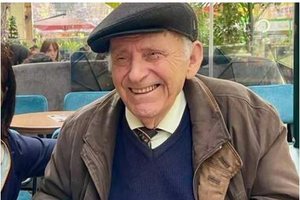
Professor and literature scholar Ali Xhiku has passed away...
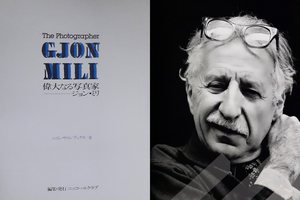
During my research into the life and artistic photographic...

This year's edition of the Gjon Mili International Video A...

The lack of local labor is increasingly pushing Albanian b...

This Wednesday, one US dollar is bought for 81.2 lek and s...
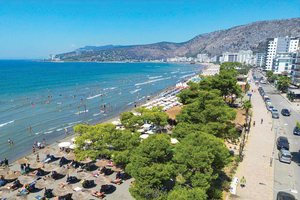
The country recently closed a nearly decade-long program f...
While the total number of deaths fell in 2025, those from ...