

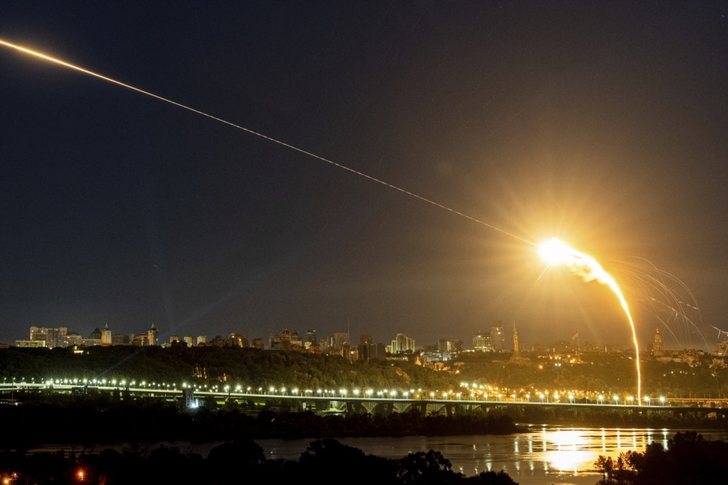
Ukraine: We shot down 11 Russian drones overnight
Russia launched fourteen attack drones and five missiles i...


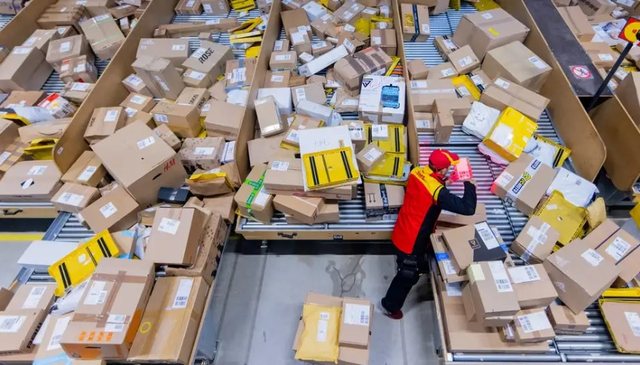
For Christmas it happened like this: The package delivery people were overloaded with work all the time. Empty cardboard boxes littered corridors, front doors and mailboxes. The administrators of the buildings were outraged by appealing for the removal of tons of cardboard piled up near the residential buildings.
Ordering things online has become very simple: One click and shoes, mobile phone charging cables, food or gifts for the upcoming birthday are delivered to your doorstep. The volume of online sales is increasing every year. Nearly 6 billion US dollars was the profit during 2023. For comparison, in 2017 this figure was 2.3 billion US dollars. According to forecasts, the trend is increasing, especially in the Asian market.
This is the global perspective. But what does E-Commerce mean for a particular center? For customers it means shopping without leaving the sofa, shopping quickly and easily. But for city planners, couriers, suppliers, logistics organizers, garbage collectors, this all brings big consequences.
A widespread concern: If money is given online instead of in brick-and-mortar commerce, cities begin to crumble. And customers who go shopping on their own suddenly find themselves in front of empty storefronts. But does it have to be like this? "It's a market in great motion, where new concepts are being tested, so it's a great pleasure to study it," says Heleen Buldeo Rai from the University of Brussels. She analyzes the impacts of online commerce on logistics and development. sustainable cities.
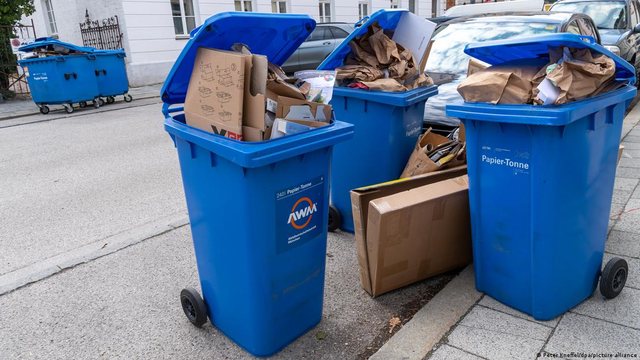
Online ordering, unboxing, cardboard tossing, a common principle that causes the aisles to be filled with mountains of cardboard and paper, as we told you about last Christmas. From 1996 to 2017, the consumption of paper packages from non-store purchases increased by nearly 600 percent, the German Federal Environment Office says in a calculation it made. Each citizen of the EU has collected 246 kilograms of packaging in 2021. About 40 percent of them were cardboard and paper, says a Eurostat study. However, all this amount usually ends up in recycling.
A look at the numbers and forecasts shows that online shopping will increase, not decrease. "That's why the multiple use of packaging should become a matter of course, as is the sorting of garbage today," says Carina Koop. She is an expert in the economics of recycling at the Wuppertal Institute and deals with the study of measures to be taken to reduce the amount of waste that is thrown away.
Germany's leading logistics company, DHLGroup, is making its packaging boxes, the E-Commerce-Boxen, reusable. This is being done initially in the B2B sector, i.e. in business-to-business trade. If this test phase is successful, and the demand for such solutions increases, then the offer will be expanded even further, says Jessica Balleer, press spokesperson for sustainable development at DHL Group.
The waste reduction expert, Koop, sees potential for improvements not only with packaging: "In online trade, E-Commerce, product returns are a big problem, therefore we must definitely find good, attractive solutions and raise awareness customers too." One in seven packages is returned to Germany.
The latest news from the Asian market could help reduce the number of returns. The idea is for custom virtual models to try on T-shirts, shoes or other products in advance. Because returns are mostly due to uncertainty, orders are placed simultaneously for two or three different sizes of the same product, says Heleen Buldeo Rai. Nearly 50 percent of returns can be eliminated through virtual custom designs, says the online commerce expert.
With cost reduction and less technical visualization, the problem can be solved with Click&Collect or Showrooming. With Click&Collect, the product is created online, but picked up in store. Whereas with Showrooming, the clothing is tried on in the store, but bought online.
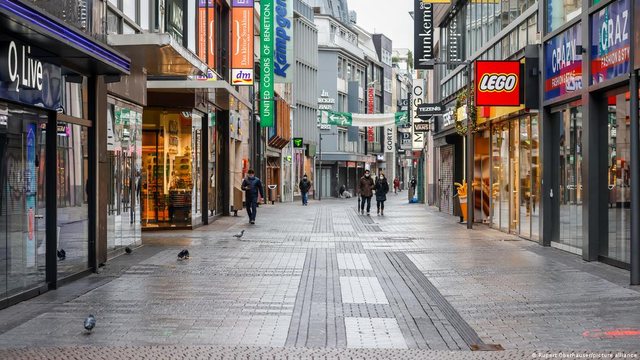
However, online commerce also has to face some challenges. It has been seen that some of these challenges are related to the system. "Cities present an interesting paradox, because online commerce is not showing the advantages it has for protecting the environment," says Heleen Buldeo Rai. Residents of urban centers willingly shop online. But online commerce has a positive impact on environmental protection only when consumers do not they use the car. People think that cities are suitable for this. Rural areas are being deserted, but in the city you can find everything. Or not?
But the large number of markets, clothing and shoe stores, stores with household and electrical products, specialized stores for pet food, also do home delivery of their products, in big cities, such as Berlin for example. The delivery vehicles of large parcel delivery firms and online retailers add traffic and increase carbon dioxide emissions, along with trams, taxis or buses, if they are not electric cars. And since packages have to be stored and placed in different stations, online commerce also blocks other logistics structures and other surfaces in cities.
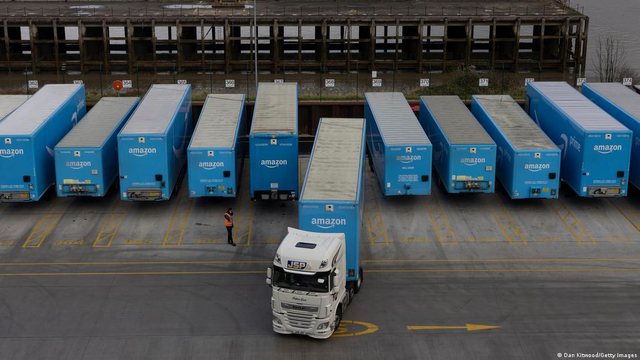
The latest experiment in E-Commerce is Micro-City-Hubs, various city stations, which can be fixed places or mobile points in residential areas and city centers, which can serve for a while as places for placing packages. When they get there, the packages continue on their way to their destination not by car, but by E-Cargo-Bikes, or on foot. The giant company Amazon uses such points, hubs, in London, Munich and Paris, says a company spokesman. The aim is to reduce carbon dioxide emissions and improve air quality by means of suitable vehicles to circulate in the city centers.
There are also numerous companies of the Start-up type, working to find fast, uncomplicated and environmental solutions, starting with the use of drones, robots, or underground pipelines.
In the longer term, online commerce will change the face of our cities in terms of mobility, stationary retail offerings and the use and sharing of urban space. Many of these things can be driven and shaped by politics. This is what is happening in the Netherlands. There, after 2025, areas that do not emit carbon dioxide will be created in 30 cities, to carry out the transport and delivery of packages. This will make large companies to specialize and equip brigades of employees with packaging and recycling./ DW

Russia launched fourteen attack drones and five missiles i...
The United States called on North Korea on Wednesday to re...
NATO on Wednesday began its biggest military exercise sinc...
The European Union today announced plans to boost its econ...
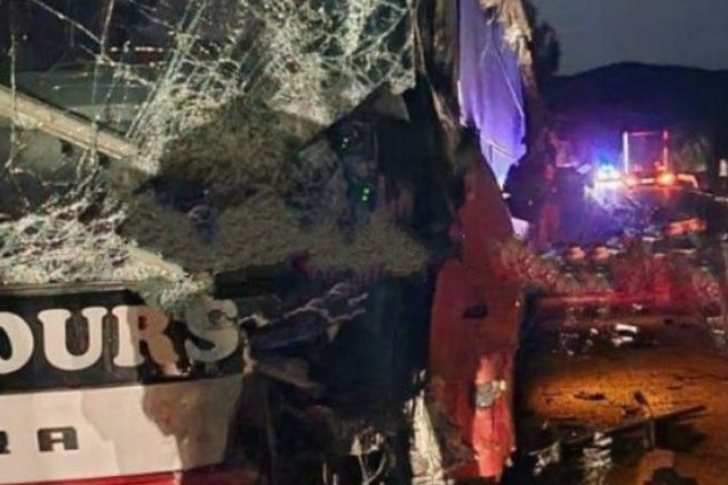
The Ministry of Foreign Affairs and Diaspora has given det...
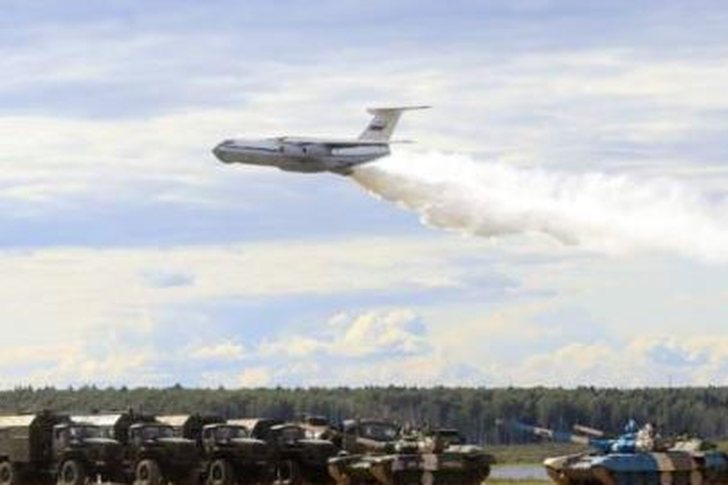
The Russian Ministry of Defense announces that an Il-7...
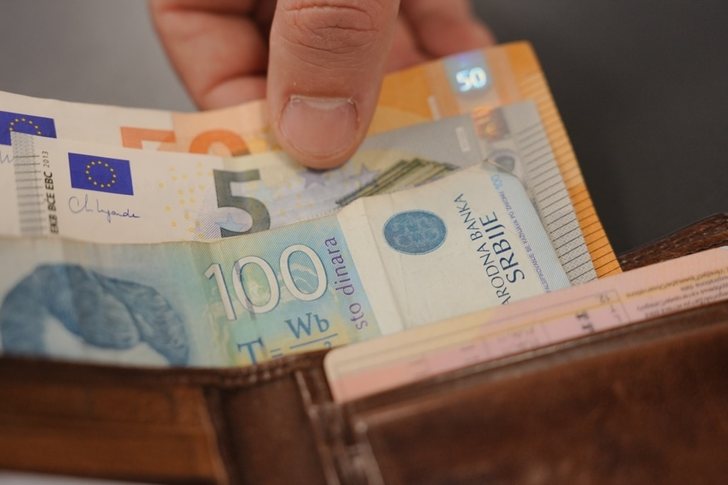
The United States has called on the Government of Kosovo t...
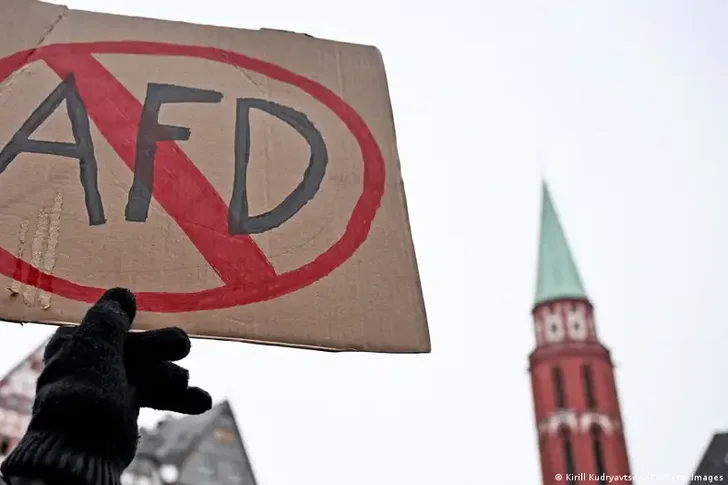
Germany in January 2024: The Alternative for Germany party...
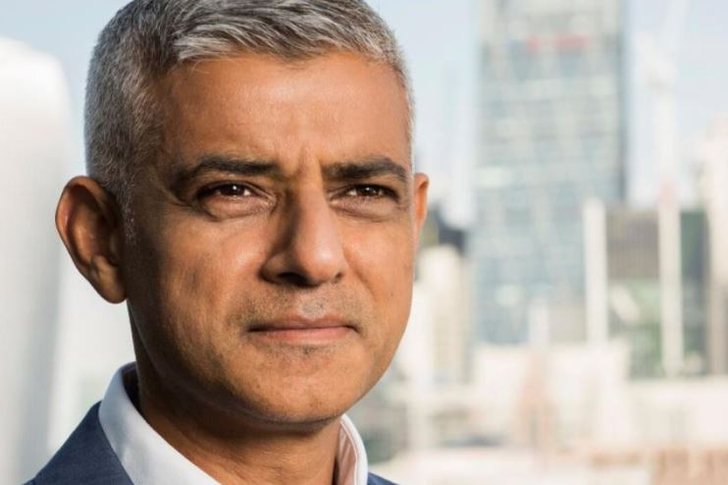
London Mayor Sadiq Khan wants the UK to make a new dea...
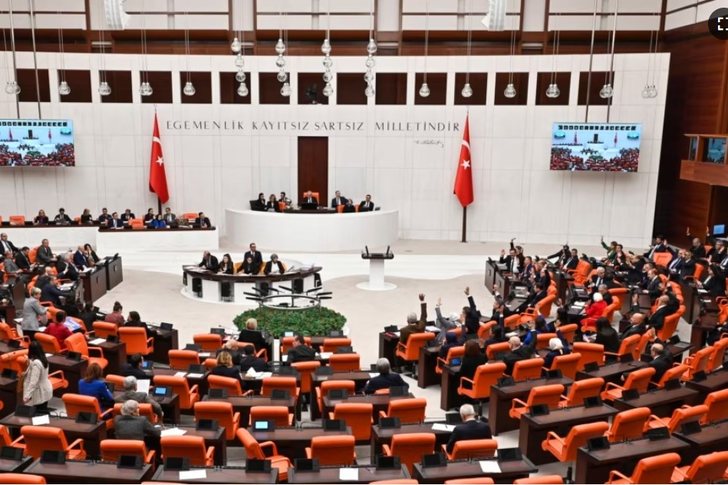
Turkish lawmakers on Tuesday approved Sweden's membership ...

Former President Donald Trump won the Republican prima...
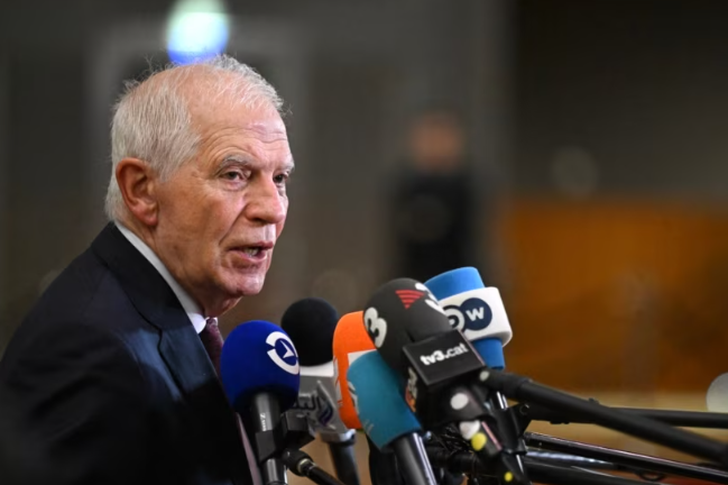
The High Representative for Foreign Policy and Securit...

The US Central Intelligence Agency (CIA) has released a Russ...

Europe recorded 30,000 measles cases last year, or 30 time...
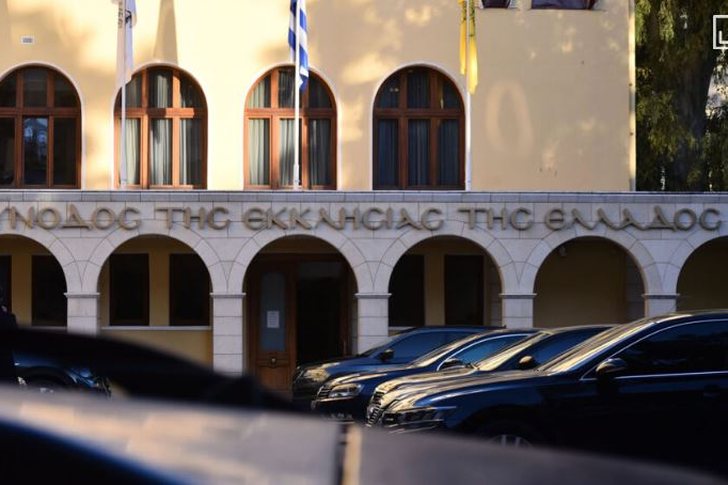
Mbledhja e Sinodit të Shenjtë të Kishës së Greqisë dol...

Nearly 80 years after the end of the Second World War, the...
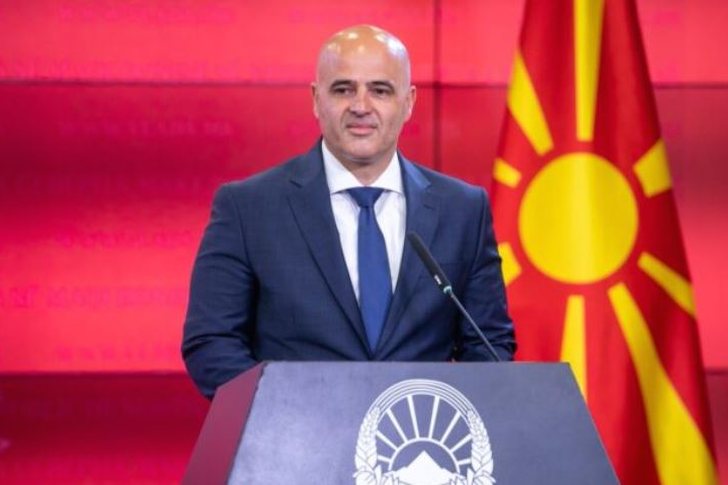
Prime Minister Dimitar Kovacevski has confirmed that he wi...
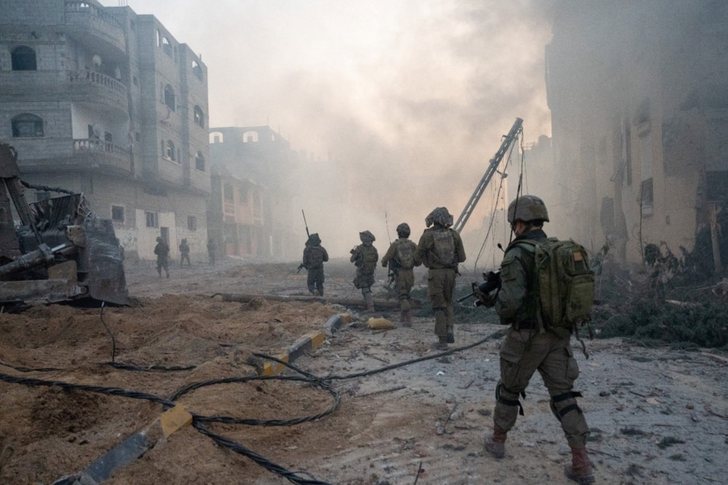
The Israeli military said on Tuesday that 21 of its soldie...
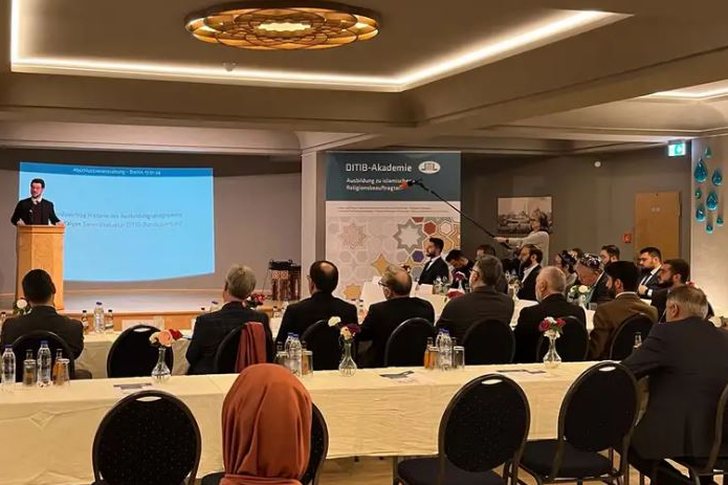
Osman Soyer has already made it official. "I am a religiou...

Several people were killed and injured on January 23, as a...

The Justice Reform and the vetting process were trumpeted ...

After revealing the property portfolio in Tirana, Kavaja, ...
Four months ago, on March 11, CNA sent an official letter ...

Sokol Sadushi, the president of the Supreme Court, is the ...

The Special Board of Appeal (KPA) decided this Monday ...

The KPA vetting decided this Thursday to dismiss the p...

Suela Salavaçi, a prosecutor in the Prosecutor's Offic...

The Special Board of Appeal reinstated the prosecutor ...

A serious incident occurred on Thursday afternoon in the M...

A vehicle caught fire today in neighborhood no. 4 of the c...

A lightning strike has struck a herd of cattle on Nikollar...

This morning, a powerful explosion suspected to be caused ...

Today is characterized by hot and mostly clear weather thr...

On Wednesday, our country will be affected by relatively s...

A field inspection has begun in the Maliq area, after the ...
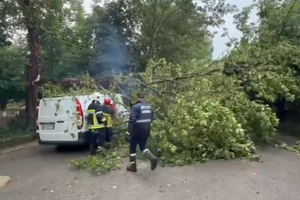
Heavy rainfall accompanied by strong winds has caused prob...
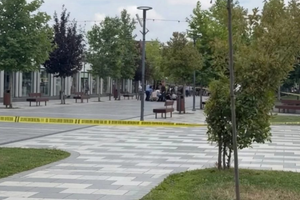
A serious shooting incident rocked the city center of Podu...

The Vita milk factory in Kosovo has been closed. According...

Iran's Supreme Leader Mojtaba Khamenei will not attend the...

After eight days under the rubble of a building collapsed ...

Professor and literature scholar Ali Xhiku has passed away...

During my research into the life and artistic photographic...

This year's edition of the Gjon Mili International Video A...

The promotion of the book by author Aleksandër Ikonomidhi ...
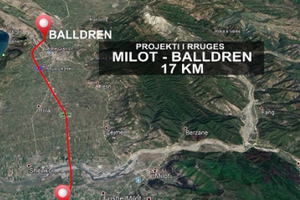
Whenever a new infrastructure project is announced, the fi...
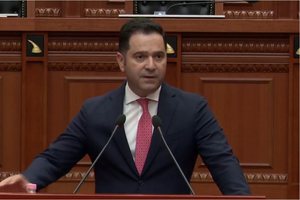
Minister of Finance, Petrit Malaj, spoke in today's plenar...

This Thursday, one US dollar is bought for 82 lek and sold...
Guvernatori i Bankës së Shqipërisë, Gent Sejko, në një kon...