

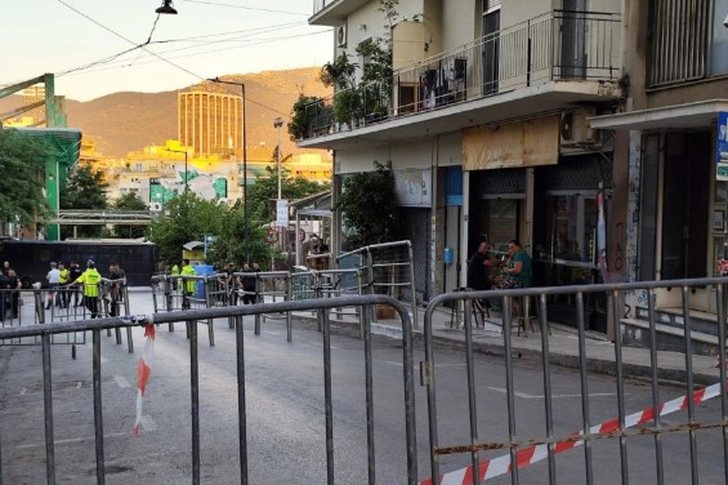
The exchange of fire outside the Panathinaikos stadium/ The police are investigating the existence of a criminal organization
People who have previously engaged the police and are accu...


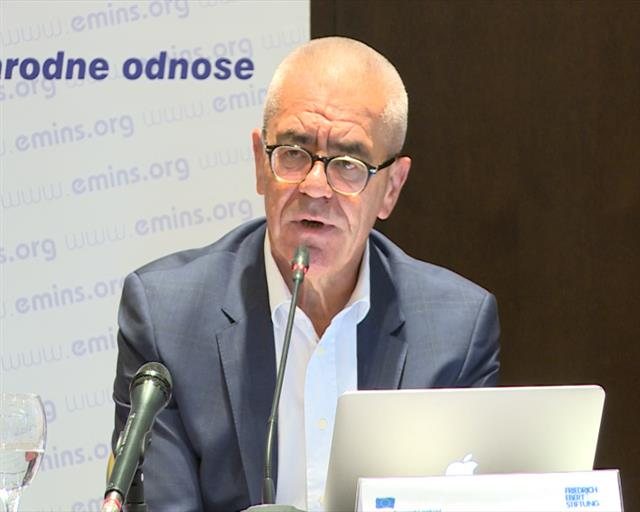
The head of the Institute for International Studies, Albert Rakipi, says that the time has come for another approach in the dialogue between Pristina and Belgrade, which would resolve the frozen conflict between the two countries.
He adds that the solution must come from the top down, which means that both countries must recognize each other as independent states.
During the interview for the Voice of America, the expert says that the formula followed until now, with the mediation of the European Union, has shown that it has not worked, so he suggests reflection and a new approach to dialogue, which, as he said, requires the commitment of the EU, but in particularly that of the United States.
Mr. Rakipi also spoke about the alarm given recently by the US Department of State that Russia is seeking to use inter-ethnic tensions in the Western Balkans region to create instability.
For the expert, this is not a new thing, but it should certainly be a big alarm for the political leaders of the Balkans.
Mr. Rakipi was in Washington to participate in the NATO Public Forum, an activity that was held within the alliance's high-level meeting.
Voice of America: Mr. Rakipi, what was the role of the NATO Public Forum during the high-level meeting of the alliance that was held here in Washington?
Albert Rakipi: This is an annual activity organized by NATO's public diplomacy division. Parallel to the NATO Summit, a conference is organized every year, attended by heads of state, government, international experts and academics, to discuss NATO's policies when it comes to security and defense issues.
The special thing this year was that it coincided with the 75th anniversary of the alliance. Regarding the participation of the institute, the special thing is that for the first time it was chosen as an institutional partner of this forum in Washington, and I believe that this is a recognition of the commitment and contribution that the Institute of International Studies has given to security issues, and international relations, with publications, publications and debates.
We organized in Tirana this year, on the occasion of the 15th anniversary of Albania's membership in NATO, an international conference, where we discussed security issues in the context of dramatic developments such as Russia's aggression in Ukraine, but also other developments related to security at the level world.
I want to say that the institute has continuously made a great contribution to NATO membership, which is one of the greatest achievements, if not the greatest, in Albania's international relations, since the creation of the Albanian state.
Më kujtohet Samiti i NATO-s në Bukuresht në 2008-n, kur ne morëm ftesën, për t’iu bashkuar aleancës. Kam parasysh një gazetar austriak që po më pyeste: Përse i duhet Shqipërisë NATO? Gazetarët prisnin si përgjigje që kjo është një çështje që lidhet me sigurinë e vendit, dhe sigurisht që lidhet me çështje të sigurisë dhe mbrotjes, por për rastin e Shqipërisë ishte një hap i sigurt që e nxirrte vendin nga izolimi dhe e bashkonte me Perëndimin. Në këtë kontekst them që ka qenë një arritje e jashtëzakonshme e marrëdhënieve ndërkombëtare të vendit dhe një kontribut jo të vogël ka dhënë e vazhdon të japë edhe instituti.
Zëri i Amerikës: A mendoni se takimi i Uashingtonit i dha përgjigje sfidave të sigurisë me të cilat përballet aleanca sot, që nga agresioni rus në Ukrainë apo rrezikun që paraqet Kina?
Albert Rakipi: Nuk ka asnjë dyshim që Samiti i Uashingtonit u dominua nga agresioni rus, nga lufta në zemër të Evropës, e cila ka tronditur rendin botëror kur bëhet fjala për sigurinë ndërkombëtare. Ishte krejtësisht e qartë që Samiti dhe i gjithë angazhimi kryesor në kuadër të tij, debatet, politikat dhe vendimet që u morën kishin të bënin me luftën në Ukrainë. Ajo që spikati sigurisht ishte uniteti, vendosmëria dhe qartësia e të gjitha vendimeve të Samitit që Ukraina ta fitojë luftën. U bë shumë e qartë gjatë takimit që e ardhmja e Ukrainës është në NATO. Dhe ky Samit shënoi në fakt një hap thelbësor dhe të rëndësishëm për anëtarësimin e ardhshëm të Ukrainës. Po është e qartë që nuk mund të merret një vendim i shpejtë në këtë drejtim, sepse kjo praktikisht do të thoshte që NATO-ja të hynte në luftë me Rusinë bazuar në artikullin 5 të aleancës. Ndaj kjo është një gjë që i takon së ardhmes. Por siç e tha dhe sekretari i NATO-s qartësia dhe paqja duhet të arrihen me një fitore të Ukrainës. Duhet të jetë e qartë në këtë kontekst se nuk duhet të përsëriten skenarë të ngjashëm pasi siç e kemi parë ka patur një dimamikë të tillë në fillim me aneksimin e Krimesë dhe pastaj të Dombasit, pra si të thuash ka pasur një dinamikë që paravarësisht se Perëndimi dhe NATO kanë vendosur linja të kuqe që të mos kapërcehen, ato janë kapërcyer, siç tha dhe vetë sekretari i NATO-s. Ndaj është e rëndësishme që paqja e ardhshme të jetë vendimtare dhe vendimtare është me anëtarësimin e Ukrainës në NATO. Kjo do të thotë që Rusia nuk do të mund të ndërmarrë asnjë aksion tjetër, pasi do të hynte në luftë me aleancën.
Zëri i Amerikës: Një nga shqetësimet e ngritura në takim ishte dhe ajo që lidhet me situatën e sigurisë në Kosovë. Zyrtarë të NATO-s paralajmëruan mbi rrezikun e përkeqsim të saj, duke theksuar se stabilizimi i situatës së sigurisë do të varej plotësisht nga zgjidhjet politike. Por sa të mundur e shihni ju një gjë të tillë kur palët nuk kanë lëvizuar nga qëndrimet e tyre edhe pse ndërkombëtarët kanë bërë thirrje për ringazhim urgjent në dialog dhe pa kushte?
Albert Rakipi: There is a stagnation in this direction. It must be admitted that there is no progress in the dialogue between Kosovo and Serbia and as we have seen there is a total lack of will on the part of Serbia to implement the agreements. I think it is time for a reflection and a different approach to dialogue and to the resolution of this frozen conflict. No more bottom-up, like solving technical problems, for example car license plates or the like, but a solution that has to come from the top-down, which means that both countries have to know each other as independent states. We have seen that the formula followed so far and with the mediation of the European Union has unfortunately not worked. And it is completely natural to ask why, even 25 years after the end of the war, we still have such a situation when completely technical, useful, but always technical issues have been discussed in the dialogue. Suppose that a quarter of a century after the end of the war between Germany and France during the Second World War, Paris and Berlin were discussing what license plates the citizens of the two countries would drive into each other's cars. So I believe that the time has come for a reflection, and a different approach to dialogue in solving the frozen conflict, which requires the commitment of the EU, but especially that of the United States.
Voice of America: Mr. Rakipi, recently State Department officials have said that Russia is seeking to exploit inter-ethnic tensions in the Western Balkans region, in order to create "instability and hinder the Euro-Atlantic integration of the region". How seriously are the leaders of the Balkans taking the danger posed by Russia? Albert Rakipi: Russia's 'proxy' policies are not a new thing in the Balkans. And they should certainly be a big wake-up call for the political leaders of the Balkans. If we consider that on September 24 of last year there was a terrorist act and we were very close to an escalation of the conflict, which could possibly go to the point where a second conflict front could be opened, in the quite dramatic contest such as Russian aggression in Ukraine. It is certainly in the interests of Russia's policies to maintain such a state of tension and to feed it. And of course, it is important not only that the alarm on this issue comes from the Balkan countries themselves, but also, as I said, important factors, such as the EU and the USA, are also important./ VOA

People who have previously engaged the police and are accu...

The former president of Montenegro, Milo Djukanovic, h...
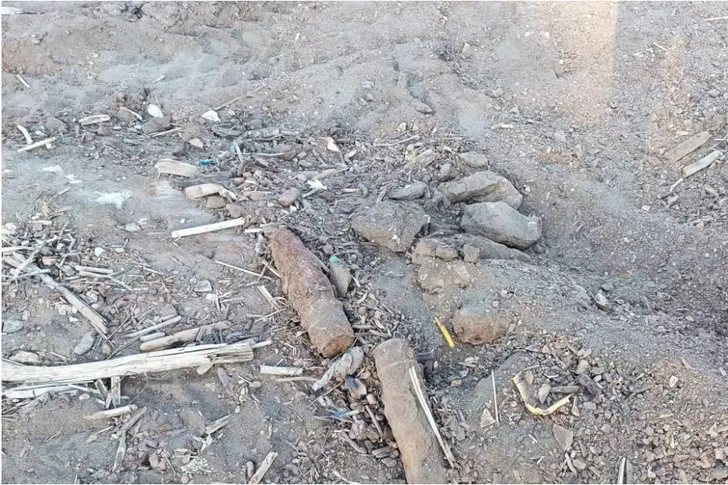
Amitsa beach in Evia, Greece, has been closed after Wo...
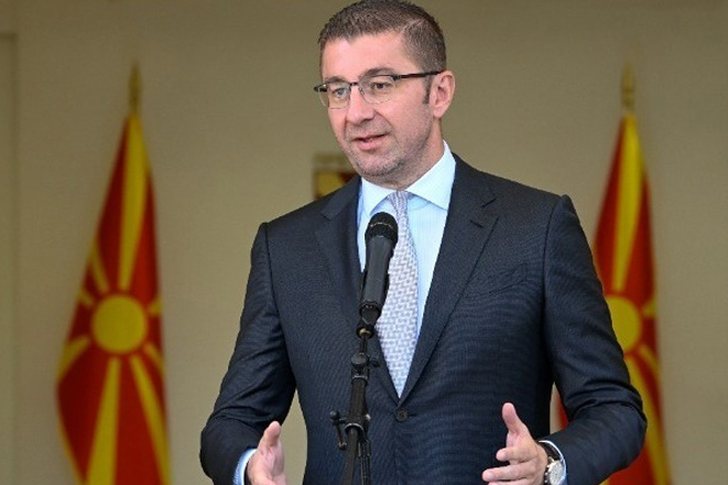
The Prime Minister of North Macedonia, Christian Micko...
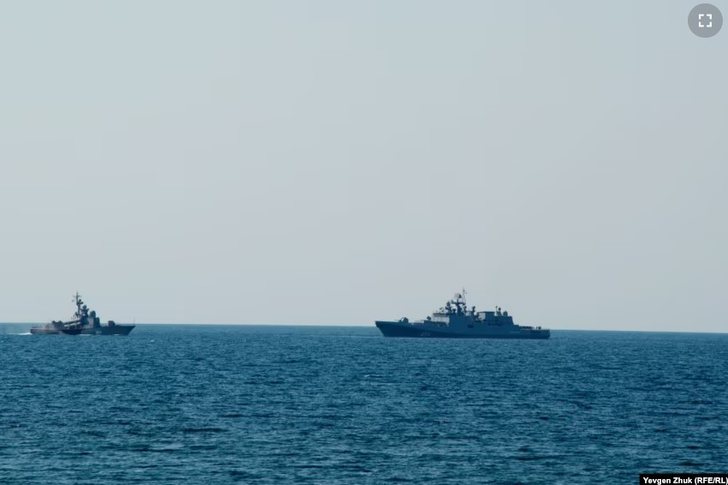
Two Russian warships have arrived in the southern Chin...

The Center for Crisis Management (CMC) announces that in t...
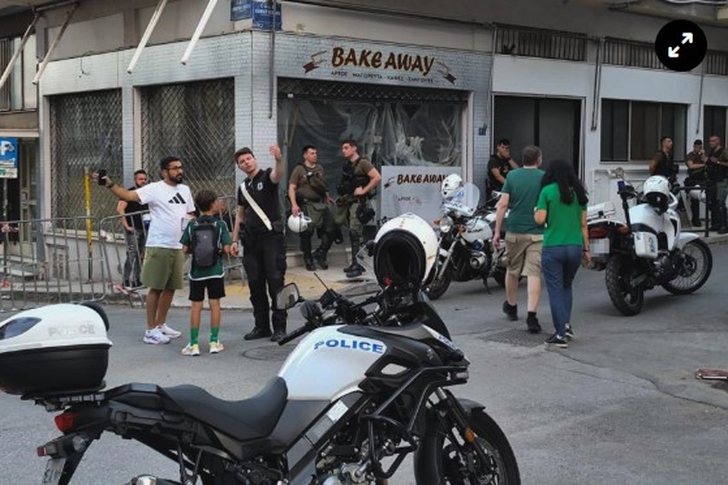
A fight between fans happened on Saturday evening in Greec...
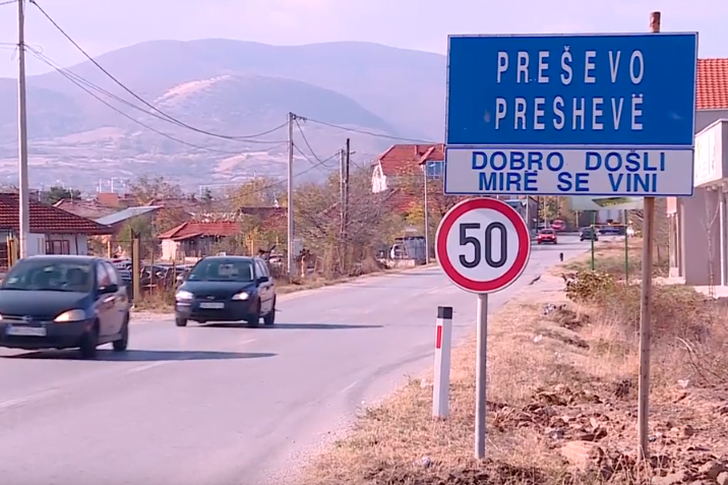
Serbian authorities are removing ethnic Albanians from...
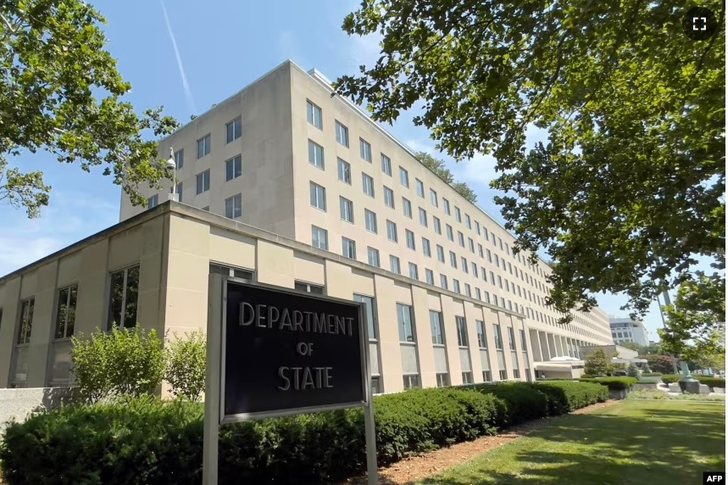
The United States said that Russia is seeking to explo...
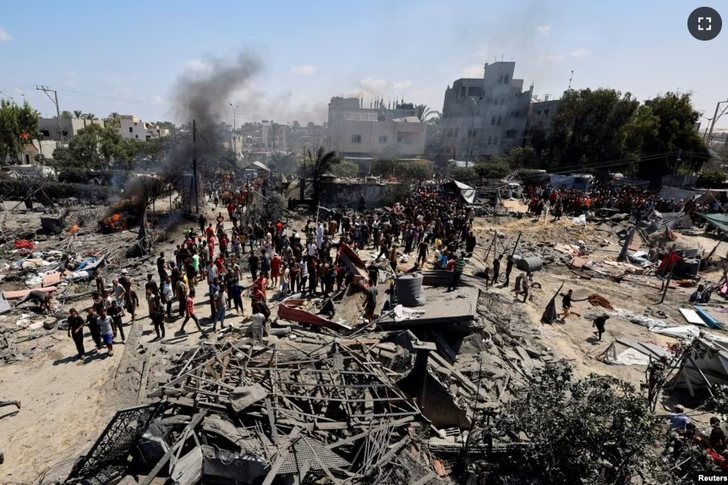
More than 70 people were killed after Israeli strikes ...
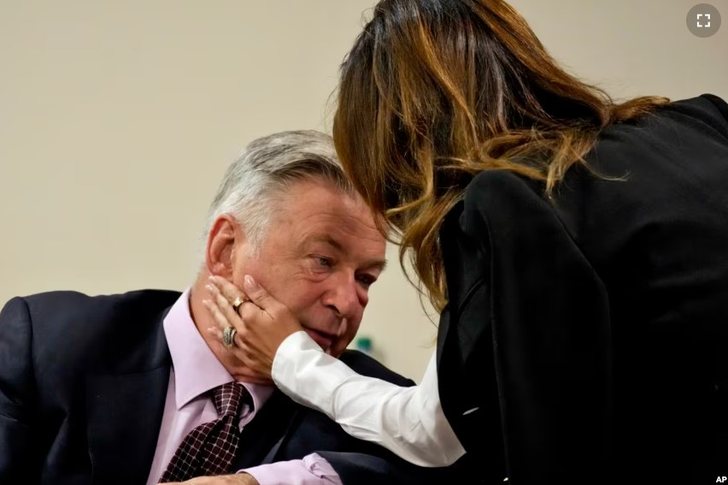
SANTA FE, New Mexico – A judge in New Mexico dismissed...

DETROID - In an effort to reinvigorate his election ca...
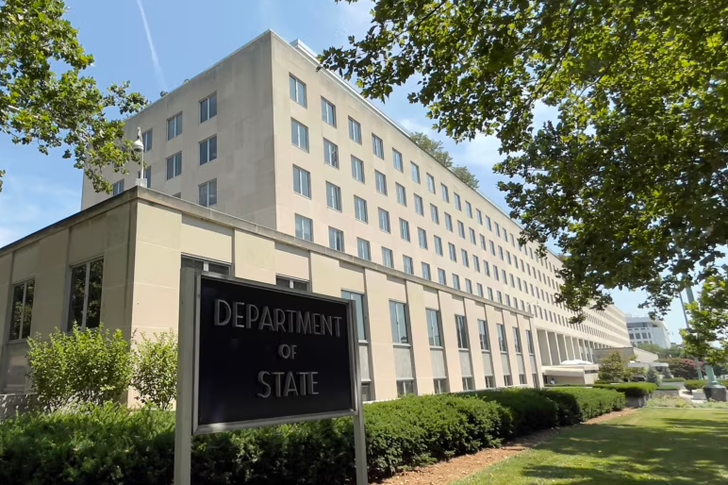
The United States said that Russia is seeking to exploit i...
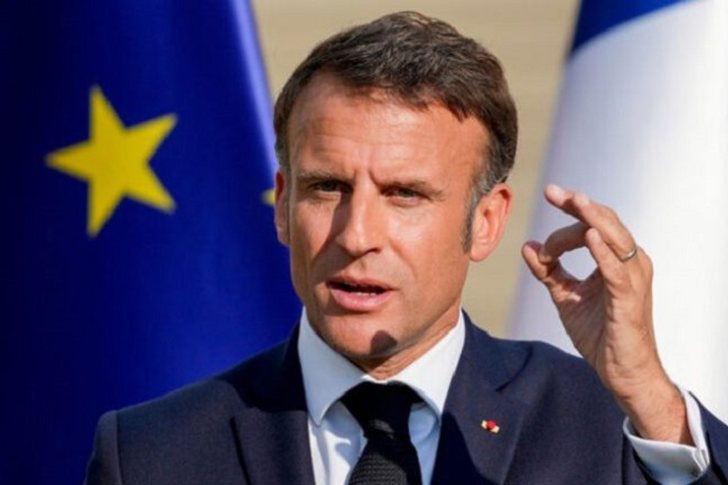
60% of the French consider that the dissolution of the...
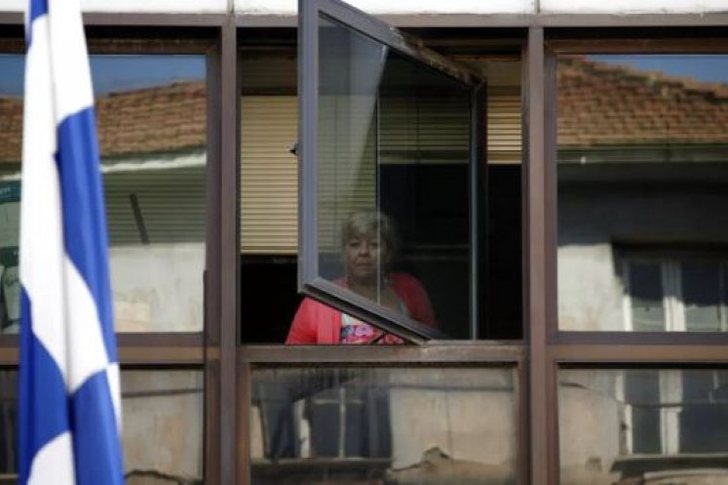
The cost of housing and rent in Greece has increased b...
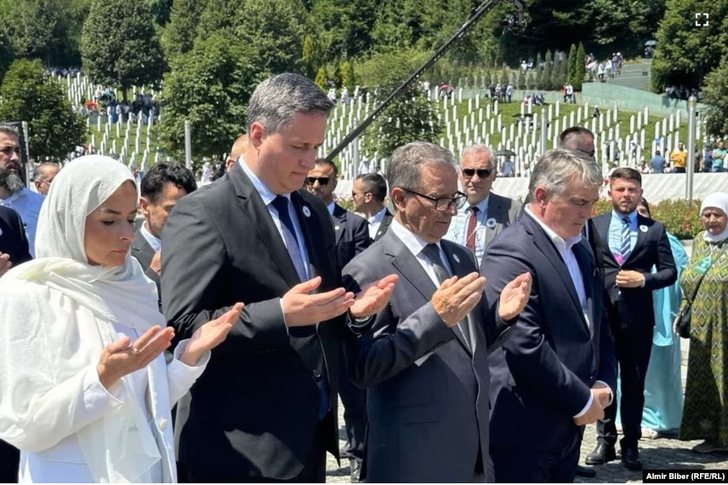
The head of the Presidency of Bosnia and Herzegovina, ...
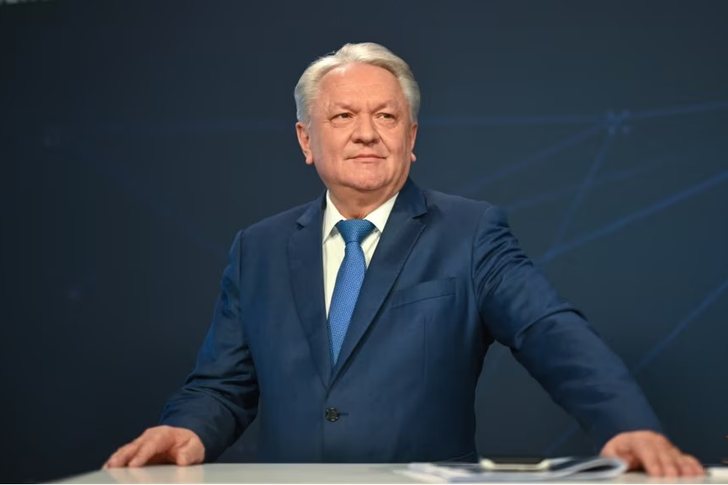
Western intelligence agencies have uncovered Russian p...
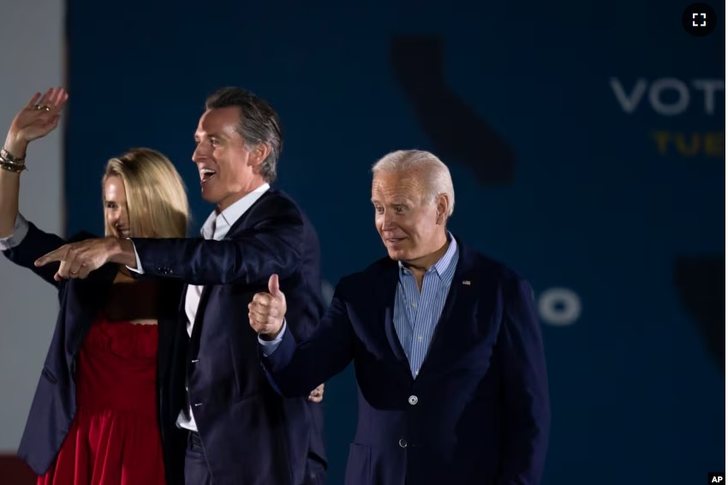
The President of the United States Joe Biden is rejecting ...

The European Commission has offered platform X (former...
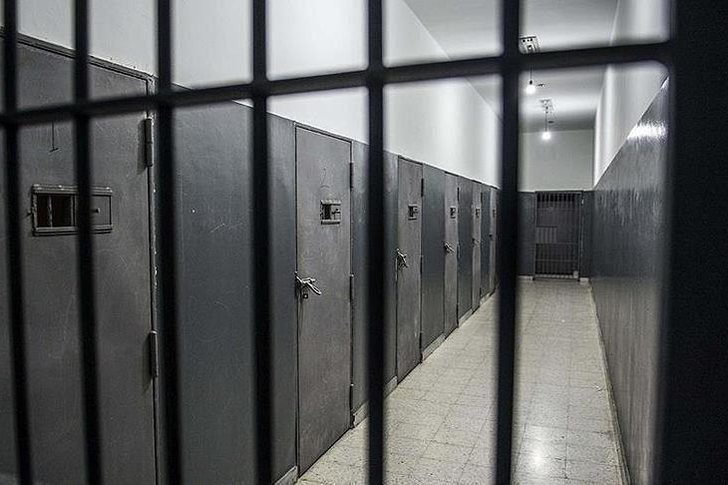
Great Britain has decided to release prisoners who hav...
Journalist Elton Qyno has made a complaint regarding the w...

After the first denunciation, the Plug show has continued ...
Today, CNA has published a complaint from residents of the...

A complaint from residents of the village of Gjashtë in Sa...

The Special Board of Appeal (KPA) decided this Monday ...

The KPA vetting decided this Thursday to dismiss the p...

Suela Salavaçi, a prosecutor in the Prosecutor's Offic...

The Special Board of Appeal reinstated the prosecutor ...
The Crime Investigation Specialists of the Shkodra Police ...
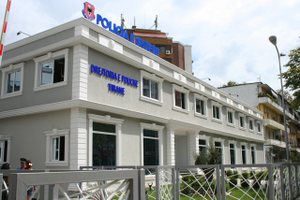
Tirana Police announce that 11 citizens have been identifi...
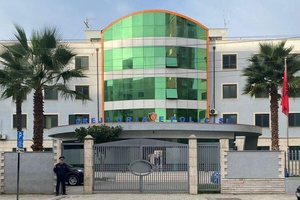
A police officer at Durres prison has been arrested in fla...

An accident occurred this afternoon on the Elbasan-Peqin a...

Today, mainly stable weather conditions. According to the...

Today, our country will be affected by almost the same met...

As climate change warms coastal waters in northern Europe,...
Today, our country will be affected by almost the same met...

A severe heatwave is expected to sweep across Central Euro...
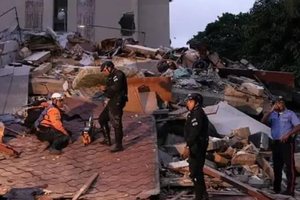
At least 235 people have been killed and more than 4,300 i...
Is the Chancellor at a loss for words? What do experts say...
Multiple explosions are reported by foreign media in the U...

The promotion of the book by author Aleksandër Ikonomidhi ...
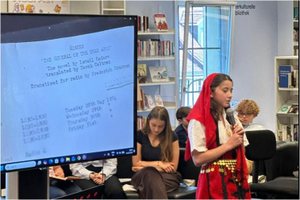
The Albanian Embassy in Switzerland has organized an eveni...

This Wednesday, the prominent actor of Albanian cinema, Gj...
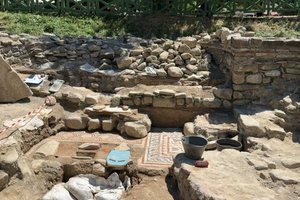
Several archaeological excavations conducted during this s...

The agricultural sector faced a very challenging year in 2...

This Friday, one US dollar is bought for 82.2 lek and sold...

Austria was the leading foreign investor in Albania in the...

Between 2015 and 2025, residential construction prices inc...