

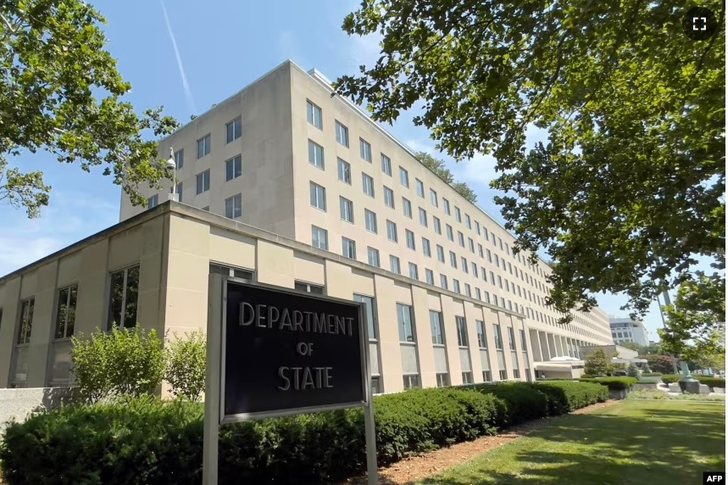
DASH: Russia is seeking to exploit inter-ethnic tensions in Kosovo and the region
The United States said that Russia is seeking to explo...


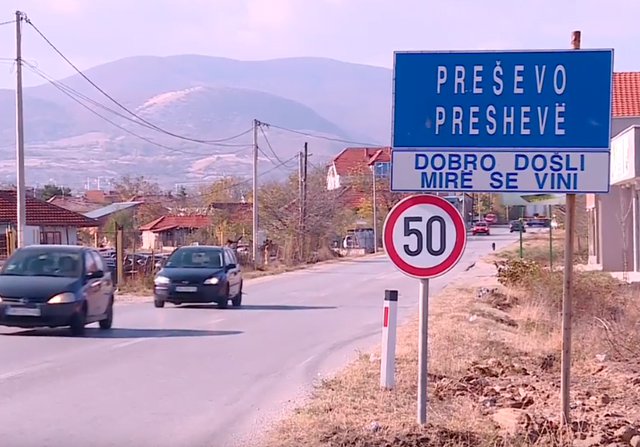
Serbian authorities are removing ethnic Albanians from the population register, eroding their rights and leaving thousands stateless. The departures are reducing the official figures of the country's Albanian minority.
This is how "Deutsche Welle" started a long article in English to address the issue of passivization of addresses of Albanians in the Valley by the Serbian state.
Businessman Safet Demiri faced an unpleasant surprise when he went to renew his company's car registration in August 2019. An official in Demir's hometown of Medvegja in southern Serbia told him that he was no longer registered in the population register.
"You could have knocked me down with a feather," he told DW.
Demiri travels between Medvegja, where he runs a tourist resort and a telecommunications company, and Vienna, where he works as a construction contractor.
But, since the summer of 2019, his name no longer appears in the population register of his hometown, where his family has lived for over 200 years.
Demiri said officials simply shrugged their shoulders when he asked how he was supposed to run his businesses in Medvegja without a registered address or car. He had no choice but to register the cars in his father's name.
The court ruled that the removal was legal
To this day, his situation remains unchanged and his rights are limited. He has taken legal action, but the Administrative Court in Nis has decided that his deletion from the register is legal because he lived abroad.
"They told me privately that the instructions had come from above," said the 46-year-old.
Demir is not alone in this aspect. Thousands more in the ethnically Albanian-majority Preševo ??Valley in southern Serbia share his fate. A growing number of people are being removed from the population register without warning.
'Passivation' of addresses
The reason is their ethnicity, said Flora Ferati-Sachsenmaier, a lecturer at the University of Göttingen in Germany. She herself comes from this region and wrote a study on the subject in 2023, which was published by the Max-Planck-Institut in Göttingen.
Ferati-Sachsenmaier became acquainted with the phenomenon by chance in 2016, while working on a completely different project in the region. The more he researched, the more he realized that there was a method behind the deletions.
"Every second Albanian I spoke to told me that the authorities were erasing them from the population register," she told DW.
Serious consequences
Serbian authorities call it "passivation" (or "passivization"). If they find someone no longer lives at their registered address, he or she is removed from the population register, Ferati-Sachsenmaier said.
But it's not just people who no longer live in the country who have been removed from the register; so do people who have gone on vacation or travel abroad. As a rule, once they have been removed from the registry, they are unable to return to it.
Passivization has serious consequences for those affected, such as making it impossible to obtain passports and health insurance for them.
An attempt to reduce the size of the Albanian minority?
The objective is apparently to reduce the number of ethnic Albanian population in southern Serbia.
"While around 10% of the population in the Preševo ??Valley is affected, cases of passivation in other regions of Serbia affect less than 1% of the respective municipal population - if they occur at all," explained Ferati-Sachsenmaier.
The situation is particularly problematic for ethnic Albanians who have lived and worked in Kosovo since the 1999 war, said Enver Haziri, who heads an agency in Kosovo dealing with issues related to ethnic Albanians from the Preševo ??Valley.
Most of this group moved from their home region when the war ended in June 1999, and the Albanian minority in southern Serbia bore the brunt of the wrath of the retreating Serbian army.
While these ethnic Albanians moved to Kosovo, they were never officially registered there. Passivization makes them virtually stateless, which further marginalizes them.
"While they are welcomed morally, they are neither recognized as refugees nor given Kosovar citizenship," said Haziri.
During the time of Prime Minister Albin Kurti, the Government of Kosovo has tried to change the situation and grant them residence permits.
Ethnic Albanians in southern Serbia — a marginalized minority
The Helsinki Committee for Human Rights in Serbia in a report referred to the passivation of addresses as "a form of ethnic cleansing through administrative means".
About 60,000 ethnic Albanians live in the Presheva Valley, which includes the municipalities of Medvegja, Bujanovac and Presheva. Although they make up the majority of the population there and Serbia has signed the Council of Europe's Framework Convention for the Protection of National Minorities, ethnic Albanians have been systematically marginalized, said Shaip Kamberi, the only ethnic Albanian politician elected to the Serbian parliament.
As a candidate for EU membership, Serbia is committed to improving the representation of its Albanian minority in public institutions.
"Passivation is only one of the measures of discrimination", says Kamberi. "We are not integrated into public life and potential foreign investors are often prevented from investing in our businesses. Moreover, the advancement of the militarization of the territory also makes life in the region difficult".
To support this statement, Kamberi shows the map of 48 Serbian military bases on the border with Kosovo. Most of these bases are in the Presheva Valley.
Disturbance in Berlin
Kamberi recently visited Berlin to raise awareness of the issue within the government and parliament. Lawmakers he met with are concerned about the situation.
Knut Abraham from the center-right CDU/CSU told DW: "I call on the embassies of the EU member states in Belgrade to pay special attention to the situation and seek dialogue on this issue with the representatives of the minority."
"The situation of the Albanian minority in Serbia deserves greater international attention," said Thomas Hacker of the liberal FDP. "At the moment, the focus on the dialogue between Belgrade and Pristina is very big, while other, equally important issues are unfortunately being pushed to the background".
Hacker went on to say that the passivation process is like a deprivation of rights.
The German Foreign Ministry in Berlin has called on all parties to "ensure transparent and fair agreements in accordance with obligations".
The Serbian government denies discrimination
While the Serbian government and authorities do not deny that passivation exists, they reject claims that it is motivated by discrimination against ethnic Albanians in Serbia.
In December 2023, Aleksandar Martinovi?, Minister for State Administration and Local Self-Government, told Serbian media that the "deactivation of settlements" in Bujanoc, Preševo ??and Medvedja was in accordance with the law and was not discriminatory.
DW reached out to the Serbian government for comment, but had not heard back before publication.
Businessman Safet Demiri and several other ethnic Albanians have filed a complaint with the Constitutional Court in Belgrade. They are sure that their case will be rejected and intend to take the case to the European Court of Human Rights./DW

The United States said that Russia is seeking to explo...
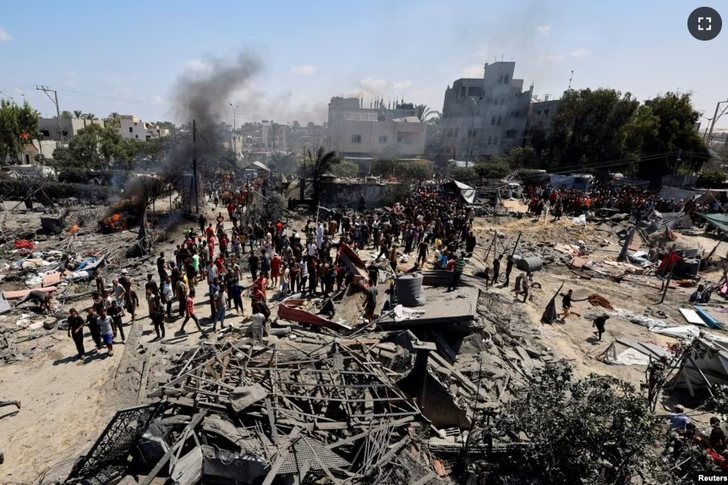
More than 70 people were killed after Israeli strikes ...
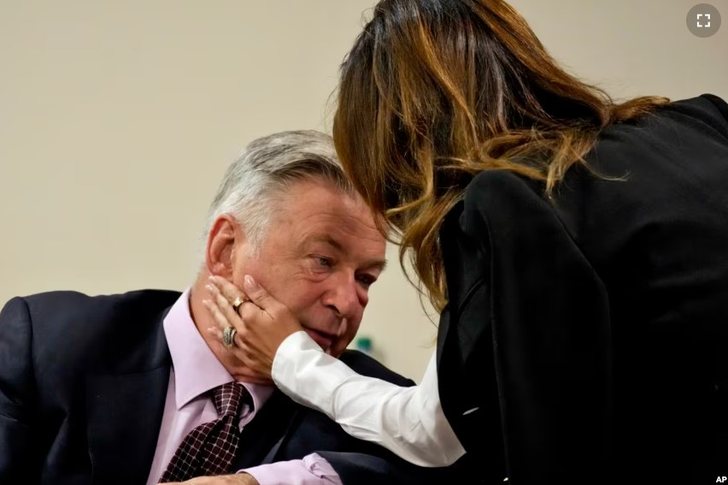
SANTA FE, New Mexico – A judge in New Mexico dismissed...

DETROID - In an effort to reinvigorate his election ca...
The United States said that Russia is seeking to exploit i...
60% of the French consider that the dissolution of the...
The cost of housing and rent in Greece has increased b...
The head of the Presidency of Bosnia and Herzegovina, ...
Western intelligence agencies have uncovered Russian p...
The President of the United States Joe Biden is rejecting ...

The European Commission has offered platform X (former...
Great Britain has decided to release prisoners who hav...
US President Joe Biden announced on Friday that Israel...

Billionaire Elon Musk's Platform X is deceiving users ...
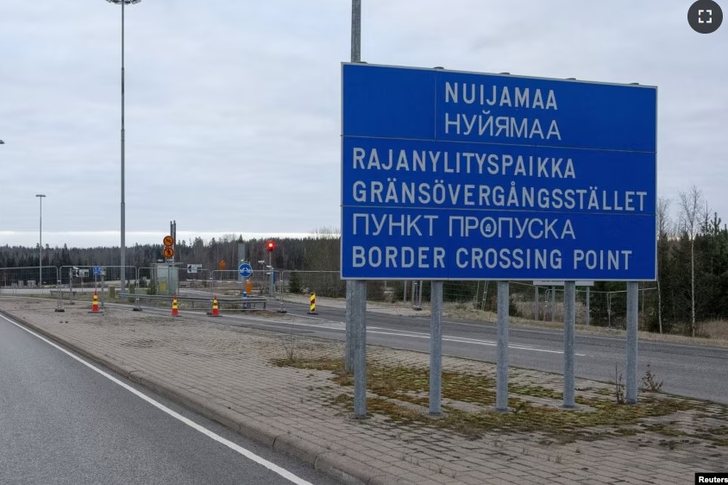
Finland's parliament passed a law on Friday giving bor...

Hungarian Prime Minister Viktor Orbán met with former ...
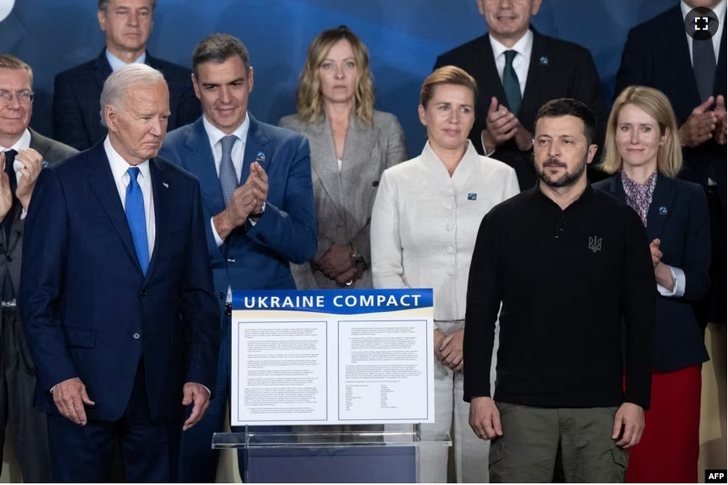
Ukrainian President Volodymyr Zelensky welcomed the ne...
The Supreme Court in Podgorica acquitted all persons accus...
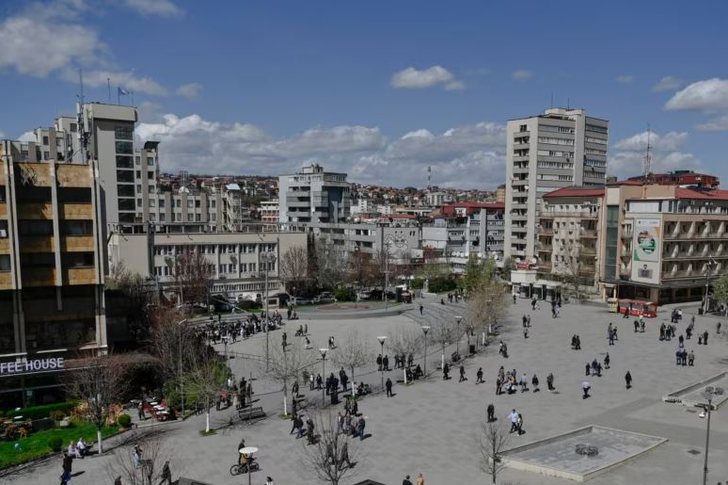
The Statistics Agency of Kosovo has published the prel...
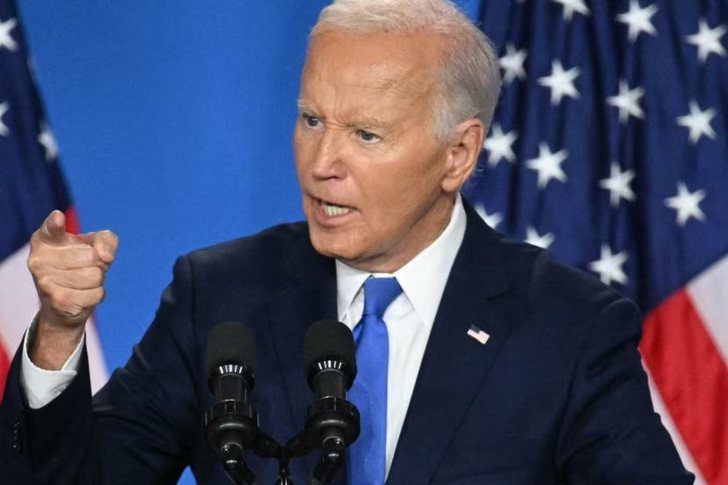
President Joe Biden used his much-anticipated press co...
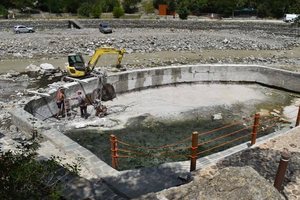
Journalist Elton Qyno has made a complaint regarding the w...
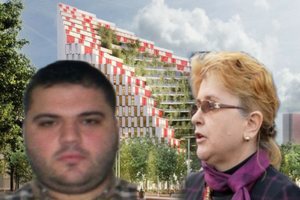
After the first denunciation, the Plug show has continued ...
Today, CNA has published a complaint from residents of the...
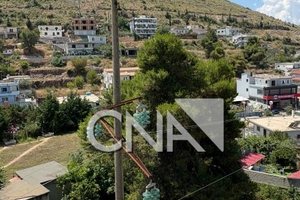
A complaint from residents of the village of Gjashtë in Sa...

The Special Board of Appeal (KPA) decided this Monday ...

The KPA vetting decided this Thursday to dismiss the p...

Suela Salavaçi, a prosecutor in the Prosecutor's Offic...

The Special Board of Appeal reinstated the prosecutor ...
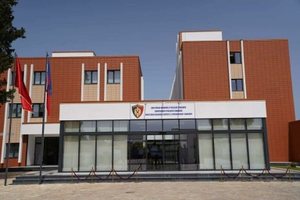
The Crime Investigation Specialists of the Shkodra Police ...
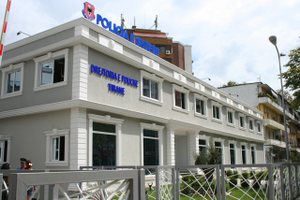
Tirana Police announce that 11 citizens have been identifi...
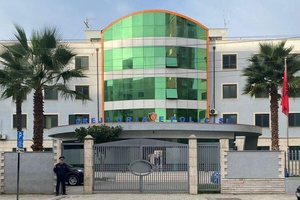
A police officer at Durres prison has been arrested in fla...
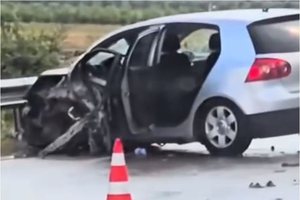
An accident occurred this afternoon on the Elbasan-Peqin a...
Today, mainly stable weather conditions. According to the...
Today, our country will be affected by almost the same met...

As climate change warms coastal waters in northern Europe,...
Today, our country will be affected by almost the same met...
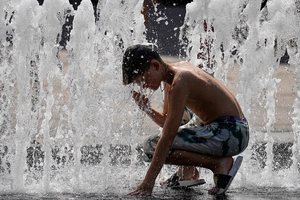
A severe heatwave is expected to sweep across Central Euro...
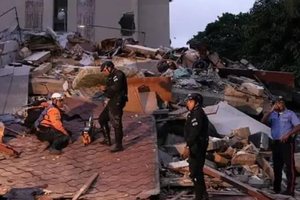
At least 235 people have been killed and more than 4,300 i...
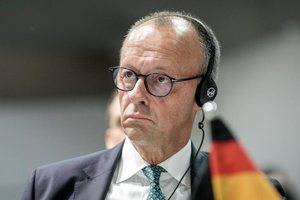
Is the Chancellor at a loss for words? What do experts say...
Multiple explosions are reported by foreign media in the U...
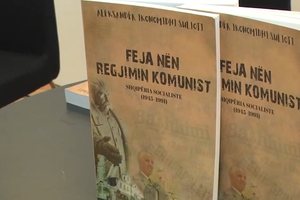
The promotion of the book by author Aleksandër Ikonomidhi ...
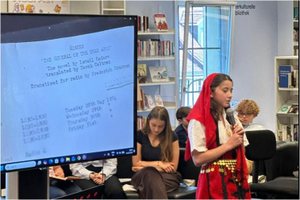
The Albanian Embassy in Switzerland has organized an eveni...
This Wednesday, the prominent actor of Albanian cinema, Gj...
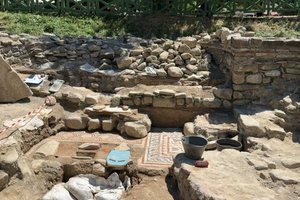
Several archaeological excavations conducted during this s...

The agricultural sector faced a very challenging year in 2...

This Friday, one US dollar is bought for 82.2 lek and sold...

Austria was the leading foreign investor in Albania in the...
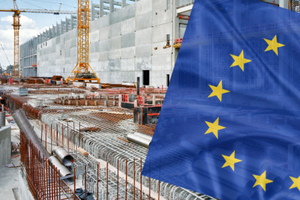
Between 2015 and 2025, residential construction prices inc...