


Businessman Artur Shehu breaks his silence: I am a long-time land owner in Zvërnec, I don't know the investors at all
Albanian businessman Artur Shehu spoke on the Opinion show...

Albanian businessman Artur Shehu spoke on the Opinion show...

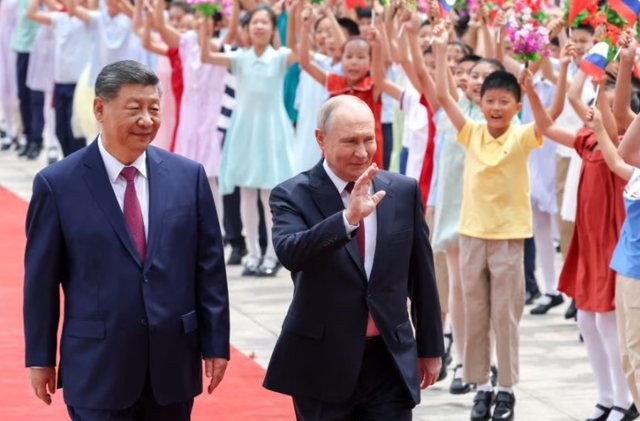
Russian President Vladimir Putin and Chinese leader Xi Jinping signed a series of agreements on Wednesday in Beijing, aiming to deepen strategic and economic ties.
But Moscow was seeking to turn the symbolism of the summit into concrete benefits in energy cooperation, at a time of turmoil in global oil and gas markets as a result of the war in Iran.
However, despite repeated promises of friendship and strategic coordination, the May 20 state visit ended without any public progress on the long-delayed Power of Siberia-2 pipeline. The multibillion-dollar project is seen by Moscow as vital for redirecting gas exports from Europe to China after Russia’s full occupation of Ukraine in 2022.
Talks have repeatedly stalled due to disagreements over prices, construction costs, supply volumes and Beijing's concerns about becoming overly dependent on Russian energy.
Kremlin spokesman Dmitry Peskov told reporters that “basic parameters of understanding” for the pipeline already exist, including the route and construction method. He did not provide further details and said there was no clear timeline for the project, as “some nuances still need to be clarified.”
A joint statement after the meeting said only that Putin and Xi "agreed to continue deepening comprehensive partnership relations in the field of energy" and to "deepen mutually beneficial cooperation in the fields of oil, gas and coal."
"Russia needs trade revenues much more than China needs Russian energy," Henrik Wachtmeister, a researcher at the China Center at the Swedish International Institute, told Radio Free Europe.
The two leaders signed a joint statement on further strengthening the "comprehensive partnership and strategic interaction", as well as another statement promoting a "multipolar world order".
They also oversaw the signing of at least 20 additional agreements covering trade, technology and broader cooperation.
The meeting came just four days after US President Donald Trump left Beijing following his summit with China, and the rhetoric from China and Russia adds to Xi's efforts to position his country as a global diplomatic power.
“The timing of this visit was really good for Beijing,” Temur Umarov, a fellow at the Carnegie Center for Russia and Eurasia in Berlin, told REL. “China looks like the center of the world where the most important geopolitical meetings are taking place.”
The lack of concrete progress on the pipeline underscored the central imbalance weighing on the relationship.
“Rusia ka pak blerës alternativë [të energjisë] dhe e shet naftën e saj me zbritje për shkak të sanksioneve”, tha Wachtmeister. “Kina ka shumë furnizues dhe është, në përgjithësi, një ekonomi shumë më e madhe”.
Duke folur gjatë ceremonisë së nënshkrimit në Sallën e Madhe të Popullit, Xi tha se Kina dhe Rusia duhet të mbeten “fortesa strategjike për njëra-tjetrën” dhe premtoi koordinim më të thellë në fusha përfshirë inteligjencën artificiale dhe inovacionin teknologjik.
Kina dhe Rusia duhet gjithashtu të veprojnë si “fuqi të mëdha të përgjegjshme” dhe të kundërshtojnë “çdo formë të bullizmit të njëanshëm dhe veprimet që përmbysin historinë”, tha Xi.
Putin, duke folur pas Xisë, tha se Rusia është e gatshme të vazhdojë furnizimet e pandërprera me naftë dhe gaz drejt Kinës dhe e përshkroi tregtinë dypalëshe si të mbrojtur nga “ndikimet e jashtme” dhe paqëndrueshmëria në tregjet globale.
Samiti projektoi imazhin e një afrimi politik në rritje midis Pekinit dhe Moskës në një moment kur të dyja qeveritë po përplasen gjithnjë e më shumë me Perëndimin.
Por, marrëdhënia është bërë dukshëm më pak e balancuar qëkurse Rusia nisi pushtimin e plotë të Ukrainës në vitin 2022.
Megjithatë, analistët thonë se varësia në rritje e Rusisë nga tregtia, teknologjia dhe financimi kinez e ka transformuar atë që Kremlini dikur e përshkruante si një partneritet mes të barabartëve në një marrëdhënie shumë më asimetrike.
“Ka varësi në rritje nga ana ruse dhe Kina po anon më shumë drejt Rusisë për energji për shkak të luftës në Iran”, tha Umarov. “Por, në aspektin strukturor, marrëdhënia e tyre është e qëndrueshme dhe kjo nuk duket se do të ndryshojë”.
Lufta në Iran dhe ndërprerjet në transportin detar përmes Ngushticës së Hormuzit kanë rritur shqetësimet në Pekin për sigurinë energjetike dhe kanë rikthyer paqëndrueshmërinë në tregjet globale të naftës dhe gazit.
Moska ka kërkuar ta përdorë krizën për të argumentuar se furnizimet shtesë tokësore të energjisë nga Rusia do të reduktonin varësinë e Kinës nga rrugët e cenueshme detare.
Rusia ka shtyrë prej vitesh finalizimin e gazsjellësit të propozuar “Power of Siberia-2”, i cili do të transportonte 50 miliardë metra kub gaz natyror në vit nga Siberia perëndimore drejt Kinës përmes Mongolisë.
Një memorandum i nënshkruar në shtator 2025 mes Gazprom dhe homologëve kinezë u paraqit nga zyrtarët rusë si një përparim i madh, por ai nuk përbënte një marrëveshje përfundimtare detyruese.
Hollësitë kyç mbeten ende të pazgjidhura dhe nga samiti nuk doli asnjë njoftim mbi projektin.
Rusia tashmë është furnizuesi më i madh i Kinës me gaz falë gazsjellësit “Power of Siberia-1”, i cili filloi operimin në vitin 2019 sipas një marrëveshjeje 30-vjeçare me vlerë 400 miliardë dollarë. Vendi është gjithashtu furnizuesi i tretë më i madh i Kinës me gaz të lëngshëm natyror pas Australisë dhe Katarit.
The next major increase in Russian gas export capacity to China is expected to come through the Far East gas pipeline project, which is expected to start operations in 2027 and gradually increase supplies.
At the same time, China has expanded purchases of Russian crude at a discount since the West imposed sanctions on Moscow following its invasion of Ukraine in 2022. The conflict in Iran and disruptions around the Strait of Hormuz have also prompted additional Chinese purchases of Russian oil and liquefied natural gas.
However, analysts say Beijing is unlikely to rush into a major new commitment to the pipeline.
China has spent years diversifying energy imports, while increasing domestic oil and gas production and rapidly expanding renewable energy sectors such as solar power, wind power and electric vehicles.
"In a way, Russia is the answer, but Russia is a very slow answer to China, and perhaps too slow, especially if the war in Iran is resolved within the next few months," Michael Kimmage, director of the Washington-based Kenan Institute, told REL./REL

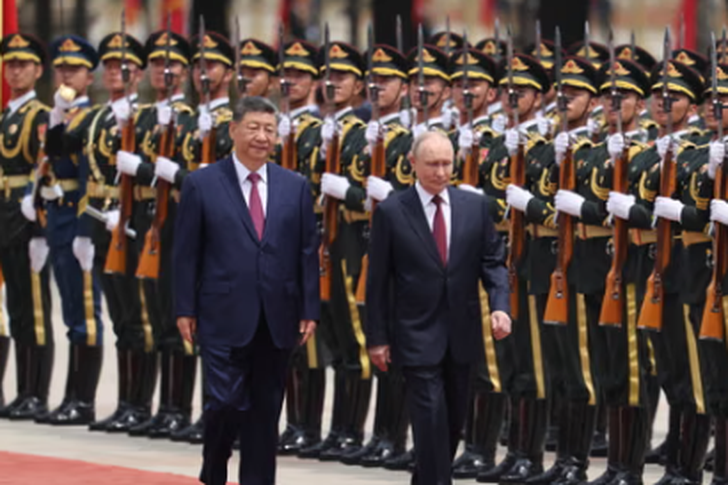
Chinese leader Xi Jinping and Russian President Vladimir P...
Britain's second-most senior diplomat in Washington, who s...
British homes will need air conditioning to survive predic...

A magnitude 6.1 earthquake struck off the coast of Peru ne...
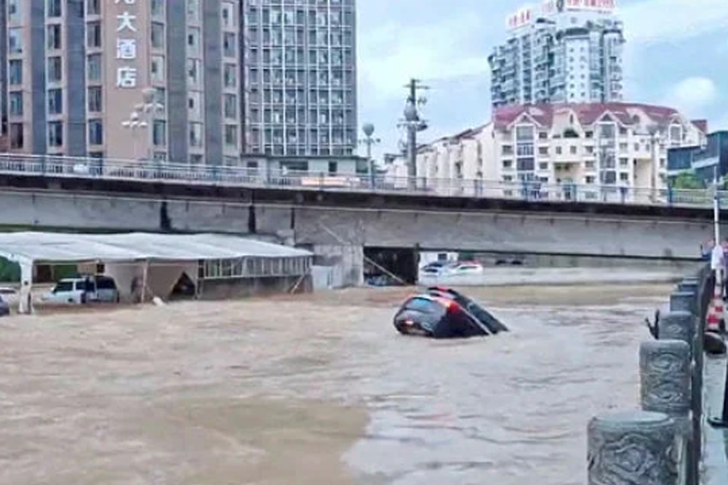
Torrential rains and flooding that swept through parts of ...
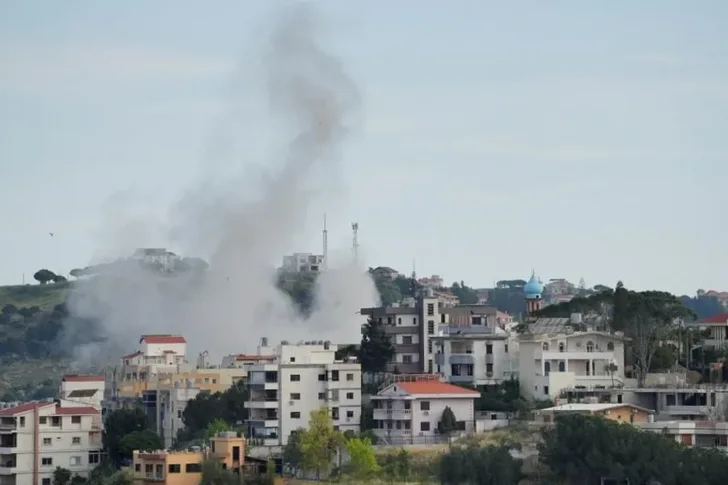
Israeli airstrikes have killed at least 19 people in south...
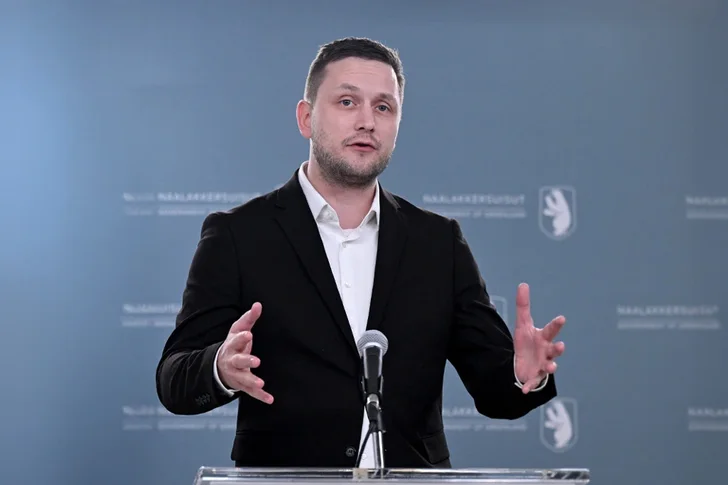
Greenland's leaders are forced to find a solution to their...
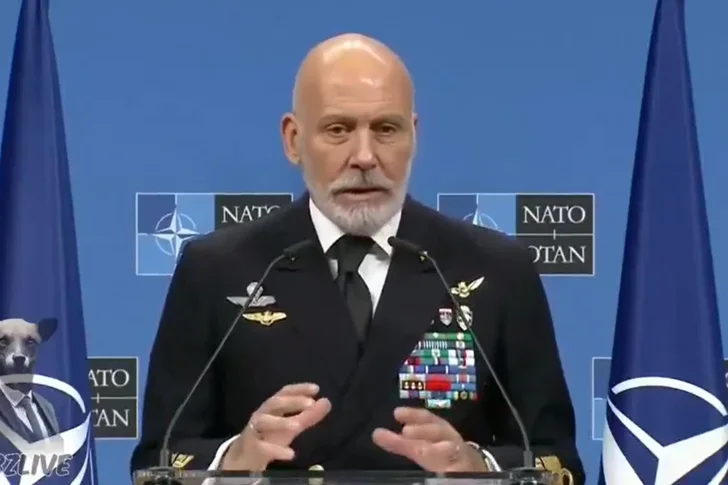
Drones and artificial intelligence are fundamentally chang...
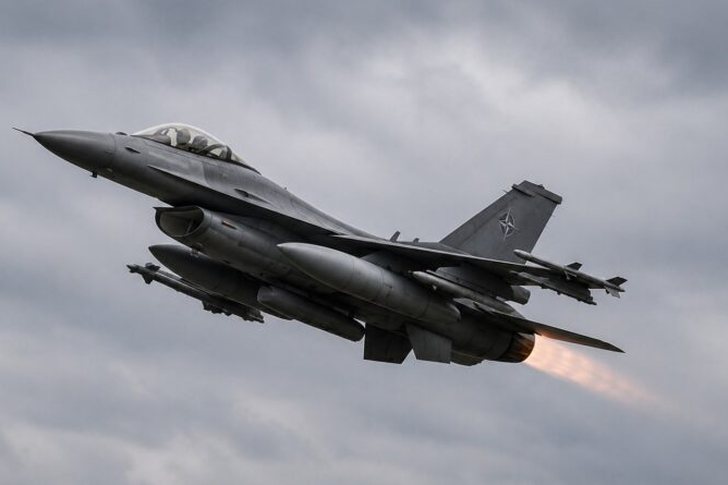
A NATO fighter jet shot down a Ukrainian drone over southe...
German Foreign Minister Johann Wadephul has said that Euro...
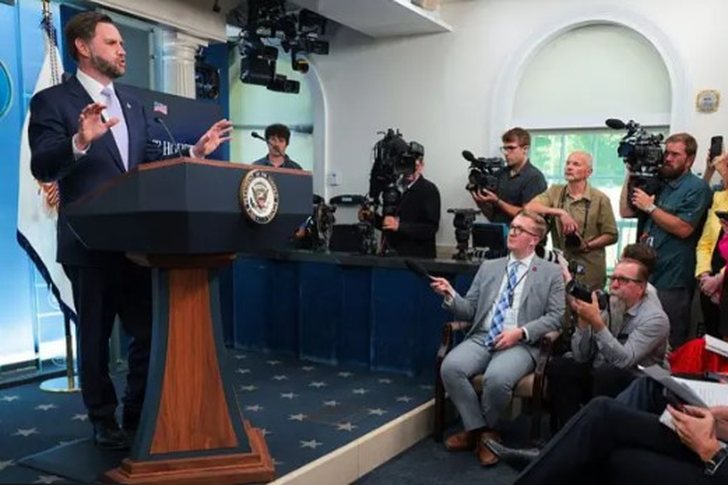
United States Vice President JD Vance has stated that talk...
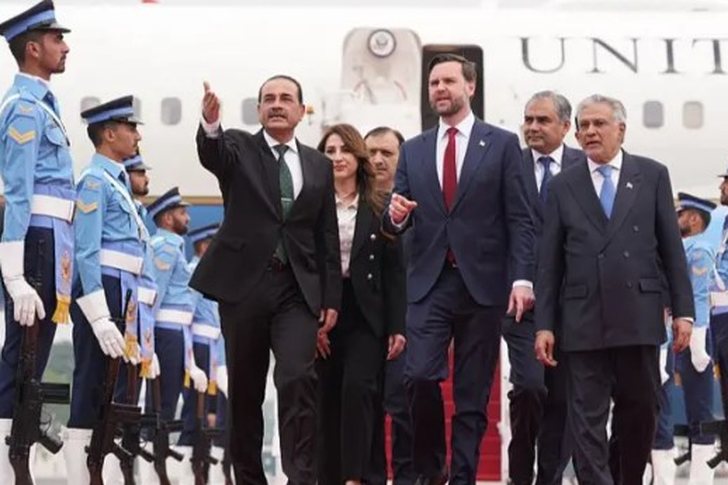
US Vice President JD Vance stated at a press conference at...
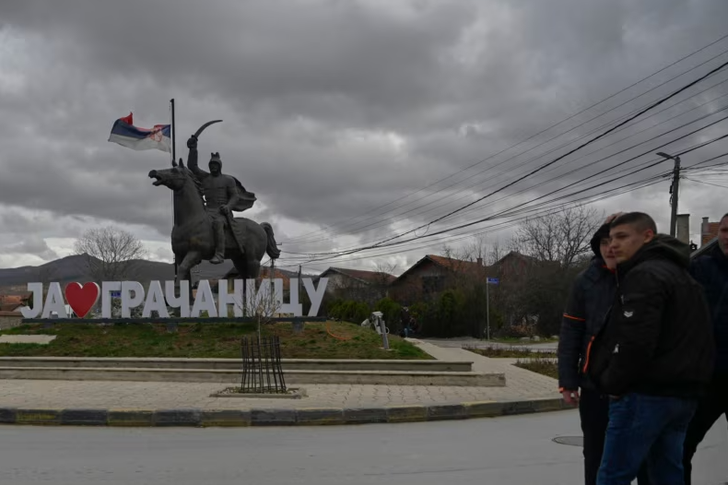
The Basic Prosecution Office in Pristina announced that fi...
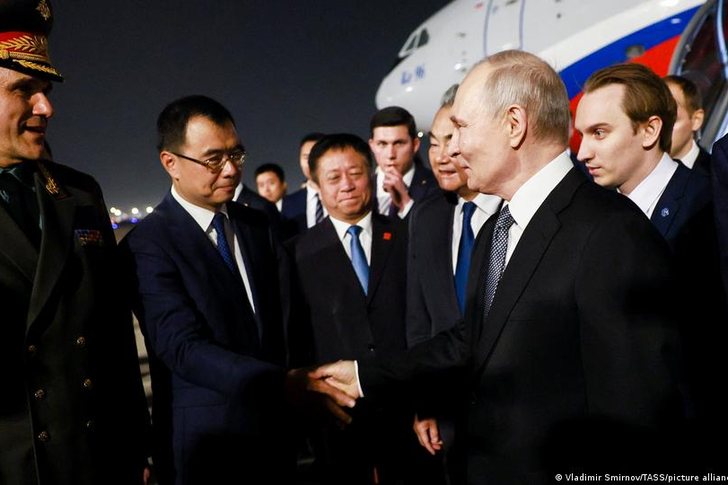
Russian President Vladimir Putin has arrived at Beijing ai...
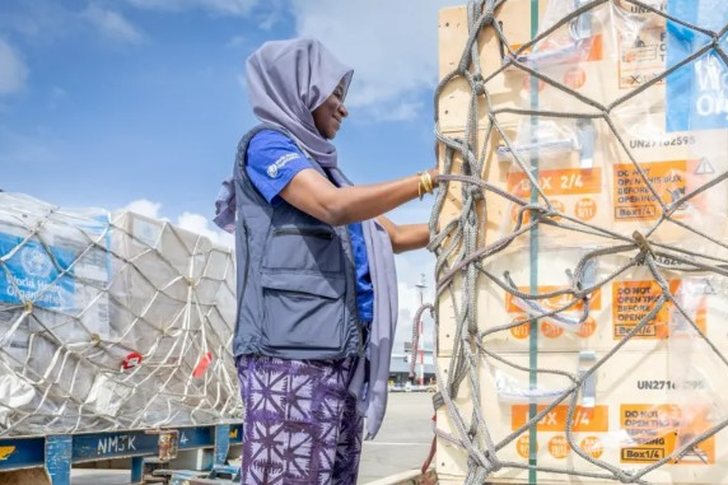
The World Health Organization has raised the alarm that th...

US President Donald Trump has inspected the construction o...
The Central Election Commission of Kosovo held a meeting t...
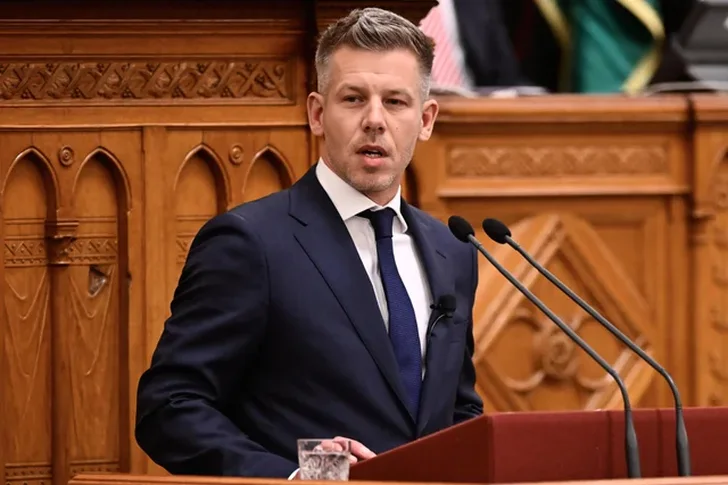
After his Respect and Freedom (Tisza) party won the parlia...
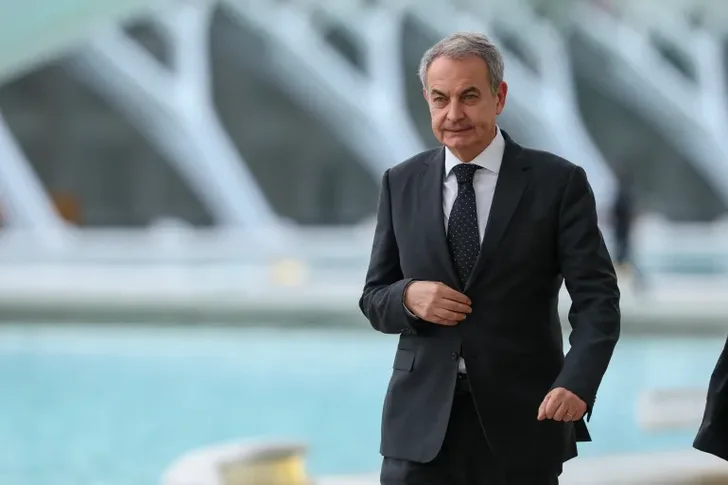
Former Spanish Prime Minister José Luis Rodríguez Zapatero...

A shooting has rocked the city of San Diego, California, w...

The next case broadcast on the show "Stop", this Thursday,...

The case published this Thursday, June 4, on the show "Sto...

The protests of recent days related to the situation in Zv...

The case addressed this Wednesday, June 3, on the show "St...

The Special Board of Appeal (KPA) decided this Monday ...

The KPA vetting decided this Thursday to dismiss the p...

Suela Salavaçi, a prosecutor in the Prosecutor's Offic...

The Special Board of Appeal reinstated the prosecutor ...

A convict was found dead today in the premises of the Pris...

Several images provided by CNA show the area where this mo...

A quantity of explosive material exploded this morning at ...
The Head of the State Police, Skënder Hita, expressed his ...

For many children and teenagers, the long summer holidays ...
Witnesses in Lozhan, Maliqi, have shared details from the ...

Albania is facing an unprecedented demographic transition,...

On Thursday, our country will be affected by unstable weat...
Russian President Vladimir Putin said the war in Ukraine c...
An extraordinary story of survival has been recorded in Ne...
The Peace Implementation Council in Bosnia and Herzegovina...
John Bolton, the former national security adviser to US Pr...

Korça is ready to open the summer season with one of the c...

Two years after his passing, the renowned Korçë poet Skënd...

The Ethnographic Museum of Berat has opened its doors to v...
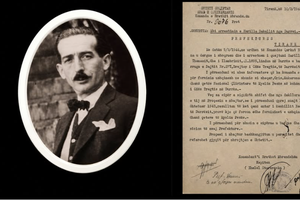
The story of Harilla Bakalli is one of the most chilling t...
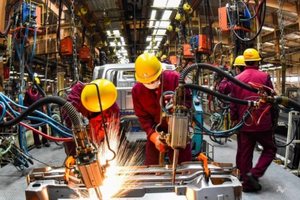
The government aims to transform the country's industrial ...

Kursi i këmbimit të euros me lekun ka rënë më tej këtë jav...

Profit margins in the construction sector have increased s...
The Transparency Board, at its meeting today, decided to i...