


Businessman Artur Shehu breaks his silence: I am a long-time land owner in Zvërnec, I don't know the investors at all
Albanian businessman Artur Shehu spoke on the Opinion show...

Albanian businessman Artur Shehu spoke on the Opinion show...

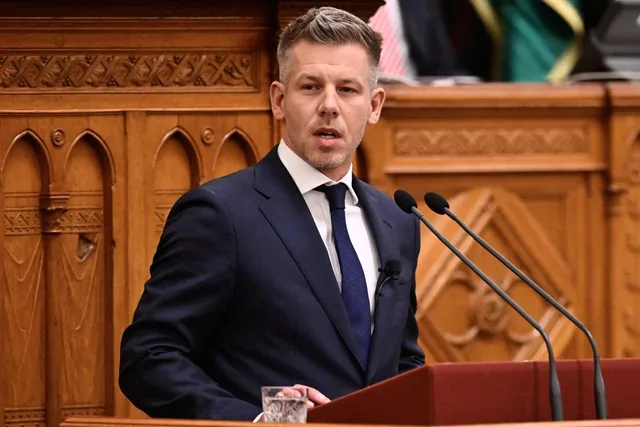
After his Respect and Freedom (Tisza) party won the parliamentary elections in Hungary on April 12, 2026, there was great enthusiasm among liberals in Poland. "Welcome back to Europe," Polish Prime Minister Donald Tusk said on social media at the time, during a visit to South Korea, during which he spoke by phone with the winner of the Hungarian election.
"I think I'm even happier than you," Tusk said at the time. Ten days after taking the oath, on May 9, 2026, Magyar embarked on his first trip abroad - precisely to Poland, as he promised in the election campaign, to "our natural allies," as he called the Poles last year.
Poland and Hungary have been largely close allies throughout history. Under the right-wing nationalist governments of Law and Justice (PiS) and Fidesz, Warsaw and Budapest formed an illiberal bloc critical of the EU for years. However, the alliance was strained by the pro-Russian views of former Hungarian Prime Minister Viktor Orbán, which the Polish right never fully accepted, especially after the outbreak of the war in Ukraine.
In late 2023, with the arrival of a pro-European center-left government led by Tusk in Poland, relations fell to an all-time low. "Everything is clear between us: we think differently about everything," Tusk said in October 2025, adding that democracy and a transparent legal system do not suit Orbán.
Broken relationships and restoring trust
Additional tensions were caused by Orbán's Hungary's decision to grant political asylum to former Polish Justice Minister Zbigniew Ziobra and his deputy Marcin Romanowski, who are wanted in Poland on suspicion of corruption, following Tusk's election victory.
The Hungarian prime minister now wants to rebuild relations and present himself as a reliable and pro-European partner. The Hungarian's visit to Poland is a "symbolic gesture" from the new Hungarian government, said Marcin Bosacki, the state secretary at the Polish Foreign Ministry. "It is important for us that the new Hungarian government shows how much it cares about friendship with Poland with such a strong symbolic action."
Sociologist Edit Zgut-Przybylska says expectations are high on both sides. "Trust, which was destroyed by the pro-Russian and extremely anti-European policies of the former Hungarian government, needs to be rebuilt," she says.
Magyar's schedule in Poland includes visits to Krakow, Warsaw and Gdansk. The Hungarian Prime Minister will meet with Donald Tusk, President Karol Nawrocki and former President and Solidarity trade union legend Lech Wa??sa.
The trip could also help Magyar in his plan to return Hungary to a pro-European course after 16 years of Orbán rule and secure the unblocking of frozen EU funds. Tusk's advice could help him in this matter, which could be crucial: The Polish prime minister, after winning the election, secured the "unblocking" of 137 billion euros in European funds.
Polish politicians also expect a rapprochement between the two countries' positions on aid to Ukraine. At the same time, Poland has its own financial interests because Orbán's government blocked the payment of almost two billion zlotys (about 471 million euros) from EU funds for military equipment that Poland delivered to Ukraine in 2022 and 2023. Bosacki called that decision "shameful."
On issues such as migration policy or climate action, Magyar and Tusk seem to be quickly finding common ground. The Polish prime minister, once a liberal, has "corrected" some of his right-wing views in recent years.
New life for "V4"?
Magyar has called for the revival of the Visegrad Group (Poland, Hungary, the Czech Republic and Slovakia), which has been practically paralyzed in recent years by clashes between Orbán and Tusk. In early May, Slovak Prime Minister Robert Fico posted a photo of Tusk and Czech Prime Minister Andrej Babiš with the message: "The three musketeers are waiting for the fourth and the return of the V4."
But analysts like Martin Vokalek, director of the Brussels-based think tank Europeum, warned in an interview with DW that this will require more than a selfie. He expects a more pragmatic form of cooperation, in which the four countries would coordinate their positions on individual issues, while Poland would increasingly move closer to Germany and France.
Although Poland, thanks to its strong economy, acts as a regional power, Magyar has no reason to have an inferiority complex in Warsaw. Unlike Tusk, who leads a complex coalition, the Hungarian prime minister has a stable parliamentary majority.
Magyar promised voters that he would tackle the corruption of the old elite around Orbán and Fidesz. In Tusk, he has a partner who has made similar promises but has not fully fulfilled them. The Polish daily Gazeta Wyborcza warns that the slow fight against corruption is leading to voter disillusionment.
However, the inauguration "gift" that would be particularly important for the Polish authorities - the overthrow of wanted politicians - will be difficult for Magyar to achieve. Ziobro and Romanowski fled Hungary, where they had taken refuge before Magyar took office, perhaps with the help of the old regime. Meanwhile, Ziobro has spoken from the United States, saying that he will continue the political fight against Tusk's government from there. /DW

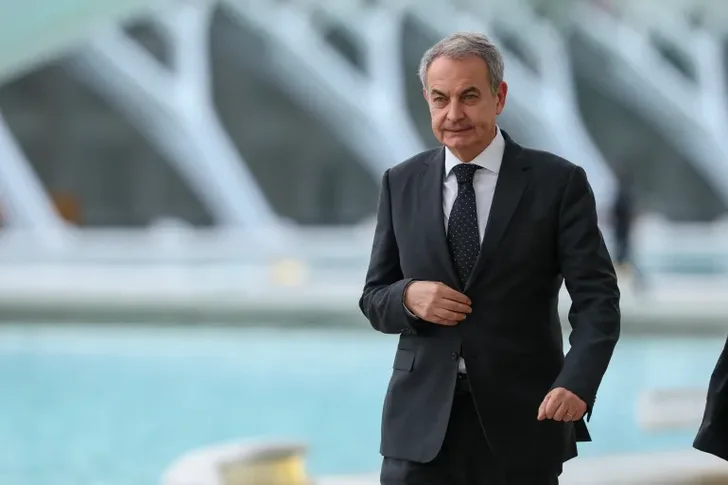
Former Spanish Prime Minister José Luis Rodríguez Zapatero...
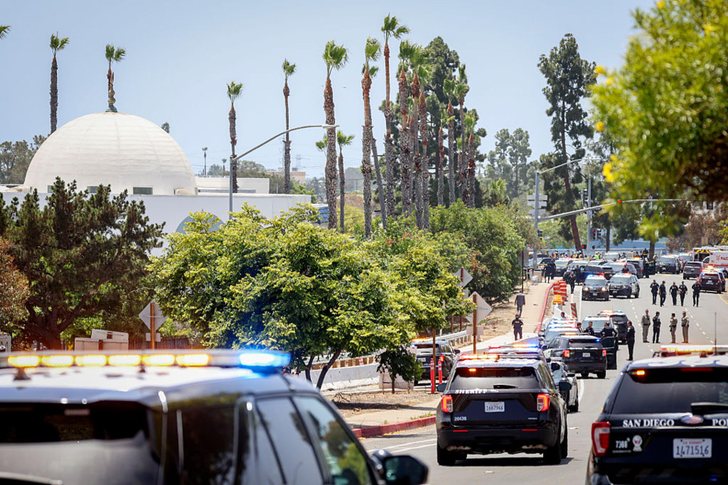
A shooting has rocked the city of San Diego, California, w...
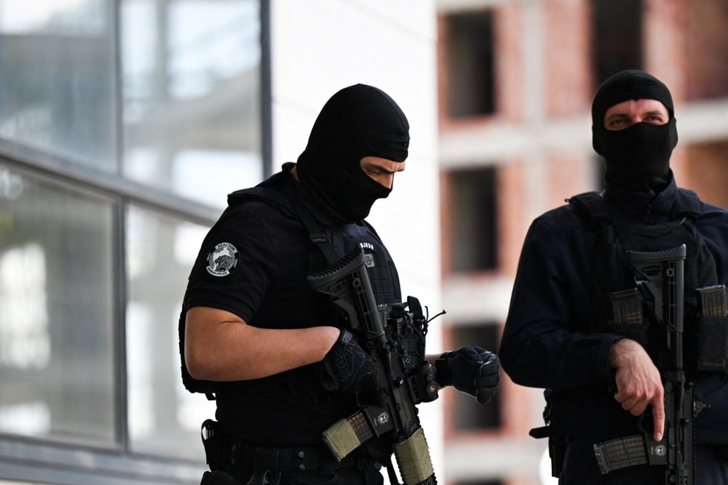
The acting Minister of Internal Affairs of Kosovo, Xhelal ...
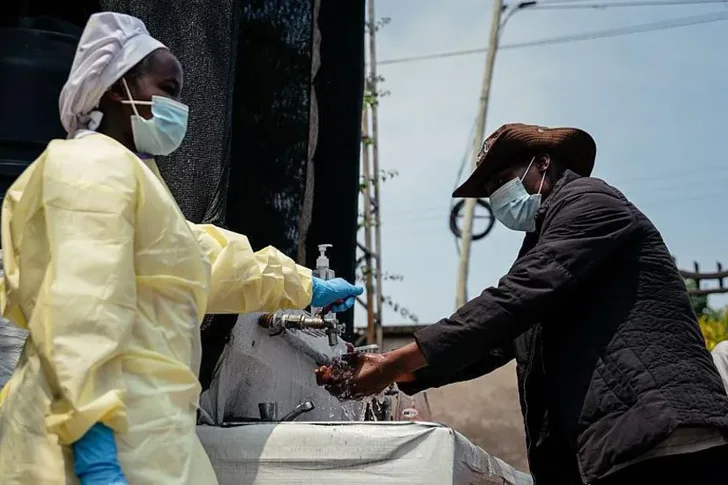
At least 118 deaths have been reported from an Ebola outbr...
US President Donald Trump has announced the postponement o...
Talks to end the war with Iran have stalled. According to ...
Elon Musk has lost his trial against OpenAI and its CEO, S...
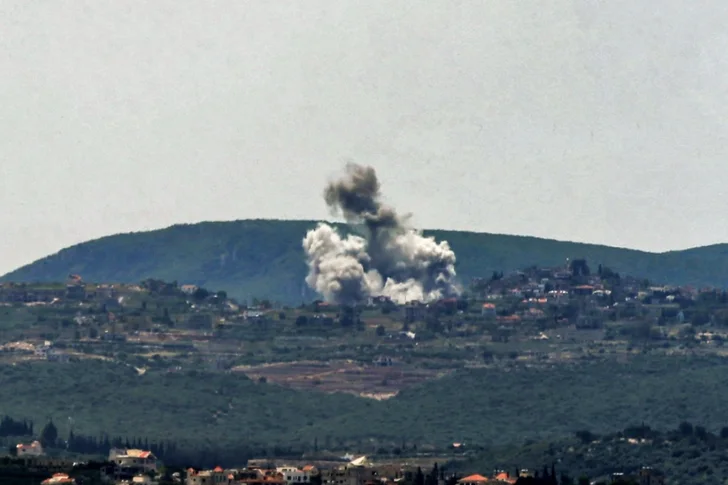
At least 3,020 people have been killed in Israeli attacks ...

A 17-year-old with the initials MO has committed a massacr...
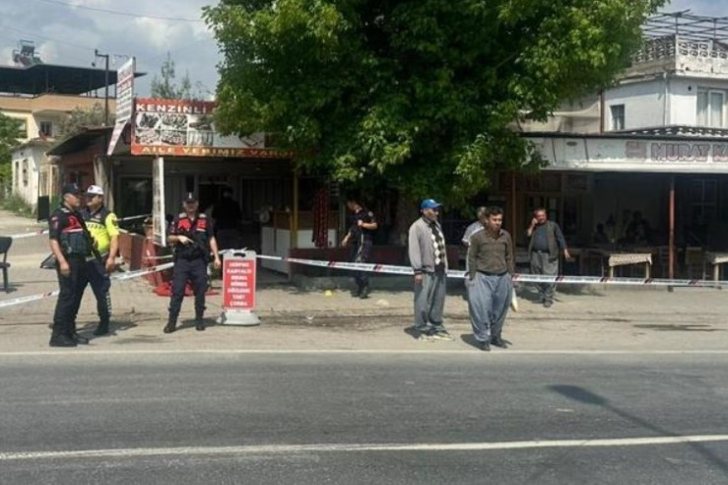
Turkey has been shaken again by a serious incident. A 17-y...
The European Union's law enforcement agency has targeted o...
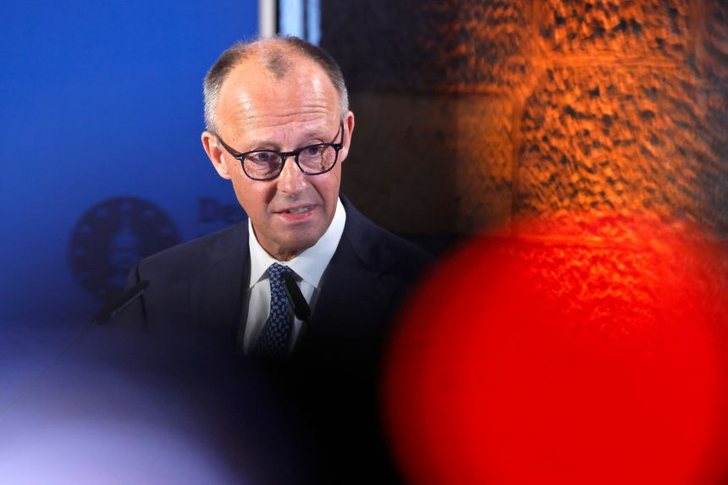
Chancellor Friedrich Merz has stated that Germany strongly...
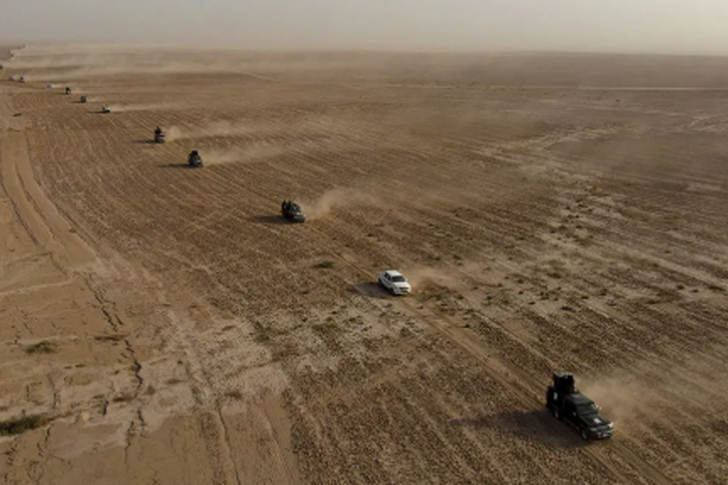
Iraqi officials are confirming the existence of a second, ...
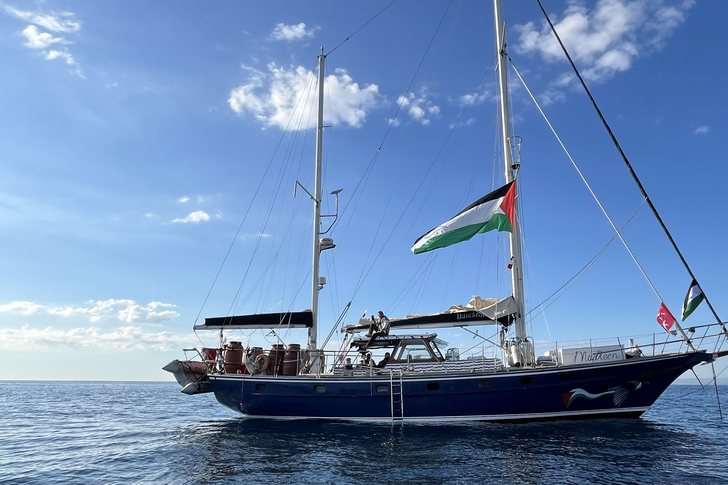
Pro-Palestinian activists say Israeli forces are stopping ...
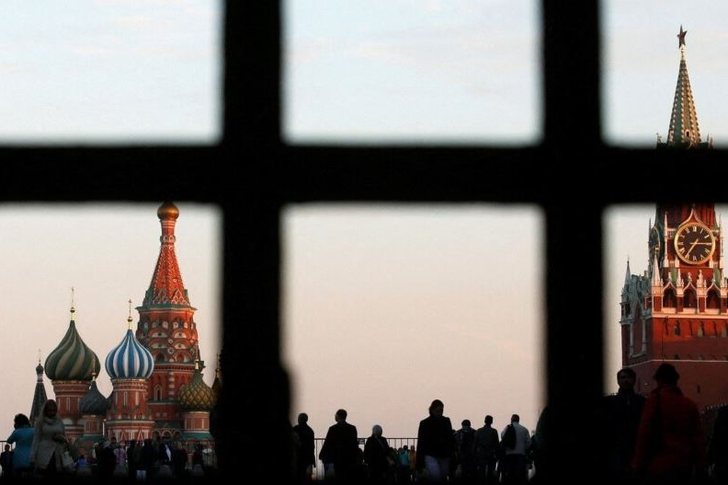
The Russia-Ukraine peace process has been suspended, but M...
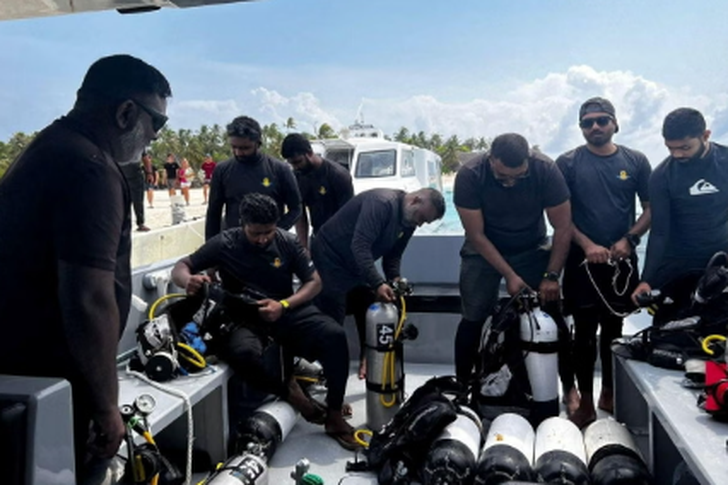
The Italian Foreign Ministry announced this Monday that re...
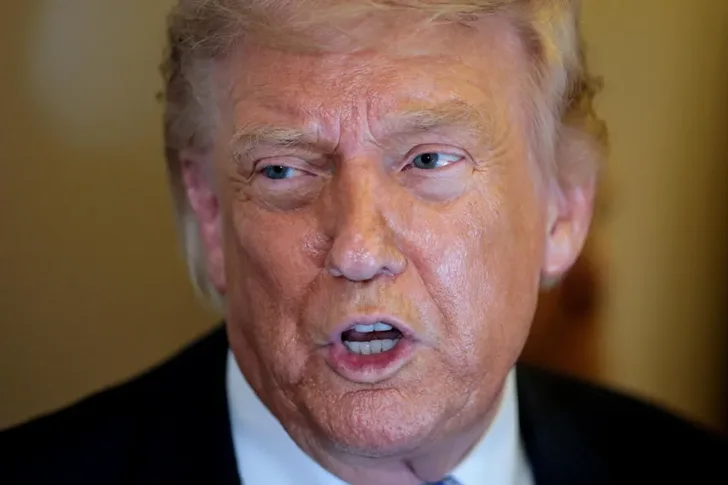
US President Donald Trump has warned Iran that "the clock ...
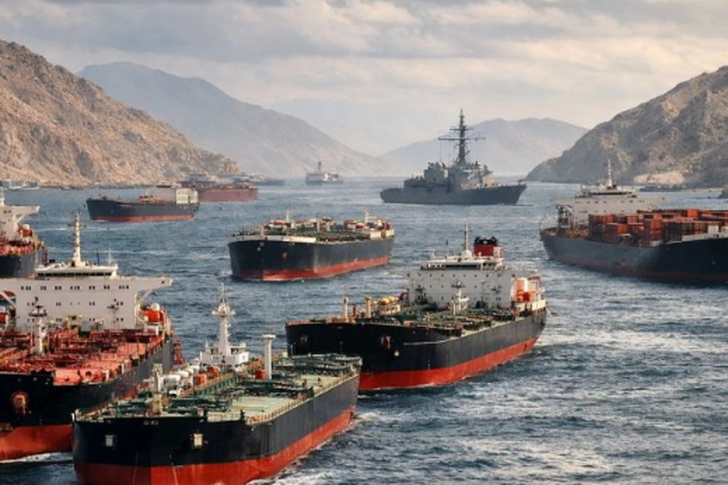
Iran's Supreme National Security Council has announced the...
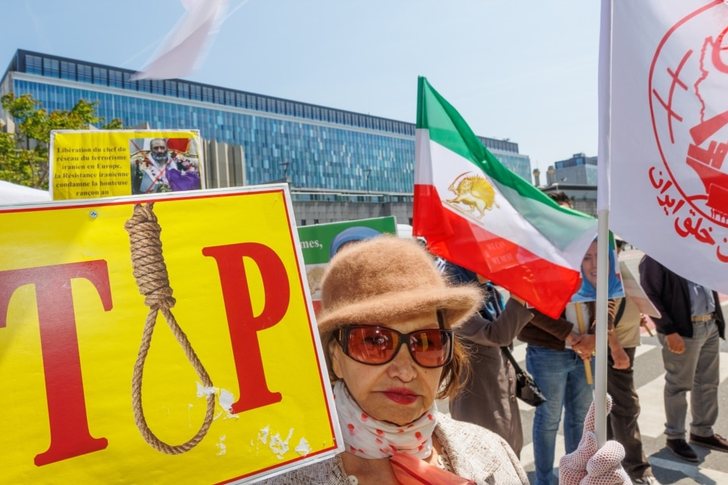
Iran executed a "shocking" 2,159 people in 2025, Amnesty I...
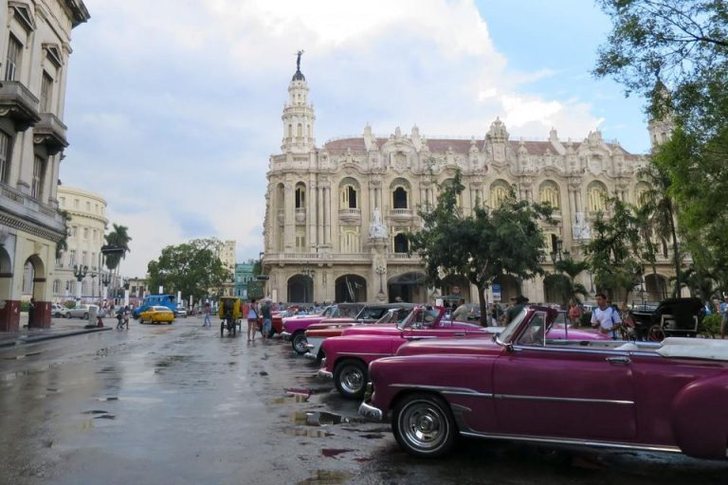
Cuban Foreign Minister Bruno Rodriguez accused the US gove...

The next case broadcast on the show "Stop", this Thursday,...
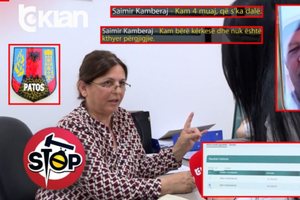
The case published this Thursday, June 4, on the show "Sto...

The protests of recent days related to the situation in Zv...

The case addressed this Wednesday, June 3, on the show "St...

The Special Board of Appeal (KPA) decided this Monday ...

The KPA vetting decided this Thursday to dismiss the p...

Suela Salavaçi, a prosecutor in the Prosecutor's Offic...

The Special Board of Appeal reinstated the prosecutor ...
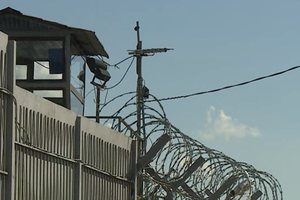
A convict was found dead today in the premises of the Pris...
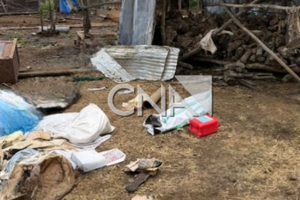
Several images provided by CNA show the area where this mo...

A quantity of explosive material exploded this morning at ...
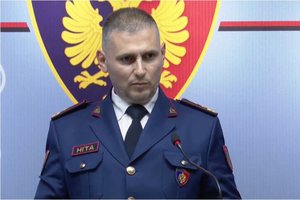
The Head of the State Police, Skënder Hita, expressed his ...

For many children and teenagers, the long summer holidays ...
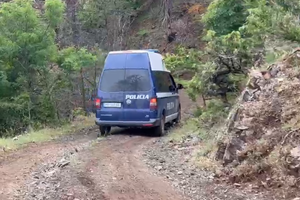
Witnesses in Lozhan, Maliqi, have shared details from the ...
Albania is facing an unprecedented demographic transition,...

On Thursday, our country will be affected by unstable weat...
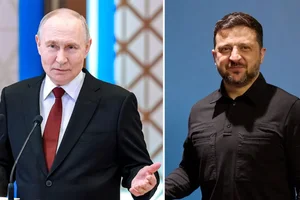
Russian President Vladimir Putin said the war in Ukraine c...

An extraordinary story of survival has been recorded in Ne...
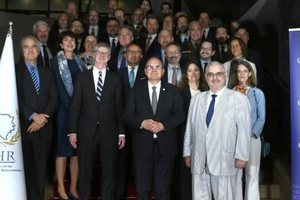
The Peace Implementation Council in Bosnia and Herzegovina...
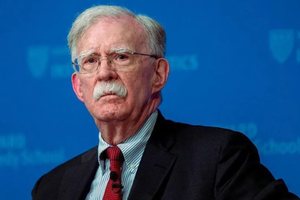
John Bolton, the former national security adviser to US Pr...
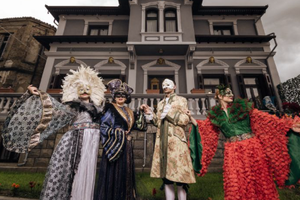
Korça is ready to open the summer season with one of the c...

Two years after his passing, the renowned Korçë poet Skënd...
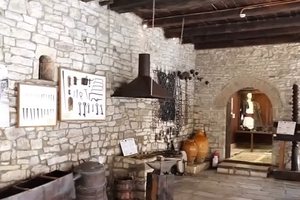
The Ethnographic Museum of Berat has opened its doors to v...
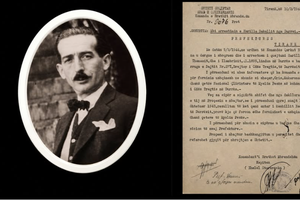
The story of Harilla Bakalli is one of the most chilling t...
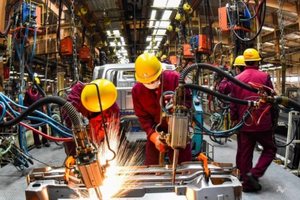
The government aims to transform the country's industrial ...
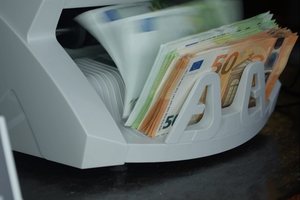
Kursi i këmbimit të euros me lekun ka rënë më tej këtë jav...

Profit margins in the construction sector have increased s...
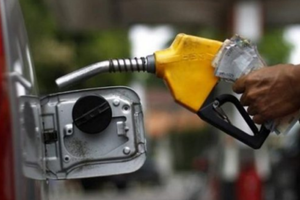
The Transparency Board, at its meeting today, decided to i...