


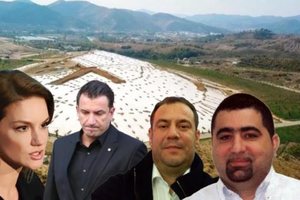
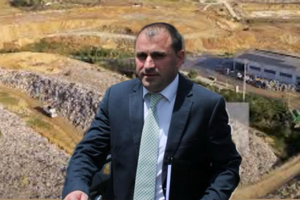
Wanted for favoring illegal construction. Former Saranda police chief surrenders
This evening, former police chief Irakli Koçiaj, who has b...

This evening, former police chief Irakli Koçiaj, who has b...

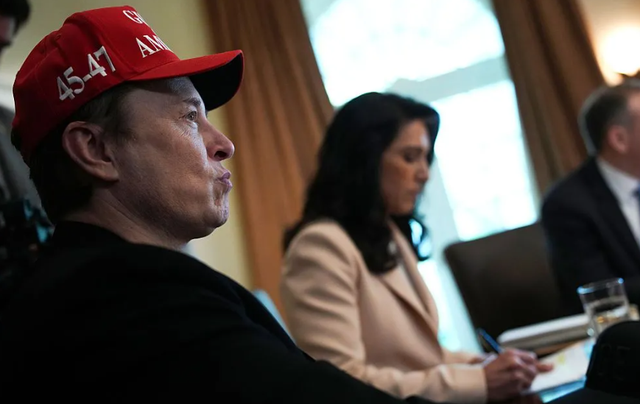
Elon Musk's time in the Trump administration is coming to an end after a tumultuous 129 days, during which the world's richest man slashed government spending, sparking numerous controversies along the way.
Earlier this week, the South African-born billionaire, on his social media platform, X, thanked President Trump for his time at the Department of Government Efficiency, or Doge.
Trump announced that he would hold a press conference in the Oval Office on Friday with Musk, writing: "This will be his last day, but not really, because he will always be with us, helping us all the time."
While Musk's time in government lasted a little over four months, his work with Doge subverted the federal government and had an impact not only in the corridors of power in Washington, but around the world.
Let's take a look at some of the ways Musk has left his mark.
Musk accepted a job in the Trump White House with a mission: to cut government spending as much as possible.
It started with an initial target of "at least $2 trillion," which was then moved to $1 trillion and ultimately to $150 billion.
To date, Doge claims to have saved $175 billion through a combination of asset sales, lease and grant cancellations, "fraud and improper payment write-offs," regulatory savings, and a reduction of 260,000 people from the federal workforce of 2.3 million.
However, a BBC analysis of these figures found that evidence is sometimes lacking.
This mission has occasionally caused chaos and controversy, including several cases in which federal judges halted mass layoffs and ordered employees to be reinstated.
In other cases, the administration has been forced to back down from dismissals.
In a notable case in February, the administration halted the firing of hundreds of federal employees working at the National Nuclear Security Administration, including some with sensitive jobs related to the US nuclear arsenal.
Musk himself repeatedly acknowledged that mass layoffs would inevitably involve mistakes.
"We will make mistakes," he said in February, after his department confused a region of Mozambique with Hamas-controlled Gaza while cutting off an aid program. "But we will act quickly to correct any mistakes."
Doge's efforts to access data also sparked controversy, particularly the department's push for access to sensitive Treasury Department systems that control the private information of millions of Americans.
Polls show that cuts to government spending remain popular with many Americans — even if Musk's personal popularity has waned. Blurred lines between business and politics
The presence of Musk - an unelected "special government employee" with companies that count the US government as clients - in the Trump White House has also raised suspicions, prompting questions about potential conflicts of interest.
His corporate empire includes large companies that do business with U.S. and foreign governments. SpaceX has $22 billion in U.S. government contracts, according to the company's CEO.
Some Democrats also accused Musk of using his position to grow business abroad for his satellite internet services firm, Starlink.
The White House was accused of helping Musk's businesses by displaying vehicles made by Tesla - his struggling car company - on the White House lawn in March.
Both Musk and Trump have rejected any suggestion that his work with the government is conflicting or ethically problematic.
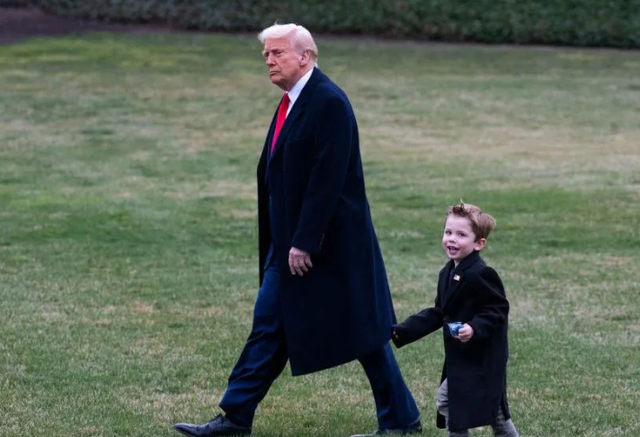
Around the world, Musk's work with Doge was felt more strongly as the vast majority — over 80% — of U.S. Agency for International Development (USAID) programs were eliminated after a six-week review by Doge. The rest were taken over by the State Department.
The cuts led by Musk and Doge were part of a broader effort by the Trump administration to bring overseas spending in line with its "America First" approach.
The cuts to the agency - tasked with work such as hunger detection, vaccinations and food aid in conflict zones - quickly had an impact on projects including communal kitchens in war-torn Sudan, scholarships for young Afghan women fleeing the Taliban and clinics for transgender people in India.
USAID was also a crucial instrument of US "soft power" around the world, leading some critics to point to its elimination as a sign of the fading of American influence on the global stage.
While Musk and Trump have been accused for years by critics of spreading unfounded conspiracy theories, Musk's presence in the White House clearly highlighted how misinformation has entered the discourse at the highest levels of the US government.
For example, Musk spread an unsubstantiated theory online that the U.S. gold reserves had been quietly stolen from Fort Knox in Kentucky. At one point, he floated the idea of ??live-streaming a visit there to make sure the gold was safe.
Recently, Musk spread widely discredited rumors that the white African population of South Africa is facing "genocide" in their country of origin.
These rumors spread to the Oval Office in early May, when a meeting aimed at easing tensions between the US and South Africa took a drastic turn after Trump presented South African President Cyril Ramaphosa with videos and articles that he said were evidence of crimes against Africans.
Musk's work in government also showed that, despite public promises of unity, there are tensions within the "Trump 2.0" administration.
While Trump publicly — and repeatedly — supported Musk and Doge's work, Musk's tenure was marked by reports of tensions between him and cabinet members, who felt Doge's staffing cuts were affecting their agencies.
"They have a lot of respect for Elon and the fact that he's doing this, and some of them disagree a little bit," Trump admitted at a cabinet meeting in February. "If they don't, I want them to talk."
At one point, he was asked if any cabinet members had expressed displeasure with Musk and returned to the room to ask them. No one spoke.
The announcement of Musk's departure also came on the same day that CBS - the BBC's US partner - published a segment of an interview in which Musk said he was "disappointed" by Trump's "big, beautiful" budget bill. The bill includes multi-trillion dollar tax cuts and a promise to increase defense spending.
Musk said the bill "undermines" Doge's work to cut spending, reflecting larger tensions within the Republican Party over the path forward./ CNA

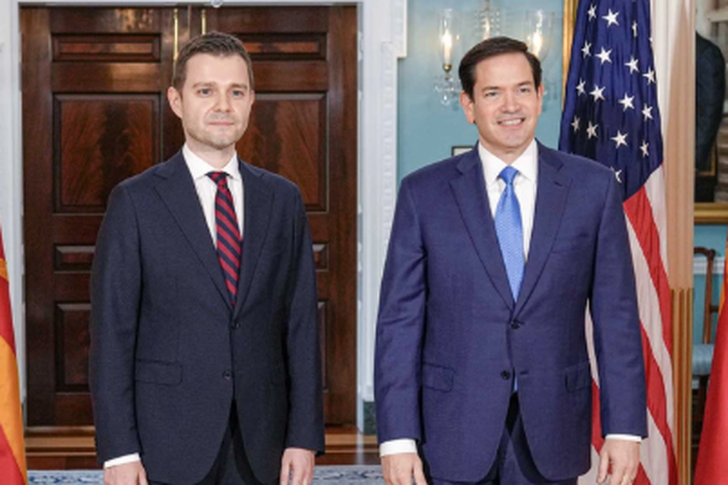
U.S. Secretary of State Marco Rubio met today with North M...
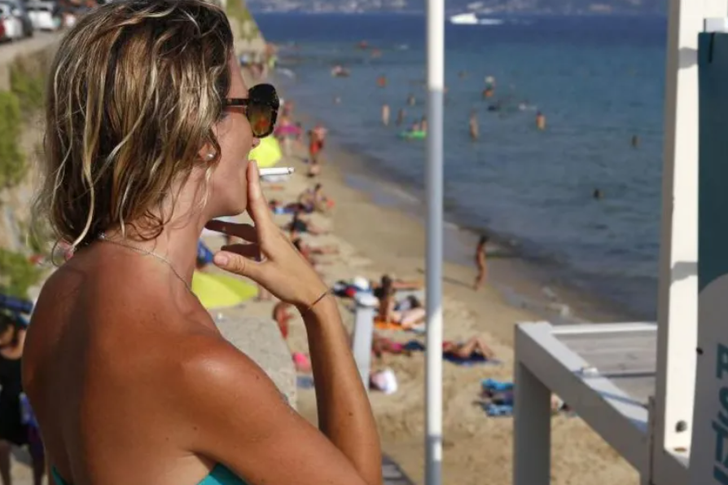
France will ban smoking in all open places that may be fre...
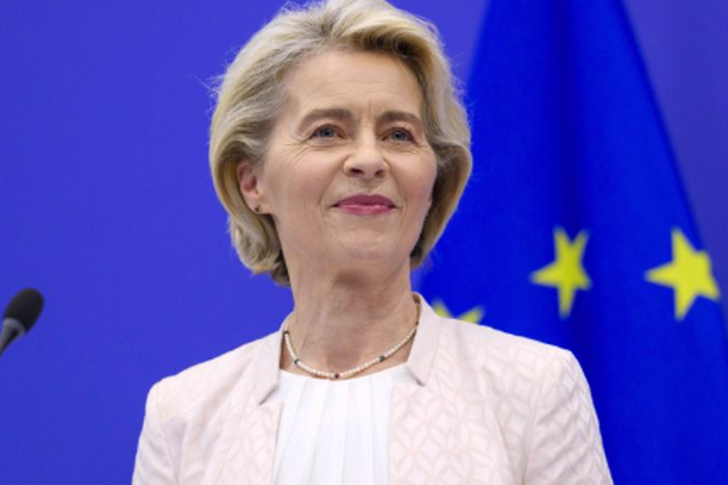
European Commission President Ursula Von Der Leyen shared ...
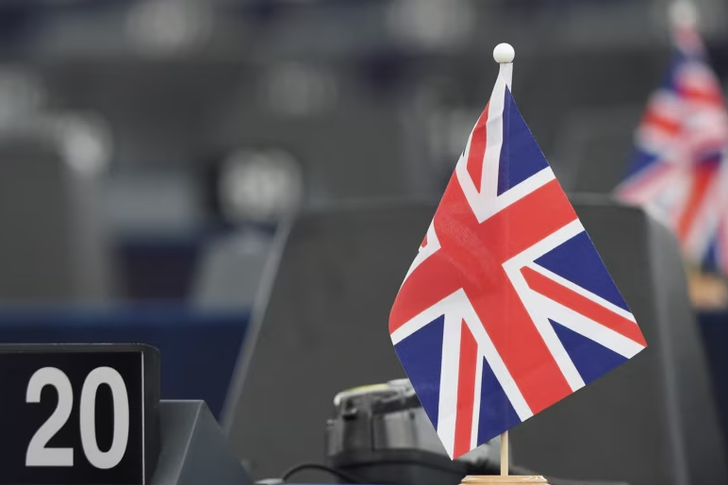
The United Kingdom's Ambassador to the Organization for Se...
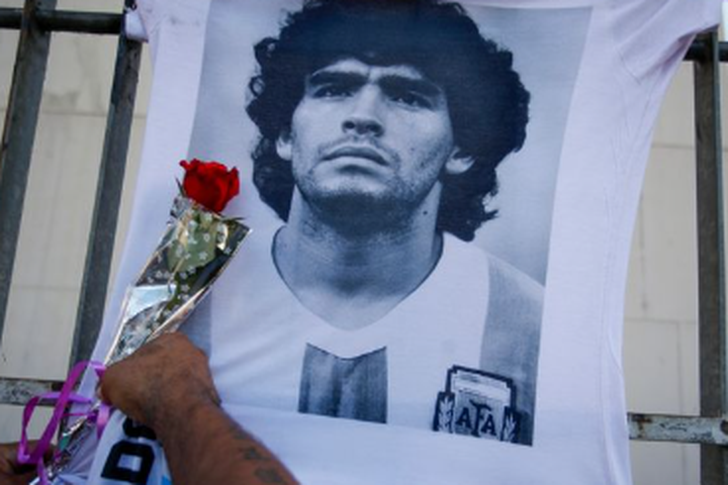
A court in Argentina has annulled the trial of seven healt...
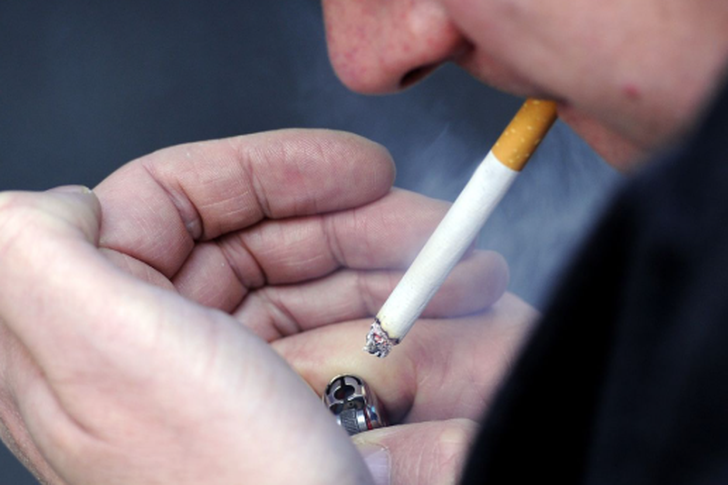
Spain is moving ahead with plans to expand smoking bans in...

Israeli media reports that Israeli Prime Minister Benjamin...
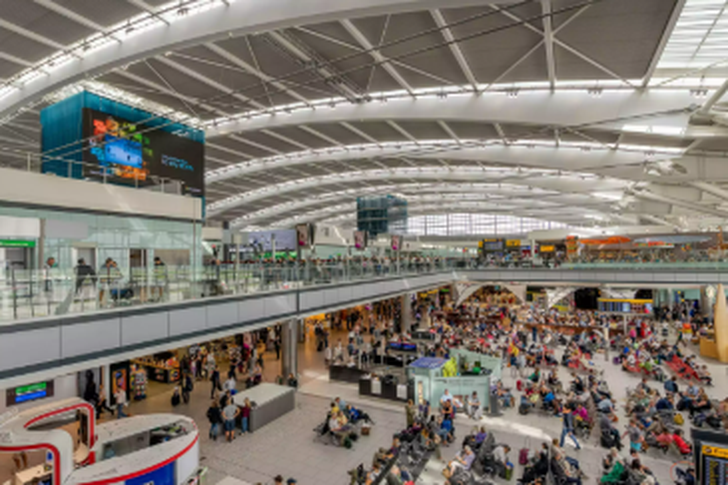
A terminal at London's Heathrow Airport has been evacuated...
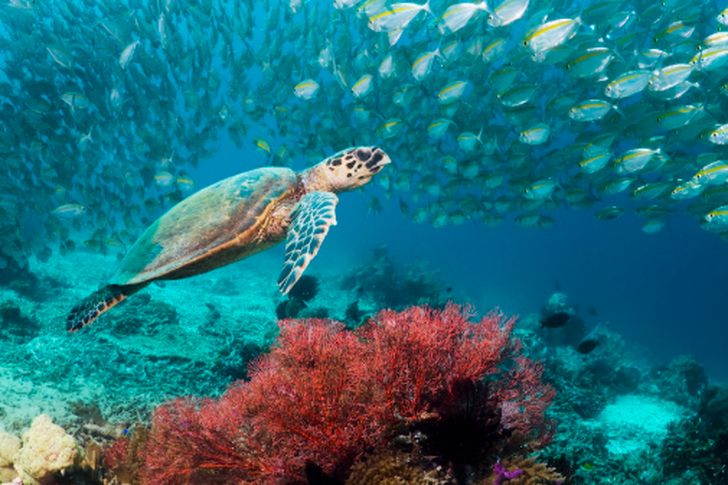
The European Union and six of its member states have forma...

Airline passengers flying to Turkey will be fined if they ...
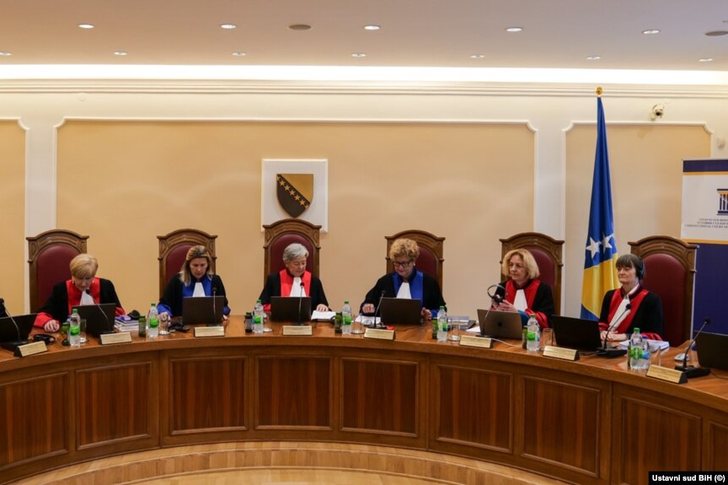
The Constitutional Court of Bosnia and Herzegovina on May ...

Kosovo President Vjosa Osmani visited today as part of the...
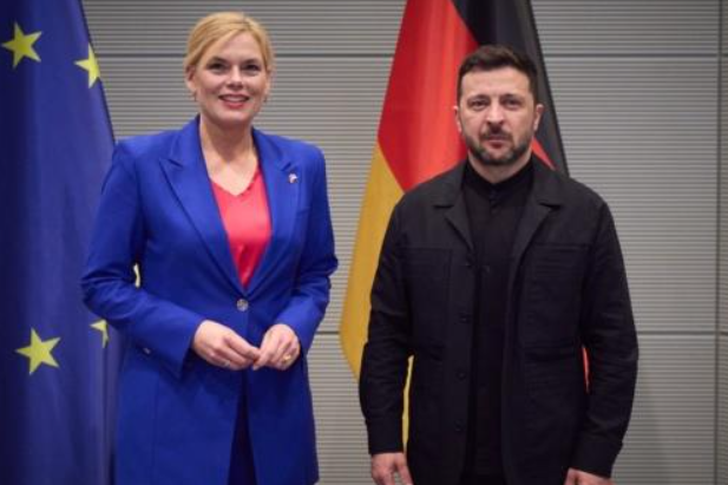
During his visit to Germany, Ukrainian President Volodymyr...
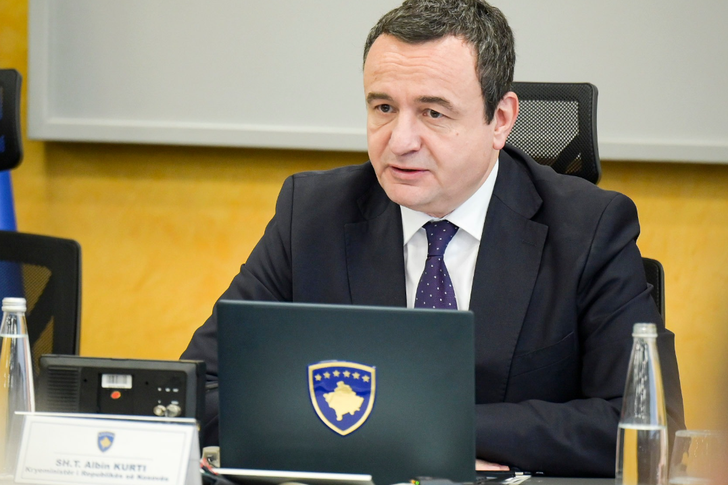
This Thursday in Pristina, the 260th meeting of the curren...
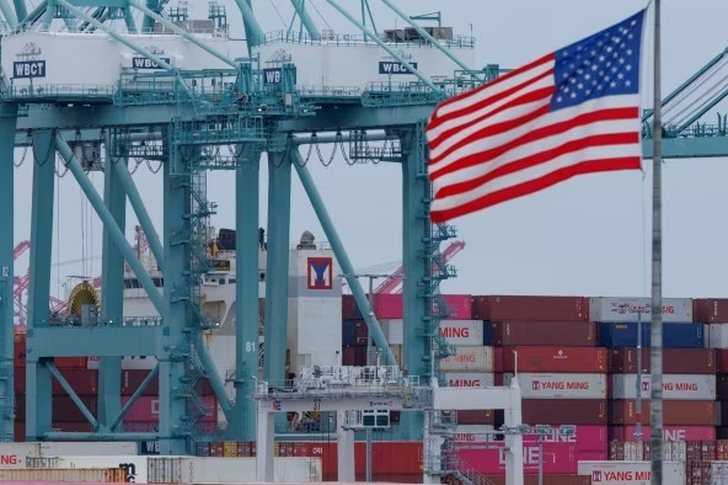
A landmark ruling by the Court of International Trade in t...
The 23rd attempt to constitute the ninth legislature of th...
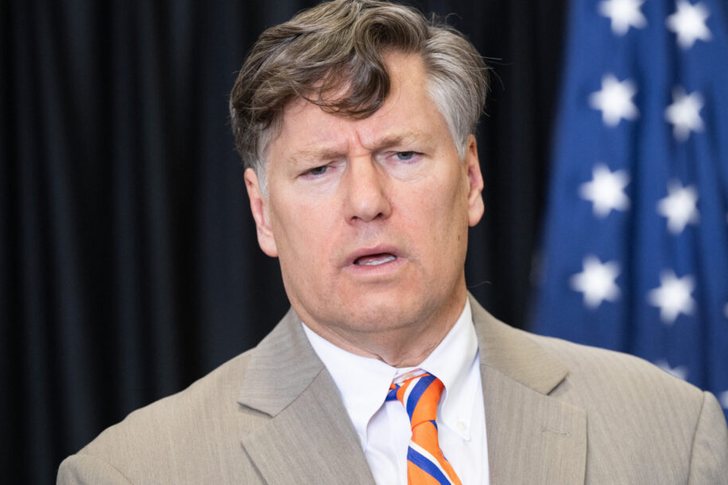
The US Embassy in Tirana has published the speech of Deput...
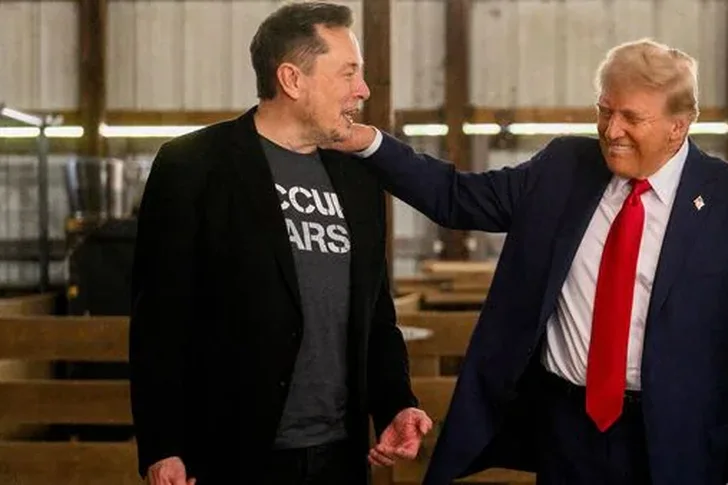
Elon Musk is leaving his government role as a senior advis...
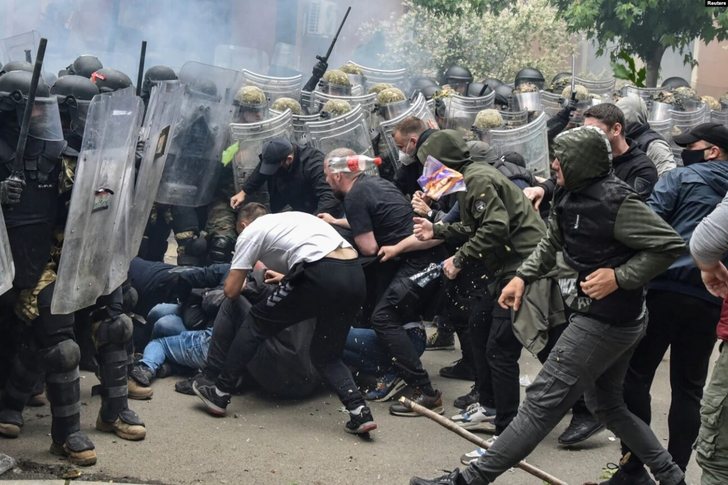
While Kosovo Police say that the current situation in the ...
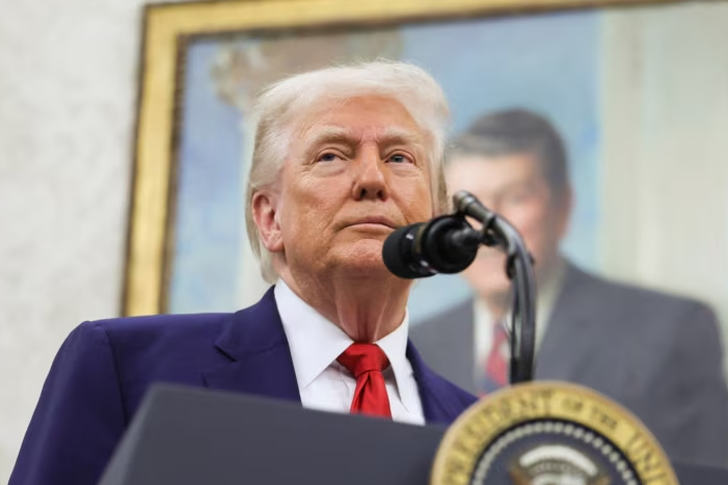
US President Donald Trump said he told Israeli Prime Minis...
Dritan Prençi is the SPAK prosecutor who is sleeping on th...
The in-depth investigations that SPAK conducted into Ajola...
SPAK's standards, the way it investigates, how it secures ...
Irfan Hysenbelliu claims to be a big businessman, an hones...

The Special Board of Appeal (KPA) decided this Monday ...

The KPA vetting decided this Thursday to dismiss the p...

Suela Salavaçi, a prosecutor in the Prosecutor's Offic...

The Special Board of Appeal reinstated the prosecutor ...

This evening, former police chief Irakli Koçiaj, who has b...
An accident occurred this evening on "Mother Teresa" Stree...
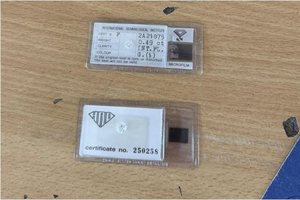
Durres Customs has announced that today, during checks car...

A road accident was recorded a few minutes ago on the Pogr...
Albania is facing a deep demographic crisis where official...
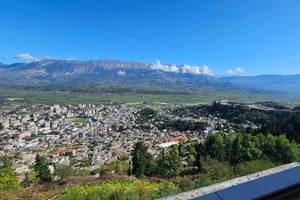
This Wednesday, our country will be affected by relatively...
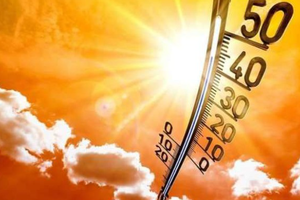
The UN's World Meteorological Organization now warns that ...

Intense rainfall has caused numerous problems in the Radom...
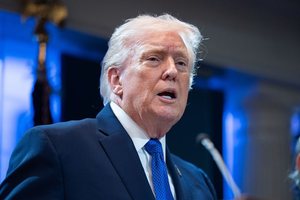
US President Donald Trump announced the "liberation" of 10...
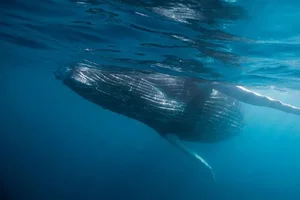
A giant whale graveyard measuring about 1,200 km (745 mile...
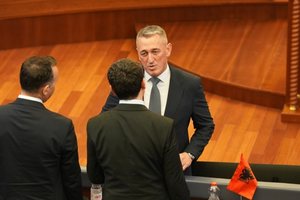
Although preliminary results from the Central Election Com...

The US military has disabled an oil tanker in the Gulf of ...

At the Museum of Fine Arts in Chambéry, France, an exhibit...

Korça has transformed this weekend into the capital of cel...

Korça is ready to open the summer season with one of the c...
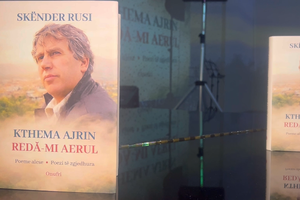
Two years after his passing, the renowned Korçë poet Skënd...
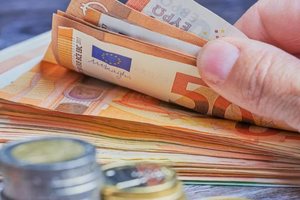
The first three months of this year have brought a record ...

The non-performing loan ratio returned to decline in April...
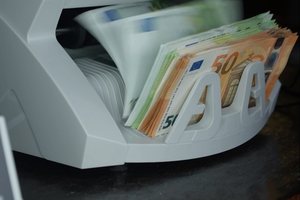
This Wednesday, one US dollar is bought for 81.6 lek and s...

The 2025 turnover reassessment for businesses in Tirana ha...