

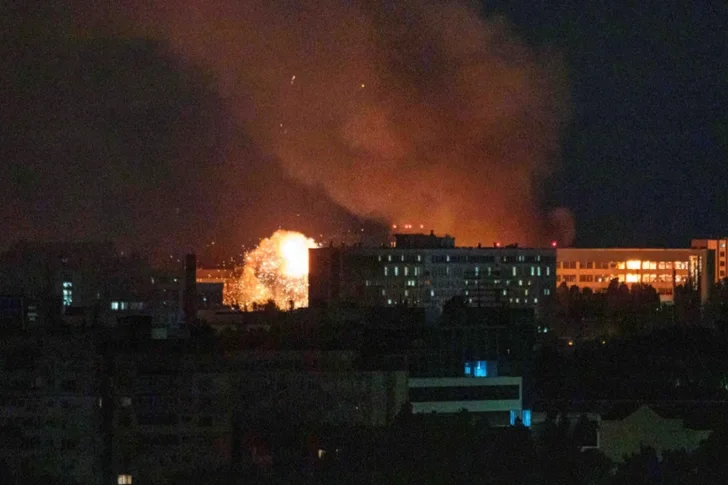
Russia attacks several regions of Ukraine with drones and missiles
Russian forces have launched a new round of missile and dr...


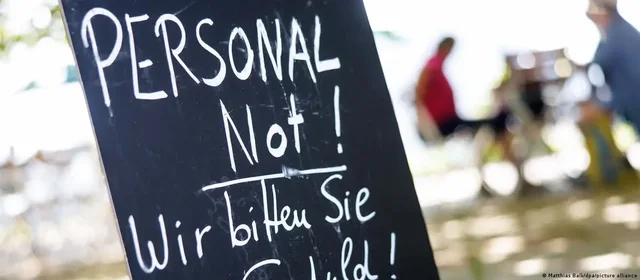
In a class in Chennai, India, about 20 nurses are learning German at breakneck speed. They have six months to learn the language so they can work in Germany.
Ramalakshi, one of them, says it wasn't easy for her family to pay thousands of euros for her to complete her nursing education. Now, she feels the need to repay those investments.
"My goal is to work abroad. I want to provide for my family financially and build a house for myself," she told DW.
The government of the southern Indian state of Tamil Nadu is funding the language course to reduce unemployment and give disadvantaged families a chance in the global job market. Private agencies then connect Indian nurses with potential employers.
Hundreds of thousands of qualified workers are needed
Germany is desperately looking for skilled workers as the so-called "baby boomer" generation retires in the coming years and fewer children are being born. Hospitals are short of nurses, schools are short of teachers and the IT sector is looking for programmers.
Economists at the Institute for Labor Market Research (IAB) in Nuremberg estimate that Germany needs to attract 300,000 qualified workers each year just to maintain the status quo.
Without them, Germans would have to work longer, retire later - or simply be poorer, IAB researcher Michael Oberfichter told DW.
Refugees - skilled workers
According to the latest figures from the Federal Office for Migration and Refugees, around 160,000 foreigners with residence permits are registered as skilled workers.
But the office is also responsible for processing the asylum claims of millions of refugees who have arrived in Germany in recent years due to wars and conflicts, such as those in Syria and Ukraine. Due to a lack of digitalization, the German bureaucracy is slow.
The sharp increase in the number of refugees and the government's failure to integrate them into the labor market led to growing dissatisfaction with migration policies and growing support for the far-right anti-immigrant party, Alternative for Germany (AfD).
The role of "guest workers"
After World War II, Germany experienced an economic boom that is still described today as an “economic miracle.” During the 1950s, 1960s, and early 1970s, the economy grew so rapidly that the young democracy needed workers from abroad.
Gjermania lidhi marrëveshje zyrtare punësimi me vende të tilla si Italia, Greqia, Turqia, Jugosllavia dhe të tjera për të siguruar një fluks të qëndrueshëm punëtorësh.
Deri në vitin 1973, kur kjo politikë u hoq gradualisht, 14 milionë njerëz kishin ardhur për të punuar në Gjermani. Ata u quajtën "gastarbeiter" (punëtorë mysafirë) sepse qeveria supozonte se ata do të ktheheshin në shtëpi pas disa vitesh. Megjithatë, shumë qëndruan për të jetuar në Gjermani.
Pengesa burokratike
Pavarësisht nevojës për punëtorë, migrantët përballen sot me pengesa të shumta në tregun e punës. Pas diplomimit në universitet në Gjermani, Zara nga Irani nuk u lejua të punonte në fillim.
"Kaloi pothuajse një vit derisa mora një takim për të ndryshuar vizën time studentore në një vizë pune", tha ajo për DW.
Zara flet rrjedhshëm gjermanisht, jep mësim në universitete dhe bën kërkime studimore. Megjithatë, pas më shumë se gjashtë vitesh në vend, ajo ende nuk ka marrë një leje pune të përhershme dhe duhet të raportojë tek autoritetet sa herë që ndërron punë.
"Ndonjëherë e pyes veten: a dua të jetoj këtu?" thotë ajo, duke pyetur veten nëse duhej të kishte shkuar në Kanada si disa miq të saj që ndërkohë kanë marrë shtetësinë kanadeze që atëherë. "Ende duhet të kaloj nëpër të gjitha këto pas gjashtë vitesh e gjysmë."
Avokati i migracionit me bazë në Këln, Björn Maibaum, thotë se Zara nuk është një rast i izoluar. "Për fat të keq, është e njëjta gjë në të gjithë Gjermaninë", tha ai për DW.
Zyra e tij trajton rreth 2,000 raste të tilla në vit, duke u përpjekur të përshpejtojë procedurat. Klientët përfshijnë "mjekë, infermierë, inxhinierë, shoferë kamionësh".
Problemi kryesor, thotë ai, është se autoritetet e imigracionit kanë mungesë stafi, kështu që aplikantët presin "për muaj ose edhe një vit".
"Është thjesht frustruese. Dhe ky nuk është mesazhi që duam t'i dërgojmë botës. Ne po konkurrojmë për punëtorë."
Qëndrimet ndaj të huajve si problem
Kayalvli Rajavil viziton pacientët në klinikën BDH në Valendar. Spitali specializohet në rehabilitimin neurobiologjik, duke i ndihmuar pacientët të shërohen.
Rajavil ka qenë në Gjermani vetëm disa muaj. "Gjuha gjermane ishte veçanërisht e vështirë për mua në fillim. Por shefi dhe kolegët e mi kanë qenë shumë të dobishëm për mua dhe të tjerët, ata na respektojnë", tha ajo për DW.
Ajo është një nga rreth 40 infermieret nga India dhe Sri Lanka që janë punësuar vitet e fundit - kryesisht përmes agjencive që i faturojnë klinikës midis 7,000 dhe 12,000 euro për vendosje të suksesshme.
Jörg Bibrak, kreu i stafit të infermierisë, thotë se për shtetasit e Indisë që duan të punojnë këtu, problemi është qëndrimi ndaj të huajve në Gjermani, veçanërisht incidentet raciste.
"We are increasingly being asked about political developments, including different parties," he told DW, adding that it is increasingly difficult to make new employees from abroad feel welcome.
Homesickness, family problems, and adjusting to a new culture are additional challenges that often prevent foreign workers from staying beyond the typical two-year contract.
How do we speed up the process?
To remain competitive in the global race for nurses from India, the BDH clinic is now offering a vocational training program for young Indians who have just graduated from high school.
This would speed up recruitment - which usually takes up to nine months - and avoid the complicated recognition of foreign qualifications, further complicated by different rules in Germany's 16 federal states.
Bibrak believes that migration services should be "faster" and laws more appropriate to make Germany "more attractive" for young talent.
"Everyone says we need skilled workers. But we are still far from a welcoming culture where everything runs smoothly." /DW

Russian forces have launched a new round of missile and dr...

Former US President Bill Clinton and his wife Hillary Clin...

Heavy snowfall has killed 30 people in Japan over the past...
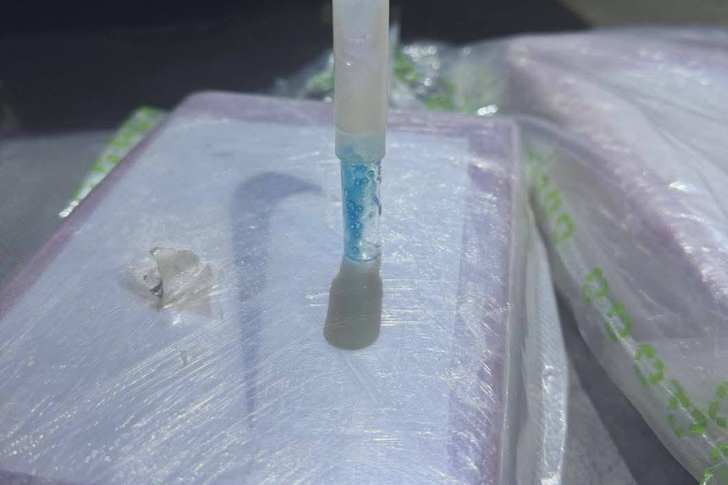
Two kilograms of narcotics were seized today at the Merdar...
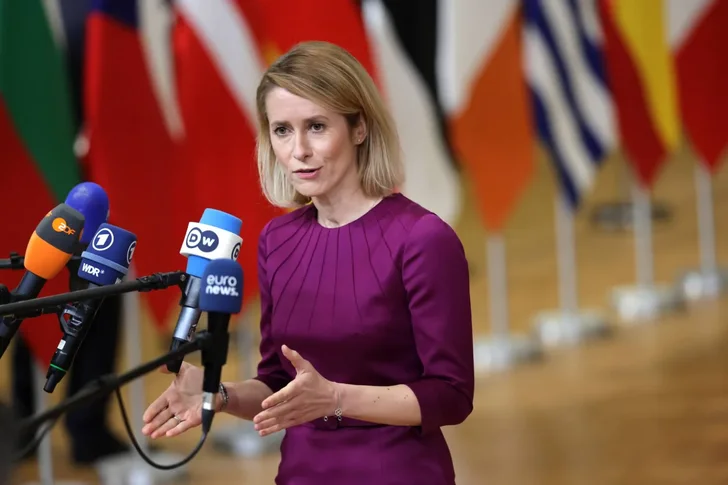
The European Union's foreign policy chief, Kaja Kallas, ha...
German Chancellor Friedrich Merz has said that Europe must...

Poland's Justice Minister Waldemar Zurek has been fined fo...

UK Prime Minister Keir Starmer has ordered an urgent inves...
Presidentja e Komisionit Evropian, Ursula von der Leyen ka...

Tre persona kanë humbur jetën në Rusi pas rrëzimit të një ...

The Central Election Commission's decision not to approve ...
A leader in Malisheva was interviewed on February 2 and de...

Former Chinese Justice Minister Tang Yijun has been senten...

The son of Norway's crown princess, Marius Borg Høiby, has...

Former President of Kosovo, Atifete Jahjaga, has reacted t...
During the retrial, the Basic Court in Pristina found Muha...
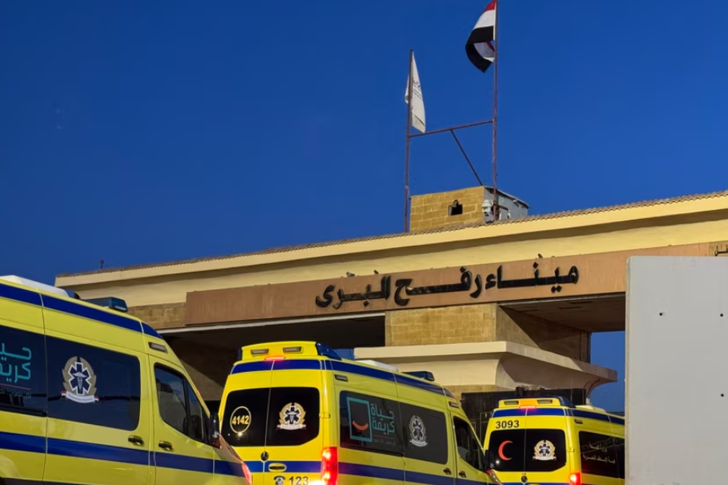
The key border crossing at Rafah in Gaza reopened to Pales...

The European Union has imposed a permanent and legally bin...
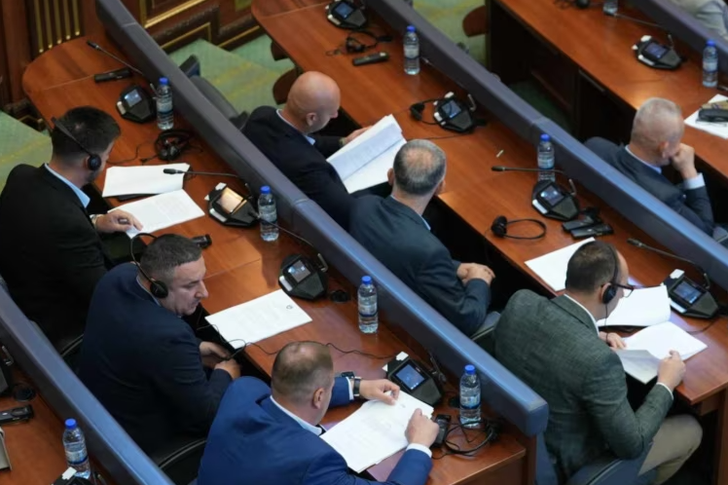
Two days after the announcement of the final results of th...

In India, around 50,000 people die from snakebites every y...

There have been 12 days of protests in the capital, which ...

Dritan Prençi is the SPAK prosecutor who is sleeping on th...

The in-depth investigations that SPAK conducted into Ajola...
SPAK's standards, the way it investigates, how it secures ...

The Special Board of Appeal (KPA) decided this Monday ...

The KPA vetting decided this Thursday to dismiss the p...

Suela Salavaçi, a prosecutor in the Prosecutor's Offic...

The Special Board of Appeal reinstated the prosecutor ...

A robbery attempt has been prevented by police in the Shko...

Korça Police have identified and declared citizen Gj.Ç wan...

In Korça, a 4-year-old child accidentally falls from the s...

A 33-year-old Albanian citizen was arrested in Italy after...

Today our country will be affected by unstable weather con...

On Thursday, our country will be affected by relatively un...

Albania is facing a deep demographic crisis where official...

This Wednesday, our country will be affected by relatively...

This June 12th marks the 27th anniversary of the liberatio...

The global economy is expected to face its biggest slowdow...
German Chancellor Friedrich Merz (CDU) defended his govern...

US President Donald Trump has made a post on Truth Social ...

At the Museum of Fine Arts in Chambéry, France, an exhibit...

Korça has transformed this weekend into the capital of cel...

Korça is ready to open the summer season with one of the c...

Two years after his passing, the renowned Korçë poet Skënd...
The Governor of the Bank of Albania, Gent Sejko, shared to...

Business lending has increased in the first half of this y...

The labor market has shown worrying trends in early 2026. ...

The number of new retirees in the social security scheme i...