


Businessman Artur Shehu breaks his silence: I am a long-time land owner in Zvërnec, I don't know the investors at all
Albanian businessman Artur Shehu spoke on the Opinion show...

Albanian businessman Artur Shehu spoke on the Opinion show...

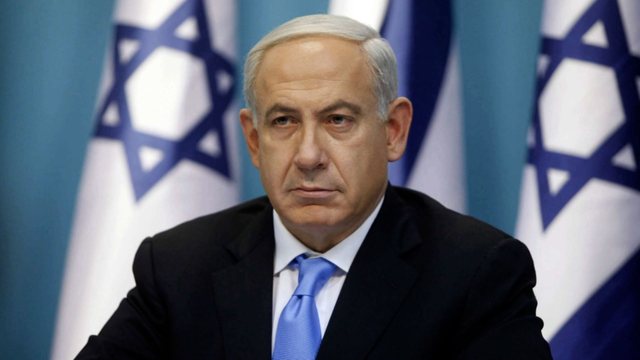
Israeli Prime Minister Benjamin Netanyahu secretly visited the United Arab Emirates and met with its president during the war with Iran, his office confirmed.
The meeting with the President of the United Arab Emirates, Sheikh Mohammed bin Zayed, resulted in a "historic breakthrough" in relations between Israel and the United Arab Emirates, according to a statement issued by Netanyahu's office.
On Tuesday, the US ambassador to Israel, Mike Huckabee, said that Israeli "Iron Dome" air defense batteries had been sent to the United Arab Emirates during the war.
Iran struck several targets in the United Arab Emirates during the conflict, and Tehran has repeatedly criticized the country for what it sees as closer ties between the US and Israel.
On Wednesday, UAE presidential advisor Anwar Gargash said the UAE remains committed to political solutions and diplomacy, but said his country had the right to defend itself.
Reuters quoted a source as saying that the meeting between Netanyahu and the UAE president took place in Al-Ain, an oasis city near the border with Oman, and lasted several hours.
Iron Dome is an advanced Israeli air defense system used to intercept and destroy a wide range of aerial missiles, rockets, and drones.
Huckabee said the deployment of Iron Dome was the result of an “extraordinary relationship between the UAE and Israel” based on the Abraham Accords - a series of agreements that established normalized relations between Israel and several Arab countries during President Trump's first term.
The Israeli-US war with Iran appears to have deepened these relations - and developed the alliance militarily as well.
During the war, Iran launched a series of missiles and drones towards the United Arab Emirates. On May 10, the UAE Ministry of Defense said that its air defense systems had shot down two drones launched from Iran and that the country had fired a total of 551 ballistic missiles, 29 cruise missiles and 2,265 since the outbreak of the war in late February, when the US and Israel attacked Iran.
On Monday, the Wall Street Journal reported that the UAE had also carried out attacks on Iran that it had not yet publicly acknowledged, including an attack on a refinery on Iran's Lavan Island in early April.
In his post, Gargash said the UAE had not sought war and had worked to avoid it, saying that "Arab-Iranian relations in the Persian Gulf cannot be built on confrontations and conflicts."
A ceasefire has been in effect between the US and Iran for about a month.
However, Iran has continued to block the Strait of Hormuz in response to US-Israeli attacks, causing a surge in global oil prices. Normally, about 20% of the world's oil and liquefied natural gas passes through the strait. The US, for its part, has implemented a blockade of Iranian ports to pressure Tehran to agree to its terms.
On Sunday, Iran laid out its demands to end the war and reopen the Strait of Hormuz in a counteroffer sent to the U.S. Trump rejected the proposal, calling it "totally unacceptable" and a "piece of garbage" and later said the ceasefire was "under massive strain."
The speaker of the Iranian parliament, Mohammad Ghalibaf, responded on the X show that Iran's armed forces were "ready to respond and teach a lesson to any aggression."/ CNA, translated by BBC

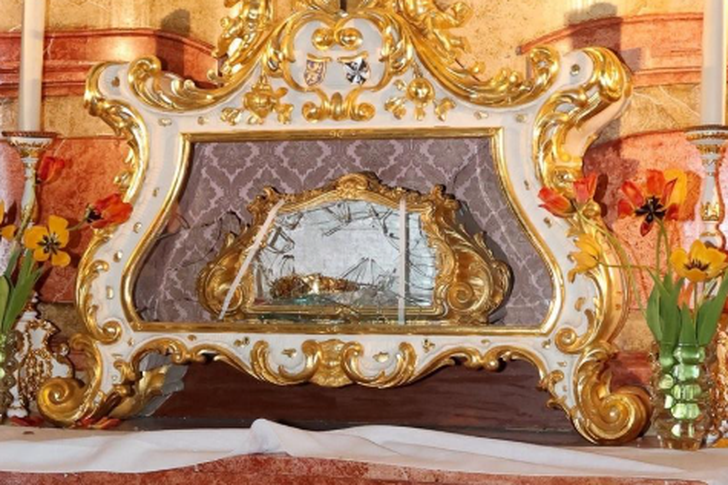
Police in the Czech Republic are searching for a citizen w...
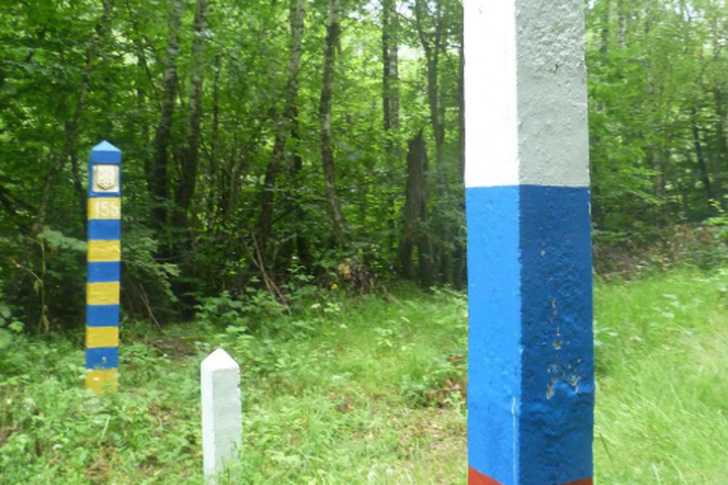
Slovakia has announced the closure of all checkpoints on i...
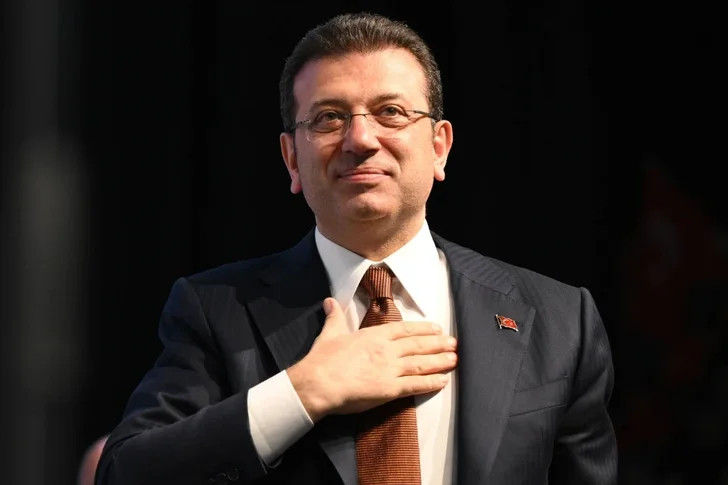
The Istanbul 25th Criminal Court has decided to extend the...
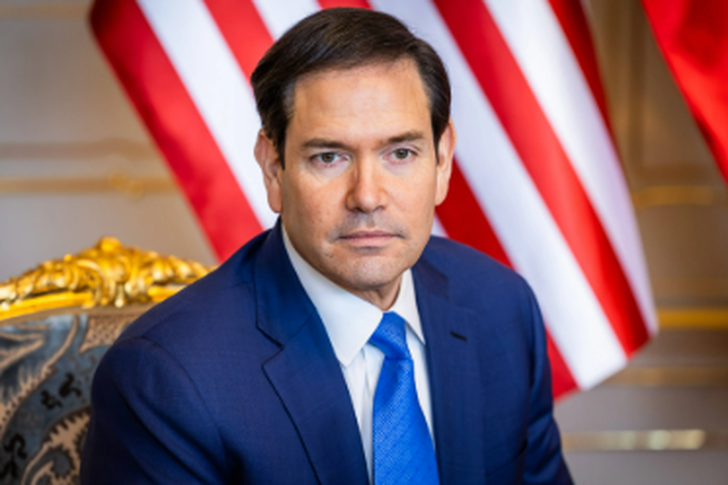
US Secretary of State Marco Rubio is visiting China this m...

French prosecutors on Wednesday sought a seven-year prison...
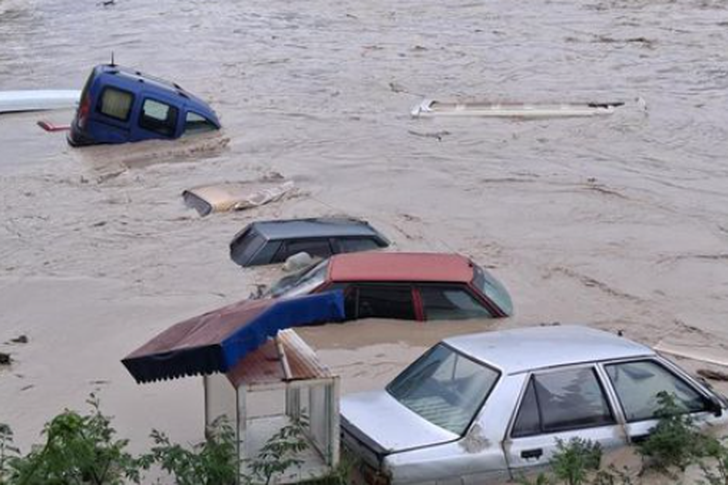
Torrential rains that have swept through the Havza area of...
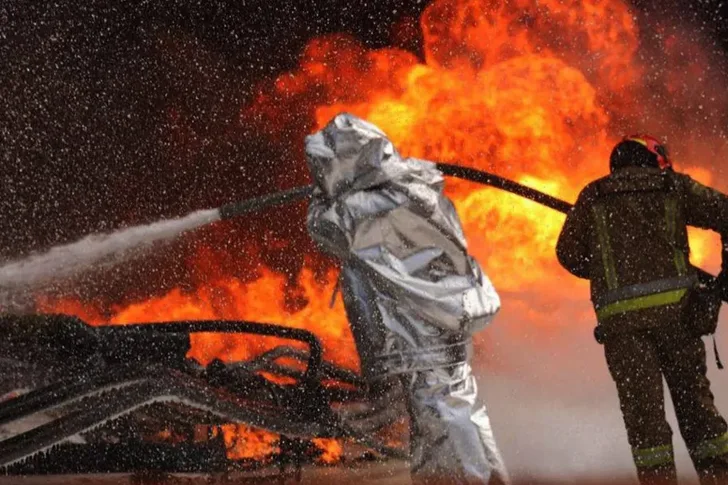
Thirteen people have been killed and at least 41 others in...
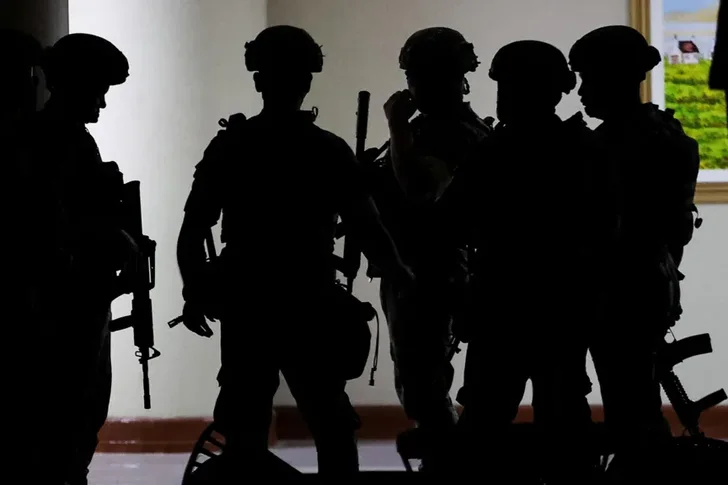
The Philippine Senate was locked down with military person...
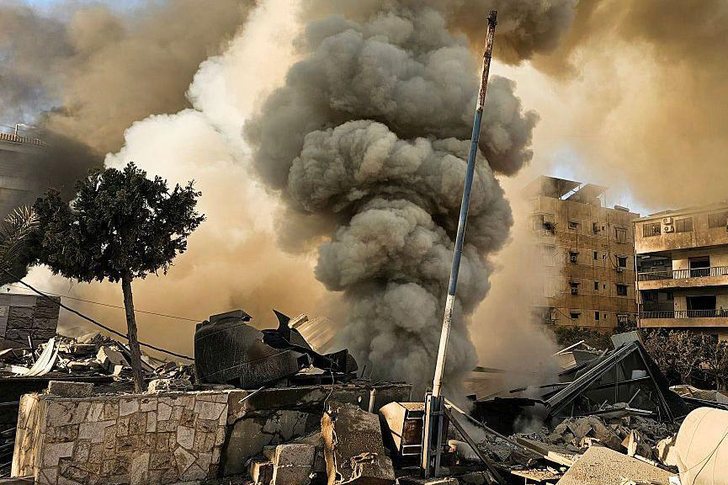
The Washington-based ISI expert group assessed that Iran i...

The Supreme Court has annulled as illegal an administrativ...
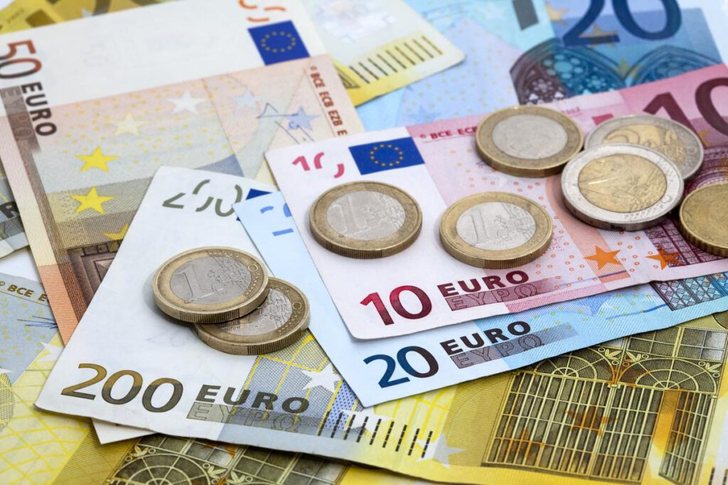
Three EU members with available first-quarter data stand o...
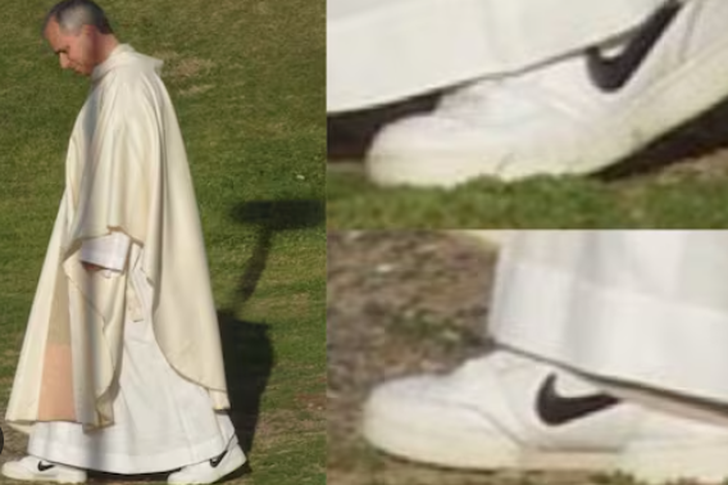
Pope Leo XIV has caused a stir on social media after a doc...
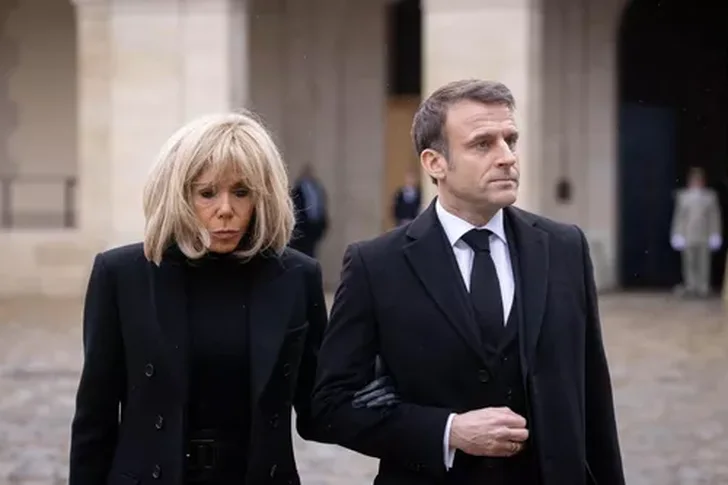
Florian Tardif, journalist at Paris Match and author of th...
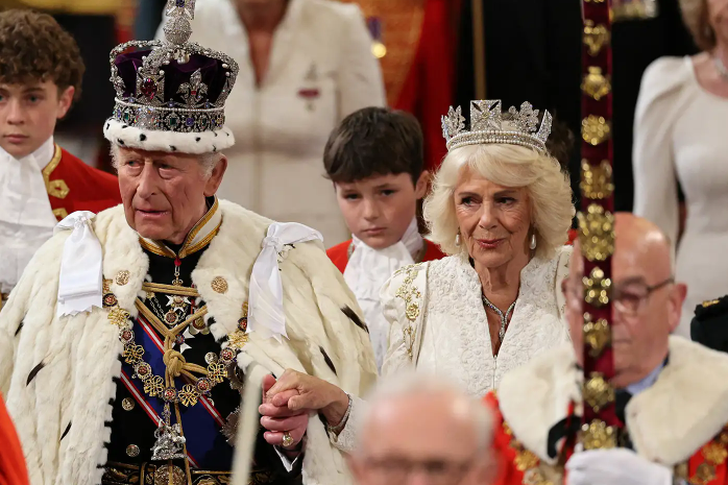
The British royal couple, King Charles and Queen Camilla, ...
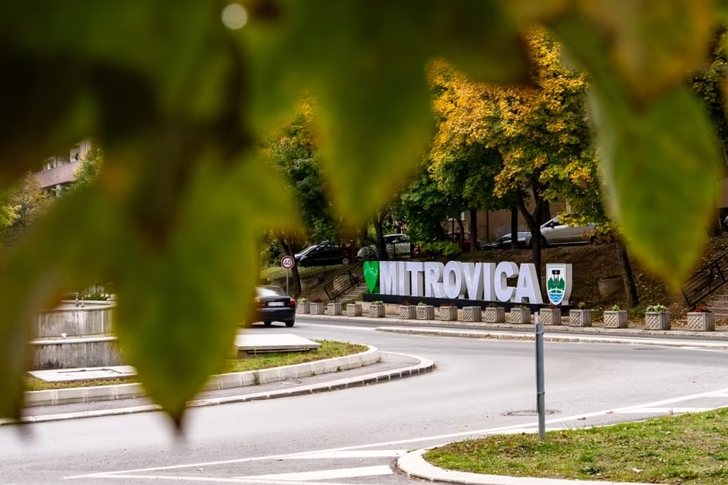
As the political scene in Kosovo is reorganizing again ahe...
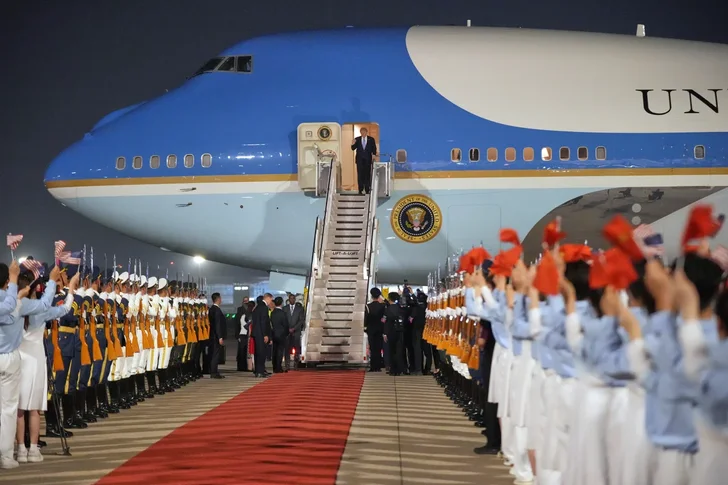
Presidenti i Shteteve të Bashkuara të Amerikës, Donald Tru...
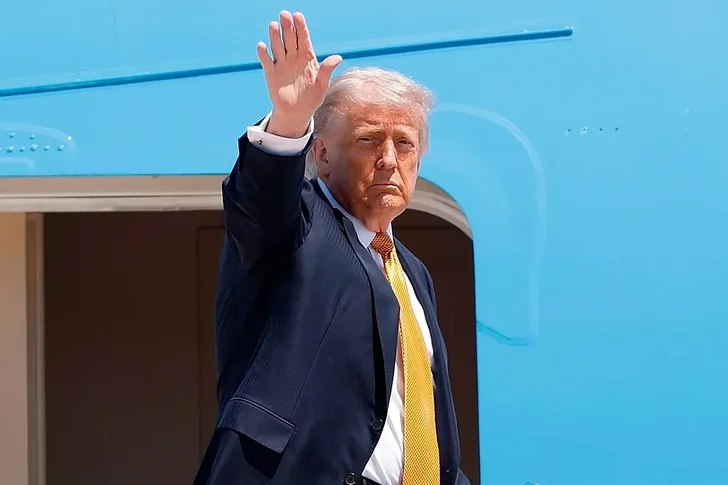
US President Donald Trump, as he prepared to depart for hi...
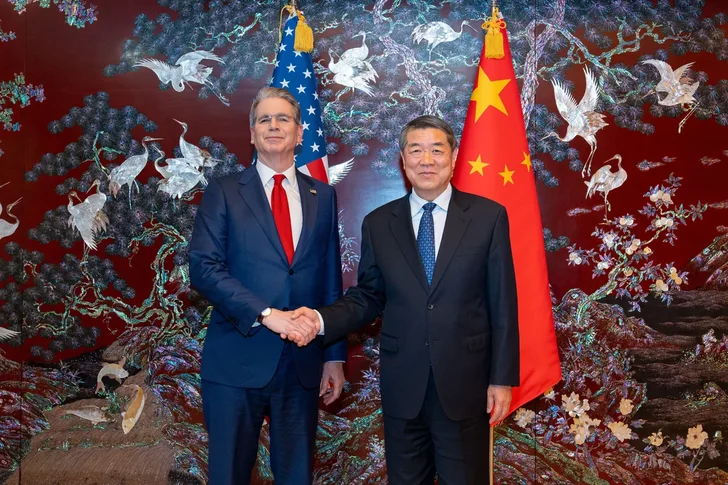
Top trade delegations from the US and China have held talk...
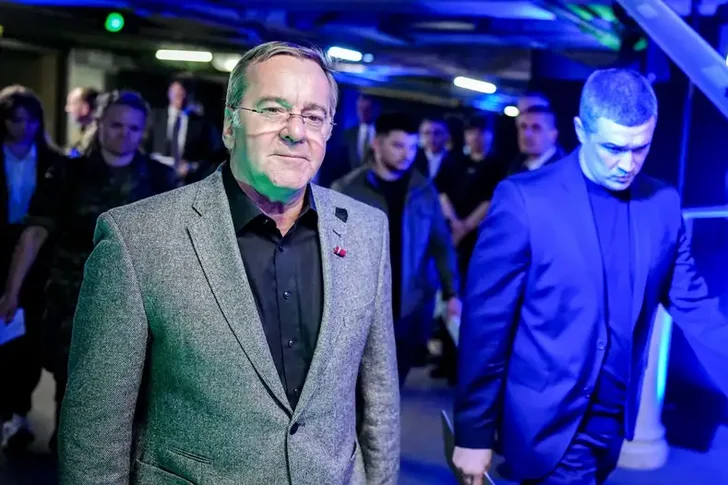
German Defense Minister Boris Pistorius significantly expa...

The President of the United States of America, Donald Trum...

The next case broadcast on the show "Stop", this Thursday,...
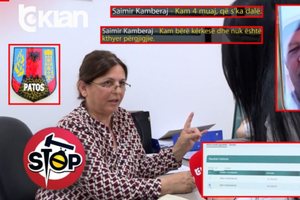
The case published this Thursday, June 4, on the show "Sto...

The protests of recent days related to the situation in Zv...

The case addressed this Wednesday, June 3, on the show "St...

The Special Board of Appeal (KPA) decided this Monday ...

The KPA vetting decided this Thursday to dismiss the p...

Suela Salavaçi, a prosecutor in the Prosecutor's Offic...

The Special Board of Appeal reinstated the prosecutor ...
A convict was found dead today in the premises of the Pris...
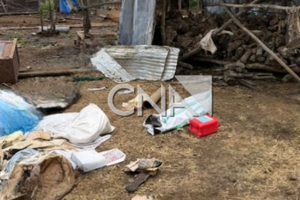
Several images provided by CNA show the area where this mo...

A quantity of explosive material exploded this morning at ...
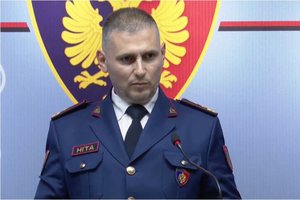
The Head of the State Police, Skënder Hita, expressed his ...

For many children and teenagers, the long summer holidays ...
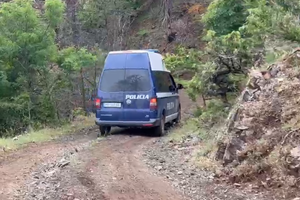
Witnesses in Lozhan, Maliqi, have shared details from the ...

Albania is facing an unprecedented demographic transition,...

On Thursday, our country will be affected by unstable weat...
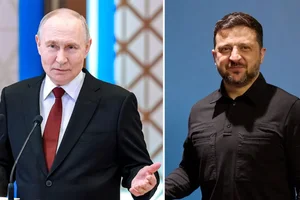
Russian President Vladimir Putin said the war in Ukraine c...

An extraordinary story of survival has been recorded in Ne...
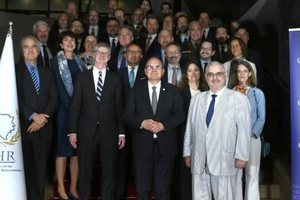
The Peace Implementation Council in Bosnia and Herzegovina...
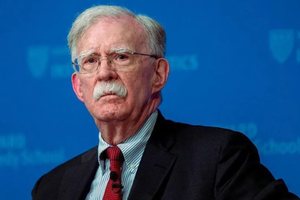
John Bolton, the former national security adviser to US Pr...

Korça is ready to open the summer season with one of the c...

Two years after his passing, the renowned Korçë poet Skënd...

The Ethnographic Museum of Berat has opened its doors to v...
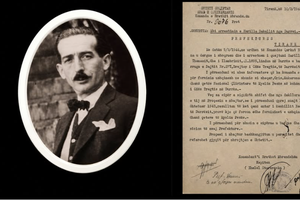
The story of Harilla Bakalli is one of the most chilling t...
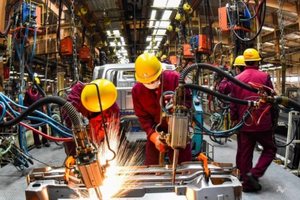
The government aims to transform the country's industrial ...
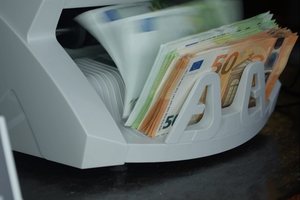
Kursi i këmbimit të euros me lekun ka rënë më tej këtë jav...

Profit margins in the construction sector have increased s...
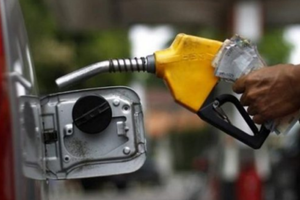
The Transparency Board, at its meeting today, decided to i...