


Media censorship/ How it works and the most common forms
When a piece of news is not published, when a fact is soft...

When a piece of news is not published, when a fact is soft...

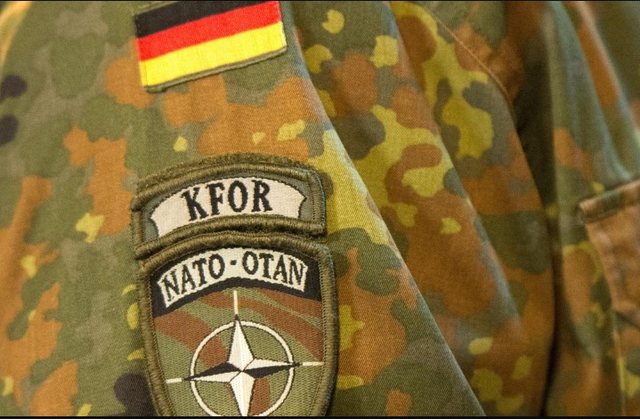
The German parliament debated the extension of the Bundeswehr's commitment to Kosovo. After the Russian aggression in Ukraine, the German government sees the stabilization of peace in the Western Balkans of great geostrategic interest.
For 24 years already, KFOR has been in Kosovo, and for 24 years the extension of the mandate of the German Army (Bundeswehr) in Kosovo must be approved by the German Parliament (Bundestag), after two 40-minute debates and a roll call vote . On Thursday, 11.05.2023, the first debate took place on the motion presented by the German government for the extension of the mandate of stationing German soldiers in Kosovo by one more year.
Politicians of the center-left tripartite coalition (SPD, Greens, FDP) as well as those of the largest opposition parliamentary group (CDU/CSU) praised KFOR's contribution in general to maintaining stability in Kosovo. But they also pointed out the main points that make the mandate necessary: ??Especially after the Russian aggression in Ukraine, the German government sees the stabilization of a stable peace in the Western Balkans of great geostrategic interest, said the parliamentary secretary in the Ministry of Defense, Thomas Hitschler, (SPD). "The progress achieved in two decades should not be lost", he told the deputies.
The maximum number of German soldiers that can be engaged within KFOR during the next 12 months remains unchanged, 400. Currently, nearly 70 members of the Bundeswehr are stationed in Kosovo. But the mandate allows the Minister of the Interior to increase this number in case of need. Hitschler pointed out that the normalization of relations between Serbia and Kosovo still remains open, which causes tensions in the north from time to time.
Peter Beyer: We no longer tolerate arguments against the association
Peter Beyer, from the opposition CDU party, said normalization of relations was key. He welcomed the achievement of the Ohrid Agreement at the end of March, but criticized the lack of will for implementation. "We can neither listen to the excuses nor tolerate them", he said considering the delay in the creation of the Association of Municipalities with a Serbian majority by the current government of Kosovo. Beyer warned: "The stabilization of relations between Kosovo and Serbia is closely related to stability in the entire Western Balkans."
Boris Mijatovic, speaker of the parliamentary group, The Greens, who himself had just returned from a visit to the region, recalled the wounds of war in the Balkans. He mentioned the many missing persons and many open issues between the two countries, which make normalization difficult. The politician from the foreign minister's party, Baerbock, focused on the successes: the achievement of the Ohrid Agreement, although it has not yet been signed, Kosovo's candidacy for EU membership at the end of last year, as well as the progress achieved at the end of March with the transition to the Parliamentary Assembly of the Council of Europe of Kosovo's request for membership. "So, there are successes, but the process is not over, so we need the presence of KFOR in the future as well", argued Mijatovic: "It is our commitment to peace in the region".
The Left and the Alternative for Germany call KFOR's mission a failure
The politicians of the two extreme parties, the Left and the Alternative for Germany, chose, as in previous years, a narrative diametrically opposed to that of the four center parties. Markus Frohnmeier, from the AfD, said that the truth is that in fact, in 2004 there was an "ethnic cleansing" of the Serbian minority, in the presence of KFOR." The right-wing politician continued with accusations against the Kosovo government: Nepotism, like the Habeck and Graichen case, is normal in Kosovo". He also criticized the German government, which pays development aid, and, on behalf of the AfD, rejected a mandate extension. He asked for an end to this "All inclusive" service for Kosovo, which will last another 25 years.
Even Zhaklin Nastic, who spoke on behalf of the E Majta party, rejected the extension of the mandate. She emphasized the situation of the Serb and Roma minority in Kosovo. According to her, every year there are three attacks against them. Nastic, whose party has always called NATO's intervention against Milosevic a mistake, said that according to her, the bombings have caused 3,500 victims, but no one has been held accountable for them. Likewise, according to her, no one has been held responsible for the uranium ammunition used during the bombings, as well as the bombing of the ammunition factory in Pancevo, which, according to her, caused the release of a large amount of mercury.
Germany gives over six million euros a year to Kosovo
After a 40-minute debate, the motion was passed to the relevant committees, the external and the defense. German troops have been involved in the KFOR mission since June 12, 1999, with the entry into force of UN resolution 1244. For the extension of the mandate there is a broad consensus in the German parliament, so the motion is expected to be approved.
Germany's expenses for the engagement of its soldiers in KFOR are expected to reach around 6.1 million euros for the next twelve months. But Germany's contribution to Kosovo is greater than that. Since 1999, it has spent around 880 million euros for the development of Kosovo. Cooperation is currently focused on the areas of energy, sanitation, circular economy, education and sustainable growth. A major development cooperation project is the transformation of the Prizren camp into an innovation and technology park./ Voa

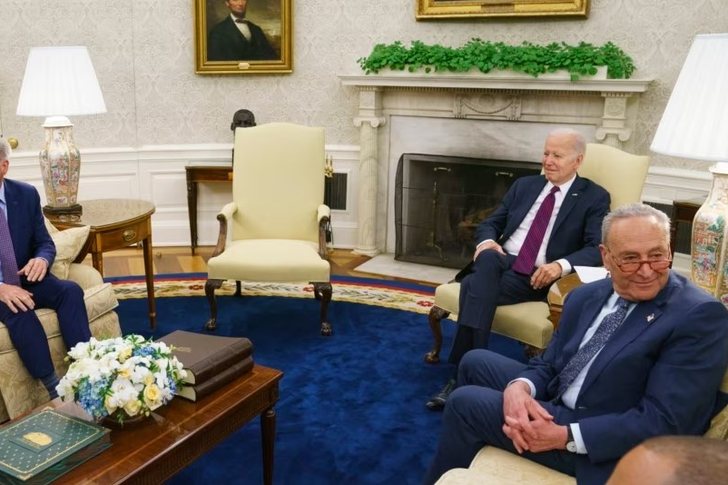
A meeting on the debt limit between US President Joe Biden a...
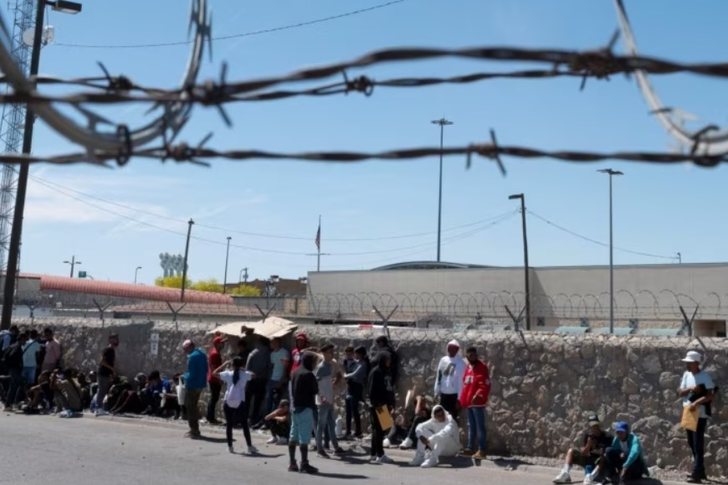
Thousands of migrants are crossing the border into the Uni...
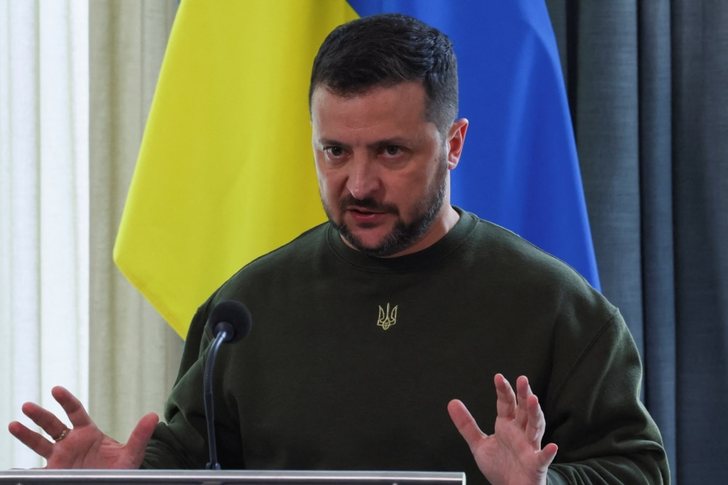
Ukrainian President Volodymyr Zelensky said the time w...
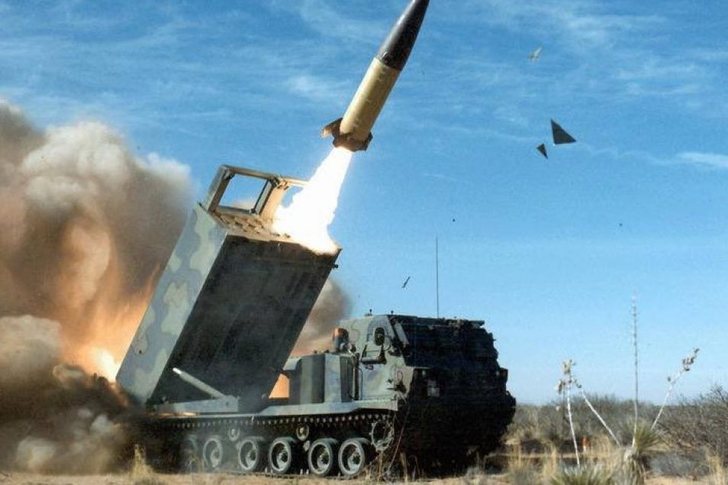
Great Britain has been a staunch supporter of Ukraine ...
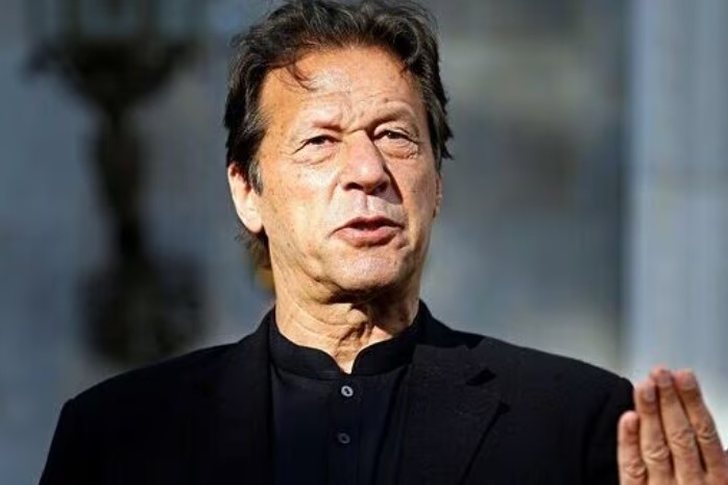
On Wednesday, the Supreme Court of Pakistan ordered th...
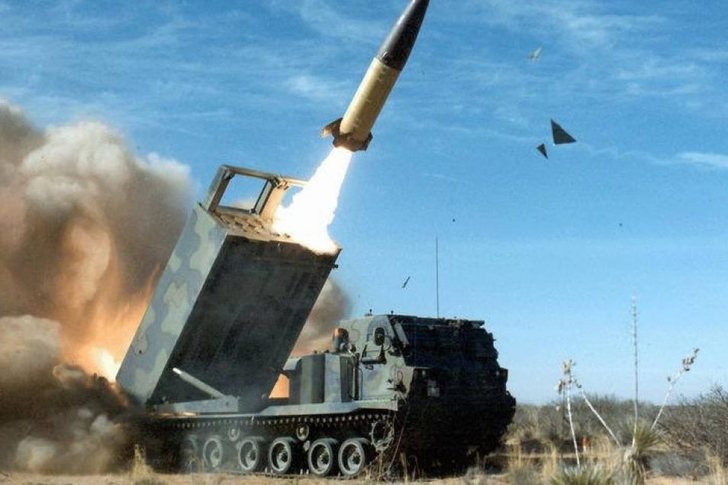
"The Sky News" writes that Great Britain has sent long-ran...
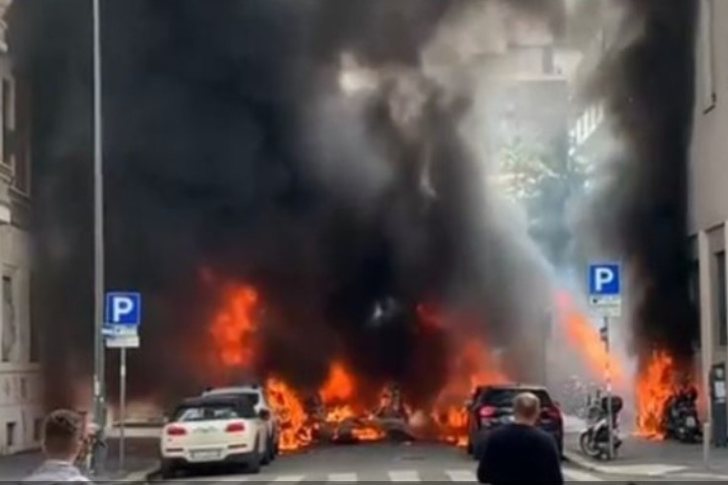
A large explosion occurred in Milan, Italy, where seve...
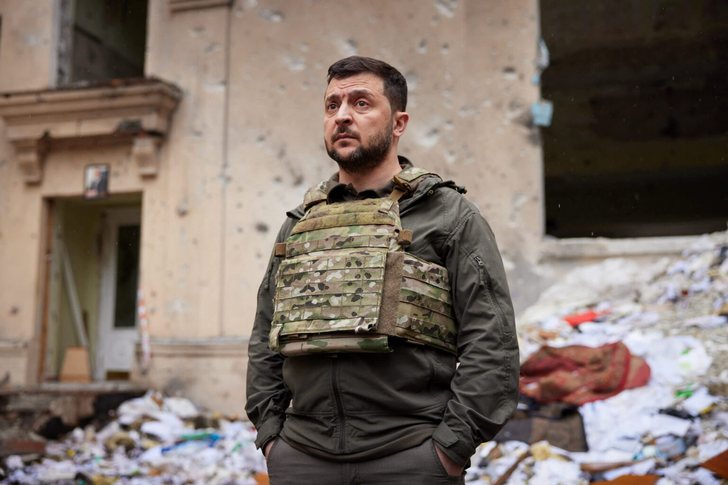
Ukraine needs more time to launch a long-awaited counterof...
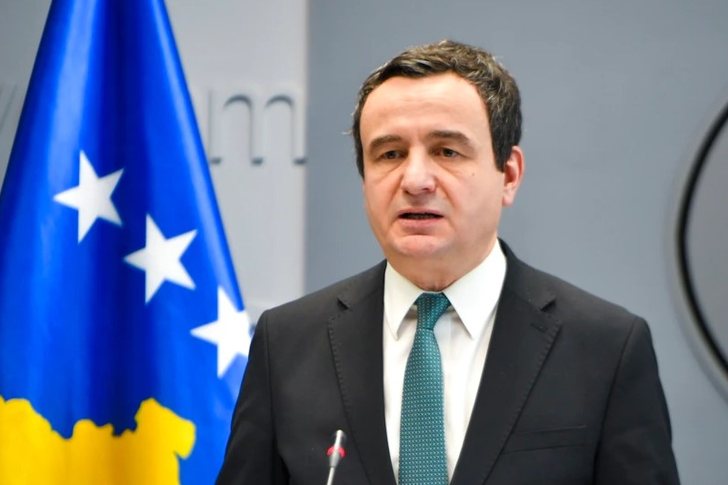
The Prime Minister of Kosovo, Albin Kurti, today held ...

Two people have been killed in a shooting at a Mercedes-Be...

About 27 people were injured this Thursday as a result of ...
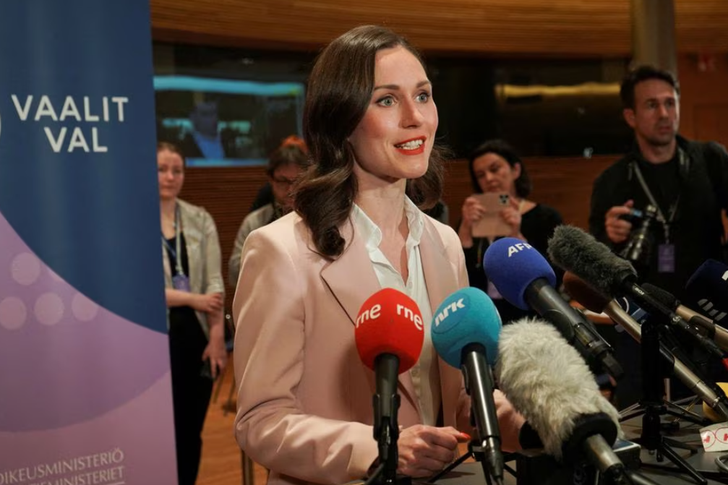
Finland's outgoing prime minister, Sanna Marin, is in the ...
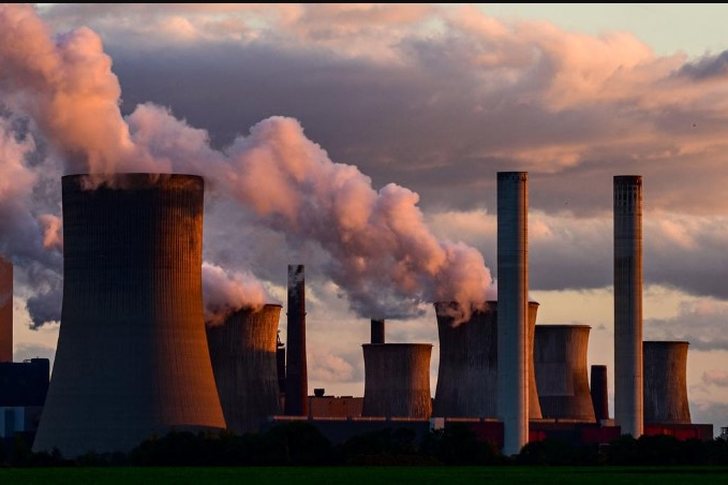
Germany wants to become climate neutral by 2045, but h...
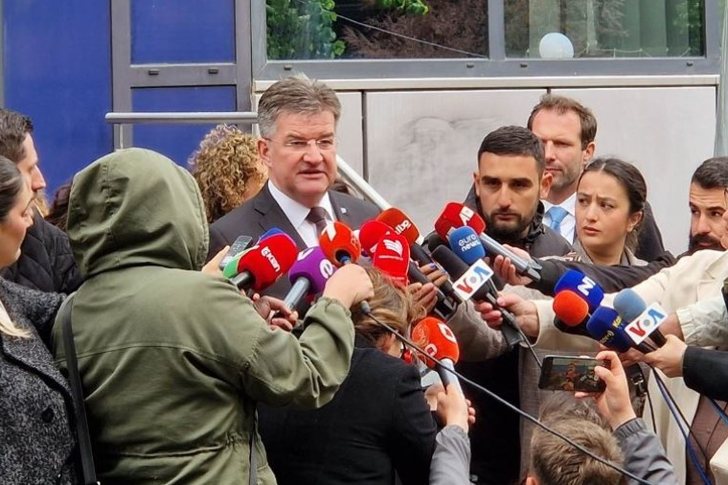
The EU's Special Representative for the Kosovo-Serbia dial...
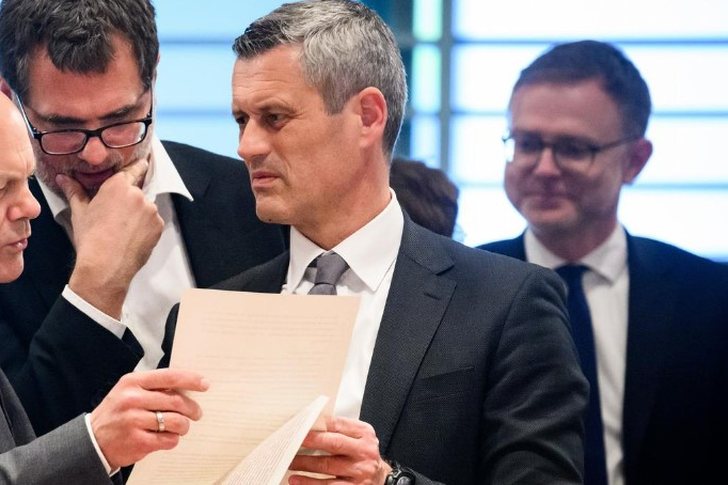
Gati tetë orë zgjati të enjten në mbrëmje takimi mes shefa...

A Manhattan jury on Tuesday found that former US President...

Diplomats making Western foreign policies are deeply conce...
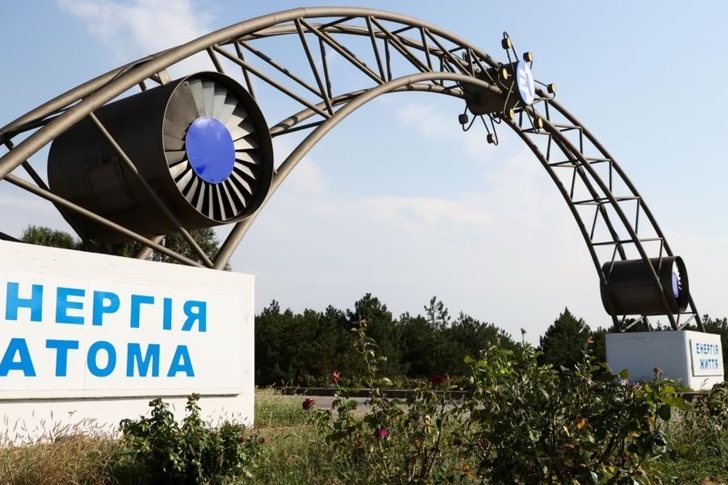
Enerhoatom, the operator of Ukraine's Zaporizhzhia Nuc...
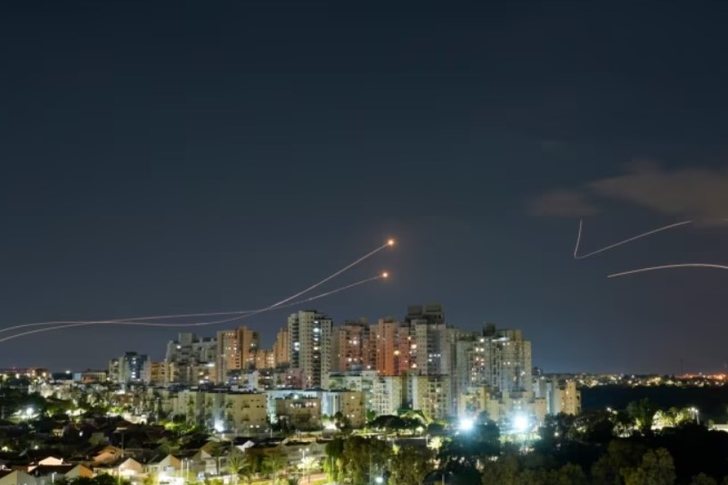
Palestinian extremists fired hundreds of rockets from ...

Former President Donald Trump stood by his stance on t...

For 6 months now, CNA has been sending several letters to ...
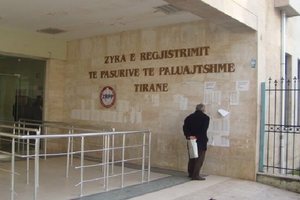
The word "fatherland" with properties is not enough. The m...

The justice reform claimed that it would bring faster, fai...
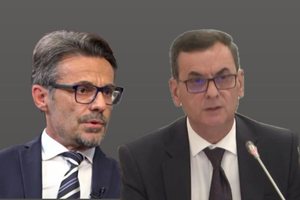
The Justice Reform and the vetting process were trumpeted ...

The Special Board of Appeal (KPA) decided this Monday ...

The KPA vetting decided this Thursday to dismiss the p...

Suela Salavaçi, a prosecutor in the Prosecutor's Offic...

The Special Board of Appeal reinstated the prosecutor ...

The Police Supervision Agency, Kukës-Dibar Regional Direct...
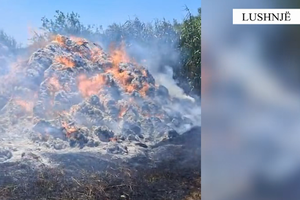
A 57-year-old citizen has been arrested in the village of ...

Two citizens with high social risk, wanted by the authorit...
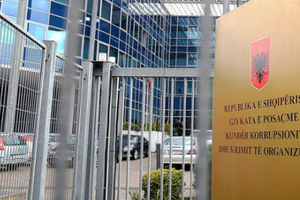
The Special Court against Corruption and Organized Crime h...
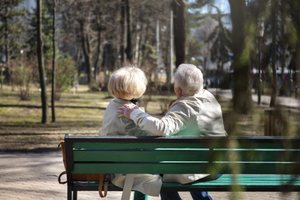
27% of the retirement age population is being pushed inevi...

On Saturday, our country will be affected by stable weathe...
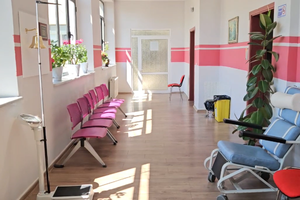
An important investment in the service of patients with tu...
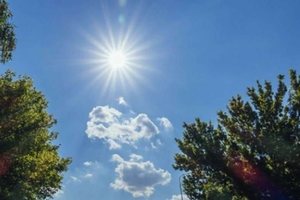
Today our country will be affected by stable weather condi...

The President of the United States of America, Donald Trum...
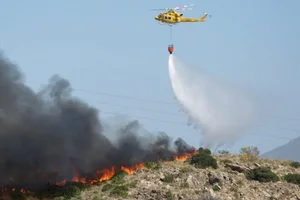
Shërbimet e emergjencës në juglindje të Spanjës vijojnë pë...

The United States has urged Iran to publicly declare that ...
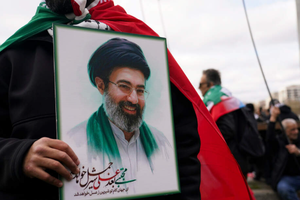
The fate of Mojtaba Khamenei has been a mystery to Iranian...
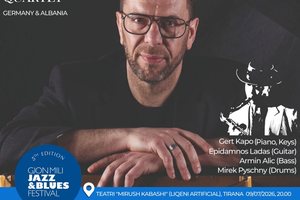
The German Embassy in Tirana has invited the Albanian publ...

Professor and literature scholar Ali Xhiku has passed away...

During my research into the life and artistic photographic...

This year's edition of the Gjon Mili International Video A...

The new old-age pensions in 2025 were on average 16,500 le...

This Saturday, one US dollar is bought for 81.4 lek and so...

The escalation of the conflict in the Middle East has once...

In addition to food, household appliances, oil, and more, ...